Full Day Offshore Fishing - Ponce Inlet
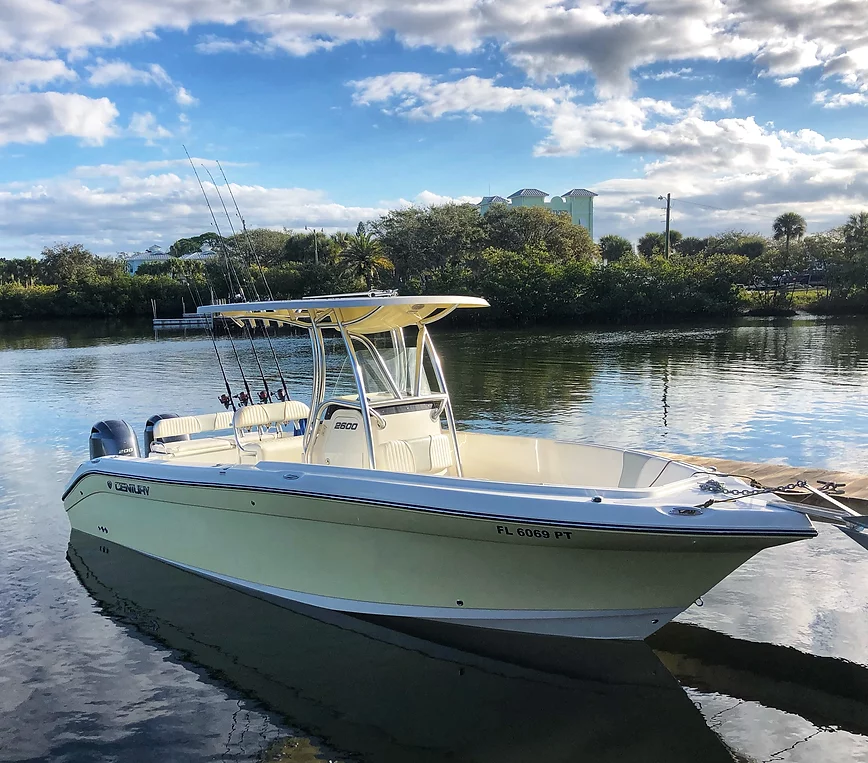
Ready to get serious about some deep-water action? Captain Mike's full-day offshore charter puts you right where the big fish live, 25-35 miles out from Ponce Inlet. This isn't your typical half-day nearshore trip – we're talking about an 8-hour commitment to chasing some of the Atlantic's most sought-after species. With room for up to 4 anglers, you'll have plenty of space to work the lines without bumping elbows, and Captain Mike supplies all the tackle you'll need to tangle with everything from screaming kings to hefty grouper.
What to Expect on the Water
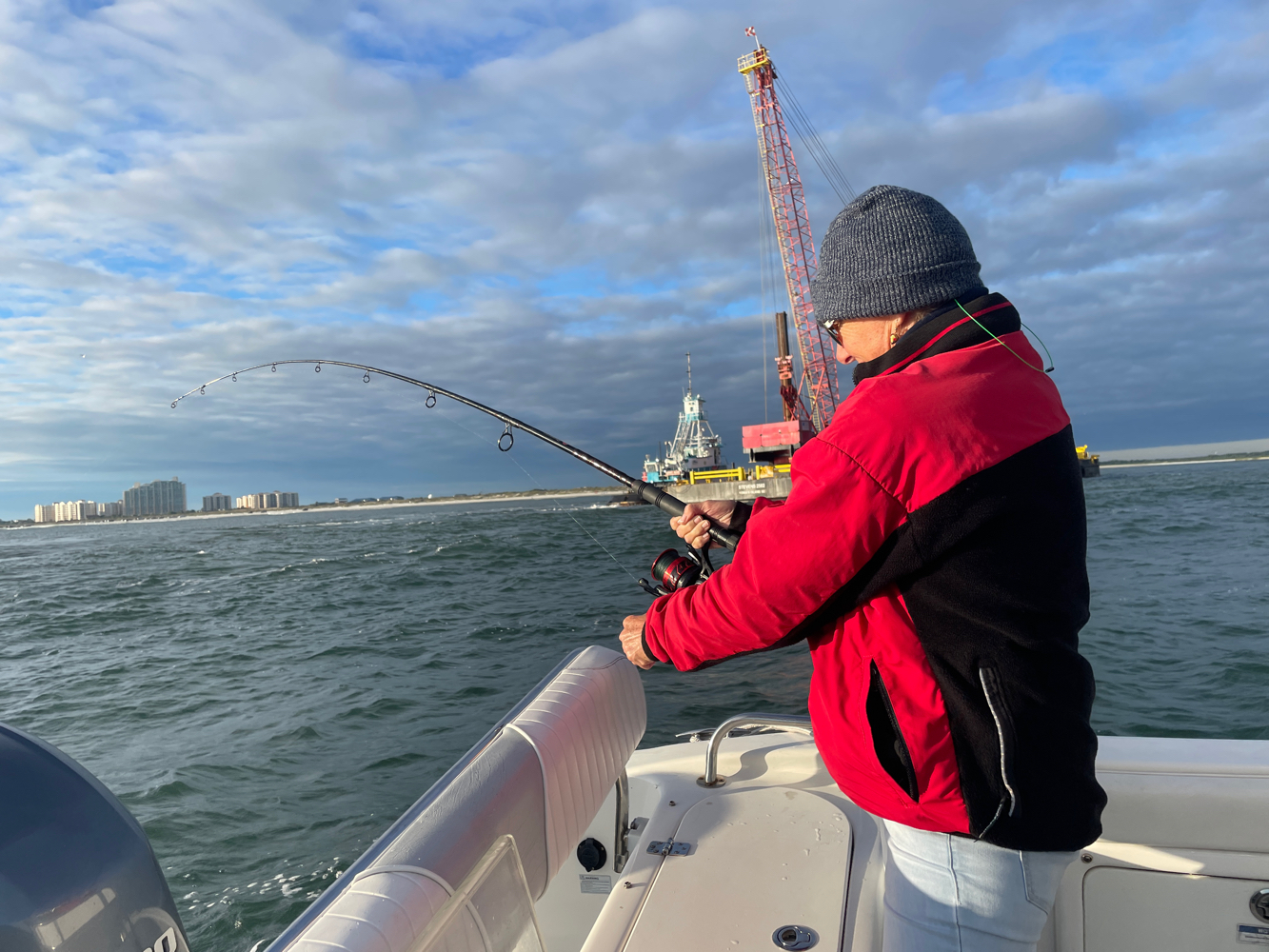
Your day starts early – and I mean early. We're talking about a pre-dawn departure to maximize your time on the productive offshore grounds. The run out takes about an hour depending on conditions, giving you time to get your sea legs and watch the sunrise paint the horizon. Once we hit the fishing zones, Captain Mike reads the water like a book, using his years of experience to position you over structure, temperature breaks, and baitfish schools that hold the kind of fish that make for great stories back at the dock. The boat comes equipped with quality rods, reels, and a tackle selection that's constantly updated based on what's working. You'll be fishing multiple techniques throughout the day – from trolling spreads that attract pelagics like kingfish and cobia to bottom rigs that put you in contact with snapper and grouper holding tight to the reef. Pack your own food and drinks for the day, just leave the glass bottles at home – nobody wants broken glass on a fishing boat.
Techniques and Tackle
Captain Mike runs a versatile operation that adapts to conditions and what's biting. Early morning often starts with a trolling spread – multiple lines pulled behind the boat at varying distances and depths to cover water and locate active fish. We're talking ballyhoo, spoons, and diving plugs that mimic the baitfish these predators can't resist. When the trolling bite slows or we locate good bottom structure, it's time to break out the heavy tackle for some serious bottom fishing. Circle hooks loaded with fresh cut bait get dropped to depths where the snappers and grouper live. The captain provides everything from the 20-pound class spinning gear perfect for snapper work to the heavy conventional outfits you'll need when a big gag grouper tries to drag you into the rocks. Live bait fishing is also on the menu when conditions allow – nothing beats a frisky blue runner or goggle-eye for enticing a trophy cobia or king mackerel to bite. GPS and fish finder technology help locate productive bottom, but it's the captain's local knowledge and ability to read subtle signs that puts you on fish consistently.
Top Catches This Season
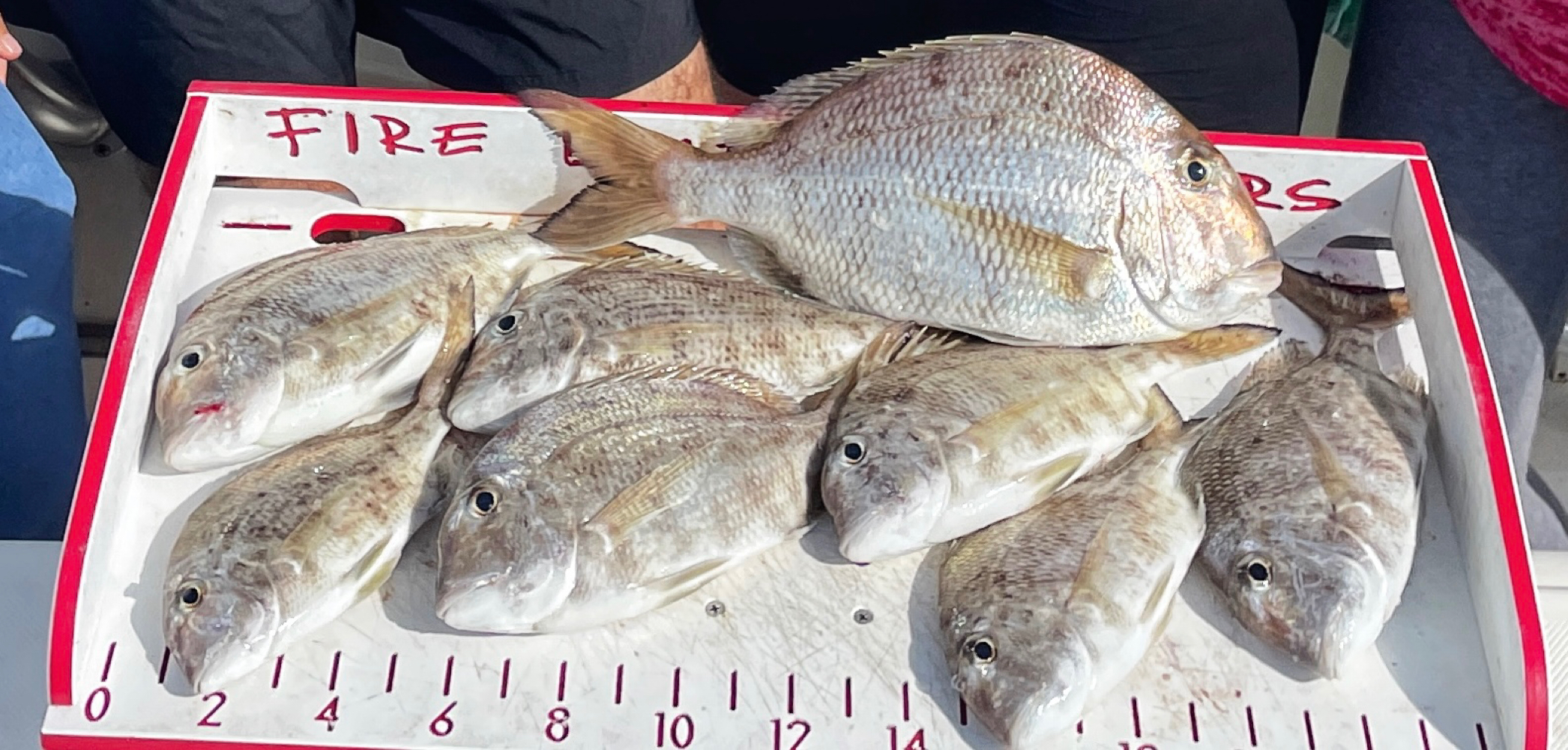
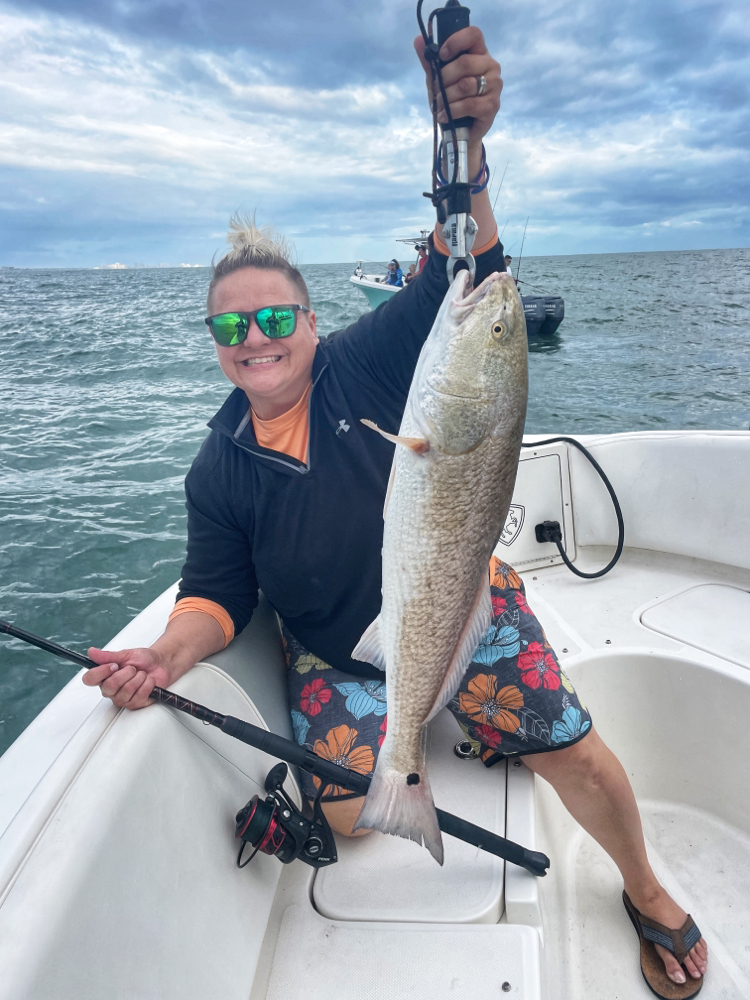
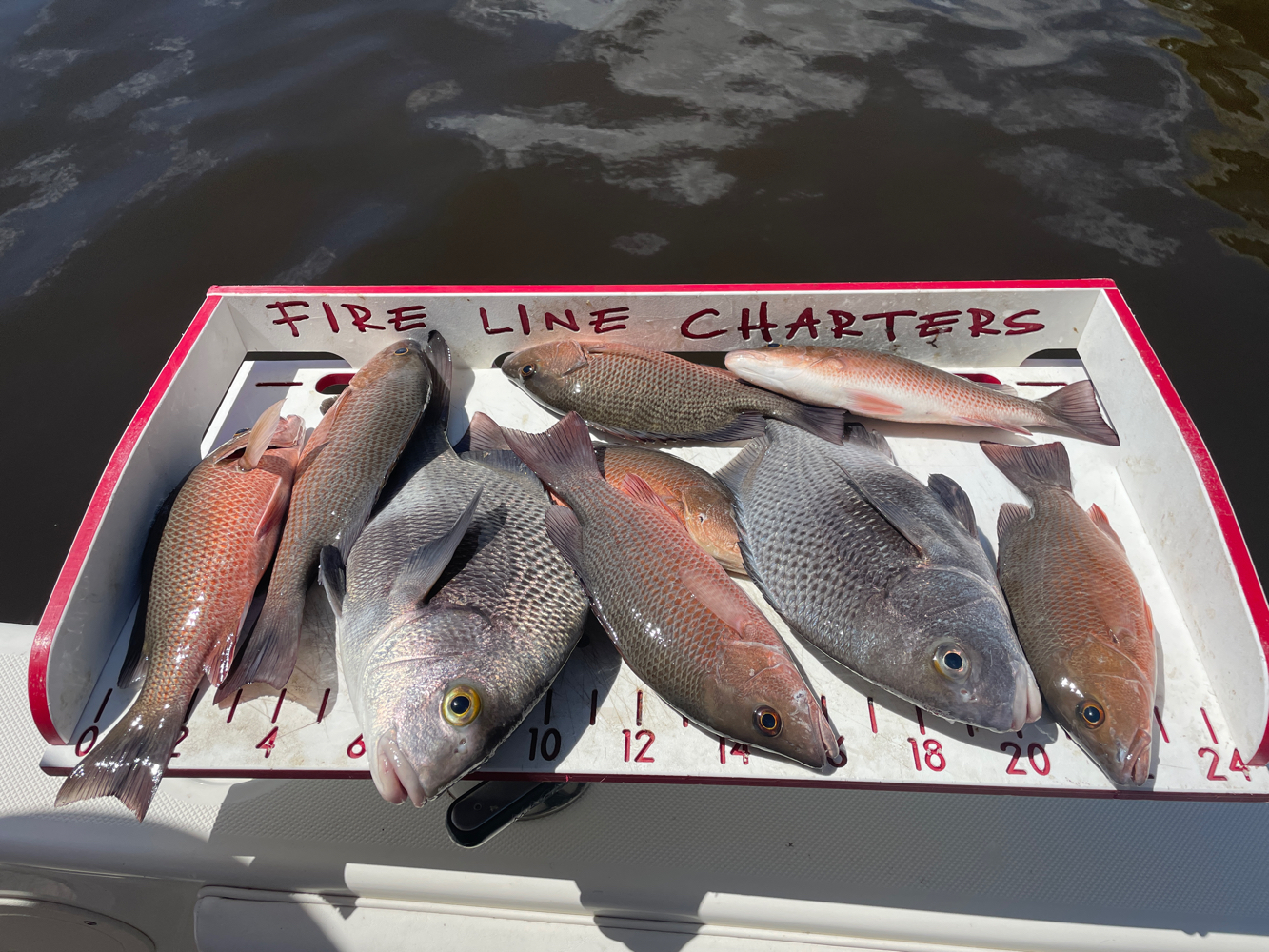
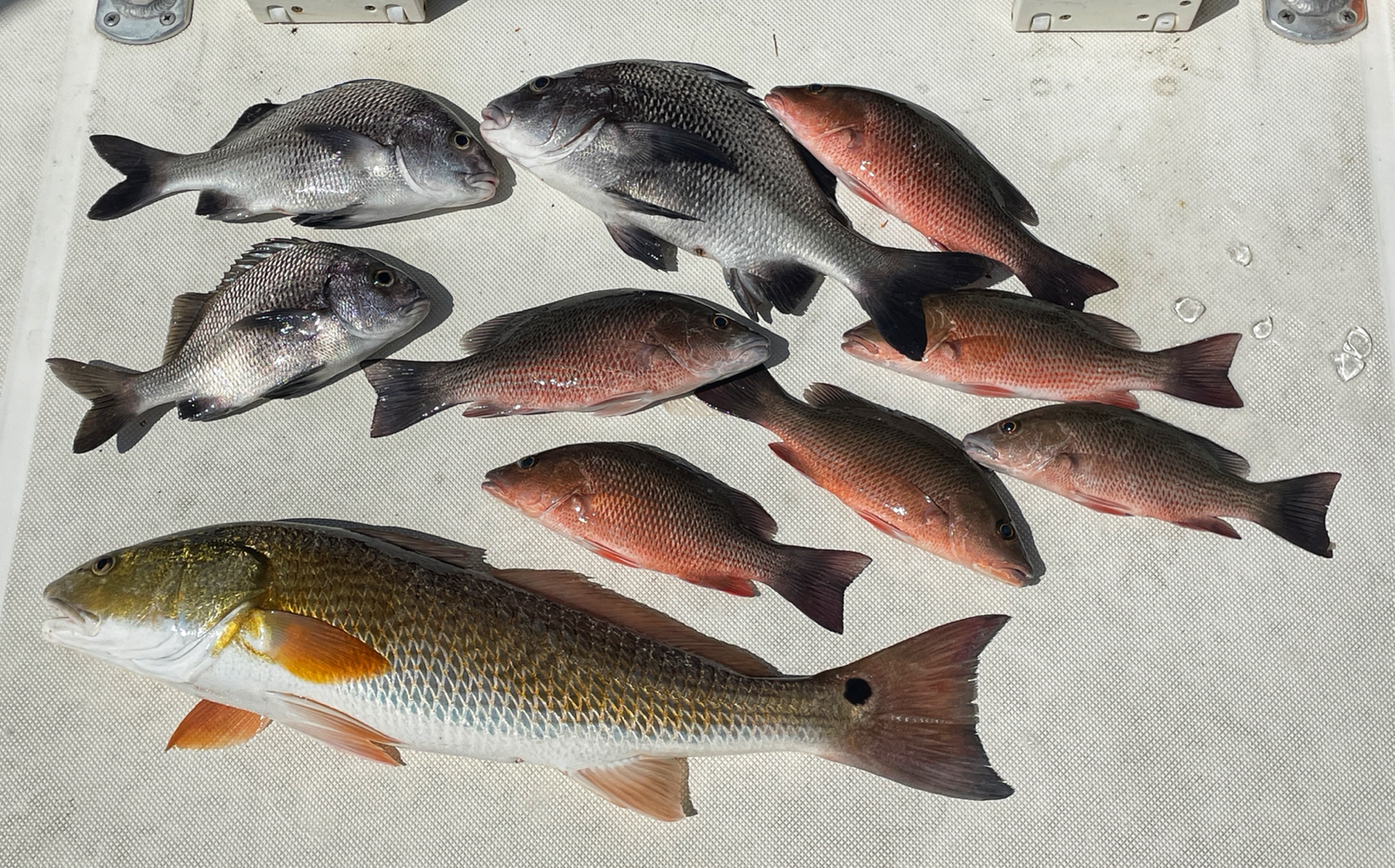
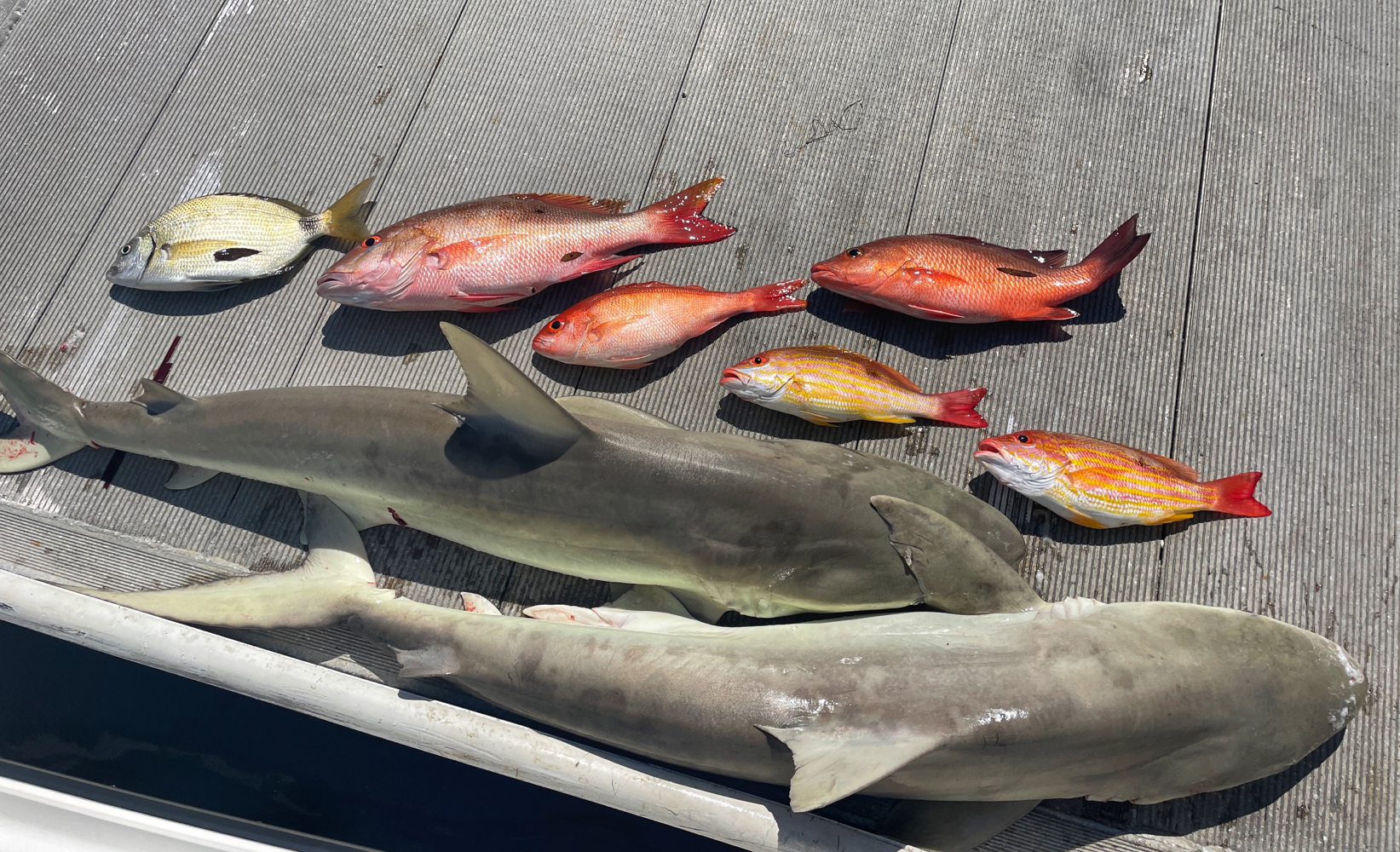
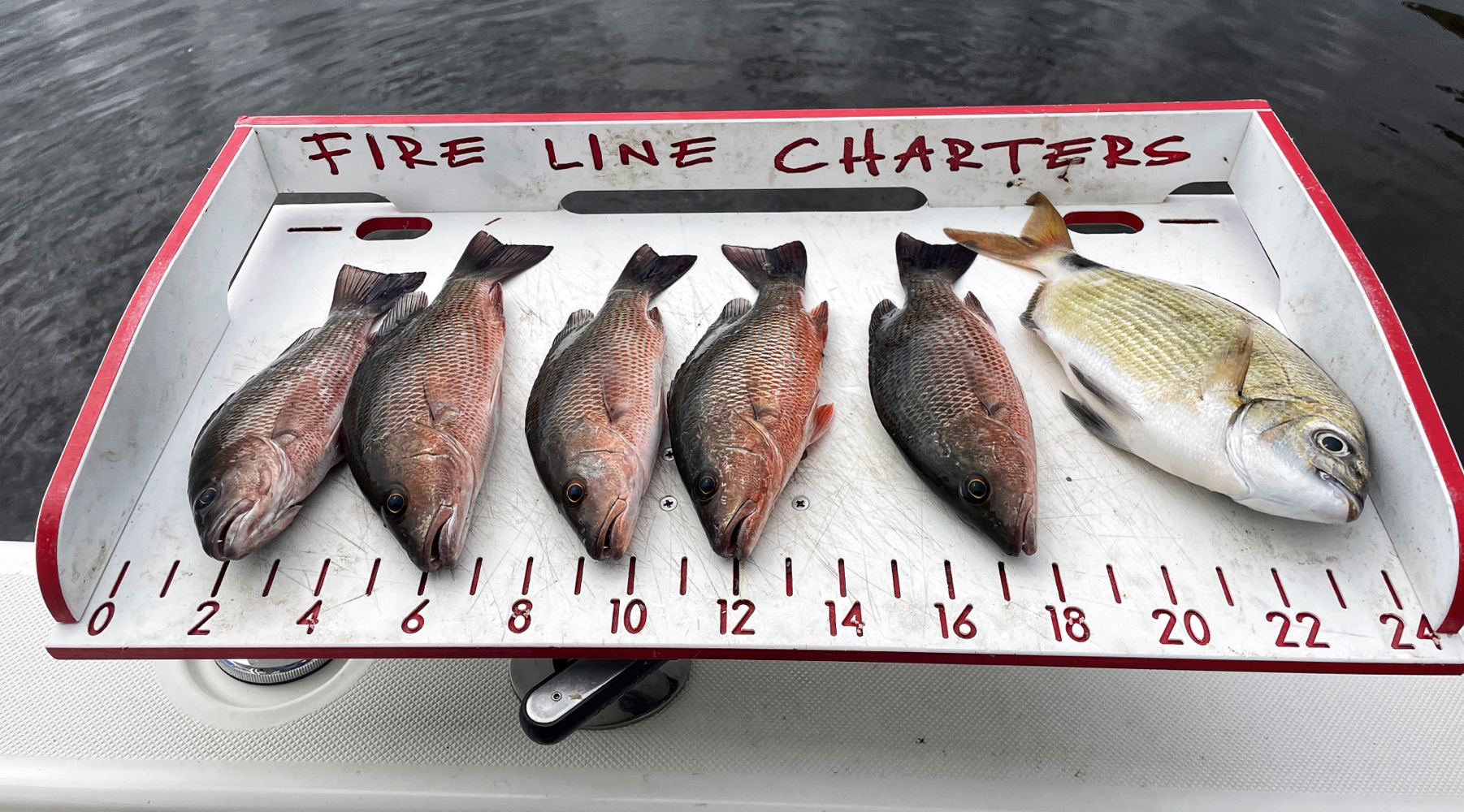
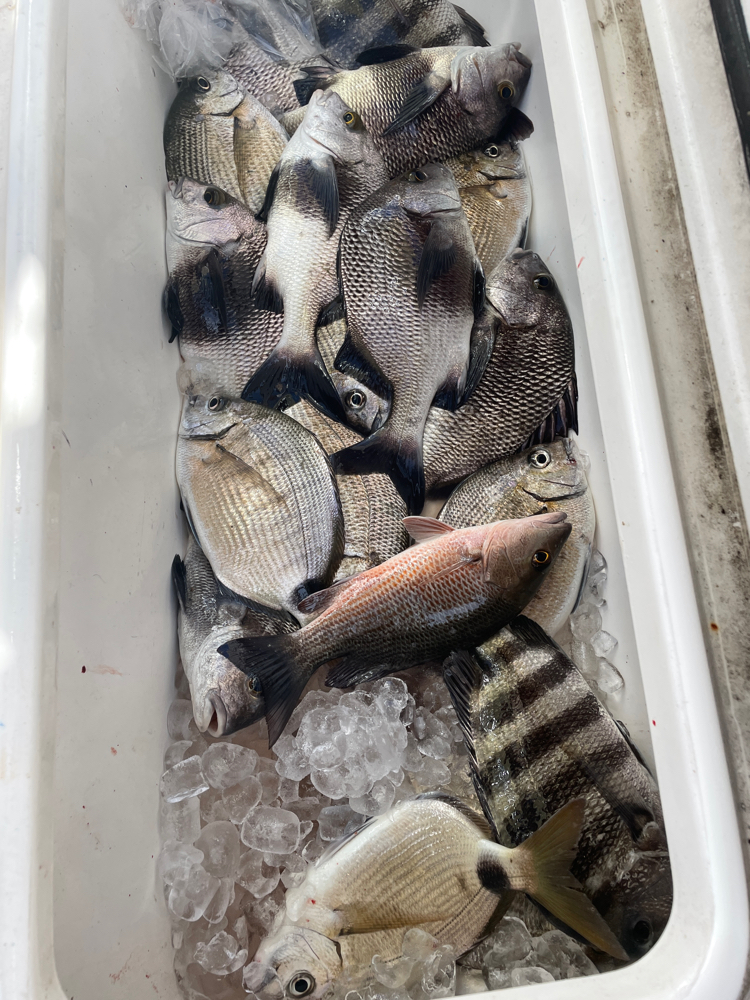
Red snapper are the crown jewel of offshore bottom fishing around Ponce Inlet, and these crimson beauties are worth every bit of their reputation. Most fish run 3-8 pounds, but double-digit snappers aren't uncommon when you're fishing the right structure. They're scrappy fighters that make long runs and use every bit of available cover to try and break you off. Red snapper season typically runs through the summer months, and these fish school heavily over hard bottom and artificial reefs. What makes them so special isn't just the fight – they're absolutely delicious table fare that'll have your family asking when you're going fishing again. Gag grouper are the muscle-bound bullies of the reef system, and hooking one is like trying to pull a Volkswagen out of a parking garage. These fish can exceed 20 pounds and have an attitude to match their size. They hit hard, dive straight for the rocks, and test every knot in your rig. Gags are ambush predators that lurk in holes and under ledges, exploding upward to crush unsuspecting prey. Fall and winter months often produce the best gag fishing, when cooler water temperatures make them more aggressive. King mackerel are pure adrenaline on a fishing line – blazing fast runs, acrobatic jumps, and razor-sharp teeth that'll slice through wire if you're not careful. These torpedo-shaped speedsters cruise the offshore waters looking for schools of baitfish, and when they find them, the action can be non-stop. Kings typically range from 10-30 pounds in these waters, though bigger fish are always possible. They're excellent eating when prepared properly and make for some of the most exciting fishing you'll experience. Grey triggerfish might not win any beauty contests, but they make up for looks with personality and fighting ability. These cantankerous bottom dwellers have powerful jaws designed for crushing shells and a stubborn streak that makes them surprisingly tough to land. They're structure-oriented fish that love hard bottom and artificial reefs, often schooling in good numbers when you find the right spot. Triggers are excellent table fare with firm, white meat that's perfect for the grill. Cobia are the wildcards of offshore fishing – you never know when one of these chocolate-colored bruisers will show up to crash the party. They're curious fish that often approach the boat, giving you a shot at sight-fishing with live or cut bait. Cobia are strong, dogged fighters that make long runs and aren't afraid to go deep when hooked. Most fish run 20-40 pounds, and they're considered some of the best eating fish in the ocean with their firm, almost steak-like texture.
Time to Book Your Spot
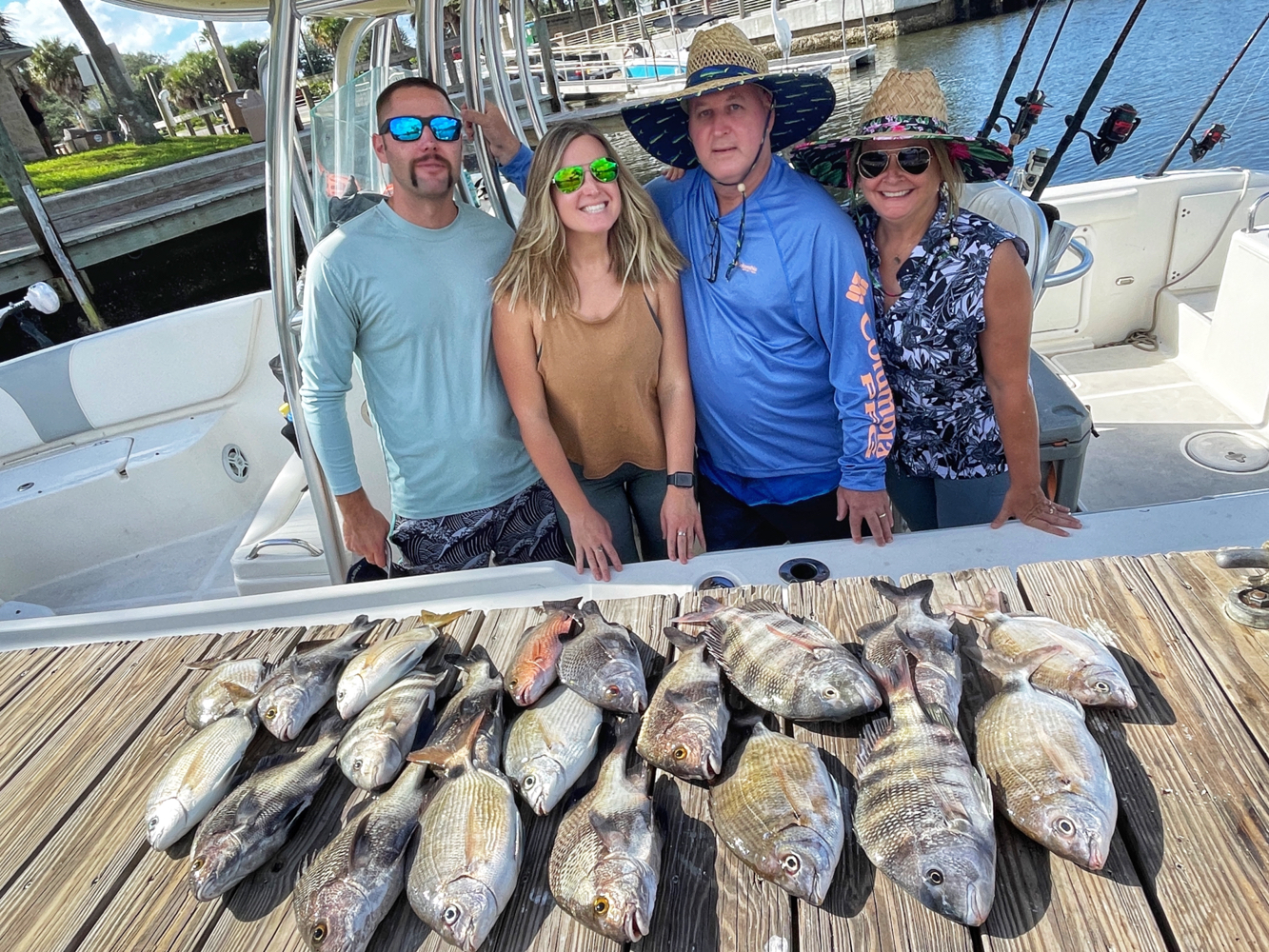
This full-day offshore experience with Fire Line Charters delivers the kind of fishing that keeps anglers coming back season after season. Captain Mike's local knowledge, quality equipment, and commitment to putting you on fish makes this a top-rated charter option for serious anglers. Whether you're targeting a personal best red snapper, hoping to tangle with a trophy grouper, or just want to experience the raw excitement of offshore fishing, this 8-hour adventure covers all the bases. The 4-angler capacity means you're not fighting crowds, and having all tackle provided removes the hassle of bringing
 Private Trip
 Offshore Fishing
 Port Orange, FL


 8-hour offshore fishing adventure targeting kingfish and cobia