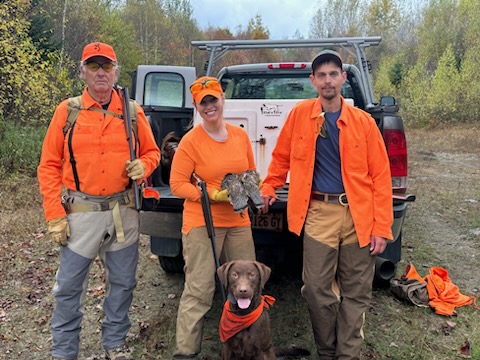
Full Day Winter Hunting Trip Maine
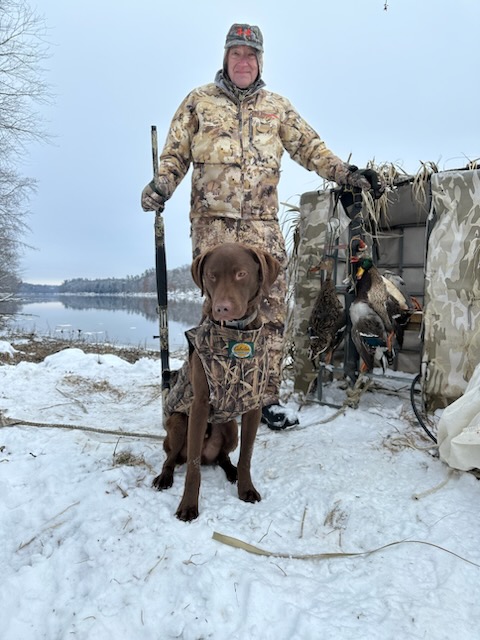
When Maine's lakes and marshes freeze over and snow blankets the countryside, that's when serious waterfowl hunters know the real action begins. Fish N Fowl's full day winter hunting trip puts you right in the heart of Maine's prime waterfowl habitat during one of the most productive seasons. This isn't your typical morning hunt – we're talking eight solid hours in some of the state's best hunting grounds, where Canada geese, mallards, wood ducks, and teal stage up before their southern push. With experienced guides who know these waters like the back of their hand, you'll learn winter hunting strategies that separate the successful hunters from the ones who go home empty-handed. Whether you're new to the sport or a seasoned hunter looking to add Maine waterfowl to your list, this guided hunt delivers the real deal.
Inside the Hunt
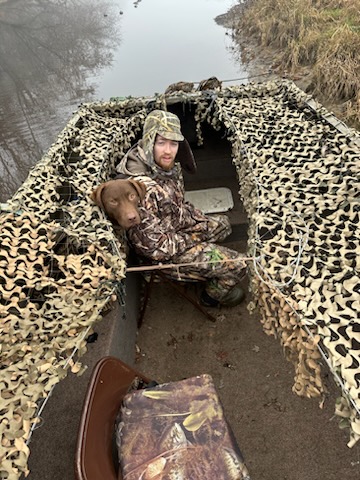
Your day starts before dawn, meeting your guide who's already scouted the best spots based on recent bird movement and weather patterns. Maine's winter waterfowl hunting is all about reading the conditions – ice coverage, wind direction, and where the birds are finding open water to feed. We'll set up in proven locations where migrating birds funnel through on their way south, often in areas where warm springs keep water open even when everything else is locked up tight. The hunt runs a full eight hours, giving you multiple opportunities as different species move throughout the day. Early morning typically brings the mallards and wood ducks, while Canada geese often make their move later as they head to feeding areas. Your guide handles all the scouting, decoy setup, and calling, but they'll also teach you the techniques so you can apply them on your own hunts. With just two hunters per trip, you get personalized instruction and plenty of shooting opportunities without the chaos of larger groups.
Tracking Tips & Terrain
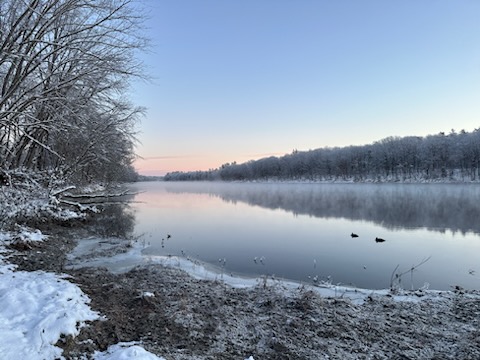
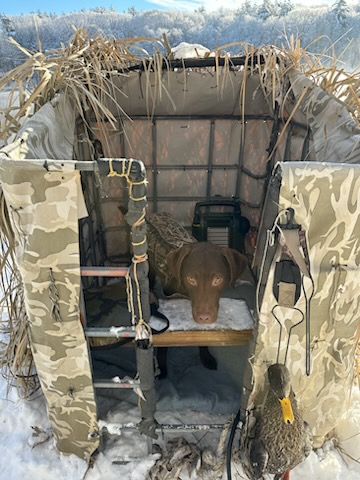
Winter waterfowl hunting in Maine requires a different approach than early season hunting. We're dealing with snow-covered blinds, partially frozen water, and birds that have seen every trick in the book by the time they reach Maine. Your guide will show you how to read ice patterns to find where birds are likely to land, how wind affects their flight patterns in winter conditions, and why certain areas stay productive even when temperatures drop. The terrain varies from marshy areas along major flyways to open water near river mouths where current keeps ice from forming. We use cold-weather decoy spreads that account for limited open water, and your guide will explain how calling changes when birds are dealing with winter stress. Shot placement becomes more critical too – these late-season birds are often carrying extra fat and dense feathers, so your guide will help you adjust your shooting for clean, ethical kills. All the technical gear is provided, but you'll learn why certain decoy patterns work better in winter and how to position yourself for the best shooting angles when birds have limited landing options.
Target Game Breakdown
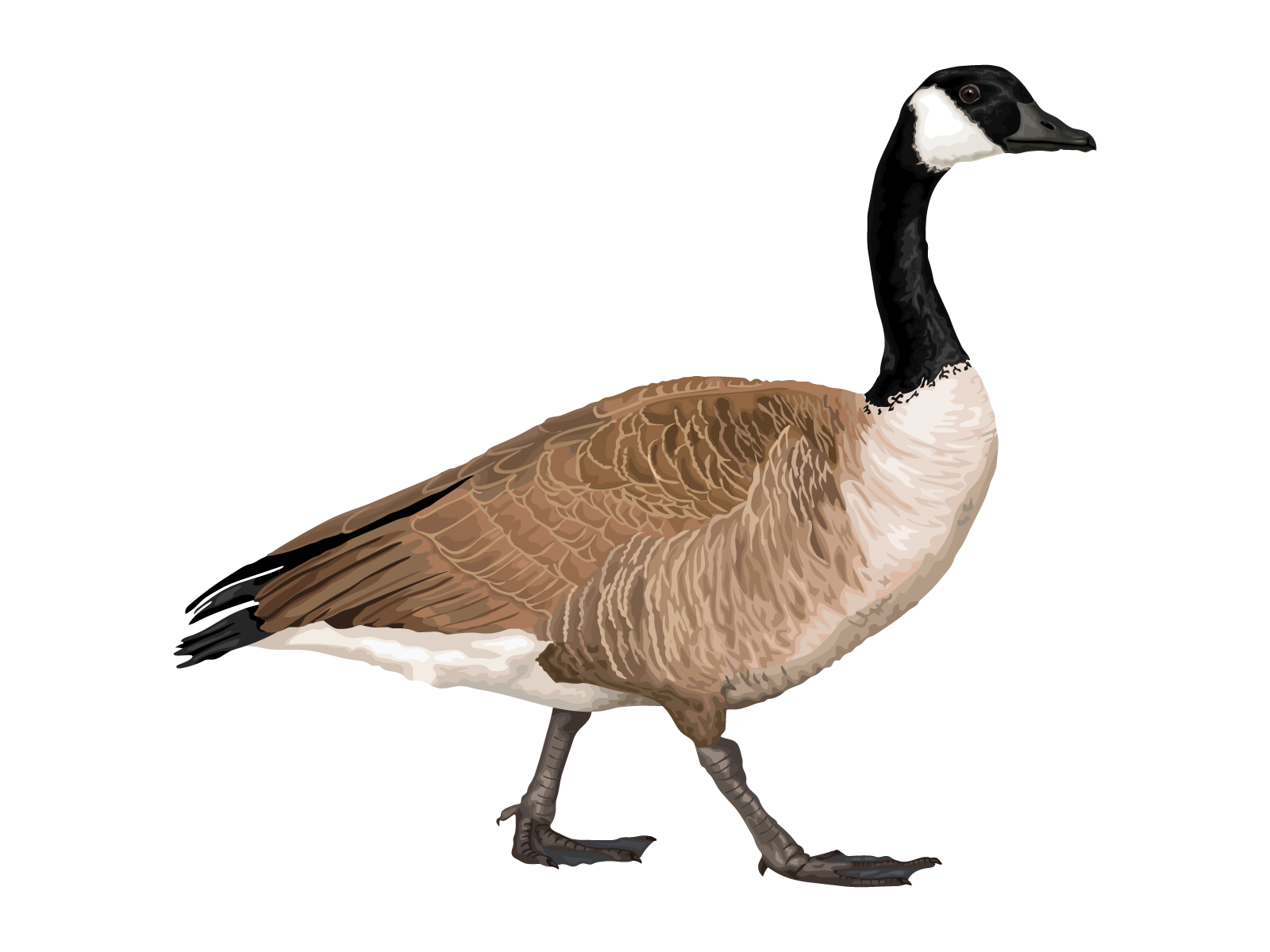
Canada geese are the crown jewel of Maine's winter waterfowl hunting, and for good reason. These big birds – often weighing 8-12 pounds – provide challenging shots and excellent table fare. Maine sits right in the Atlantic flyway, making it a crucial stopover for geese heading south from their Canadian breeding grounds. Winter geese are wary and experienced, having dodged hunters from Hudson Bay to the Maritimes before reaching Maine. They typically move in family groups or larger flocks, and their deep honking calls echoing across a snow-covered marsh is one of hunting's most stirring sounds. The key to success is patience – these birds will circle and study your setup before committing, making the final approach even more rewarding.
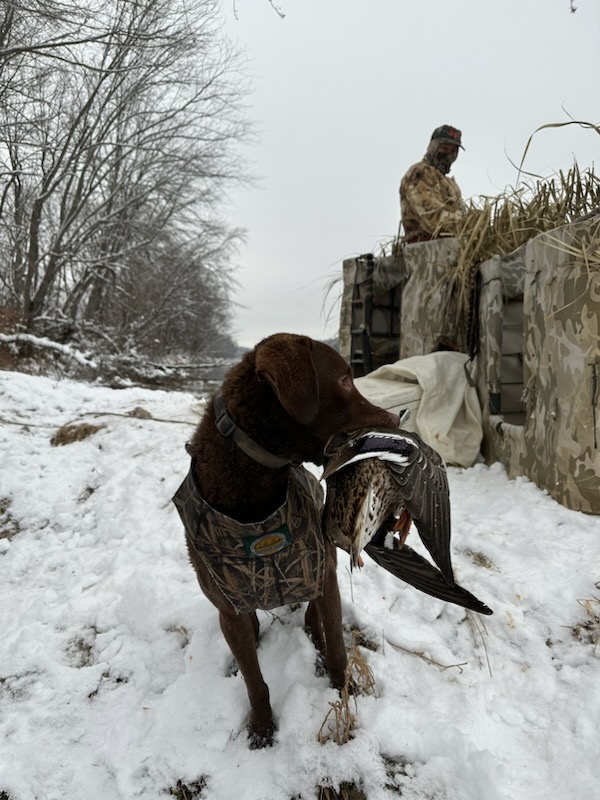
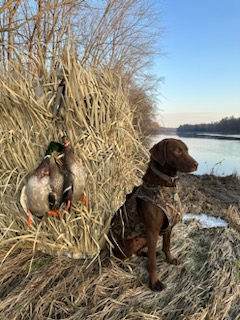
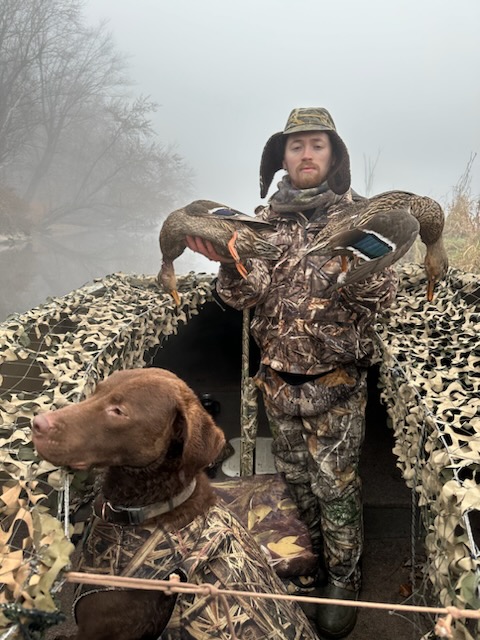
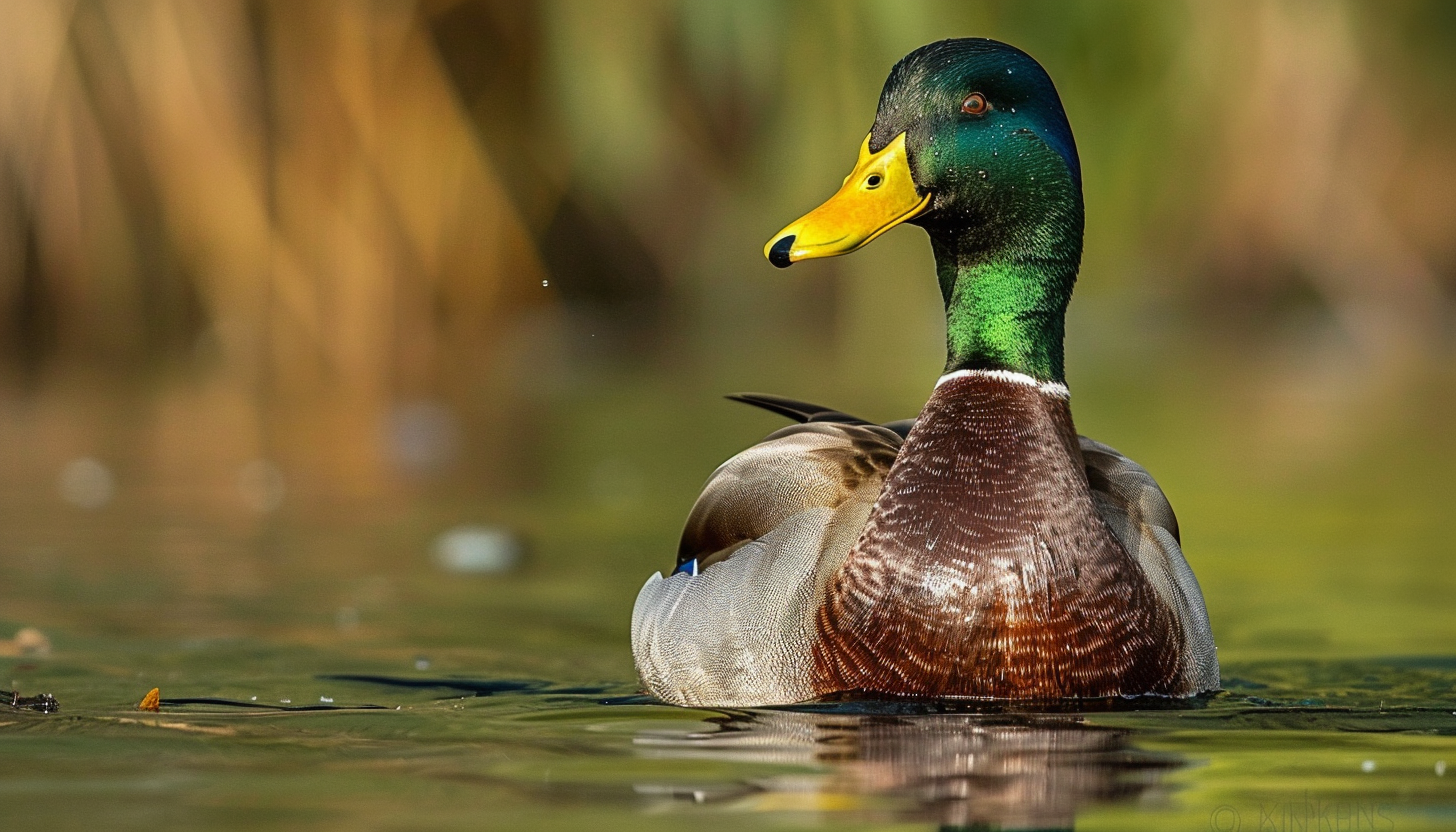
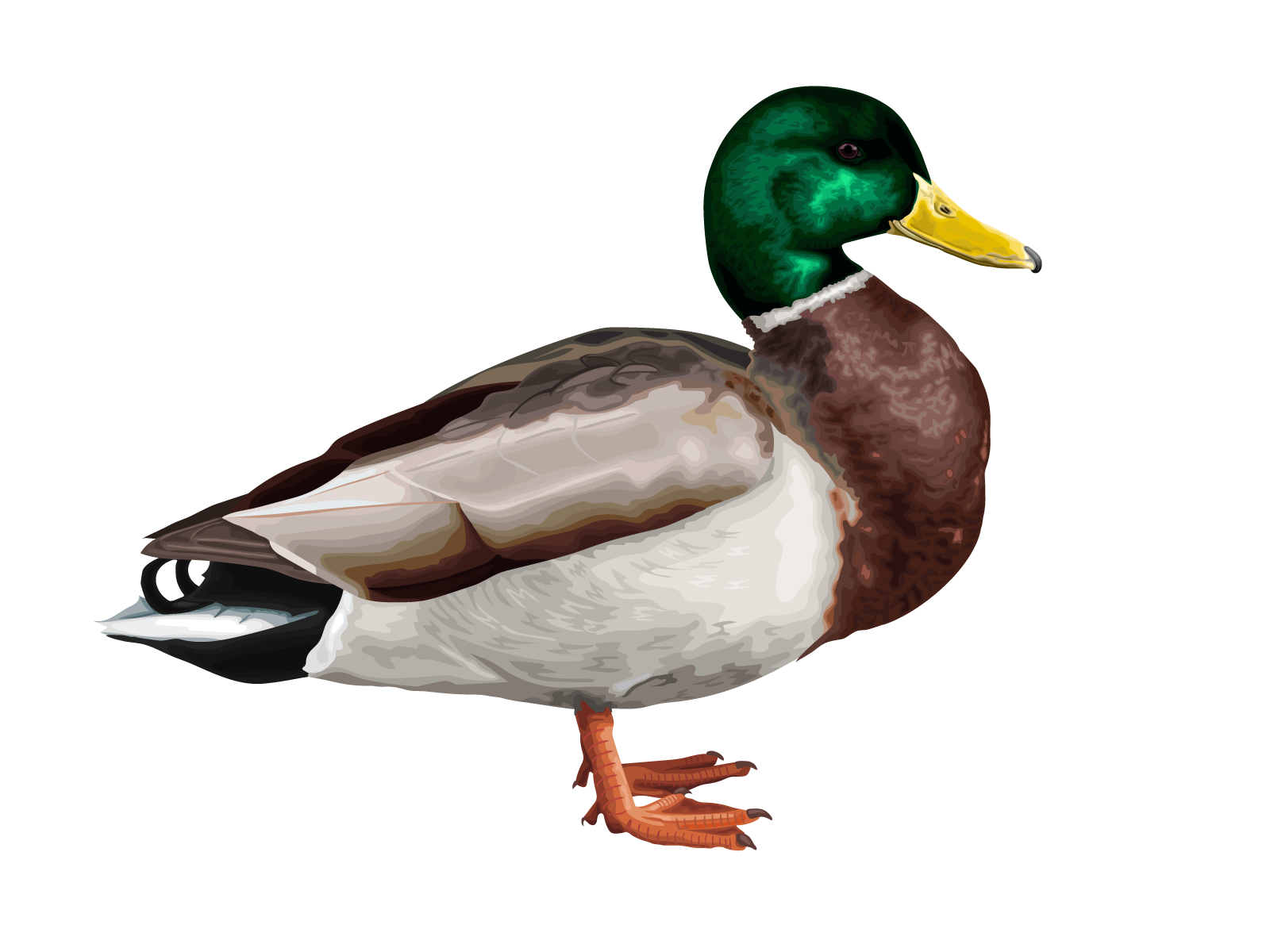
Mallards remain active throughout Maine's winter, especially around areas with flowing water or springs that prevent complete freeze-up. The drakes are in full breeding plumage by winter, showing off those iconic green heads and white neck rings that make them one of North America's most recognizable ducks. Winter mallards are incredibly smart, often requiring perfect concealment and expert calling to bring them within range. They feed heavily in agricultural areas during winter, making their evening returns to roosting water predictable for hunters who know the patterns. A mature drake mallard coming into decoys with wings cupped is a sight that never gets old, and their versatility on the table makes them a favorite among hunters.
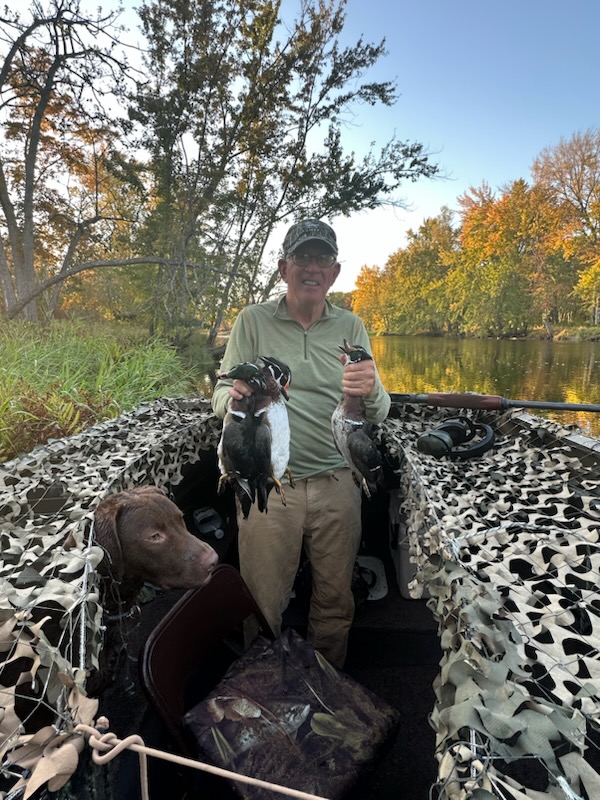
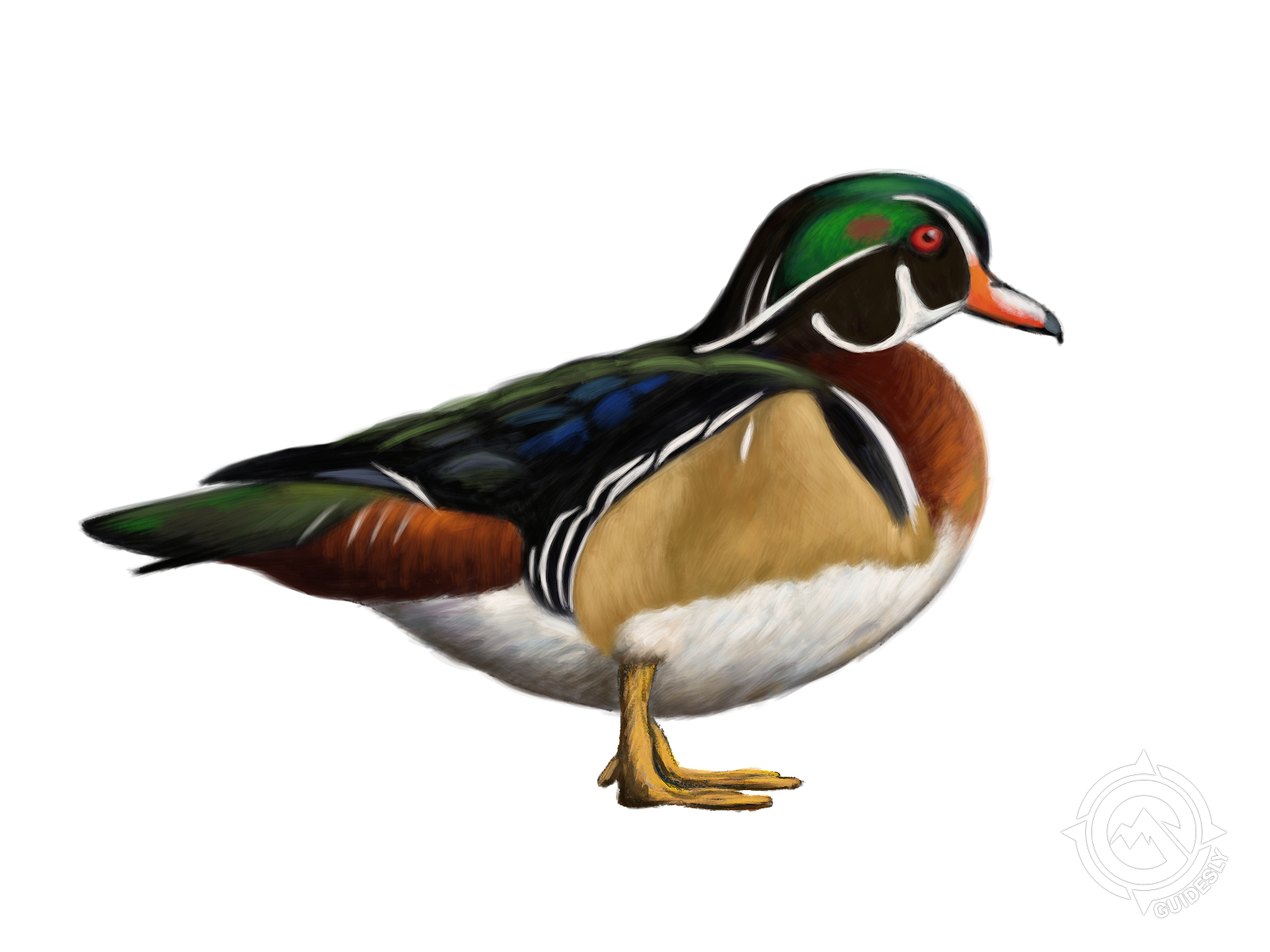
Wood ducks add an element of surprise to winter hunts, as they're one of the few puddle ducks that regularly use wooded swamps and beaver ponds even in cold weather. These stunningly beautiful birds – particularly the males with their iridescent green crests and intricate facial patterns – prefer areas with overhead cover and often come in fast and low through the trees. Wood ducks are smaller than mallards but their acrobatic flight patterns and tendency to appear when you least expect them keeps hunters on their toes. They're also excellent eating, with meat that's often compared to teal for its mild, delicate flavor.
Blue-winged teal are among the earliest migrants, but stragglers often show up during Maine's winter hunting seasons, especially during mild spells. These small, fast-flying ducks are a test of any hunter's shooting skills, often appearing in tight flocks that twist and turn in unison. When teal commit to a decoy spread, they come in fast and provide some of the most exciting shooting you'll find in waterfowl hunting. Their small size – usually under a pound – means you need to be precise with shot placement, but their rapid-fire action more than makes up for their size. Many hunters consider teal the ultimate challenge because of their speed and unpredictable flight patterns.
Book Your Next Tag
Maine's winter waterfowl hunting represents some of the finest wing shooting opportunities in New England, and Fish N Fowl's full day guided hunt puts you right in the action with professional guides who know how to find birds even in tough conditions. This eight-hour hunt gives you time to experience different techniques, learn advanced winter hunting strategies, and have multiple opportunities at various species throughout the day. With personalized instruction for just two hunters, you'll come away with skills and knowledge that will
 Private Trip
 Bird hunting
 Maine
Maine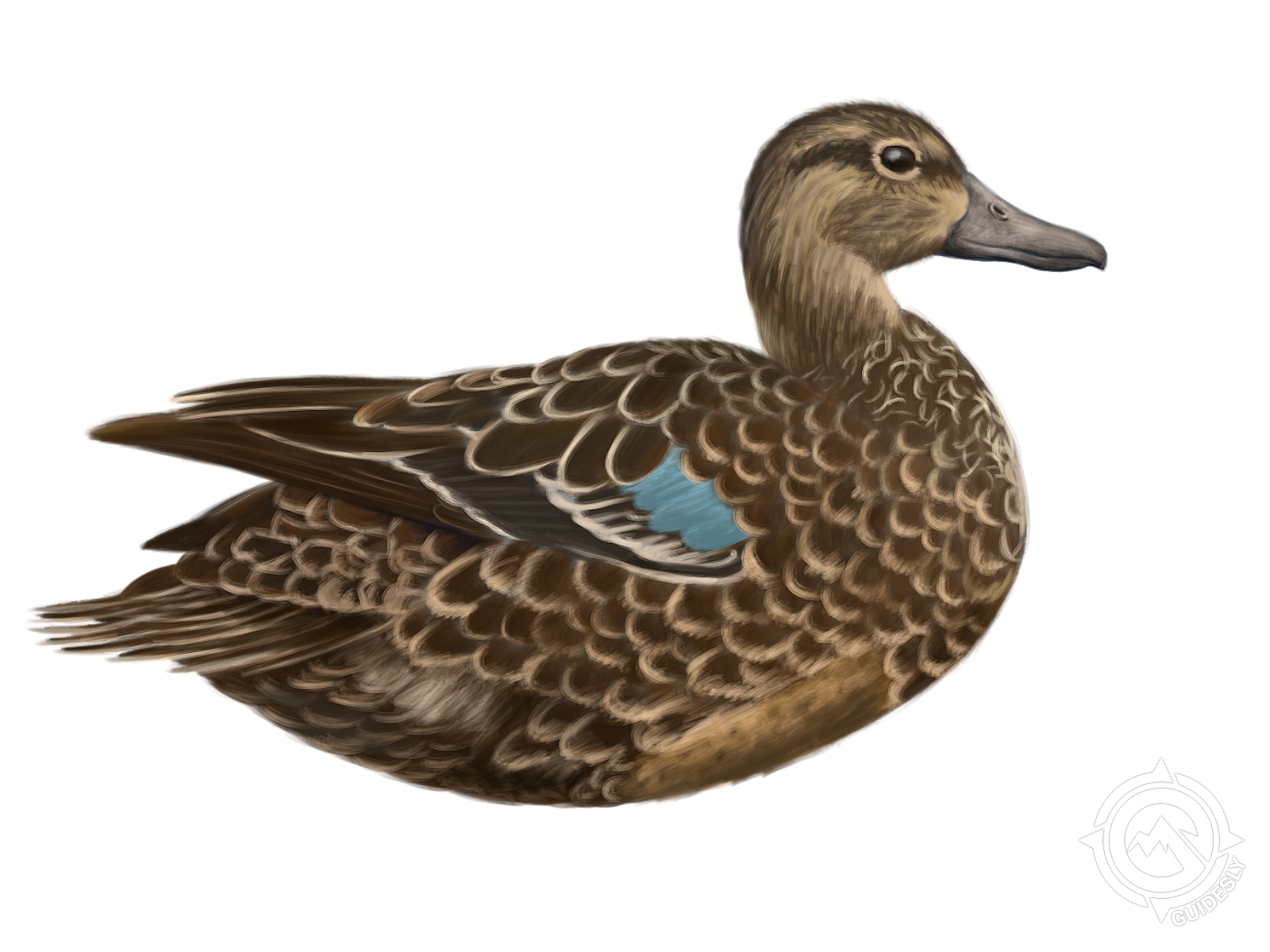
 Full day guided winter hunting across Maine's snowy terrain