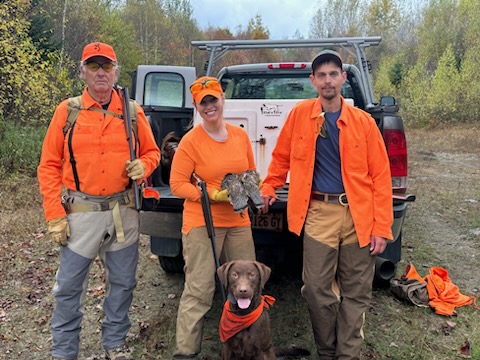
Winter Bird Hunting in Maine's Snow Country
When Maine's winter landscape transforms into a snowy wonderland, serious waterfowl hunters know it's prime time to get after birds in conditions that separate the dedicated from the casual. Fish N Fowl's 6-hour winter hunting trip puts you right in the heart of Maine's top waterfowl country, where cold fronts push birds south and create some of the most productive hunting of the season. This isn't your typical fair-weather hunt – we're talking about getting out when the birds are moving, the pressure drops, and the shooting gets hot. Whether you've been chasing ducks for decades or you're ready to step up from dove hunting to waterfowl, this guided experience gives you everything needed to make the most of Maine's winter bird migration.
Inside the Hunt
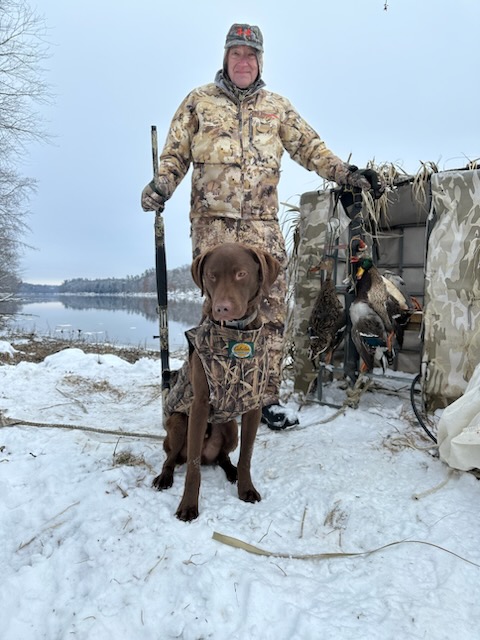
Your hunt kicks off before dawn when birds are most active and weather conditions are perfect for decoying waterfowl into gun range. We'll meet at our staging area where your guide will brief you on the morning's game plan, wind direction, and bird movement patterns we've been scouting. Maine's winter hunting means dealing with snow, ice, and temperatures that can make or break your hunt – but that's exactly when ducks and geese are most predictable in their feeding patterns. You'll be hunting productive water where birds have been working consistently, not some random pond that looks good on a map. The small group size of just two hunters means personalized instruction on calling techniques, shot placement, and reading bird behavior. Your guide handles all the scouting, decoy placement, and blind setup while teaching you the finer points of winter waterfowl hunting that separate successful hunters from those who go home empty-handed.
Tracking Tips & Terrain
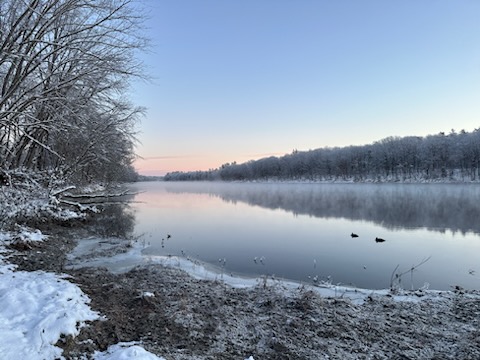
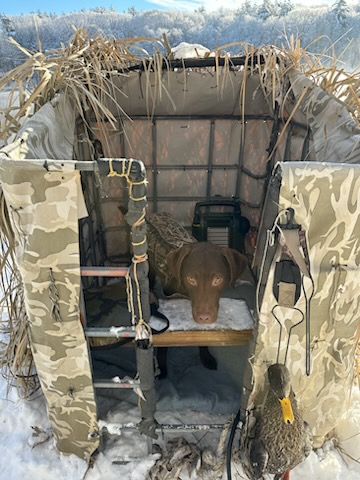
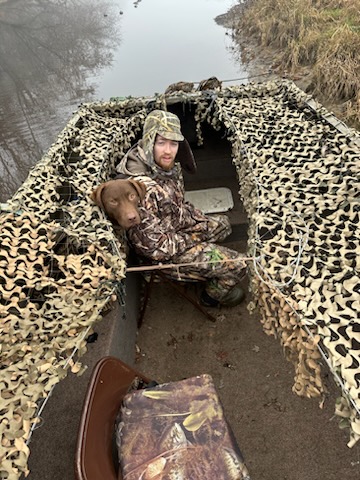
Winter waterfowl hunting in Maine requires a different approach than your typical October duck hunt. We're dealing with partially frozen water, snow-covered shorelines, and birds that are spookier after months of hunting pressure. Your guide will show you how to read ice conditions, identify feeding areas where birds feel secure, and position decoys for maximum effectiveness in winter conditions. The terrain varies from marshes and beaver ponds to river backwaters where ducks raft up during cold snaps. We use layout blinds and natural cover that blend with snow and dead vegetation – no fancy permanent blinds that stick out like a sore thumb. Shot opportunities come fast when birds commit to the spread, so we'll work on gun mount, lead techniques, and follow-through that put birds in the bag. The key to winter success is patience and persistence – birds may not fly all morning, then suddenly appear in waves when conditions are right. Your guide reads weather patterns, barometric pressure, and wind shifts to position you where birds want to be, not where they were yesterday.
Target Game Breakdown
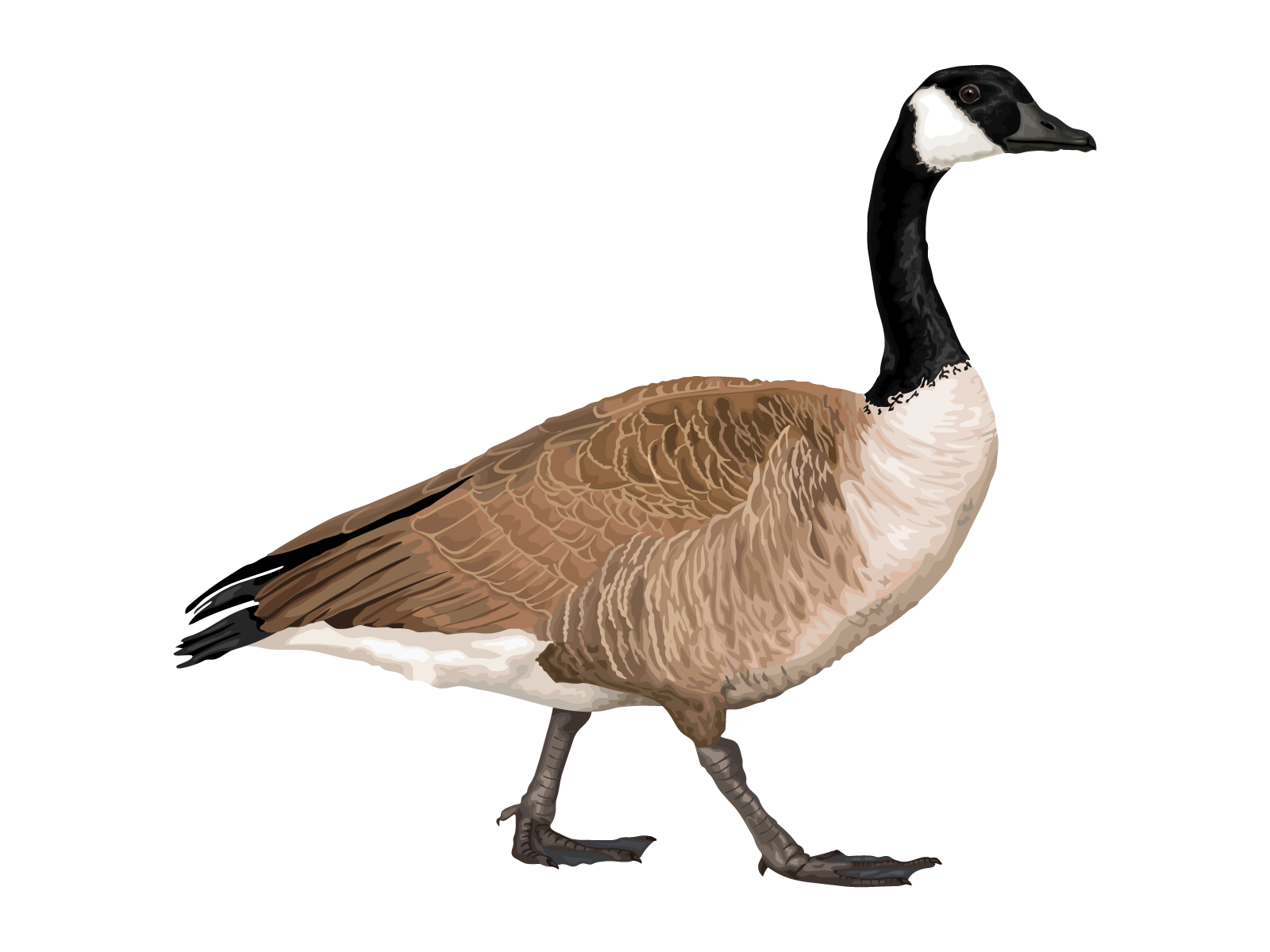
Canada Geese are the bread and butter of Maine's winter waterfowl hunting, with multiple subspecies moving through the state as ice pushes birds from their northern haunts. These big birds provide challenging shots and incredible table fare when taken cleanly. Canadas are extremely vocal and respond well to calling, but they're also smart enough to flare at the slightest mistake in decoy placement or hunter movement. Winter geese often travel in family groups and are more likely to commit to spreads that look natural and safe. The best shooting happens during weather fronts when geese are actively feeding and looking for open water.
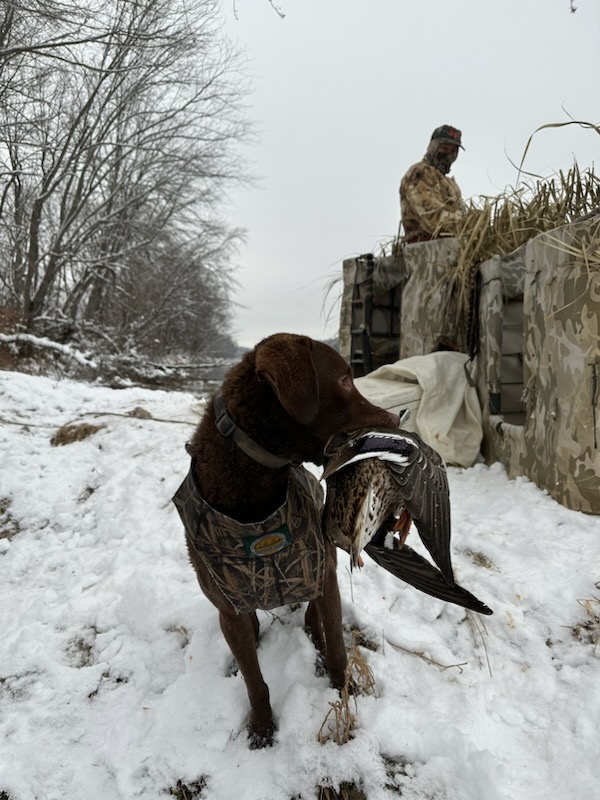
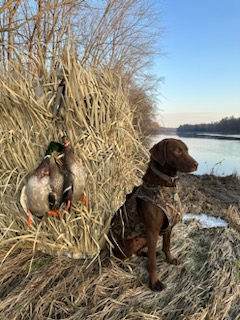
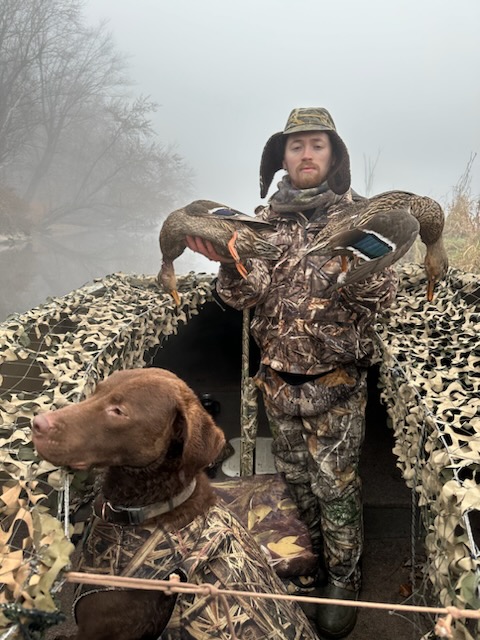
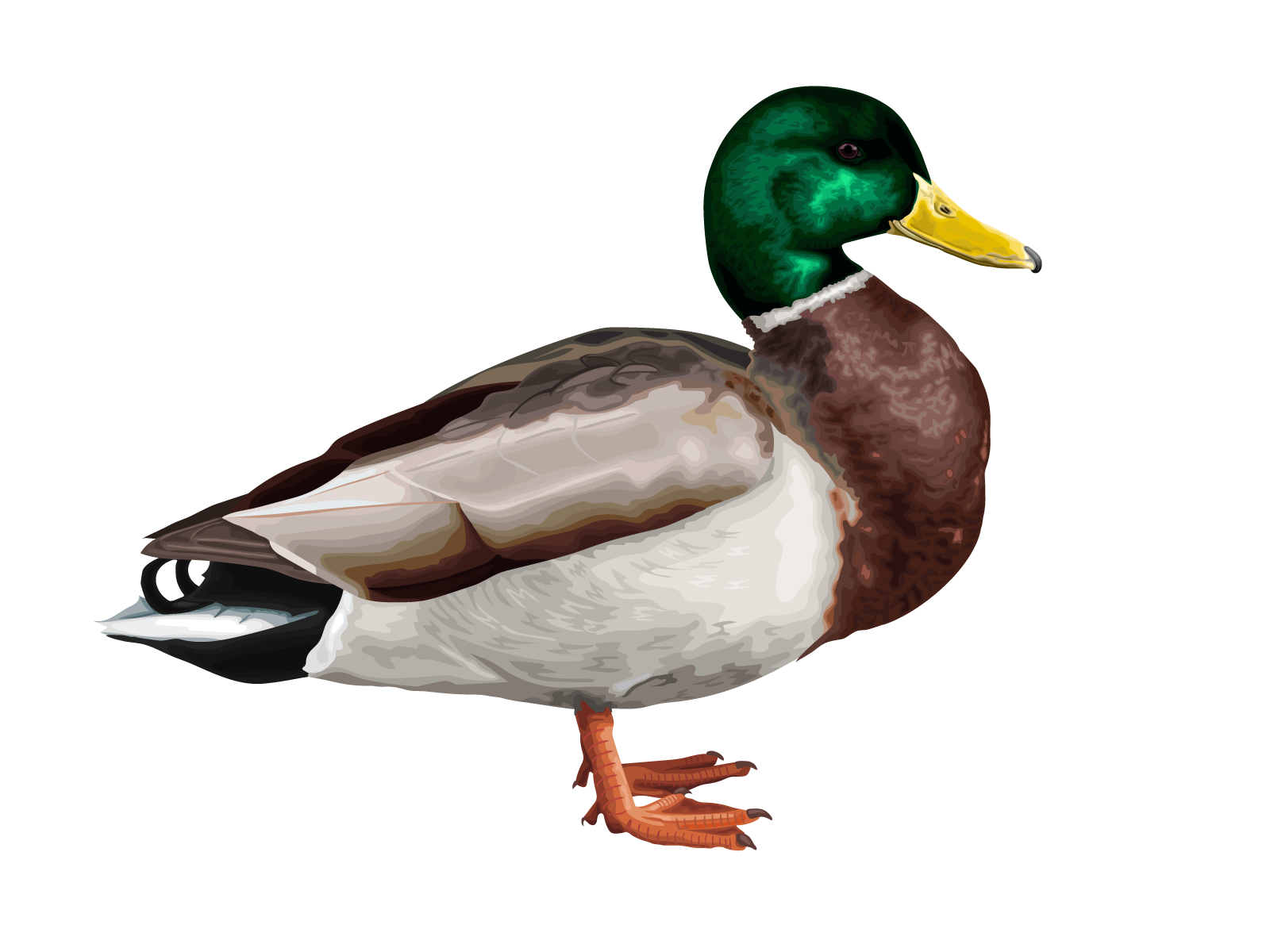
Mallards remain active throughout Maine's winter, especially drakes that are showing their full breeding plumage and are aggressive about defending feeding areas. These birds decoy beautifully when called properly, but winter mallards have seen every trick in the book. They're most active during morning and evening feeding periods, often using the same flight patterns day after day until hunting pressure or weather changes their routine. Mallards provide fast-paced shooting when they're working, and there's nothing quite like watching a greenhead cup his wings and drop his feet as he commits to your spread.
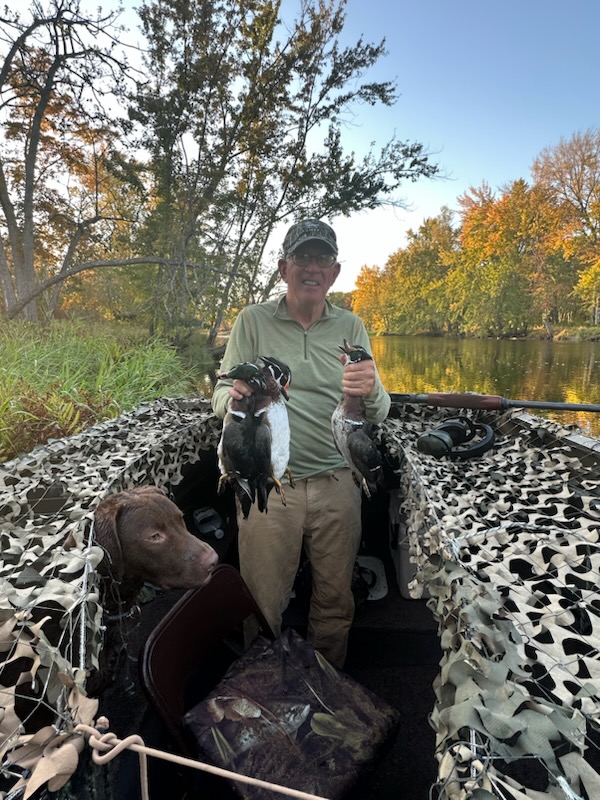
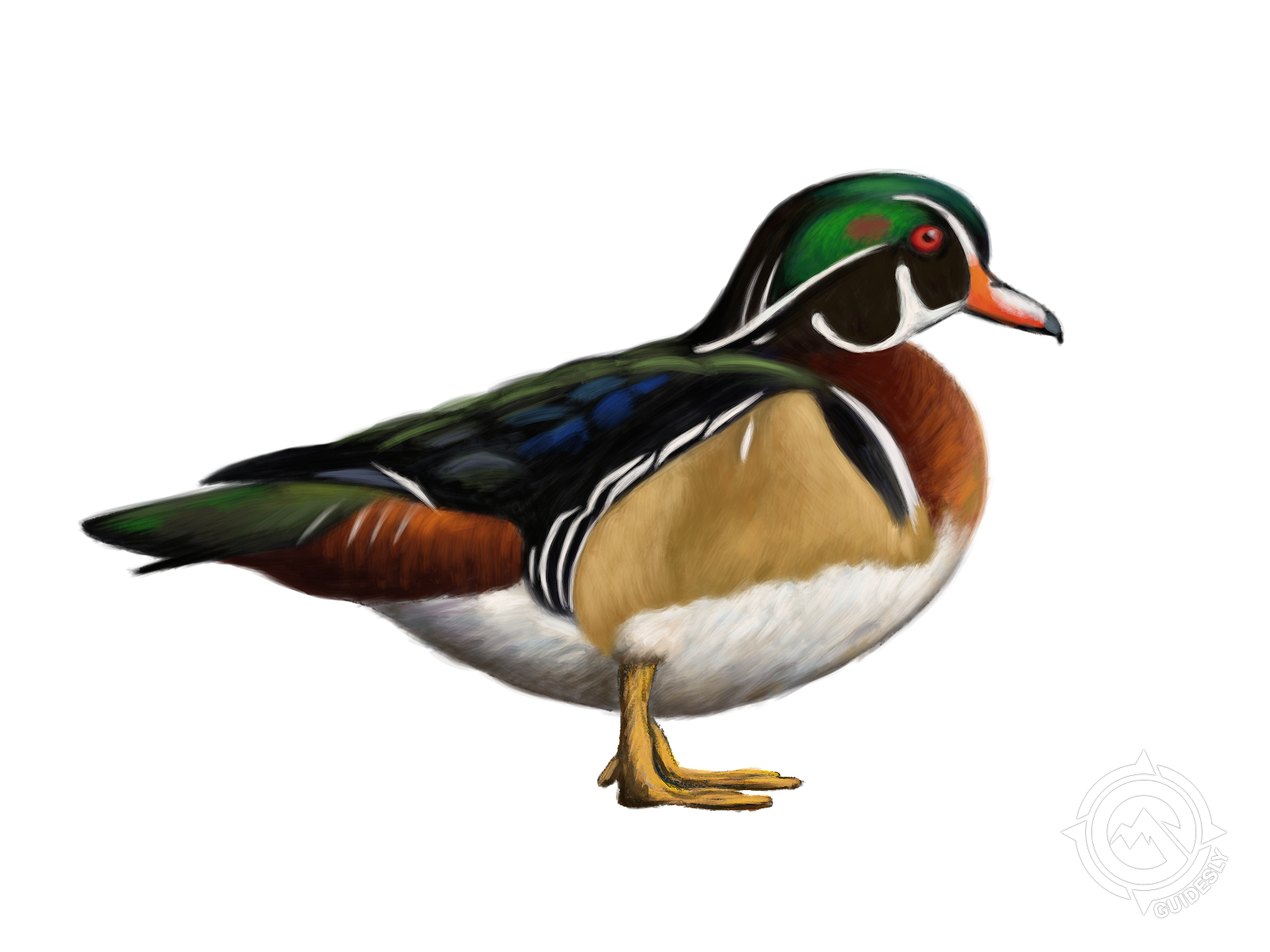
Wood Ducks might surprise you during winter months, as hardy birds often stay north longer than expected when food sources remain available. These birds are absolute speed demons in flight and provide some of the most challenging wing shooting you'll encounter. Woodies prefer wooded swamps and beaver ponds with plenty of cover, making them perfect for Maine's hunting terrain. When they do show up, shots happen fast and close – these birds don't circle and look things over like mallards.
Blue-winged Teal are early migrants that you'll encounter during the front end of winter hunting season before the really cold weather sets in. These small, fast-flying ducks travel in tight flocks and provide lightning-quick shooting opportunities. Teal don't decoy the same way as bigger ducks – they're more likely to buzz the spread at mach speed and keep going if something doesn't look right. When they do commit, multiple birds often come within range simultaneously, creating opportunities for doubles if you're quick on the gun.
Book Your Next Tag
Maine's winter waterfowl hunting delivers the kind of authentic hunting experience that gets into your blood and keeps you coming back year after year. This isn't about guaranteed limits or easy shooting – it's about learning to hunt birds in challenging conditions that make you a better hunter overall. Fish N Fowl's expert guides know where birds are feeding, how they're flying, and what it takes to get them within gun range when winter weather makes hunting tough. The small group size ensures you get hands-on instruction and plenty of shooting opportunities without competing with a crowd of other hunters. Winter hunting teaches patience, persistence, and the skills that separate real waterfowl hunters from fair-weather shooters. Book your spot now to secure dates during prime migration periods when cold fronts are pushing birds south and creating the kind of hunting memories that last a lifetime.
 Private Trip
 Bird hunting
 Maine
Maine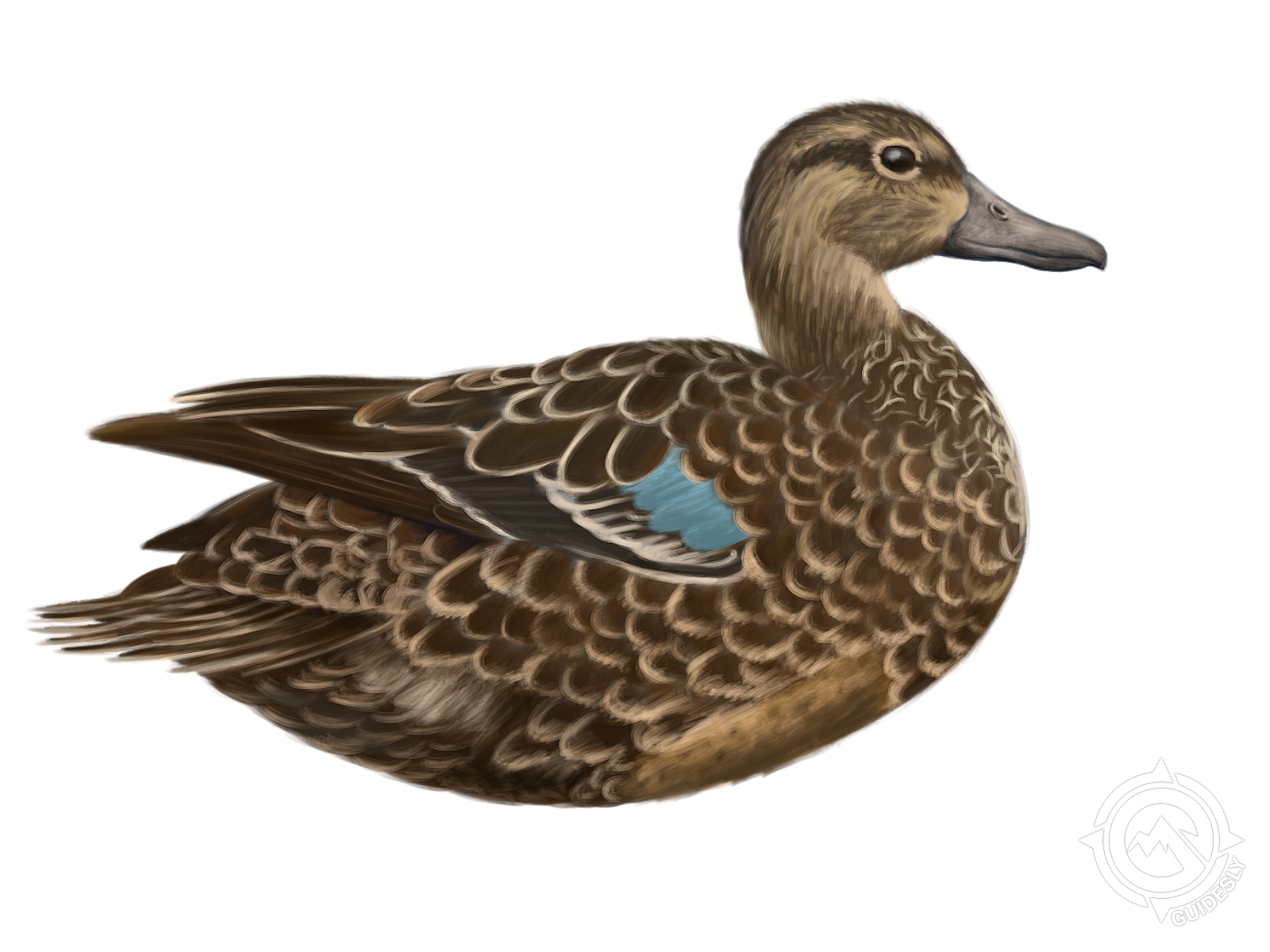
 6-hour guided winter bird hunting experience in Maine