Winter Wildlife Tours: Your Quiet Coast Adventure
When the summer crowds pack up and head home, Port Aransas transforms into something special. Our Winter Wildlife Tours give you front-row seats to the Texas Gulf Coast's best-kept secret—those peaceful months from October through February when the wildlife takes center stage. Captain Frank has been running these tours for years, and he'll tell you there's nothing quite like having the bays mostly to yourself while dolphins play in your wake and coastal birds put on their winter show. At $300 for up to two guests, this 2-hour scenic boat tour delivers the kind of authentic coastal experience that locals have been enjoying for generations.
What to Expect on the Water
Your tour starts with Captain Frank giving you the rundown on what makes winter wildlife viewing so special around here. The cooler months bring different feeding patterns, migratory visitors, and calmer waters that let you get closer to the action. You'll cruise through the protected bays and channels where dolphins love to hunt, and Frank knows exactly where the birds congregate based on tides, weather, and seasonal movements. The pace is relaxed—this isn't about rushing from spot to spot, but rather positioning yourselves where nature puts on the best show. Bring your camera because you'll want to capture those moments when a pod of dolphins decides to ride alongside the boat, or when a great blue heron stands perfectly still in the shallows. Captain Frank provides the local knowledge and storytelling, but you're welcome to bring your own snacks and drinks to make it feel like your own private floating wildlife sanctuary.
Touring Techniques & Territory
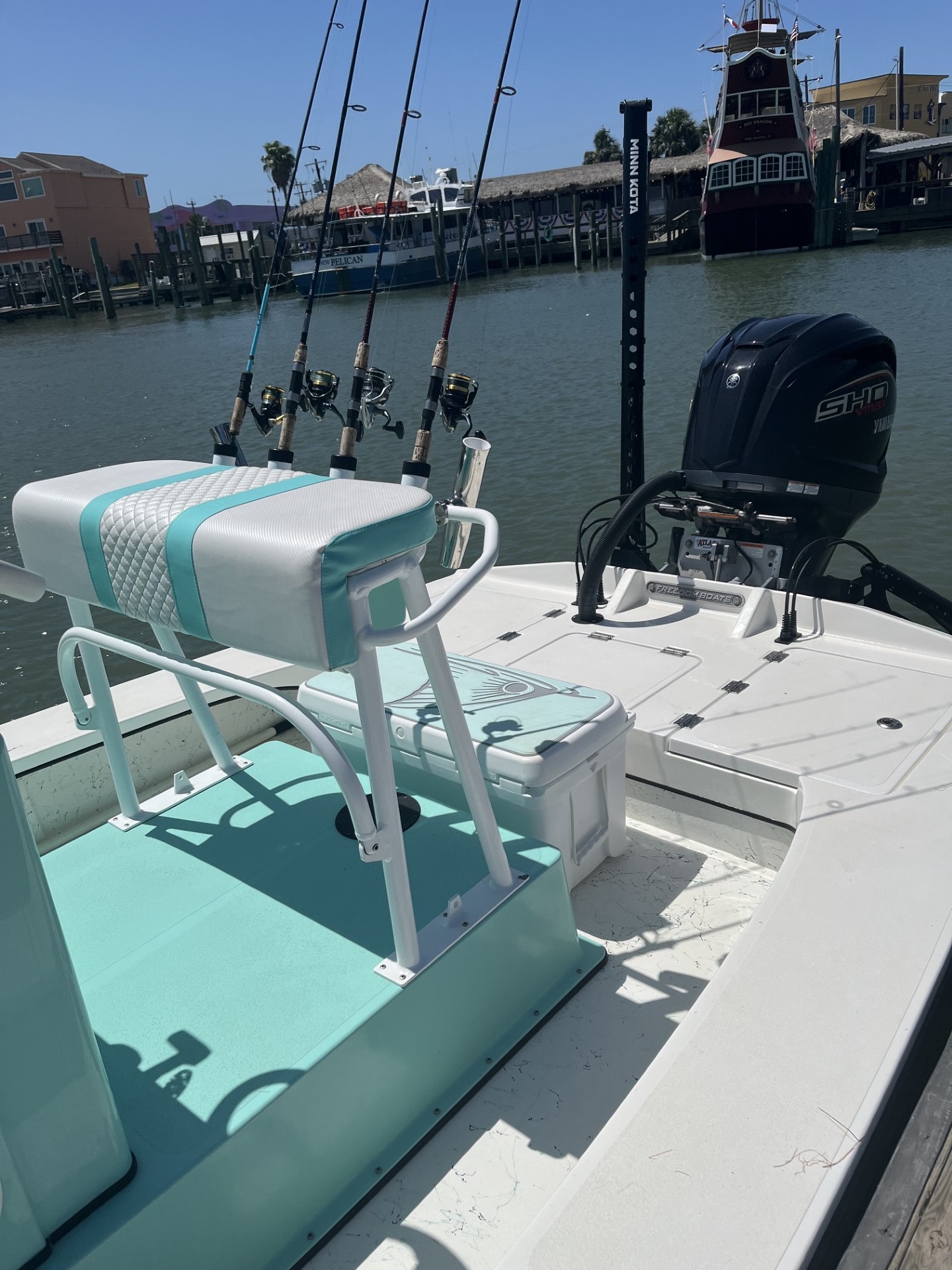
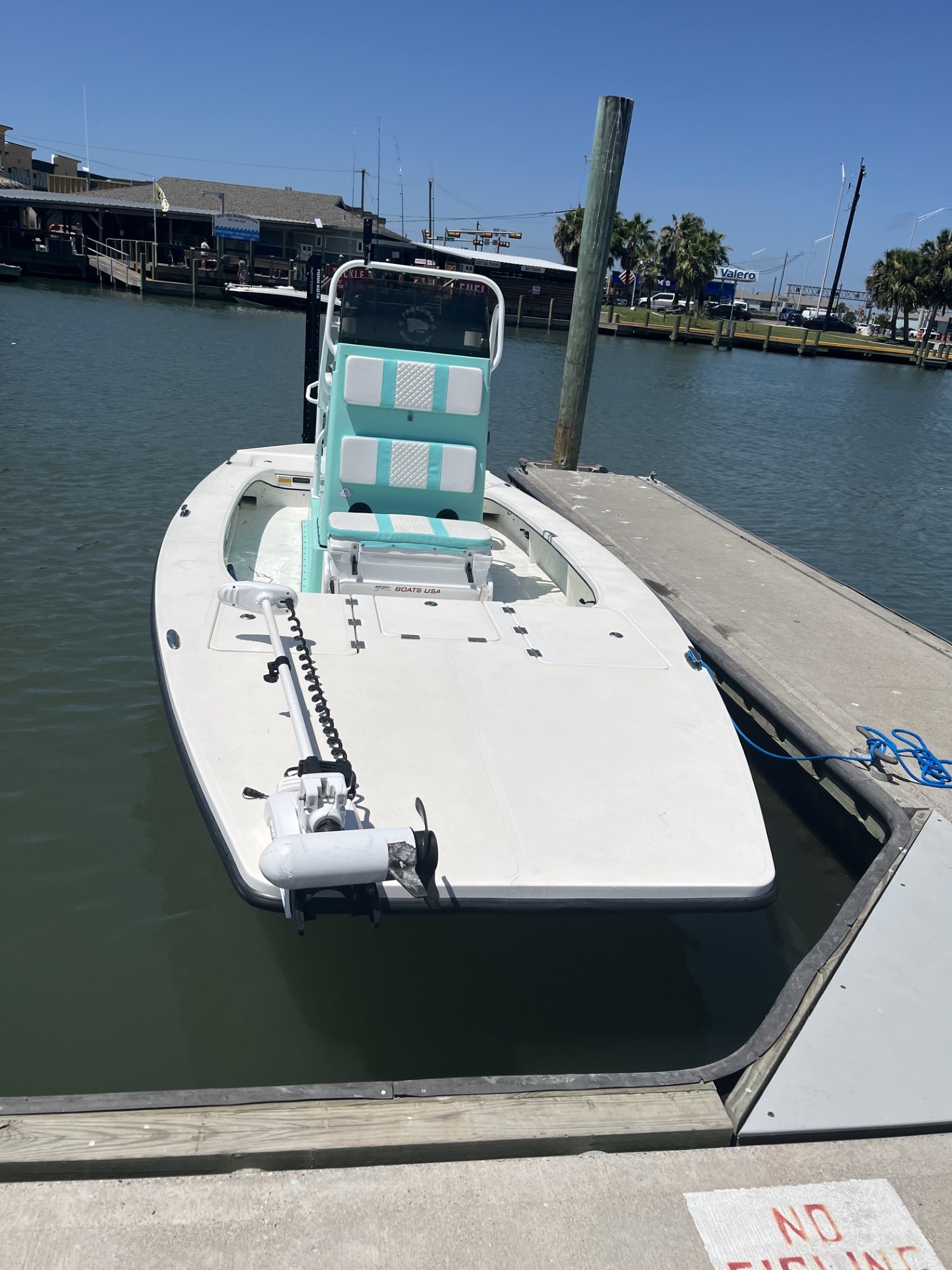
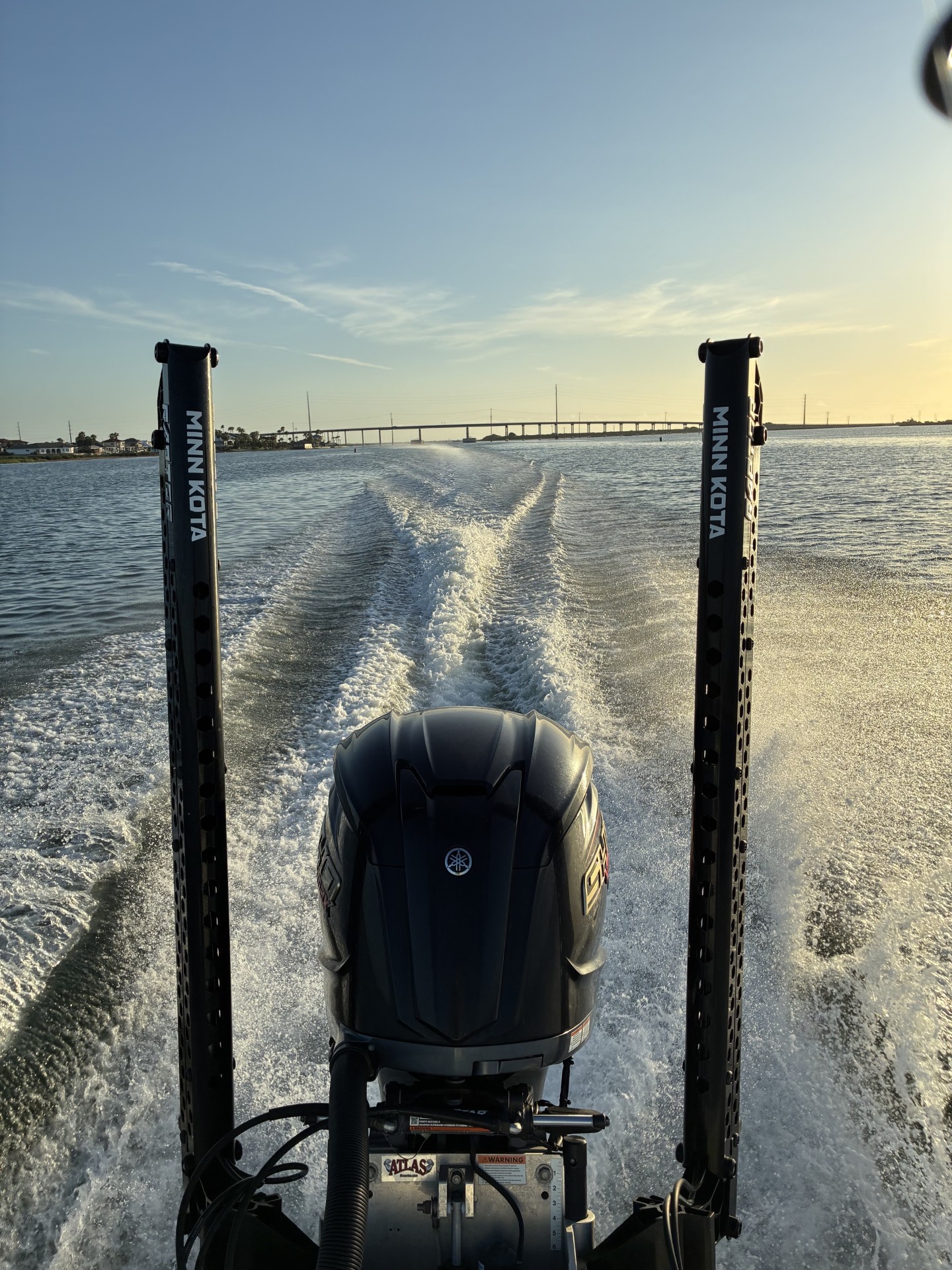
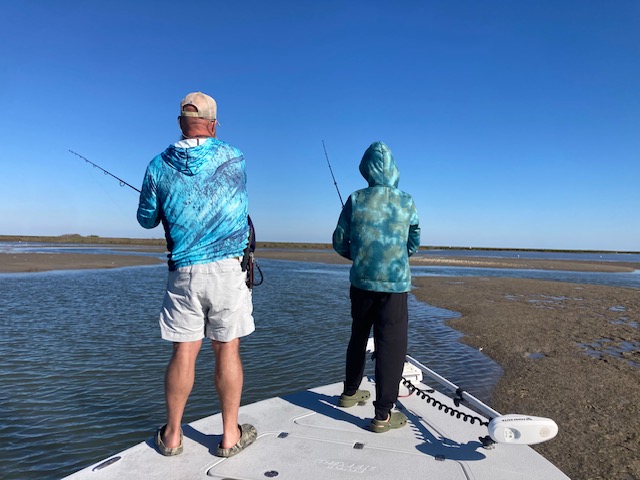
Captain Frank runs a shallow-draft boat that can access the skinny water areas where bigger tour boats can't go. This gives you access to the back-bay systems, grass flats, and protected coves that serve as winter feeding grounds for local wildlife. The boat moves quietly through these areas, using the wind and current when possible to avoid spooking the animals. Frank positions the boat based on sun angle for the best photography opportunities and uses his depth finder to locate the underwater structure that attracts baitfish—which in turn brings in the dolphins and diving birds. Winter touring means dealing with cooler temperatures and occasional wind, so Frank always checks conditions before heading out and adjusts the route based on where the most sheltered, productive water will be that day. The beauty of a small boat operation is the flexibility to follow the wildlife action rather than sticking to a rigid route.
Marine Life You'll Encounter
Bottlenose dolphins are the stars of these winter tours, and for good reason. The cooler months concentrate baitfish in the bay systems, which means dolphins are actively feeding in areas where you can observe their hunting behavior up close. These intelligent marine mammals often hunt cooperatively, creating mud plumes to confuse small fish or working together to herd schools into shallow water. What makes dolphin watching special in winter is their relaxed behavior—they're not stressed by boat traffic and often approach out of curiosity. You might see them surfacing in synchronized patterns, playing with seaweed, or teaching their calves hunting techniques in the shallows.
Great blue herons become much more visible during winter months when the water levels drop and concentrate their prey. These impressive birds, standing nearly four feet tall, are masters of patience and precision. You'll often spot them motionless in ankle-deep water, waiting for the perfect moment to strike at fish, crabs, or frogs. Captain Frank knows the specific oyster reefs and grass bed edges where herons set up their hunting territories, and approaching quietly by boat gives you a photographer's dream scenario. Winter is also when you might catch them in their elaborate courtship displays if you're touring later in the season.
Brown pelicans put on some of their best performances during the winter months when they're actively feeding on the abundant baitfish. These prehistoric-looking birds have perfected the art of dive-bombing from heights of 20 to 60 feet, folding their wings back and hitting the water like feathered missiles. Winter feeding aggregations can produce spectacular shows when dozens of pelicans work the same school of fish. What many people don't realize is that pelicans are incredibly social, and you'll often see them flying in perfect formation or resting together on channel markers and pier pilings where Captain Frank can position the boat for close observation.
Time to Book Your Winter Escape
Winter wildlife tours fill up differently than summer trips—you won't have the daily crowds, but the seasonal window from October through February means availability gets tight as word spreads about how good the wildlife viewing is. At $300 for two guests with additional passengers at $100 each, you're getting a top-rated captain who knows these waters like his backyard, plus the kind of intimate wildlife experience that's getting harder to find along the Texas coast. Captain Frank can extend your tour for $100 per additional hour if the wildlife action is too good to leave, and with a maximum of five passengers, every trip feels personal. Pack your camera, sunglasses, and whatever snacks make you happy—then get ready to see why locals consider winter the best-kept secret on the Gulf Coast.
 Private Trip
 Wildlife
 Port Aransas, TX
 Seasonal winter tours from October through February escape crowds