Full Day Cobia and Shark Action from Harkers Island
When May rolls around, something special happens in the waters off Harkers Island. The migration kicks in and suddenly these waters are packed with Spinner Sharks, Blacktips, and big Cobia moving through. This isn't your typical bottom fishing trip - we're talking sight fishing for hard-fighting fish that'll put on a show. Whether you're throwing flies or spinning gear, this is the kind of fishing that gets your heart pumping. And the best part? You never know what else might crash the party. Tiger Sharks, Mahi - anything can happen when you're in the right spot at the right time.
What to Expect on the Water
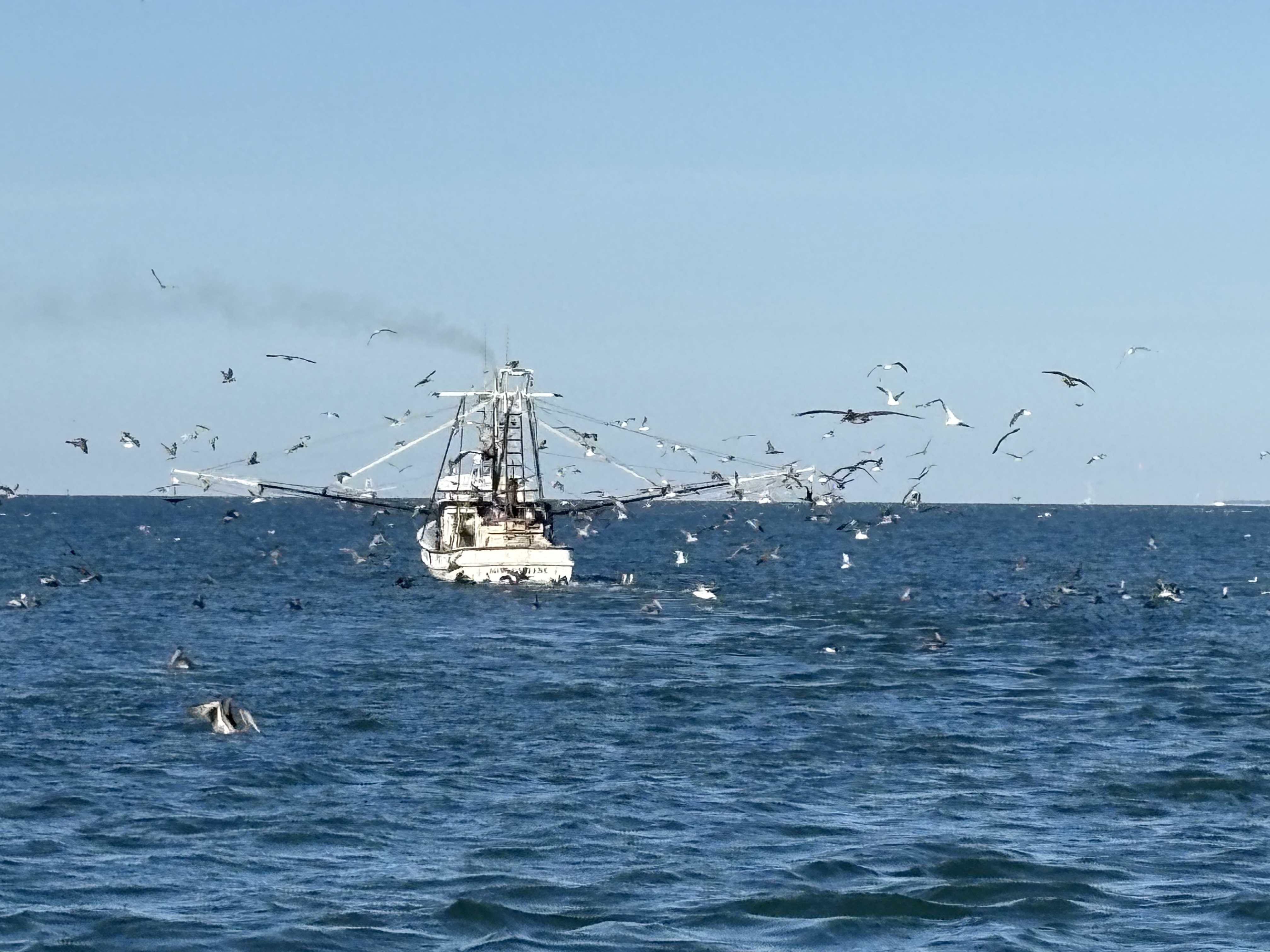
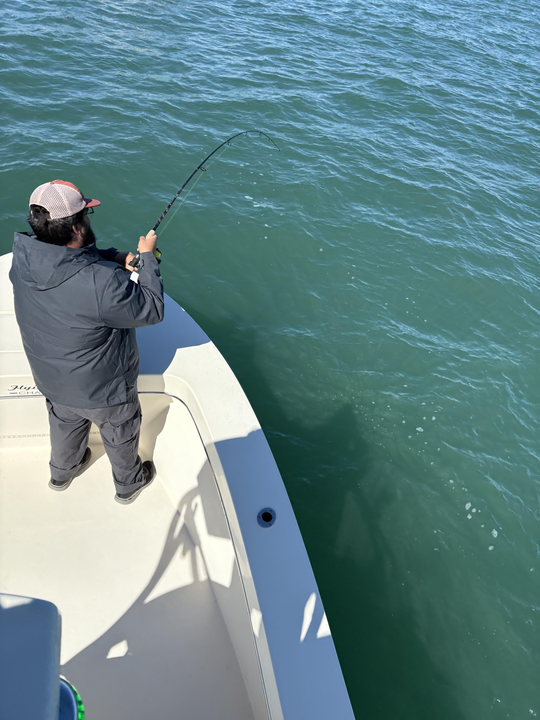
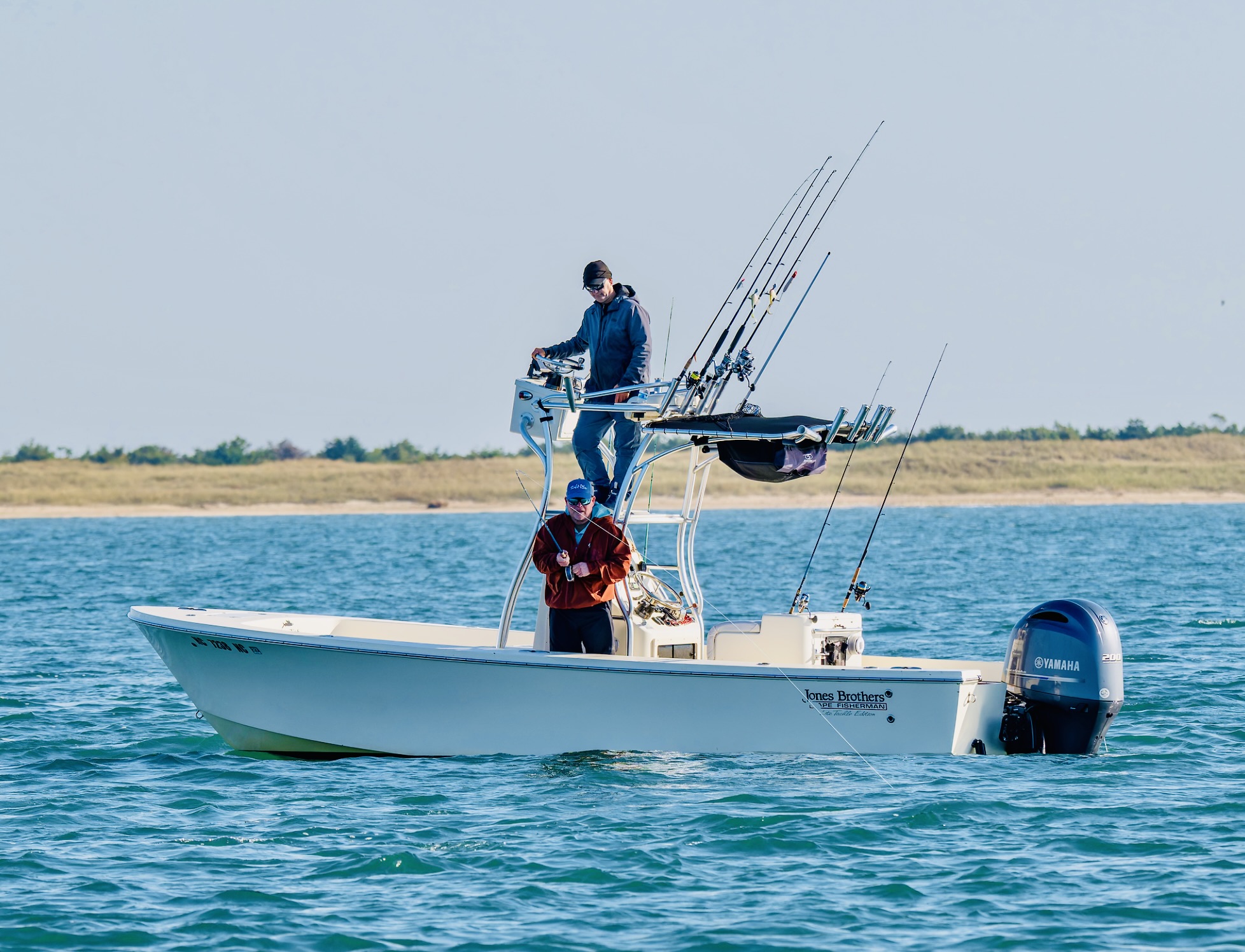
This is a full-day adventure designed for two anglers who want to experience some of the best inshore action North Carolina has to offer. We'll be running out of Harkers Island, which puts us right in the heart of where these fish migrate through. The vibe is relaxed but focused - we're here to fish, and we're going to put you on them. Most days we'll start by looking for signs - birds working, bait moving, or those telltale fins cutting the surface. Once we locate fish, we'll position ourselves either to drift with a chum slick or stay mobile and sight cast. The action can be steady once we dial it in, and with just two anglers on board, everyone gets plenty of shots. Don't expect to sit around - when fish are up and feeding, we move fast and make the most of every opportunity.
Sight Fishing & Chum Techniques
The magic happens when we can see our targets. Sight fishing is my go-to method because there's nothing like watching a Cobia or shark respond to your presentation. We'll be scanning the water constantly, looking for those dark shadows or fins that give them away. When conditions are right, we'll set up a chum slick using fresh bait to draw fish in close. This creates a feeding zone that brings curious predators right to us. You'll be working with both conventional spinning tackle and fly rods, depending on what the situation calls for. The gear is matched to handle these powerful fish - Cobia can push 40+ pounds and sharks will test your drag system. We carry a variety of baits and lures to match what's working on any given day. Circle hooks are standard for shark fishing, and we practice catch and release to keep these populations healthy for future trips.
Target Species
Cobia are the crown jewel of this fishery. These brown sharks, as locals sometimes call them, cruise the surface looking like small sharks until they turn and show that distinctive flat head. They're curious fish that will often approach the boat, giving you multiple casting opportunities. Peak season runs from May through early fall, with fish ranging from 20 to 50+ pounds. What makes them special is their intelligence - they'll follow your lure, inspect it, and either commit or turn away. When they do hit, they pull hard and steady, making long runs that'll have you questioning your drag setting.
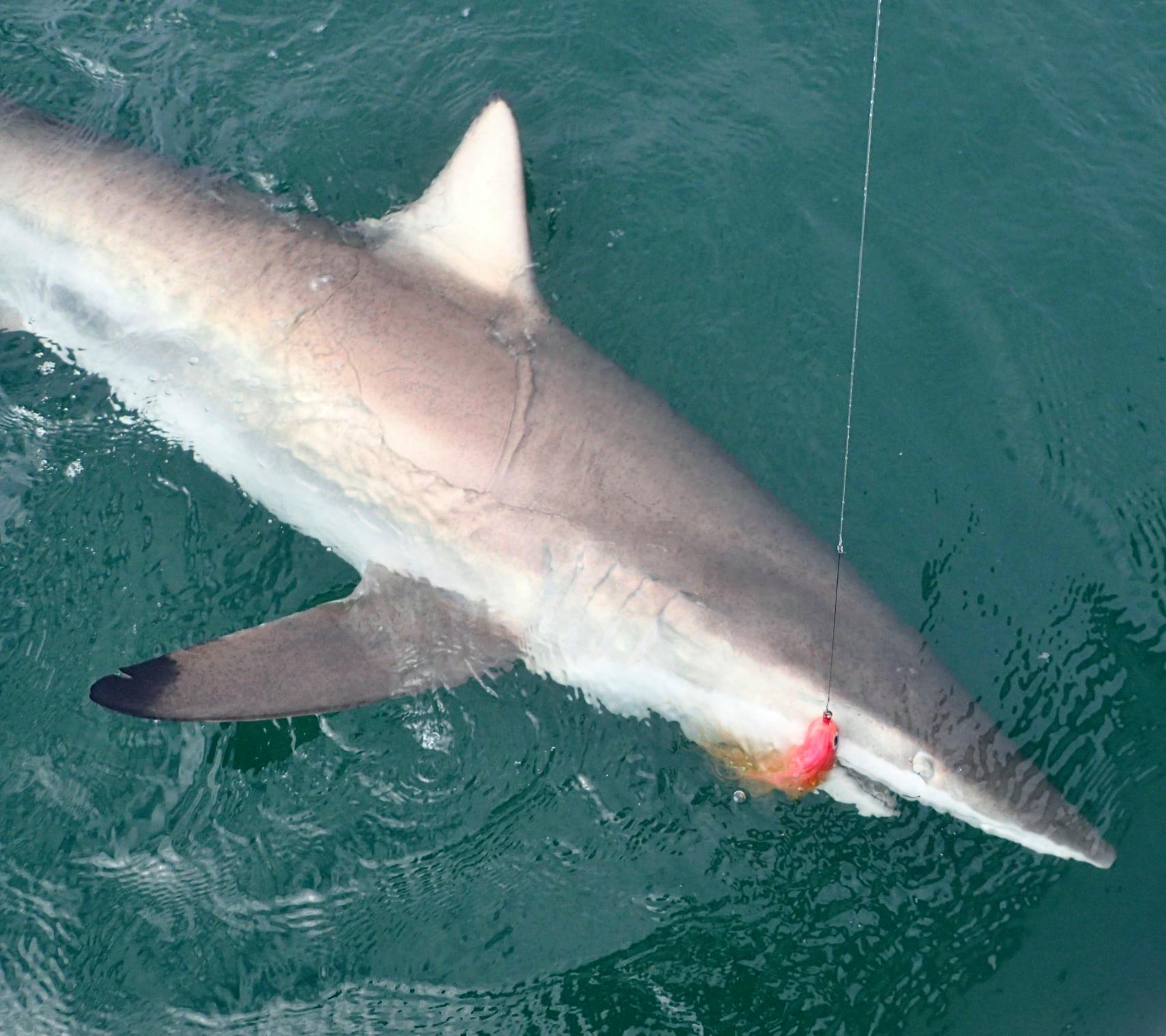
Spinner Sharks live up to their name with aerial displays that'll have you reaching for your phone. These silver torpedoes launch themselves completely out of the water when hooked, spinning like corkscrews before crashing back down. They show up in good numbers during the migration, often traveling in small groups. Most range from 3 to 6 feet, providing excellent light tackle action. They're aggressive feeders and will hit both live bait and artificials with enthusiasm. The fight is all about speed and acrobatics rather than raw power.
Blacktip Sharks are another acrobatic species that makes this trip special. Similar in size to Spinners, they're known for their jumping ability and lightning-fast runs. They're often found in slightly shallower water than other shark species, making them perfect targets for sight fishing. Blacktips are opportunistic feeders and will readily take baits intended for other species. Their aggressive nature and spectacular jumps make them a customer favorite, especially for anglers new to shark fishing.
Mahi Mahi are the wild card that can turn a good day into an epic one. While not always present, when conditions align and they show up, the action goes crazy. These fish are pure energy - bright colors, blistering runs, and non-stop jumping. They often travel in small schools, so hooking one usually means more opportunities. Mahi are structure-oriented fish, so we'll find them around floating debris, weed lines, or temperature breaks. They hit hard and fight harder, making them one of the most sought-after species in these waters.
Time to Book Your Spot
This isn't fishing you can do from the pier or surf - it takes local knowledge and the right boat to put you on these migrating fish. The season is relatively short, and the best days book up fast once word gets out that the fish are moving through. With a maximum of two anglers, you're getting a personalized experience that bigger head boats simply can't match. Every cast matters, every fish is a photo opportunity, and every trip has the potential for that fish of a lifetime. The waters off Harkers Island offer some of the most consistent sight fishing opportunities on the East Coast, and this is your chance to be part of it. These fish won't wait around - neither should you.
 Private Trip
 Inshore Fishing
 Harkers Island


 Target Cobia, Spinner Sharks, and Blacktip Sharks starting in May