Fort Lauderdale Inshore Fishing for Beginners
Getting into fishing doesn't have to be overwhelming, and there's no better place to learn the ropes than Fort Lauderdale's calm inshore waters. This beginner-friendly charter takes the guesswork out of your first fishing adventure, giving you everything you need to get hooked on one of Florida's favorite pastimes. Our experienced crew handles all the details while you focus on learning the basics in a relaxed, no-pressure environment that's perfect for families and first-timers alike.
What to Expect on the Water
Your day starts with a smooth ride through Fort Lauderdale's scenic coastal waters, where the Atlantic meets Florida's stunning shoreline. The inshore environment here is perfect for beginners – calmer seas, shorter runs to the fish, and plenty of opportunities to practice your technique without fighting rough weather. Our customizable charter accommodates up to 6 guests, making it ideal for family outings or small groups of friends looking to try something new together. The crew provides all necessary gear and takes time to show you proper casting techniques, how to feel for bites, and the art of fighting fish without losing them. You'll spend the day moving between productive spots, learning to read the water and understand why certain areas hold more fish. The shallow flats, channels, and structure around Fort Lauderdale create perfect conditions for spotting fish and getting that visual connection that makes inshore fishing so addictive.
Gear Setup & Techniques
We outfit you with medium-action spinning rods paired with quality reels that won't overwhelm newcomers but still have the backbone to handle respectable fish. The tackle selection focuses on versatile setups that work across multiple species – think live bait presentations, jigs, and simple rigs that produce results without complicated techniques. You'll learn the difference between bottom fishing and working baits in the water column, plus how to recognize different types of strikes. Live shrimp, pilchards, and small crabs make up the core bait selection, as these natural offerings consistently produce bites from the variety of species cruising Fort Lauderdale's inshore waters. The crew demonstrates proper hook-setting techniques, how to maintain steady pressure during fights, and the best practices for safely handling and releasing fish. We also cover basic knot tying, reading your drag system, and understanding when to let fish run versus when to apply pressure.
Species You'll Want to Hook
Blackfin Tuna might seem like an unusual inshore target, but Fort Lauderdale's unique geography brings these hard-fighting fish within easy reach of beginning anglers. These smaller cousins of their offshore relatives typically run 10-20 pounds and provide incredible fights on lighter tackle. They school up around structure and baitfish, often feeding aggressively in the early morning hours. What makes them special for beginners is their willingness to bite and their predictable fighting style – they pull hard but don't make the long, tackle-busting runs of larger tunas. The meat is outstanding, with that rich, red color that makes for perfect sashimi if you want to take some home.
Atlantic Sailfish represent the holy grail for many anglers, and Fort Lauderdale's inshore waters offer legitimate shots at these billfish without heading far offshore. Typically ranging from 40-80 pounds, sailfish provide the visual excitement that creates lifelong fishing addicts. They're most active during winter months when baitfish concentrate along the coast. What beginners love about sailfish encounters is the aerial display – these fish jump repeatedly, giving everyone on board a show they'll never forget. We practice catch-and-release with sailfish, focusing on quick photos and healthy releases that ensure future generations of anglers can experience the same rush.
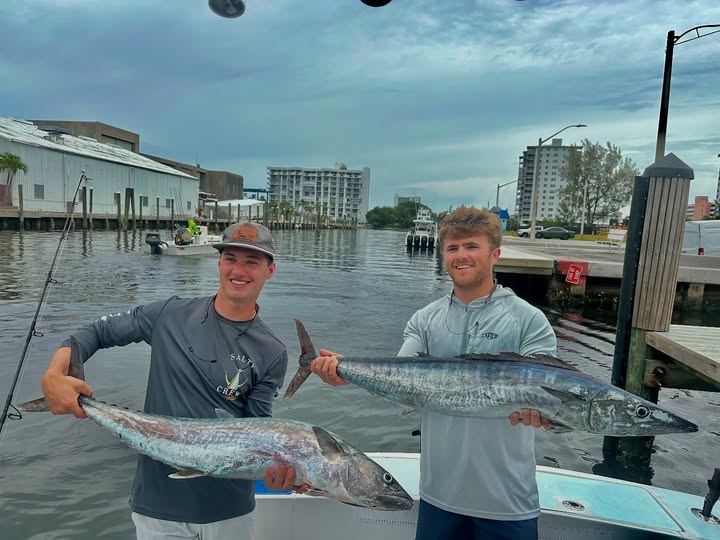
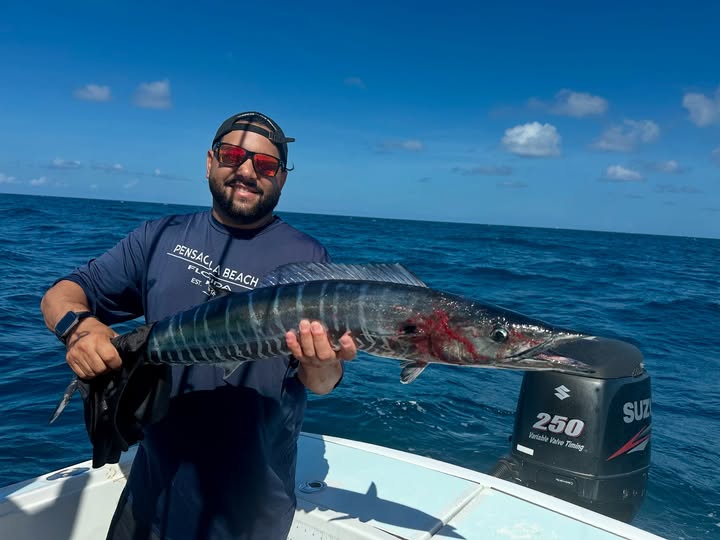
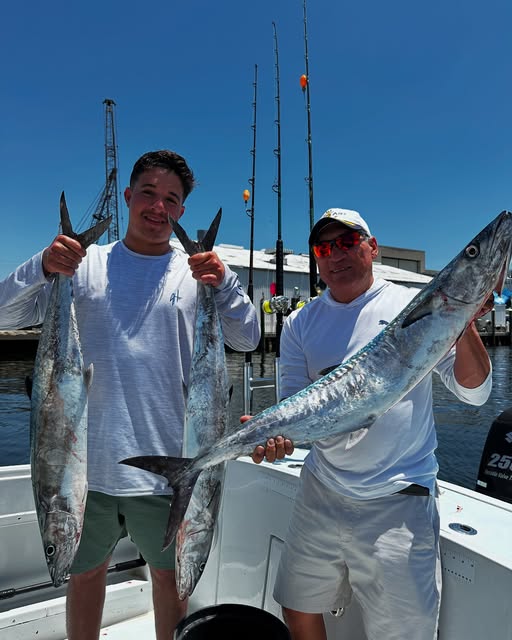
King Mackerel, or "kingfish" as locals call them, are the bread and butter of Fort Lauderdale inshore fishing. These toothy speedsters typically run 15-40 pounds and strike with authority that lets you know you're connected to something serious. Kings patrol the reefs and edges throughout most of the year, with peak action during spring and fall migrations. They're perfect teacher fish for beginners because they bite aggressively, fight hard but fair, and make excellent table fare. The key is learning to manage their initial runs and dealing with their sharp teeth safely.
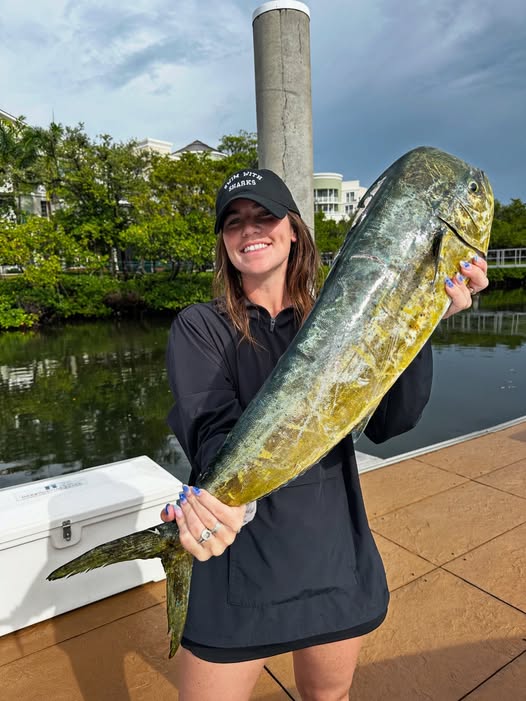
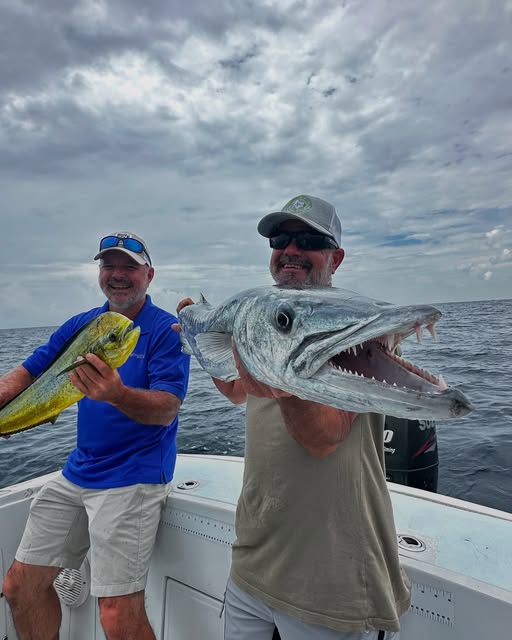
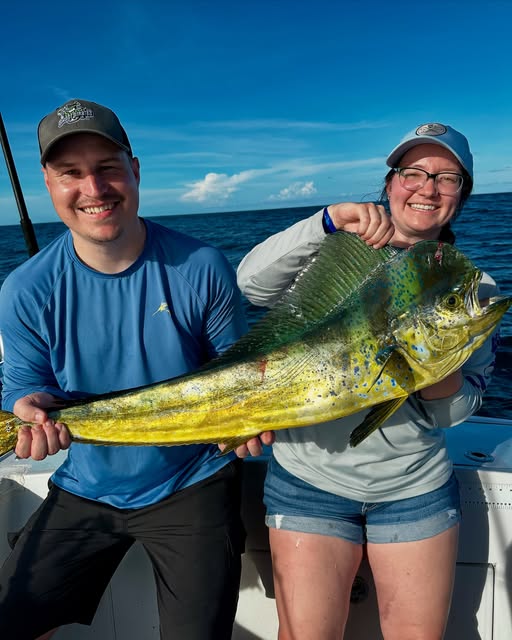
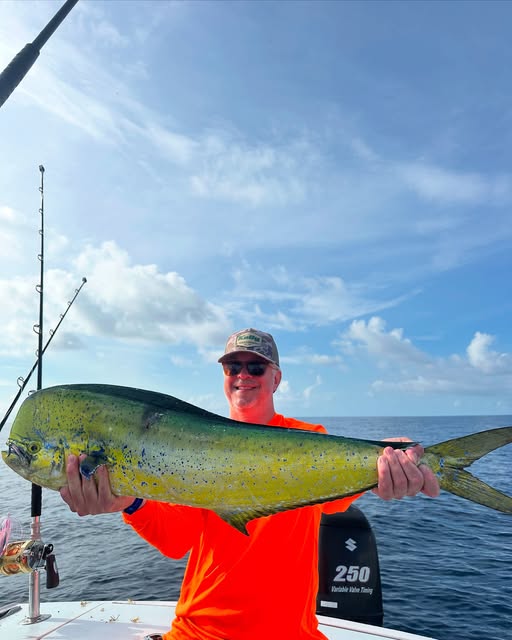
Mahi Mahi, or common dolphinfish, bring tropical flair to your Fort Lauderdale fishing adventure. These colorful fighters typically show up around floating debris, weed lines, or any structure that concentrates baitfish. Ranging from schoolie-size fish around 5-10 pounds up to larger bulls pushing 30-40 pounds, mahi provide consistent action when you locate them. Their bright gold and green colors make them Instagram-worthy catches, while their mild, flaky meat ranks among the best eating fish in Florida waters. Beginners appreciate how mahi typically stay hooked once connected and don't require advanced techniques to land successfully.
Cobia might be the most underrated fish swimming in Fort Lauderdale's inshore waters. These brown submarines grow large quickly, with fish in the 20-50 pound range common during their spring and fall migrations. What makes cobia special for beginning anglers is their curious nature – they'll often follow the boat and eat baits presented right at the surface. This creates exciting visual fishing where you can watch the entire sequence unfold. Cobia fight with dogged determination rather than spectacular runs, making them manageable for newcomers while still providing plenty of excitement. The meat rivals any fish in the ocean, with firm white fillets that work perfectly on the grill.
Time to Book Your Spot
This beginner-friendly charter delivers everything you need for a successful introduction to Fort Lauderdale's world-class inshore fishing scene. From the personalized instruction to the variety of target species, you'll leave with new skills, great memories, and probably plans for your next trip. The combination of calm waters, productive fishing grounds, and experienced guidance creates the perfect environment for building confidence on the water.
 Private Trip
 Inshore Fishing
 Fort Lauderdale


 Beginner-friendly inshore fishing charter with experienced crew guidance