Fort Lauderdale Inshore Fishing for Skilled Anglers
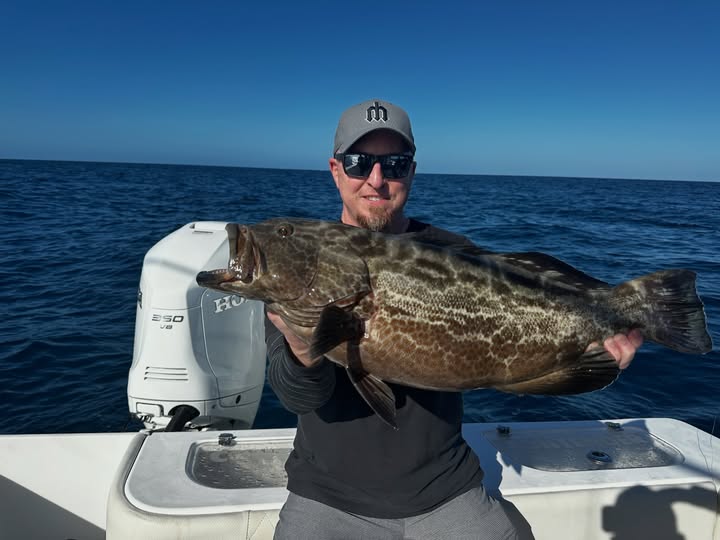
If you're looking to put your fishing skills to the test in some of South Florida's most productive waters, this is your trip. Fort Lauderdale's inshore grounds are legendary among serious anglers, and our expert crew knows exactly where to find the action. We're talking about targeting trophy-class fish in waters where technique matters more than luck. This isn't your typical tourist charter – we run a tight ship designed for anglers who know their way around a rod and want to push their limits. With our top-tier tackle and years of reading these waters, you'll have every advantage when that big fish decides to eat.
What to Expect on the Water
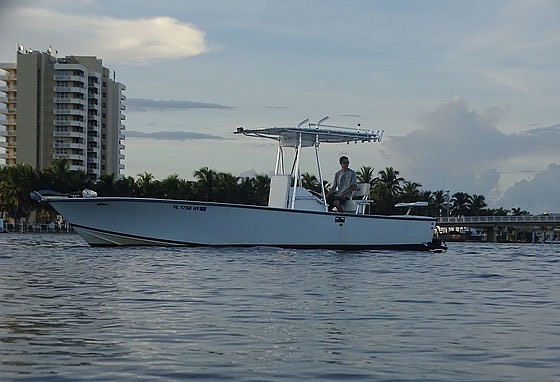
This is a private charter built for small groups of skilled anglers who want personalized attention and prime fishing time. We accommodate up to 6 guests, which means everyone gets plenty of rod time and direct coaching from our crew when the bite gets hot. The pace here is fast – we're constantly moving, reading the water, and adjusting tactics based on what's working. You'll be fishing multiple techniques throughout the day, from live bait presentations to high-speed trolling, depending on what the fish are telling us. Our boat is rigged with professional-grade electronics, outriggers, and downriggers, plus a full spread of tackle that can handle everything from finicky mahi to screaming sailfish. Expect early morning departures to maximize your time on the best spots, and be ready to stay sharp because when these fish are feeding, things happen fast.
Techniques and Tackle
We run a variety of presentations depending on conditions and target species, but you can count on live bait fishing being a major part of the program. We'll have fresh goggle eyes, pilchards, and ballyhoo rigged and ready, plus we know the local bait spots where we can pick up whatever's running hot that day. Trolling is another key technique – we'll pull high-speed baits for kings and mahi, then slow things down with live bait when we mark fish on the sonar. Our tackle setup includes Penn and Shimano reels spooled with fresh line, matched to rods that can handle serious fish without being too heavy for all-day fishing. Circle hooks are standard for live bait work, and we carry a full selection of jigs, plugs, and specialty lures for when artificial presentations are the ticket. The crew will brief you on each technique as we deploy it, but we expect our anglers to know basic knots and fish-fighting fundamentals. This isn't a learning-to-fish trip – it's about applying your skills in world-class waters with professional guidance.
Target Species Breakdown
Blackfin Tuna are the speed demons of Fort Lauderdale's inshore waters, typically running 10-25 pounds and providing some of the most intense fights you'll experience. These fish show up year-round but peak during winter months when schools of ballyhoo bring them in close. What makes blackfins special is their incredible stamina – they'll make multiple screaming runs and test every knot in your terminal tackle. Look for them around structure and temperature breaks, often feeding in early morning or late afternoon. Skilled anglers love these fish because they require precise bait presentation and perfect drag settings to land consistently.
Atlantic Sailfish are the crown jewel of South Florida inshore fishing, and Fort Lauderdale sits right in the heart of their migration route. Winter months from December through March offer the hottest action, when these magnificent fish move through in numbers that can make for double and triple hookups. Sailfish average 6-7 feet and 40-60 pounds, with their signature dorsal fin and incredible acrobatic displays when hooked. They're typically caught on slow-trolled live bait or kite fishing techniques, and skilled anglers know that getting a clean hookset requires patience and timing. The fight combines powerful runs with spectacular jumps that make every sailfish a trophy regardless of size.
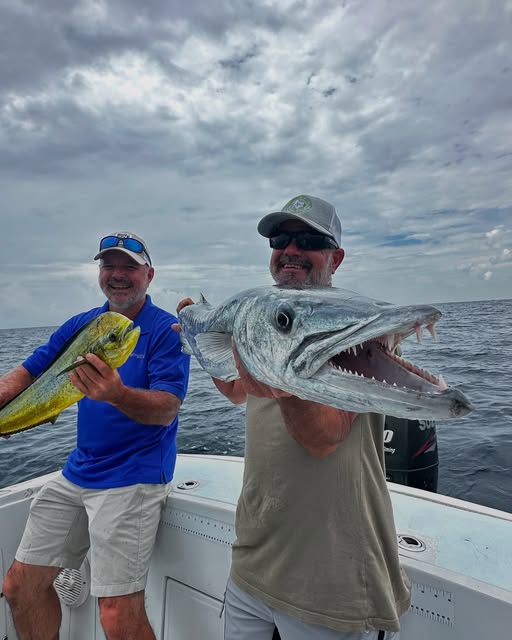
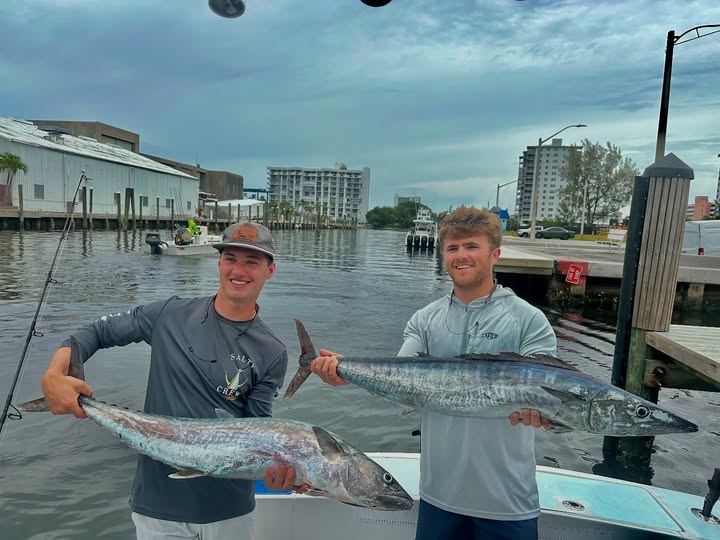
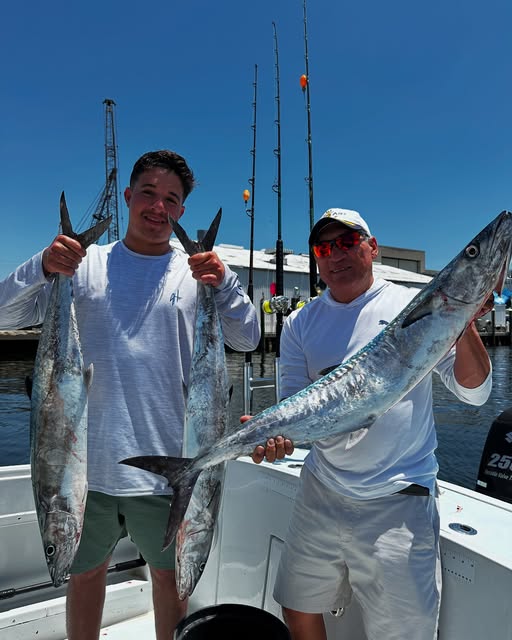
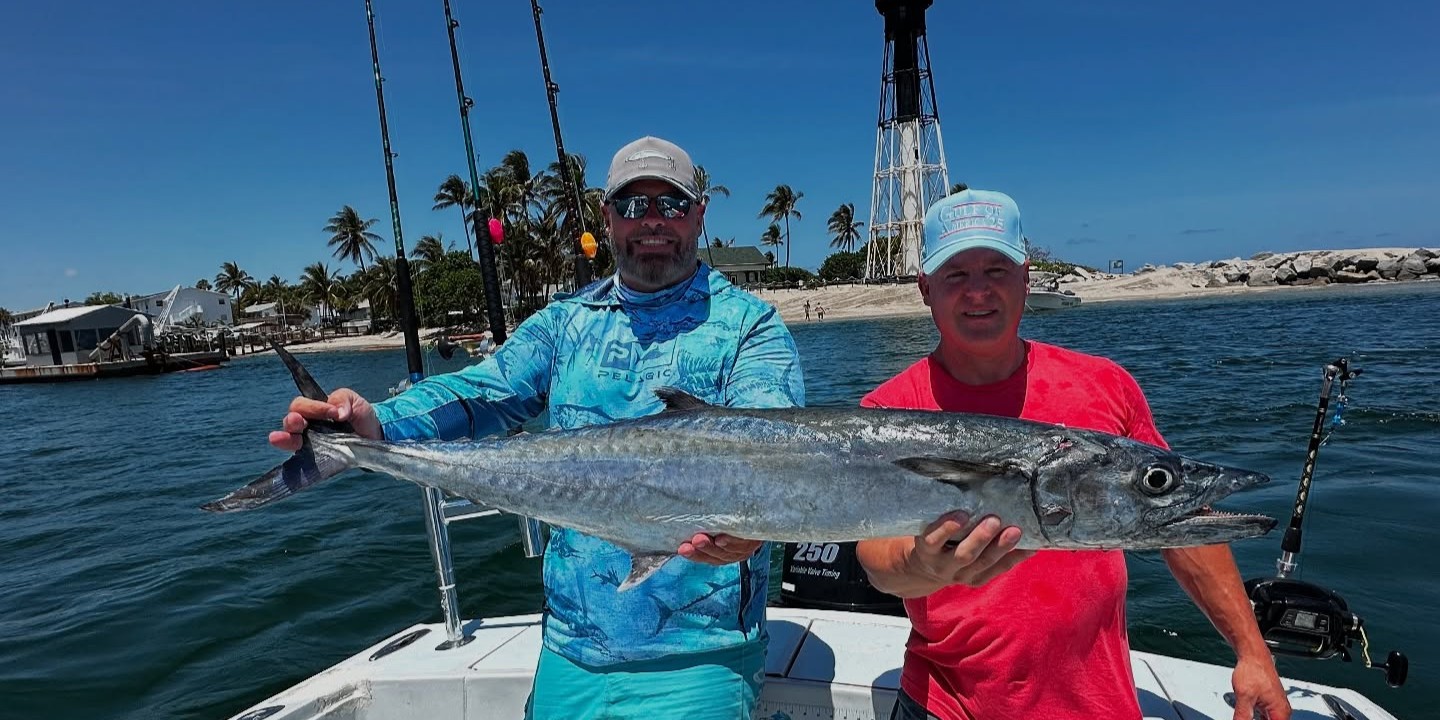
King Mackerel are the backbone of Fort Lauderdale's inshore fishery, running year-round with peak action during spring and fall migrations. These toothy predators range from schoolie-sized fish around 10 pounds to trophy kings pushing 40+ pounds. What experienced anglers love about kings is their predictable feeding patterns and willingness to eat both live and artificial baits. They're typically found along the reef line and around structure, making blazing initial runs before settling into a dogged fight. Wire leaders are essential, and proper fish handling is crucial since kings are excellent table fare when bled and iced immediately.
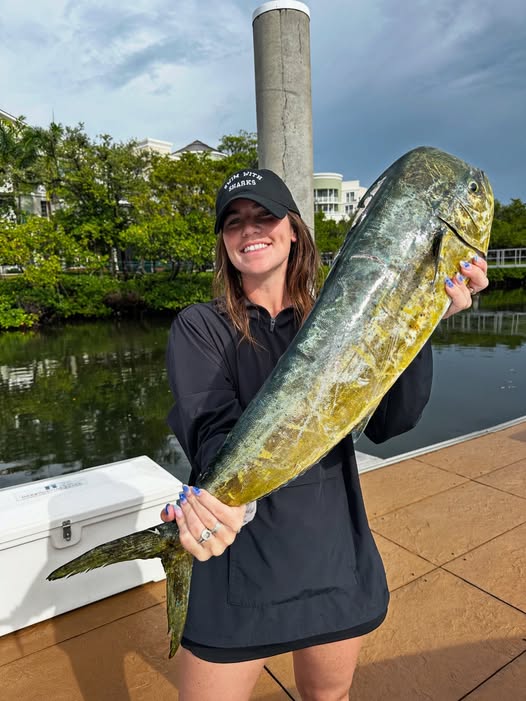
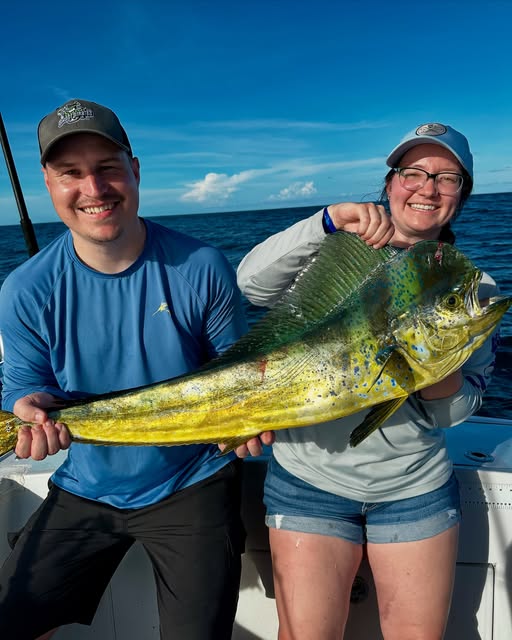
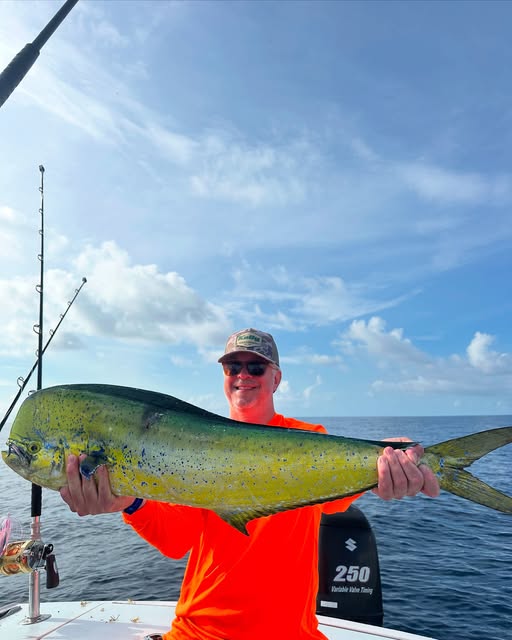
Mahi Mahi bring tropical excitement to Fort Lauderdale's waters, typically showing up during warmer months when Gulf Stream eddies push closer to shore. These fish are pure eye candy with their brilliant gold and green colors, plus they're phenomenal eating. Mahi range from small schoolies called "chicks" to bull dolphins exceeding 30 pounds. Skilled anglers target them around floating debris, weed lines, and temperature breaks, often using live bait or high-speed trolling techniques. What makes mahi special is their willingness to stay near the boat once hooked, often bringing friends with them for multiple hookups on a single stop.
Cobia are the wild cards of Fort Lauderdale inshore fishing – curious, powerful fish that can show up anywhere from shallow flats to deep reef edges. These brown sharks of the fishing world average 20-40 pounds and are renowned for their bulldogging fights and excellent table fare. Spring migration brings the biggest numbers, but resident fish provide action year-round. Cobia are sight-fishing opportunities that test an angler's casting accuracy and reaction time. They'll often follow the boat or investigate baits before committing, making every encounter a chess match between angler and fish.
Time to Book Your Spot
Fort Lauderdale's inshore waters offer some of the most consistent action you'll find anywhere in South Florida, and this trip is designed specifically
 Private Trip
 Inshore Fishing
 Fort Lauderdale


 Expert crew targets prime inshore spots for skilled anglers