Louisiana Duck Hunting Guided Trip
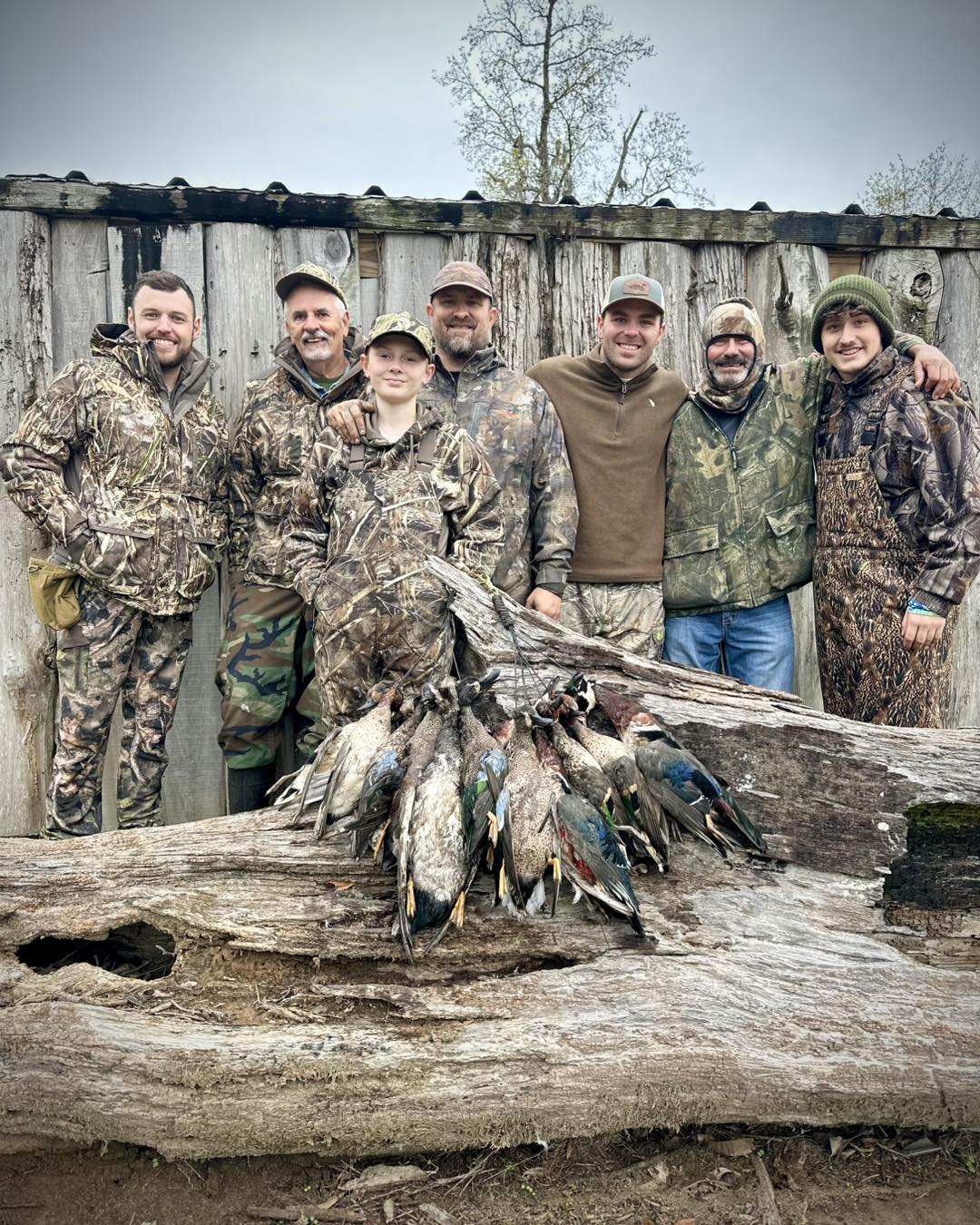
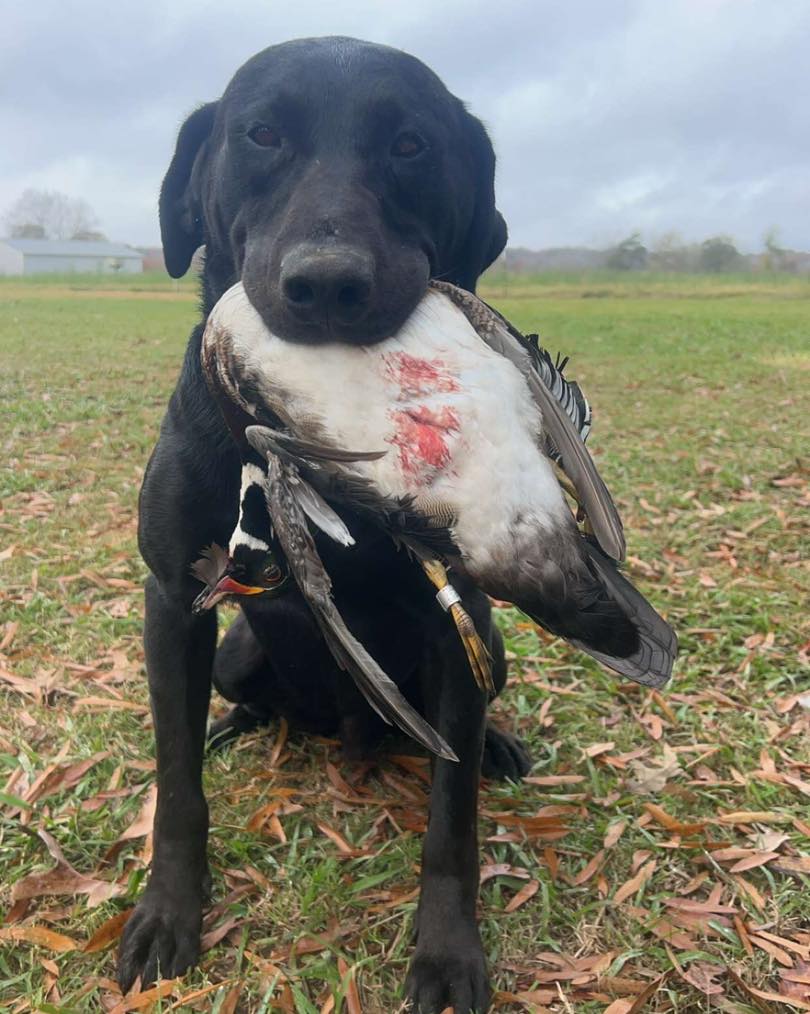
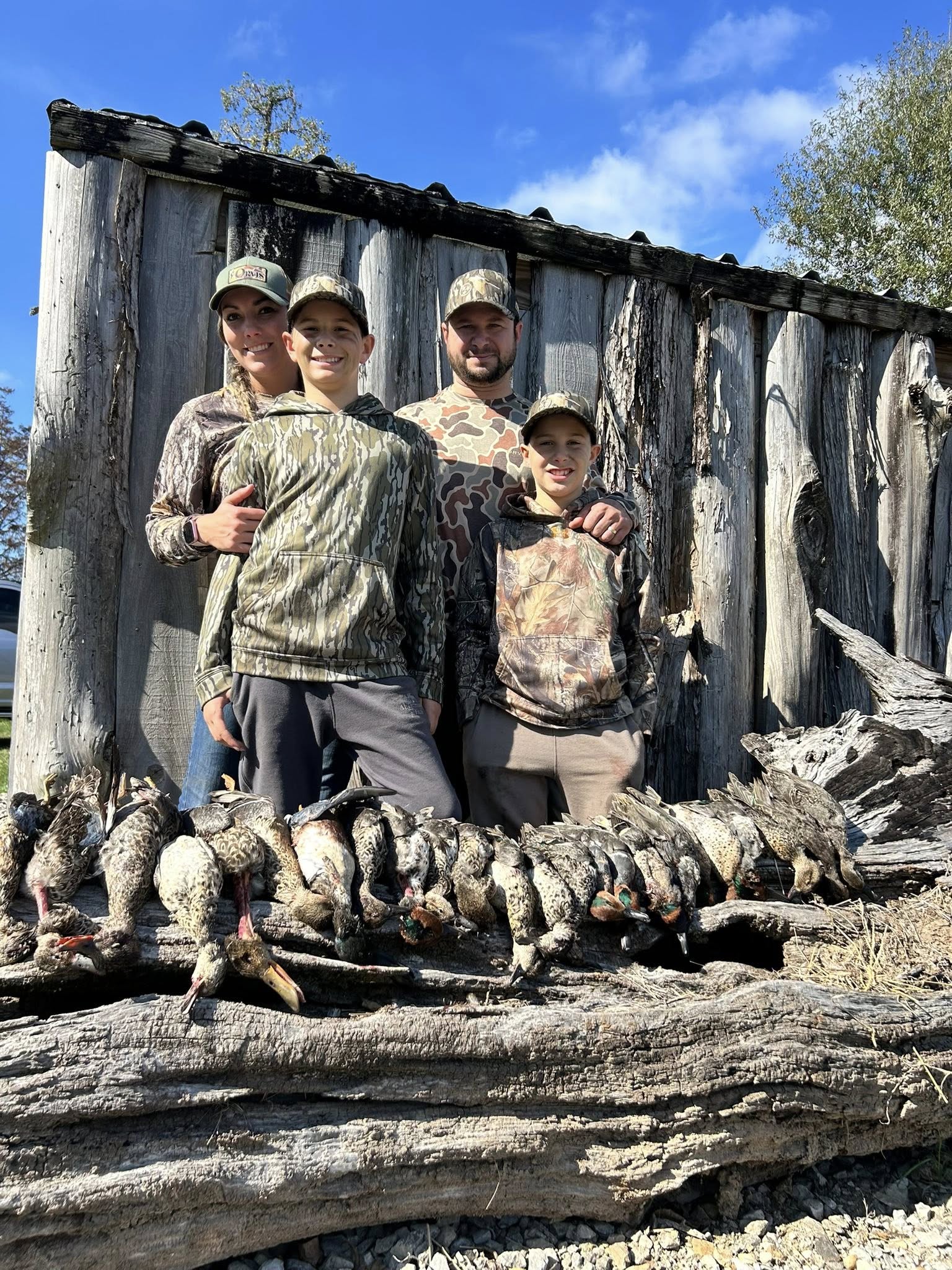
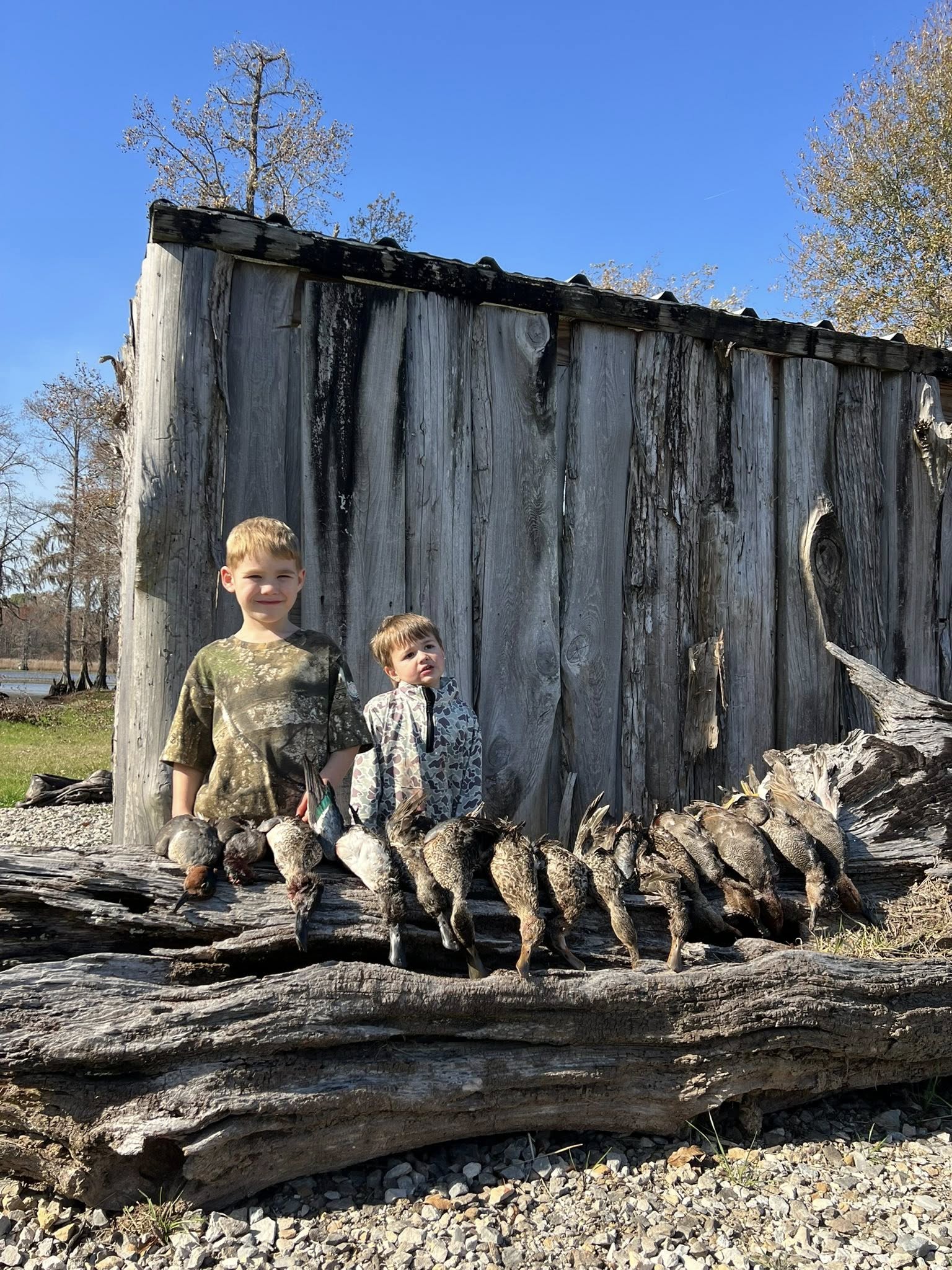
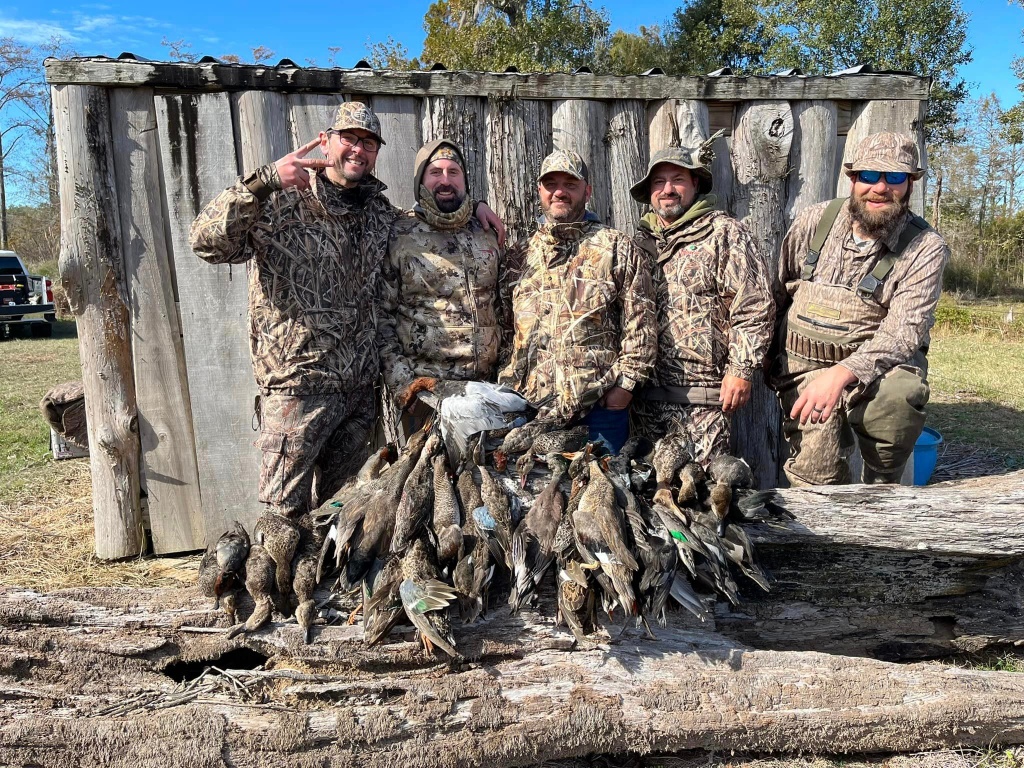
When Louisiana's cypress swamps start calling and the waterfowl migration kicks into high gear, there's no better way to answer than with Fowl Language Guide Service. Our guided duck hunts put you right in the heart of some of the best waterfowl hunting territory in the country. Whether you're looking to fill your limit with pintails or hoping to bag that perfect drake mallard, we've got the local knowledge and prime hunting spots to make it happen. Our trips run anywhere from a single morning hunt to three full days of chasing ducks across Louisiana's diverse wetlands, and we keep groups small – just two hunters per guide to ensure everyone gets quality shooting opportunities.
Inside the Hunt
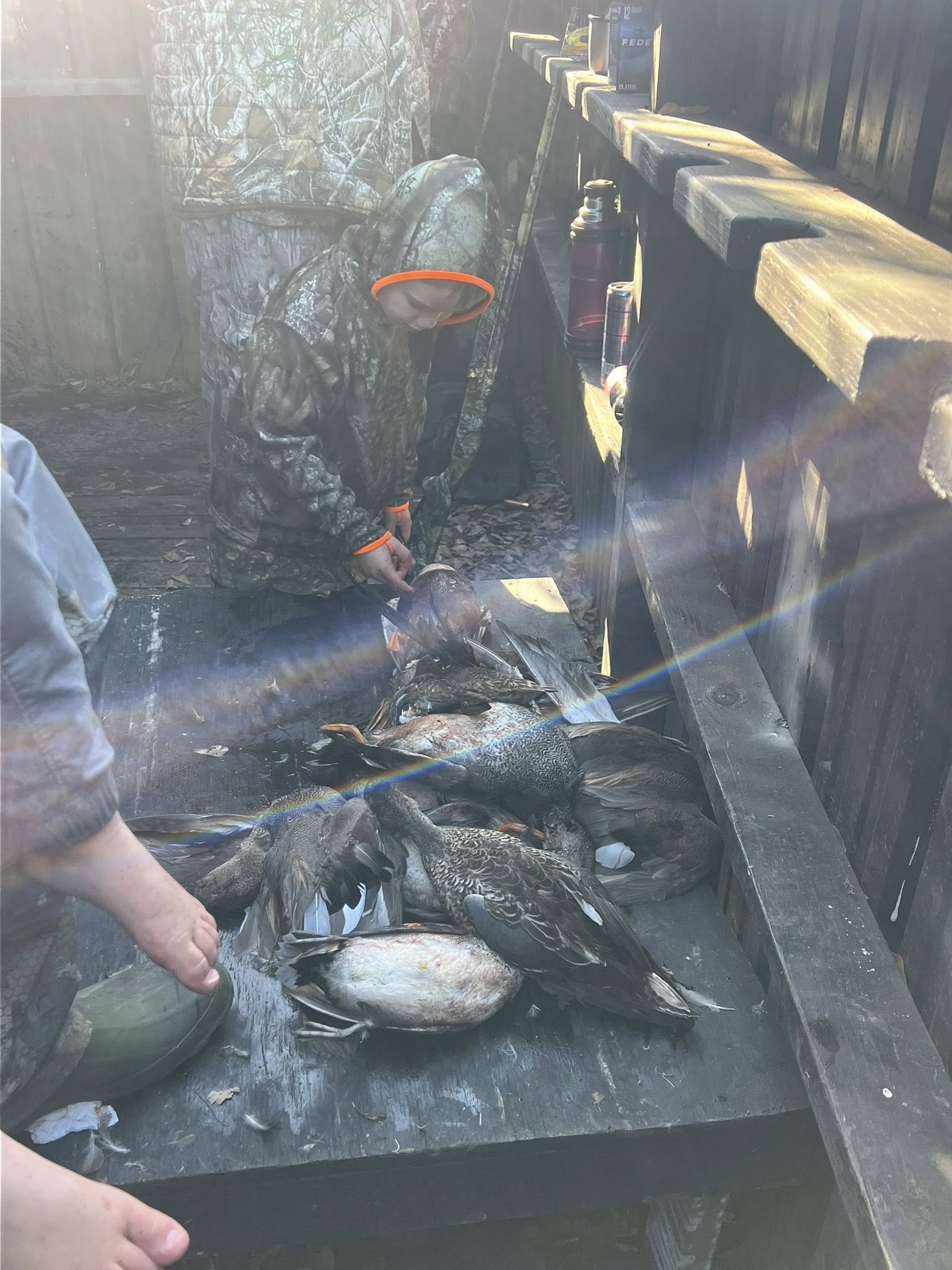
Every hunt with us starts before dawn, because that's when the ducks are moving. We'll have you positioned in our blinds well before first light, whether that's tucked into a cypress swamp where the wood ducks love to work, set up on open water for diving ducks, or hidden in flooded timber where mallards feel at home. Our hunting grounds span everything from walk-in-only marsh spots that see minimal pressure to established blind locations that consistently produce birds. We rotate hunting areas based on weather, wind direction, and where we're seeing the most activity – that's the advantage of working with guides who live and breathe these waters year-round. Each hunter needs to bring their own gun safety knowledge and valid hunting license, but we'll take care of positioning you for the best shots and calling in the birds. Our guides know exactly when to hit the call and when to stay quiet, reading the ducks' body language as they work the decoys.
Tracking Tips & Terrain
Louisiana's waterfowl hunting is all about reading the conditions and adapting your approach. We hunt four main types of terrain, each requiring different tactics. In our cypress swamp blinds, it's about patience and precision – wood ducks and teal come in fast through the trees, giving you quick shots at close range. The open-water lakes are where we target diving ducks and larger flocks of puddle ducks, using long spreads of decoys and strategic calling to pull birds from high flights. Timber hunting means working flooded hardwoods where mallards and gadwall love to feed, often requiring longer shots through the trees. Our walk-in spots are the real gems – these remote areas see less hunting pressure, which means the ducks are less call-shy and more willing to work your spread. We use a mix of spinning wing decoys, traditional blocks, and strategic calling to create realistic setups that fool even the wariest birds. The key is matching your decoy spread to the location and adjusting your calling based on how the birds are responding.
Target Game Breakdown
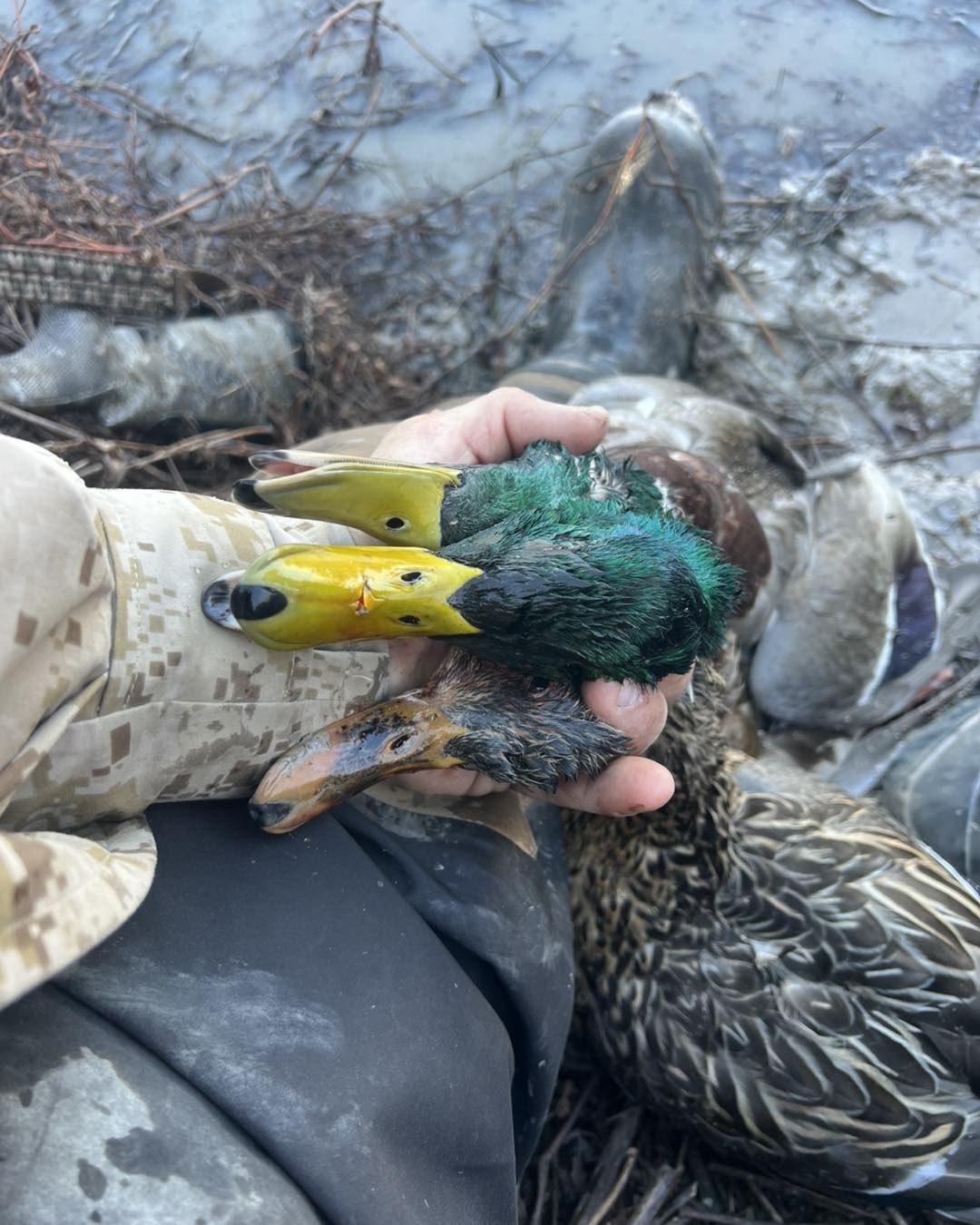
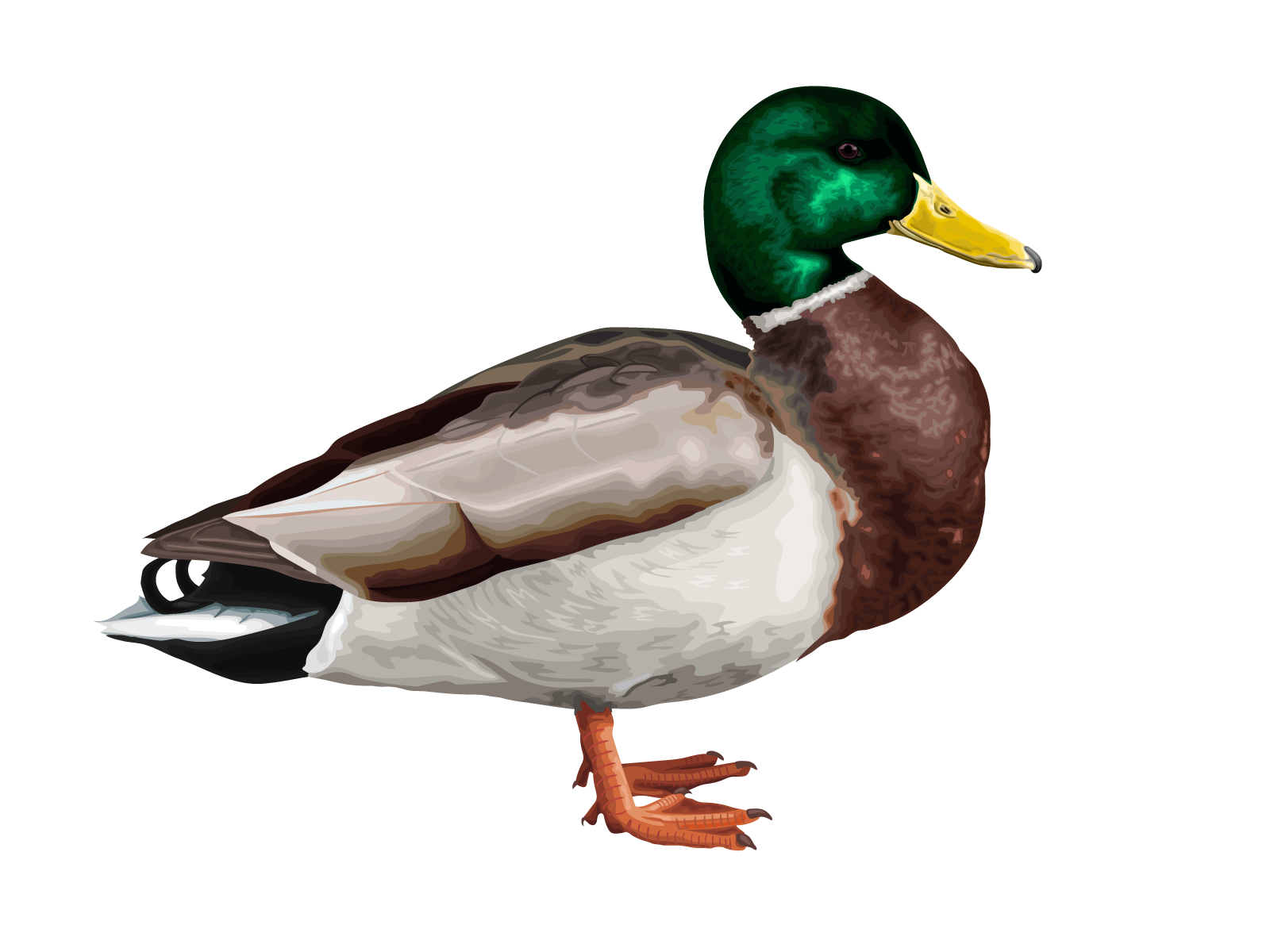
Mallards are the bread and butter of Louisiana duck hunting, and for good reason. These big, beautiful birds are active from October through January, with peak numbers usually hitting in December. Drakes in full plumage are absolutely stunning, and mallards are aggressive when it comes to decoys – they'll commit hard to a good spread. They're also excellent eating, which makes them a favorite among hunters who like to take their harvest to the table. You'll find mallards everywhere from flooded timber to open water, and they respond well to calling when done right.
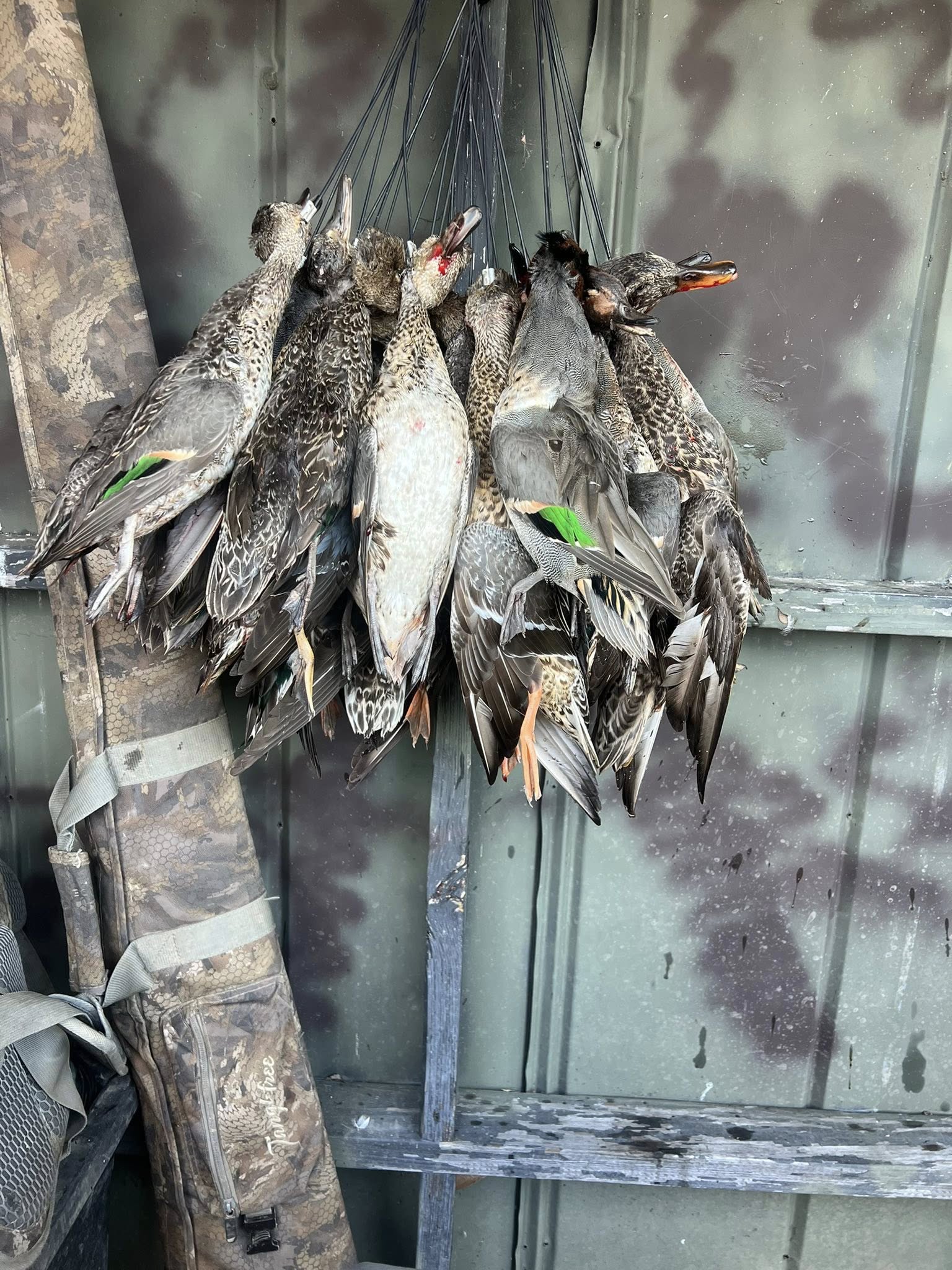
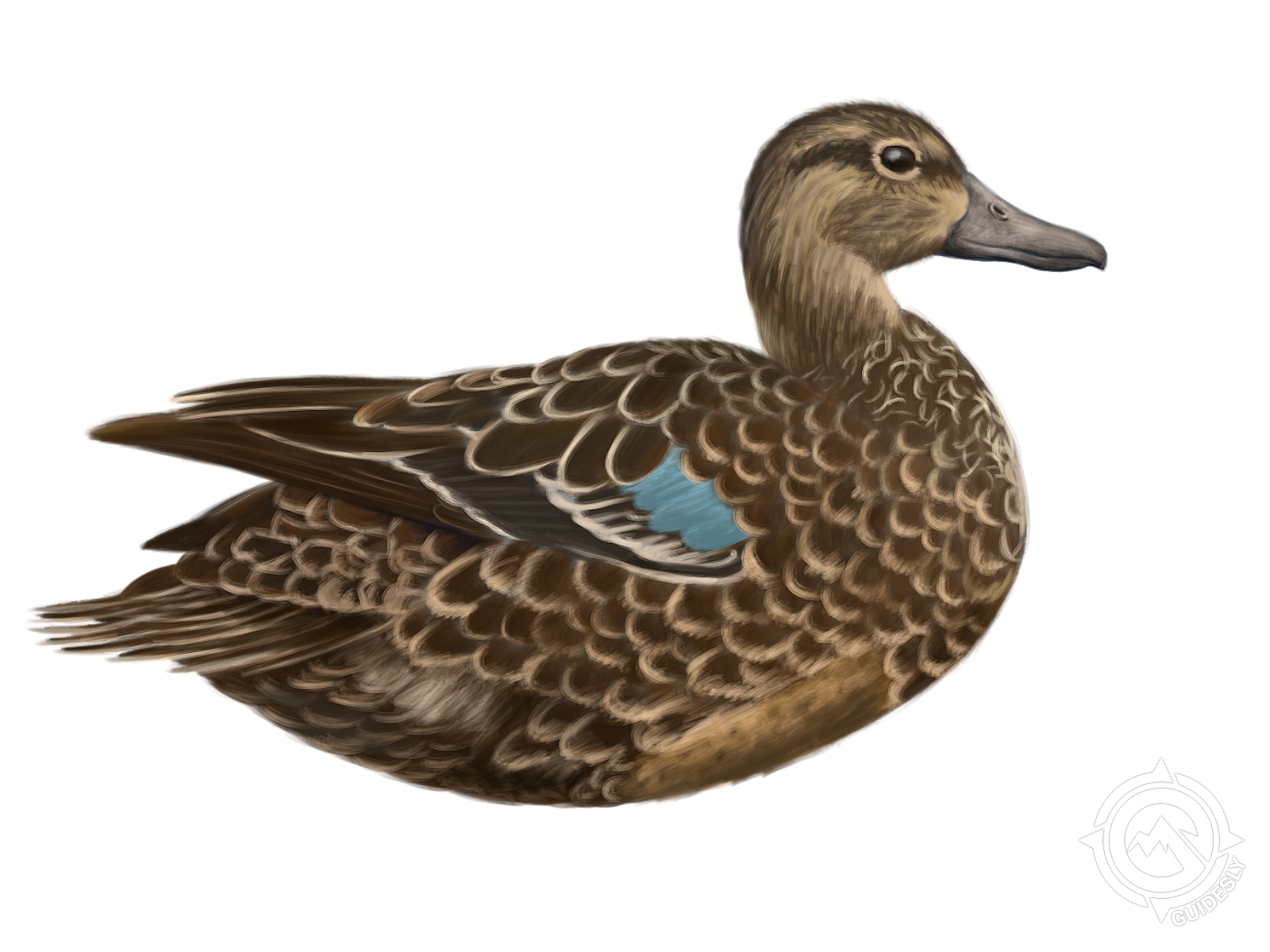
Blue-winged teal are some of the first ducks to show up each season, arriving as early as September. These small, fast-flying birds are a blast to hunt because they come in tight flocks and aren't afraid of decoys. When a flock of blue-wings commits to your spread, they'll often circle multiple times, giving everyone in the blind a chance to shoot. They're also incredibly fast, which makes them a challenging and rewarding target. Peak blue-wing hunting is typically September through October before they continue their migration south.
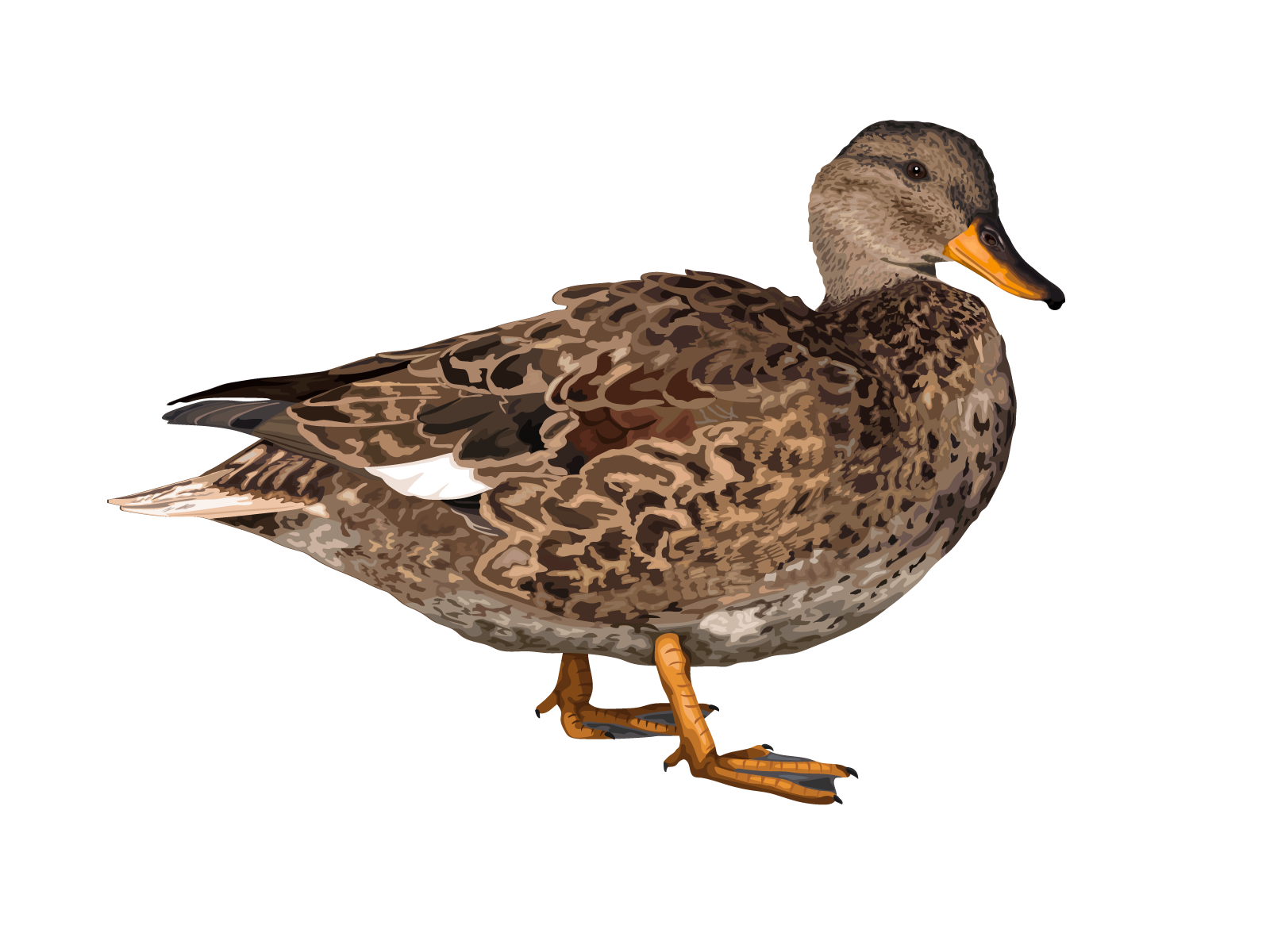
Gadwall might not get the respect of mallards, but they're smart, wary birds that provide some of the most technical hunting in Louisiana. These ducks are notorious for hanging up just outside gun range, testing your calling skills and patience. When you finally outsmart a flock of gadwall, it's incredibly satisfying. They're most active in November and December, and they love working edges – places where open water meets vegetation or timber. Gadwall also happen to be outstanding on the table, with some hunters considering them the best-eating duck in Louisiana.
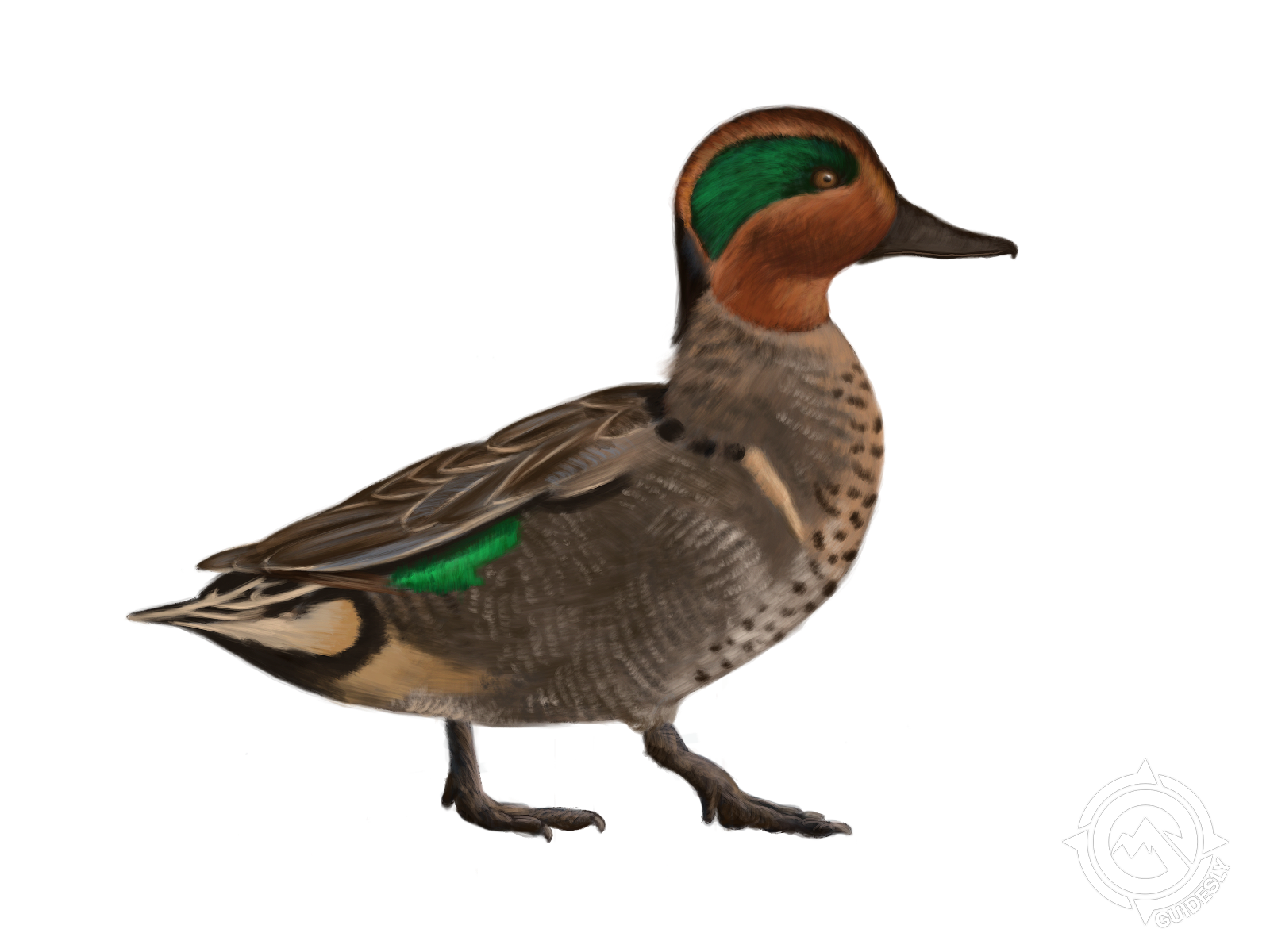
Green-winged teal are pure excitement on the wing. These little rockets come in fast and low, often surprising hunters with how quickly they appear over the decoys. They're active throughout the season but really shine in the late season when other duck numbers start to drop. Green-wings aren't picky about habitat – we see them in everything from tiny potholes to big open lakes. Their unpredictable flight patterns and speed make every shot a challenge, and when you connect on a crossing green-wing, you know you made a good shot.
American wigeon are beautiful birds with distinctive calls that add music to any hunt. These ducks are grazers, often found in areas with aquatic vegetation, and they're known for their unique feeding behavior of tipping up like miniature geese. Wigeon are most common from November through January, and they're incredibly social birds – where you see one, you'll often find dozens more. They respond well to decoys and calling, and drakes in breeding plumage with their white caps and iridescent green eye patches are some of the most beautiful ducks you'll find in Louisiana.
Book Your Next Tag
Louisiana duck hunting with Fowl Language Guide Service gives you access to some of the most productive waterfowl habitat in North America, guided by hunters who know these marshes, swamps, and lakes like the back of their hands. Whether you're planning a quick overnight trip or want to experience three days of non-stop action, we've got the blinds, the birds, and the expertise to make it happen. Our small group sizes mean personalized attention, better shooting opportunities, and the kind of authentic hunting experience that keeps sportsmen coming back year after year. With lodging available for multi
 Private Trip
 Bird hunting
 Marksville, LA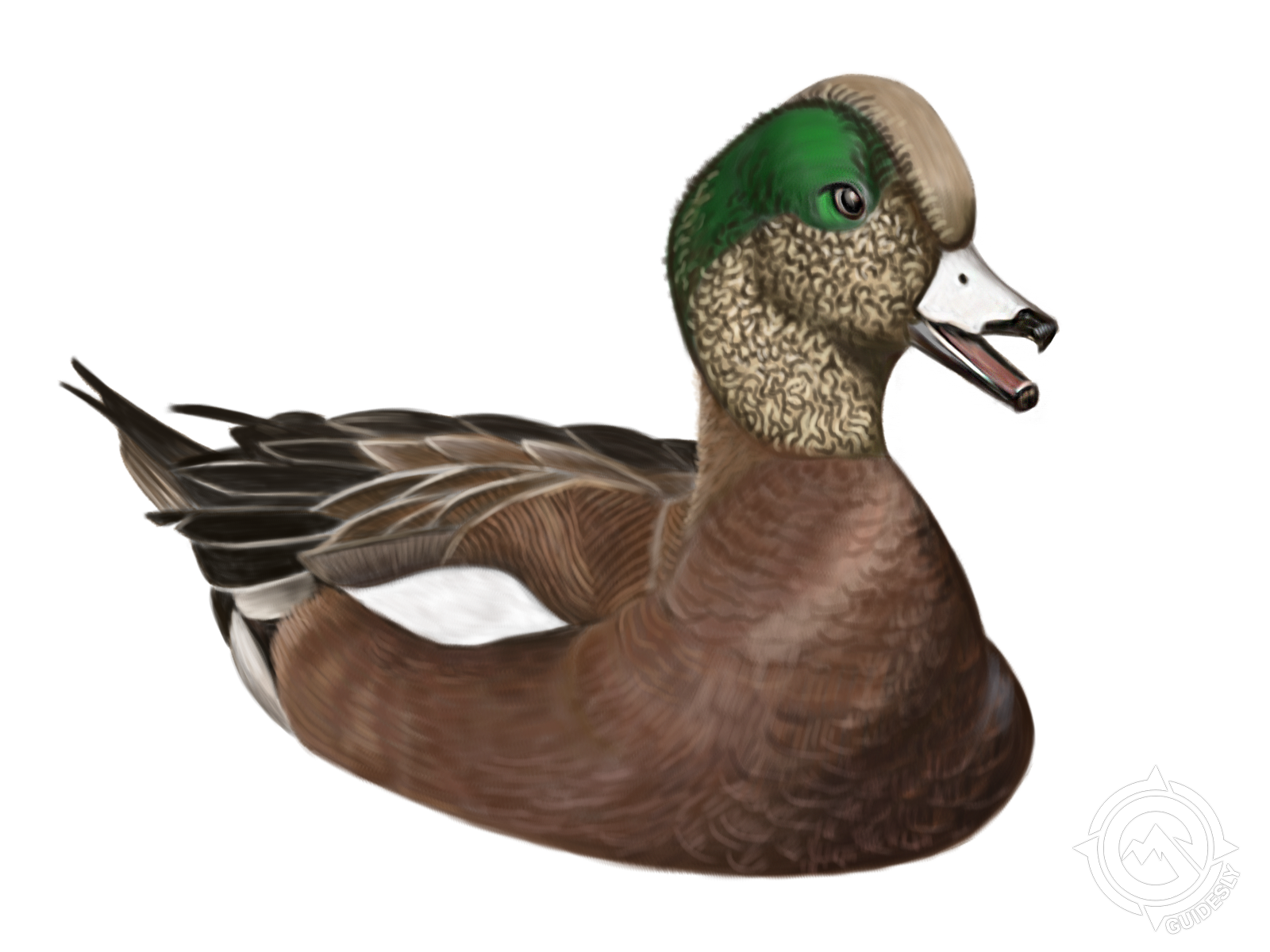
 Guided duck hunting across Louisiana's diverse wetland terrain