Louisiana Teal Hunting Guided Trip
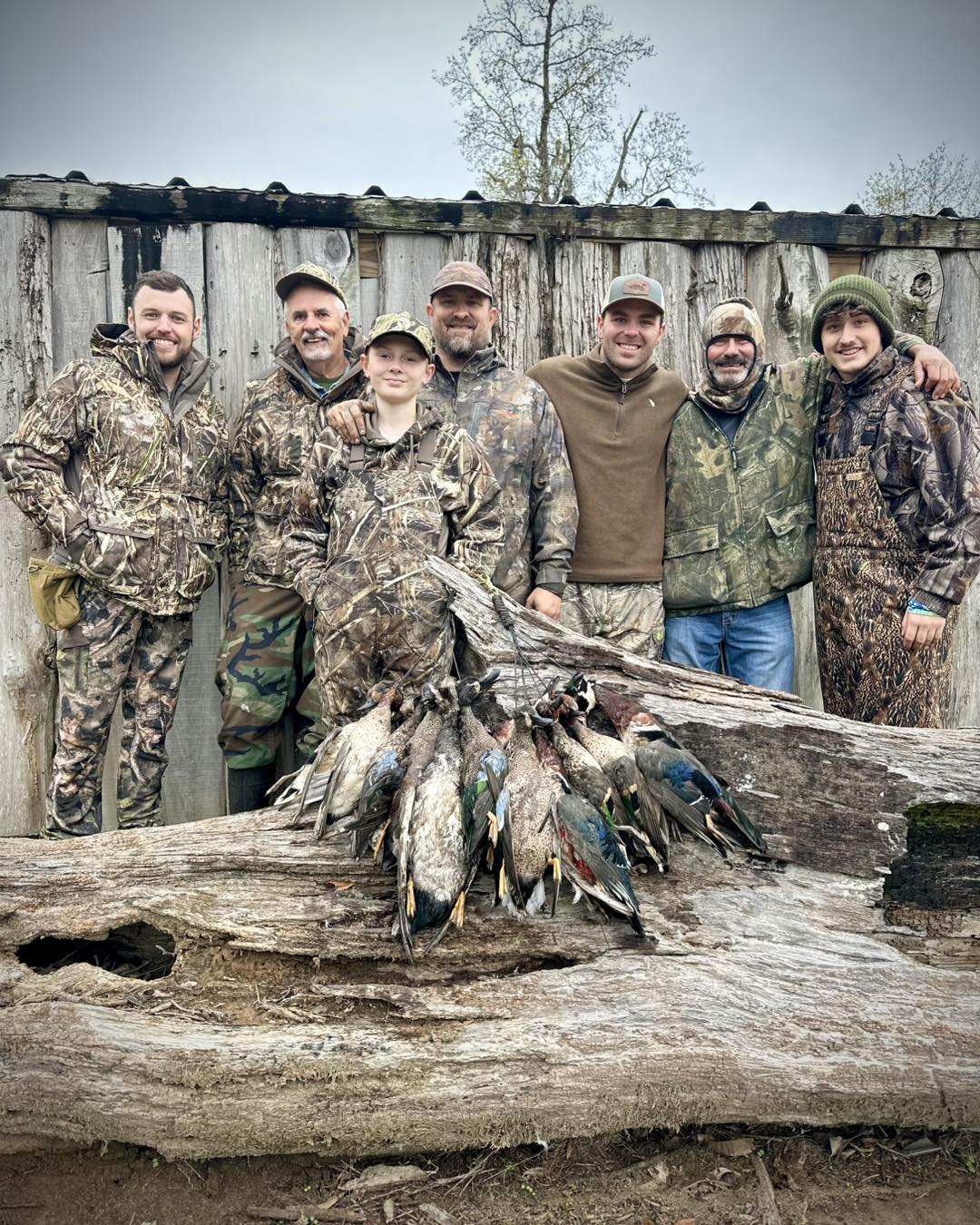
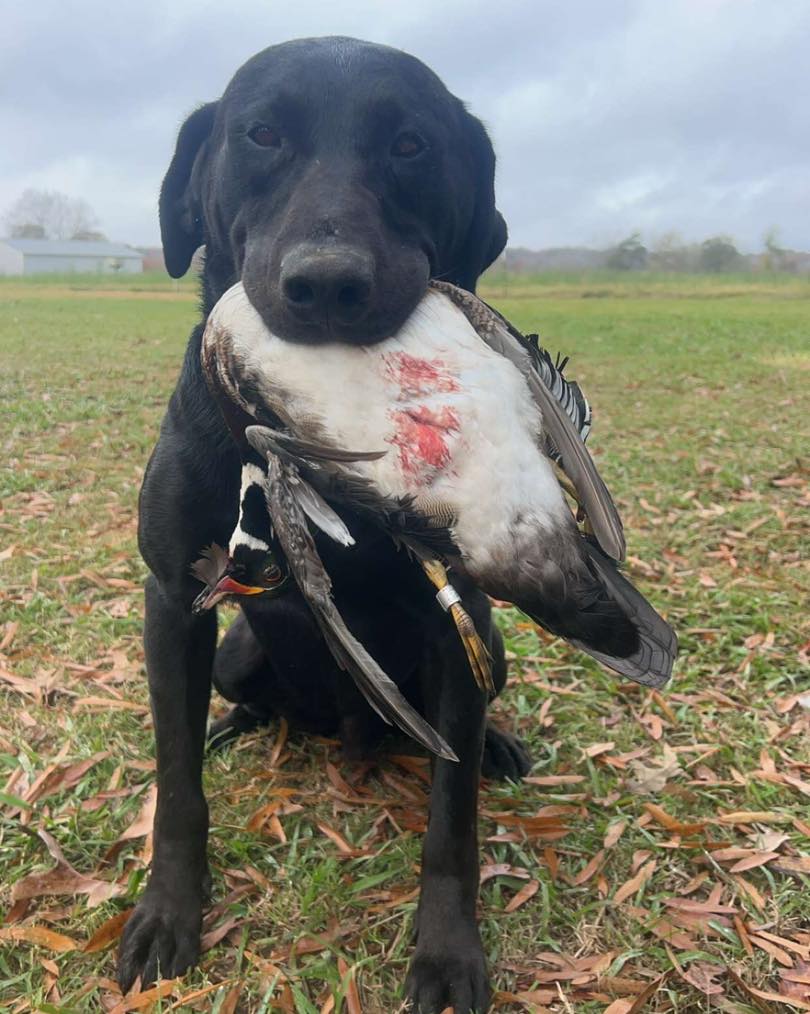
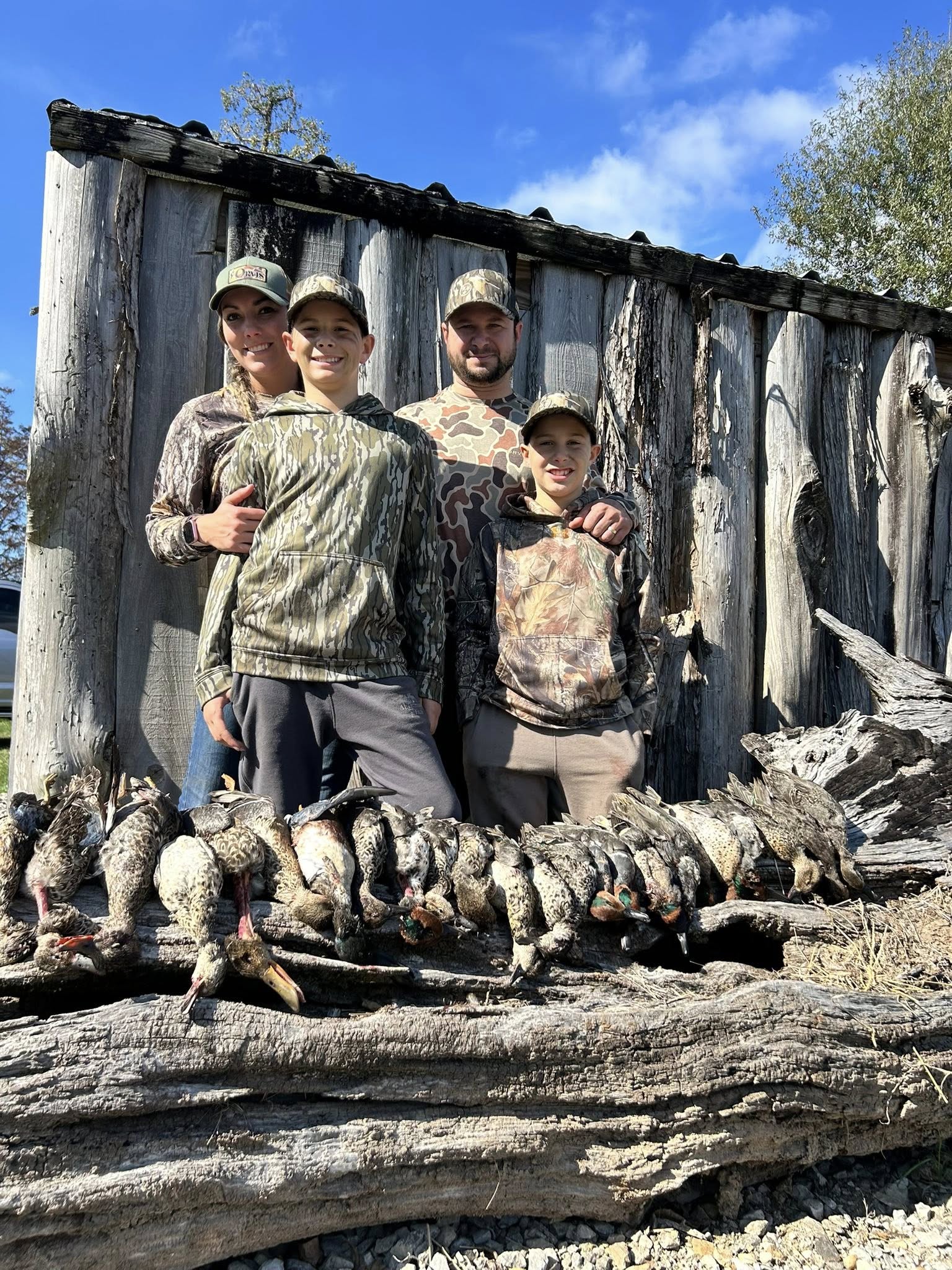
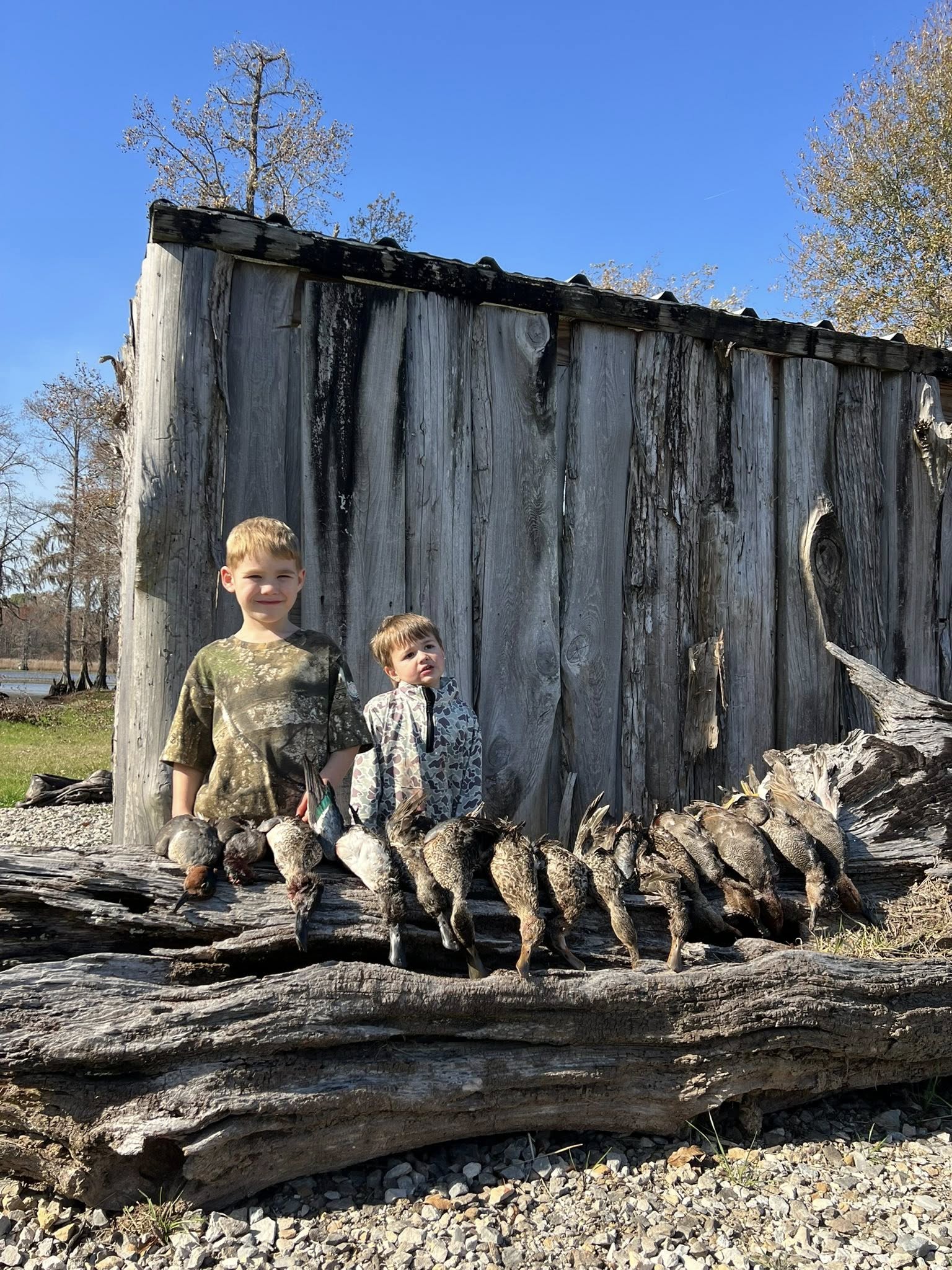
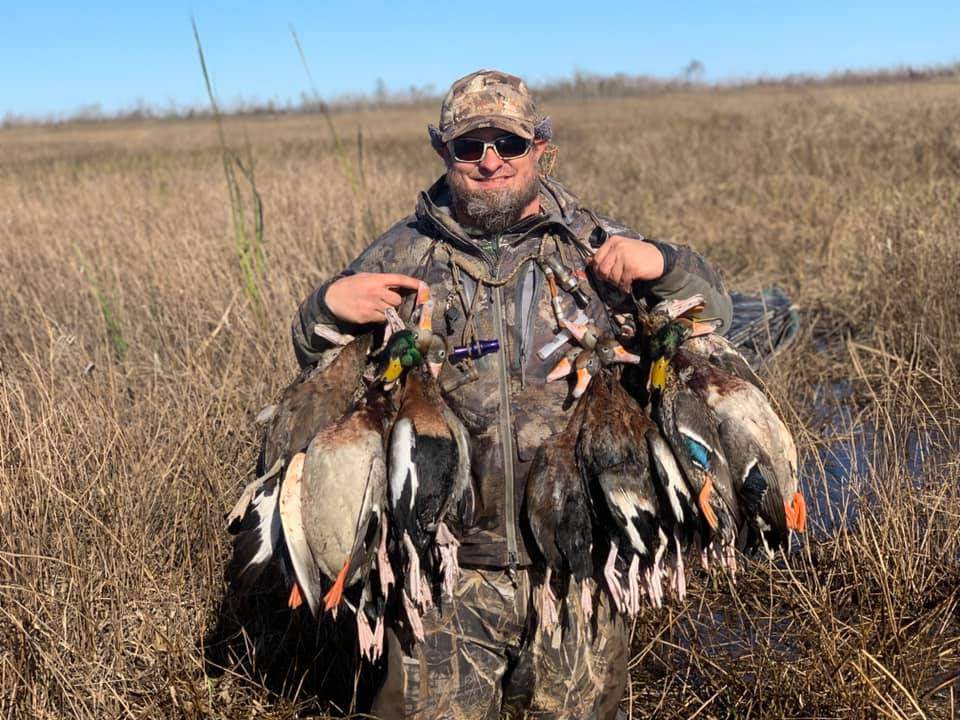
Looking for a top-rated teal hunting experience in Louisiana's legendary wetlands? Fowl Language Guide Service has been putting hunters on birds in some of the state's most productive waters for years. Whether you're a seasoned waterfowler or just getting your feet wet with teal hunting, this trip delivers the real deal. We're talking about targeting blue-winged and green-winged teal across Louisiana's diverse hunting terrain, from open water to cypress swamps that'll make your heart pound when those wings start cutting through the morning mist. With one to three-day options and a maximum of two hunters per trip, you get the personal attention that separates a good hunt from a world-class experience.
Inside the Hunt
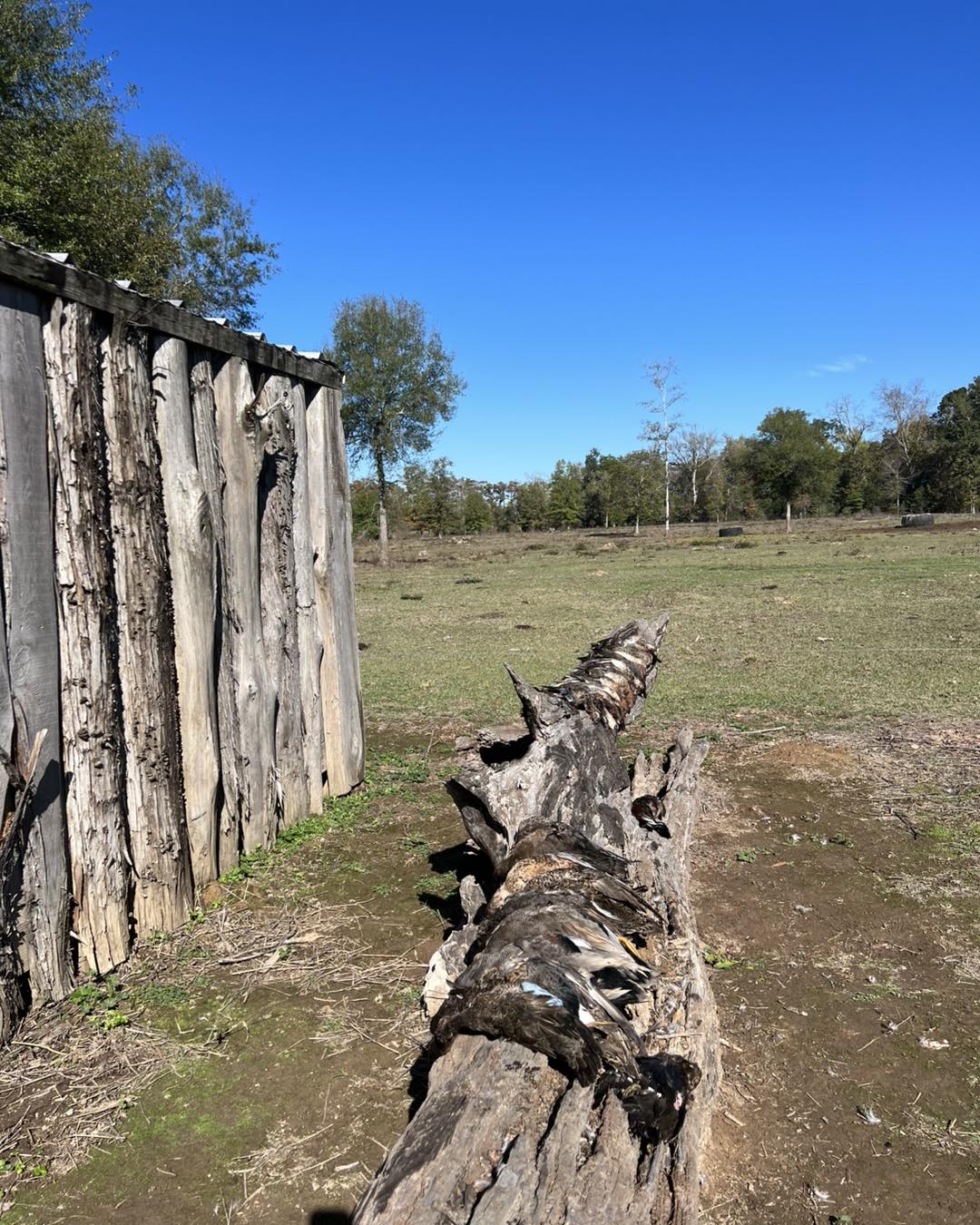
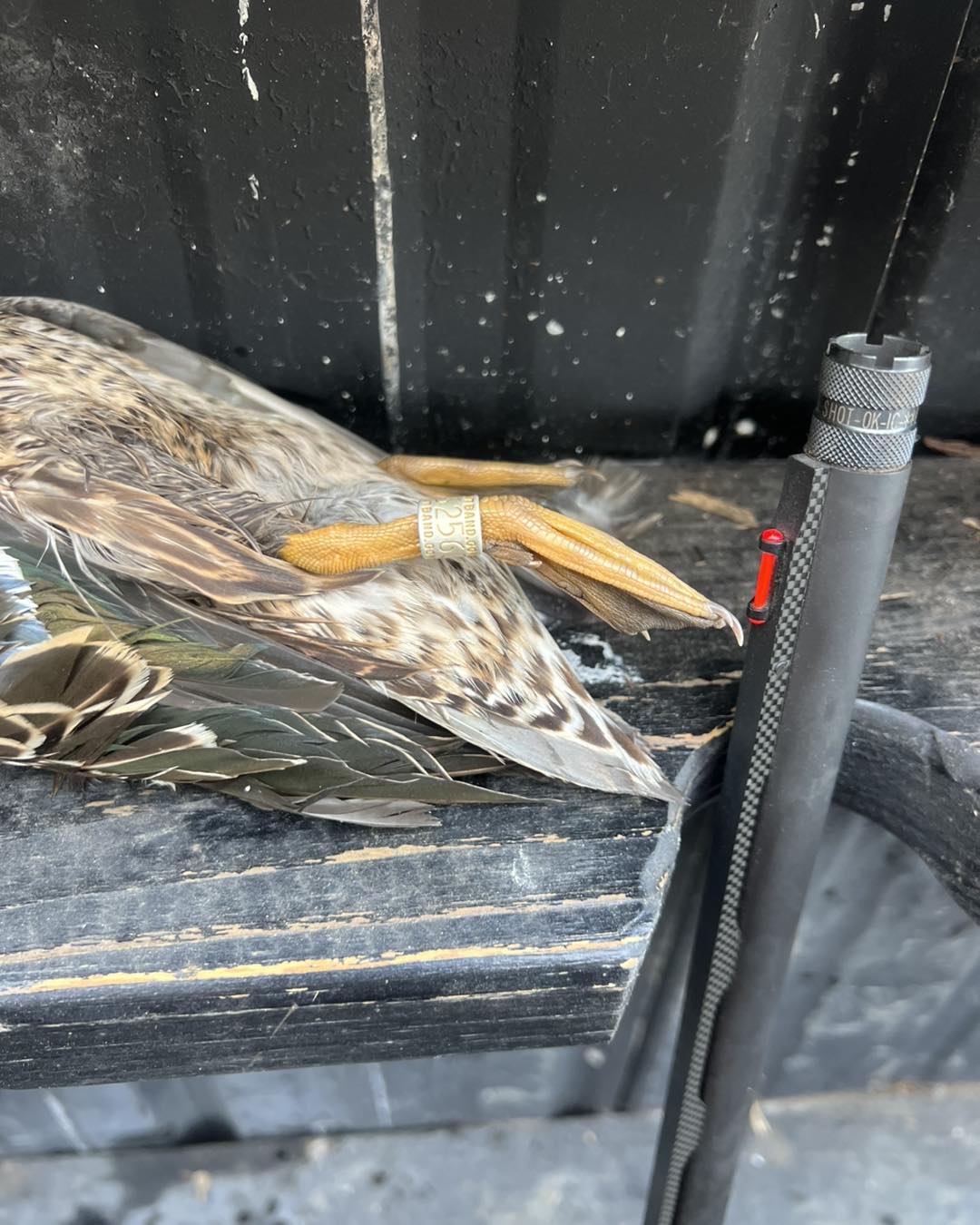
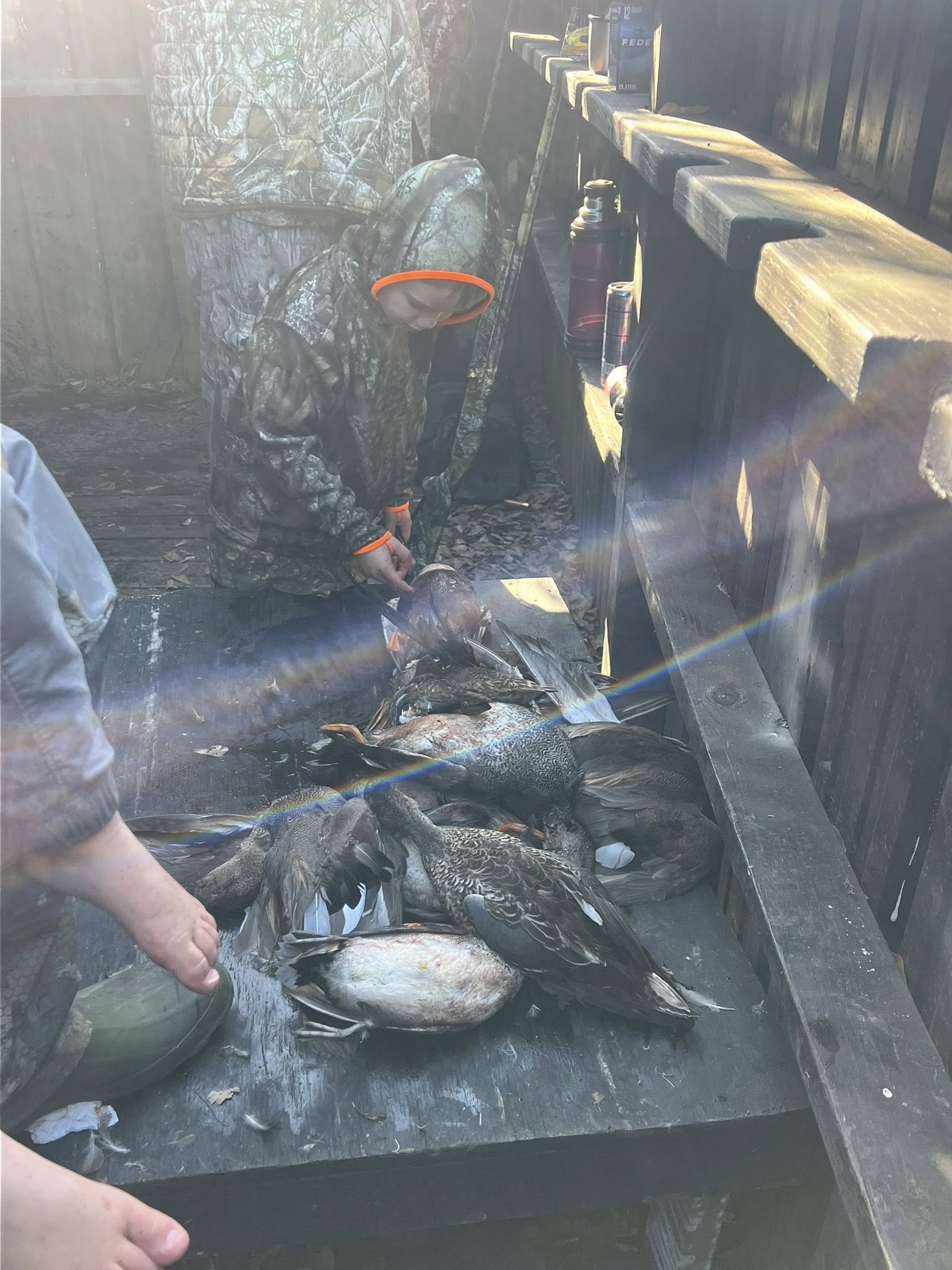
This isn't your typical cookie-cutter hunting trip. Our crew knows Louisiana's waters like the back of their hand, and they'll position you where the birds want to be. You'll hunt from well-positioned blinds across three distinct environments: open-water lakes where teal love to raft up, cypress swamp blinds that put you right in their flyway, and walk-in timber spots that keep you mobile when the birds are moving. The beauty of this setup is flexibility – if the teal aren't cooperating in one spot, we're not stuck there all morning. Our guides handle all the safety protocols, scout the birds beforehand, and make sure your blind placement gives you the best shooting opportunities. The terrain varies dramatically throughout Louisiana's coastal marsh and interior wetlands, so each day brings different hunting scenarios. When you connect on birds, our crew helps with field processing, so you can focus on what you came for – putting teal in the bag.
Tracking Tips & Terrain
Louisiana teal hunting is all about reading the conditions and adapting your approach. Early season means blue-wings are still around, but as temperatures drop, green-wings become the main show. Our guides position decoy spreads based on wind direction, water levels, and recent bird movement patterns. In the cypress swamps, we're talking about tight shooting lanes where quick target acquisition is key – these birds don't give you much time to think. Open-water hunting requires different skills, as teal often decoy from longer distances and you need to judge speed and distance accurately. The walk-in timber spots offer some of the most challenging and rewarding hunting, where small groups of birds work through the trees and every shot counts. Weather plays a huge role here – cold fronts push fresh birds down from the north, while stable weather means working local birds that know every trick in the book. Our experienced crew reads these conditions daily and adjusts hunting locations accordingly, giving you the best chance at filling your limit regardless of what Mother Nature throws at us.
Target Game Breakdown
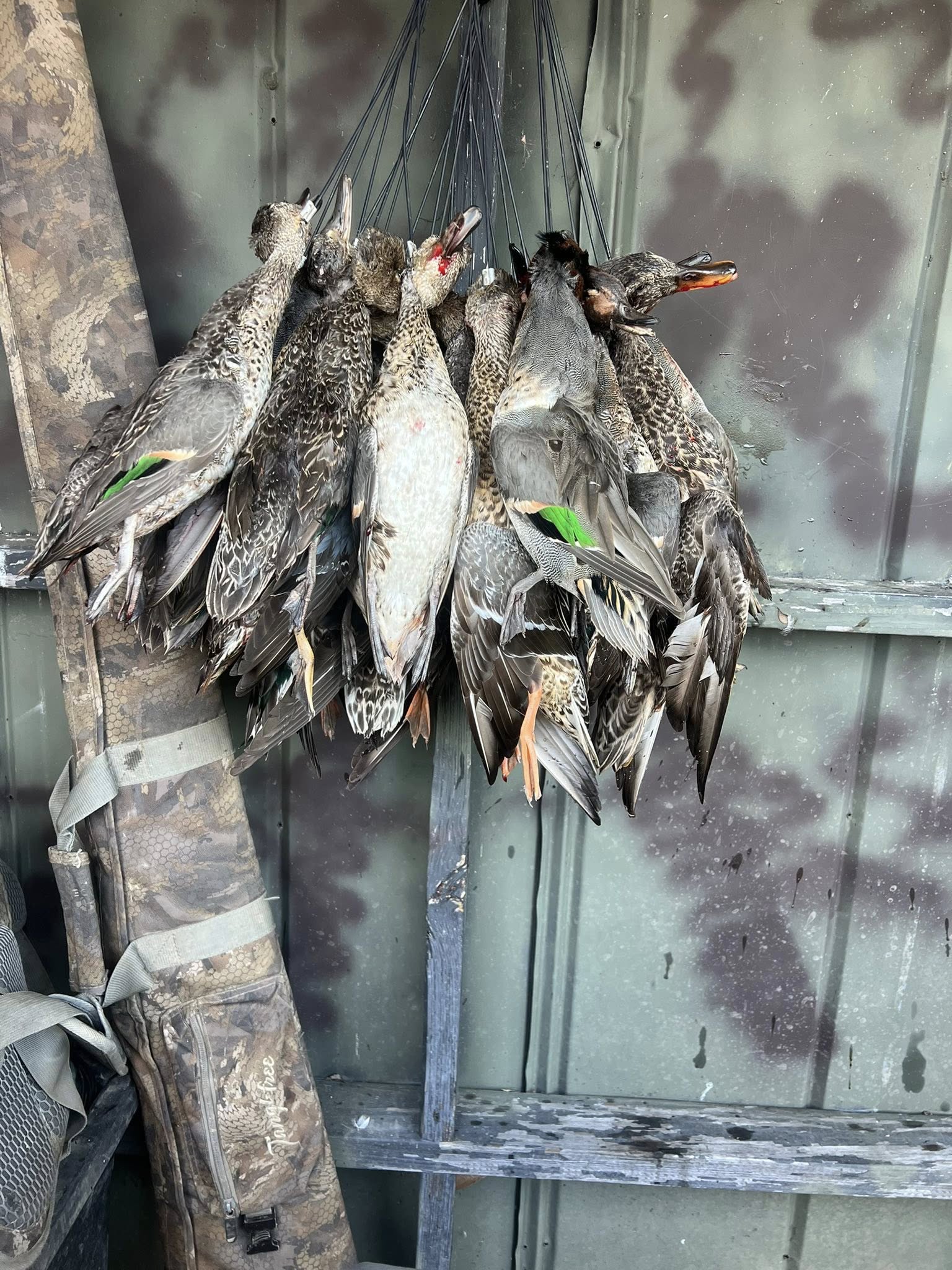
Blue-winged teal are the early birds of Louisiana's teal season, typically arriving in good numbers by late August and peaking through September. These speed demons are smaller than most ducks, weighing around 13-16 ounces, but what they lack in size they make up for in pure velocity. Blue-wings love shallow water areas with abundant vegetation, and they're notorious for their erratic flight patterns that can humble even experienced waterfowlers. The best hunting happens during the first few hours of daylight when they're moving between roosting and feeding areas. What hunters love most about blue-wings is their willingness to decoy – when conditions are right, they'll buzz your spread multiple times, giving you plenty of shooting opportunities. The drakes sport distinctive white crescent moon markings on their faces, making them easy to identify even at distance.
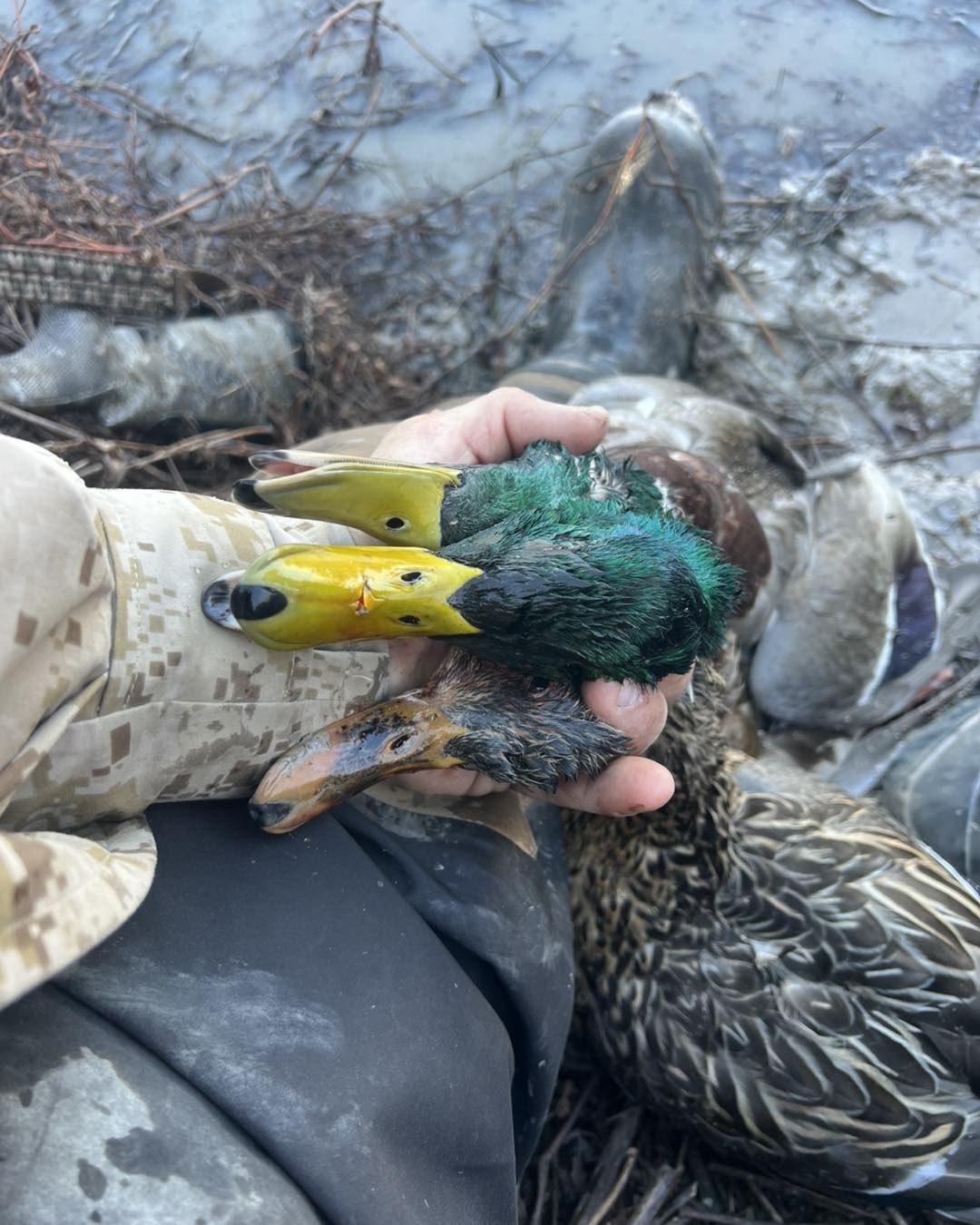
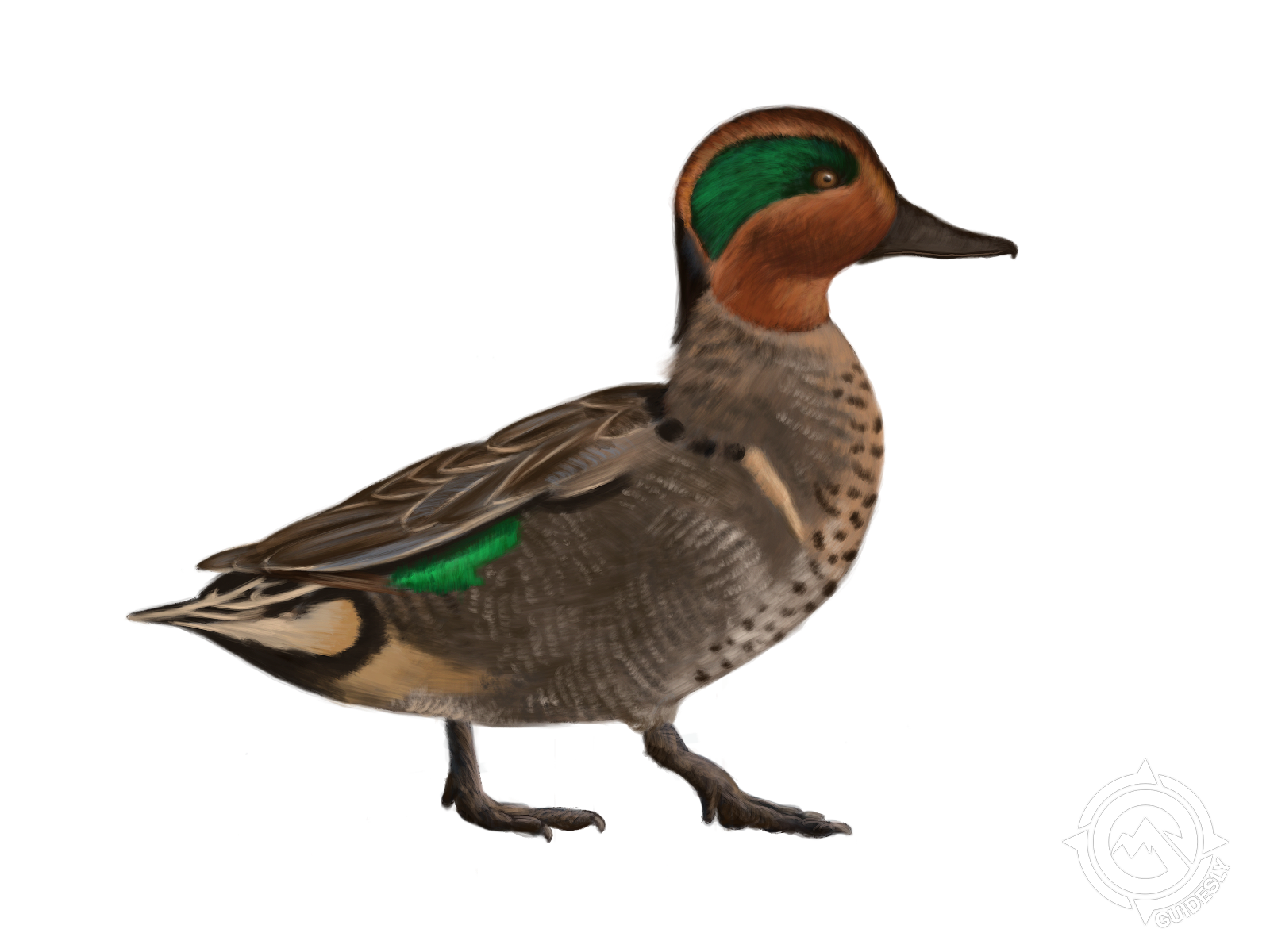
Green-winged teal take over as the season progresses, typically showing up in serious numbers by late October and staying through January. These are the smallest ducks in North America, usually weighing 12-14 ounces, but they're arguably the most challenging to hit consistently. Green-wings fly in tight formations and can change direction on a dime, often leaving hunters wondering how they missed such an "easy" shot. They prefer slightly deeper water than blue-wings and are more likely to work flooded timber and cypress brakes. Peak hunting occurs during cold snaps when northern birds pile into Louisiana's coastal marshes. Green-wing drakes are stunning birds with their chestnut heads and distinctive green eye patches, while hens show subtle but beautiful mottled patterns. What makes green-wings special is their late-season hunting opportunities – when other waterfowl have been pressured for months, fresh green-wings keep trickling south, providing consistent action through the heart of duck season.
Book Your Next Tag
Ready to experience Louisiana teal hunting at its finest? Fowl Language Guide Service combines local knowledge, prime hunting locations, and personalized attention to deliver the kind of hunt you'll be talking about for years. With flexible trip lengths and terrain options that adapt to bird movement and weather conditions, this customer favorite trip puts you in position for success. The crew handles the details while you focus on making clean shots and creating memories in some of Louisiana's most renowned waterfowl habitat. Don't wait – the best hunting dates fill up fast, especially when word gets out about consistent limits and world-class guide service. Book your Louisiana teal hunting adventure today and discover why hunters keep coming back to these legendary wetlands season after season.
 Private Trip
 Bird hunting
 Marksville, LA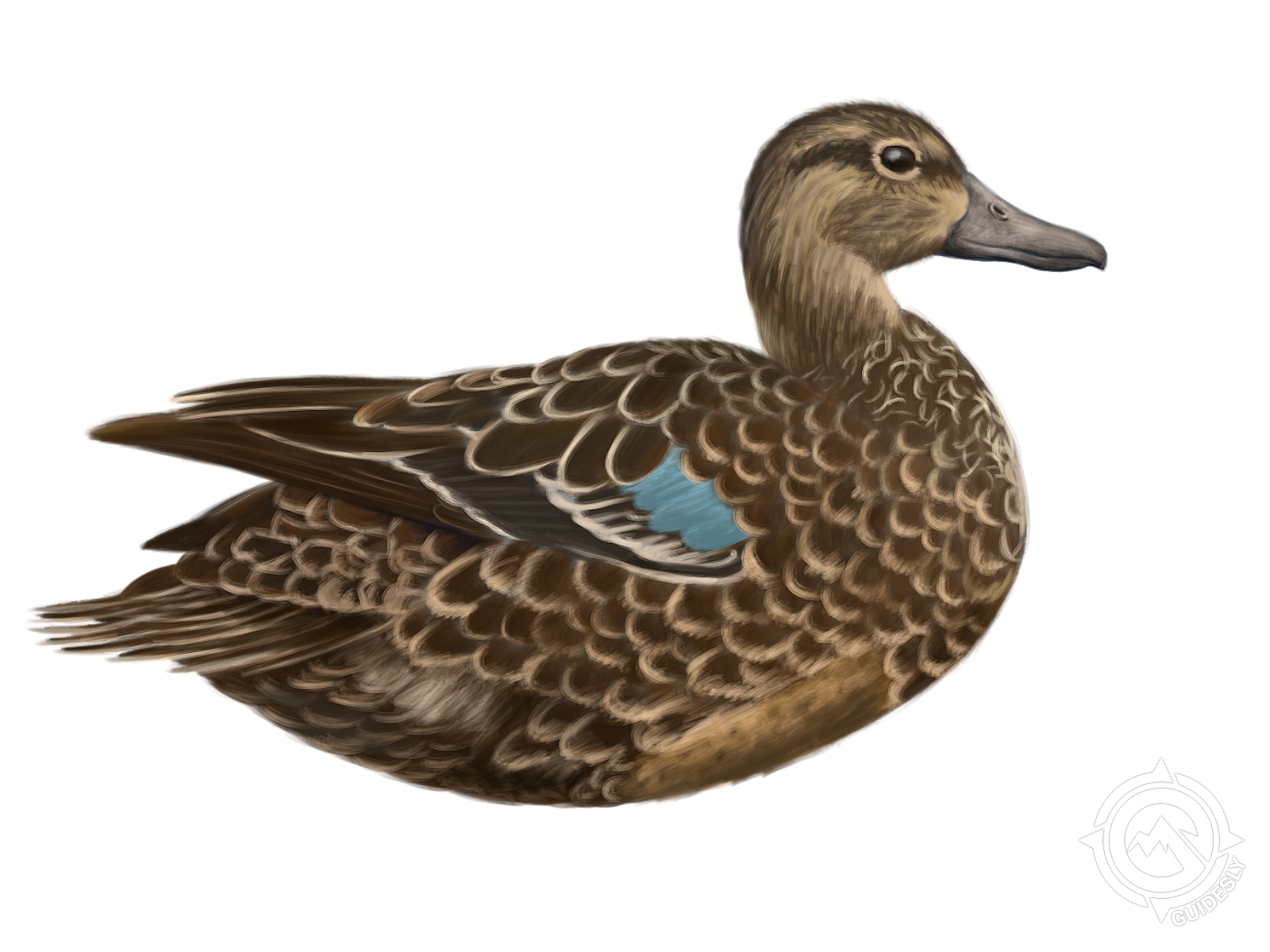
 Guided teal hunting for Blue-winged and Green-winged species