Pacific Halibut Fishing Charter Vancouver Island
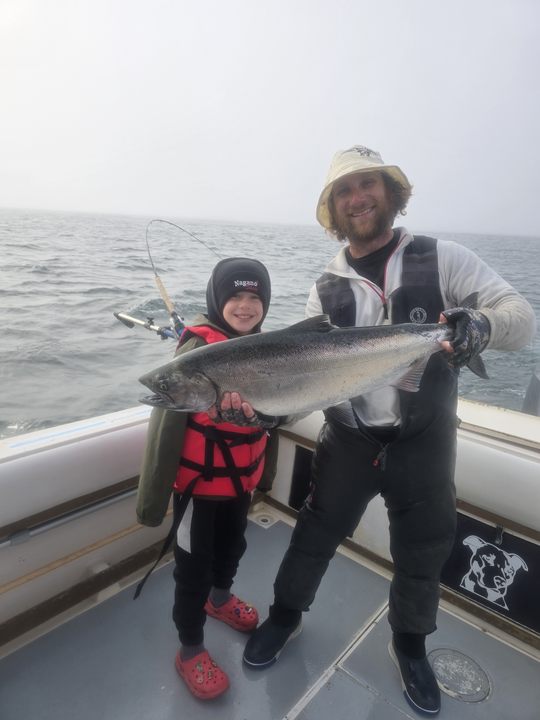
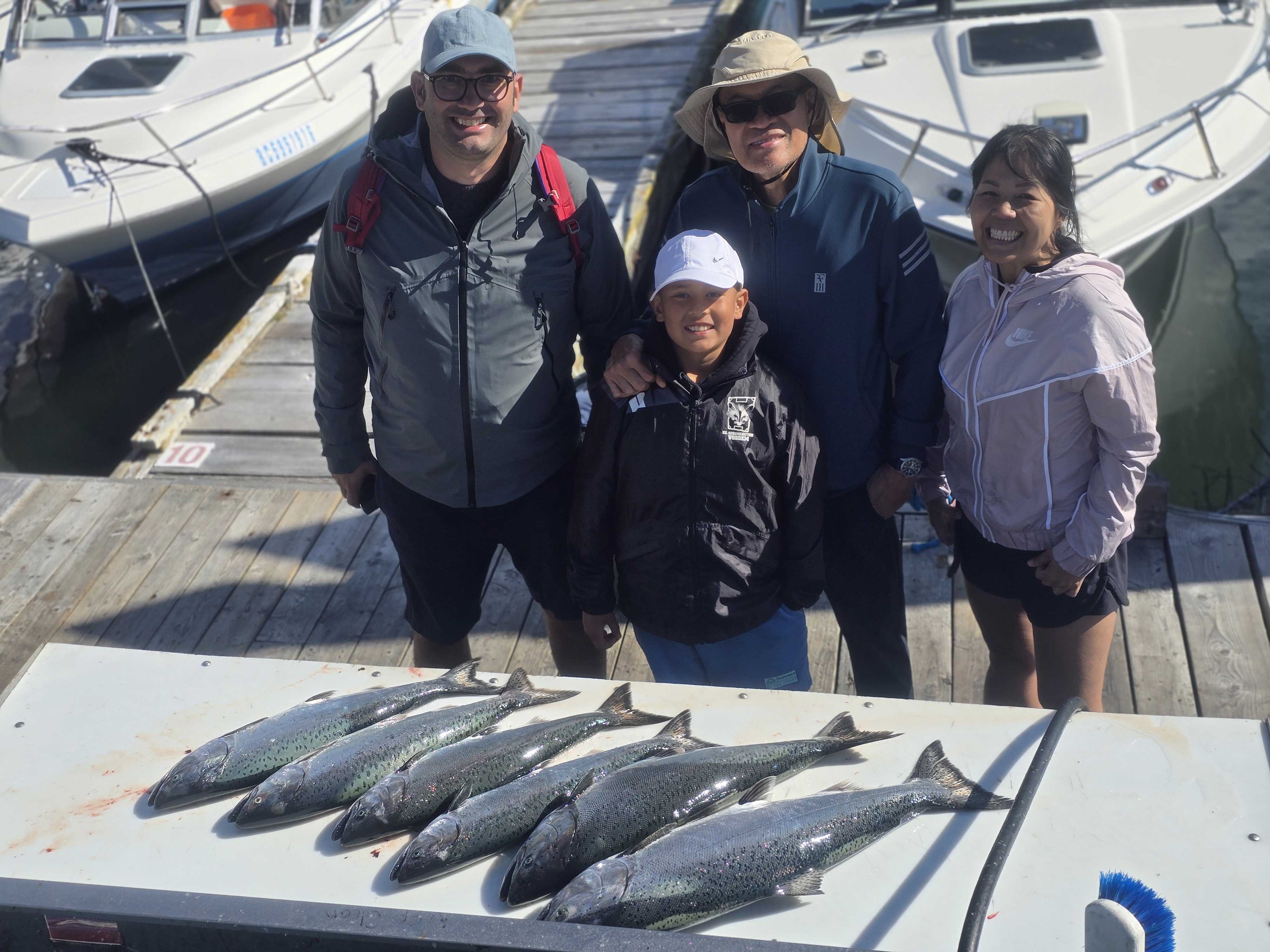
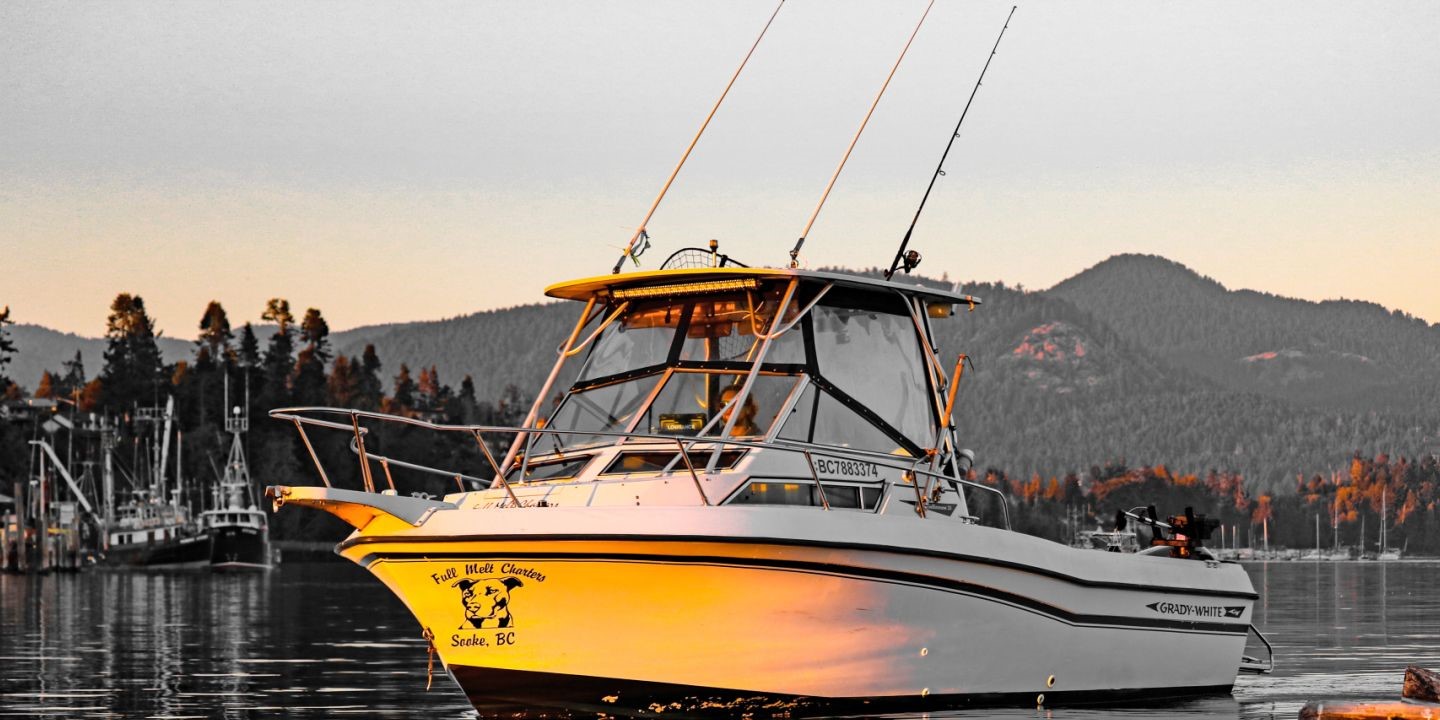
There's nothing quite like the anticipation of hooking into a Pacific halibut on the deep waters surrounding Vancouver Island. Wayne Sarak and the crew at Full Melt Charters have built their reputation on getting anglers into productive halibut grounds, and this full-day charter is your ticket to some of the best bottom fishing on the West Coast. With eight solid hours on the water and a maximum of just three guests, you'll have plenty of elbow room and personalized attention to make the most of your day chasing these prized flatfish.
What to Expect on the Water
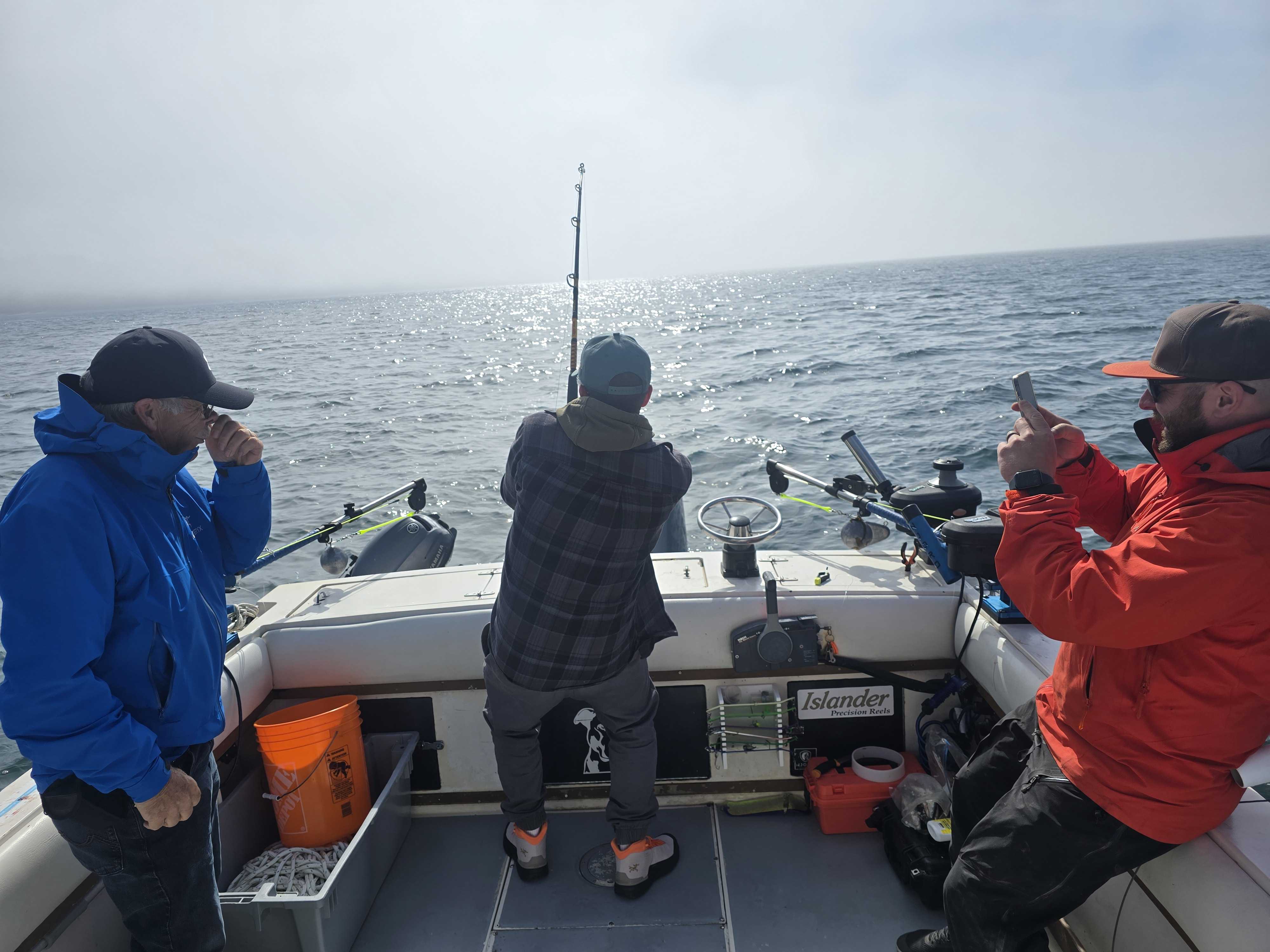
This isn't your typical half-day trip where you're rushing back to the dock just as the bite picks up. Wayne knows that finding consistent halibut action means getting out to the deeper offshore grounds where these bottom-dwellers call home. You'll be covering serious water, hitting structures and drop-offs that consistently produce fish. The small group size means you're not fighting for rod space or waiting in line to get your bait back down after a fish. Whether you've been chasing halibut for years or this is your first time dropping a line for Pacific "barn doors," Wayne tailors the instruction and technique to match your experience level. All the rods, reels, and tackle are included, so you can focus on what matters most - getting that halibut to the boat.
Bottom Fishing Techniques
Halibut fishing is all about precision and patience. You'll be working heavy jigs and bait rigs in depths that can range from 80 to 300 feet, depending on where the fish are holding. Wayne sets his clients up with quality circle hooks and the right sinker weights to keep baits tight to the bottom where halibut feed. The technique involves dropping your rig straight down, making contact with the seafloor, then working it just off the bottom with subtle lifts and drops. When a halibut picks up your offering, you'll feel that distinctive tap-tap before the rod loads up. The fight isn't about blazing runs like salmon - it's a test of endurance as these flat powerhouses use their broad bodies to bulldoze toward the bottom. Having the right drag settings and fighting technique makes all the difference between landing your fish and watching it swim away.
Target Species
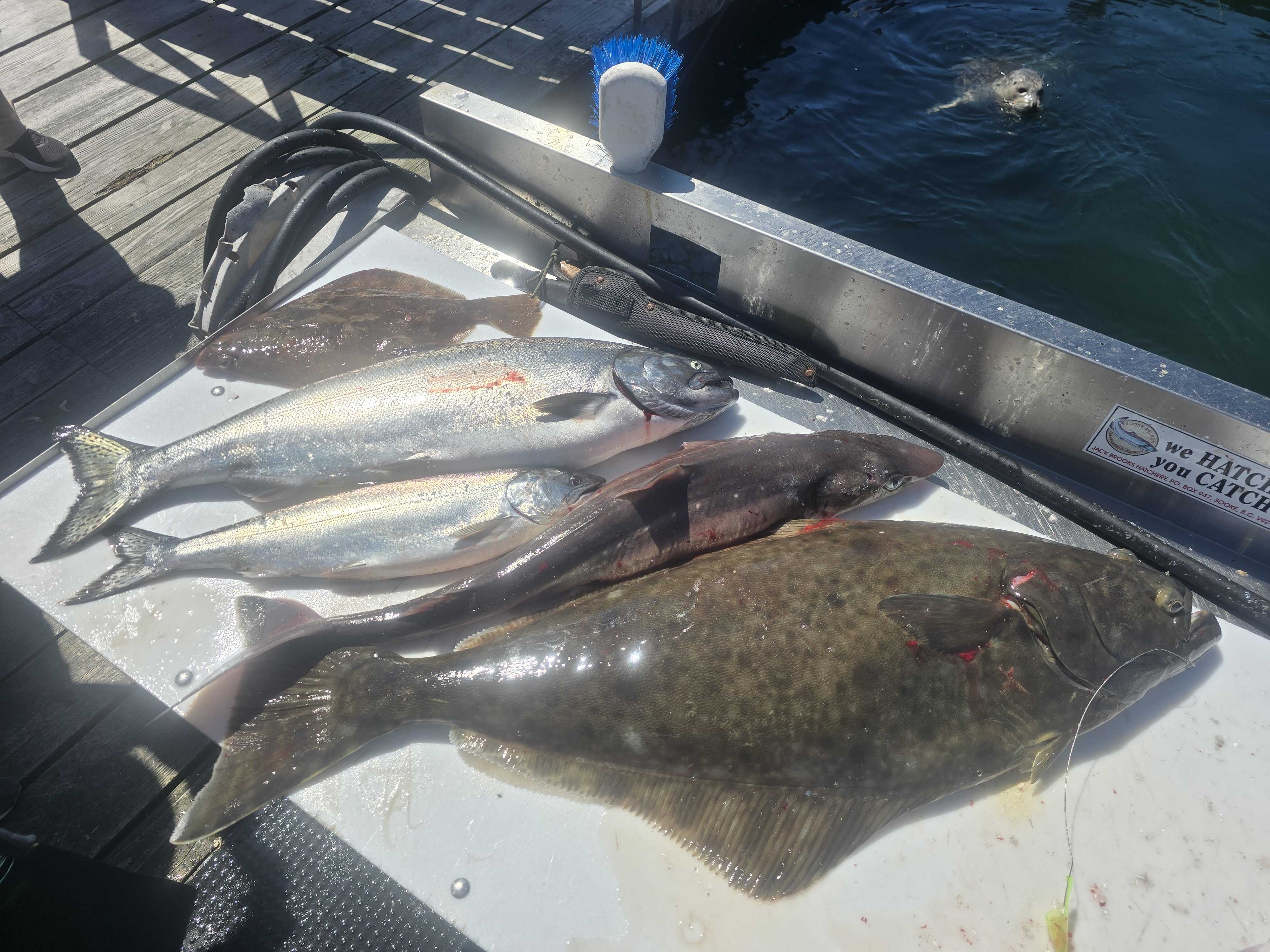
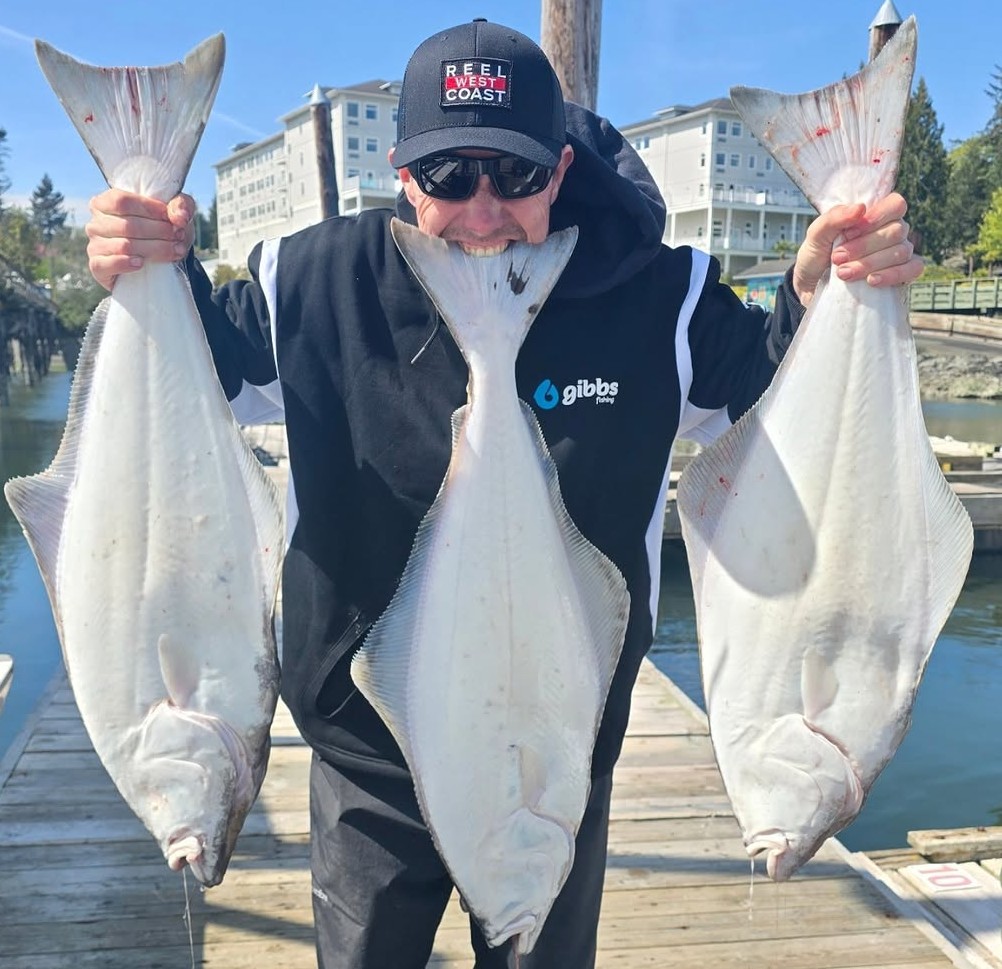
Pacific halibut are the ultimate prize for bottom fishermen working Vancouver Island waters. These incredible flatfish can live over 50 years and reach weights exceeding 400 pounds, though most recreational catches range from 15 to 80 pounds. What makes halibut so special is their unique biology - they're born swimming upright like normal fish, but as juveniles, one eye migrates to join the other, and they settle onto the seafloor as perfectly adapted ambush predators. The best halibut fishing typically runs from May through September, with peak action during summer months when these fish move into shallower feeding areas. Vancouver Island's offshore waters provide ideal habitat with rocky reefs, sandy flats, and dramatic drop-offs that concentrate baitfish. When you hook into a quality halibut, you'll understand why anglers travel from around the world to experience this fishery. The combination of their impressive size, powerful fight, and excellent table fare makes them a true bucket-list species.
Time to Book Your Spot
Full Melt Charters has earned their reputation by consistently putting clients on fish, and Wayne's local knowledge of Vancouver Island's halibut grounds is second to none. Remember to secure your British Columbia tidal waters fishing license before your trip date - it's required for all participants and easily obtained online. With only three spots available per charter, these top-rated trips fill up fast, especially during prime halibut season. Whether you're planning a solo fishing adventure or bringing a couple of friends for a memorable day on the water, this eight-hour Pacific halibut charter delivers the extended fishing time you need to connect with these remarkable fish. Book your spot now and get ready for a world-class halibut fishing experience in some of the Pacific Northwest's most productive waters.
 Private Trip
 Offshore Fishing
 Vancouver Island
 Eight-hour offshore charter targeting Pacific Halibut around Vancouver Island