Duck Hunting Texas | 5 Hour Waterfowl Trip
When it comes to world-class waterfowl hunting in Texas, nothing beats a day with Captain Karl Ardoin on the Laguna Madre. This isn't your typical duck hunt – we're talking about strategically placed blinds on spoil islands that put you right in the flight path of some seriously impressive birds. With over five hours of prime hunting time, you'll have plenty of opportunities to fill your bag while soaking in the raw beauty of this coastal paradise. Captain Ardoin knows these waters like the back of his hand, and he's got the track record to prove it. This top-rated hunting experience keeps hunters coming back season after season, and once you see what the Laguna Madre has to offer, you'll understand why.
Inside the Hunt
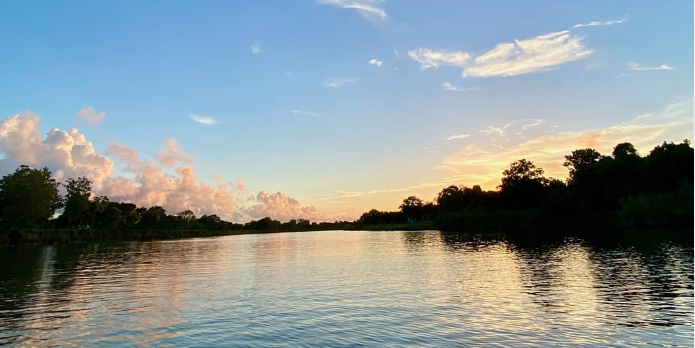
Picture this: you're settled into a well-concealed blind on one of the many spoil islands that dot the Laguna Madre, watching the sun break over the horizon as the first flights of ducks start moving. Captain Ardoin positions these blinds with surgical precision – he's spent years studying bird patterns, wind direction, and feeding routes to give you the best possible shot opportunities. The spoil islands are natural magnets for waterfowl, offering everything ducks need: shallow feeding areas, protected roosts, and clear flight corridors. You'll be hunting small groups of just two hunters, which means more shots for everyone and a personalized experience you won't get on those crowded public hunts. The captain provides all the local knowledge you need, from reading weather patterns to timing your shots when birds are working the decoys just right.
Tracking Tips & Terrain
Blind hunting on the Laguna Madre is all about patience and positioning, and Captain Ardoin has both dialed in. These spoil islands were created during dredging operations, leaving behind perfect elevated hunting spots surrounded by shallow bays that ducks absolutely love. The key here is staying still and letting the birds come to you – no need for long walks through marshes or setting up temporary blinds in questionable spots. The captain scouts these locations regularly, adjusting blind placement based on seasonal patterns and recent bird activity. You'll be hunting with premium decoy spreads that mimic natural feeding flocks, and the captain knows exactly how to call birds in close. The terrain works in your favor too – the elevated blinds give you excellent visibility across the flats, so you can spot incoming flights from way out and get ready for the action. Wind direction plays a huge role here, and Captain Ardoin reads it like a book, positioning you where birds naturally want to land.
Target Game Breakdown
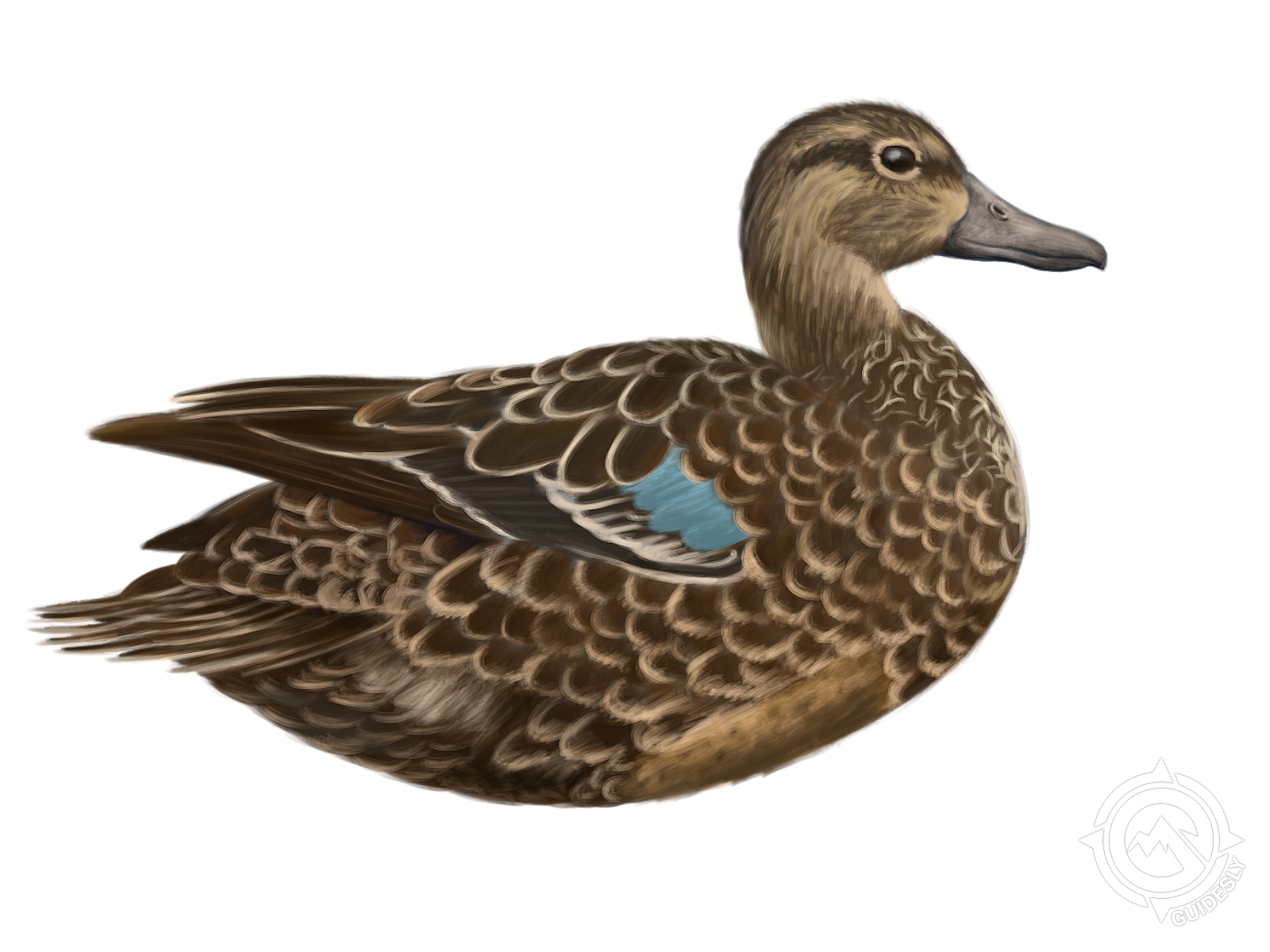
Blue-winged Teal are the speed demons of the duck world, and they're absolutely everywhere during peak season on the Laguna Madre. These birds are smaller than your typical mallards, but what they lack in size they make up for in numbers and challenge. They fly fast and erratic, often in tight flocks that can test even experienced shooters. Early morning and late afternoon are prime time for teal, and they love the shallow areas around spoil islands where they can tip-feed on aquatic vegetation. Captain Ardoin knows their preferred feeding spots, and when a flock of teal comes screaming into your decoys, you'll understand why hunters get addicted to this action.
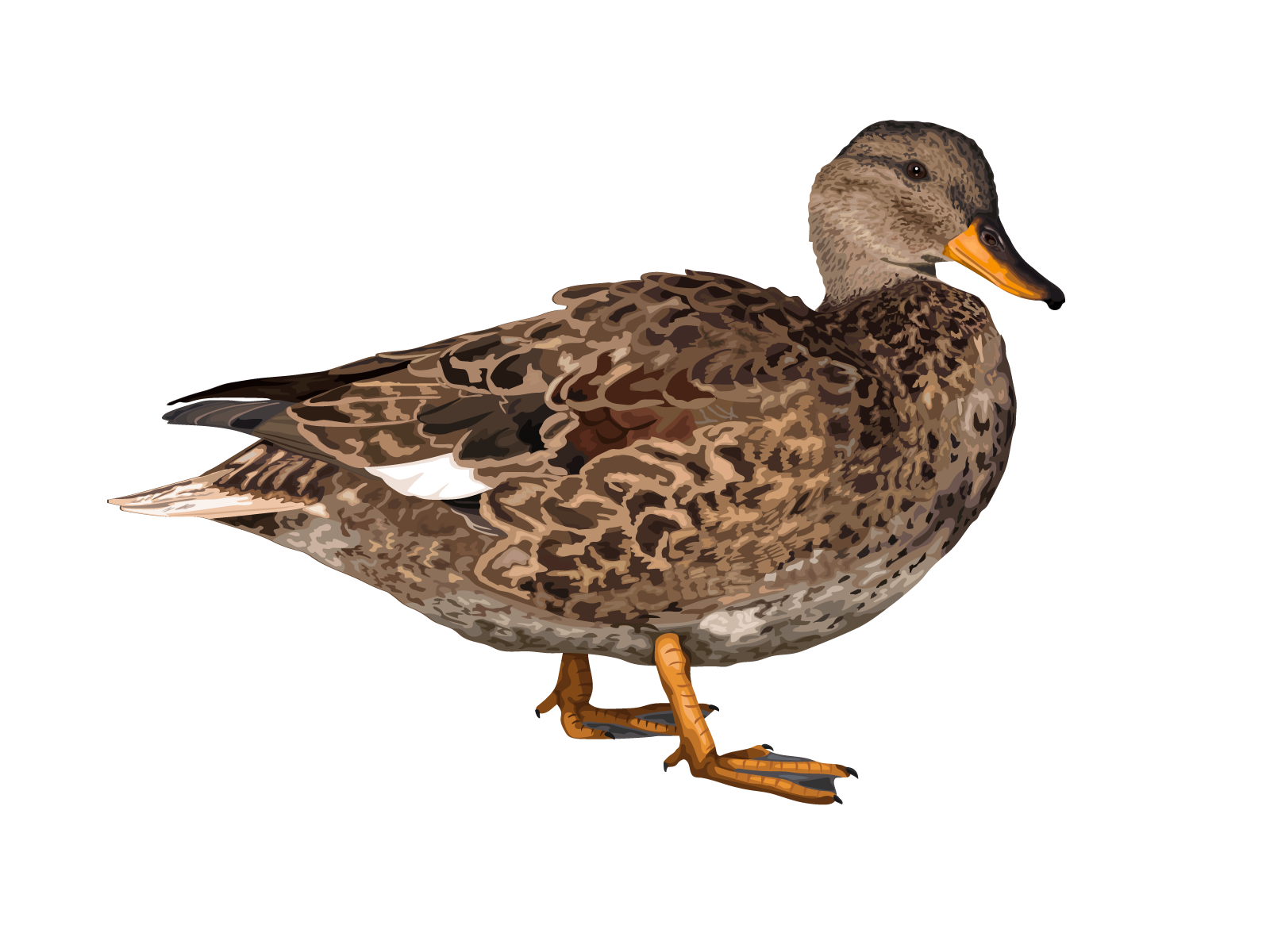
Gadwall might not get the same attention as flashier ducks, but seasoned waterfowl hunters know they're absolute gold. These birds are smart, cautious, and incredibly good eating – many consider them the best table fare you'll find. Gadwall prefer slightly deeper water than teal, and they're methodical feeders that respond well to subtle calling techniques. Captain Ardoin's expertise really shines when working gadwall – he knows exactly when to call and when to stay quiet, reading the birds' body language as they circle your spread. They're most active during overcast days when they feel more secure moving around, and the Laguna Madre's diverse habitat gives them everything they need.
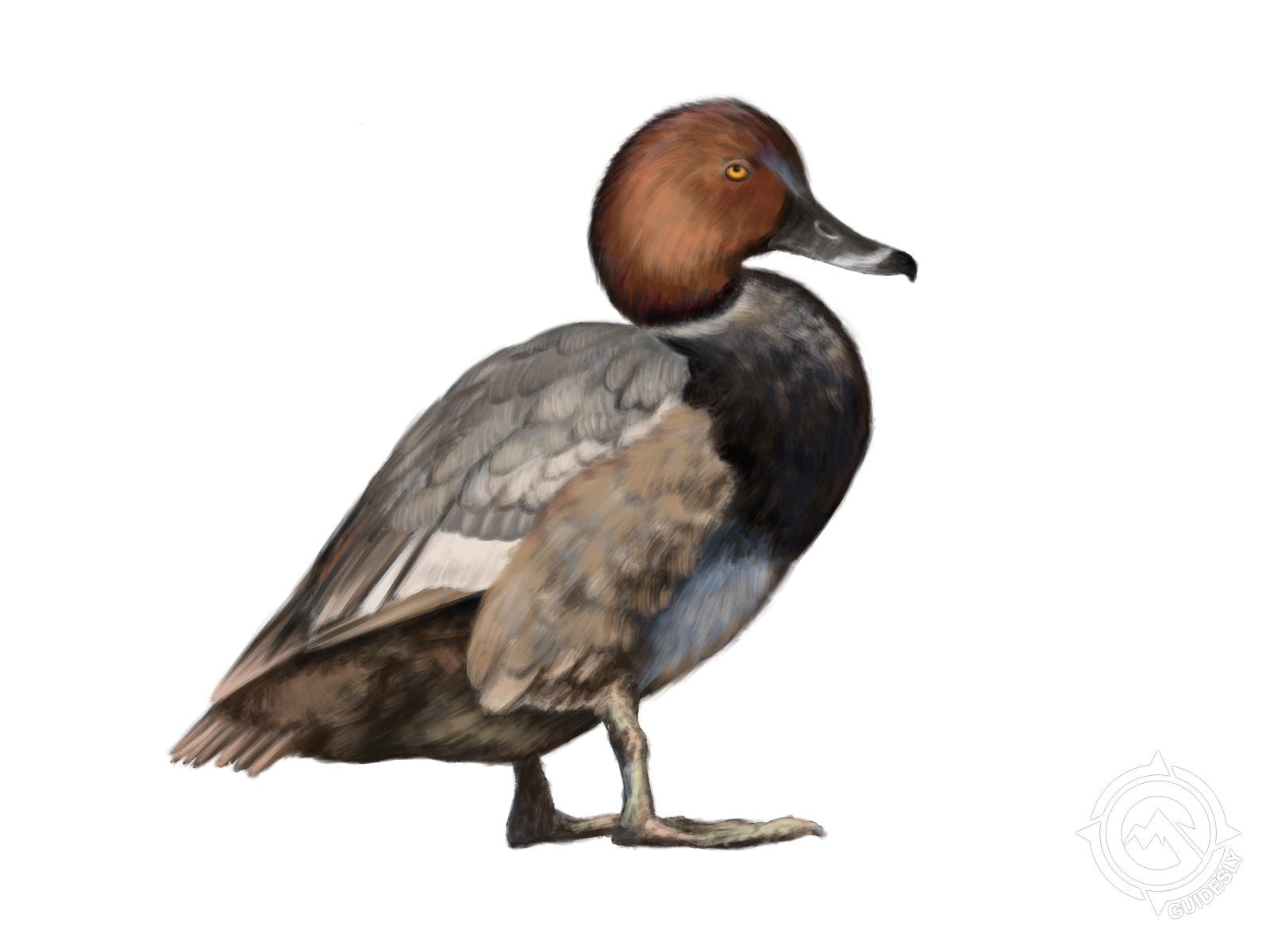
Redheads are the prize birds that every waterfowl hunter dreams about bagging. These diving ducks are bigger, more challenging to hunt, and absolutely stunning when you get them in hand. They prefer deeper water than puddle ducks, but the varied depths around spoil islands create perfect staging areas where redheads move between feeding and resting spots. Captain Ardoin has tracked their patterns for years, knowing which tide levels and weather conditions bring them within range. When redheads commit to your decoys, they come in fast and low, giving you heart-stopping moments that define great hunting memories.
Black-bellied Whistling Ducks are something special – they're vocal, social, and unlike any other waterfowl you've probably hunted. These birds are more active during twilight hours, and their distinctive whistling calls echo across the flats in ways that'll give you chills. They're curious by nature and often investigate decoy spreads in small groups, giving you multiple shot opportunities. Captain Ardoin's local knowledge is crucial for these birds since they follow specific roosting and feeding patterns that change with seasons and weather conditions.
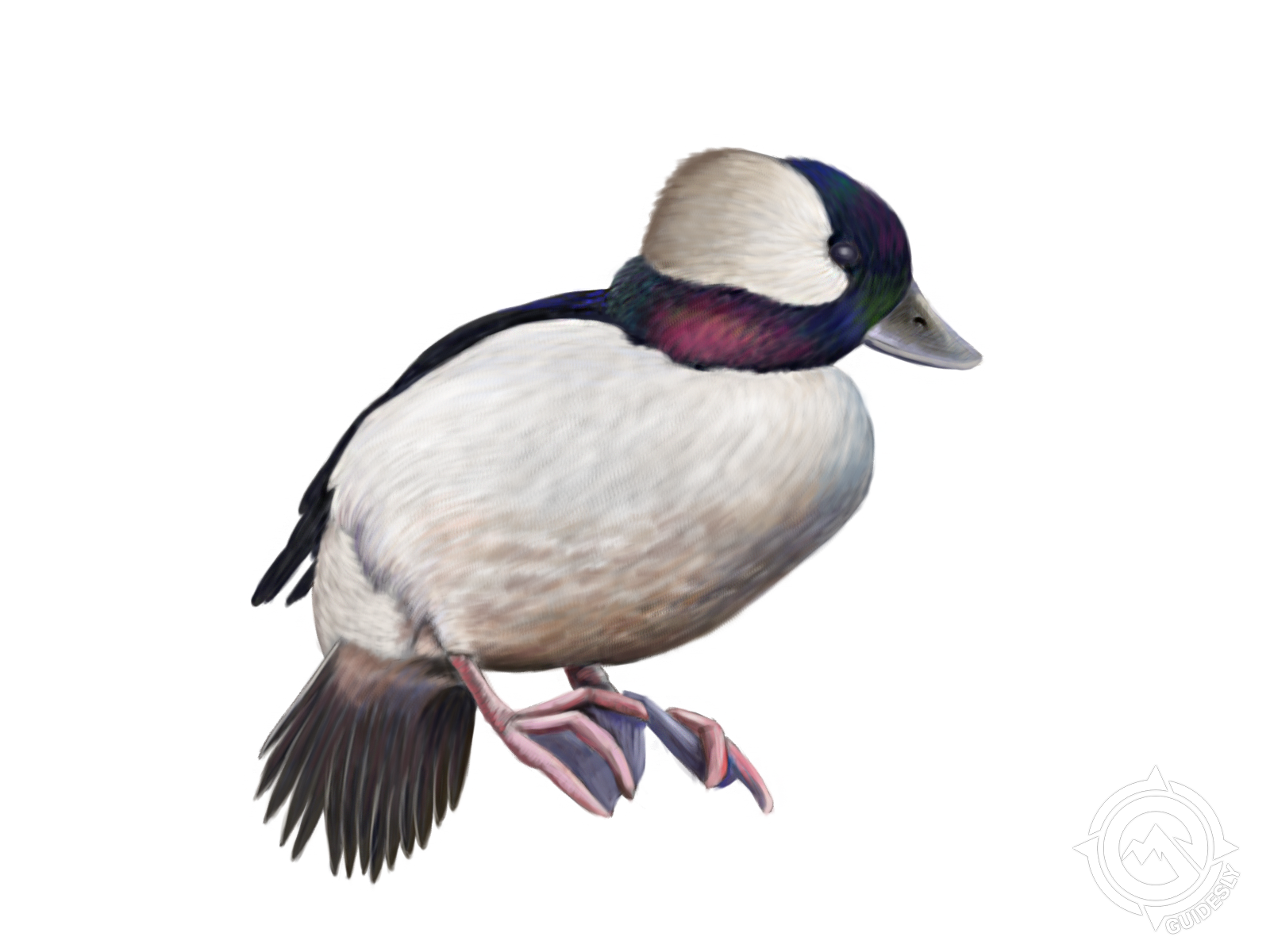
Bufflehead are the compact powerhouses of the diving duck world, and they're pure entertainment to watch and hunt. These smaller birds are incredibly fast both in flight and underwater, diving to escape danger and popping up in completely unexpected spots. They prefer areas with good visibility and quick escape routes, making the open waters around spoil islands perfect habitat. When bufflehead work your decoys, they come in groups and provide rapid-fire action that keeps you on your toes throughout the hunt.
Book Your Next Tag
Captain Karl Ardoin's duck hunting operation on the Laguna Madre delivers exactly what serious waterfowl hunters are looking for – consistent action, premium locations, and the kind of local expertise you can't get anywhere else. With strategically placed blinds, diverse target species, and five solid hours of hunting time, this customer favorite trip gives you everything needed for a successful day in the field. The small group size ensures person
 Private Trip
 Hunting from Blinds
 Corpus Christi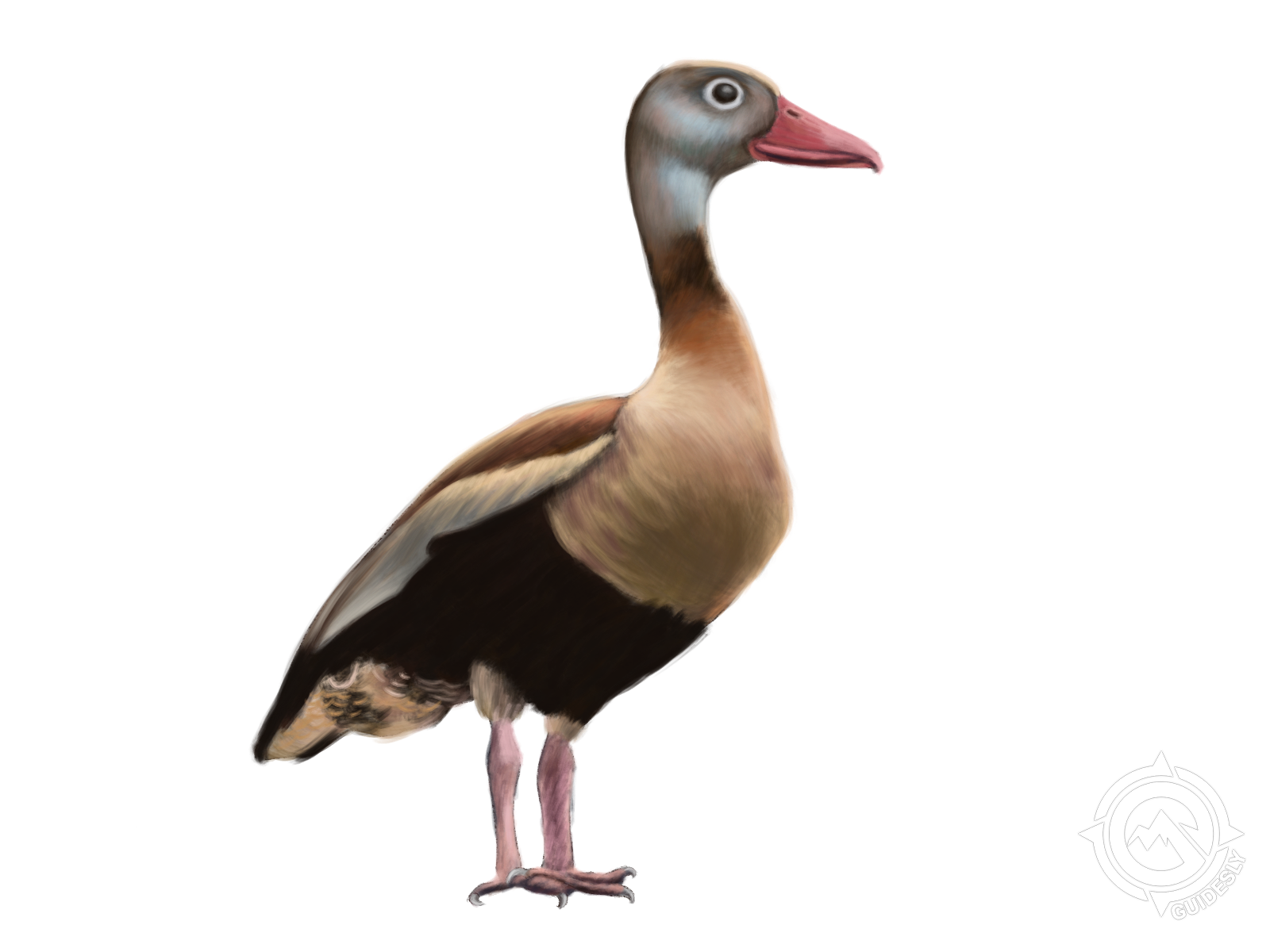
 Duck hunting from strategically placed blinds on spoil islands