Reef Fishing – Snapper, Grouper & More (4–8 Hours)
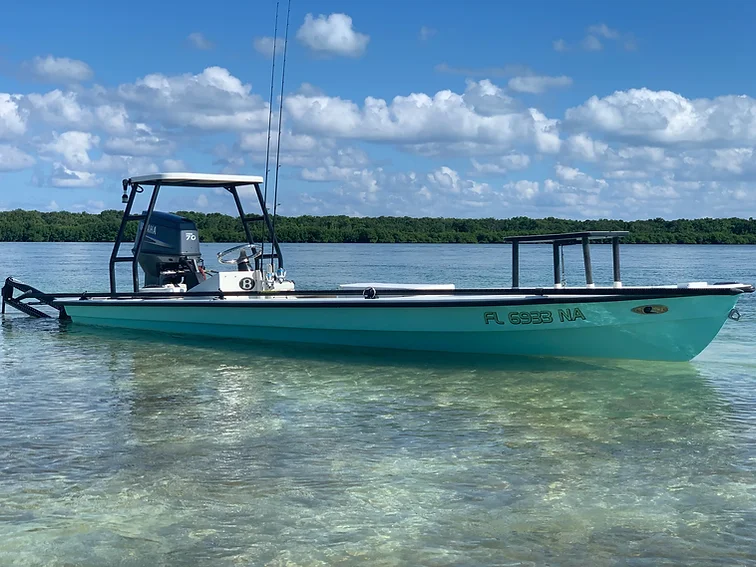
If you're looking for a solid day on the water without the rough ride that comes with deep-sea fishing, this reef trip is your answer. Captain Josh runs these patch reef excursions out of South Florida waters, and they're hands-down some of the most productive fishing you'll find in calm, shallow conditions. Whether you're bringing the family, introducing someone new to saltwater fishing, or just want to load the cooler without getting beat up by big seas, these reef spots deliver consistent action. The 34-foot Sea Vee handles beautifully in these protected waters, and with trips ranging from 4 to 8 hours, you can pick the timeframe that works best for your crew.
What to Expect on the Water
These patch reefs sit in anywhere from 15 to 40 feet of water, making them perfect for bottom fishing and light tackle work. Captain Josh knows these spots like the back of his hand – he's been working these reefs for years and can read the conditions to put you on fish fast. The boat accommodates up to 5 anglers comfortably, so everyone gets plenty of room to work their lines without tangling up. All your gear is provided, from rods and reels to terminal tackle and fresh bait, so you just need to show up ready to fish. The longer trips give you the chance to hit multiple reef systems, which means more variety in your catch and better odds of finding where the fish are biting that particular day. These aren't the kind of trips where you're hanging on for dear life – the ride is smooth, and the fishing is relaxed but productive.
Bottom Fishing the Patch Reefs
The technique here is straightforward but effective – you're mainly bottom fishing with conventional tackle, using circle hooks and enough weight to get down and stay down. The patch reefs create structure that holds baitfish, which in turn attracts everything from snapper to grouper to hogfish. Captain Josh sets up on GPS marks he's refined over the years, positioning the boat so the current and wind work in your favor. You'll be fishing with cut bait, live shrimp, and sometimes small live baits depending on what's around. The key is keeping your bait near the bottom but not getting hung up in the coral and rock. These reefs can eat tackle if you're not careful, but that's part of what makes them so productive – fish love that structure. The gear is medium to heavy action spinning and conventional setups that can handle the fight these reef fish put up, plus have enough backbone to pull them away from the structure before they cut you off.
Top Catches This Season
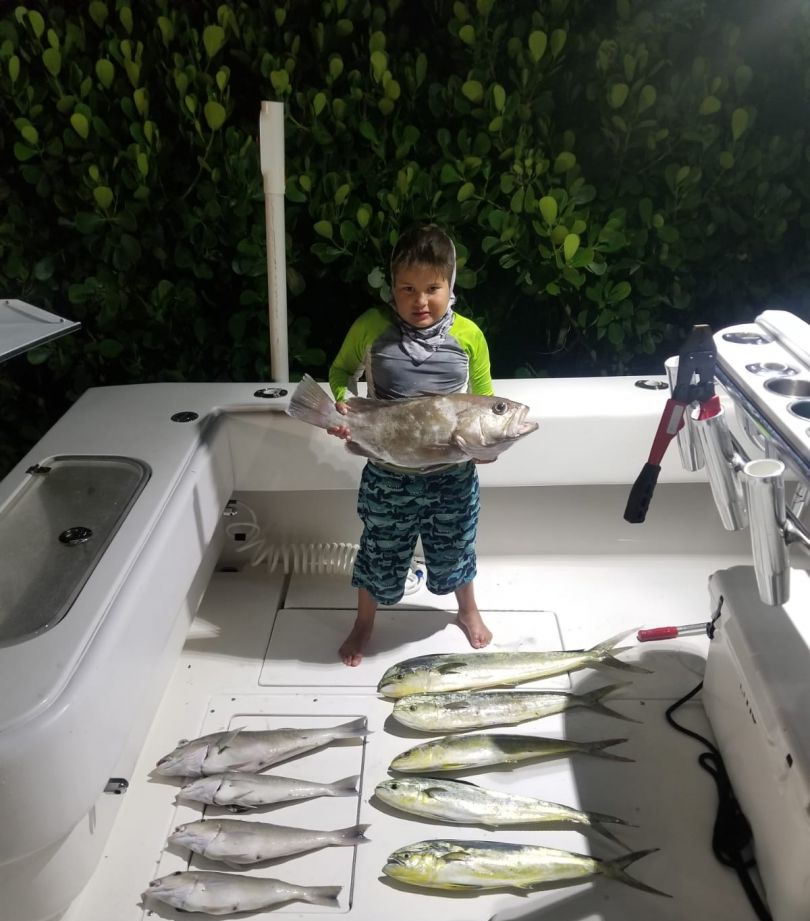
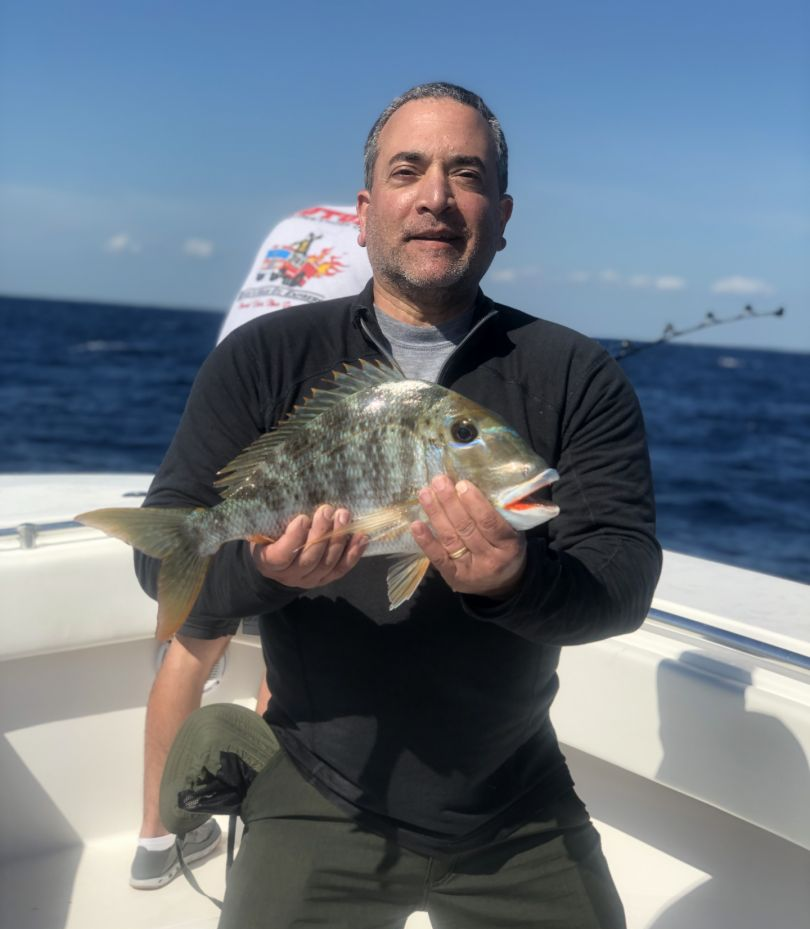
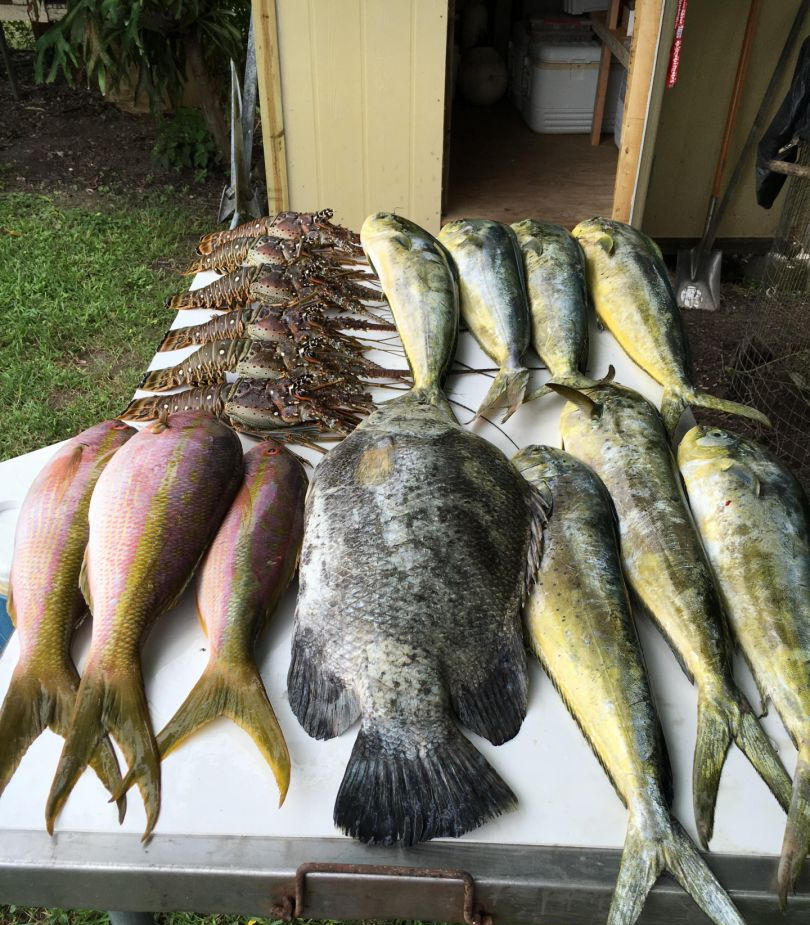
Yellowtail Snapper are the bread and butter of these reef trips, and South Florida's patch reefs are world-class for these tasty fish. They typically run 1 to 3 pounds, with the occasional bigger fish pushing 4 or 5 pounds. Yellowtails are smart and can be finicky – they'll come up in the chum line and tease you, but getting them to bite requires the right presentation. Best action usually happens year-round, but they really turn on during the cooler months from October through April. What makes them so popular is they're absolutely delicious and put up a scrappy fight for their size.
Hogfish are another customer favorite and one of the best eating fish in South Florida waters. These guys are curious and will often come right up to the boat to investigate, but they're also smart and spook easily. They average 2 to 4 pounds on these reefs, with larger fish possible on the deeper spots. Hogfish have a unique look with their elongated snouts and vibrant colors, and they're prized by both anglers and restaurants for their sweet, flaky meat. They bite best on small hooks with fresh shrimp or small crabs.
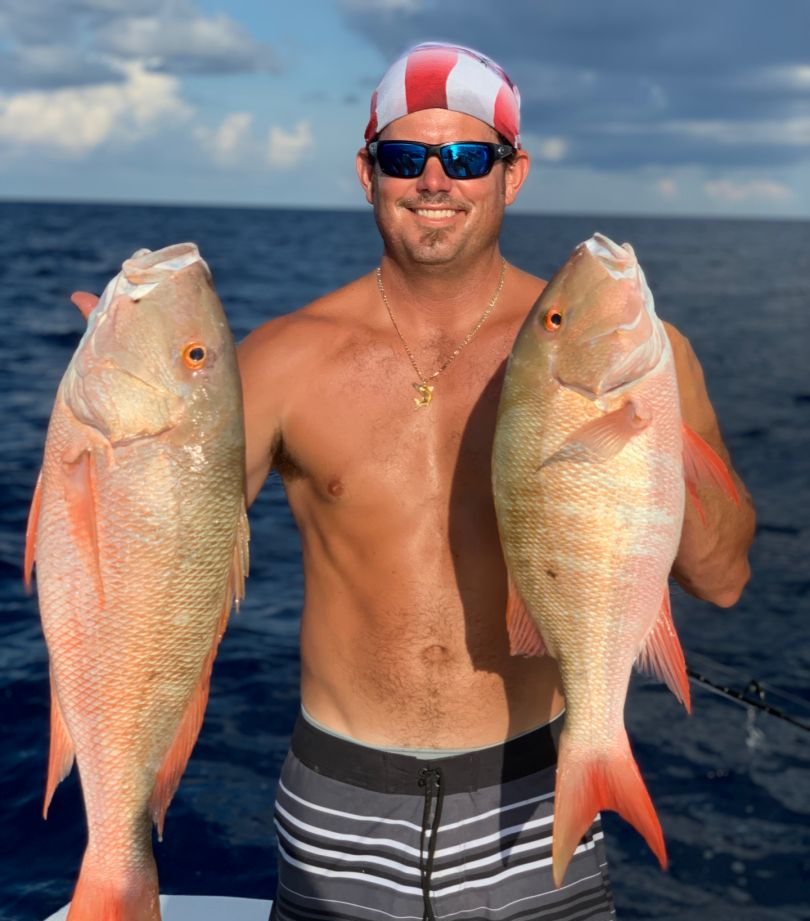
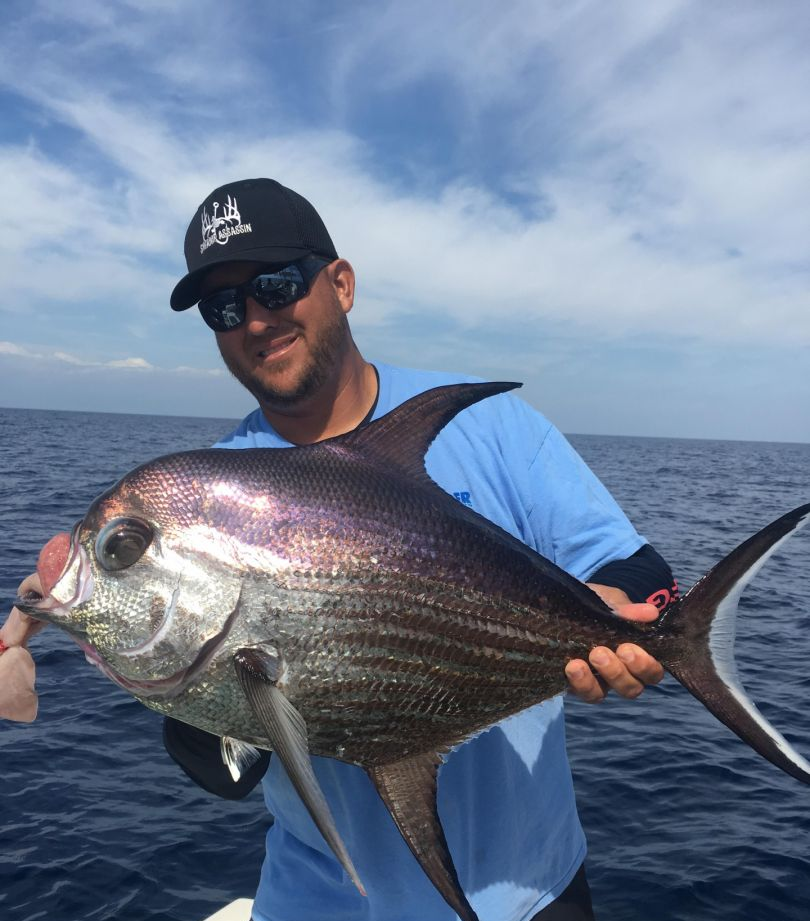
Mutton Snapper show up regularly on these reef trips and they're definitely a prize catch. These fish can get big – anything over 5 pounds is a nice fish, and double-digit muttons are always possible around the patch reefs. They're smart and often require a lighter leader and smaller hooks, but when you hook one, you know it immediately. Muttons make powerful runs and use their broad sides to fight you all the way to the boat. Peak season runs from spring through fall, and they're considered one of the best eating snappers in Florida waters.
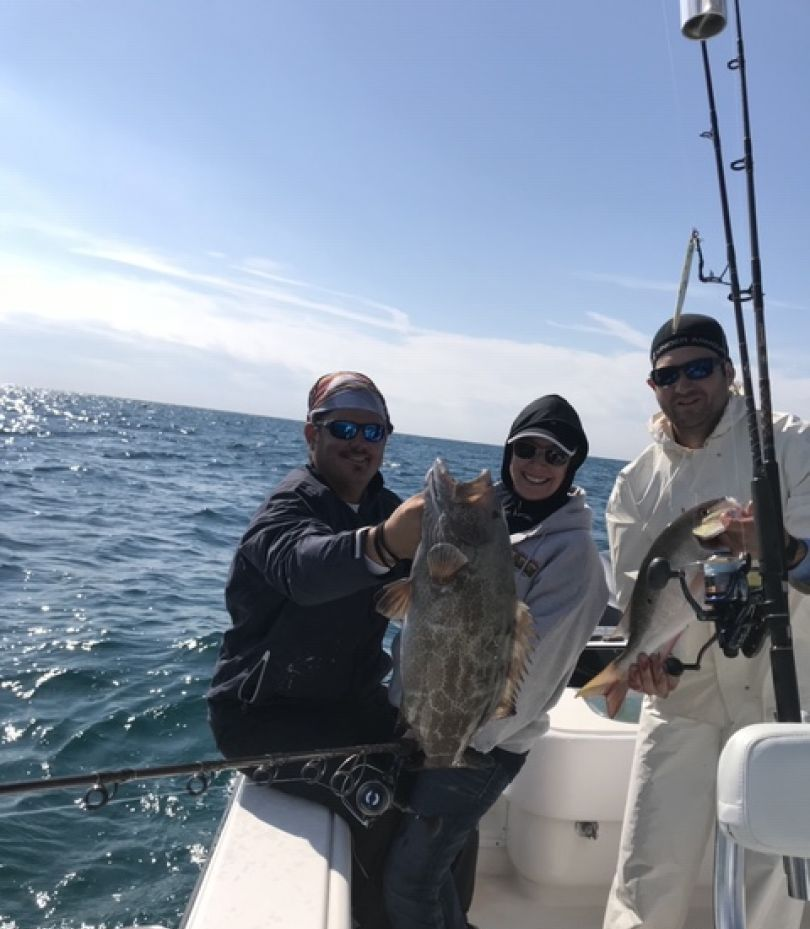
Black Grouper are the heavy hitters of the patch reefs, and even smaller ones will test your tackle and technique. These fish hole up in the reef structure and try to cut your line the second they're hooked, so you need to get them up and away from the bottom fast. Black grouper in the 5 to 15 pound range are common on these trips, with the potential for much larger fish on the right day. They're ambush predators that inhale baits, so when your rod doubles over, you better be ready to put some serious pressure on them right away.
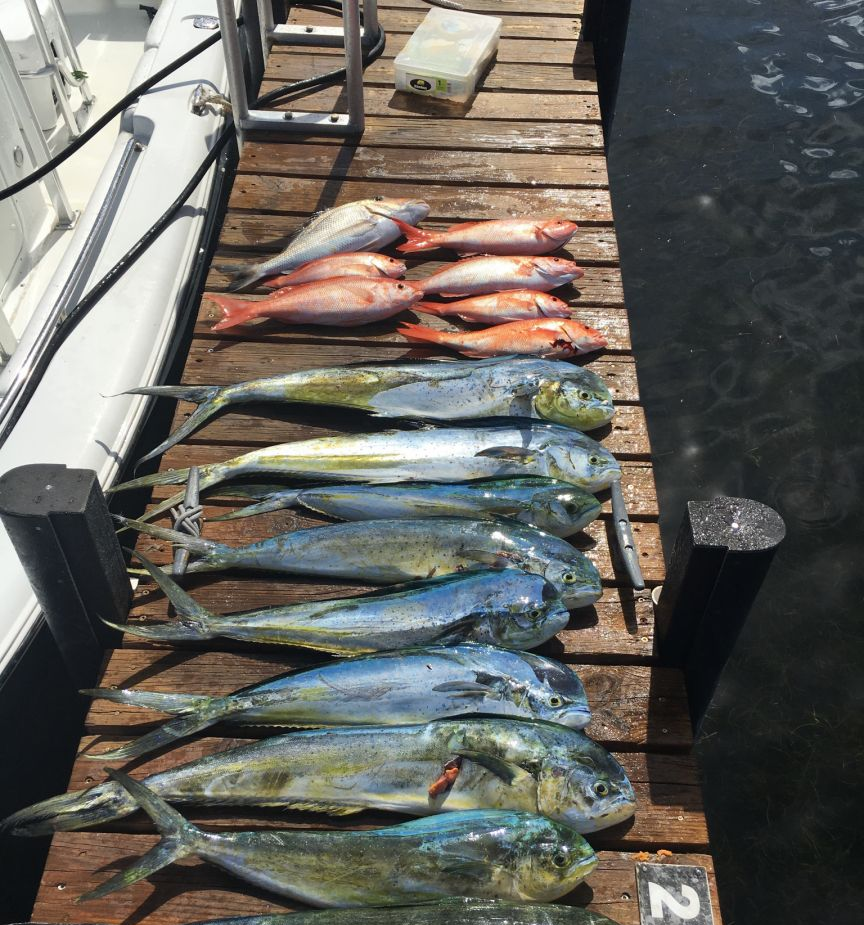
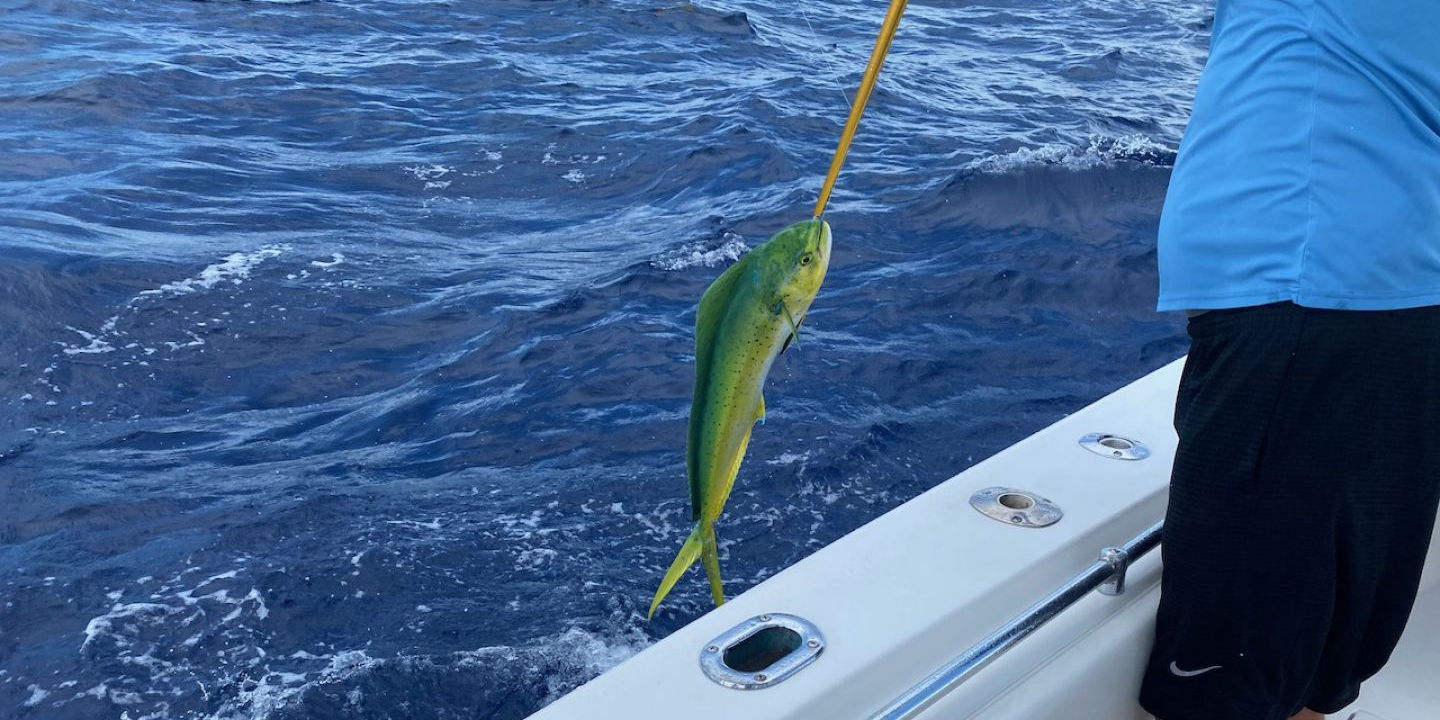
Mahi Mahi aren't always around the patch reefs, but when they show up, it's game on. These fish are typically smaller than the offshore bulls, but they still put on a show with their acrobatic fights and brilliant colors. Patch reef mahi usually run 3 to 8 pounds and often travel in small schools. They'll hit both live and dead baits, and their aggressive nature makes them a blast to catch. When the conditions are right and there's floating sargassum or debris near the reefs, your chances of connecting with mahi go way up.
Time to Book Your Spot
This reef fishing trip offers some of the most consistent action you'll find in South Florida waters, and it's perfect for anglers who want great fishing without the long run or rough seas that come with offshore trips. Captain Josh provides everything you need for a successful day, and his knowledge of these patch reefs really shows in the results. Whether you choose the 4-hour trip for a quick
 5.0(1 Reviews)
 Private Trip
 Offshore Fishing
 Key Largo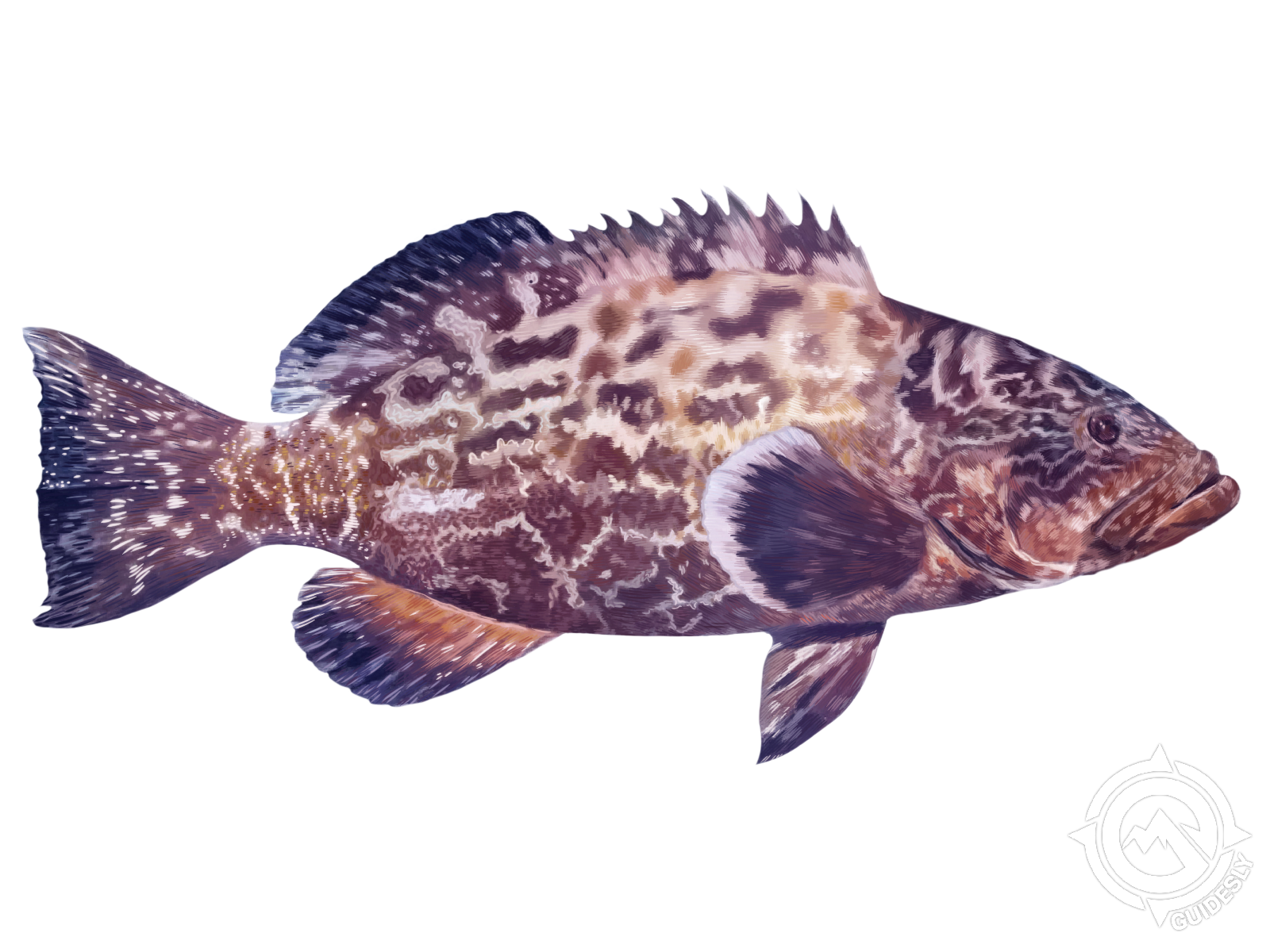


 Target snapper, grouper, and sharks on South Florida patch reefs