5 Hour Morning Fishing Trip in Orange Beach, AL
Captain Benjamin Knight knows these Orange Beach waters like the back of his hand, and he's ready to put you on some serious fish. This 5-hour inshore adventure kicks off at 1:00 PM and targets the kind of variety that makes Gulf Coast fishing legendary. We're talking Redfish cruising the grass flats, Speckled Trout working the drop-offs, and Sheepshead hanging around the structure like they own the place. With room for up to 6 anglers, this top-rated charter gives you plenty of time to work different spots and dial in what's biting best that day.
What to Expect on the Water
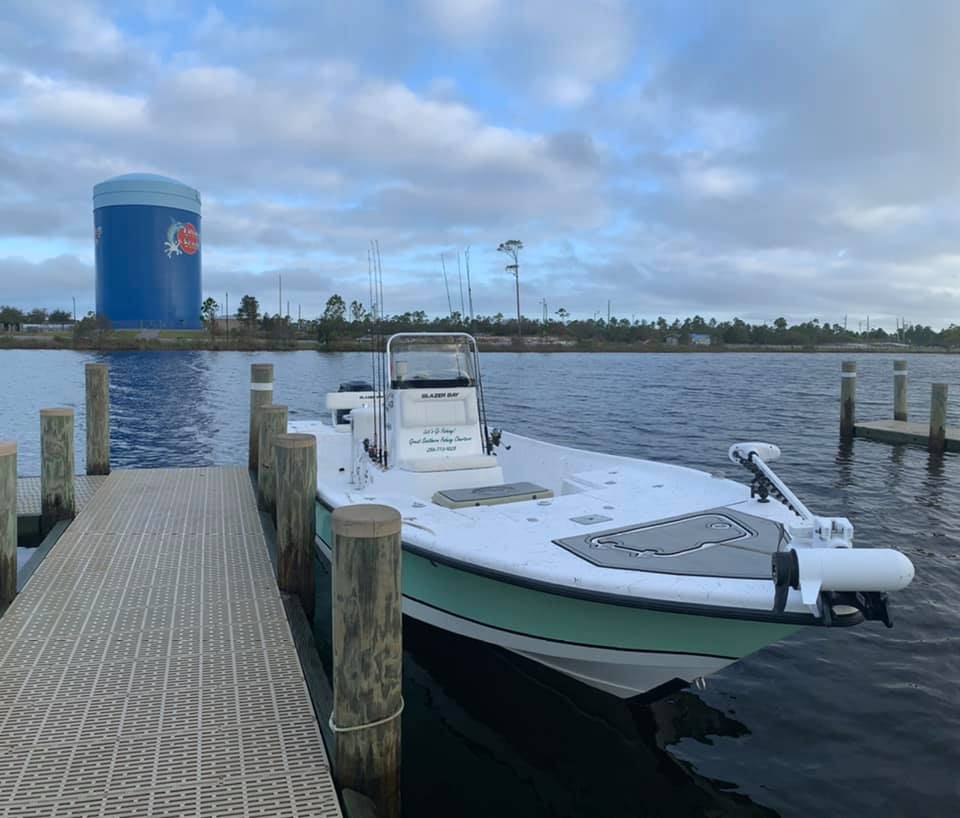
You'll be fishing the renowned inshore waters around Orange Beach, where the back bays, grass flats, and nearshore structure create perfect habitat for multiple species. Captain Benjamin runs these trips with a laid-back approach that works for everyone from first-timers to seasoned anglers. The boat's equipped with quality tackle, so you don't need to worry about bringing your own gear unless you want to. We'll be moving between spots based on tides, bait activity, and what the fish are telling us. Some days that means working live shrimp around oyster bars for Sheepshead, other times we're throwing artificials at grass edges for Redfish. The beauty of a 5-hour trip is having time to adapt and find what's working.
Techniques & Tackle Setup
This inshore fishing experience focuses on light to medium tackle that lets you feel every bump and run. We'll be using a mix of live bait and artificials depending on conditions and target species. For the Sheepshead and Black Drum, expect to see live or fresh dead shrimp on small hooks around structure. The Redfish and Speckled Trout respond well to both live bait under popping corks and soft plastics worked along grass lines. Spanish Mackerel and Pompano often hit moving baits, so we might run some small spoons or jigs when they're around. Captain Benjamin knows when to switch up techniques, whether that's bottom fishing for Flounder in sandy pockets or sight casting to tailing Redfish in shallow water.
Species You'll Want to Hook
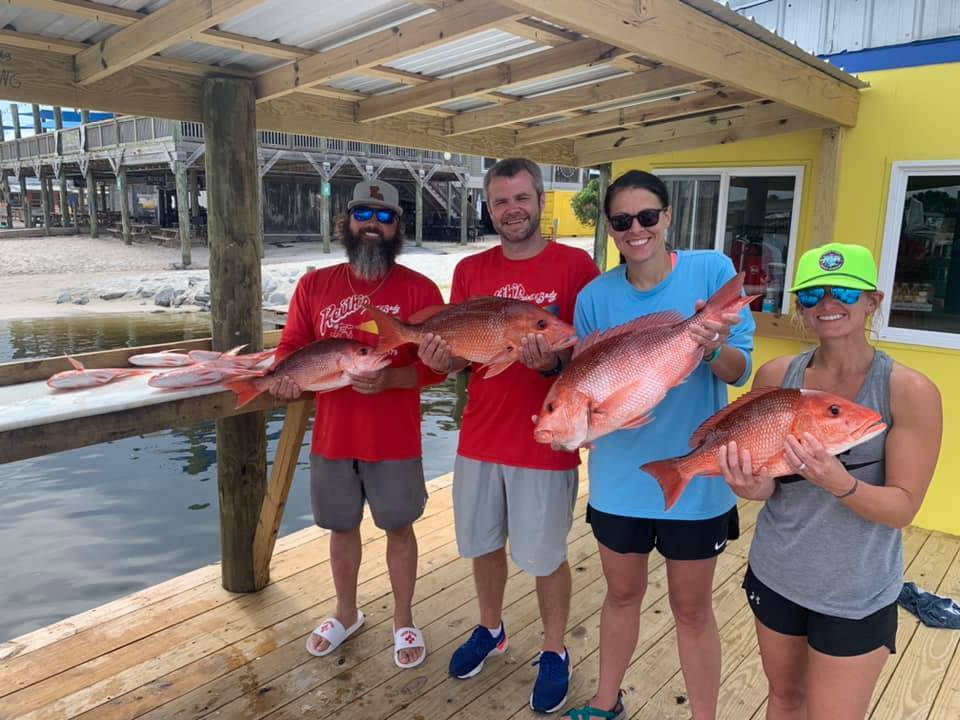
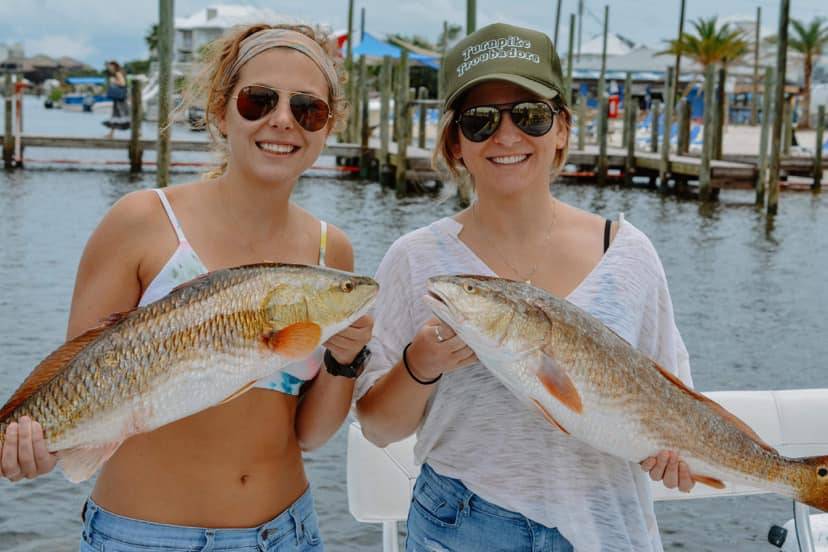
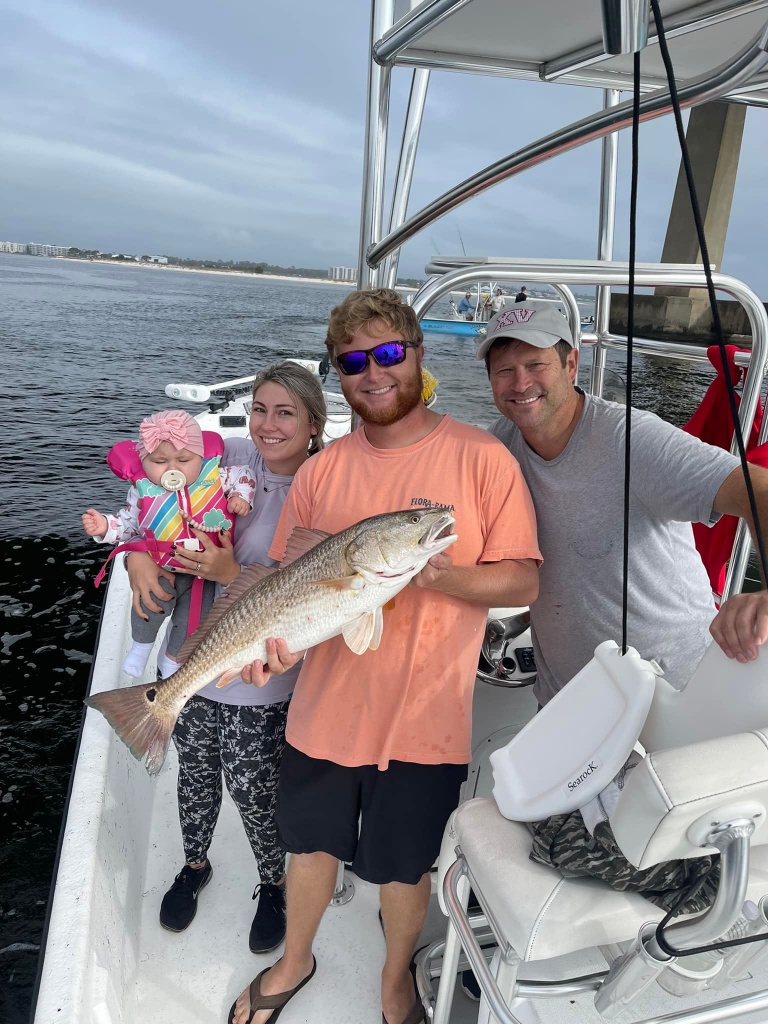
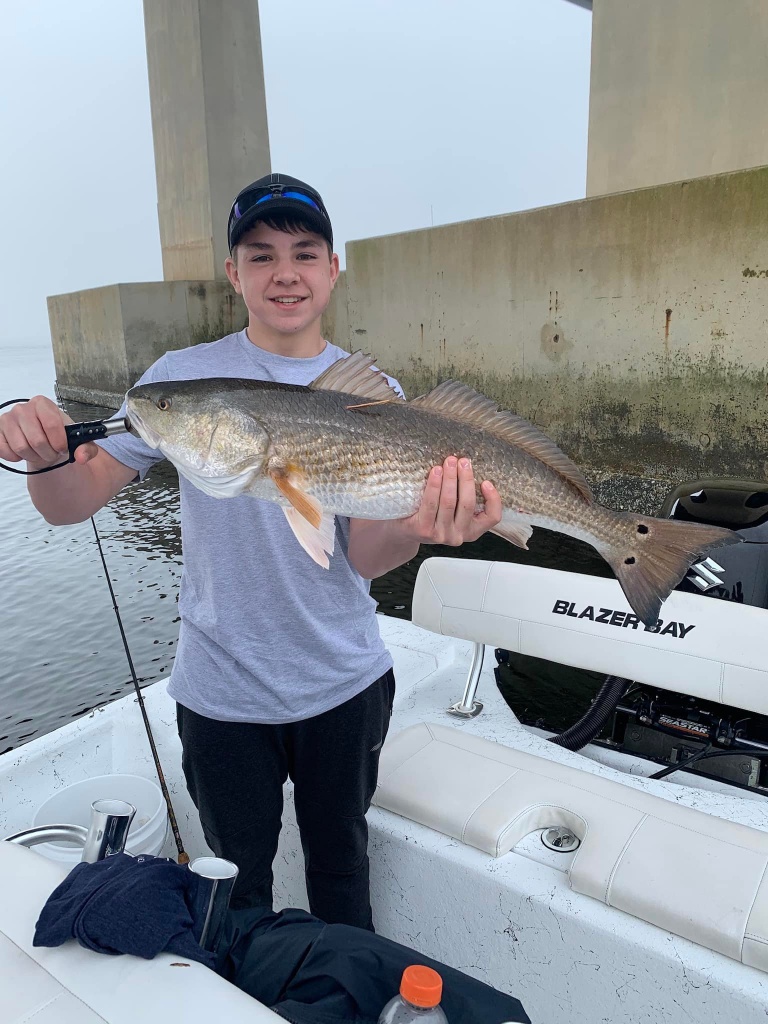
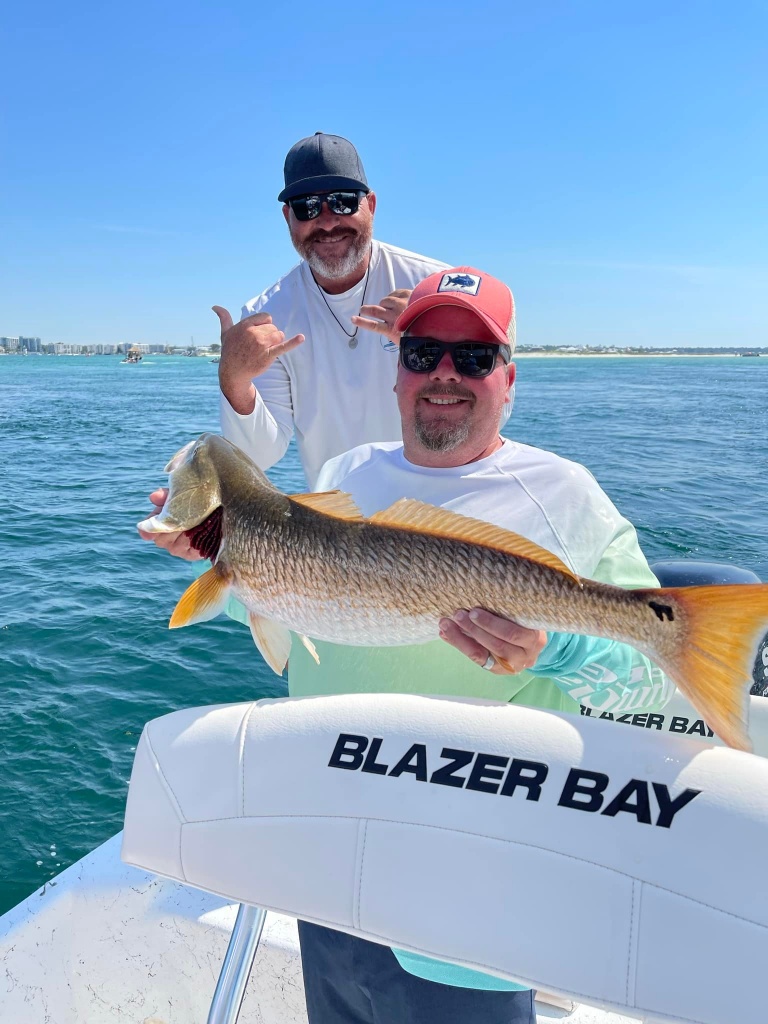
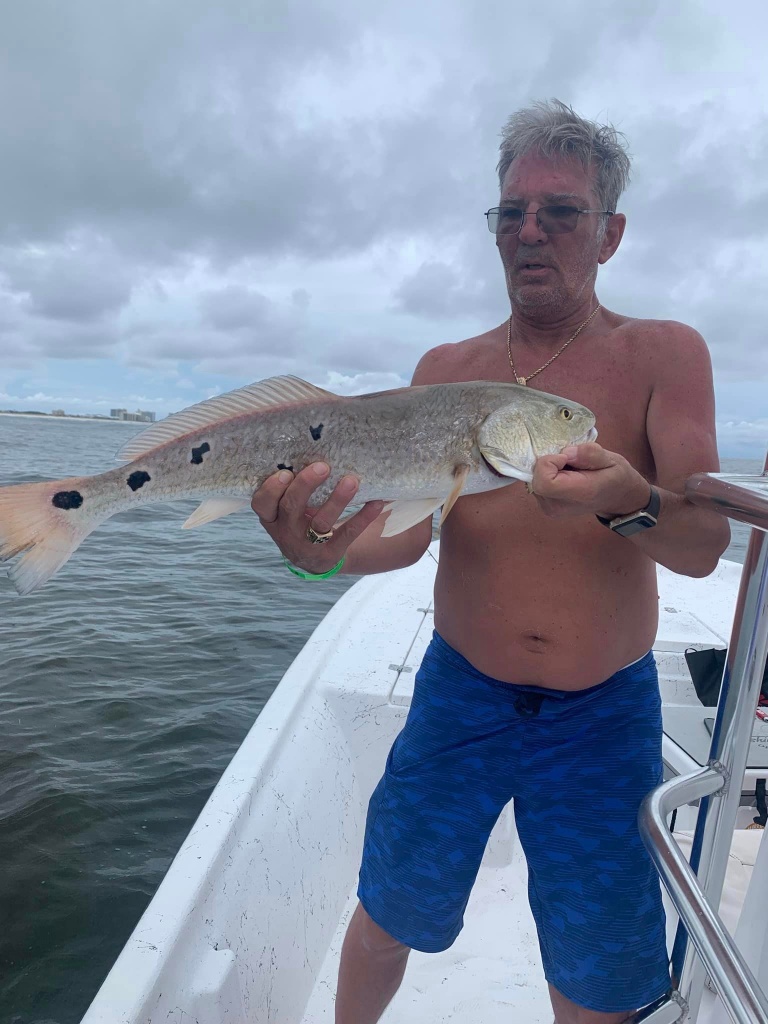
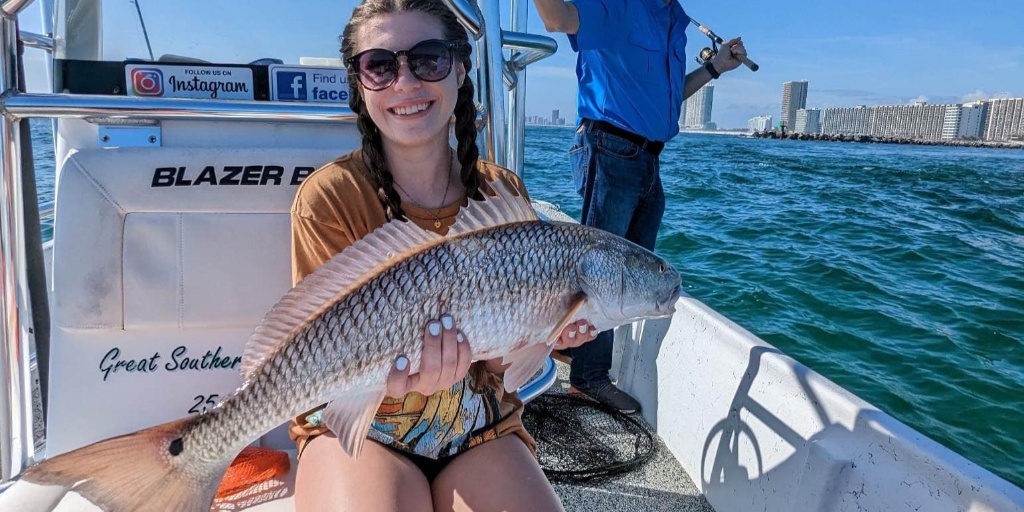
Redfish are the crown jewel of Orange Beach inshore fishing, and these copper-colored fighters put on a show that keeps anglers coming back. They run from slot-size 16-inchers up to bull reds over 30 pounds, with the best action typically happening around grass flats, oyster bars, and shallow structure. Spring through fall offers consistent action, but fall brings the big schools that make for world-class fishing. What makes Redfish special is their willingness to eat and their bulldogging fight that tests your drag system.
Speckled Trout are the bread and butter of inshore fishing here, with good numbers year-round and excellent table fare. These spotted beauties prefer grass flats, drop-offs, and areas with moving water. They average 14-18 inches with occasional gator trout pushing 4-5 pounds. The best bite usually happens around structure changes where baitfish concentrate. Trout are perfect for anglers who enjoy finesse fishing, as they can be picky about presentation but reward patience with steady action.
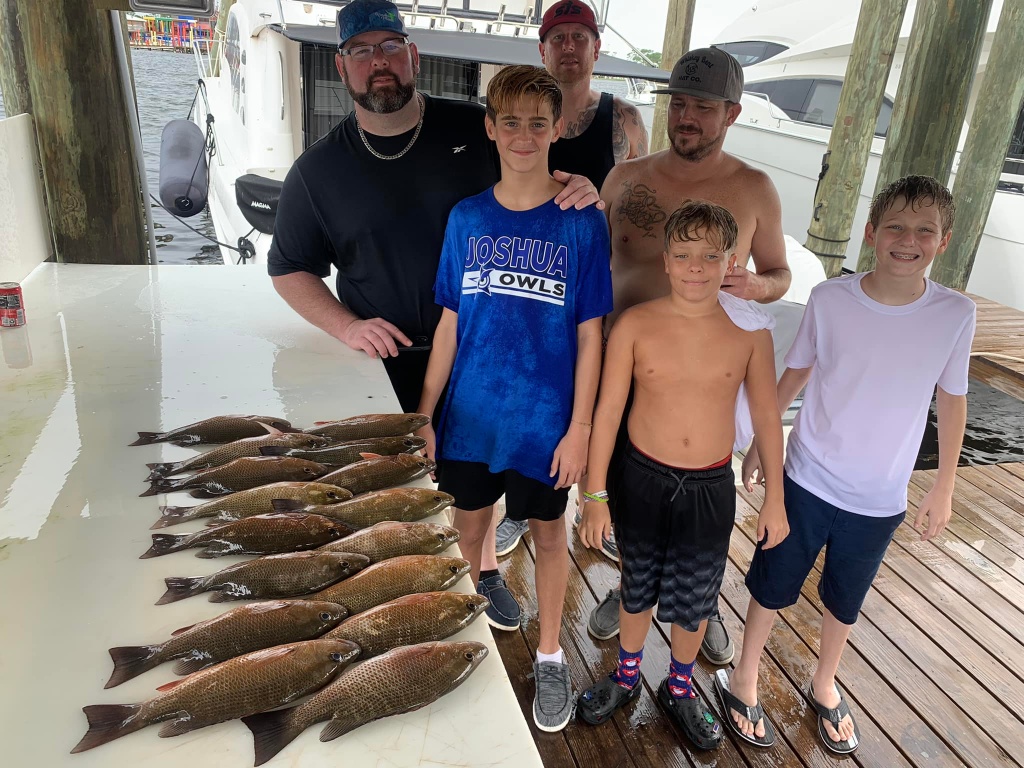
Sheepshead earn their nickname "convict fish" with distinctive black stripes, but anglers know them as the ultimate structure fish. These tackle-busters hang around pilings, rocks, and oyster bars, using their strong jaws to crush shellfish. They're notorious bait stealers that will test your hook-setting reflexes, but landing a 3-4 pound Sheepshead feels like a major victory. Peak season runs from late fall through early spring when they school up for spawning.
Flounder are the masters of camouflage, lying flat in sandy areas waiting to ambush prey. These flatfish can be tricky to locate, but Captain Benjamin knows the productive holes and drop-offs where they hang out. Most Flounder here run 14-20 inches, with doormat-sized fish over 5 pounds always a possibility. They're excellent eating and provide a different style of fishing that adds variety to your trip.
Black Drum are the gentle giants of the inshore scene, often found in schools around oyster bars and grass flats. These bottom feeders can range from puppy drum under 5 pounds to monster fish over 30 pounds. They're not flashy fighters, but their size and steady pull make them customer favorites. Peak season runs from spring through fall when they're most active in shallow water.
Pompano might be the best eating fish in these waters, with firm white meat that's perfect for the table. These silver bullets prefer sandy areas and moving water, often showing up in schools during their seasonal migrations. They're not huge fish, typically running 1-3 pounds, but their speed and acrobatic jumps make them fun to catch. Fall migration brings the best Pompano action to Orange Beach waters.
Time to Book Your Spot
Captain Benjamin Knight's 5-hour inshore trips offer the perfect balance of fishing time and species variety that makes Orange Beach a trending destination for Gulf Coast anglers. Whether you're looking to put dinner on the table or just enjoy a day on the water with friends, this charter delivers the kind of consistent action that builds lasting memories. The afternoon start time means you can sleep in and still get a full fishing experience. Don't wait too long to secure your date - the best captains book up fast, especially during peak season.
 Private Trip
 Inshore Fishing
 Orange Beach, AL
 Five-hour inshore fishing adventure with Captain Benjamin Knight