Multi-Day Lake Tawakoni Catfish Charter
Looking to get serious about catfish fishing without the pressure? This two-day guided trip on Lake Tawakoni gives you plenty of time to learn the ropes while targeting some of East Texas's biggest blue cats and channels. We're talking about a relaxed pace over three nights where you can actually absorb the techniques instead of rushing through a day trip. Whether you've never held a rod or just want to up your catfish game, this charter covers all the bases from traditional bank fishing to the wild world of handfishing if you're feeling adventurous.
What to Expect on the Water
Lake Tawakoni sits pretty as one of the top-rated catfish destinations in East Texas, and there's good reason why guides keep coming back here. The lake's got that perfect mix of structure, depth changes, and current flow that catfish absolutely love. You'll spend your days learning multiple approaches – from setting up throw lines in the early morning to working the banks during prime feeding times. The beauty of a multi-day trip is we're not watching the clock. If the fish are biting at a particular spot, we stay put. If they're not cooperating, we've got time to move and try different techniques. Each evening, we'll go over what worked and what didn't, so you're building real fishing knowledge instead of just hoping to get lucky. The lake's structure includes plenty of submerged timber, creek channels, and drop-offs where big cats like to hang out, and I'll show you how to read the water so you can find these sweet spots on your own future trips.
Techniques & Gear Breakdown
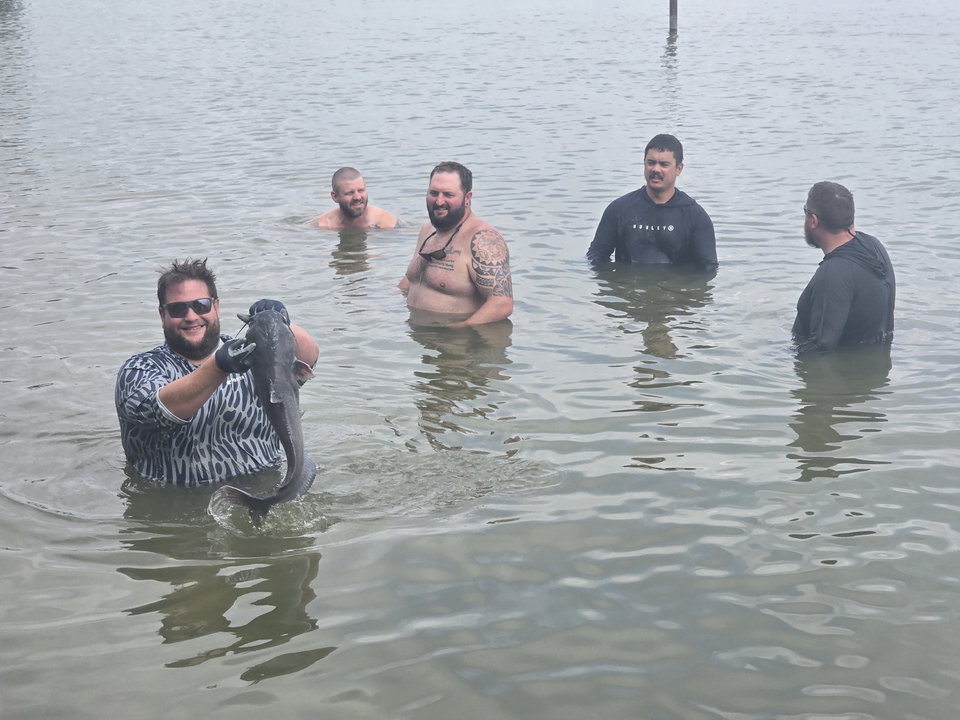
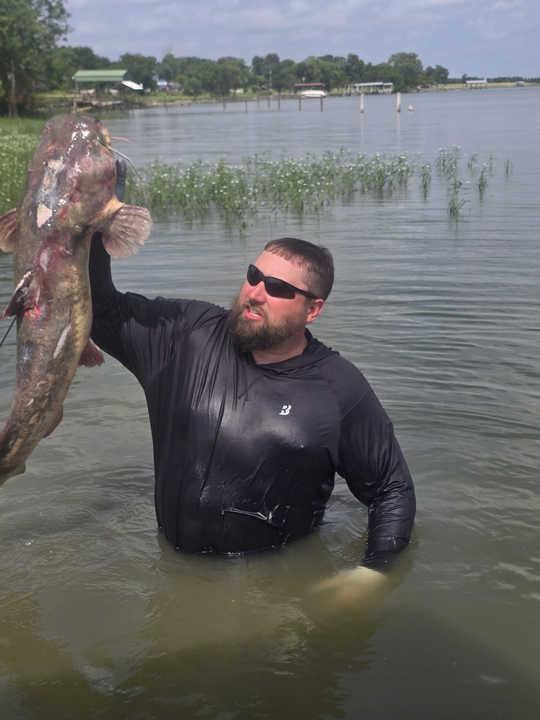
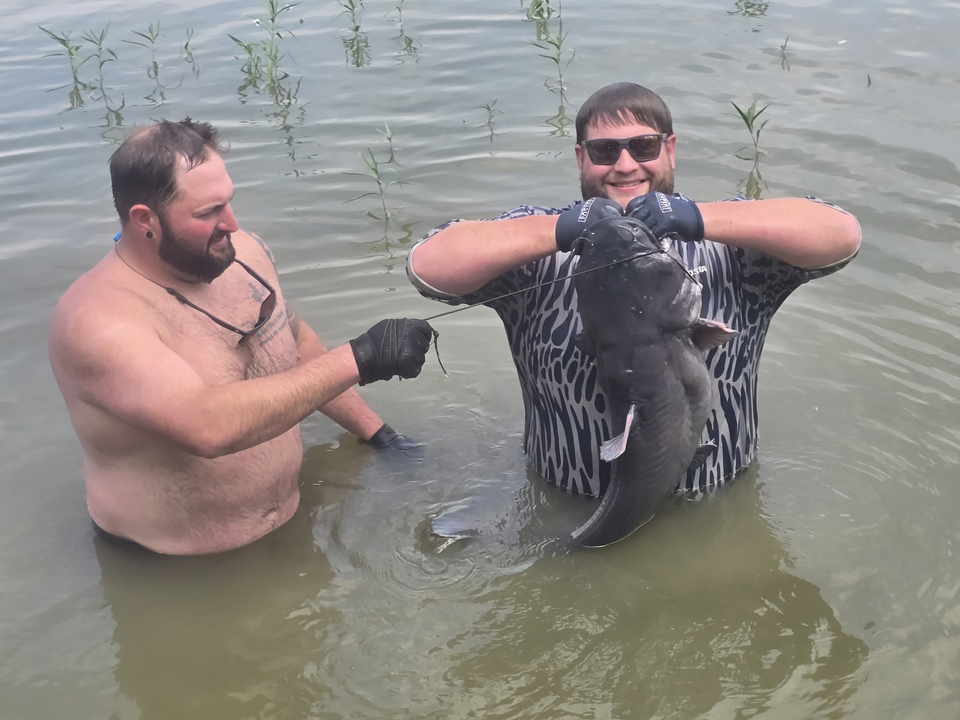
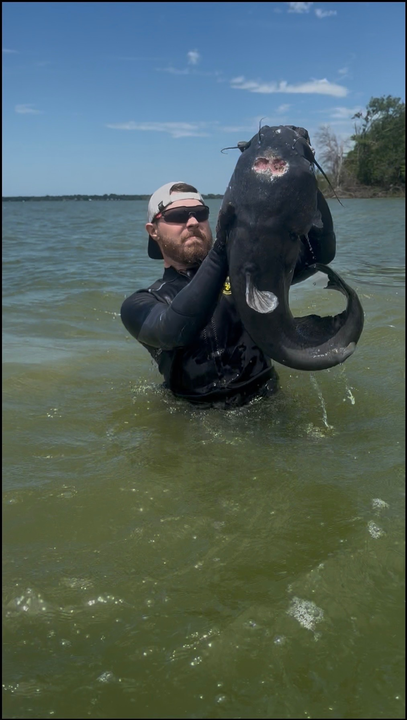
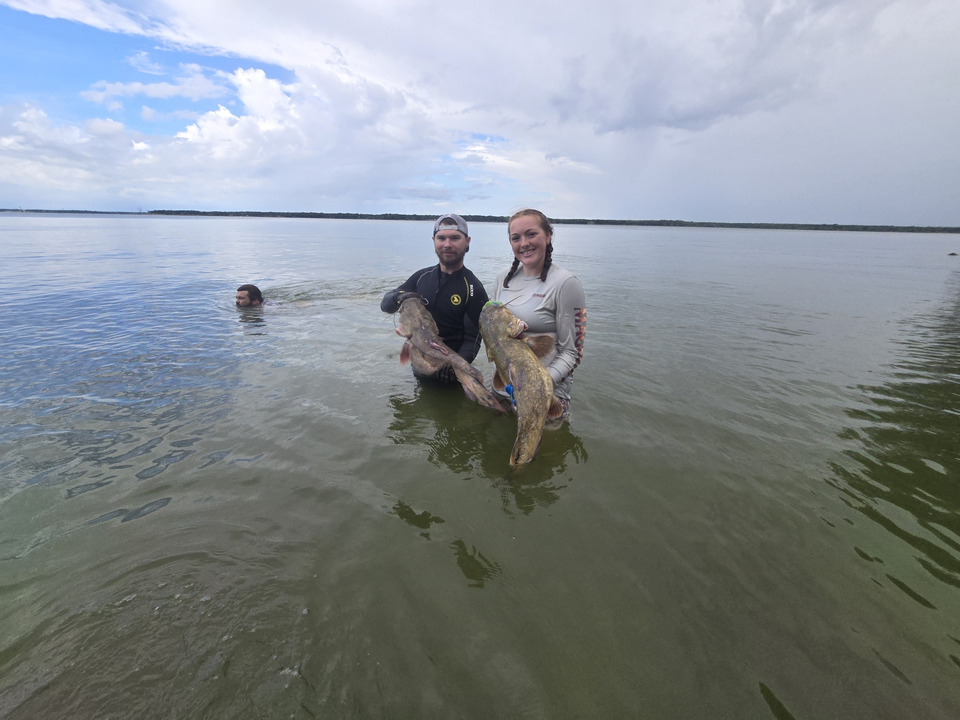
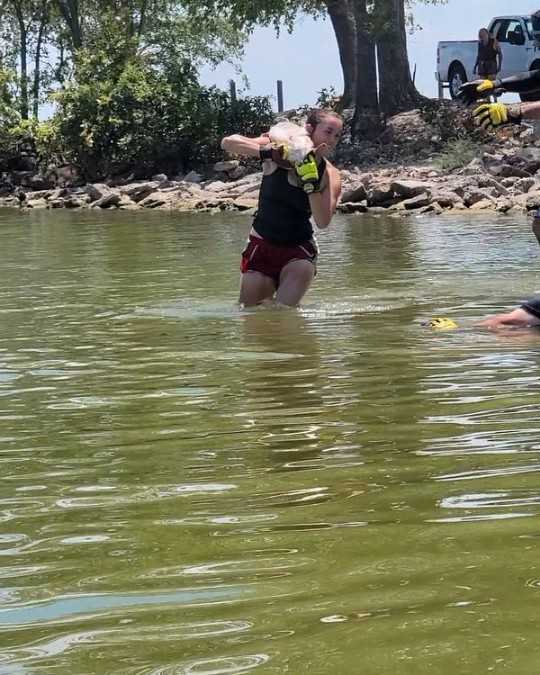
We cover the full spectrum of catfish techniques on this trip, starting with throw lines – one of the most effective methods for big blues that many weekend anglers never learn properly. I'll show you how to set them at the right depth, how to read current flow, and the best bait presentation for different conditions. Bank fishing makes up a big chunk of our time too, and it's more technical than most people think. We're talking about understanding how catfish move through different areas during feeding periods, reading bottom structure from the shore, and knowing when to switch up your bait. All rods, reels, tackle, and bait come included – I keep everything maintained and ready to go so you're not dealing with equipment issues. For those interested in handfishing, it's completely optional but adds a whole different element to the experience. It's legal in Texas and when done right, it's safe and incredibly effective. The key is knowing where to look and how to approach it methodically. Some folks come specifically for that part of the trip, while others prefer to stick with conventional methods.
Target Species
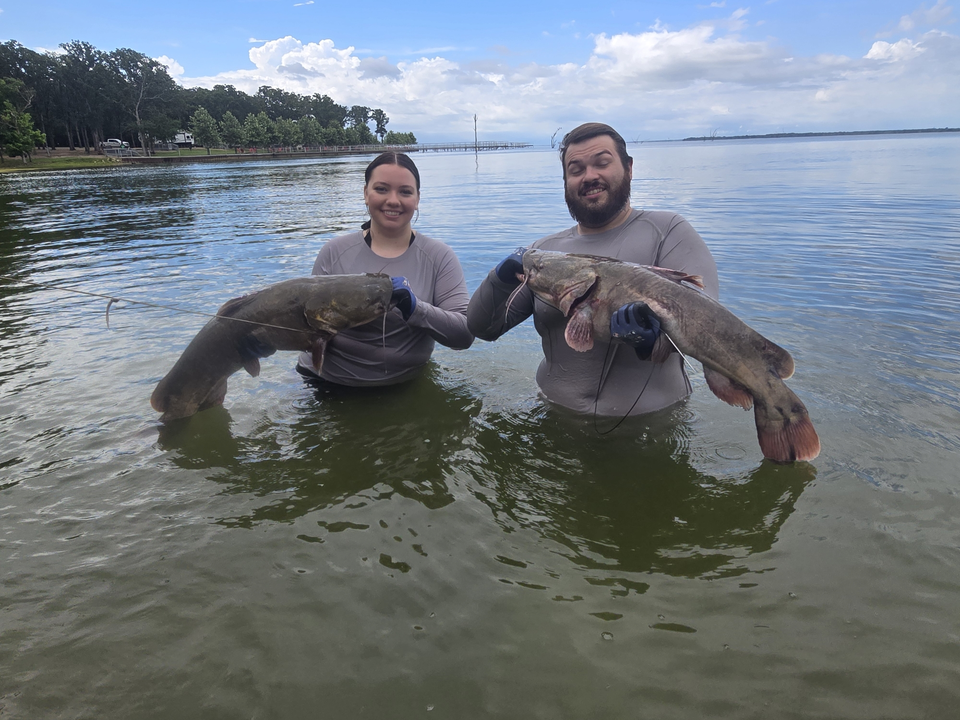
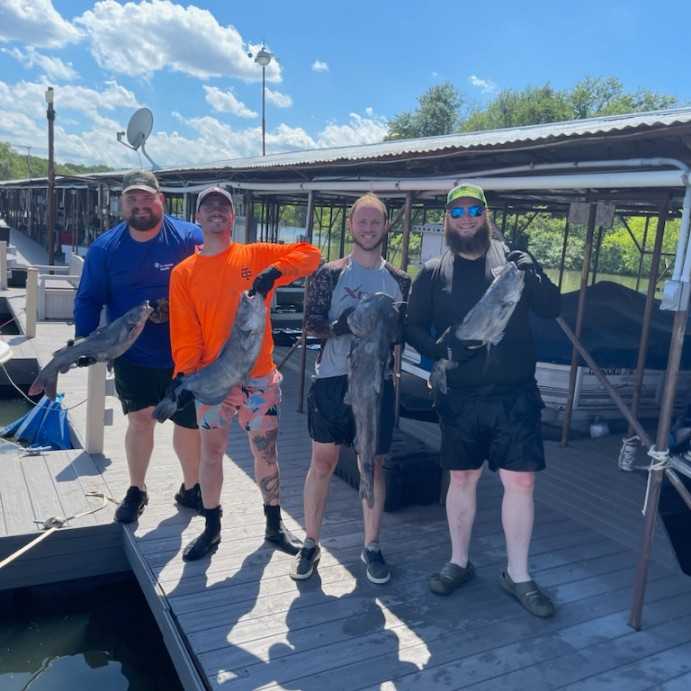
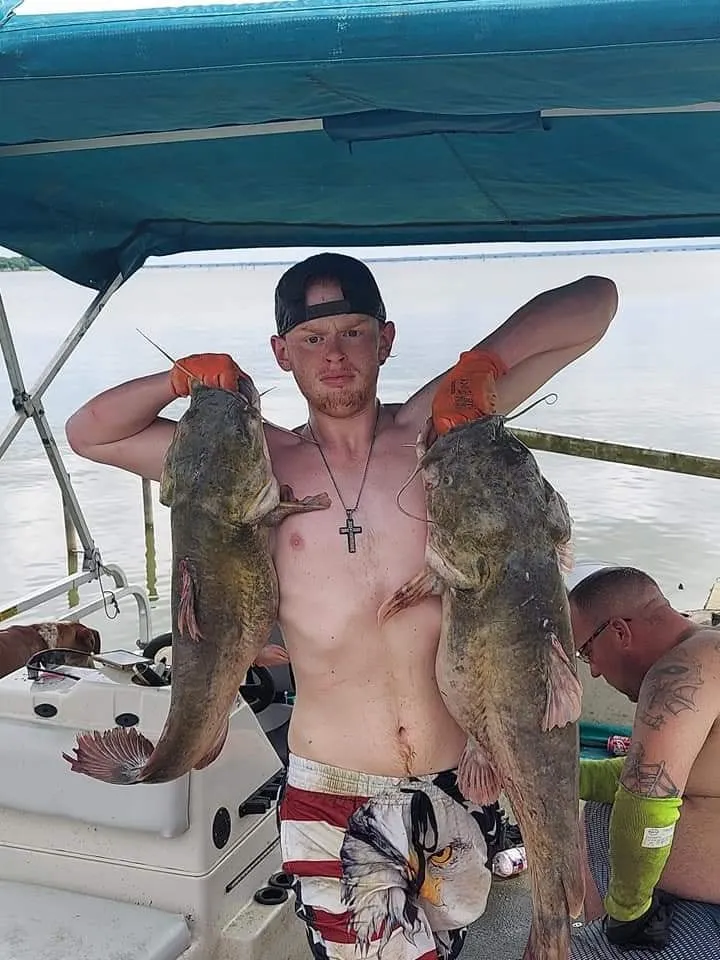
Channel catfish are the bread and butter of Lake Tawakoni, and they're perfect for building confidence if you're new to catfish angling. These fish typically run anywhere from 2 to 8 pounds, with plenty of bigger ones mixed in during the right conditions. Channels are active feeders and respond well to a variety of baits – from classic stink baits to fresh shad. They're most active during low light periods, which is why our early morning and evening sessions tend to be the most productive. What makes channels so great for beginners is their fighting style – they put up a solid fight without being overwhelming, and they're generally pretty cooperative once you get them to the boat or shore.
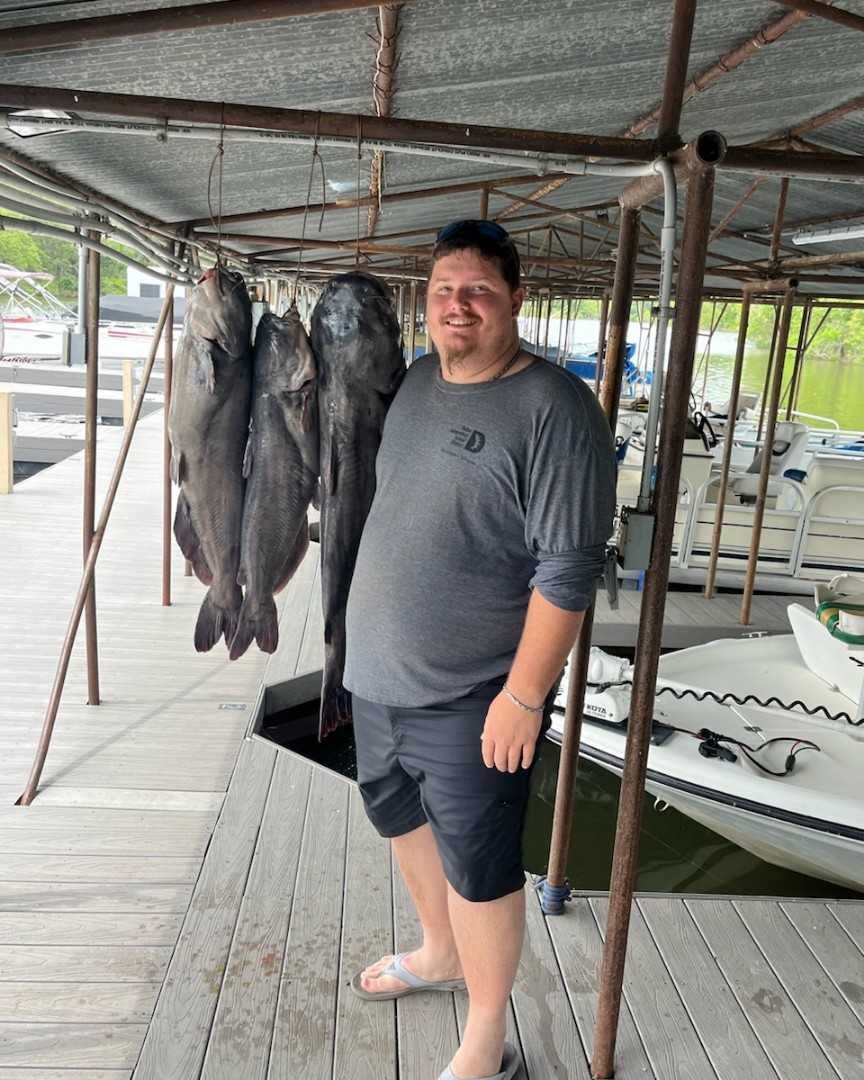
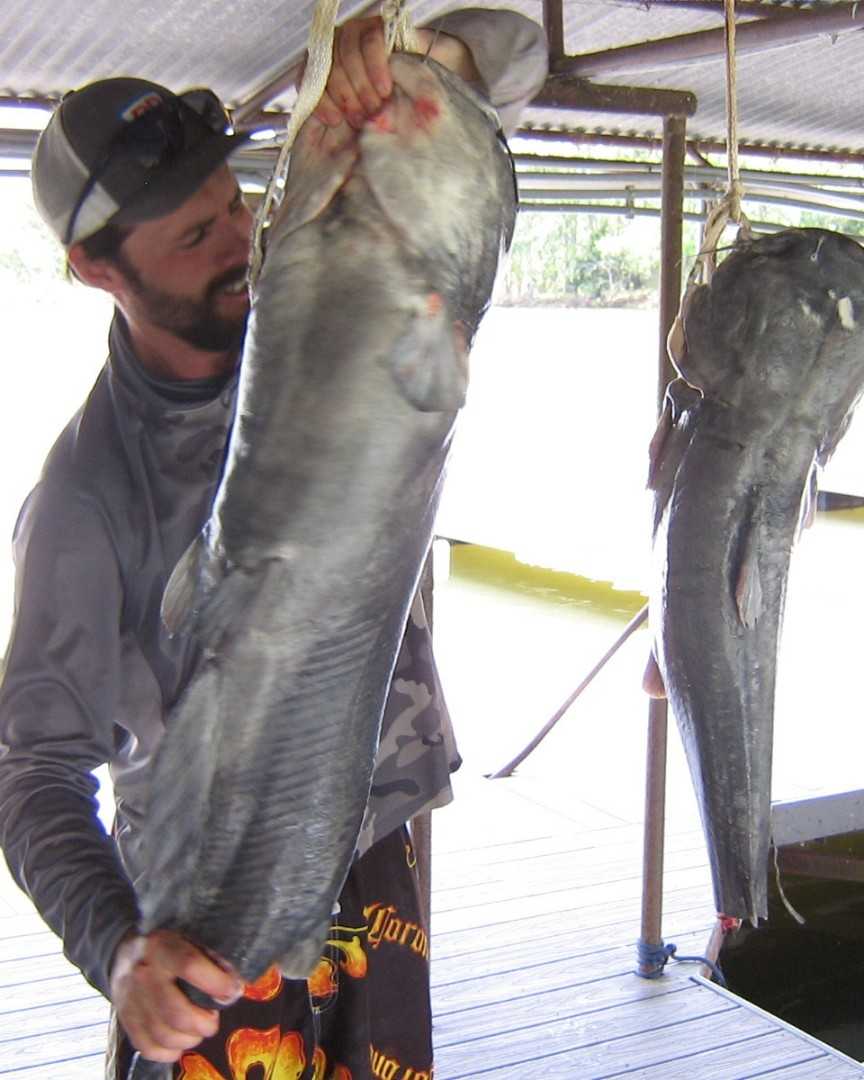
Blue catfish are the real prize here, and Tawakoni has developed quite a reputation for producing some monsters. These fish can push well into double digits, with 20-pounders caught regularly by anglers who know what they're doing. Blues prefer deeper water and stronger current, which is why understanding lake structure becomes so important. They're more selective feeders than channels, often preferring fresh cut bait over prepared baits. The fight from a big blue is something else entirely – they use their weight and the current to their advantage, making long powerful runs that'll test your drag and your patience. Spring and fall tend to be prime time for blues when they're feeding heavily before and after the spawn.
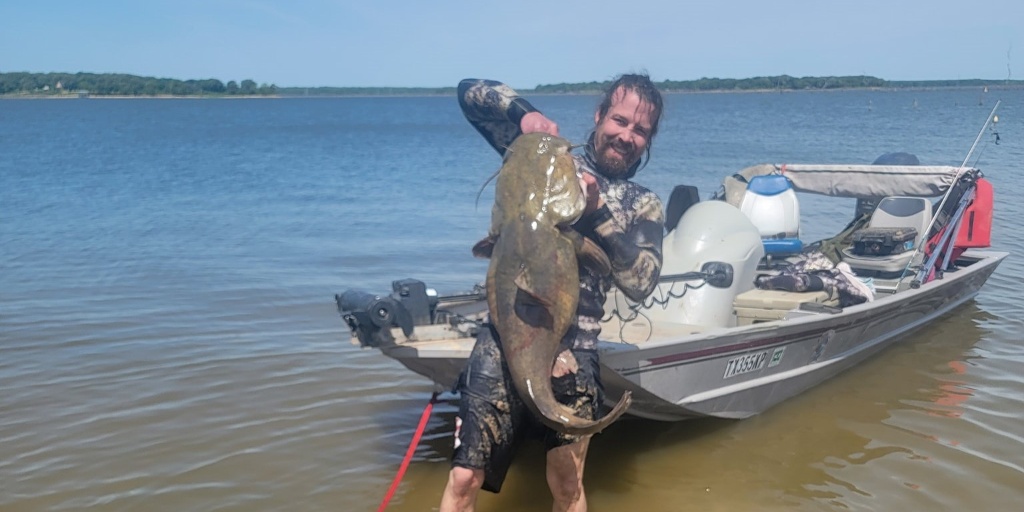
Flathead catfish round out our target species, though they require a completely different approach. These are ambush predators that want live bait, and they're typically more active at night. Flatheads are solitary hunters that stake out territory around structure like fallen trees or rock piles. When you hook into a flathead, you know it immediately – they fight dirty, trying to wrap you around whatever cover they can find. They're not as numerous as blues and channels, but when you connect with a good flathead, it's often the fish of a lifetime. The technique for targeting them involves precise bait placement and a lot of patience, but the payoff can be huge.
Time to Book Your Spot
This multi-day format gives you something most day trips can't – the chance to really understand catfish behavior and develop skills that'll serve you for years. You're not just buying a fishing trip; you're investing in becoming a better angler. The small group size means personalized instruction, and the extended timeframe lets us adapt to conditions and fish behavior rather than being locked into a rigid schedule. Lake Tawakoni's catfish population is world-class, and learning to fish it properly opens up opportunities throughout East Texas and beyond. Just remember to grab your valid Texas fishing license before the trip, pack some snacks and drinks for the longer days, and come ready to learn. This customer favorite trip books up during prime season, so don't wait too long to secure your dates.
 Private Trip
 Lakes/Reservoirs/Ponds Fishing
 Texas
Texas

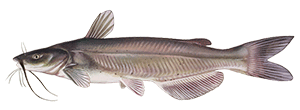
 Two-day catfish charter targeting blue and channel species