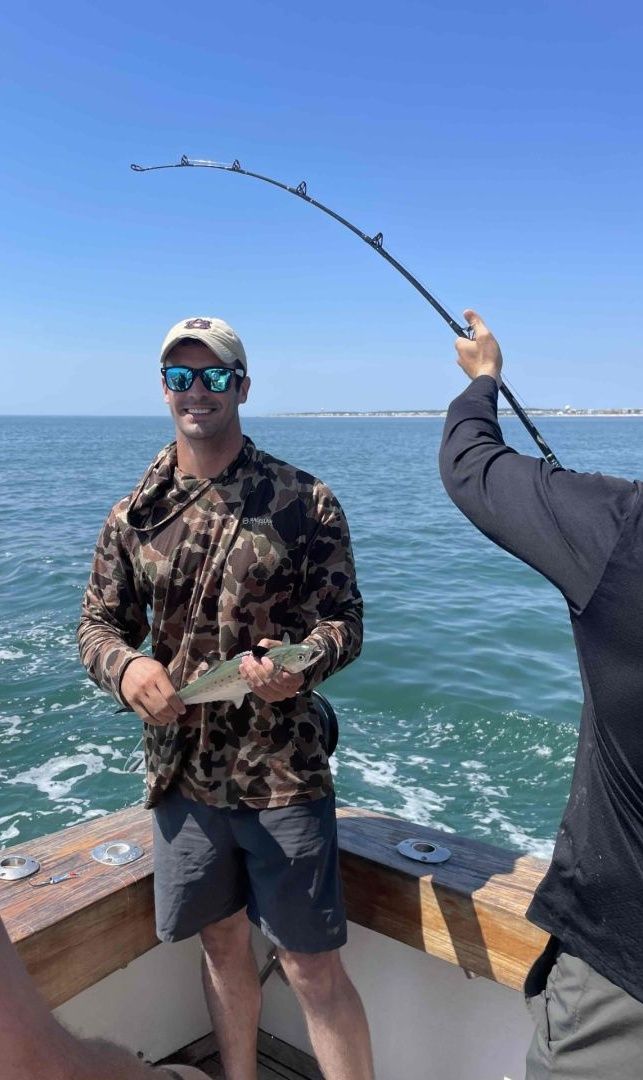
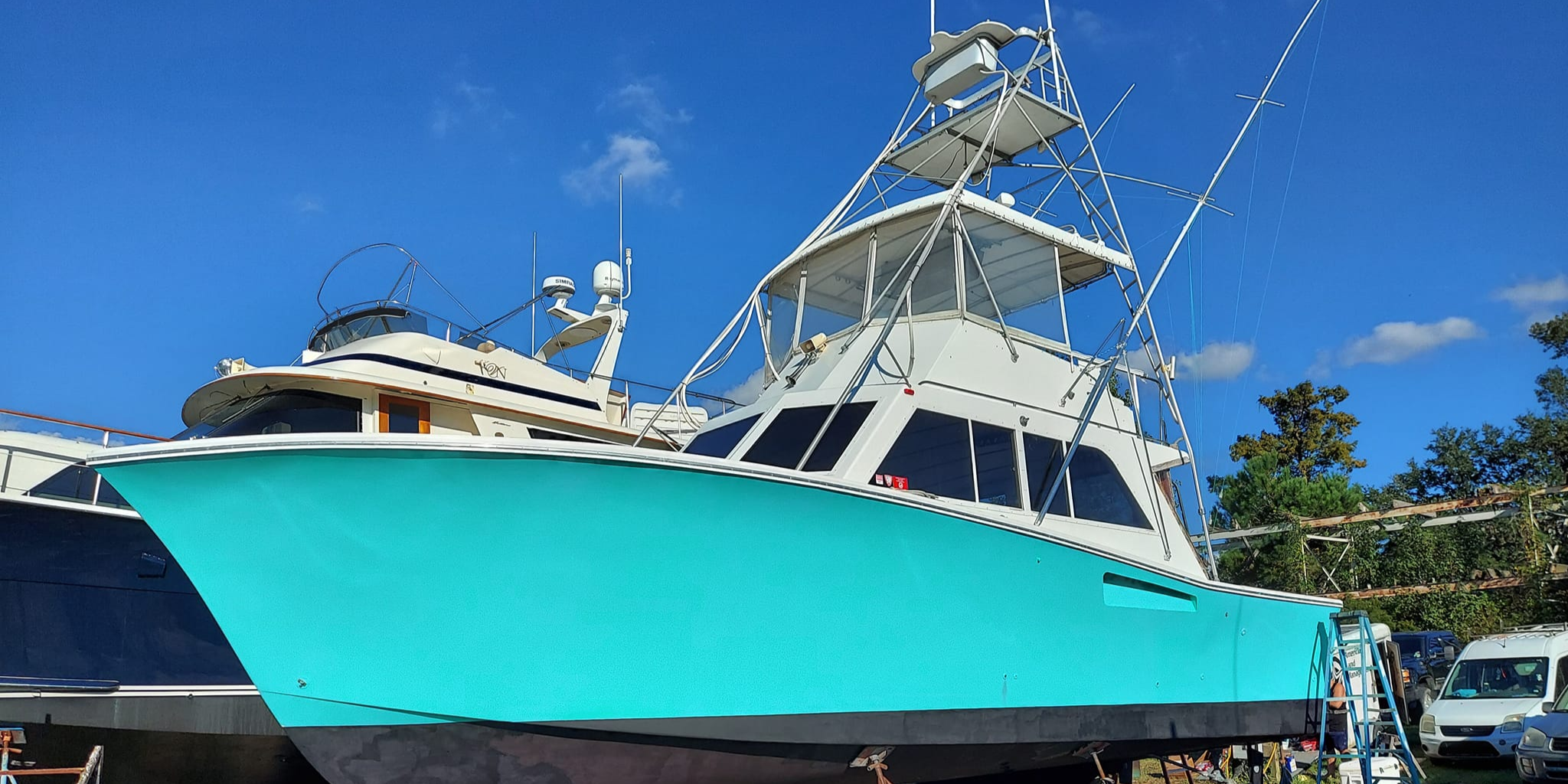
Gulf Stream Fishing Charter in Carolina Beach
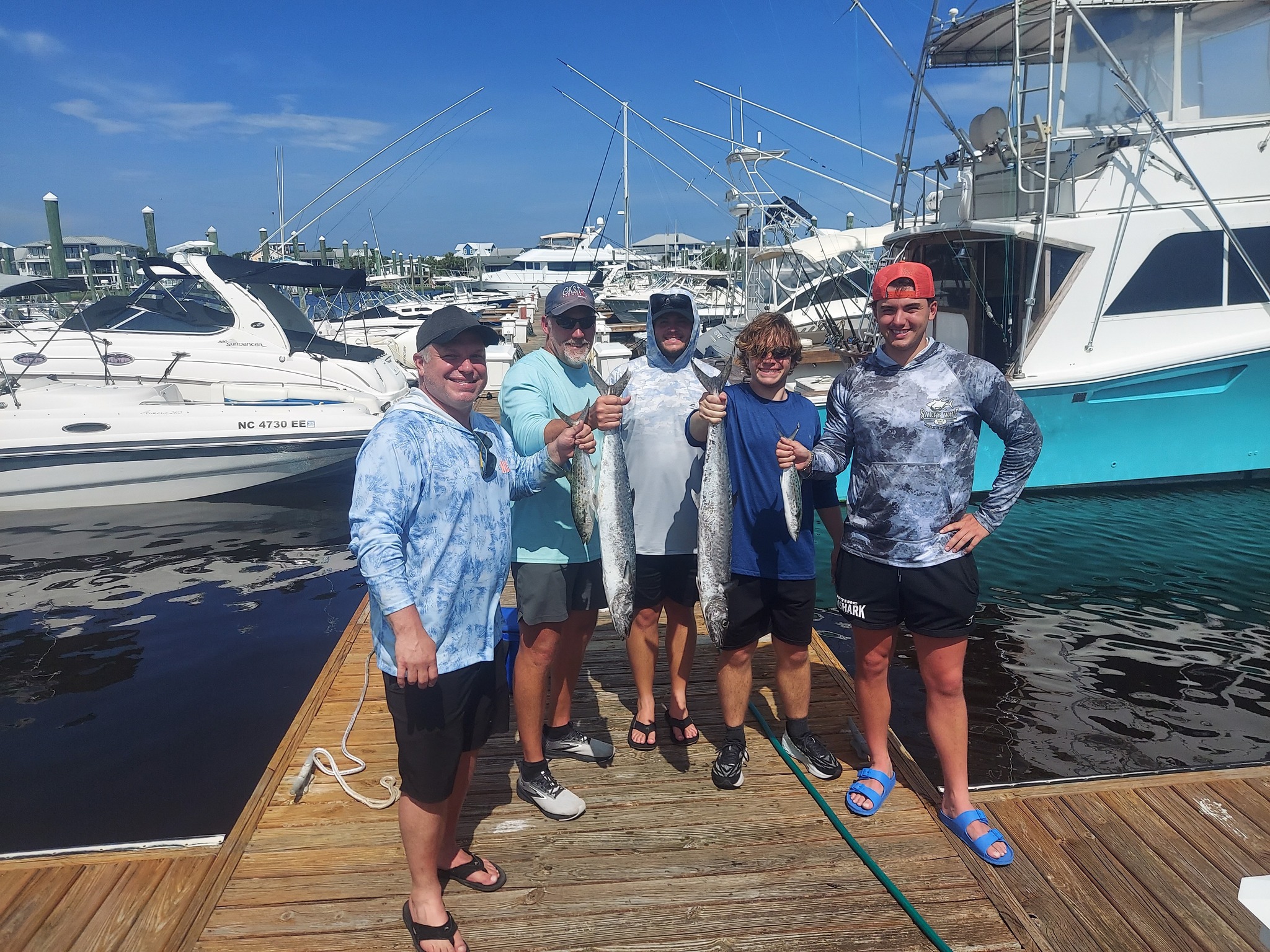
When you're ready to leave the inshore waters behind and chase the big boys in blue water, this 13-hour Gulf Stream fishing charter from Carolina Beach puts you right where the action happens. Captain and crew from Gypsy Dawn Charters know these offshore waters like the back of their hand, and they'll get you on the fish that make anglers dream about coming back to the Carolina coast. We're talking serious pelagic species here – Mahi Mahi, Tuna, Wahoo, and Marlin – the kind of fish that'll test your drag and leave you with stories worth telling. With all your bait, tackle, and licenses covered, plus room for up to six anglers, this trip is built for those who want to experience what real offshore fishing is all about.
What to Expect on the Water
This isn't your typical half-day trip close to shore. You're looking at a full 13 hours on the water, which means an early start but also the time needed to reach those productive Gulf Stream waters where the big pelagics roam. The boat heads out from Carolina Beach, and depending on where the current breaks are setting up and where the captain's been marking fish, you could be running anywhere from 20 to 40 miles offshore. The Gulf Stream itself is like a river of warm, blue water flowing north, and where it meets the cooler inshore water, you get current breaks, temperature changes, and baitfish concentrations that draw in the predators you're after. The captain reads the water, watches for bird activity, checks the temperature breaks, and positions the boat where experience says the fish should be. You'll spend most of your time trolling, covering water and presenting baits in the strike zone where these fish hunt.
Trolling the Blue Water
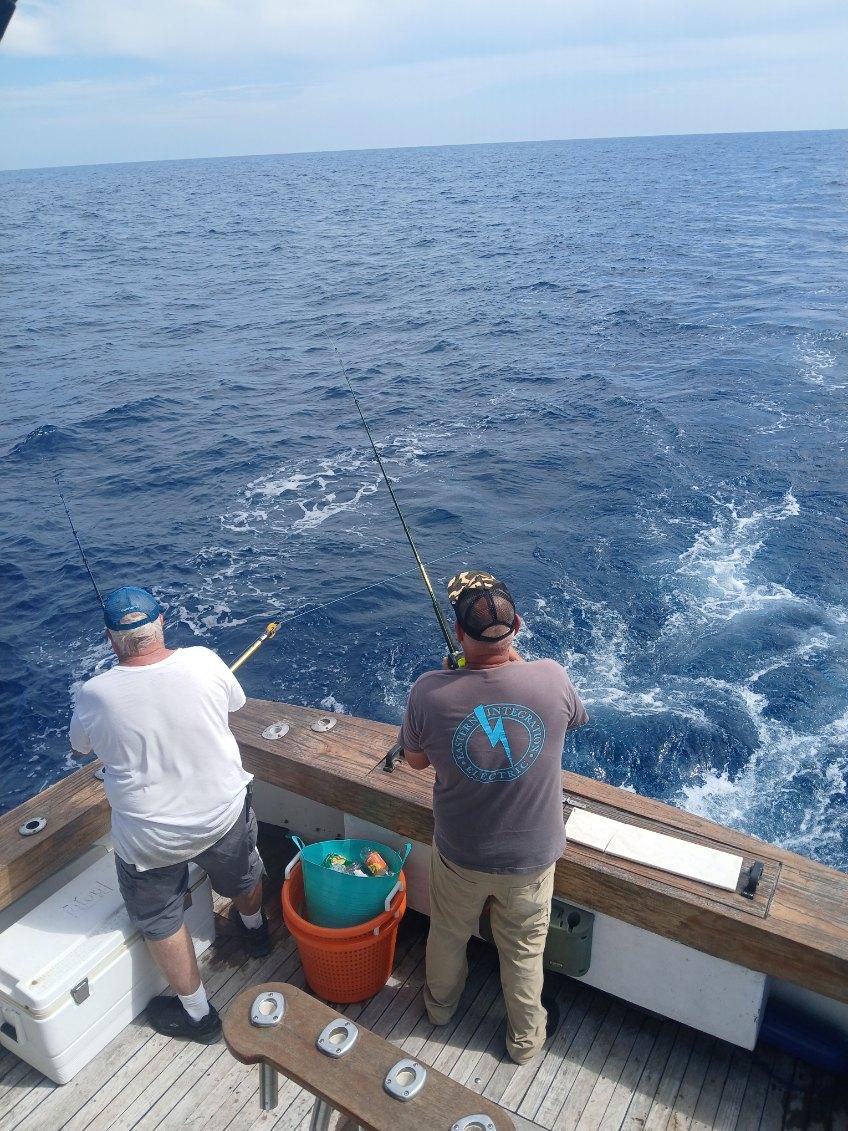
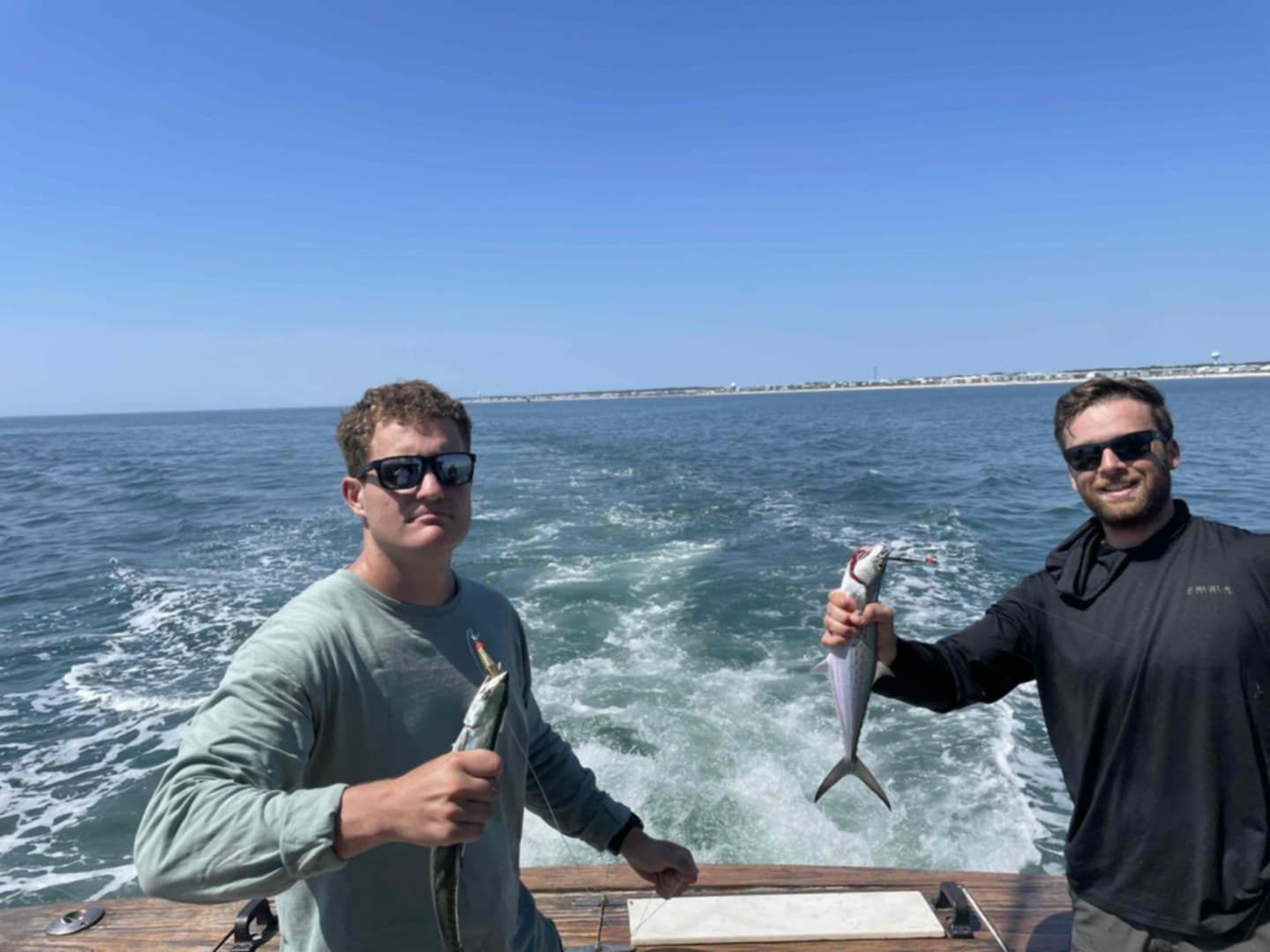
Gulf Stream fishing is all about trolling, and the crew sets up a spread of lures and baits designed to attract different species at various depths. You'll see ballyhoo rigged on circle hooks, colorful trolling lures that mimic flying fish and squid, and maybe some deeper running baits to target fish holding lower in the water column. The boat maintains a steady speed – usually between 6 and 9 knots – while the captain works the edges of current lines, temperature breaks, and any structure or weed lines that might be holding fish. When something hits, you'll know it. These fish don't nibble – they slam the bait and take off, and suddenly you're connected to something that can peel line off your reel faster than you thought possible. The crew handles the other lines while you fight your fish, and they'll coach you through the battle if you need it. Circle hooks mean better hook sets and higher survival rates for any fish you release, which is important when you're targeting species like marlin.
Top Catches This Season
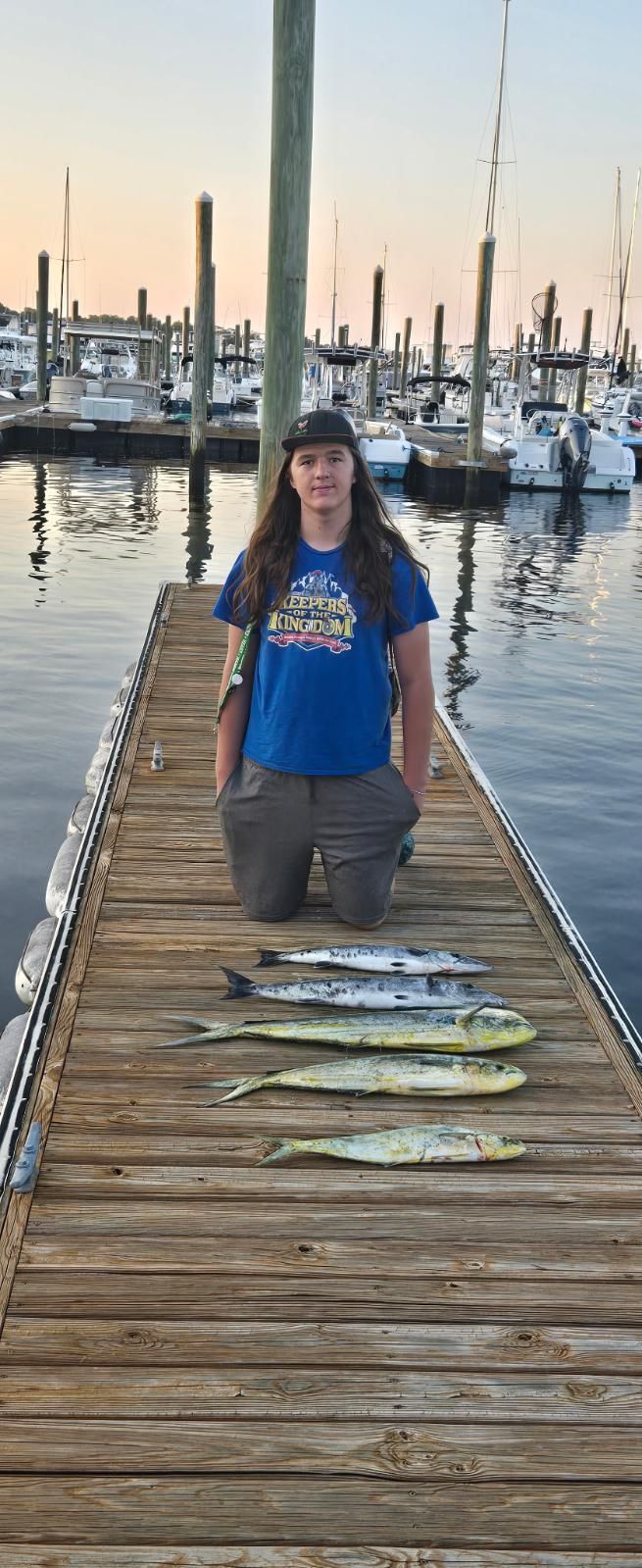
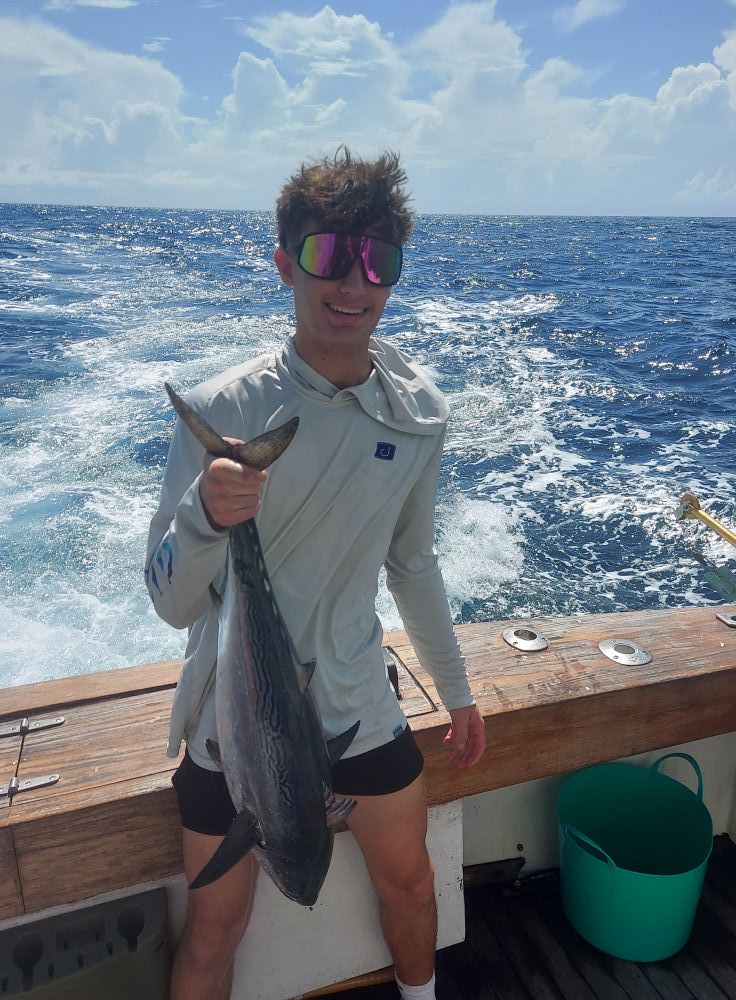
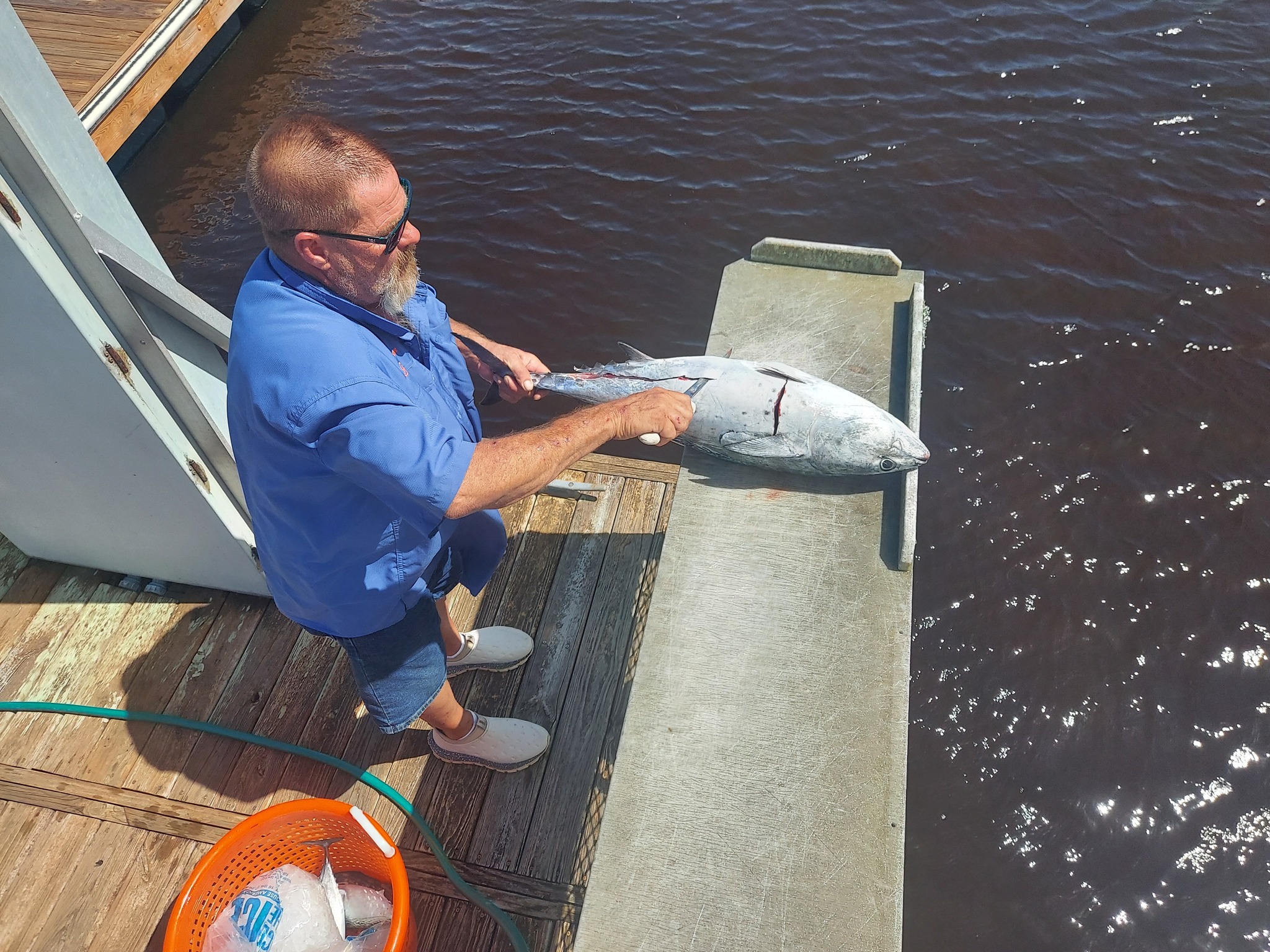
Mahi Mahi are the bread and butter of Gulf Stream fishing, and these fish are as beautiful as they are delicious. Bulls can push 30-40 pounds, while the smaller females still put up a great fight and make excellent table fare. Mahi are aggressive feeders that often travel in schools, so when you find one, there's a good chance there are more around. They're attracted to floating debris, weed lines, and current edges, and they'll hit both lures and live bait with enthusiasm. The best part about mahi fishing is their acrobatic fights – these fish jump, tail-walk, and put on a show that makes every hookup exciting. Yellowfin Tuna in these waters can range from school-sized fish in the 15-30 pound range up to larger individuals that can top 100 pounds. Tuna are powerful, deep-diving fighters that test both your tackle and your endurance. They're also some of the best eating fish in the ocean, with that deep red meat that's perfect for sashimi or searing. Wahoo are the speed demons of the offshore world, capable of hitting 60 mph and known for their razor-sharp teeth and blistering runs. A big wahoo might hit 50-60 pounds, and they'll test your drag system like few other fish can. Marlin fishing is the ultimate offshore challenge – these are fish that can exceed 400 pounds and provide battles that last hours. Blue marlin and white marlin both cruise these Gulf Stream waters, and hooking one is the kind of experience that changes how you think about fishing.
Species You'll Want to Hook
Mahi Mahi are most active during the warmer months from late spring through early fall, when water temperatures in the Gulf Stream stay consistently warm. These fish are curious and aggressive, often approaching the boat after you hook one of their schoolmates. They're known for their brilliant gold and green colors that light up when they're fighting, and bulls develop that distinctive square forehead that makes them easy to identify. What makes mahi fishing so exciting is their willingness to bite and their spectacular aerial displays – they'll jump clear of the water multiple times during a fight. Yellowfin Tuna are present year-round in the Gulf Stream, but the larger fish tend to show up in better numbers during the cooler months. These fish are built for speed and endurance, with a torpedo-shaped body and powerful tail that can drive them deep when hooked. Tuna fishing requires heavier tackle and strong drags because these fish will sound immediately when hooked, often taking several hundred yards of line on their initial run. Wahoo are most common in the fall and winter months when they're following baitfish migrations along the coast. They're ambush predators that strike with lightning speed, often cutting through the water like a missile when they hit a trolled bait. Their sharp teeth can slice through wire leaders, so the crew rigs accordingly. Blue Marlin are the kings of the offshore world, present throughout the fishing season but most active during the summer months when baitfish are abundant. These fish are apex predators that can live for decades and grow to massive sizes. Hooking a marlin means you're in for a battle that could last several hours, with long runs, deep dives
 Private Trip
 Inshore Fishing
 Carolina Beach
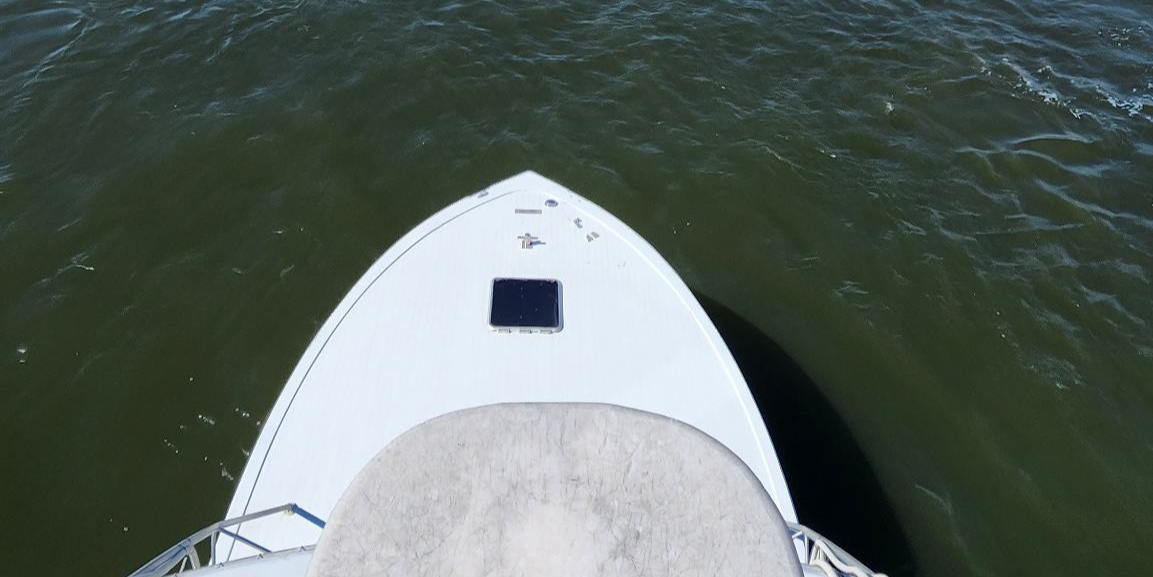
 Private 13-hour Gulf Stream charter targets premium offshore species