Islamorada Reef & Patch Fishing with Captain Jeff
When you're looking for some serious bottom fishing action in the Florida Keys, Captain Jeff's reef and patch trips out of Islamorada deliver exactly what you're after. This isn't your typical inshore grind – we're talking about targeting structure-loving fish that call the coral reefs and rocky patches home. With just three anglers max on each trip, you'll get the personalized attention and prime fishing spots that make all the difference between coming home with stories or coming home with dinner.
What to Expect on the Water
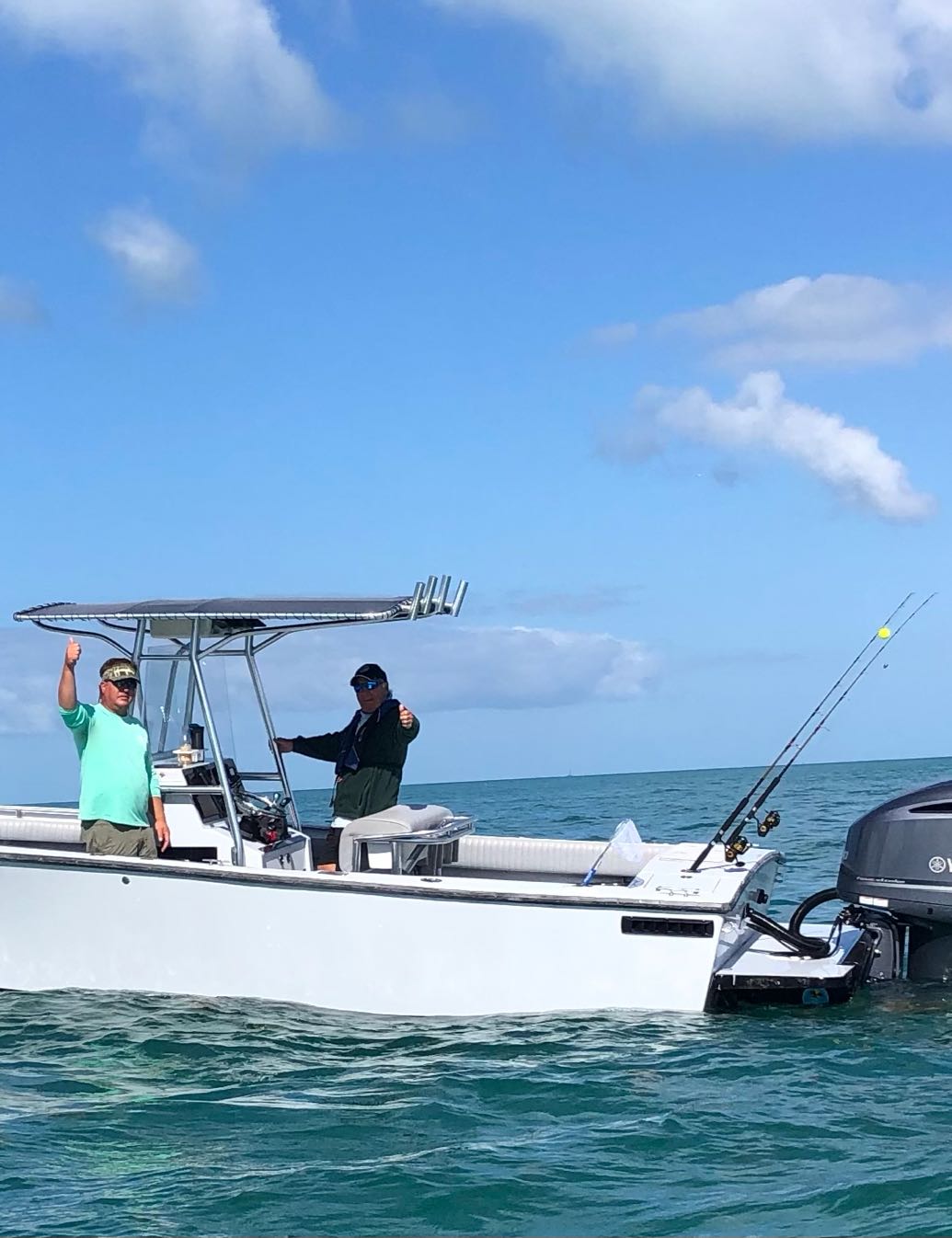
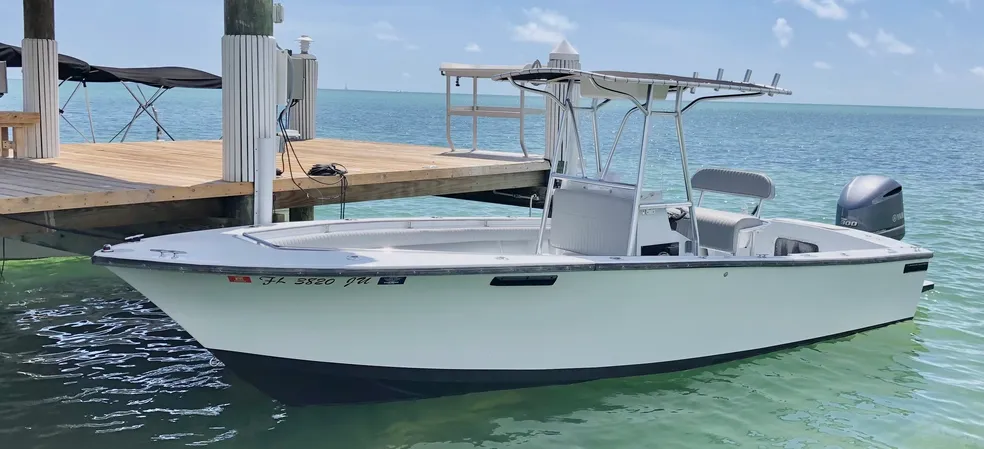
Captain Jeff knows these waters like the back of his hand, and he's got the numbers locked down for all the productive reefs and patches around Islamorada. We're not talking about dropping lines randomly – this is precision fishing where GPS coordinates, bottom structure, and current conditions all play into where we set up. You'll be fishing anywhere from 15 to 60 feet of water, depending on what's biting and where the fish are holding. The boat's equipped with top-notch fish finders and all the tackle you'll need, so you can focus on the fun part – getting bent rods and full coolers. Expect to move around a bit as we work different spots throughout the day, following the bite and adjusting to conditions as they change.
Bottom Fishing the Right Way
This is classic bottom fishing at its finest – we're talking about heavy sinkers, circle hooks, and fresh bait dropped right where the fish live. Captain Jeff runs a variety of rigs depending on what we're targeting, from simple knocker rigs for snapper to heavier bottom rigs when we're after grouper in the deeper patches. The coral heads and rocky structure hold baitfish, which means the predators aren't far behind. You'll be using everything from pilchards and ballyhoo to cut bait, depending on what the fish want that day. The key is getting your bait down to the bottom quickly and keeping it in the strike zone where these reef dwellers do their hunting. Don't worry if you're new to this style – Captain Jeff will walk you through the techniques and make sure your rig is fishing effectively.
Top Catches This Season
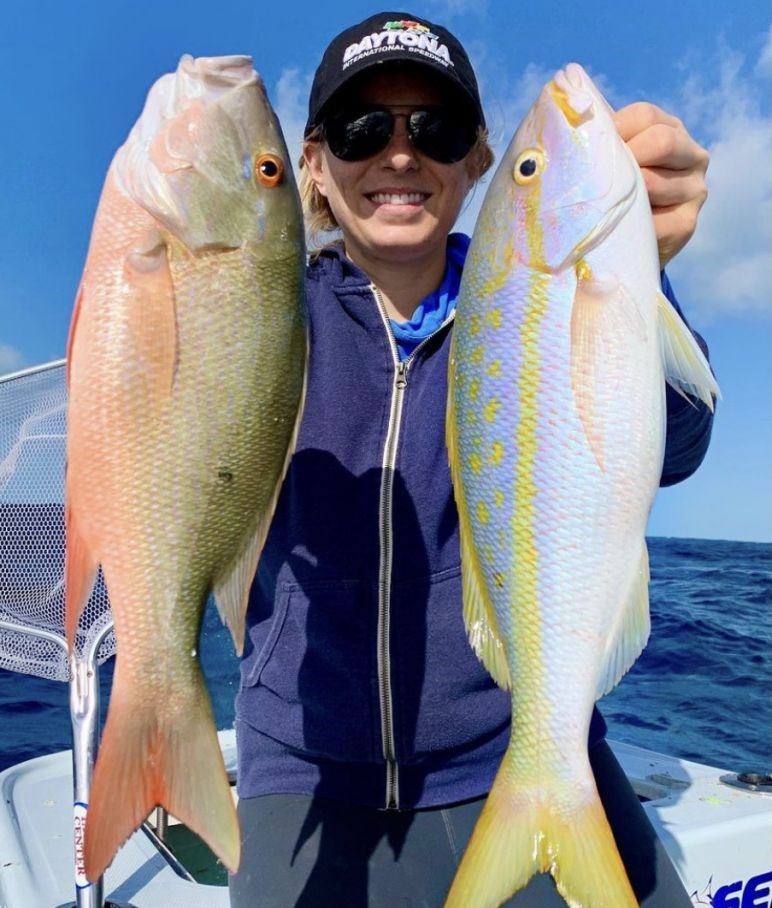
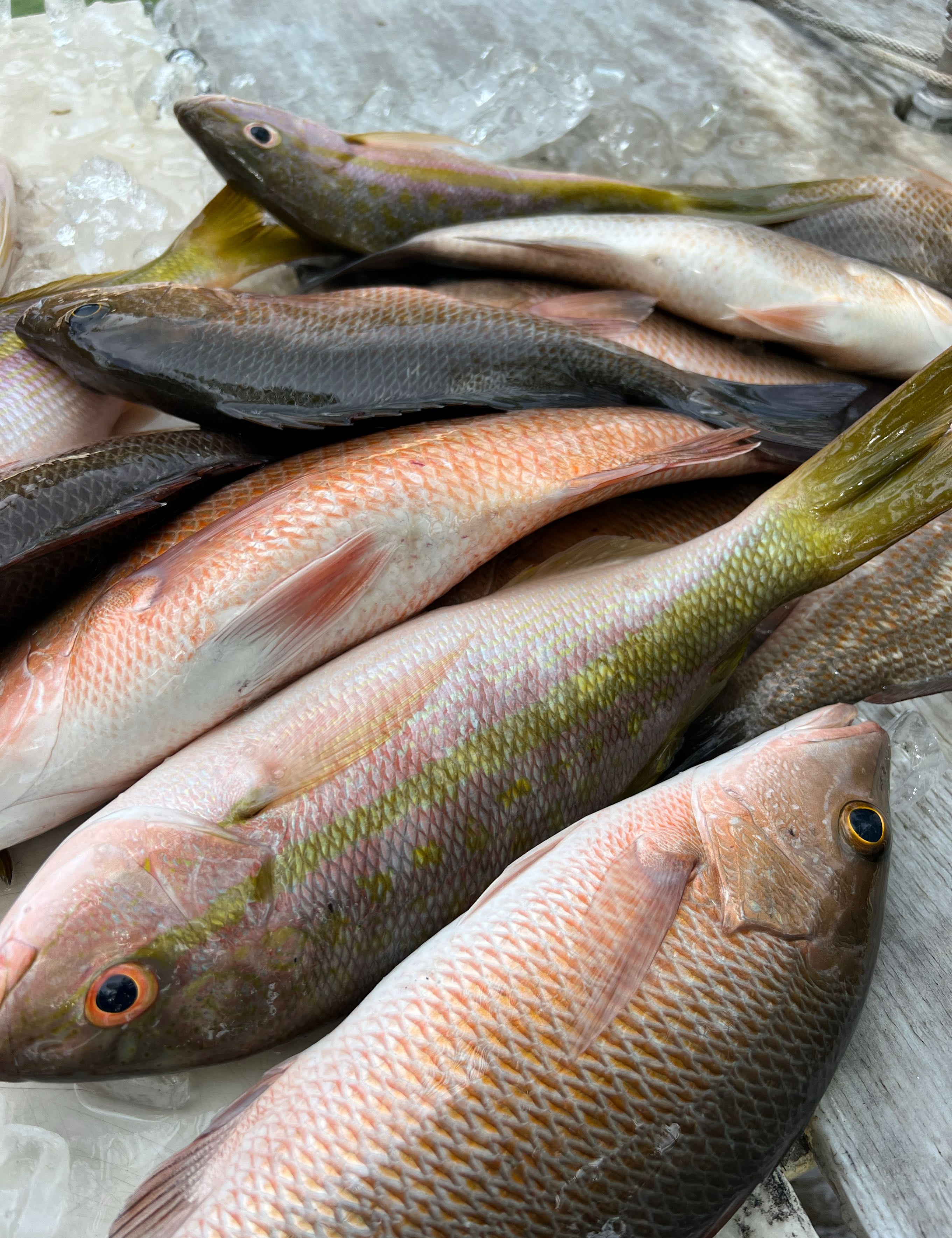
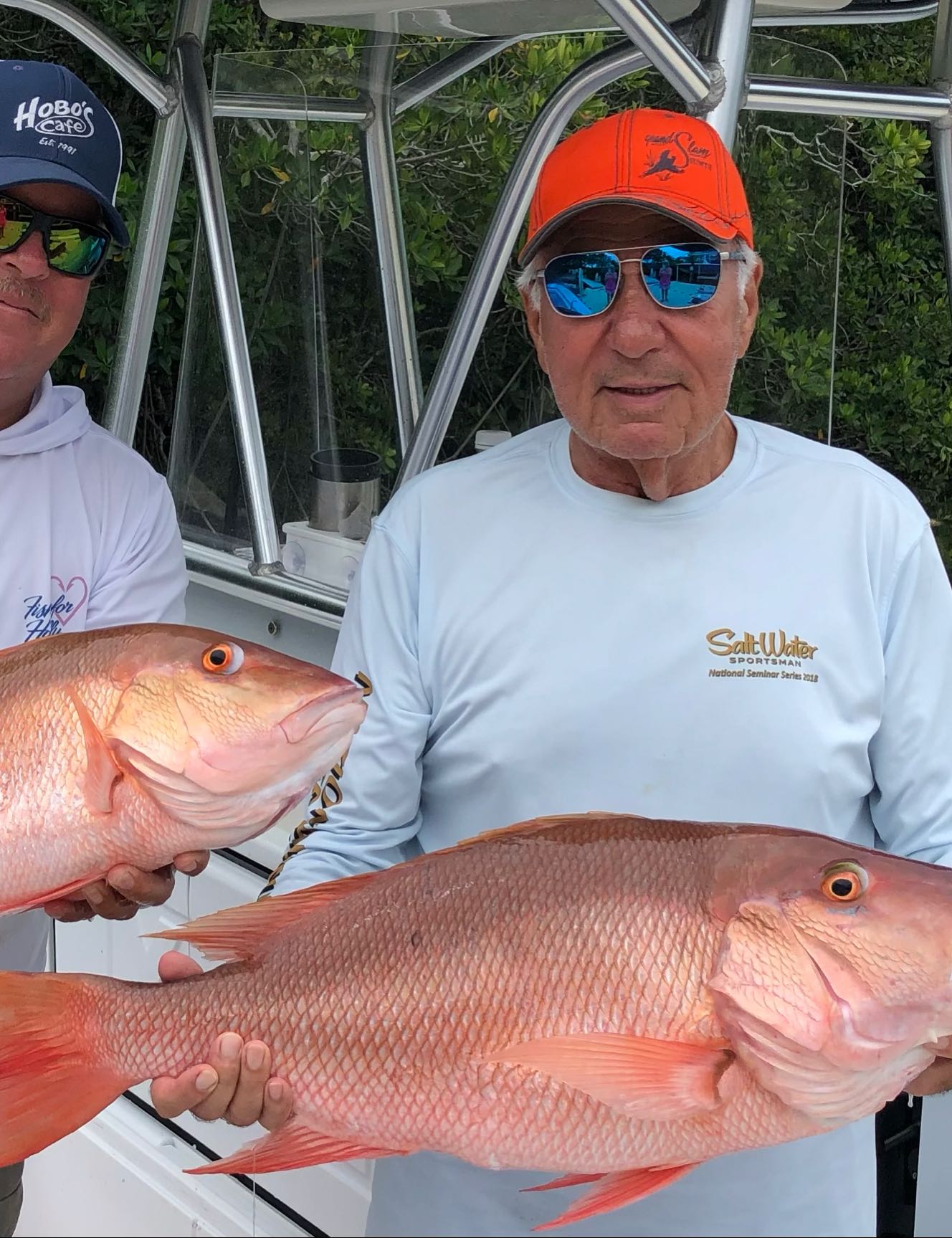
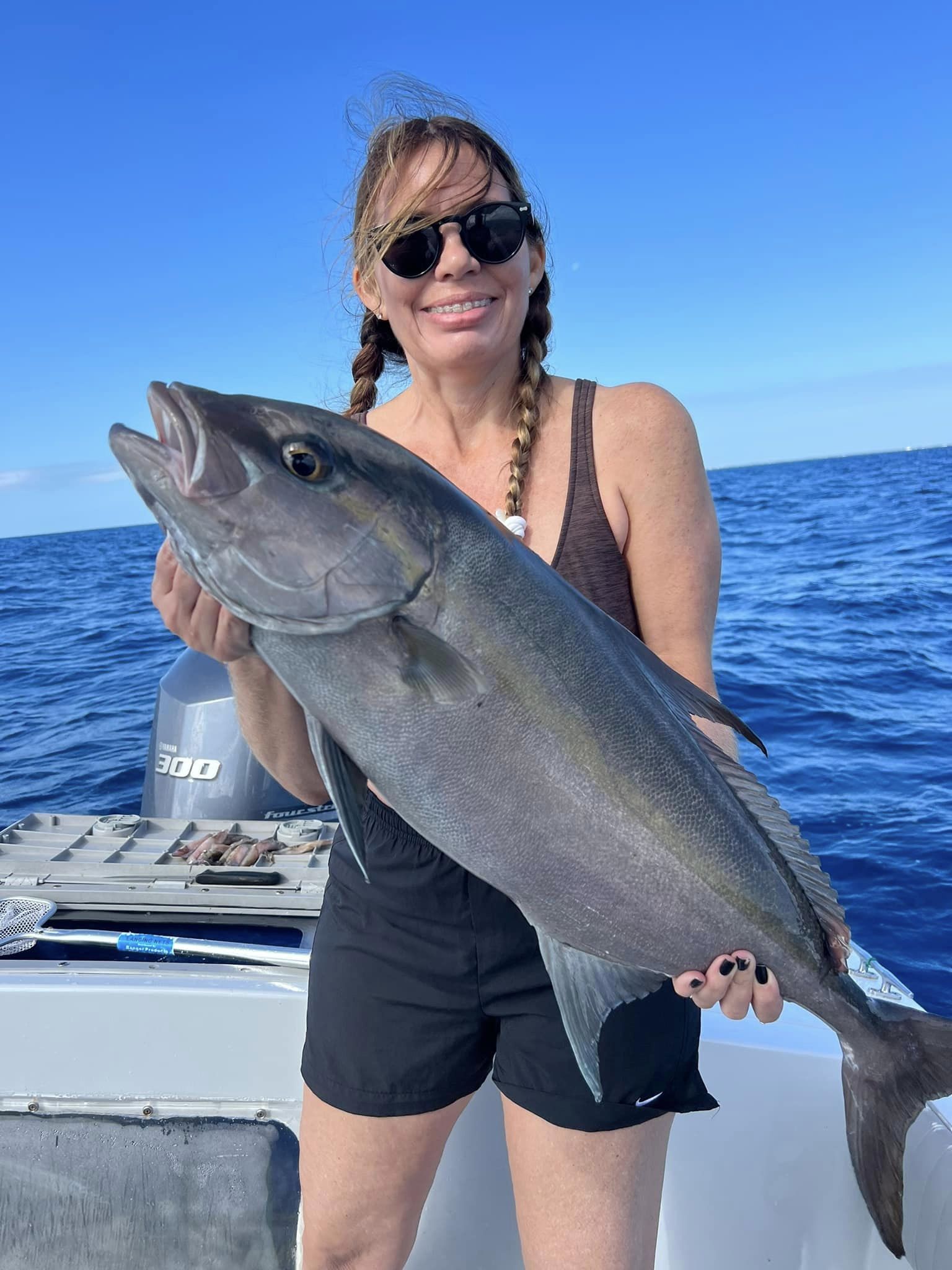
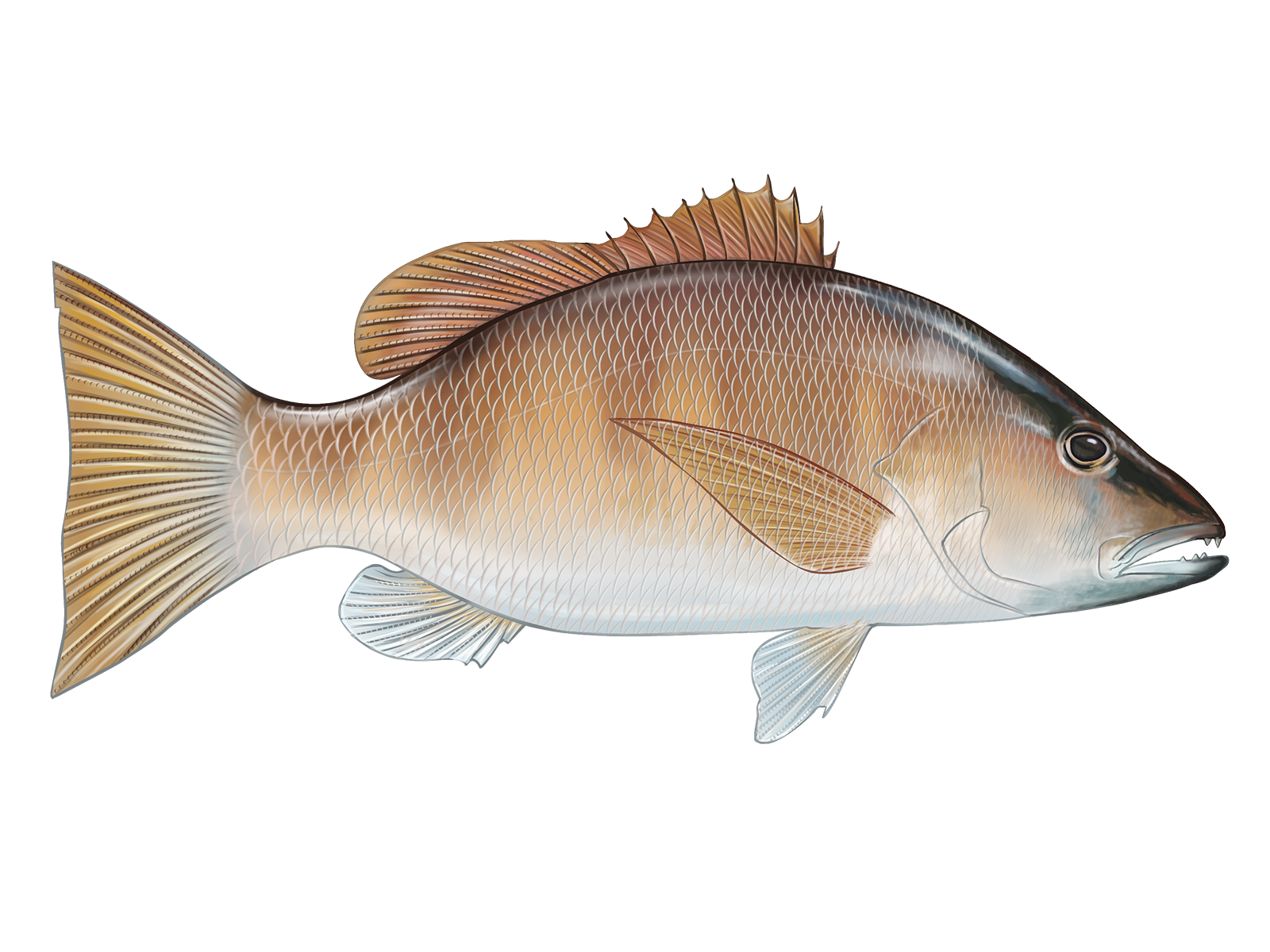
Mutton Snapper are the crown jewel of reef fishing around Islamorada, and these fish will test every bit of your tackle and technique. These bruisers can push 15-20 pounds when you find the right schools, and they're notorious for their powerful runs back to the structure. What makes muttons so special is their combination of size, fight, and table fare – they're absolutely phenomenal eating. Spring through early summer tends to be prime time when they're spawning and feeding aggressively around the reef edges. The trick with muttons is using the right bait and getting it down before the smaller fish pick it apart.
Red Porgy might not get the headlines like snapper and grouper, but these pink-tinted fighters are a customer favorite for good reason. They typically run 2-4 pounds and have this unique way of fighting that feels like they're shaking their heads the whole way up. Red porgy are year-round residents on the deeper patches, and they're one of those species that when you find them, you usually find them in good numbers. They're also some of the best eating fish in these waters, with firm white meat that's perfect for grilling or frying.
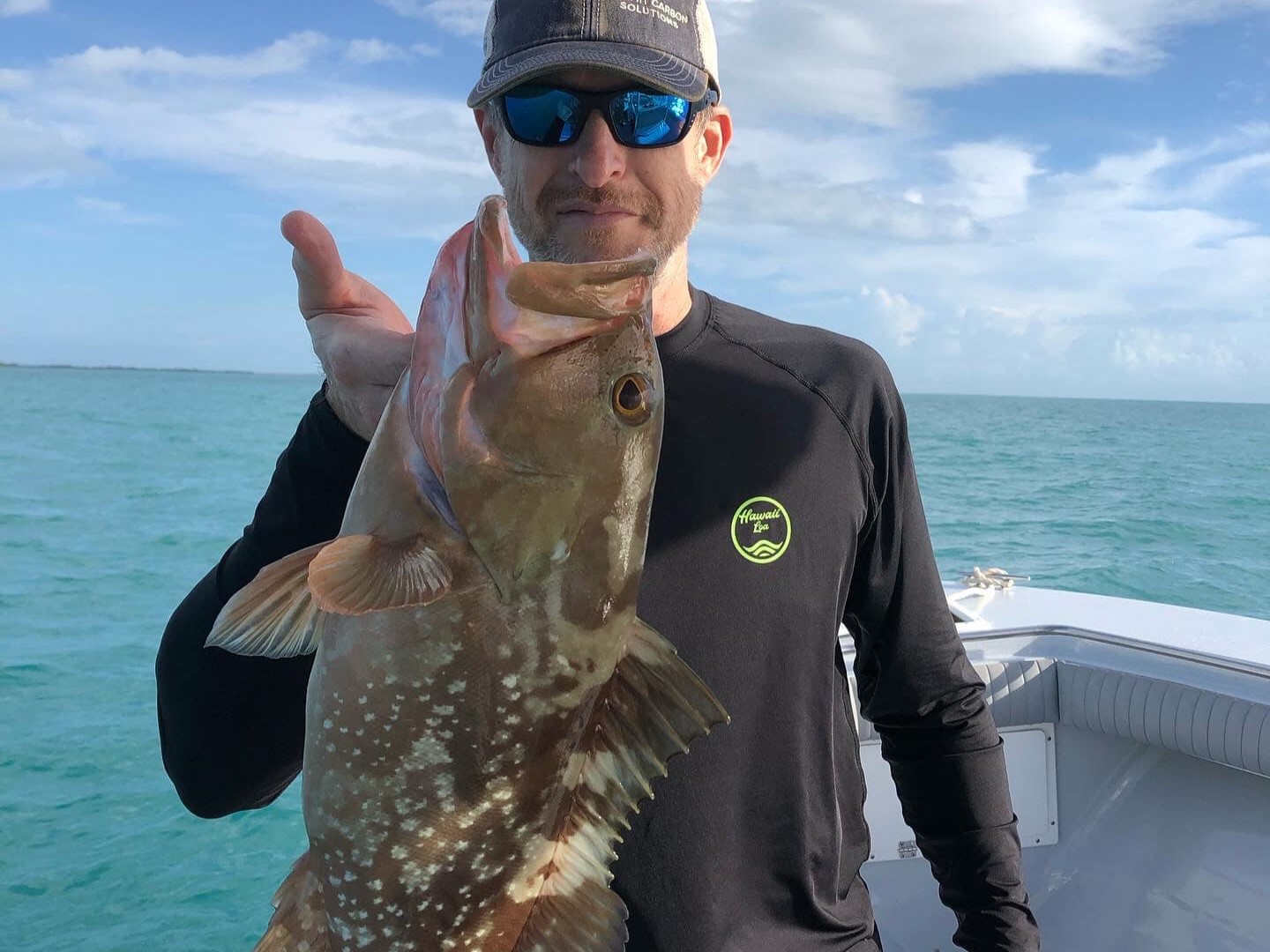
Gag Grouper are the heavy hitters that every angler dreams about hooking into on these reef trips. These fish can range from keeper-sized 24-inchers up to true trophy fish pushing 30+ pounds. Gags are ambush predators that live in the caves and ledges of the reef structure, so when you hook one, get ready for a straight power run back to the rocks. The challenge with gag grouper is not just hooking them – it's getting them away from the structure before they cut you off. Winter months tend to be best for larger gags as they move into shallower water for spawning.
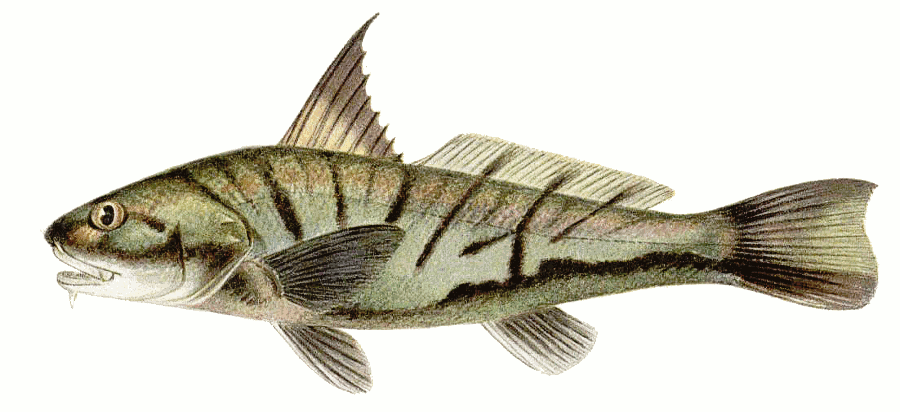
Northern Kingfish are the speed demons of this fishery, and while they might be smaller than their offshore king mackerel cousins, they make up for it with aggressive strikes and blistering runs. These fish typically run 5-15 pounds and are absolute missiles when they hit your bait. What's great about kings is they can show up any time of year around the patches, especially when there's good bait movement. They're also fantastic on the dinner table when prepared fresh – their oily, rich meat is perfect for smoking or grilling.
Grey Snapper, or mangrove snapper as the locals call them, are the most consistent biters you'll find on these reefs. They might not be the biggest fish out there, typically running 1-3 pounds, but they're always ready to eat and they're perfect for filling out the cooler. These fish are smart and structure-oriented, often requiring lighter leaders and smaller hooks to get them to commit. Grey snapper are also one of the most versatile fish for cooking – they're excellent fried whole, grilled as fillets, or used in fish tacos.
Time to Book Your Spot
If you're ready to experience some of the best reef fishing the Florida Keys has to offer, Captain Jeff's trips are booking up fast. With only three anglers per trip, these spots fill quickly, especially during peak season. Whether you're a seasoned angler looking to target trophy fish or someone new to bottom fishing who wants to learn from one of the area's top-rated captains, this trip delivers the goods. The combination of Captain Jeff's local knowledge, quality equipment, and productive fishing grounds makes this a customer favorite that keeps people coming back year after year. Don't wait – book your reef fishing adventure today and get ready to experience why Islamorada is world-class destination for serious anglers.
 Private Trip
 Inshore Fishing
 Islamorada


 Target grouper, porgy, and kingfish on seasonal reef expeditions