Winter Steelhead Fishing on Oregon's Premier Rivers
Looking for a serious winter steelhead adventure? Captain Jason runs one of the top-rated 8-hour winter steelhead trips in Oregon, and he's got the local knowledge to put you on fish when conditions are right. This isn't your typical guided fishing trip – Jason picks between three world-class rivers (Siuslaw, Siletz, or Umpqua) based on current conditions, water levels, and where the steelhead are actively moving. You'll launch at 6 a.m. sharp, ready to chase some of the most prized fish in the Pacific Northwest. With only two anglers per boat, you get personalized attention and prime positioning all day long.
What to Expect on the Water
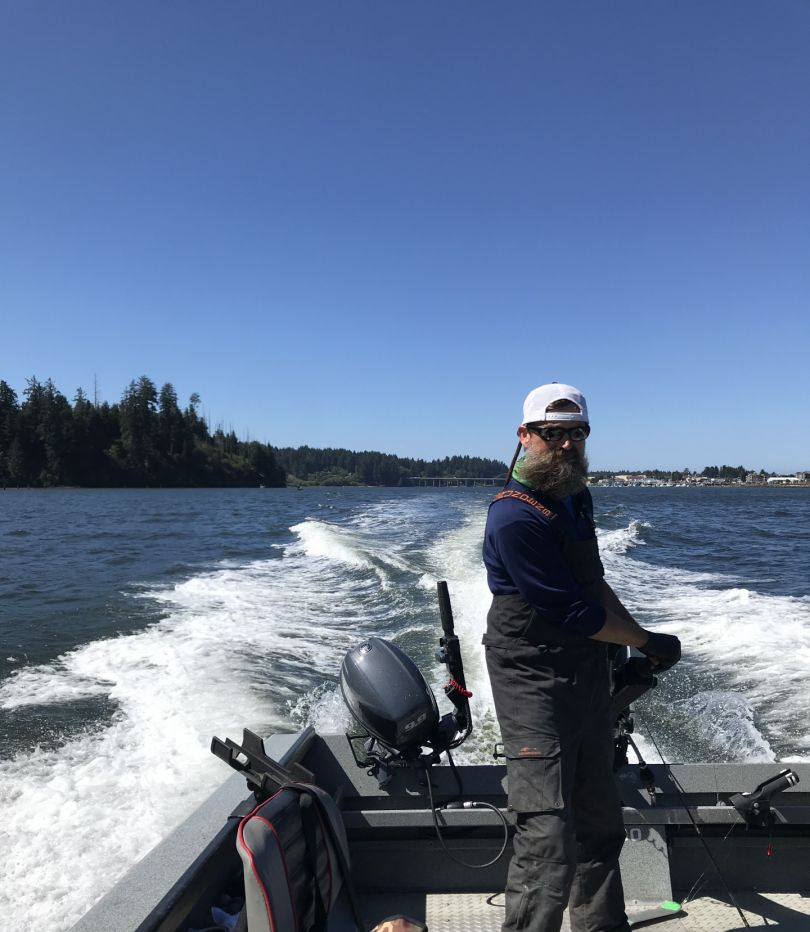
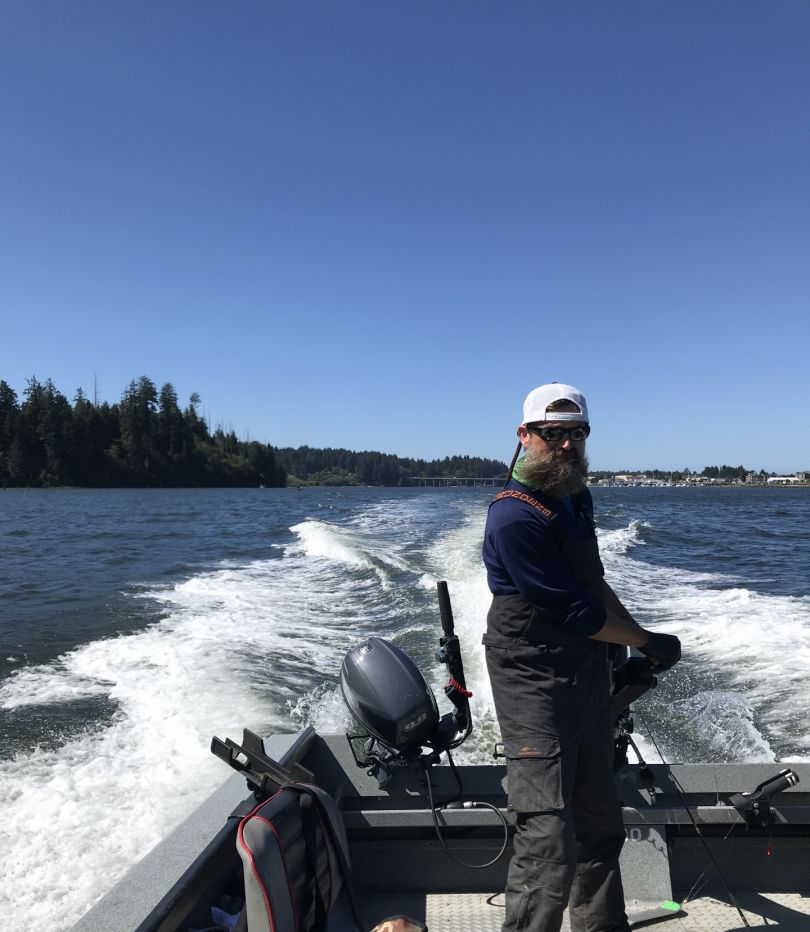
Captain Jason's been working these Oregon rivers for years, and he knows exactly where winter steelhead like to hold during different conditions. You'll start early to maximize your time in the best water – steelhead are notorious for being finicky, so having those extra hours makes all the difference. The beauty of this trip is the flexibility; if the Siuslaw is running high and muddy, Jason might switch to the Siletz where conditions are cleaner. If the Umpqua is fishing hot, that's where you'll spend your day. This adaptive approach is what separates the best guides from the rest. You'll drift through classic steelhead runs, work the tailouts of deep pools, and fish the kind of water that produces trophy fish year after year. The scenery is stunning, but your focus will be on reading the water and working your presentation through prime steelhead lies.
Gear & Techniques
Jason provides all the tackle you need – quality rods, reels, and terminal gear designed specifically for winter steelhead. We're talking about serious equipment here, not the light stuff you'd use for trout. Winter steelhead fishing requires heavy enough gear to handle powerful fish in fast water, but sensitive enough to detect those subtle takes that steelhead are famous for. You'll learn drift fishing techniques that work consistently on these rivers, including how to read water, control your drift, and detect strikes in different conditions. Jason's got the local knowledge on which colors and weights work best on each river system, plus he stays on top of what's producing day to day. He'll also handle all the messy work at the end – cleaning and filleting your catch so you take home restaurant-quality fillets ready for the grill.
Species You'll Want to Hook
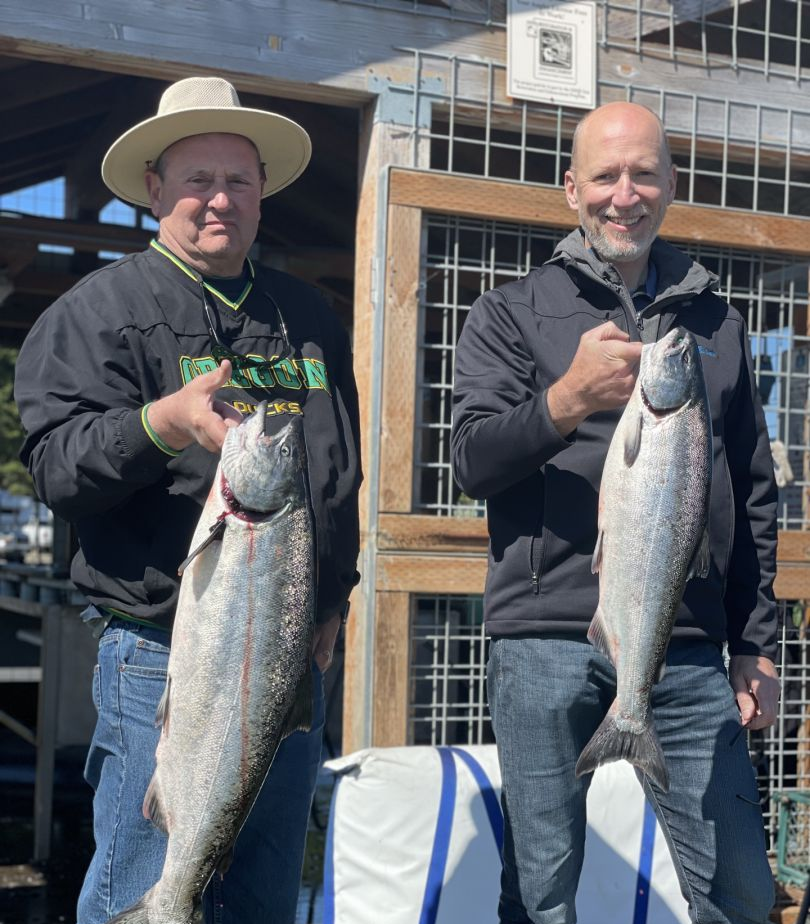
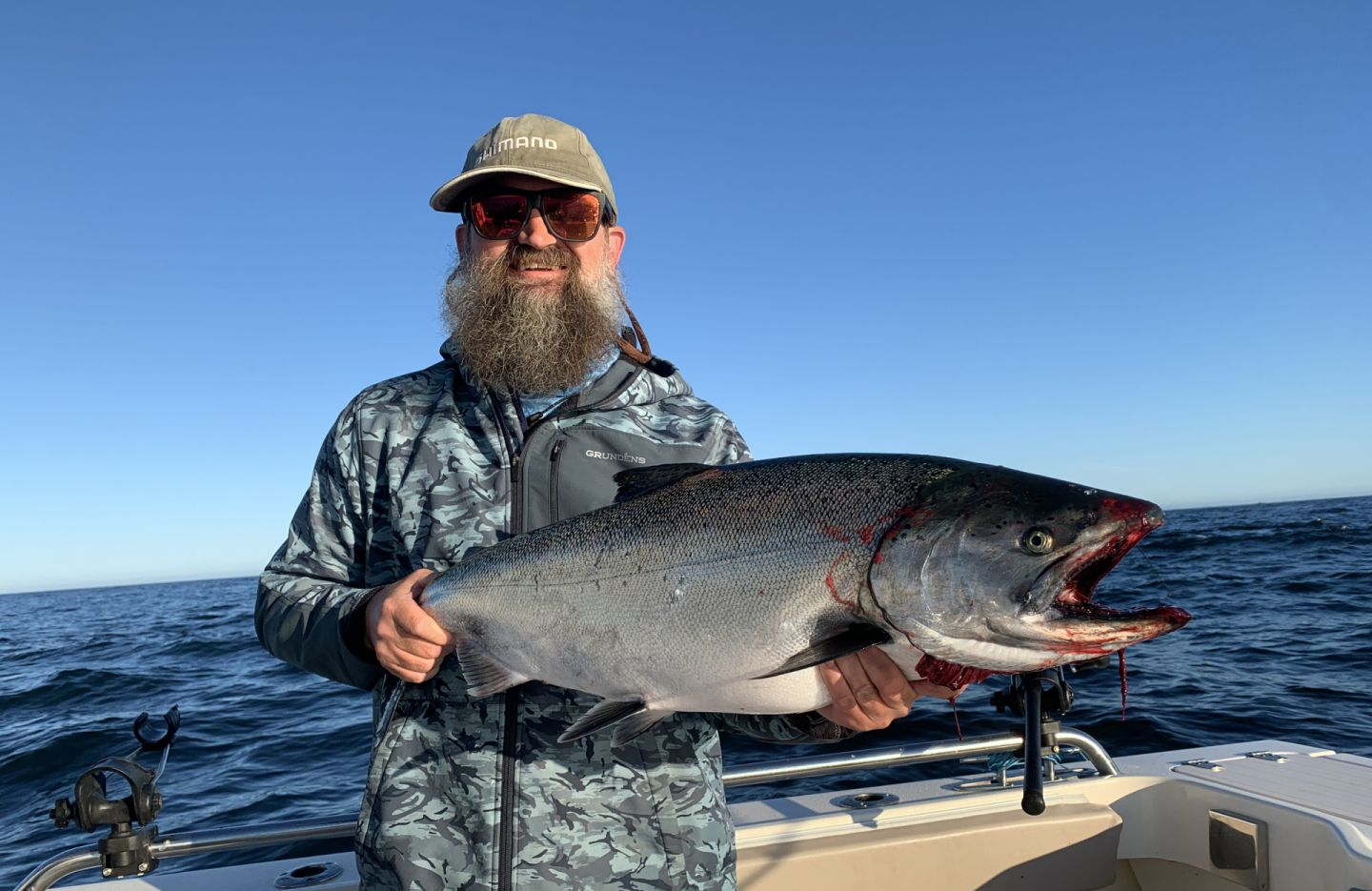
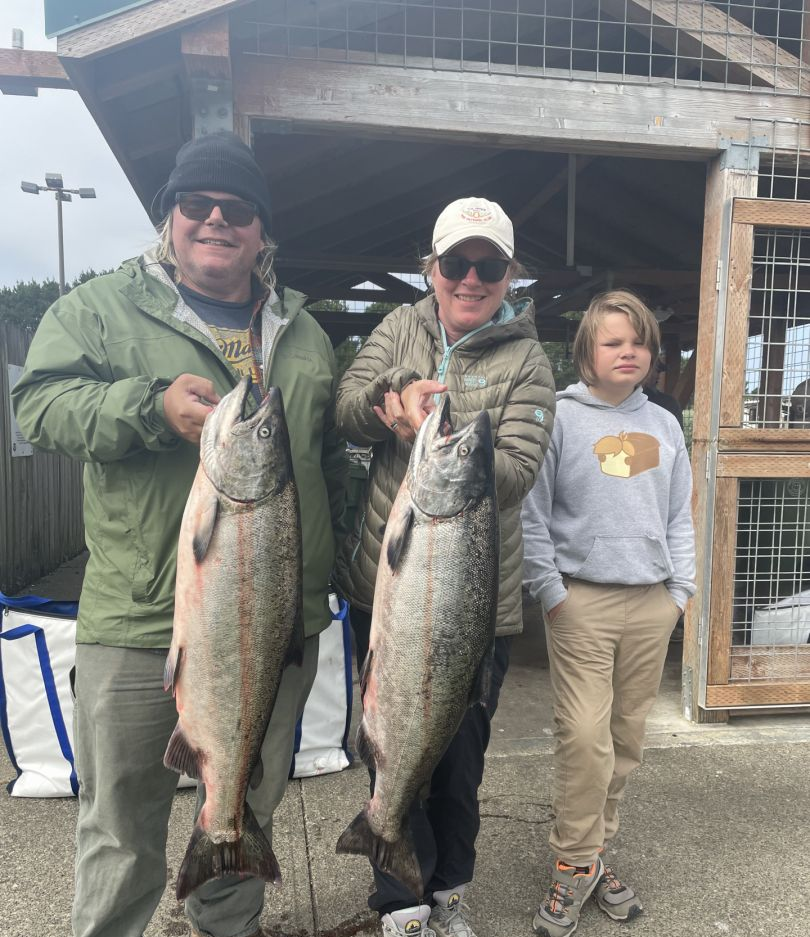
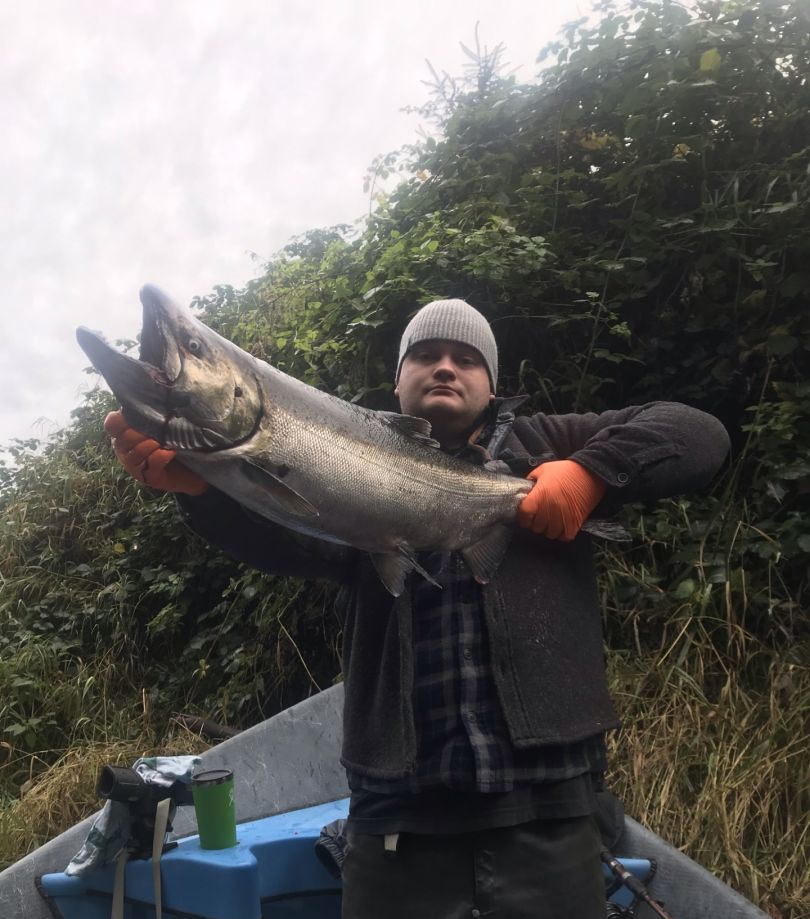
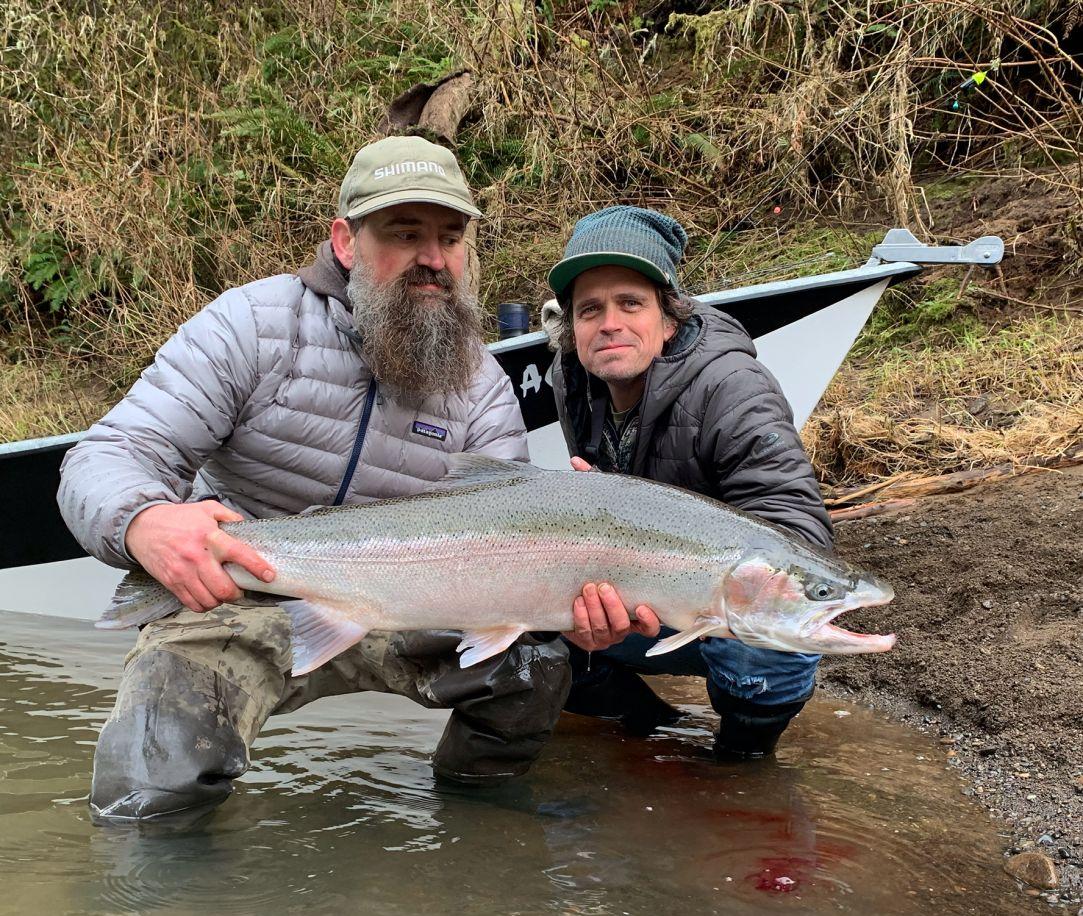
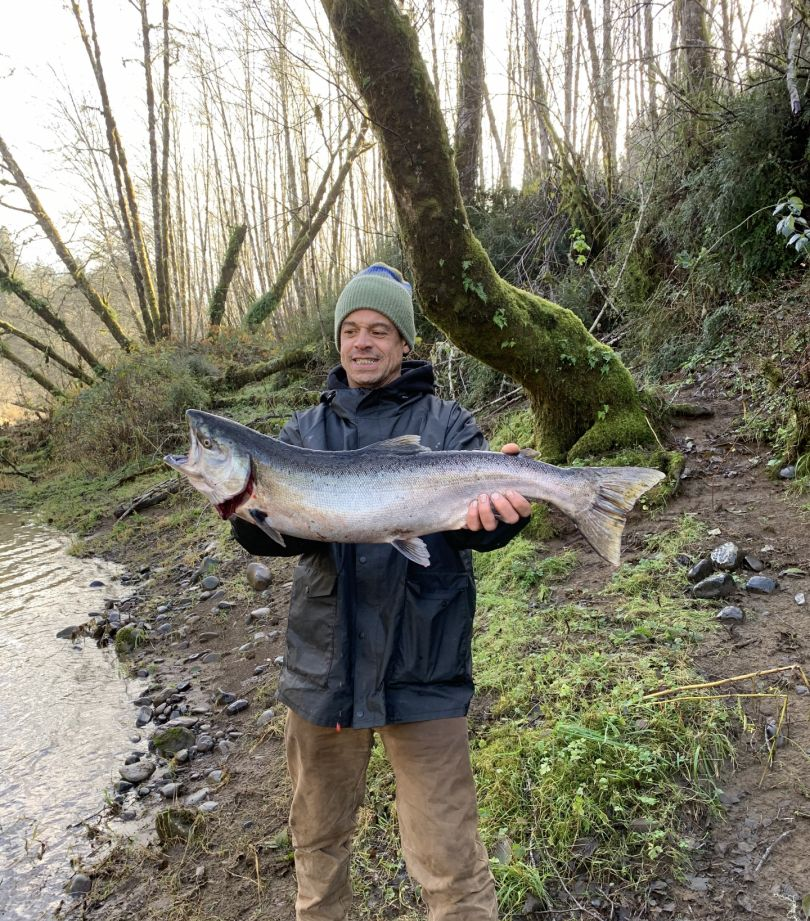
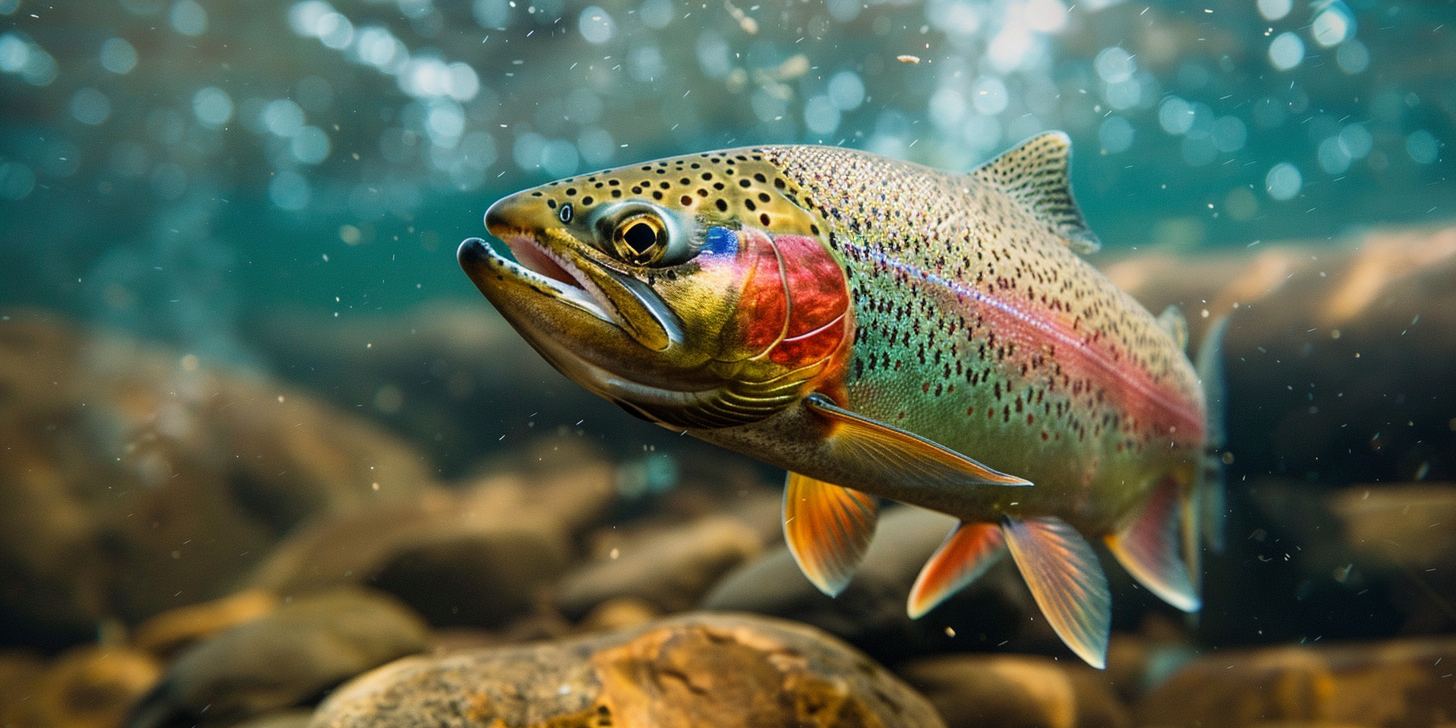
Winter steelhead are the crown jewel of Pacific Northwest fishing, and Oregon's coastal rivers produce some absolute monsters. These aren't just any trout – we're talking about sea-run rainbows that have spent years feeding in the ocean and return as powerful, chrome-bright fighting machines. Winter steelhead typically run from December through March, with peak action often happening in January and February when fresh fish are moving upriver after winter storms. These fish average 6-12 pounds, but don't be surprised if you hook into something pushing 15-20 pounds. What makes steelhead so special is their fight – they're famous for their aerial displays, long runs, and stubborn determination. The Siuslaw, Siletz, and Umpqua all have strong winter runs with fish that haven't lost their ocean strength. When you hook a fresh winter steelhead, you'll understand why anglers become obsessed with these fish. They're incredibly challenging to catch, which makes landing one that much more rewarding.
Time to Book Your Spot
Winter steelhead season is short and sweet, so don't wait around if you want to experience what many consider the best fishing Oregon has to offer. Captain Jason's reputation for putting clients on fish means his calendar fills up fast, especially during prime winter conditions. This is a customer favorite trip that delivers world-class fishing with professional service. You're getting eight full hours with an expert guide who knows these rivers better than anyone, plus all the quality gear and fish cleaning service included. Whether you're a seasoned steelhead angler or new to this style of fishing, Jason will put you in position to succeed. Book now and get ready for a day of fishing that could easily become your new winter tradition.
 Private Trip
 River Fishing
 Eugene, Oregon
 8-hour winter steelhead fishing on premier Oregon rivers