Premier Duck Hunting in Corpus Christi, TX
Want to get your hands on some of the best waterfowl hunting along the Texas coast? You've found the right spot. JW's Guide Service has been putting hunters on birds in the Corpus Christi area for years, and we know exactly where these ducks like to hang out. Our private hunts start before sunrise and give you 3-4 hours of solid shooting time in prime habitat. At $200 per person, you're getting access to spots most hunters never see, plus the kind of local knowledge that makes the difference between going home with stories and going home with birds.
Inside the Hunt
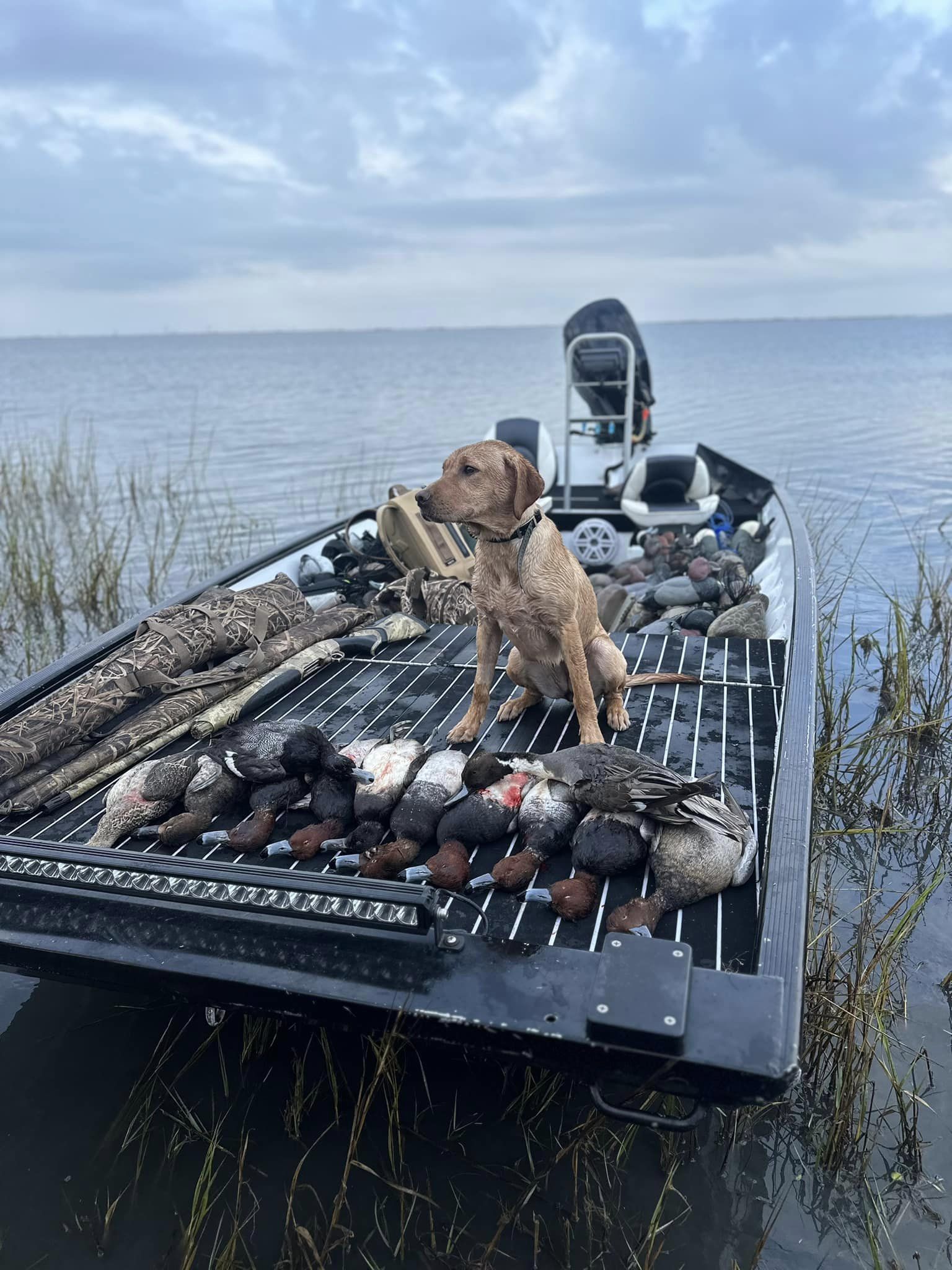
We kick things off at 6 AM sharp – and trust me, you don't want to be late when the ducks are moving. The Corpus Christi marshes and coastal ponds are alive with activity in those early morning hours, and that's when we want to be set up and ready. Your hunt runs 3-4 hours depending on bird movement and how the shooting goes. We keep groups small – maximum of 4 hunters – so everyone gets plenty of opportunities and we can move quietly through the terrain. You'll need to bring your hunting license, shotgun, and shells. Everything else, from decoys to calling, we've got handled. The coastal wetlands here offer some of the most consistent waterfowl action in Texas, with birds funneling through on migration routes that have been used for centuries. We're not just sitting in a blind hoping something flies by – we're actively reading the conditions, watching flight patterns, and positioning ourselves where the birds want to be.
Tracking Tips & Terrain
The Corpus Christi area gives us a mix of shallow coastal ponds, tidal marshes, and protected bays that waterfowl absolutely love. We're working with shotguns here, typically 12 or 20 gauge, loaded with steel shot to keep things legal and effective. The terrain can be soggy, so waterproof boots are a must – chest waders if you've got them. We set up in natural cover or portable blinds depending on where the birds are working that morning. The key to success out here is reading wind direction and understanding how these ducks use the tides. When the tide's moving, baitfish get stirred up, and that draws in everything from teal to pintails. We use a combination of mallard decoys, teal decoys, and confidence decoys to create a spread that looks natural from above. Calling is critical – these coastal birds can be educated, especially later in the season, so we keep it realistic. Short quack sequences, feeding chuckles, and comeback calls when birds start to flare. The terrain also means we can move if one spot isn't producing. That flexibility is what separates a good hunt from a great one.
Target Game Breakdown
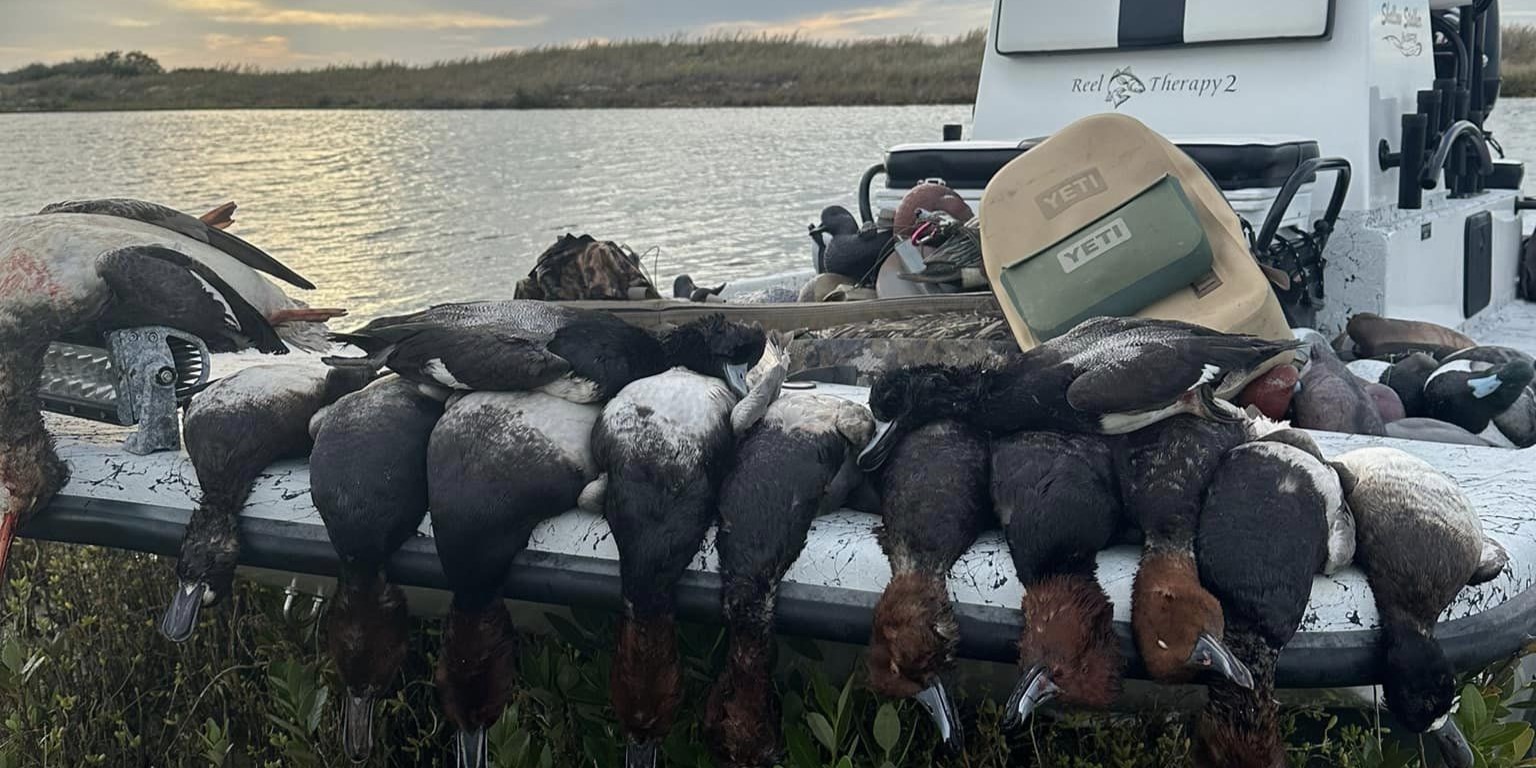
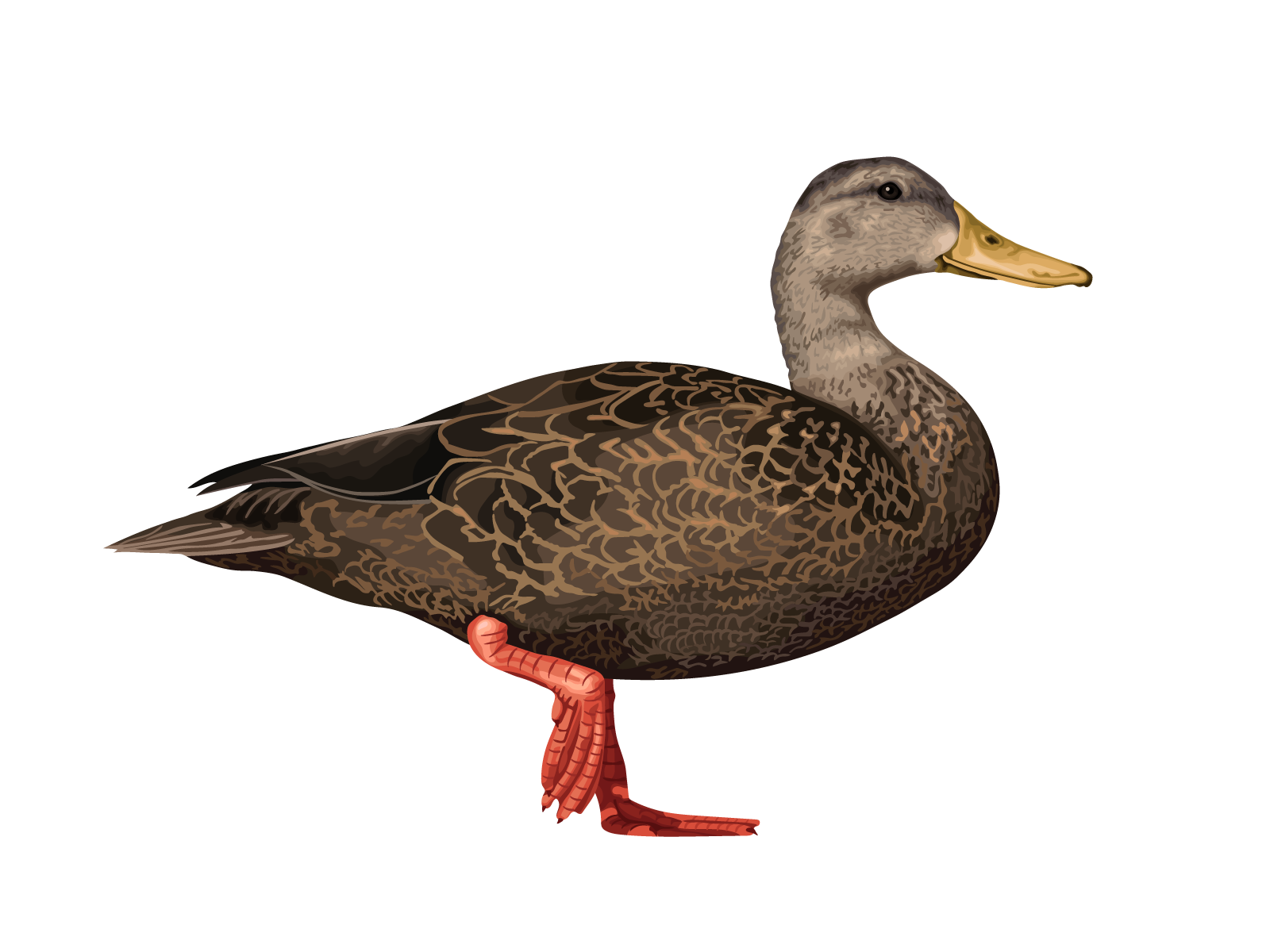
Mottled ducks are the bread and butter of Corpus Christi waterfowl hunting. These year-round residents don't migrate, so they know every inch of this coastline. They're about the size of a mallard hen but with a more mottled brown appearance – hence the name. What makes them special is their wariness. They've been hunted and pressured, so when you connect on a mottled duck, you've earned it. They love the shallow, brackish ponds where they can tip up and feed on aquatic vegetation. Best hunting is early morning when they're moving between roost and feeding areas. Hunters love mottled ducks because they're challenging, they taste fantastic, and they're available all season long.
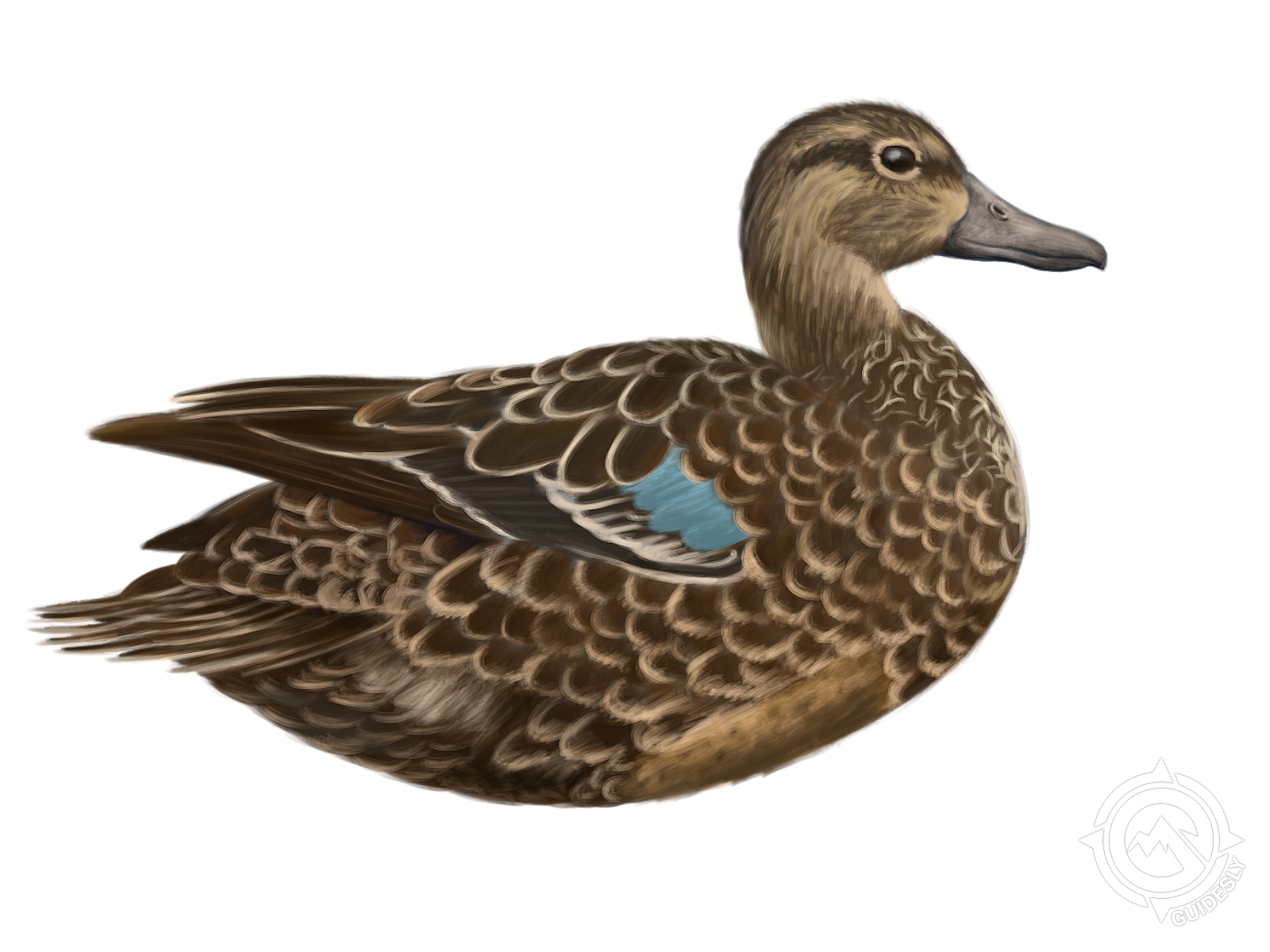
Blue-winged teal are the speed demons of the duck world, and they're absolutely fun to hunt. These small ducks – usually weighing just over a pound – are early migrants that start showing up in good numbers by September. They've got distinctive blue wing patches that flash when they turn, and they fly in tight, fast-moving flocks. When blue-wings commit to the decoys, they come in low and fast, giving you those classic swing shots that separate good shooters from great ones. They prefer shallow water where they can dabble for seeds and invertebrates. The action can be absolutely hot when you find a good concentration of blue-wings, with multiple flocks working the spread throughout the morning.
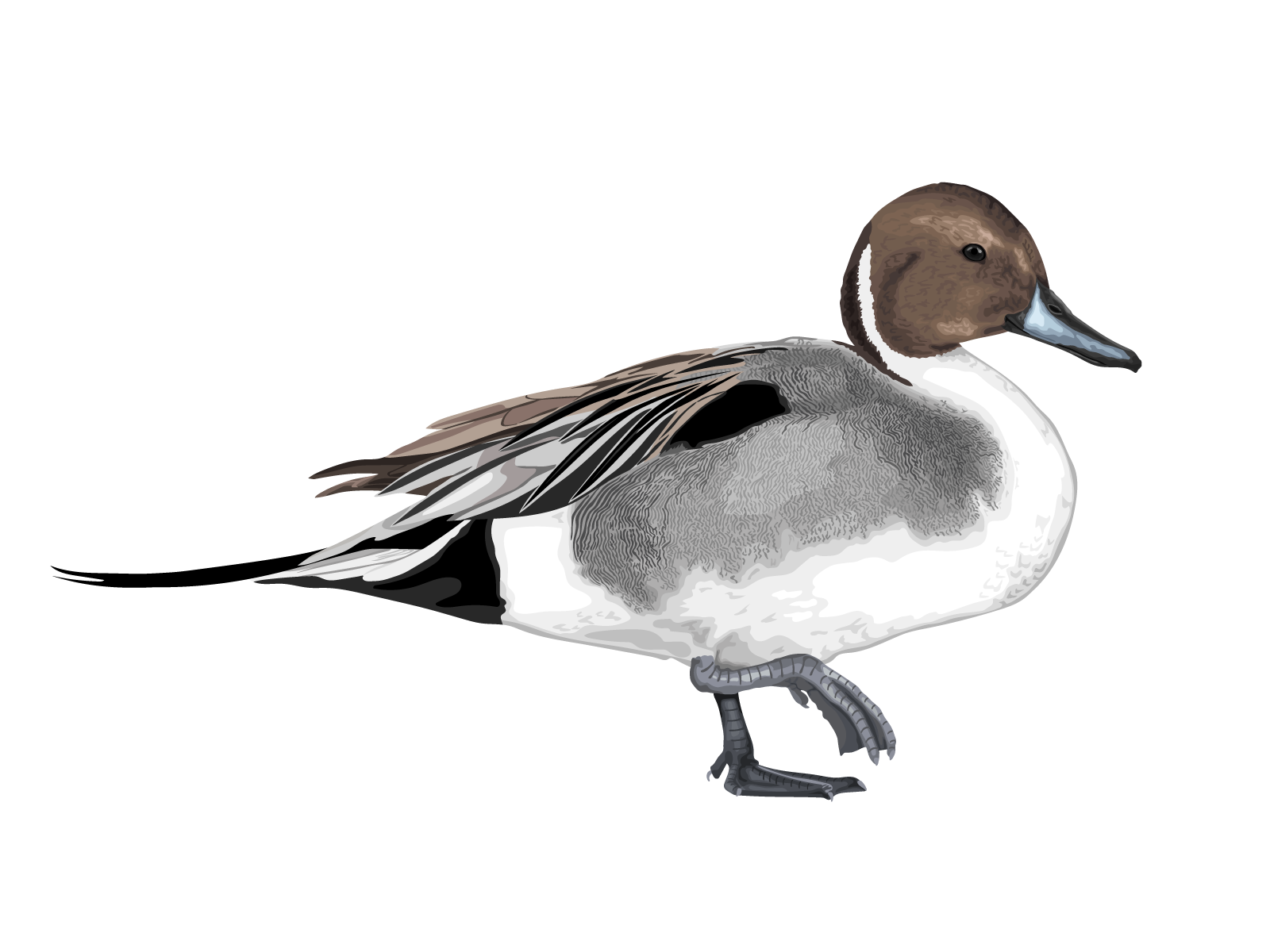
Northern pintails are the aristocrats of the duck marsh – long, elegant necks and that distinctive pointed tail that gives them their name. Drakes are gorgeous birds with chocolate-brown heads and white breast stripes that really stand out. They're typically larger than teal, running 1.5 to 2.5 pounds, and they're strong fliers. Pintails can be picky about decoy spreads, often making several passes before committing. They like open water with good visibility, and they're suspicious of anything that doesn't look right. When they do come in, it's usually in small groups, wings cupped and feet down. They're prized by hunters not just for their beauty but for their excellent table fare.
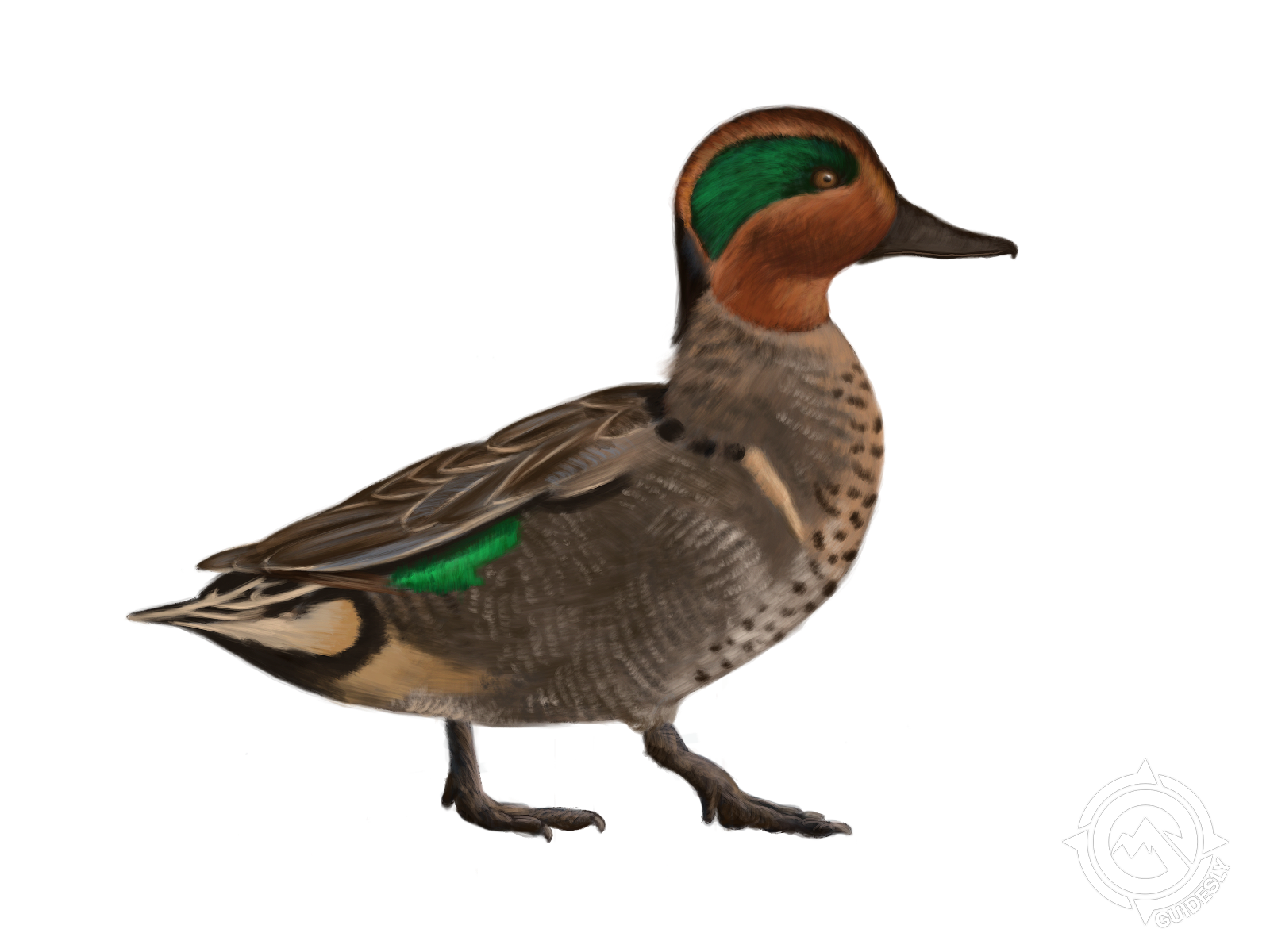
Green-winged teal might be the smallest duck you'll encounter, but they make up for size with attitude and numbers. These little rockets – some barely pushing 12 ounces – are incredibly agile in flight and will test your shooting skills. They've got that distinctive green wing patch and move in flocks that can number in the hundreds during peak migration. Green-wings are less predictable than blue-wings, often buzzing the spread at treetop level before circling back for another look. They're late migrants compared to blue-wings, with peak numbers usually hitting in November and December. Hunters love them because when the action's on, you can have constant shooting as flock after flock works the decoys.
American wigeon, or "baldpate" as old-timers call them, are unique ducks with some interesting habits. Drakes have that distinctive white crown stripe that earned them the baldpate nickname, and they make a soft whistling sound that's unmistakable once you learn it. They're notorious for being "thieves" – they'll follow diving ducks around an
 Private Trip
 Bird hunting
 Corpus Christi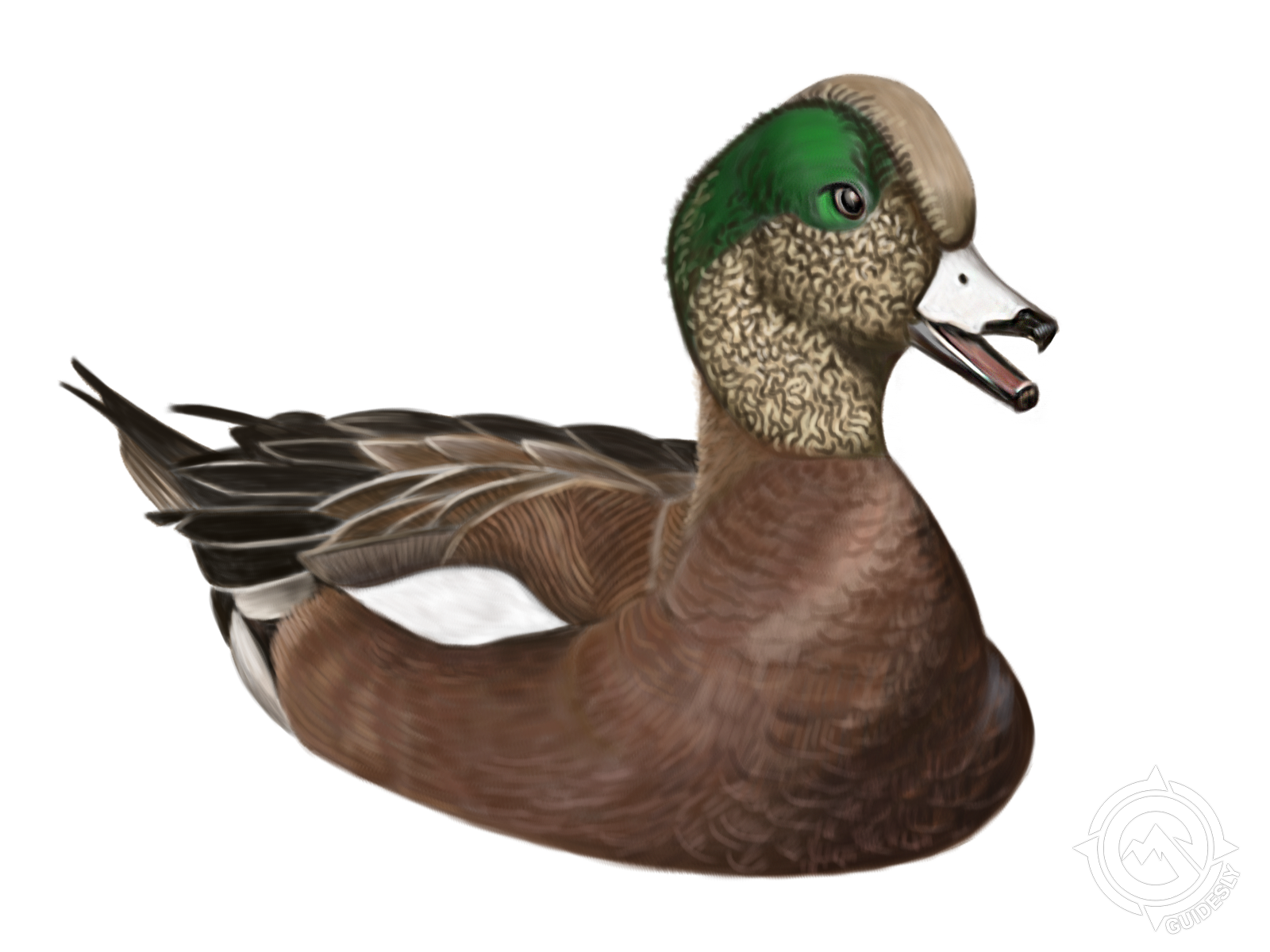
 Early morning waterfowl hunting starts at 6 AM daily