Beginner Crabbing Trip in Astoria, Oregon
If you've ever wanted to try your hand at crabbing but didn't know where to start, this guided trip out of Astoria is exactly what you're looking for. We're talking about hitting the prime spots where the Columbia River meets the Pacific Ocean – some of the best crabbing waters on the entire West Coast. Jack Creek Guided Adventures has been running folks out to these productive grounds for years, and they know exactly where the Dungeness crabs hang out and when they're most active. You'll get hands-on experience pulling pots, learning the ropes, and hopefully heading home with a cooler full of fresh crab. This isn't just a fishing trip – it's your introduction to one of the Pacific Northwest's most rewarding traditions.
What to Expect on the Water
Your day starts at the dock where you'll meet your guide and get fitted with all the gear you'll need. We're talking crab pots, bait, measuring tools, and gloves – everything's provided so you don't need to worry about bringing anything except yourself and maybe a cooler for your catch. The boat heads out to proven spots both in the Columbia River estuary and the nearshore Pacific waters, depending on conditions and where the crabs are running best that day. Your guide will walk you through every step, from baiting the pots to dropping them in the right spots, then coming back to check what you've caught. Most trips accommodate up to six people, but this particular setup is perfect for solo adventurers or couples wanting a more personalized experience. The whole thing is designed to be relaxed and educational – no pressure, just good fishing and learning something new.
Crabbing Techniques & Gear
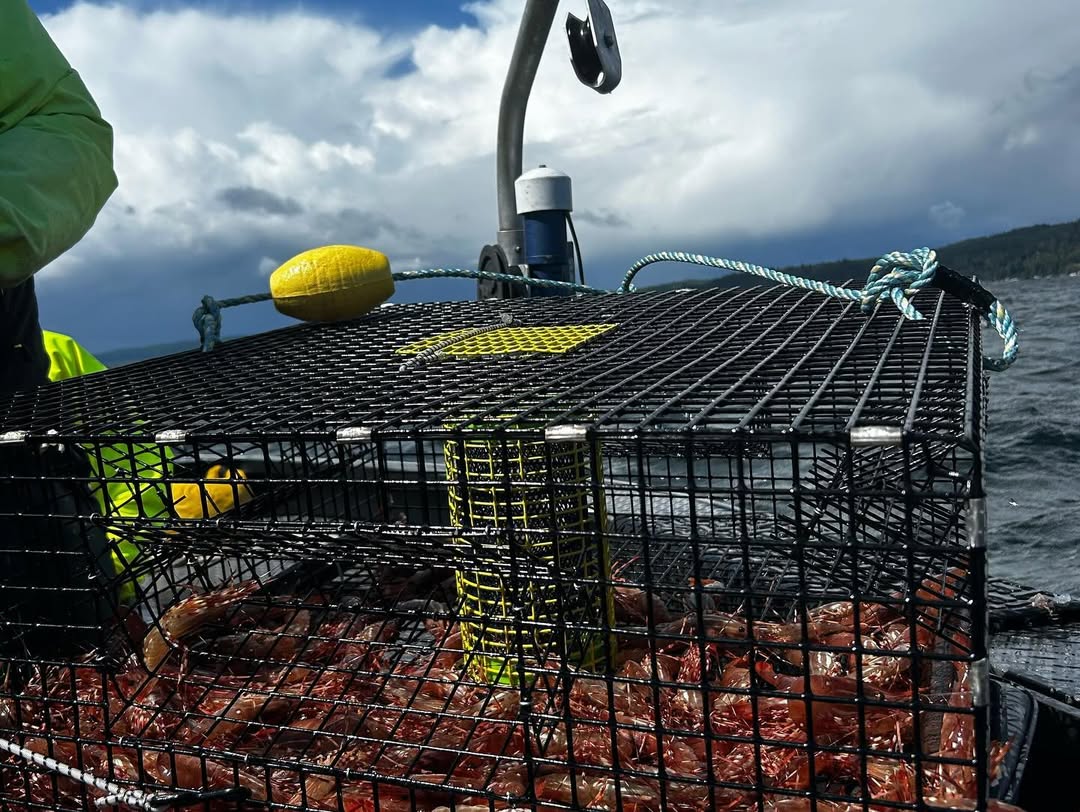
Crabbing is all about location, timing, and patience. Your guide uses heavy-duty crab pots – basically wire cages with bait compartments that sit on the bottom. The key is knowing where to drop them: rocky ledges, sandy flats near structure, and tide lines where crabs move to feed. We're using fresh bait like fish heads, chicken, or razor clams to draw them in. Once the pots are set, they typically soak for 20 to 45 minutes before you pull them up. The real skill comes in reading the water and understanding crab behavior – they're more active during certain tides and weather conditions. Your guide handles the heavy lifting with hydraulic pullers, but you'll get to see what's in each pot and learn how to measure keepers versus throwbacks. Dungeness crabs need to be at least 6.25 inches across the back, and you can only keep males during most of the season. It's hands-on learning that gives you confidence to try crabbing on your own down the road.
Target Species Breakdown
Dungeness crab is the star of the show here in Astoria waters, and for good reason. These brownish-purple crabs are some of the best eating you'll find anywhere, with sweet, tender meat that's prized by seafood lovers worldwide. Male Dungeness crabs can grow up to 10 inches across and weigh over 2 pounds, though most keepers you'll catch run between 6.5 and 8 inches. They're most active and best eating from late fall through early spring, when their shells are hard and they're packed with meat. What makes them so fun to catch is their aggressive feeding behavior – they'll pile into pots when conditions are right, sometimes five or six at a time. The excitement of pulling up a pot full of legal-sized males never gets old, and guests love the immediate reward of knowing they're taking home dinner. Dungeness crabs prefer sandy and muddy bottoms where they can bury themselves, but they venture onto rocky areas to feed, which is where smart crabbers intercept them. The Astoria area is particularly productive because of the mix of fresh and salt water, plus all the baitfish and other food sources that attract crabs year-round.
Time to Book Your Spot
This beginner-friendly crabbing trip gives you everything you need for a successful day on the water without any of the guesswork. Your guide handles the technical stuff while you focus on learning and having a good time. The combination of productive waters, expert instruction, and top-notch equipment makes this a customer favorite for folks wanting to experience Pacific Northwest crabbing at its finest. You'll leave with practical knowledge, hopefully some fresh crab for dinner, and stories worth telling. Keep in mind that deposits are non-refundable, so make sure you're committed to your dates. The season runs best from December through August, with spring being particularly productive as crabs move into shallower water. Whether you're visiting Astoria or you're a local who's always wanted to try crabbing, this trip takes all the intimidation out of getting started and sets you up for success on future outings.
 Shared Trip
 River Fishing
 Portland
 Beginner-friendly Dungeness crab fishing on Columbia River and Pacific Ocean