Wildlife Tours at Jamaica Bay Refuge
Picture this: you're floating through one of New York's best-kept secrets, watching ospreys dive for fish while Manhattan's skyline shimmers in the distance. That's exactly what you get with Karen Ann Charters' eco tours through Jamaica Bay Wildlife Refuge. At $150 per hour, this top-rated wildlife experience gives you front-row seats to nature's daily show, all from the comfort of our 2091 Maritime Skiff. With just 4 guests max per tour, you'll get personal attention from guides who know these waters like the back of their hand.
What to Expect on the Water
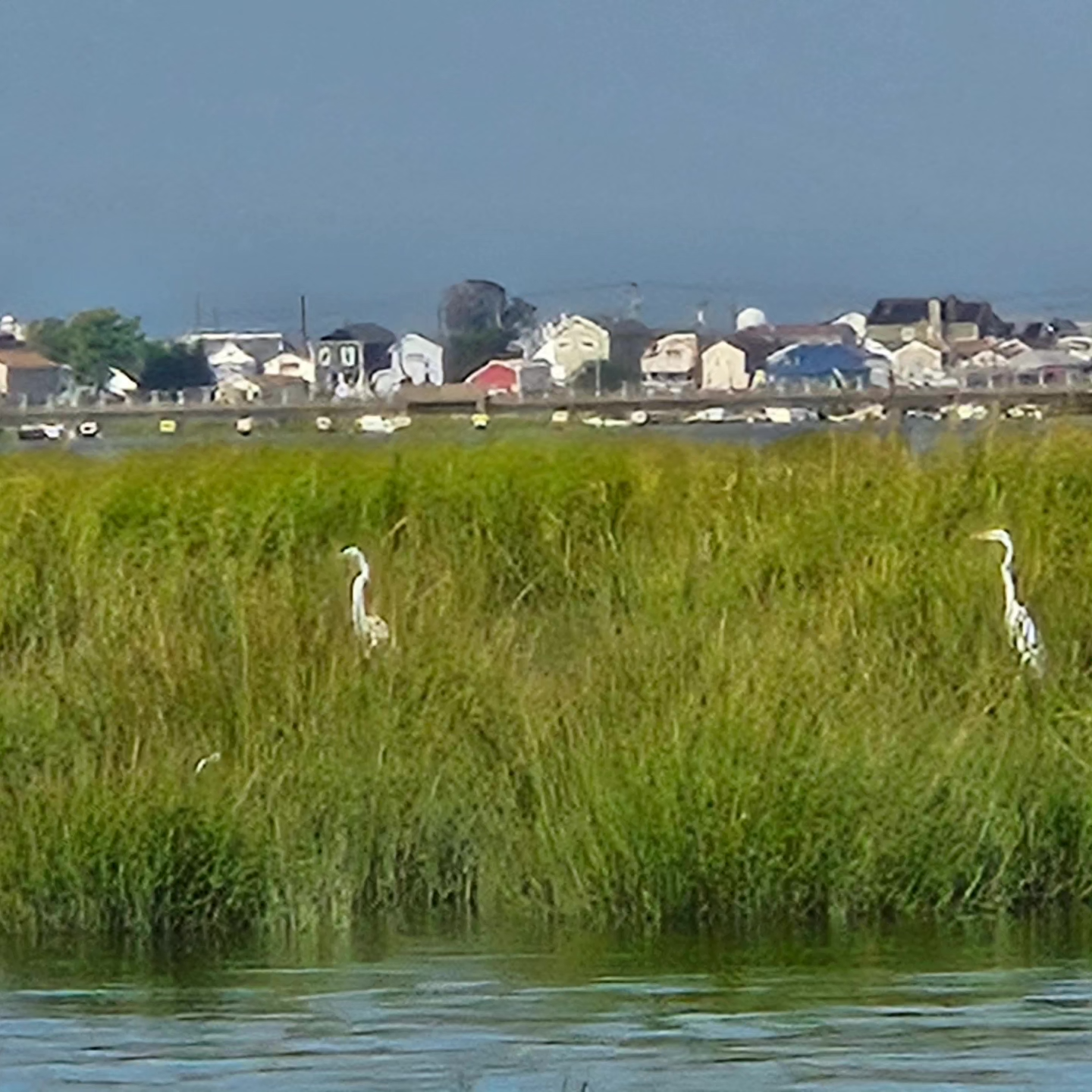
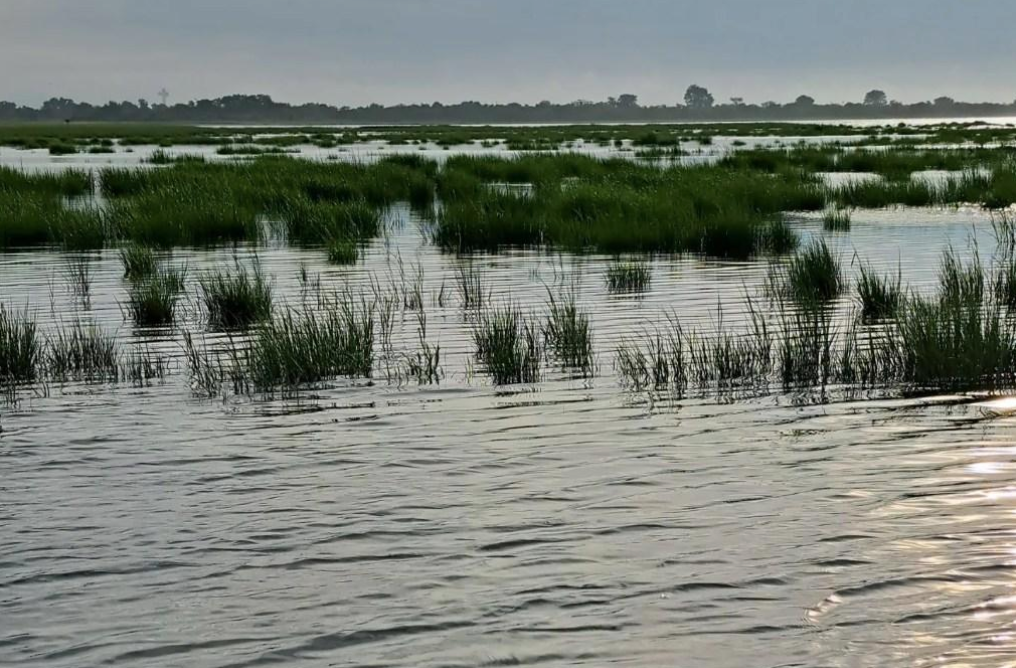
Jamaica Bay Wildlife Refuge isn't your typical city park - it's a legitimate wildlife hotspot that happens to sit right in NYC's backyard. Our tours wind through salt marshes where great blue herons stand statue-still, waiting for the perfect moment to strike. You'll cruise past tidal flats that transform twice daily with the rhythm of the tides, creating feeding grounds that draw birds from hundreds of miles away. The freshwater ponds are another highlight, especially during migration season when you never know what might drop in for a rest. Our guides have been running these waters for years, so they know exactly where to position the boat for the best wildlife viewing. The 2091 Maritime Skiff is perfect for this kind of work - shallow draft means we can get into spots bigger boats can't reach, and it's stable enough that you can focus on your binoculars instead of worrying about balance.
Navigation & Wildlife Spotting
The beauty of boat-based wildlife tours lies in the mobility and vantage point you get from the water. We follow the tidal channels that crisscross the refuge, timing our route to match wildlife activity patterns. Early morning tours catch the dawn chorus when birds are most active, while afternoon trips often reward us with raptors riding thermals overhead. The Maritime Skiff's quiet electric trolling motor lets us approach wildlife without spooking them - crucial when you want to watch natural behaviors unfold. Our guides use polarized sunglasses and high-quality optics to spot wildlife before guests even know to look, then position the boat for optimal viewing angles. We carry field guides and identification cards onboard, plus a few pairs of backup binoculars for anyone who forgets theirs. The shallow waters mean we're always close to the action, whether that's sandpipers working the mudflats or diamondback terrapins basking on fallen logs.
Wildlife You'll Want to See
Ospreys are the absolute stars of Jamaica Bay, and watching one hunt is pure magic. These fish hawks hover 50-100 feet above the water before folding their wings and plummeting talons-first into the bay. What makes it even better here is that ospreys nest on platforms throughout the refuge, so during breeding season (April through August) you'll see courtship flights, nest-building, and parents bringing fish back to hungry chicks. They're huge birds - nearly 6-foot wingspan - but surprisingly graceful. The best part about osprey watching at Jamaica Bay is the consistency; these aren't just passing through, they're residents who've figured out this urban refuge provides better fishing than most "wild" places.
Great egrets are another customer favorite, and for good reason. These elegant white birds stand nearly 3 feet tall and move with the patience of a master fisherman. During our tours, you'll watch them wade slowly through shallow water, necks coiled like springs ready to strike. When they spot prey, that lightning-fast strike happens so quickly most people miss it on the first try. Spring brings courtship displays where males grow long, flowing plumes and perform elaborate dances. What's fascinating about egrets at Jamaica Bay is how they've adapted to the urban environment - they're less skittish than their rural cousins, giving tour groups better opportunities for close observation and photography.
Double-crested cormorants might not win beauty contests, but they're absolutely fascinating to watch underwater. These diving birds disappear beneath the surface for 30-60 seconds, popping up yards away with fish crosswise in their bills. After fishing, they perch on posts and pilings with wings spread wide to dry - cormorant feathers aren't fully waterproof like duck feathers, which actually helps them dive deeper. At Jamaica Bay, we see them year-round, but fall migration brings impressive numbers as northern populations head south. Kids especially love watching cormorants because they're active and unpredictable - you never know where they'll surface next.
Time to Book Your Spot
Jamaica Bay Wildlife Refuge offers world-class wildlife viewing just minutes from JFK Airport, making it perfect for both locals and visitors looking to experience New York's wild side. Our small-group eco tours provide intimate access to ecosystems most people never knew existed in the city. The $150 per hour rate covers expert guiding, comfortable boat transportation, and wildlife identification assistance that transforms a simple boat ride into a genuine learning adventure. With only 4 guests per trip, you'll have plenty of opportunities to ask questions and get personalized attention from guides who are genuinely passionate about this special place. Whether you're a serious birder or just curious about urban wildlife, these tours deliver authentic nature experiences that rival anything you'll find in remote wilderness areas. Book your spot with Karen Ann Charters and discover why Jamaica Bay has become a trending destination for wildlife enthusiasts from around the globe.
 Private Trip
 Wildlife
 New York City
 Guided boat tours through Jamaica Bay's diverse ecosystems