Key Largo Private Dive Charters | Turtle Hopper
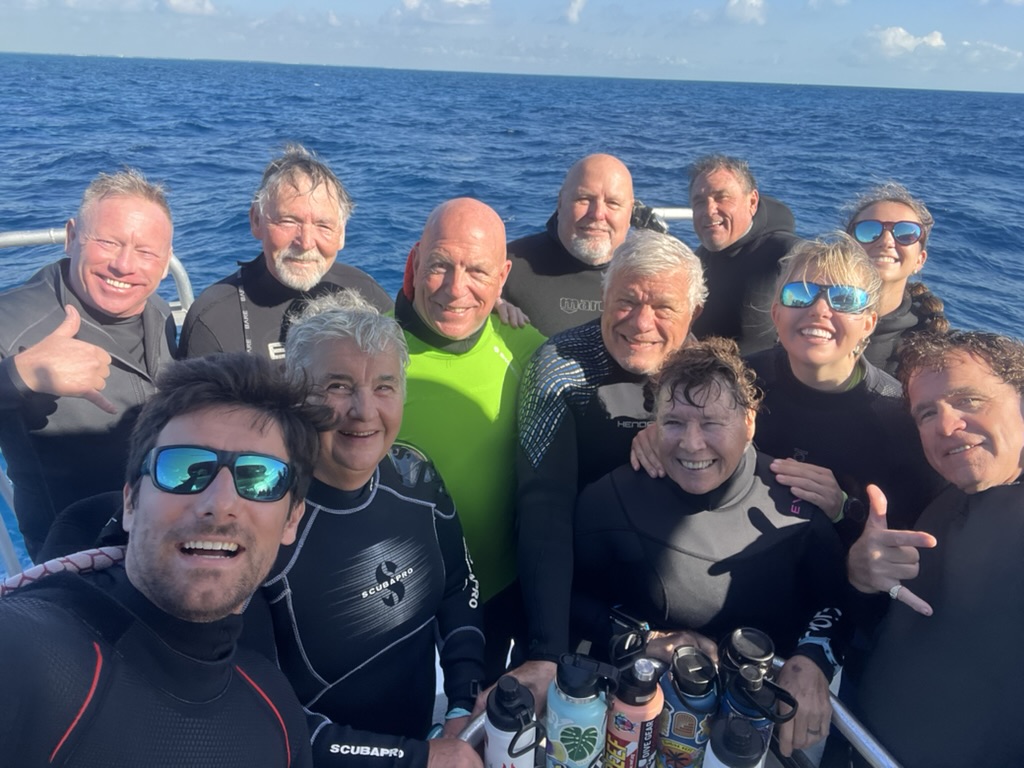
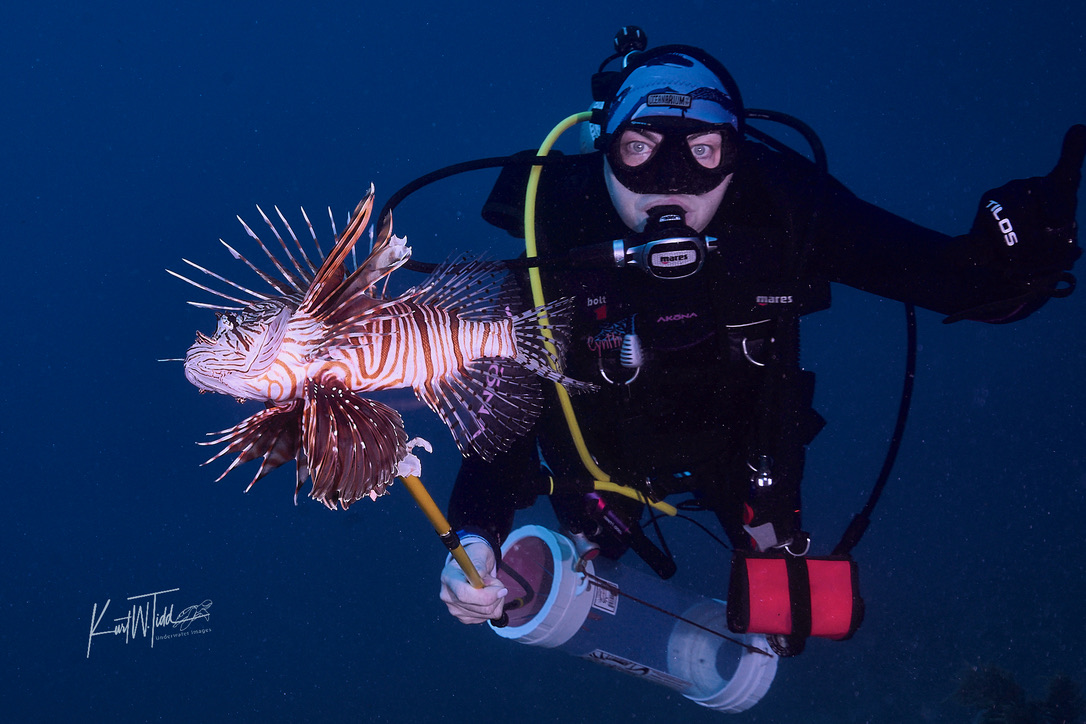
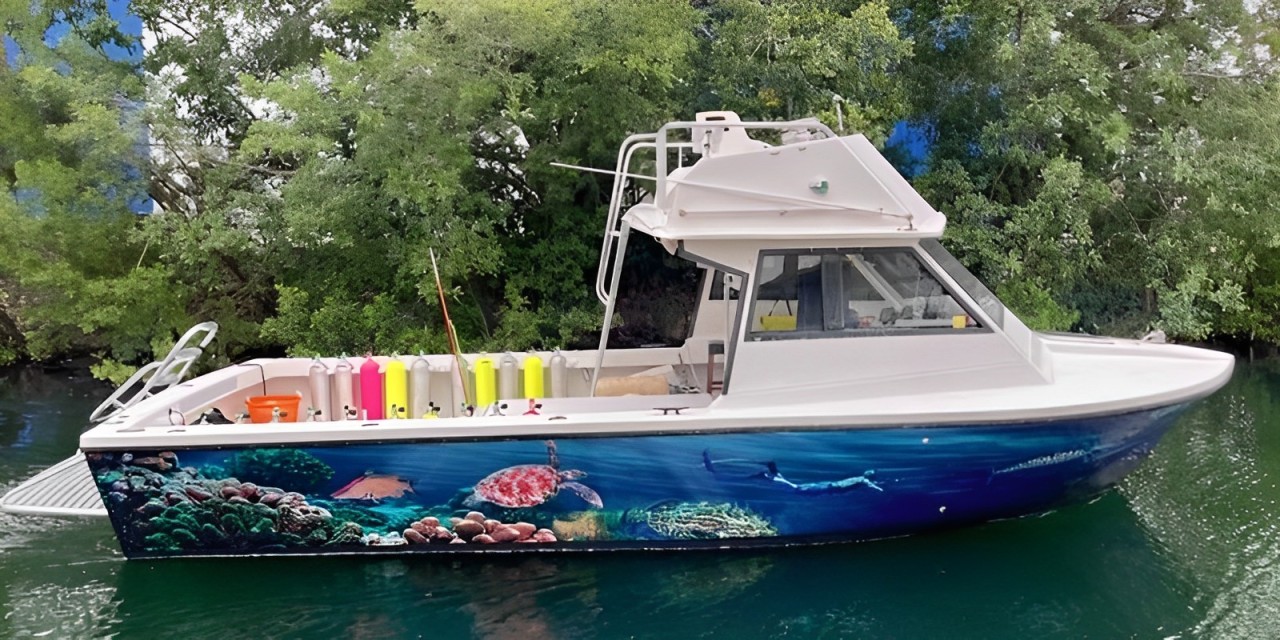
Looking for a dive experience that's completely yours? Key Dives' private charters aboard the Turtle Hopper give you and up to five buddies the freedom to explore Key Largo's underwater world exactly how you want. Whether you're celebrating a birthday, planning a bachelor party, or just want to avoid the crowds, this custom charter puts you in control. Your captain and dive guide work with you to craft the perfect day—hit the reefs for some serious bottom time, cruise to a wreck for exploration, or mix in some snorkeling and spearfishing. The Upper Florida Keys serve up some of the clearest water and healthiest reefs in the continental U.S., making every dive here a winner.
Beneath the Surface
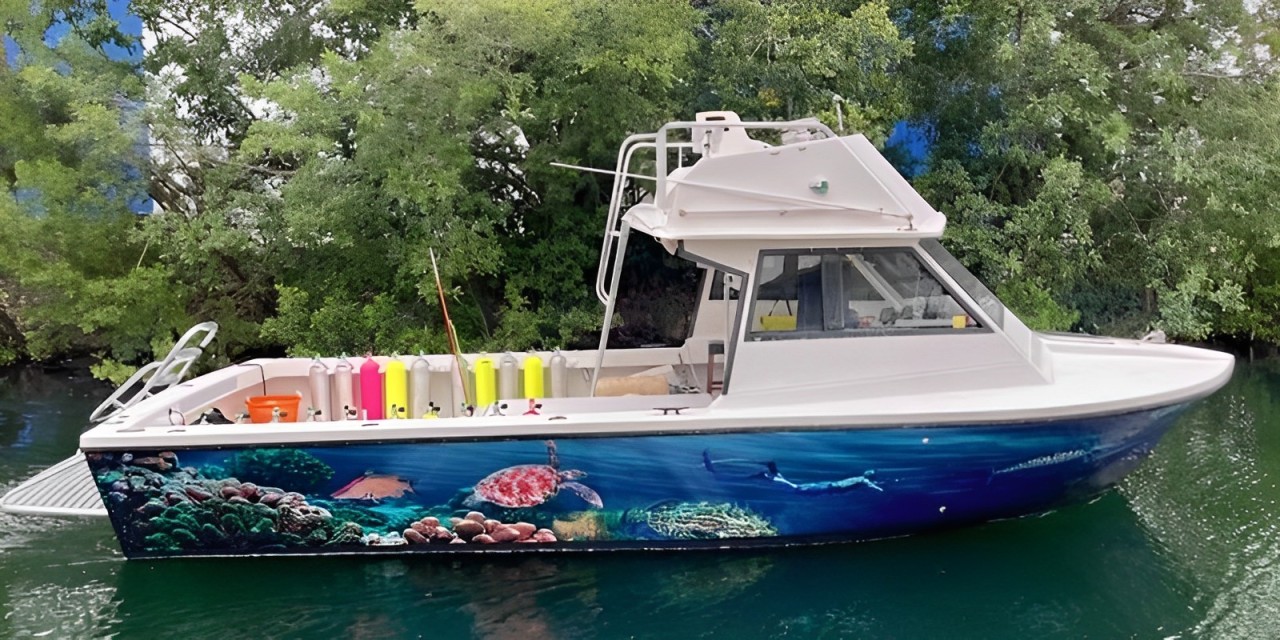
The Turtle Hopper isn't your typical cattle boat—she's built for small groups who want quality over quantity. With room for six divers max, you get personalized attention that bigger operations just can't match. Your dive guide knows these reefs like the back of their hand and tailors each site to your group's skill level and interests. First-timers get easy drift dives over shallow patch reefs, while advanced divers can explore deeper wrecks like the Duane or Bibb. The boat's setup makes gear handling a breeze, with plenty of space to suit up without bumping elbows. Most charters run two tank dives, but since it's your boat, you call the shots. Want three tanks? Done. Prefer a long surface interval for lunch and swimming? No problem. The flexibility here beats any scheduled trip hands down.
Dive Brief & Gear Info
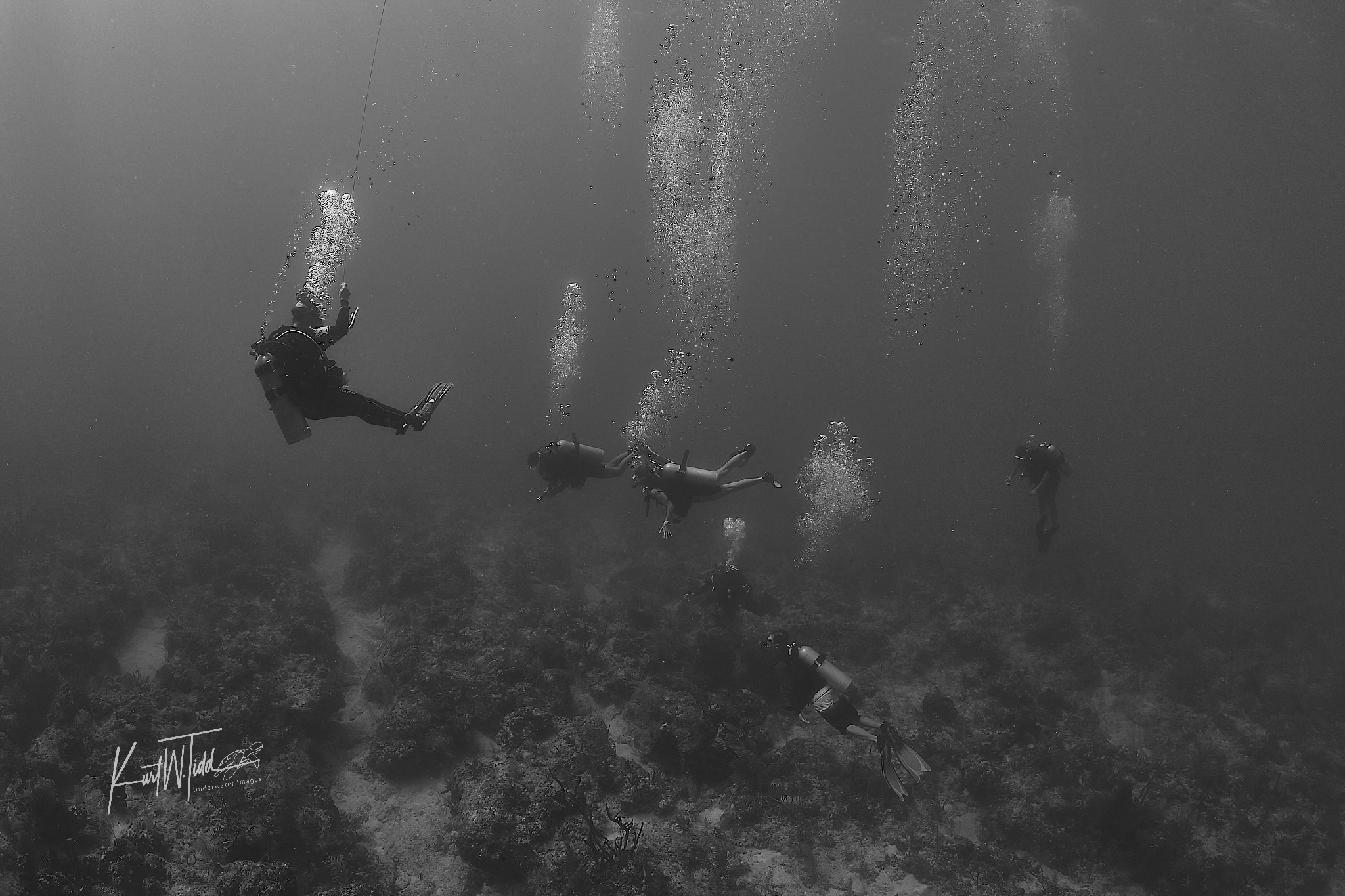
Key Dives provides all the essential gear—tanks, weights, and basic equipment—but serious divers usually bring their own masks, fins, and regulators for the best fit. The crew gives detailed briefings before each dive, covering entry and exit procedures, underwater communication signals, and what marine life to watch for. Most sites here feature gentle currents perfect for easy drift diving, where you just go with the flow while the boat follows your bubbles. Water temps hover around 78-82°F year-round, so a 3mm wetsuit keeps most divers comfortable, though some cold-water folks prefer 5mm suits during winter months. Visibility typically runs 60-100 feet, sometimes pushing even further on calm days. The reef structure varies from shallow turtle grass beds at 15 feet to dramatic spur-and-groove formations dropping to 40+ feet. Each site offers something different—whether you're into macro photography hunting for nudibranchs or want to see bigger pelagics cruising the blue water beyond the reef edge.
Marine Life You'll See
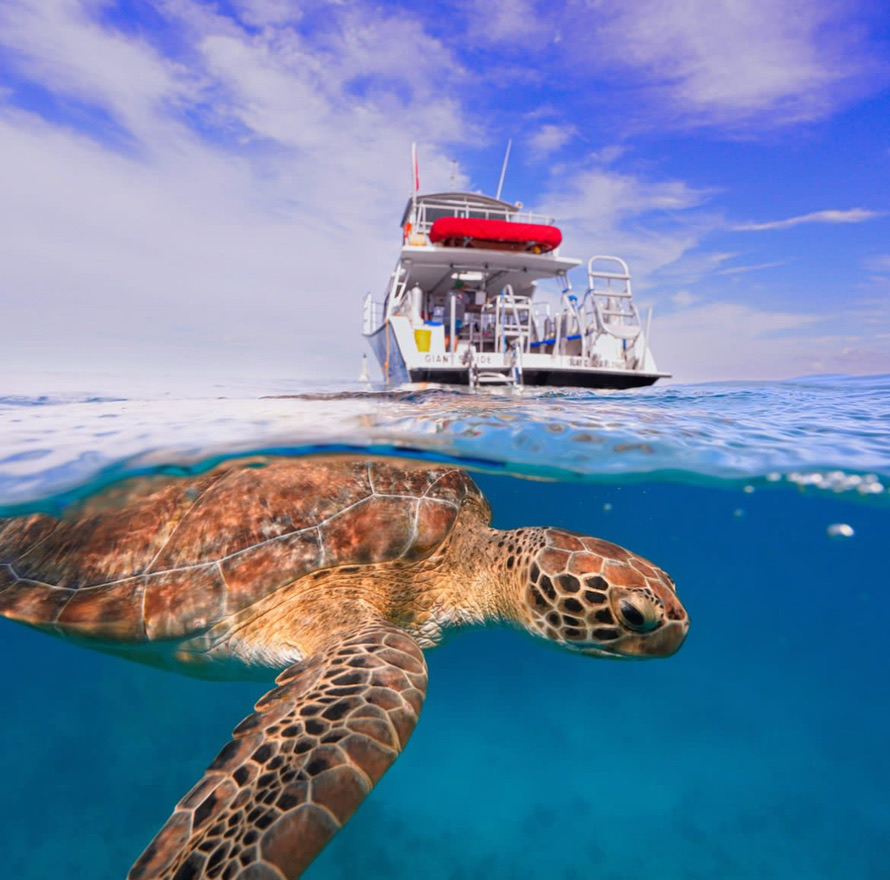
Green sea turtles are the real stars of Key Largo diving, and spotting one never gets old. These gentle giants hang out at cleaning stations where small fish pick algae off their shells, creating perfect photo opportunities. They're most active during morning dives when they're feeding on turtle grass beds. Adults can reach 300+ pounds and aren't spooked easily if you approach slowly and keep your distance. The best turtle encounters happen at sites like Molasses Reef and French Reef, where resident turtles know divers aren't a threat. Seeing one glide effortlessly through the water column while you struggle with buoyancy puts your place in the ocean into perspective—humbling and amazing at the same time.
Grouper populations have bounced back strong thanks to marine protected areas, and encounters with massive goliath grouper are becoming common again. These prehistoric-looking fish can exceed 400 pounds and aren't afraid of divers—they're curious and often approach closely, especially around wrecks where they claim territory. Smaller black grouper and gag grouper hide in reef crevices, ambushing passing prey with lightning-fast strikes. The sound of a big grouper's mouth opening creates an audible "thump" underwater that always gets divers' attention. Photography enthusiasts love grouper shots because these fish hold still and pose naturally, unlike skittish reef fish that dart away at the first camera flash.
Nurse sharks represent Key Largo's laid-back diving vibe perfectly—they're everywhere but never aggressive. During day dives, you'll find them resting under ledges and in sandy channels, sometimes stacked two or three deep. They're bottom feeders that cruise slowly hunting crustaceans and small fish, making them easy to observe and photograph. Most nurse sharks here run 4-6 feet long, though occasional monsters reach 8+ feet. Night diving brings out their active side as they patrol the reef hunting, but even then they ignore divers completely. First-time shark encounters often happen with nurse sharks because they're so predictable and calm—perfect for building confidence around bigger predators you might meet later.
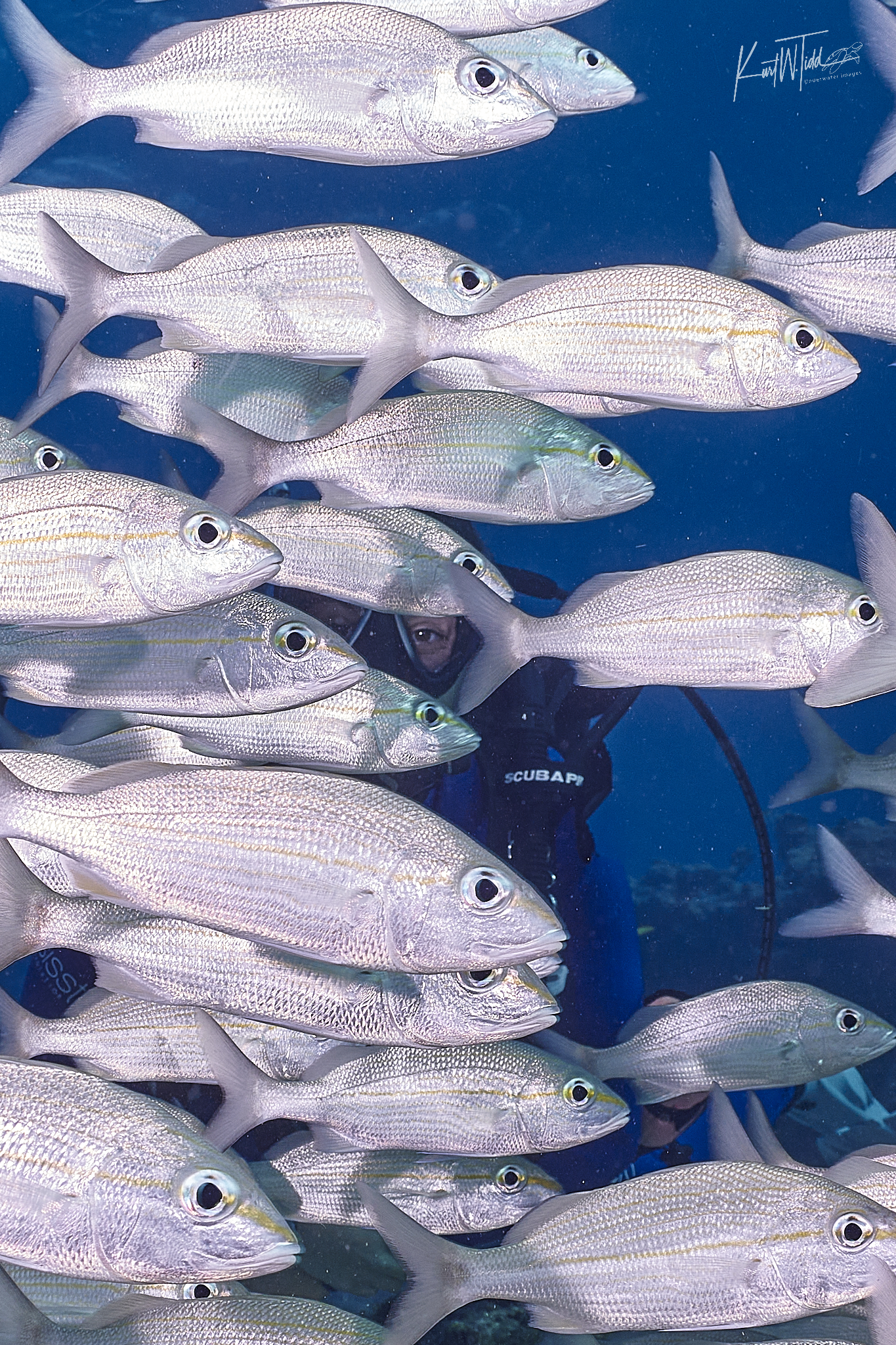
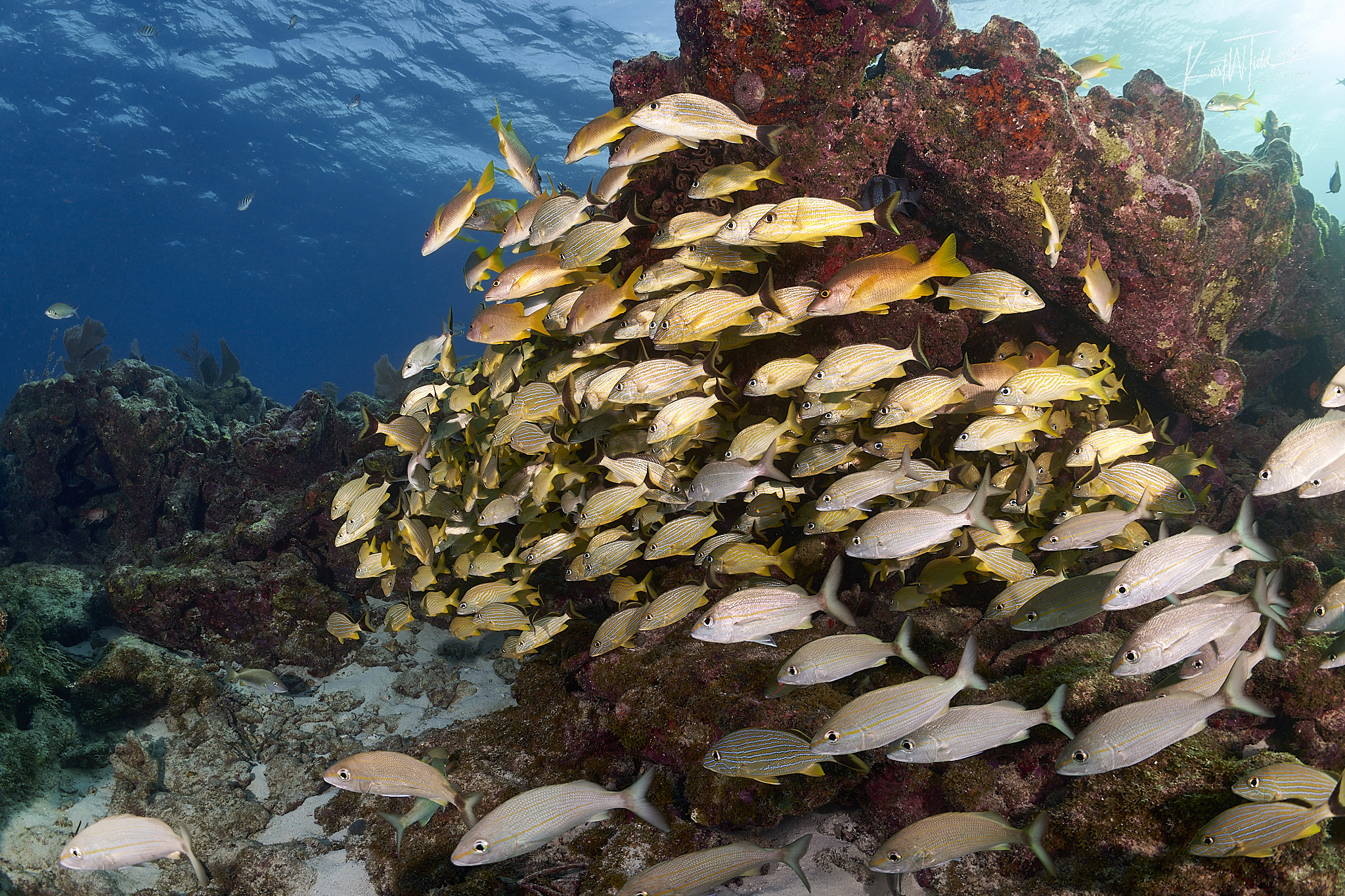
The reef fish diversity here rivals anywhere in the Caribbean, with parrotfish, angelfish, and butterflyfish creating constant motion and color. Stoplight parrotfish crunch coral all day, creating the white sand beaches everyone loves, while queen angelfish patrol territories with regal attitude. Midnight parrotfish sleep in mucus cocoons at night, and finding one during evening dives always creates excitement. Schools of blue tangs and yellowtail snappers follow divers around like underwater paparazzi, especially if you're carrying a camera with strobes. The fish life changes with the seasons—summer brings more tropical strays from the south, while winter concentrates resident species into predictable spots where they're easier to find and photograph.
Plan Your Next Dive
Private charters book up fast, especially during peak season from December through April when northern divers escape cold weather. The Turtle Hopper's six-person capacity means you're not competing with 20+ divers for the best spots on the reef. Your captain adjusts the itinerary based on conditions, wind, and your group's preferences—flexibility that scheduled trips can't offer. Whether you're planning a family reunion, corporate retreat, or just want to dive with your favorite buddies,
 Private Trip
 Scuba Diving
 Islamorada
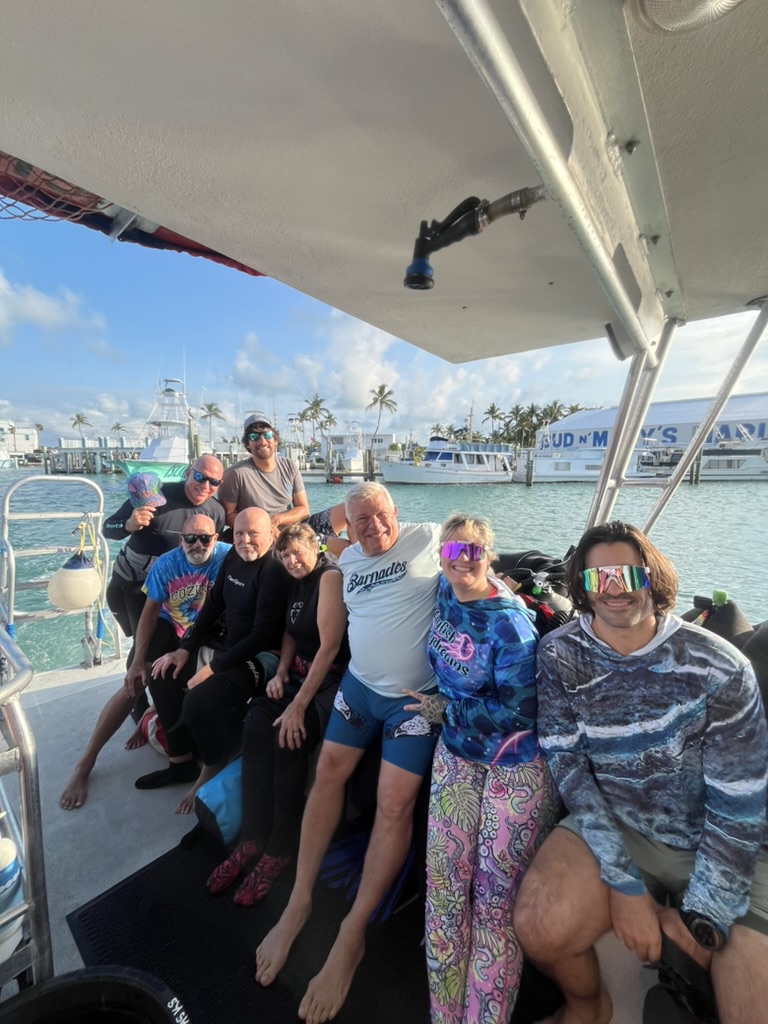
 Private dive charters accommodate up to 6 guests aboard Turtle Hopper