Grouper and Mackerel Trip for Skilled Anglers
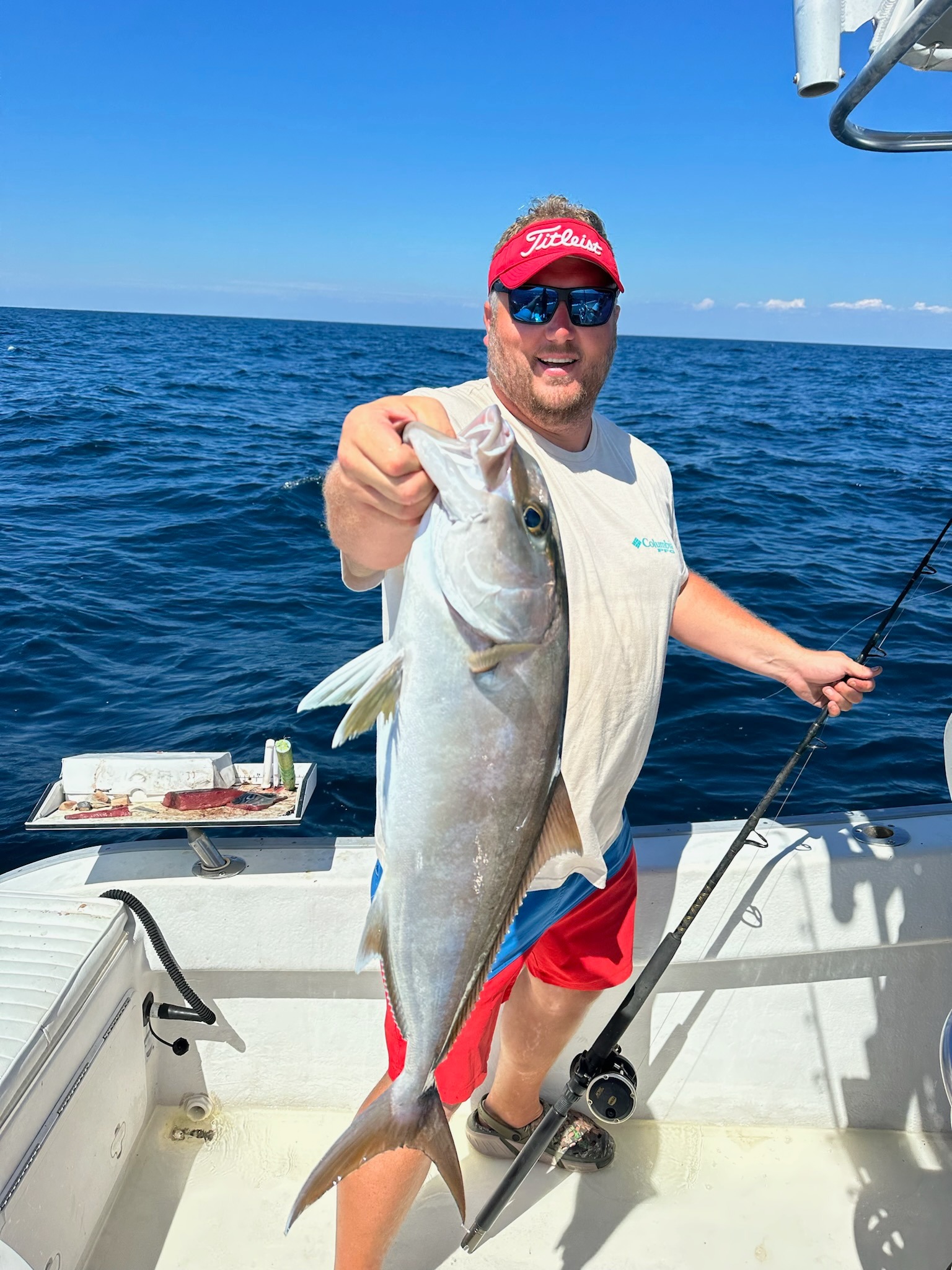
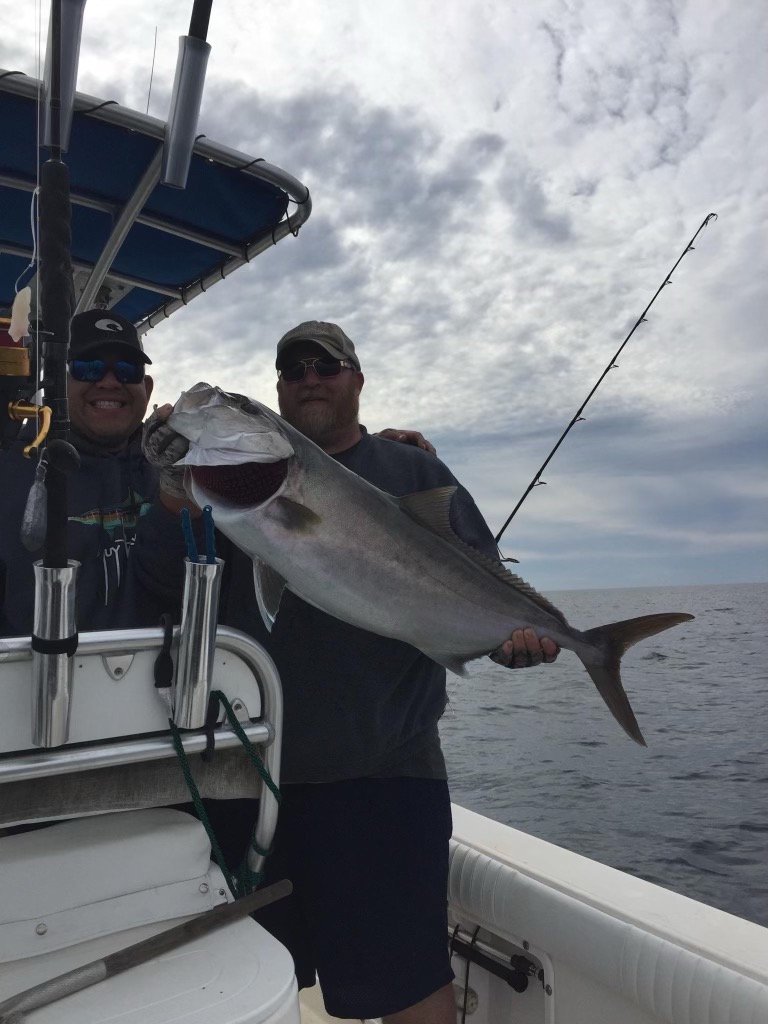
If you're looking for a serious offshore fishing experience in Panama City Beach, this 6-hour charter with Captain Dusty is built for anglers who know their way around a rod. This isn't your typical tourist trip – we're talking about targeting structure-dwelling monsters like Gag and Black Grouper, plus the speed demons of the Gulf like King Mackerel. With only 4 spots available, you'll get the personalized attention and prime fishing real estate that makes all the difference when you're after trophy fish. Captain Dusty's approach focuses on advanced techniques and reading the water like a pro, so come ready to learn and put some serious bend in your rod.
What to Expect on the Water
This trip is all about quality over quantity, and Captain Dusty runs it like a masterclass in offshore fishing. You'll spend your day working productive structure where the big fish live – think rocky ledges, artificial reefs, and drop-offs that hold everything from hefty Grouper to schooling Mackerel. The 6-hour format gives you the flexibility to move between multiple spots, adjusting tactics based on current conditions, bait activity, and what's biting. Don't expect to be spoon-fed here; Captain Dusty will walk you through reading bottom contours, understanding how current affects fish behavior, and fine-tuning your presentations. The small group size means you're not fighting for rod space or the captain's attention when a double-header hits the deck.
Advanced Tactics & Gear
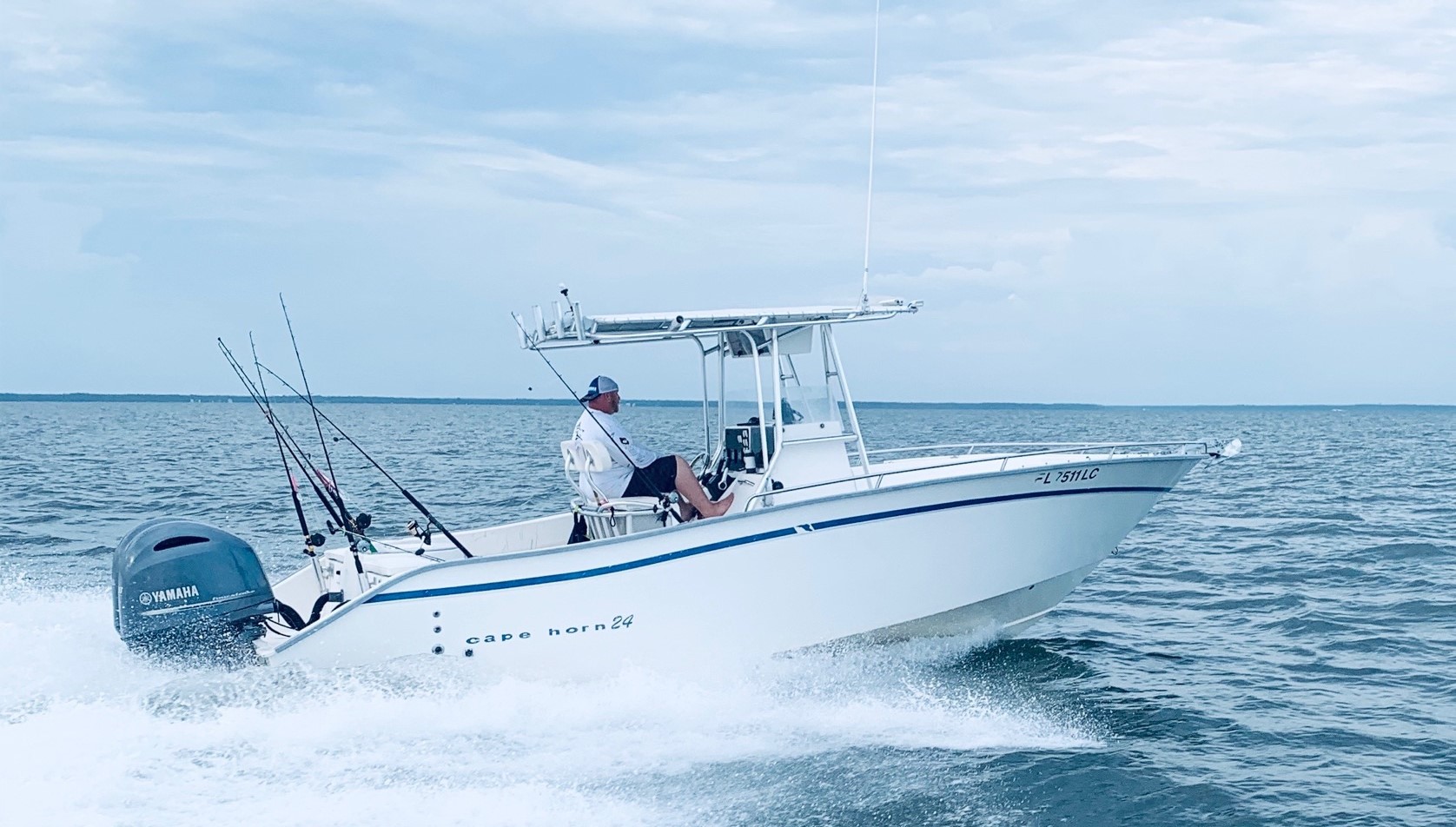
This charter runs on techniques that separate weekend warriors from serious anglers. You'll be working with heavy tackle suited for pulling stubborn Grouper out of rocky structure – think stout conventional reels loaded with 50-80 pound test and hooks sharp enough to penetrate tough jaws. For the Mackerel and pelagics, expect to deploy everything from live bait rigs to high-speed trolling setups with wire leaders. Captain Dusty focuses on teaching you to read your electronics, understand how structure relates to fish positioning, and adjust your drift based on wind and current. You'll learn why a 2-ounce sinker works better than 4 ounces in certain conditions, and how to detect that subtle tap of a Grouper mouthing your bait before it heads back to the rocks. The boat is equipped with quality gear, but bringing your own preferred rods and reels is always welcome.
Top Catches This Season
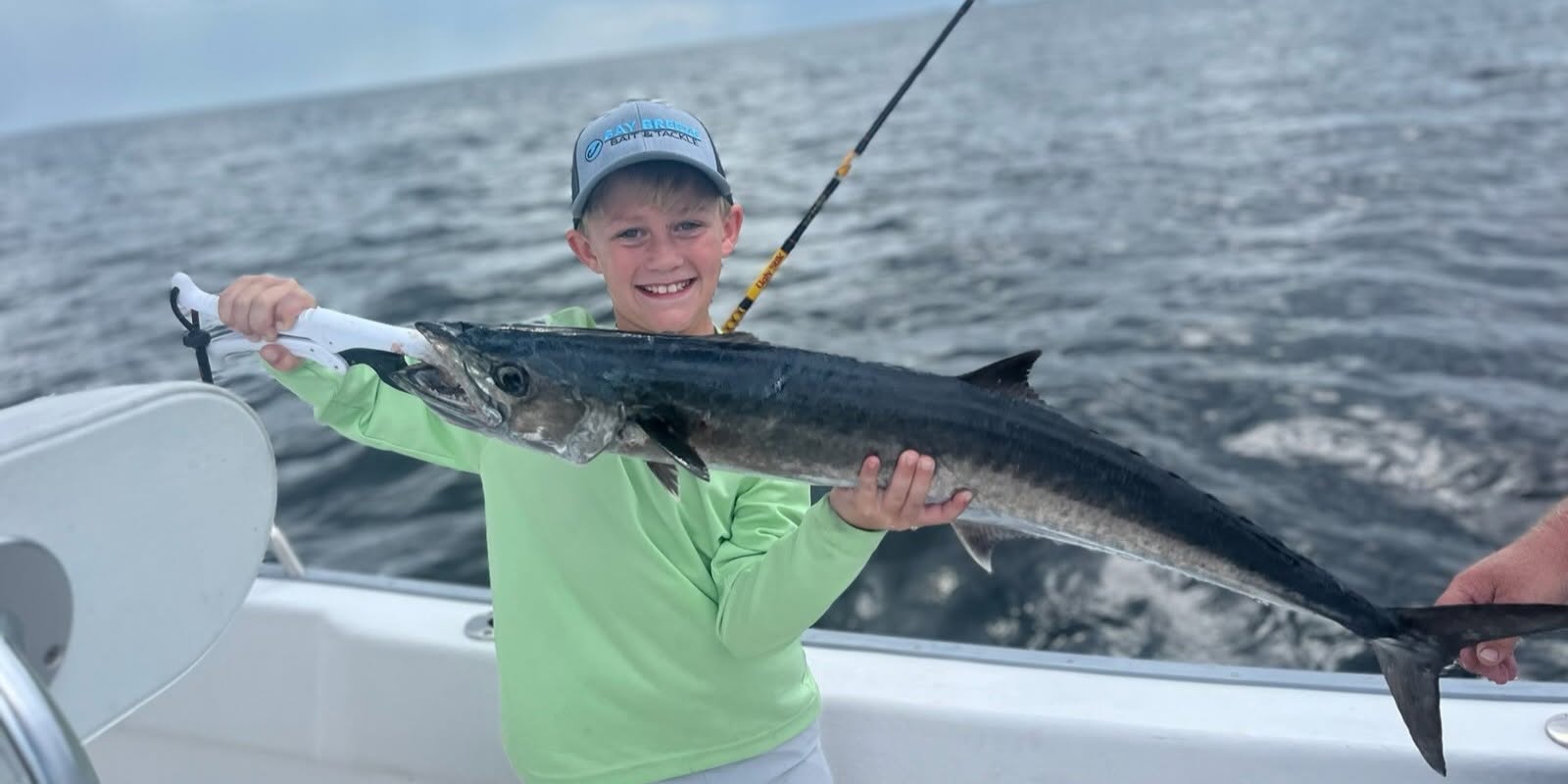
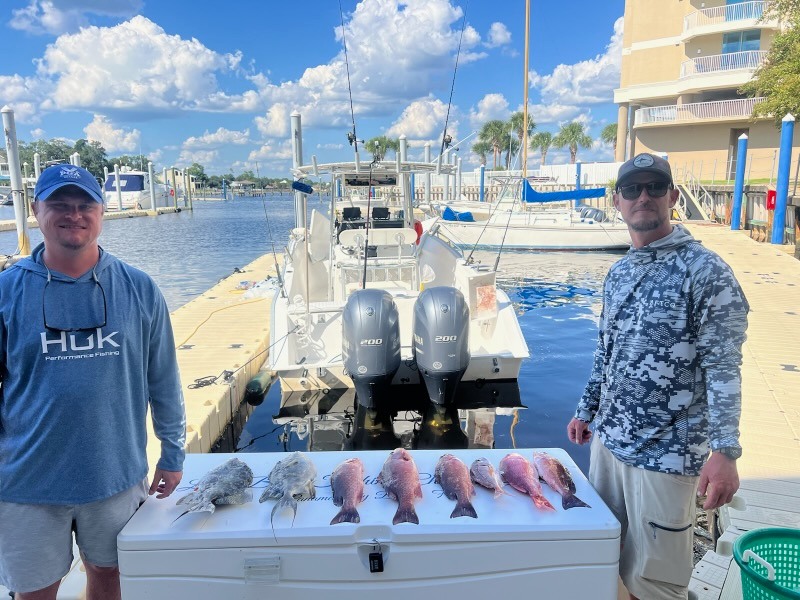
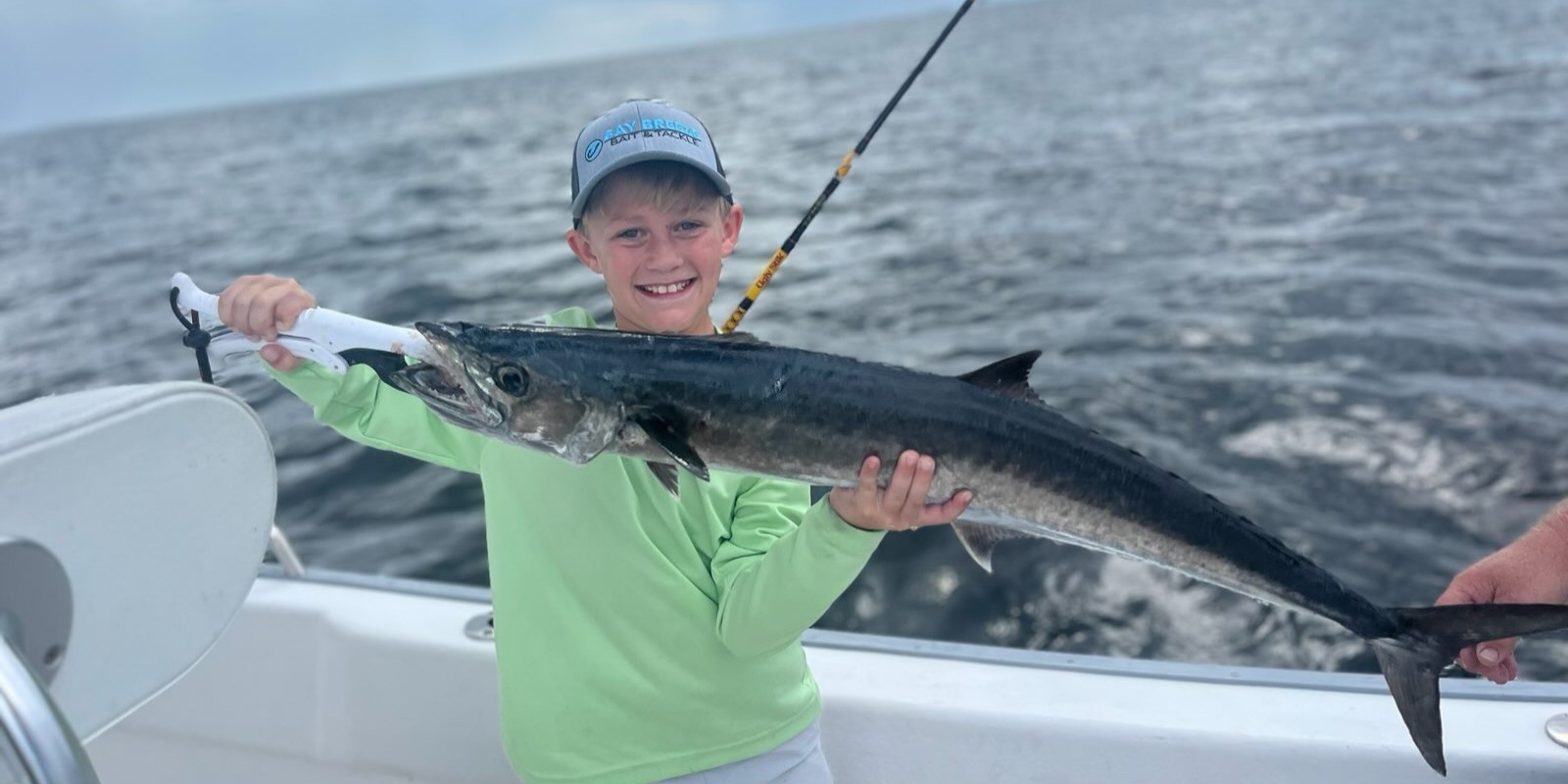
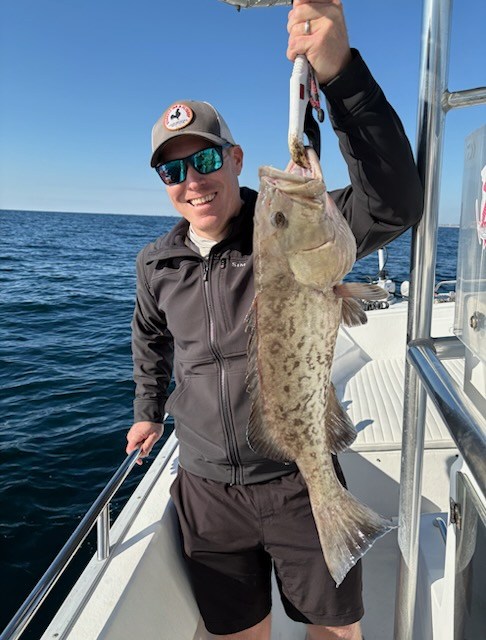
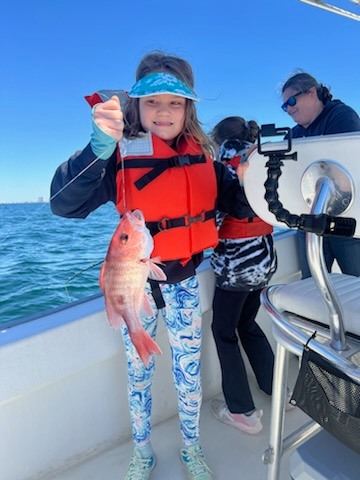
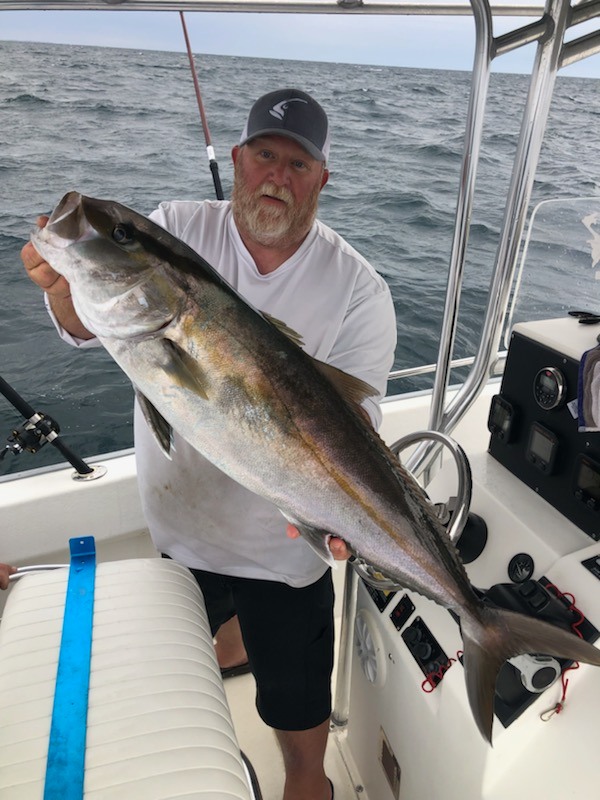
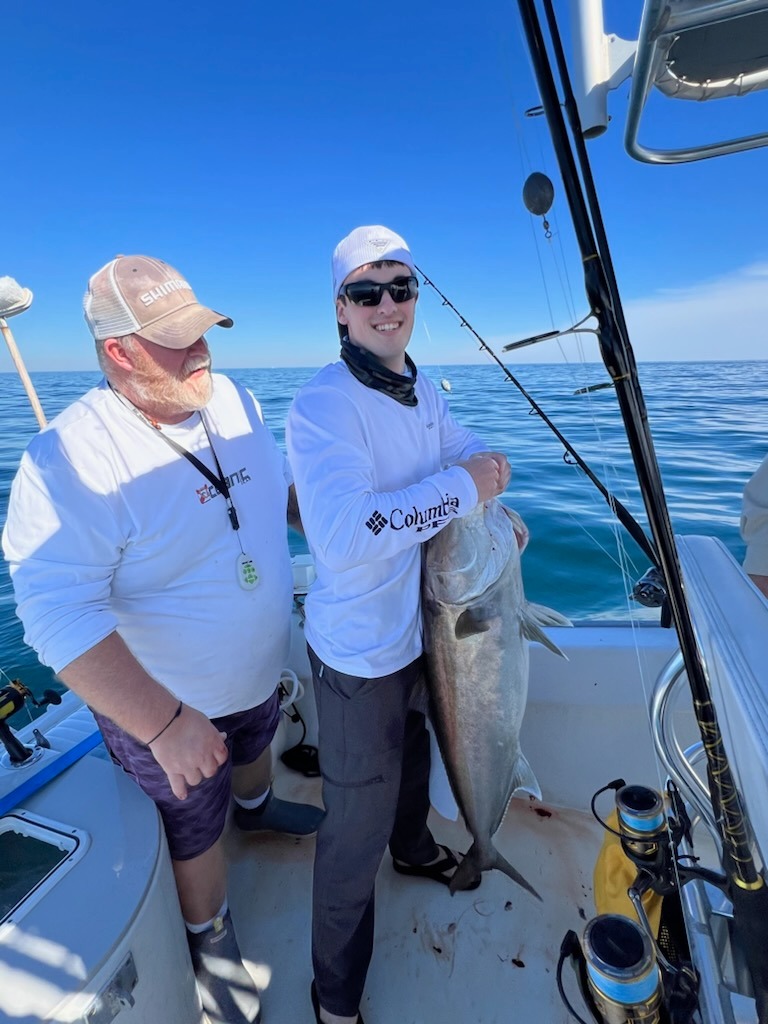
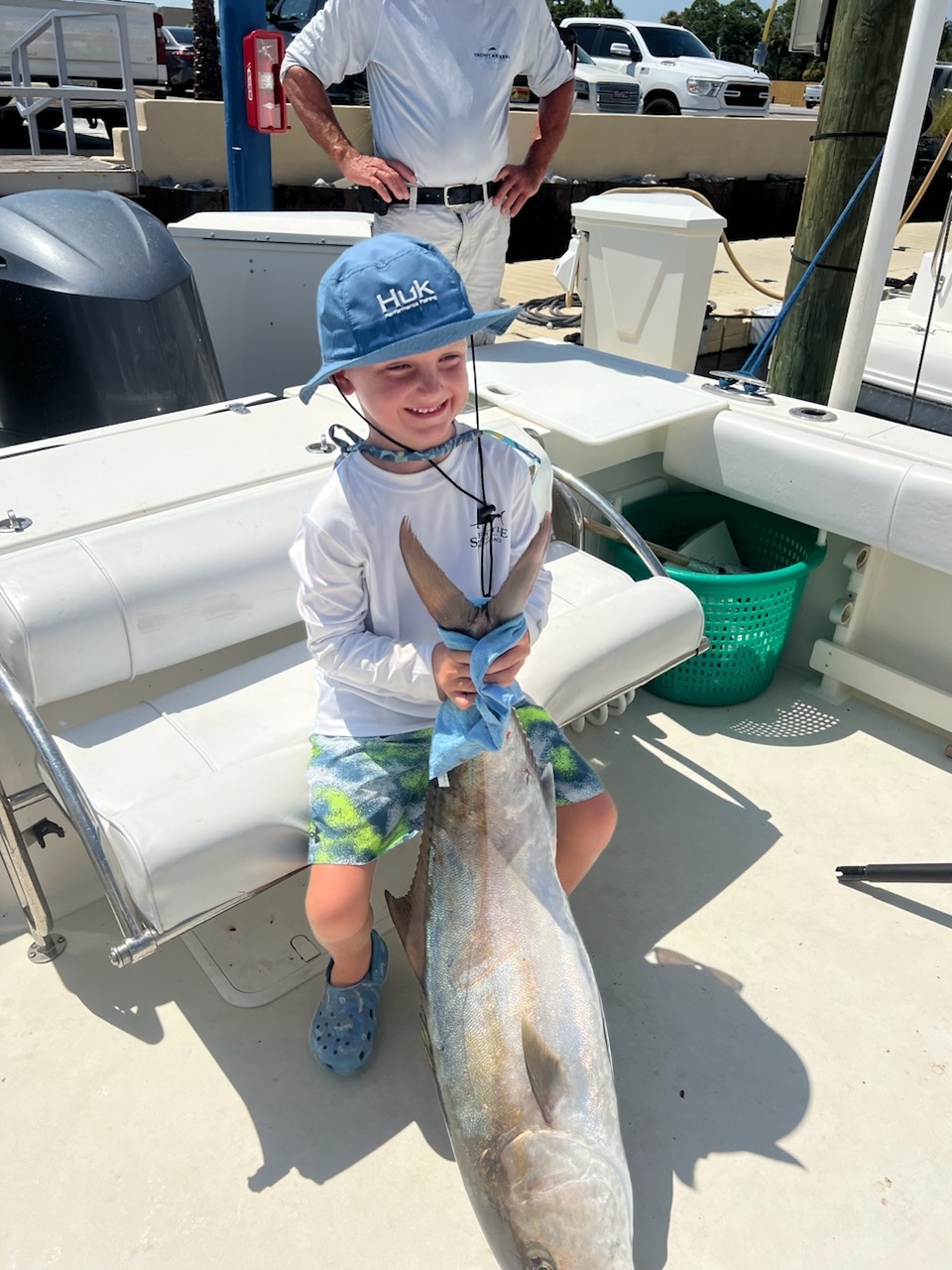
The waters around Panama City Beach consistently produce some of the Gulf's most sought-after species, and this trip targets the cream of the crop. Red Snapper are the bread and butter when they're in season – these crimson fighters are notorious for their head-shaking runs and excellent table fare. Averaging 5-15 pounds, they're abundant around structure and respond well to both live and cut bait presentations. Black Grouper are the heavyweight champions here, often exceeding 20 pounds and testing every ounce of your drag system. They're ambush predators that lurk in rocky holes, and once hooked, they'll do everything possible to cut your line on the nearest ledge. Gag Grouper offer similar challenges but tend to be more aggressive feeders, especially during cooler months when they move into shallower structure. King Mackerel bring the speed and spectacle – these silver bullets can reach 40+ pounds and are famous for their blistering runs and aerial displays. They're most active during warmer months and respond well to both trolling and live bait fishing. Grey Triggerfish round out the roster as the trickiest targets, requiring finesse and patience but rewarding anglers with their unique fighting style and excellent eating quality.
Time to Book Your Spot
This top-rated charter fills up fast, especially during prime fishing months when the Grouper are thick on the structure and the Mackerel are running strong. Captain Dusty's reputation for putting experienced anglers on quality fish has made this a customer favorite among those who want to elevate their offshore game. The extended 6-hour format, combined with the small group size and focus on advanced techniques, delivers the kind of world-class fishing experience that keeps anglers coming back season after season. Remember that deposits are non-refundable, so plan accordingly. Whether you're looking to improve your bottom fishing skills, learn advanced structure reading, or simply want to tangle with some of the Gulf's best fighting fish, this charter offers the perfect blend of education and action that serious anglers crave.

 Private Trip
 Offshore Fishing
 Panama City Beach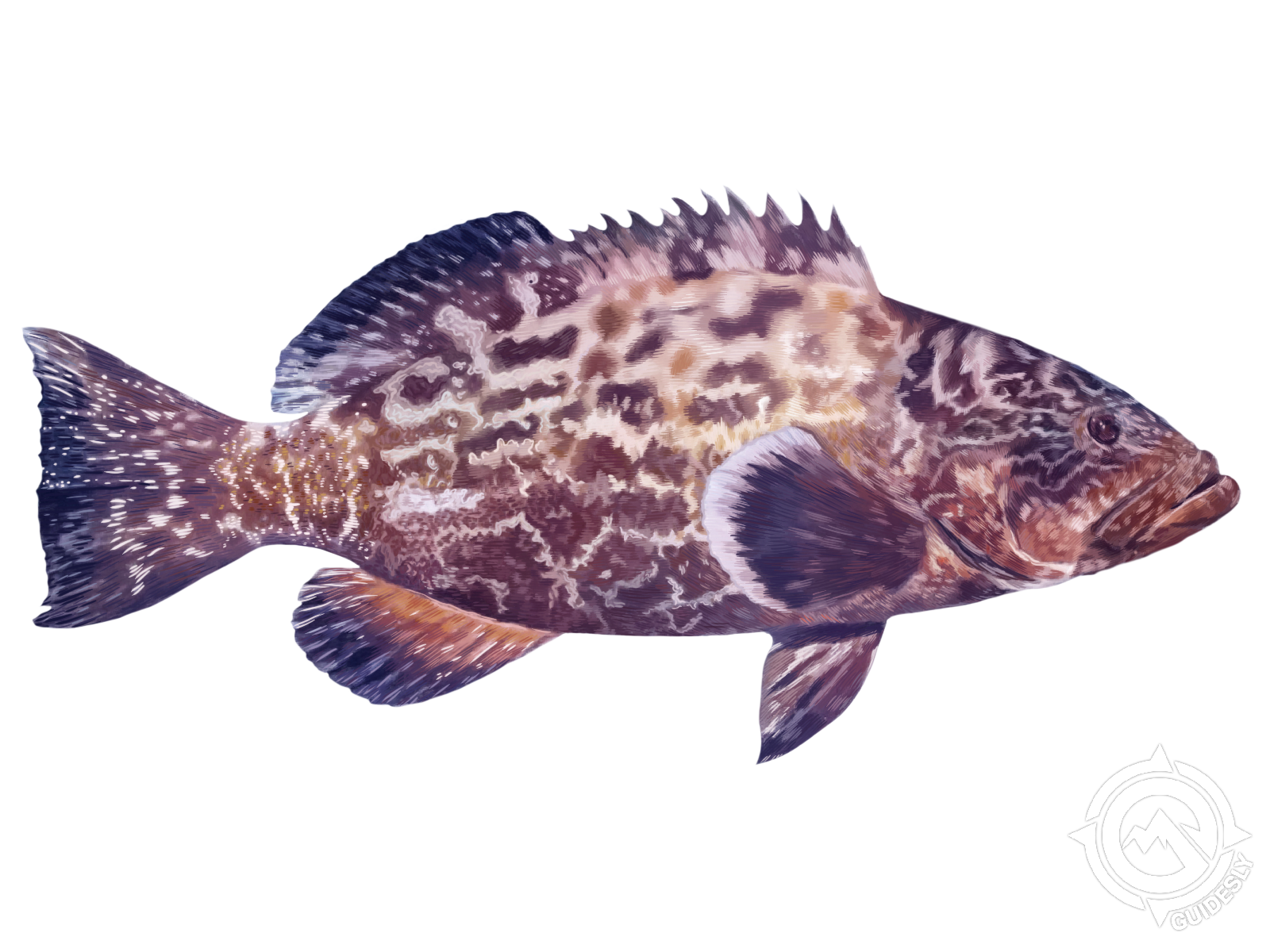


 Six-hour offshore trip targeting grouper and king mackerel