Half-Day Detroit River Walleye Charter (AM)
There's something special about getting on the Detroit River early in the morning when the walleye are feeding. This four-hour AM charter puts you right in the thick of one of the most reliable walleye bites in the Great Lakes system. We're talking about targeting fish during their spring migration when they're concentrated, aggressive, and hungry. With Lake St. Clair Hooksetters, you'll spend your morning working the productive waters where the Detroit River connects Lake Huron to Lake Erie, creating the perfect staging ground for migrating walleye.
What to Expect on the Water
Your morning starts early, which is exactly when you want to be on the water for walleye. We launch before sunrise to get positioned on the prime structure as the fish start their morning feed. The Detroit River is a different kind of fishery – it's moving water with defined current breaks, drop-offs, and staging areas that hold fish consistently throughout the spring run. You'll be fishing with up to three other anglers, so there's plenty of room to spread out and work different depths and structures. The beauty of this charter is that we're not just hoping to find fish – we know where they'll be based on current conditions, water temperature, and seasonal patterns. The boat is equipped with everything you need, from rods and reels to a full selection of jigs and live bait. All you need to bring is your fishing license, some snacks if you want them, and layers for the morning chill that'll burn off as the sun comes up.
Vertical Jigging the Current
The Detroit River walleye bite is all about vertical jigging, and that's what makes this charter so productive. We're not trolling around hoping to stumble into fish – we're positioning over specific structure and working jigs through the strike zone where walleye are actively feeding. The current creates natural feeding lanes and staging areas, and we'll anchor or drift these spots depending on conditions. You'll be using quarter-ounce to half-ounce jigs tipped with minnows, working them just off the bottom where walleye cruise looking for an easy meal. The technique is straightforward but effective: drop your jig to the bottom, lift it up a foot or two, and work it with subtle lifts and drops. The bite can be subtle – sometimes just a slight tick or the line going slack – but when you set the hook on a Detroit River walleye, you'll know it. We rotate spots throughout the morning, hitting different depths and current breaks to stay on active fish. The river's structure is diverse, from shallow flats to deeper channels, and we adjust our approach based on where the fish are positioned that day.
Top Catches This Season
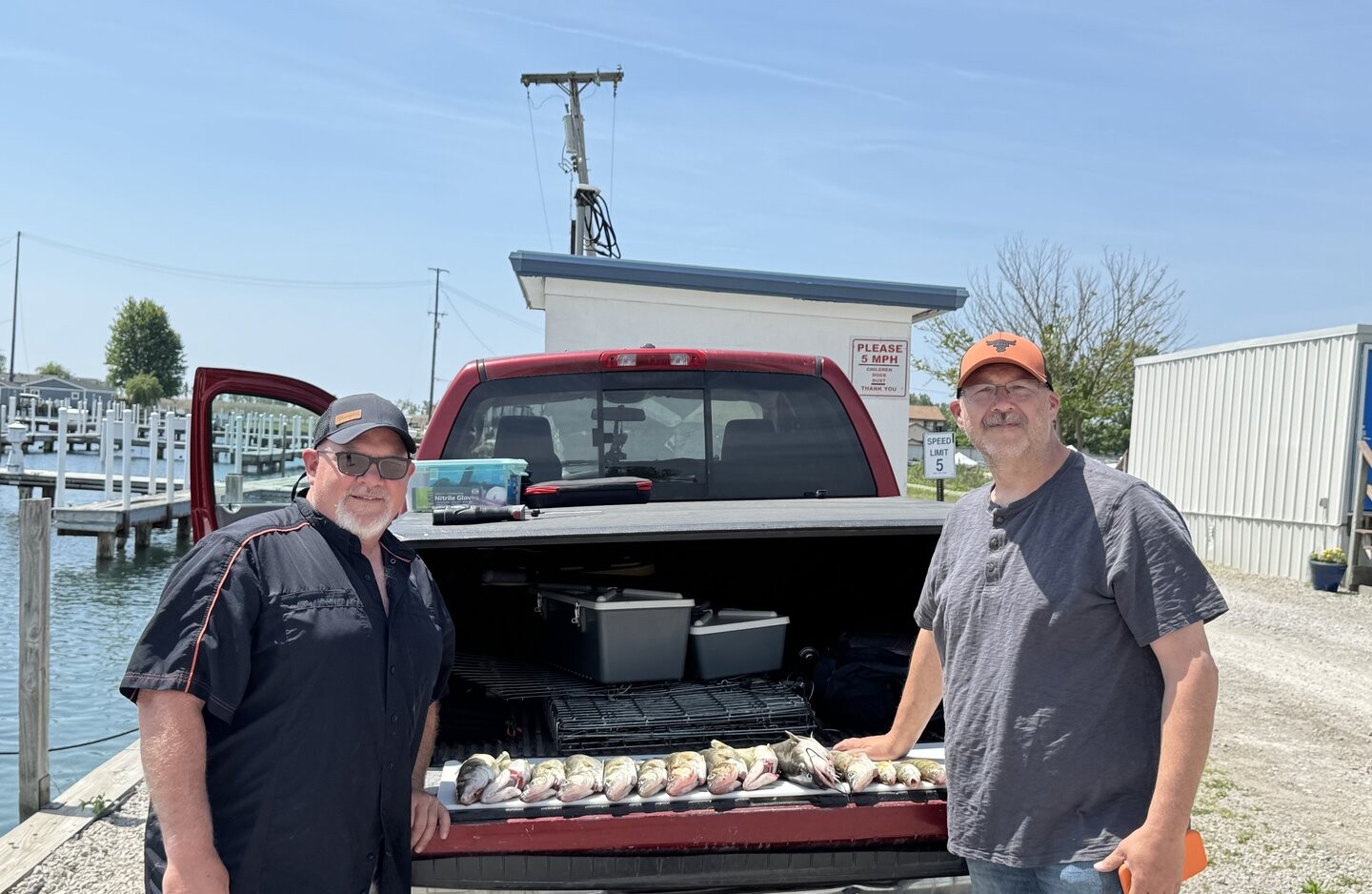
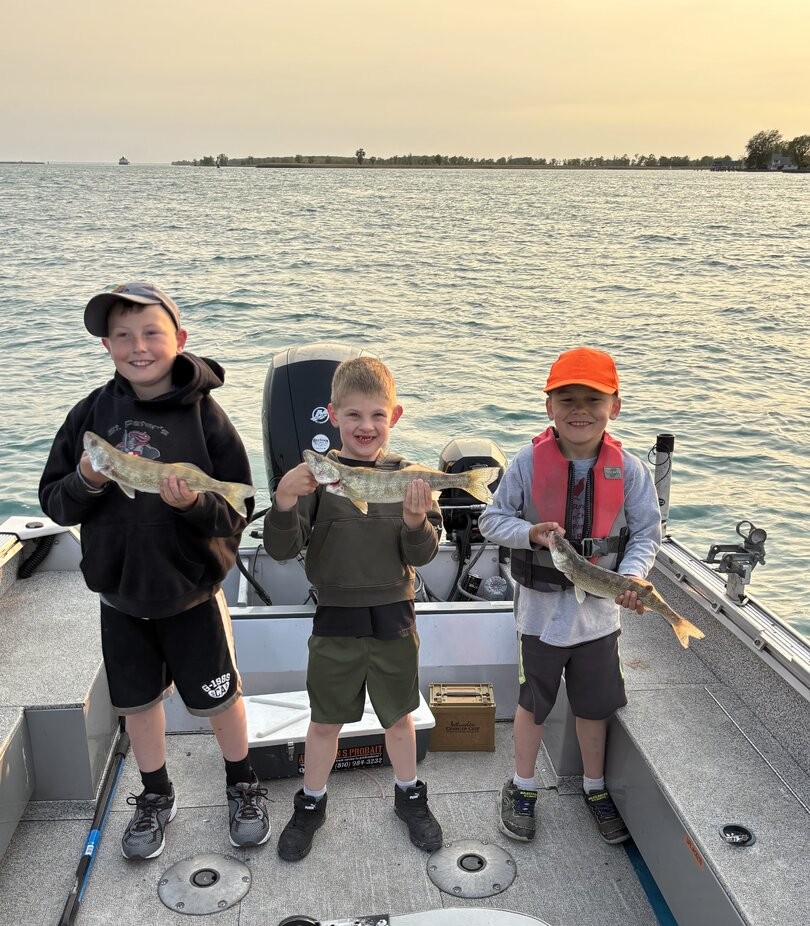
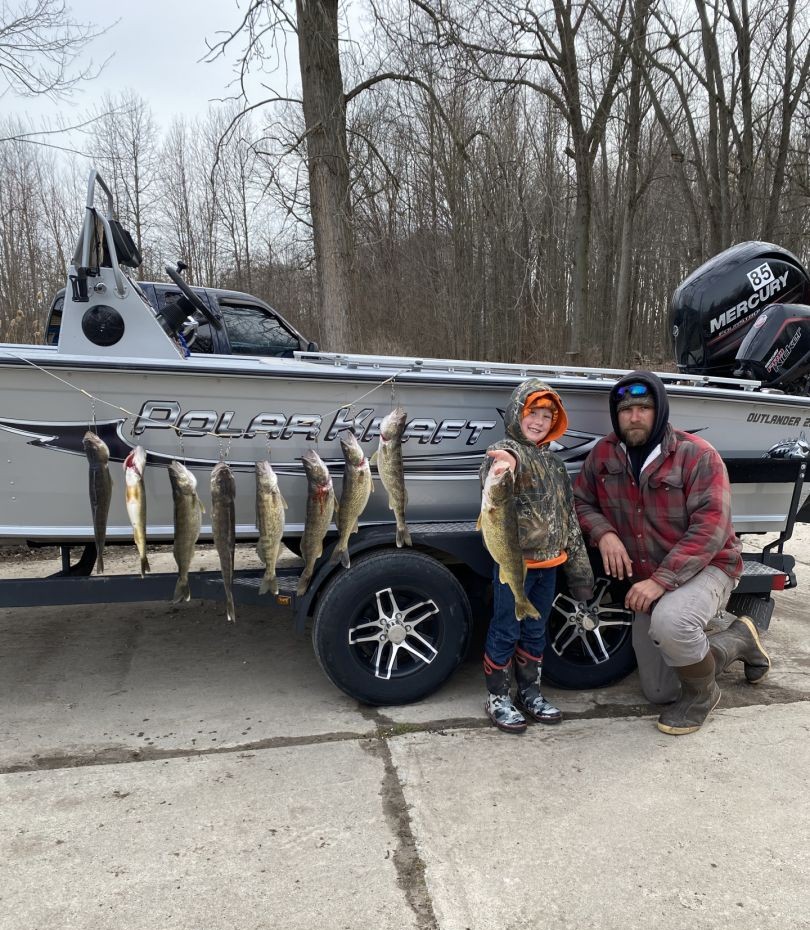
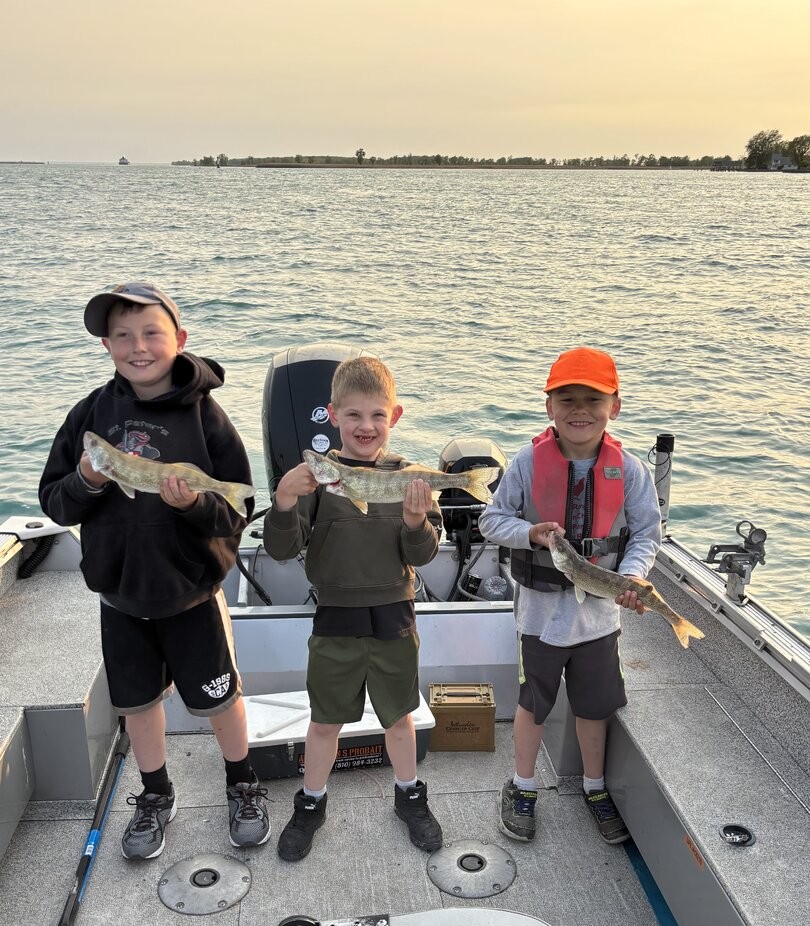
The walleye fishing on the Detroit River during spring is about as consistent as it gets in the Great Lakes. These fish are on a mission – they're moving through the system to spawn, and they need to feed heavily to fuel that journey. Most of the walleye we're catching are running between 14 and 24 inches, with plenty of keeper fish in that sweet spot around 16 to 18 inches. The bigger females, those 20-plus inch fish, are the real prizes, and they're definitely in the mix during the spring run. What makes Detroit River walleye special is their condition – they're chrome bright, healthy fish that fight hard in the current. The moving water keeps them strong, and when you hook one, they'll use that current to their advantage. We're typically seeing steady action throughout the four-hour trip, with most boats putting 15 to 30 walleye in the net on a good morning. The bite can be hot and heavy for stretches, then settle into a steadier pick throughout the morning. That's the nature of fishing moving water – the fish move through in waves, and when they're there, they're usually willing to bite.
Species You'll Want to Hook
Walleye are the undisputed kings of the Detroit River, and spring is absolutely prime time to target them. These fish are running the river system from Lake Huron down toward their spawning areas, and they're concentrated in predictable spots along their migration route. Detroit River walleye average 16 to 20 inches, with plenty of bigger fish mixed in – those 24 to 26 inch females that make your day. What makes them so exciting to catch here is their aggressive feeding behavior during the migration. They're not finicky or picky; they're hungry and looking for an easy meal, which means they'll hit a properly presented jig with authority. The best action typically runs from late March through May, with peak fishing happening when water temperatures hit that 42 to 48 degree range. Walleye have excellent low-light vision, which is why the early morning bite is so productive – they're actively hunting in the dim light conditions. When you hook one in the current, they'll make strong runs and use the moving water to their advantage, giving you a fight that's different from lake fishing. The meat quality is outstanding too – Detroit River walleye are firm, white, and sweet, making them some of the best eating fish in the Great Lakes system.
Time to Book Your Spot
The spring walleye run on the Detroit River is one of those opportunities you don't want to miss. This half-day morning charter gives you the prime fishing hours when walleye are most active, and the four-hour format is perfect for getting a solid bite without committing your entire day. With only four anglers per trip, you'll get personalized attention and plenty of opportunity to get on fish. The spring run is relatively short – we're talking about a window of prime fishing that lasts just a few weeks when conditions align perfectly. Book your spot with Lake St. Clair Hooksetters and get ready to experience some of the most consistent walleye fishing in the Great Lakes. Whether you're looking to fill the freezer with premium eating fish or just want to experience the Detroit River walleye bite, this charter delivers the goods. The combination of productive techniques, prime timing
 Private Trip
 Lakes/Reservoirs/Ponds Fishing
 Detroit, MI
 Four-hour morning charter targeting spring walleye migration patterns