Electronics Tuning Tour at Lake Ray Hubbard
Skip the guesswork and get your fish finder working like a pro! This two-hour electronics tuning session puts you in the driver's seat of your own boat while I show you exactly how to dial in your Garmin, Humminbird, or LiveScope system. We'll meet at any Lake Ray Hubbard marina you prefer, and by the time we're done, you'll have the confidence to find fish anywhere you drop your boat. This isn't just another tech lesson – it's hands-on training that transforms your electronics from confusing gadgets into fish-finding machines. Plus, if you don't see real results from what we cover, I'll throw in a free fishing trip to make it right.
What to Expect on the Water
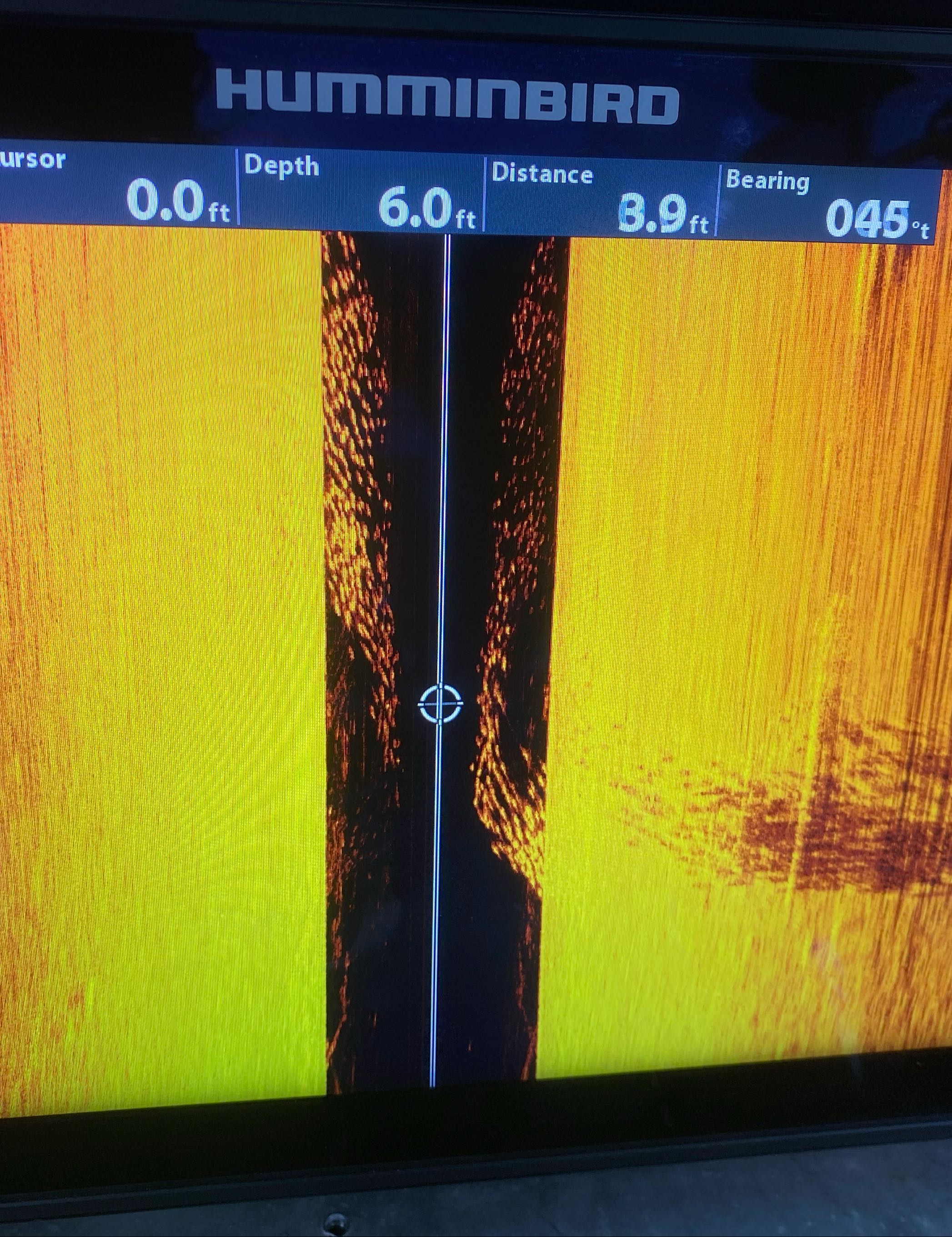
We'll spend our time cruising different sections of Lake Ray Hubbard while I walk you through every setting and screen on your electronics. This is your boat, your gear, and your learning experience – I'm just here to unlock what your equipment can really do. We'll start by checking your transducer placement and wiring, then move into the software side where most people get lost. I'll show you how to adjust sensitivity, color palettes, and frequency settings for Lake Ray Hubbard's specific conditions. The best part? We're doing this on water you'll actually fish, so every adjustment we make is tailored to where you'll be using these skills. You'll see exactly how structure shows up on your screen, learn to differentiate between fish and debris, and understand what all those confusing marks actually mean. By the end of our session, reading your electronics will feel as natural as checking your speedometer.
Tech Setup & Techniques
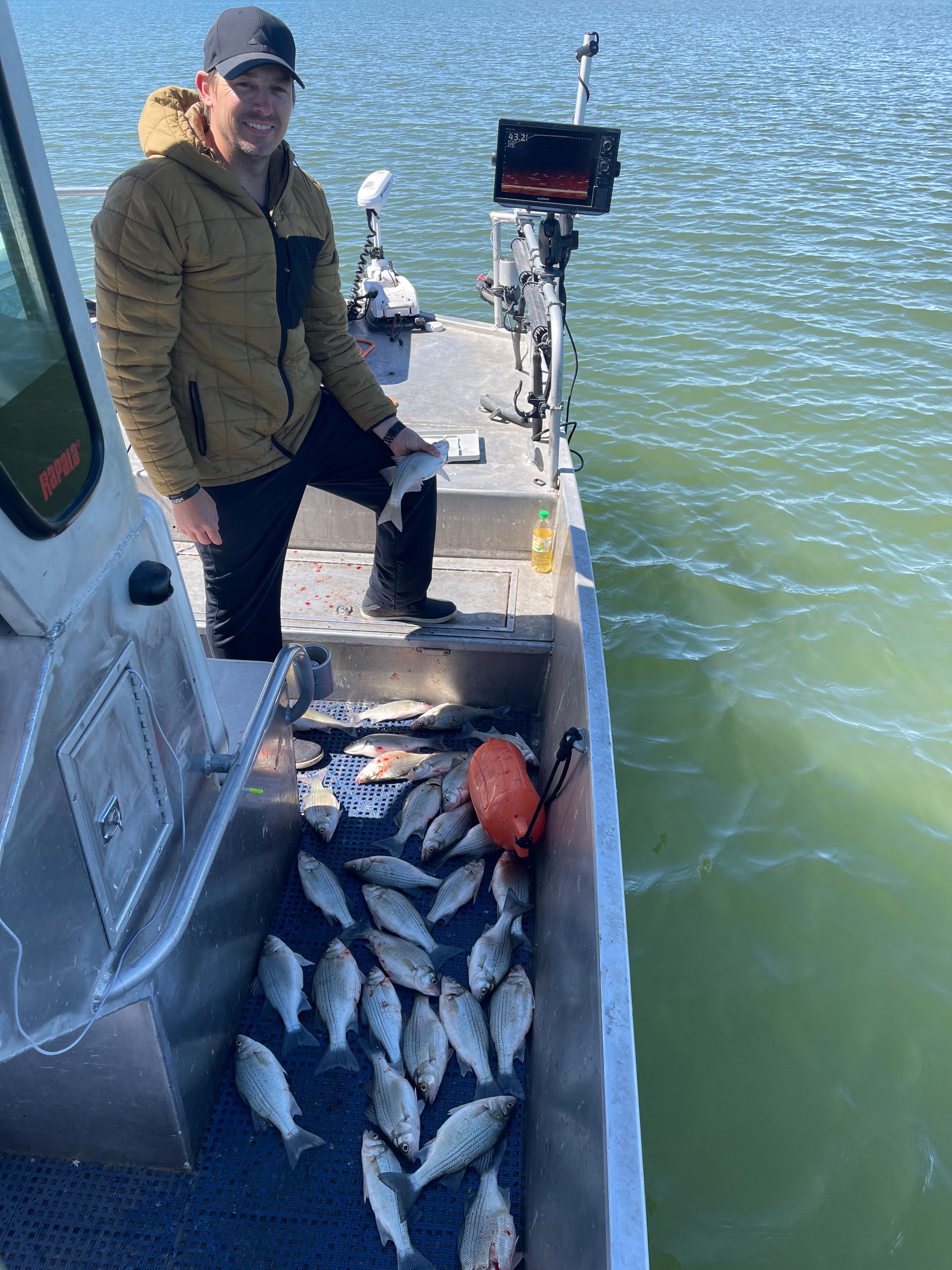
Your electronics are only as good as their setup, and that's where most people struggle. We'll work with whatever system you've got – whether it's a basic Garmin striker or a high-end Humminbird with side imaging and down imaging capabilities. LiveScope users get special attention since that technology can be game-changing when properly tuned. I'll show you how to mount your transducer for optimal performance, explain why your unit might be giving you weird readings, and teach you the settings that actually matter versus the ones that just look cool. We'll practice identifying different bottom compositions, from the rocky points to the muddy creek channels that make Lake Ray Hubbard such a diverse fishery. You'll learn how to mark waypoints effectively, set up different screen layouts for various fishing situations, and use your GPS to navigate back to productive spots. The goal isn't just to make your screen look pretty – it's to turn your electronics into a reliable fish-finding system that works every time you hit the water.
Target Species
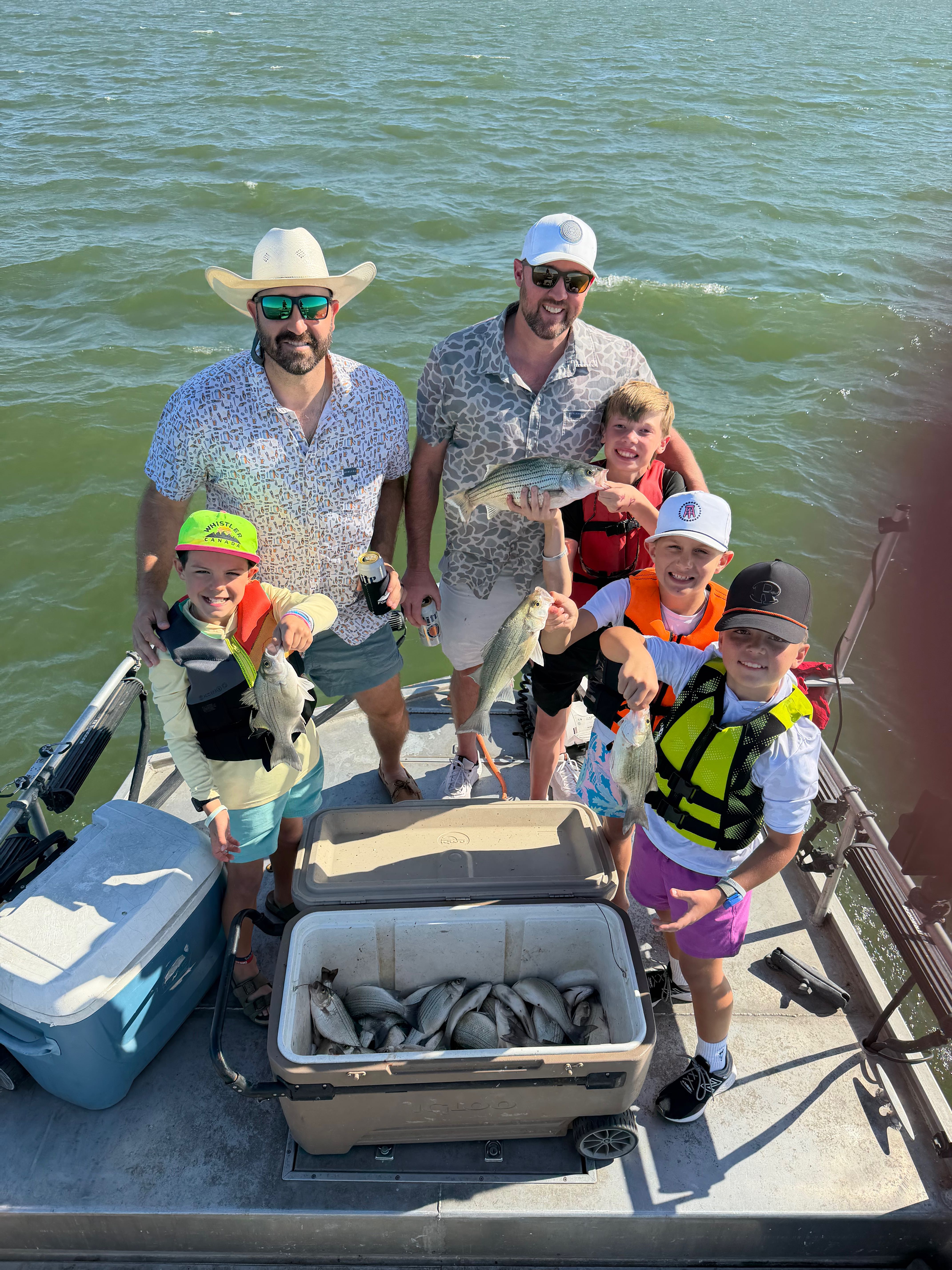
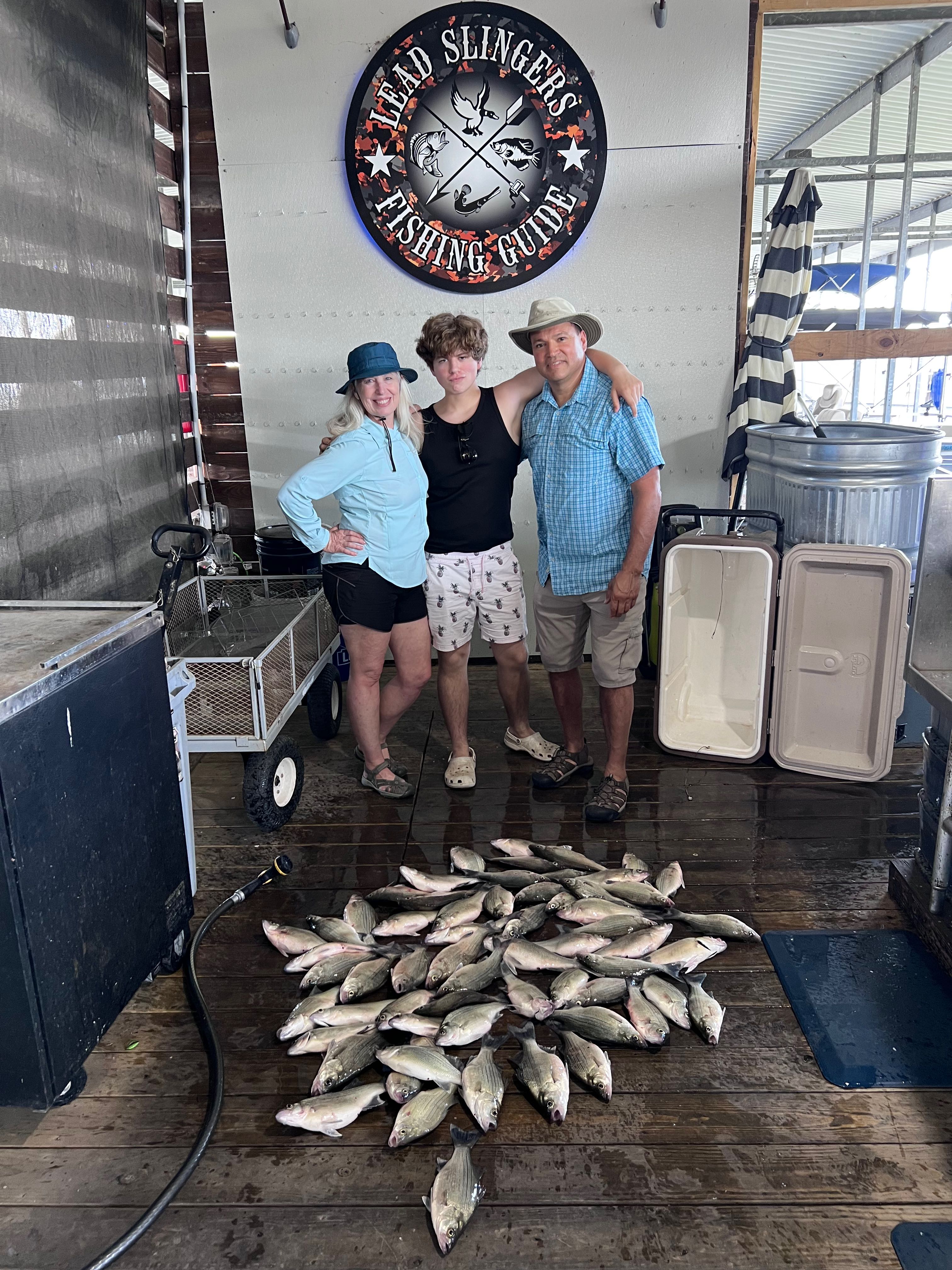
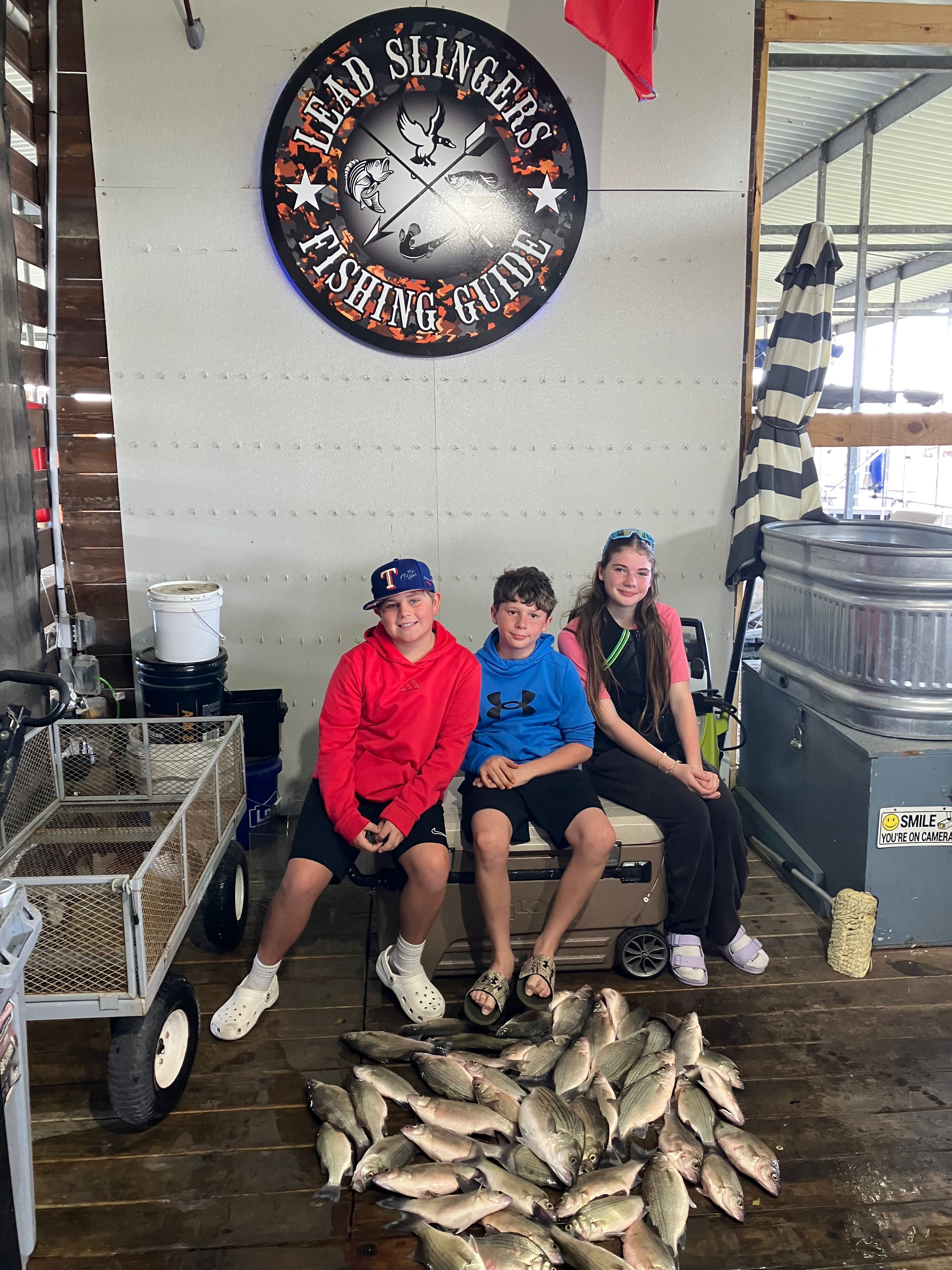
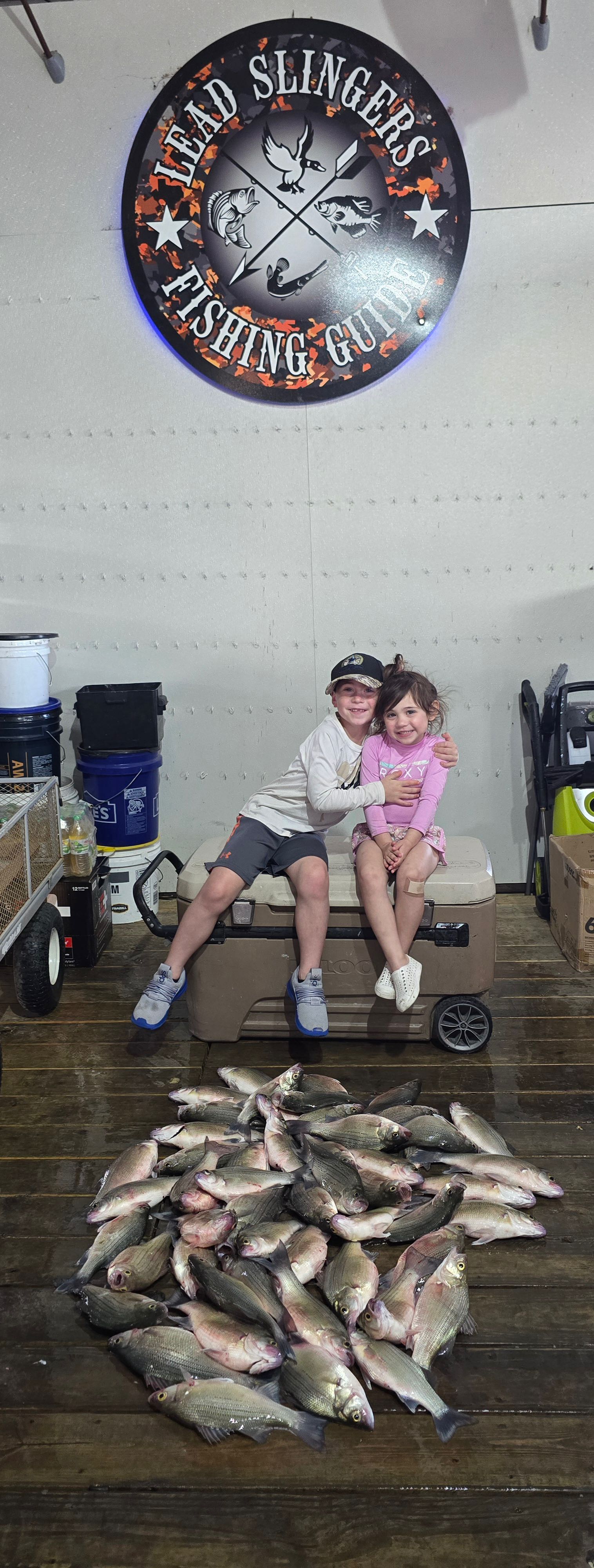
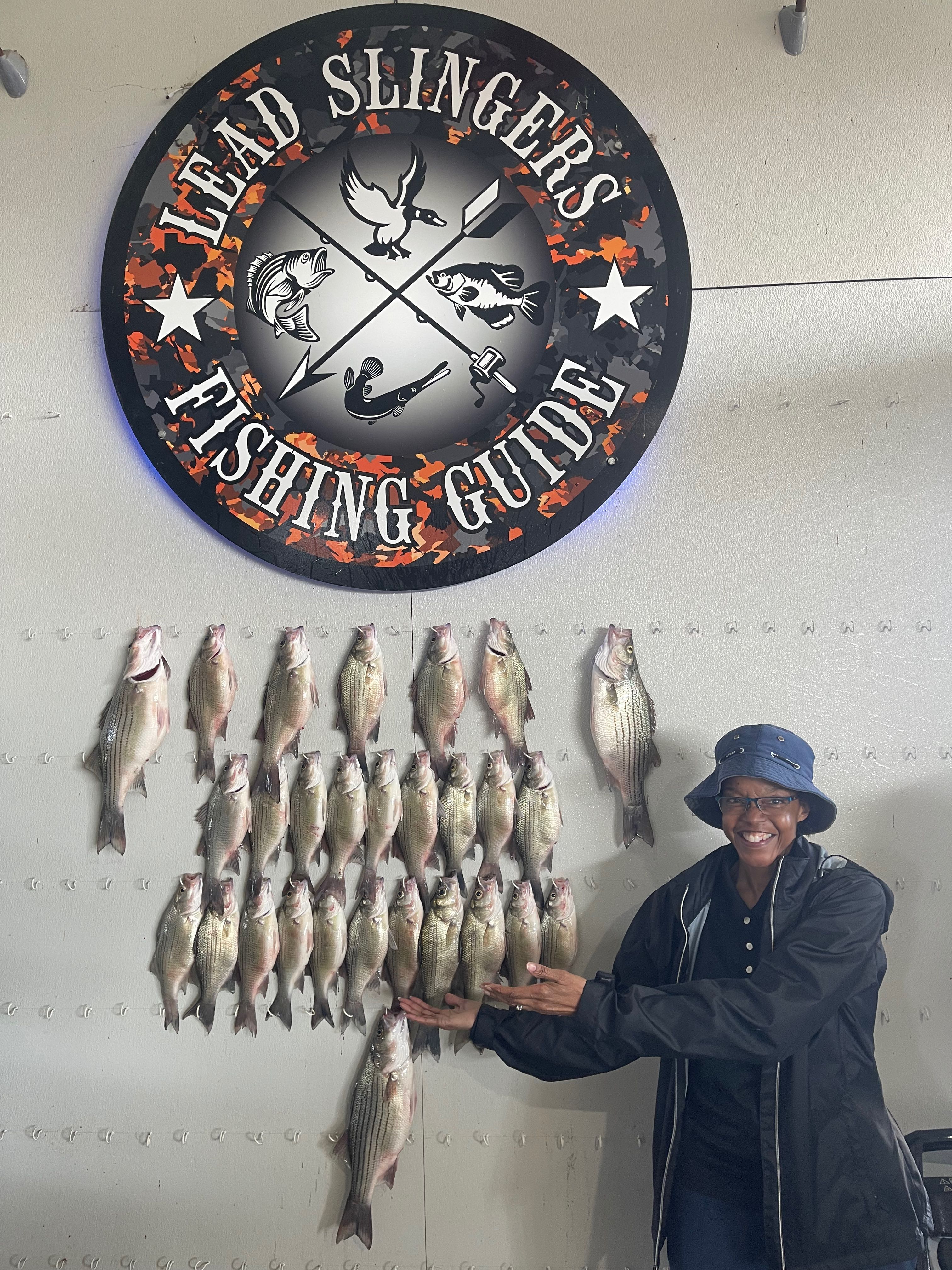
While this tour focuses on electronics rather than fishing, understanding what you're looking for on screen makes all the difference in your success rate. Lake Ray Hubbard's white bass are perfect for learning electronics because they school up in massive groups that show up beautifully on sonar. These aggressive feeders suspend at various depths throughout the year, and knowing how to spot them on your finder means you can locate feeding schools from hundreds of yards away. They typically range from 12 to 16 inches and provide constant action once you find them. During our electronics session, I'll show you exactly what white bass schools look like on different sonar views, how they appear when they're actively feeding versus just cruising, and the depth ranges where you'll most commonly find them throughout the seasons.
Largemouth bass present a completely different challenge for your electronics, and that's what makes them perfect for advanced training. These fish relate to structure and cover in ways that require you to really understand what your sonar is telling you. A big bass holding tight to a submerged tree looks very different from a school of shad, and learning to spot these differences can make or break your fishing trips. Lake Ray Hubbard's largemouth typically run 3 to 6 pounds with occasional giants pushing 8 or more, and they use the lake's abundant structure differently depending on the season. I'll teach you how to identify bass-holding structure on your screen, recognize the subtle marks that indicate a quality fish versus smaller species, and understand how these fish position themselves around cover so you can put your lure in exactly the right spot.
Crappie fishing might be the ultimate test of your electronics skills, and Lake Ray Hubbard's population provides plenty of practice targets. These fish suspend in open water, hide in brush piles, and school around structure in ways that require precise sonar interpretation. Spring crappie here can run 12 to 15 inches, with some slabs pushing even bigger, but finding them consistently depends entirely on your ability to read your electronics. During our tour, I'll show you how crappie appear on sonar at different depths and around different types of cover. You'll learn to distinguish between active crappie and inactive fish, understand how they relate to thermoclines and depth changes, and master the art of marking brush piles and other crappie magnets that you can return to later. The techniques you learn for finding crappie will translate to almost every other species you target.
Time to Book Your Spot
Your electronics represent a significant investment, and this tour ensures you're getting every dollar's worth of performance from that gear. Two hours of focused, hands-on training on your own boat beats months of trial and error on the water. You'll leave with the confidence to find fish on Lake Ray Hubbard or any other body of water you choose to explore. The techniques and settings we cover apply to lakes across Texas and beyond, making this education valuable for every future fishing trip you take. With a maximum of two guests per session, you get personalized attention and plenty of time to practice what you're learning. Remember, if you don't see real improvement in your electronics performance, that free fishing trip is my way of making sure you're completely satisfied. Don't let another season pass wondering if there are fish below you – book your electronics tuning session today and start fishing with confidence instead of hope.
 Private Trip
 Cruise
 Lake Ray Hubbard
 Two-hour hands-on electronics tuning session using premium Garmin technology