Half Day Lake Ray Hubbard Catfish Trip
There's nothing quite like the feel of a big channel cat hitting your line just as the sun starts painting Lake Ray Hubbard gold. This 4-hour sunrise fishing adventure puts you right in the heart of some of Texas' best catfish waters, where whisker fish grow fat and fight hard. Captain William has been working these waters for years, and he knows exactly where the big blues and channels like to hang out when the morning bite gets hot.
What to Expect on the Water
We're talking about a proper catfish hunt that starts early and pays off big. Rolling out of the marina at 7:00 AM sharp, you'll climb aboard a fast 21-foot Yamaha that'll get you to the honey holes before other boats even think about launching. Captain William doesn't mess around with cheap gear either – you're getting quality rods and reels that can handle whatever Lake Ray Hubbard throws at you. The beauty of this trip is the flexibility. If one spot isn't producing, we're moving. If the fish are loving a particular bait presentation, we're doubling down. It's all about reading the water and adjusting on the fly, something that comes naturally when you've got a seasoned Lake Ray Hubbard guide calling the shots. Just remember to grab your Texas fishing license before we head out, pack some snacks to keep your energy up, and bring good sun protection because the morning light can get intense bouncing off the water.
Techniques and Tackle
Catfish aren't complicated, but they demand respect and the right approach. We're talking bottom fishing with proven techniques that consistently put fish in the boat. Captain William sets you up with circle hooks and the kind of stink baits that make catfish lose their minds – we're talking cut shad, chicken liver, and sometimes live bait when the situation calls for it. The 21-foot Yamaha isn't just for show either. Lake Ray Hubbard covers serious water, and having the speed to hit multiple structures in a single morning makes all the difference. We'll work submerged timber, channel drops, and those sweet transition areas where shallow flats meet deeper water. The key is staying mobile and letting the fish tell you what they want. Some days they're hugging tight to cover, other days they're suspended over open water. That's where experience pays off, and Captain William reads these fish like a book. The tackle setup is simple but effective – enough weight to get your bait down and keep it there, but not so much that you can't feel every bump and nibble.
Top Catches This Season
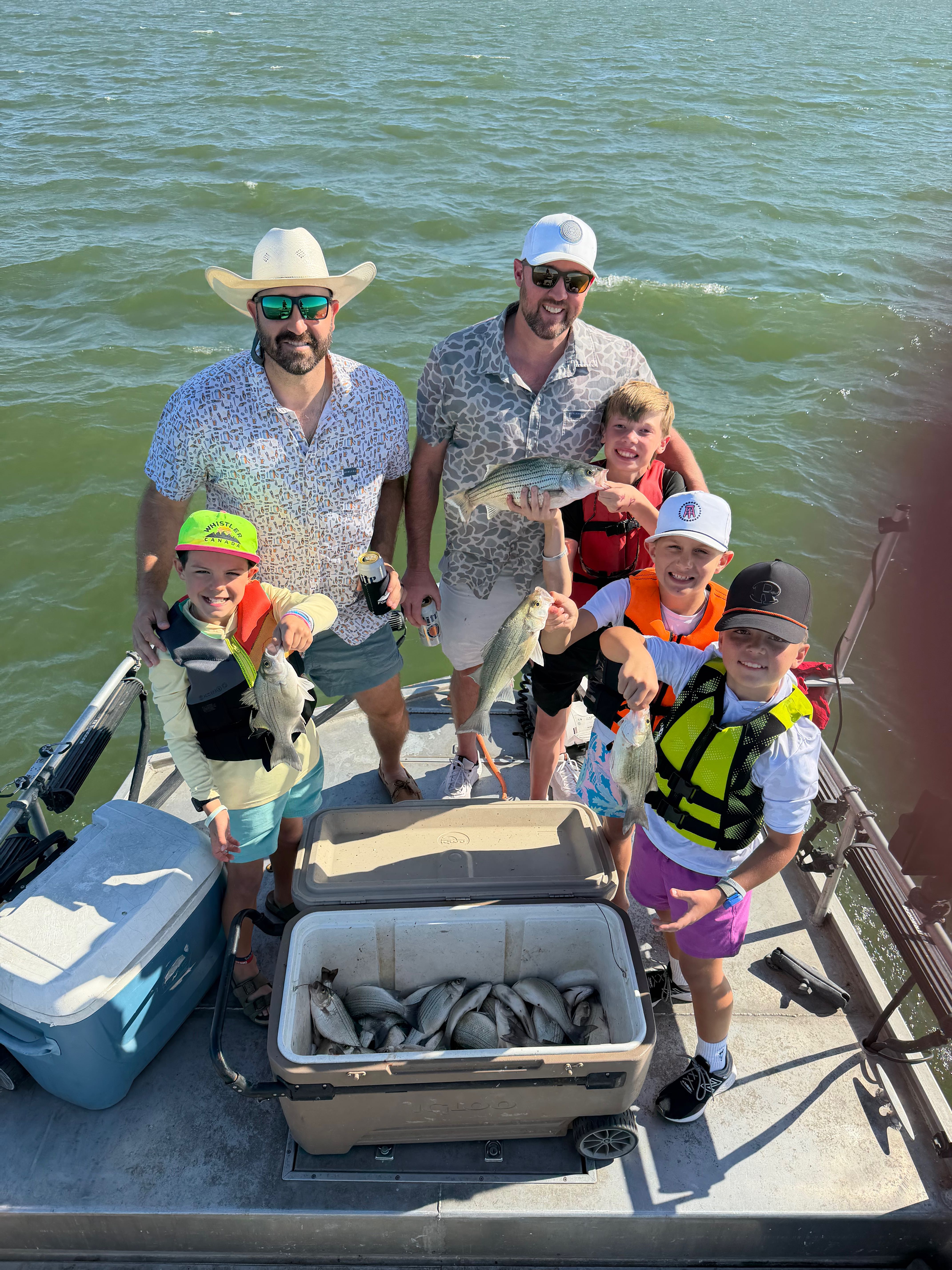
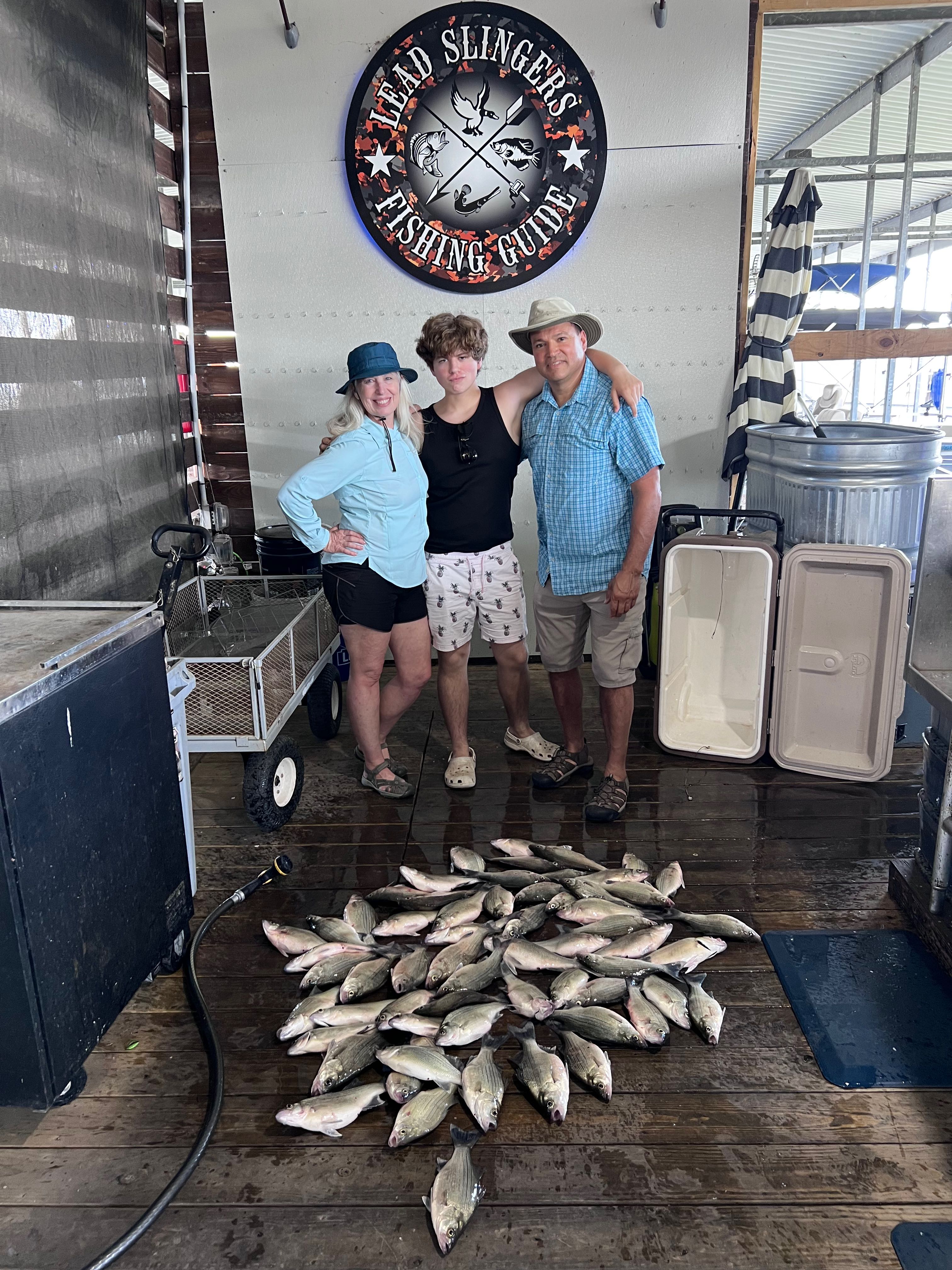
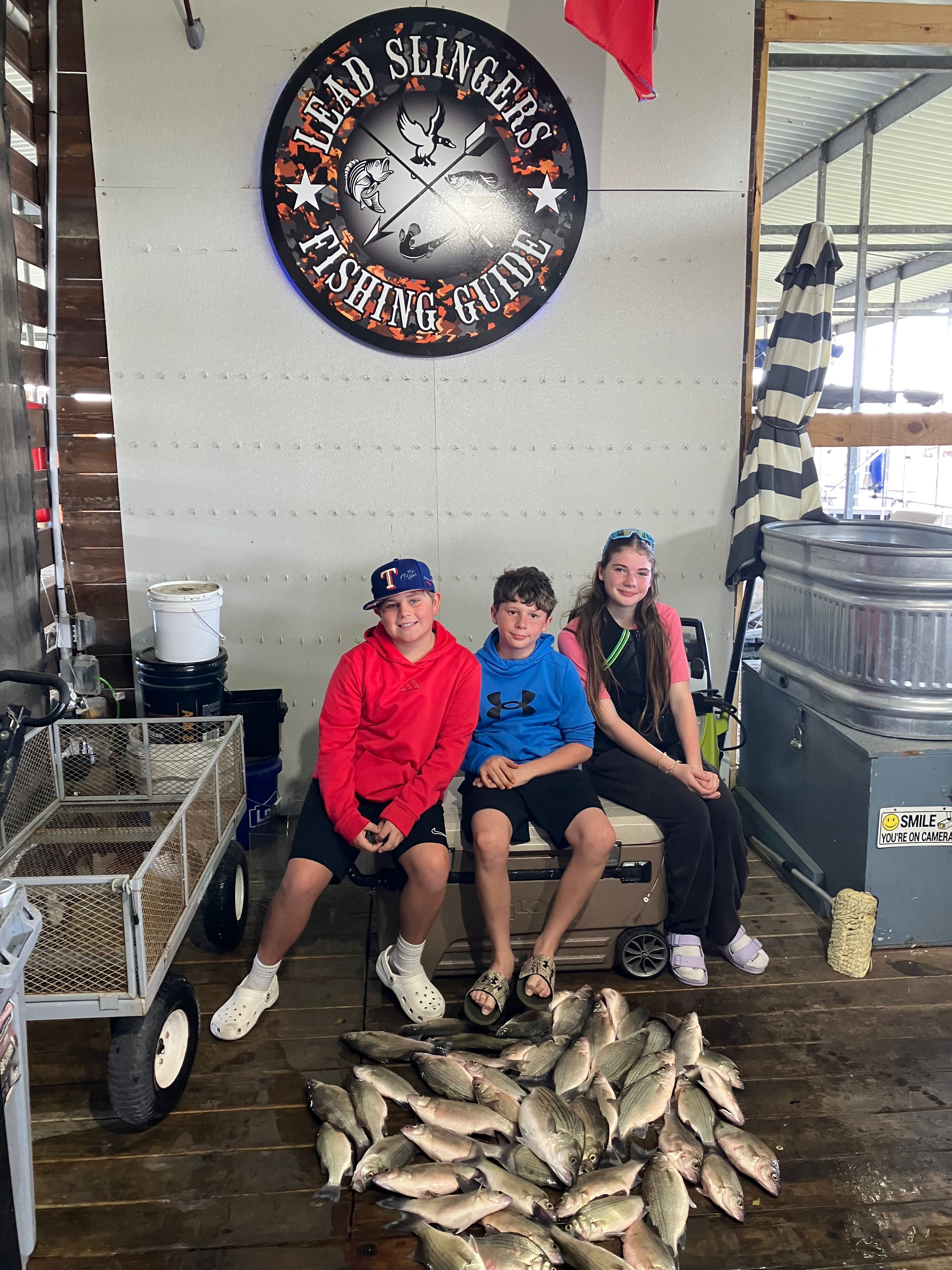
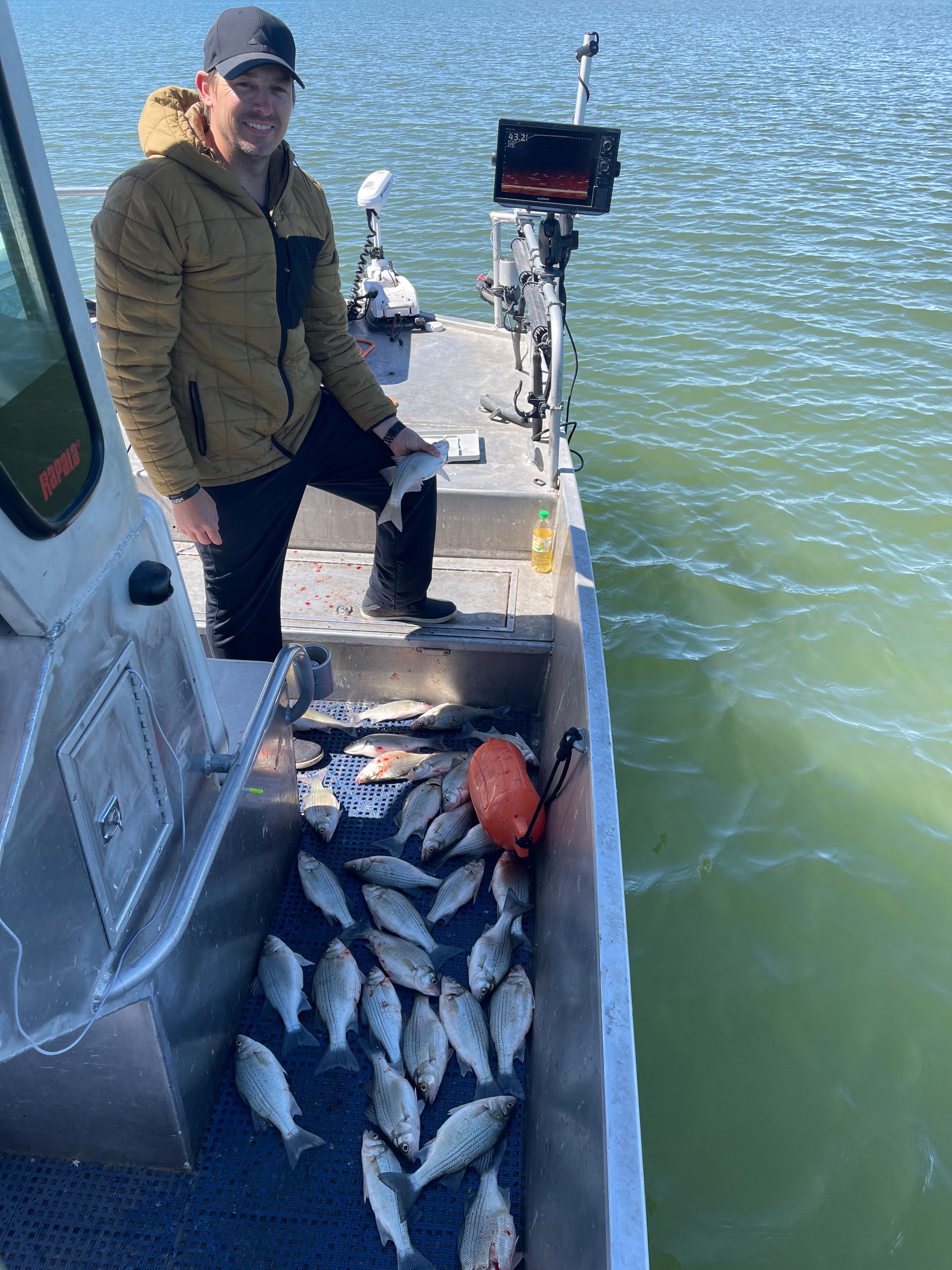
Lake Ray Hubbard channel catfish are the bread and butter of this fishery, and for good reason. These fish typically run anywhere from 2 to 8 pounds, with the occasional bruiser pushing double digits when conditions align just right. They're most active during the cooler parts of the day, which is why that early morning departure time isn't negotiable. Channel cats love structure, and Lake Ray Hubbard has plenty of it – submerged trees, rocky points, and man-made cover that holds baitfish and attracts hungry whisker fish. What makes them so much fun to target is their willingness to bite and their scrappy fight once hooked. They don't give up easy, and on quality tackle, even a 3-pound channel can bend your rod and test your drag. Blue catfish are the real prize fish in these waters, though they don't show up as consistently as their channel cousins. When they do bite, you know it immediately. These fish can easily hit 10 to 20 pounds, and the truly massive ones push 30 pounds or more. Blues prefer deeper water and stronger current, and they're notorious for long, powerful runs that'll test your equipment and your patience. They're more temperature-sensitive than channels, so timing and location become critical factors. Spring and fall tend to be the most productive seasons, when water temperatures hit that sweet spot and blue cats move shallow to feed aggressively.
Time to Book Your Spot
This isn't just another guided fishing trip – it's your chance to fish with someone who genuinely knows Lake Ray Hubbard's catfish patterns inside and out. Captain William provides everything you need to succeed, from top-rated tackle to the local knowledge that turns good trips into great ones. With space for just two anglers, you're getting personalized attention and prime positioning for every cast. Lake Ray Hubbard's catfish bite year-round, but they don't wait around for anyone. Book your half-day adventure and get ready to experience why serious catfish anglers keep coming back to these productive North Texas waters.

 Private Trip
 Lakes/Reservoirs/Ponds Fishing
 Lake Ray Hubbard

 Four-hour sunrise catfish trip on Lake Ray Hubbard starting 7 AM