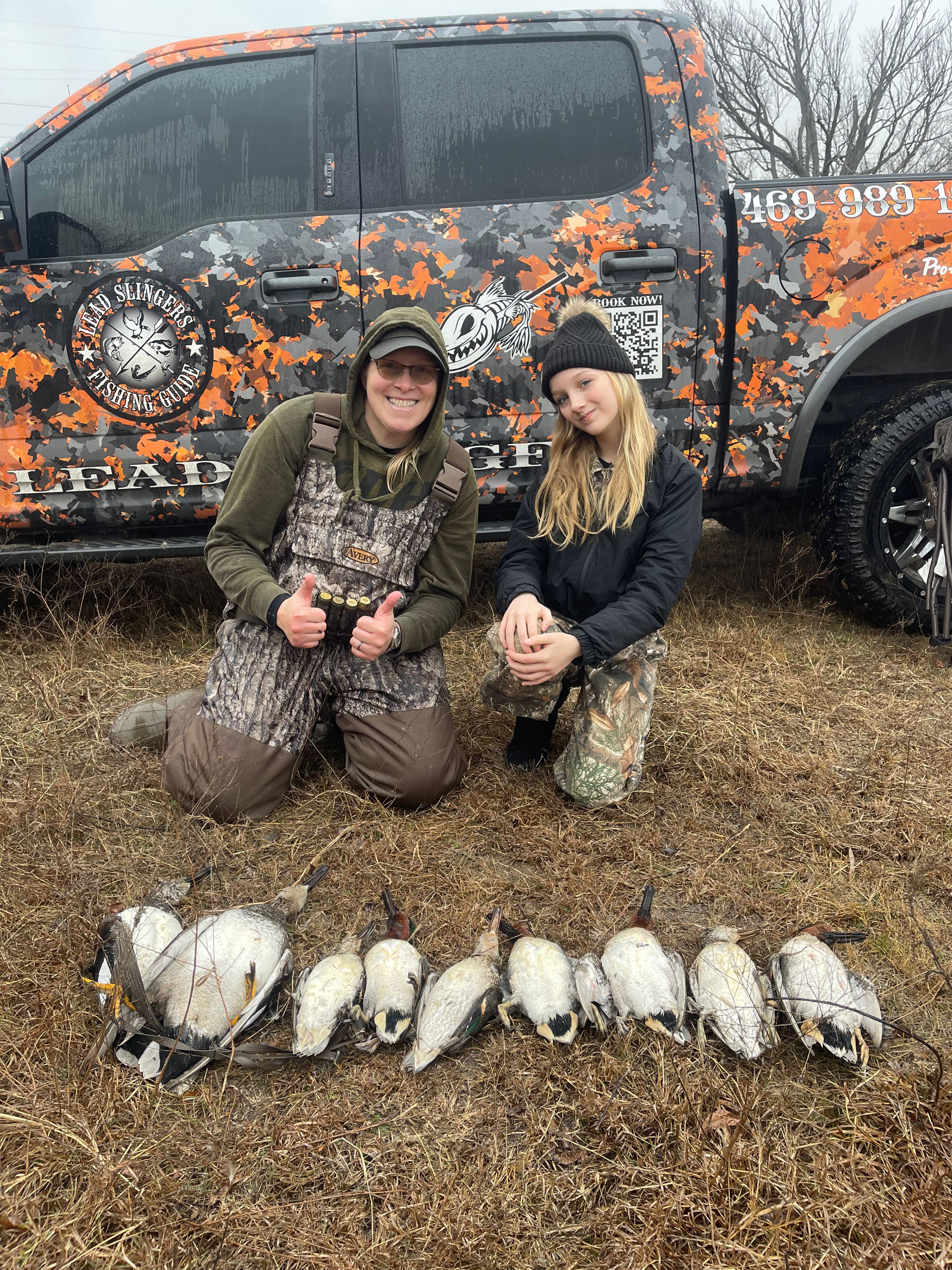
Private Duck Hunting on Premium Texas Ponds
Looking for a top-rated duck hunting experience that doesn't involve fighting crowds at public blinds? This private land duck hunt near Forney gives you exclusive access to prime waterfowl habitat where the birds actually want to be. I'm talking about productive private ponds that see consistent action throughout the season, not those picked-over public spots where you're lucky to see a single mallard. This is a customer favorite for hunters who want to focus on the hunt instead of dealing with other parties setting up decoys 50 yards away from your spread.
Inside the Hunt
This hunt runs during Texas waterfowl season - November 8th through December, then picks back up December 20th through January 26th when the migration really gets rolling. You're looking at a private pond setup that gets worked by ducks all season long, and I mean really worked. These aren't fairweather birds - they're using this water for feeding and roosting because it gives them what they need. The blind, decoys, and bird cleaning are all handled for you, so you just need to bring your shotgun and 1-2 boxes of shells. We're talking about a single hunter experience here, so no worrying about coordinating with strangers or dealing with someone who doesn't know proper blind etiquette. Just you, the ducks, and some serious hunting time on water that actually produces.
Tracking Tips & Terrain
Private pond hunting is a whole different game than jump shooting creeks or sitting in flooded timber. These ducks are using the pond as part of their daily routine, so timing and setup matter more than anything else. The decoy spread gets positioned based on wind direction and how the birds have been working the water - something you learn after hunting the same spots consistently. You'll pick up techniques for reading how waterfowl approach private water versus public areas, plus tips on shotgun positioning when you're hunting from a fixed blind setup. The terrain around Forney gives us some real advantages during migration periods, especially when weather systems push birds down from the north. This isn't about walking miles through marshes - it's about being in the right spot when the birds decide they want to land.
Target Game Breakdown
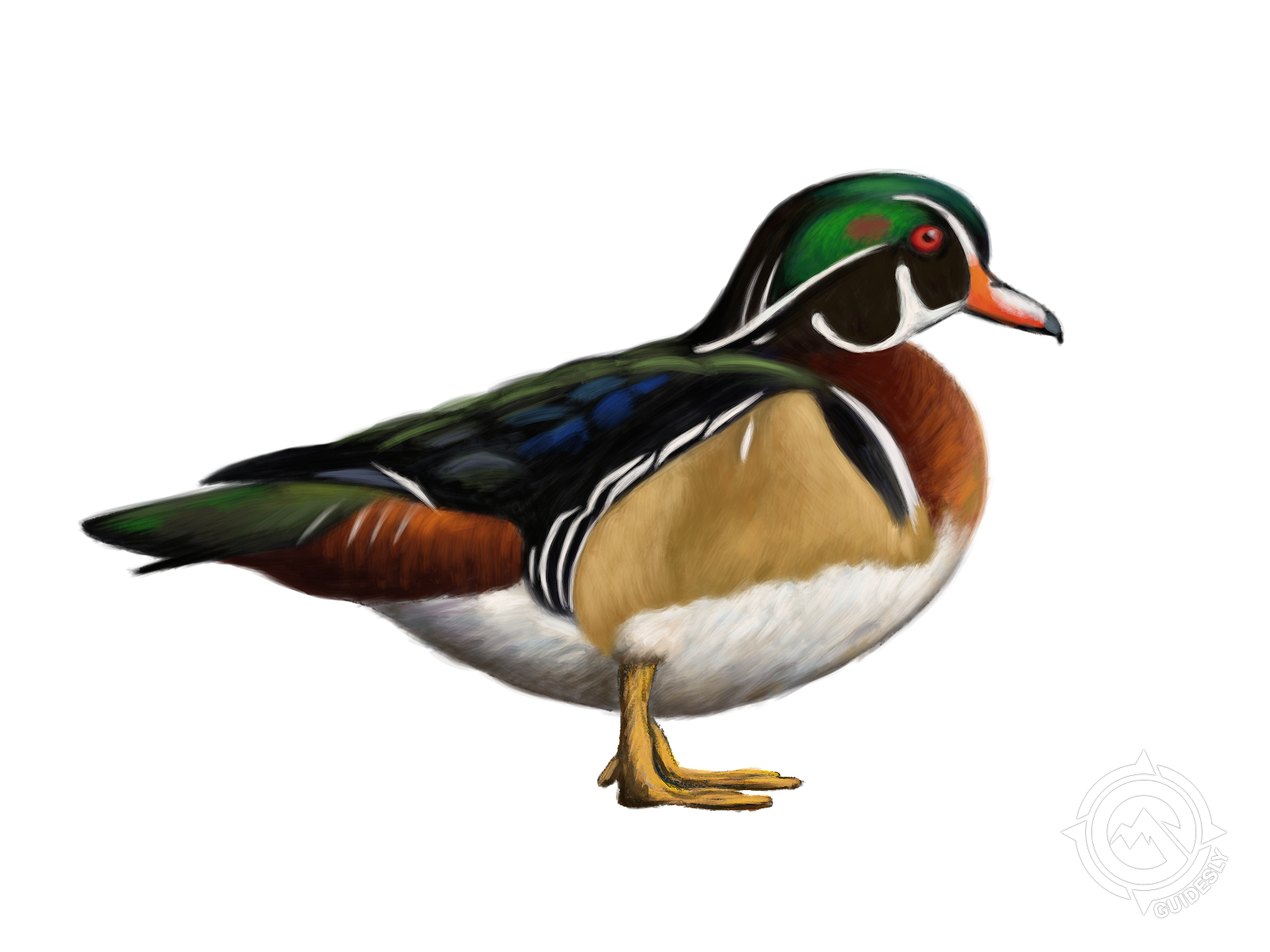
Wood ducks are the early season stars around these parts, and they're absolutely beautiful birds that provide some fast-shooting action. These guys prefer wooded areas near water, and they're known for their distinctive whistling call and incredible plumage - especially the drakes with those iridescent green heads and white striping. Wood ducks typically move at first light and again in the evening, and they come into decoys differently than other species. They'll circle multiple times before committing, giving you a chance to get ready for the shot. What makes them exciting is their unpredictable flight patterns and the way they can appear out of nowhere when they're moving between roosting and feeding areas.
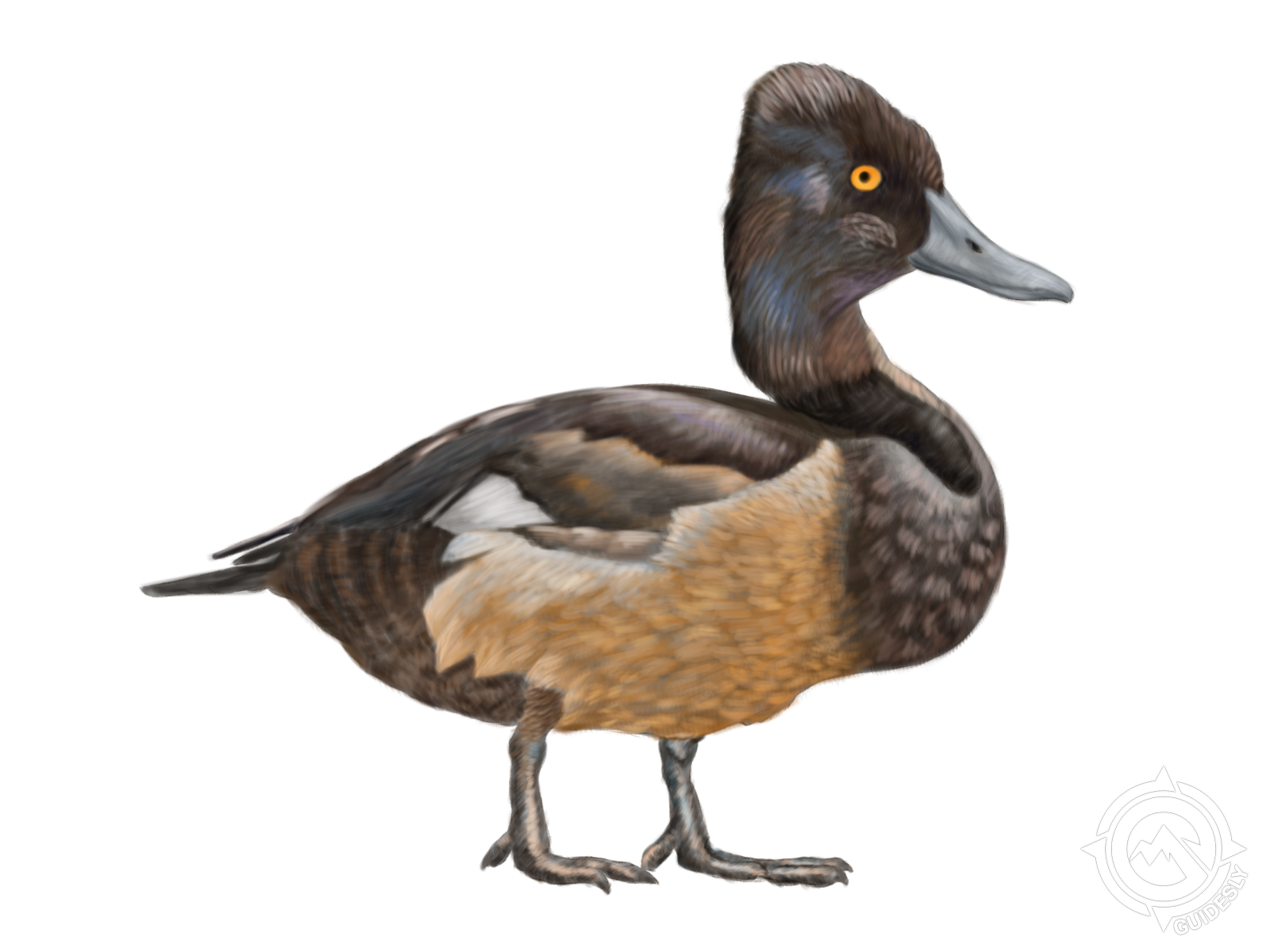
Ring-necked ducks show up later in the season when things start cooling down, and these diving ducks bring their own challenges to the blind. They're smaller than mallards but they're tough birds that can take a good shot and keep flying if you don't place it right. Ringnecks love deeper water and they'll often raft up in groups before deciding whether to commit to your spread. The drakes have that distinctive white ring around their bills and a sharp black-and-white contrast that makes them easy to identify in flight. They're world-class divers and they'll feed on aquatic vegetation and small fish, which means they're often in better body condition than puddle ducks that have been working picked corn fields.
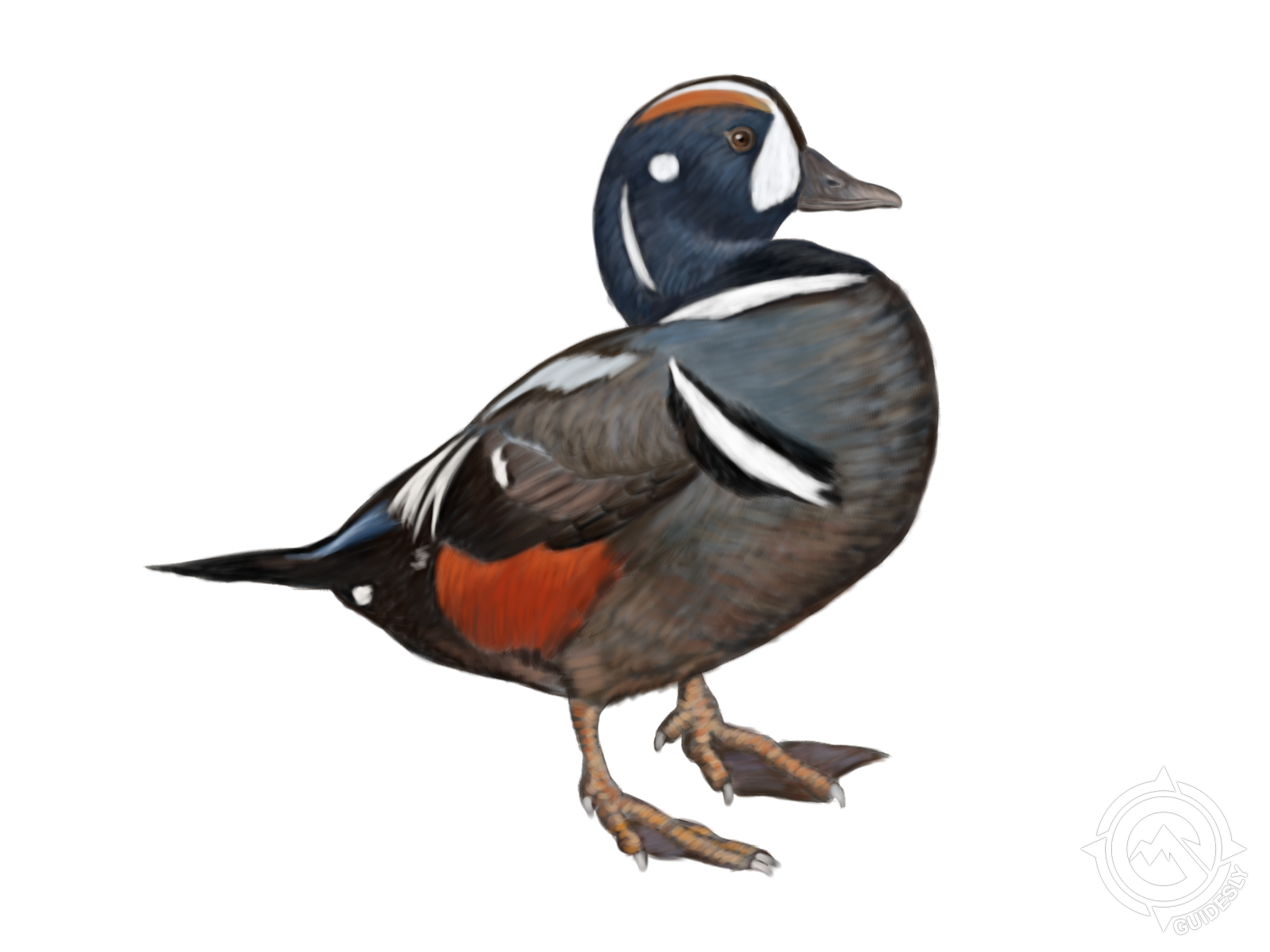
Harlequin ducks are the real prize birds that most hunters never get a chance at - these are specialized birds that prefer moving water and rocky coastlines, making any Texas sighting pretty special. The drakes are stunning with their slate-blue coloring and white patches, looking more like something you'd see in a wildlife magazine than flying into your decoys. When harlequins do show up, it's usually during migration periods when weather has pushed them off their normal routes. They're strong fliers and excellent divers, and bagging one is definitely something to write home about.
Gadwall ducks might not have the flashy colors of wood ducks or the rarity of harlequins, but they're reliable performers that show up consistently when conditions are right. These gray ducks are often called "gray mallards" but they're actually more wary than mallards and they have different feeding patterns. Gadwall prefer shallow water areas where they can dabble for aquatic plants, and they're known for being excellent eating. The drakes have subtle but beautiful plumage with fine barring and a distinctive black rear end. They respond well to calling and decoy spreads, especially when mixed with other puddle duck species.
Book Your Next Tag
Here's the deal - you need a hunting license ($25) and the migratory game bird stamp ($25 for adults, youth pay $7 for license plus $25 for stamp). You'll also need to complete hunter education if you haven't already, and I can help make sure you've got everything squared away before we head out. This is a "no bird, no pay" setup, meaning if the ducks don't cooperate, we'll reschedule instead of charging you for a slow day. That's how confident I am in these private pond locations and the hunting opportunities they provide. The season books up fast, especially during prime migration windows, so if you want to hunt water that actually holds birds instead of hoping for the best at public areas, now's the time to secure your spot.
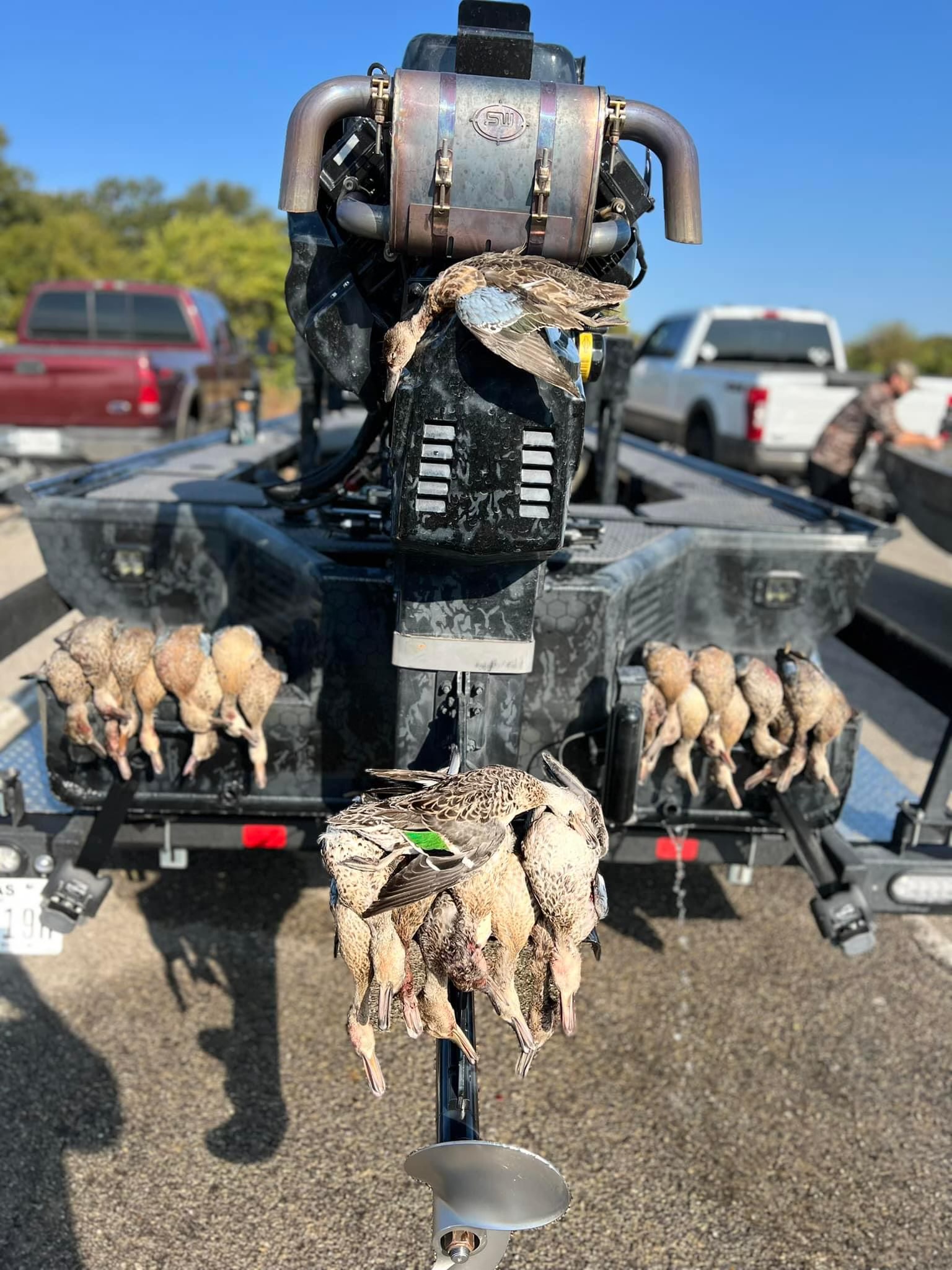
 Private Trip
 Bird hunting
 Lake Ray Hubbard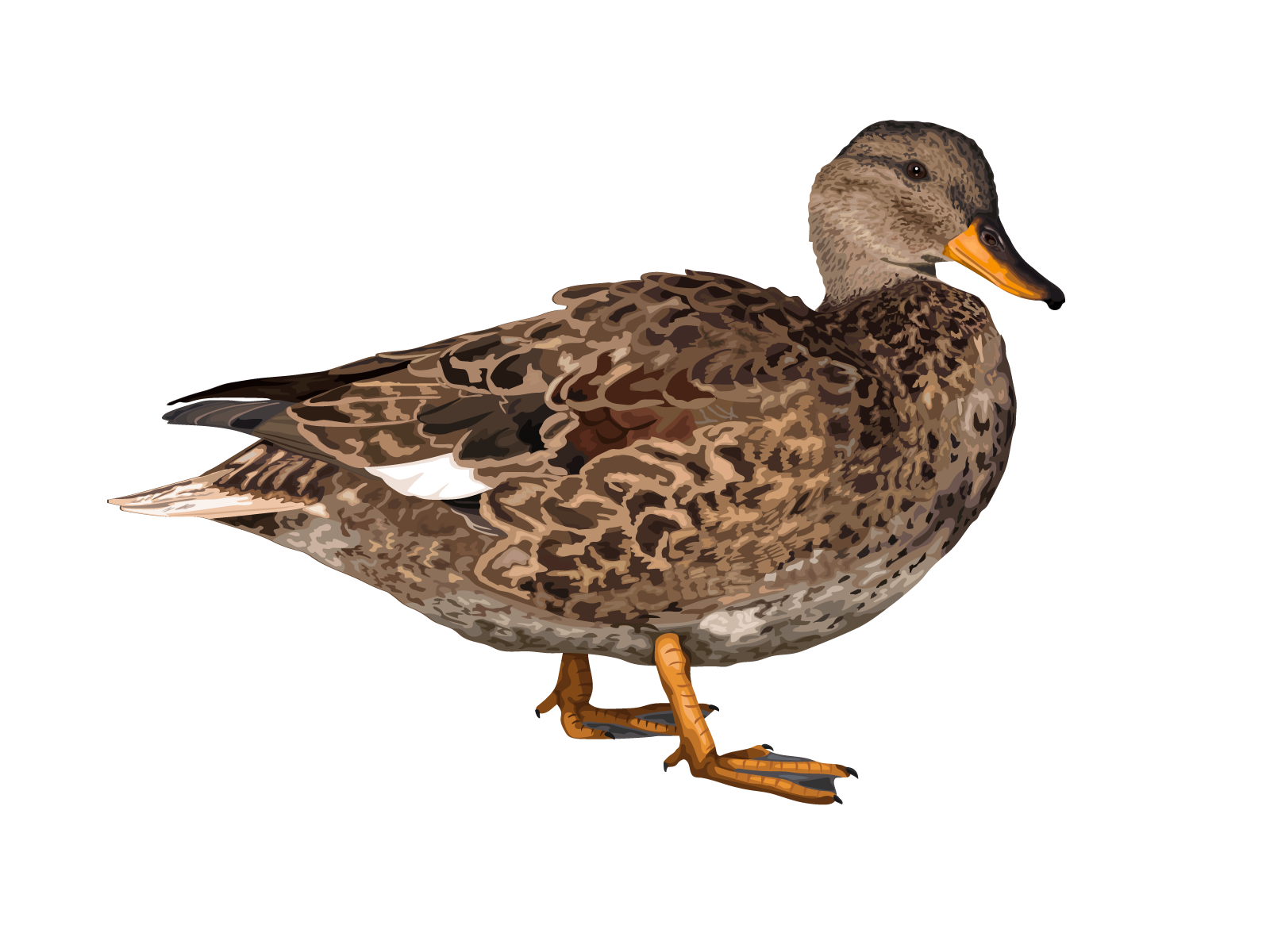
 Private pond waterfowl hunting on exclusive Texas land