Guided Louisiana Day Hunts with Level 7 Outdoors
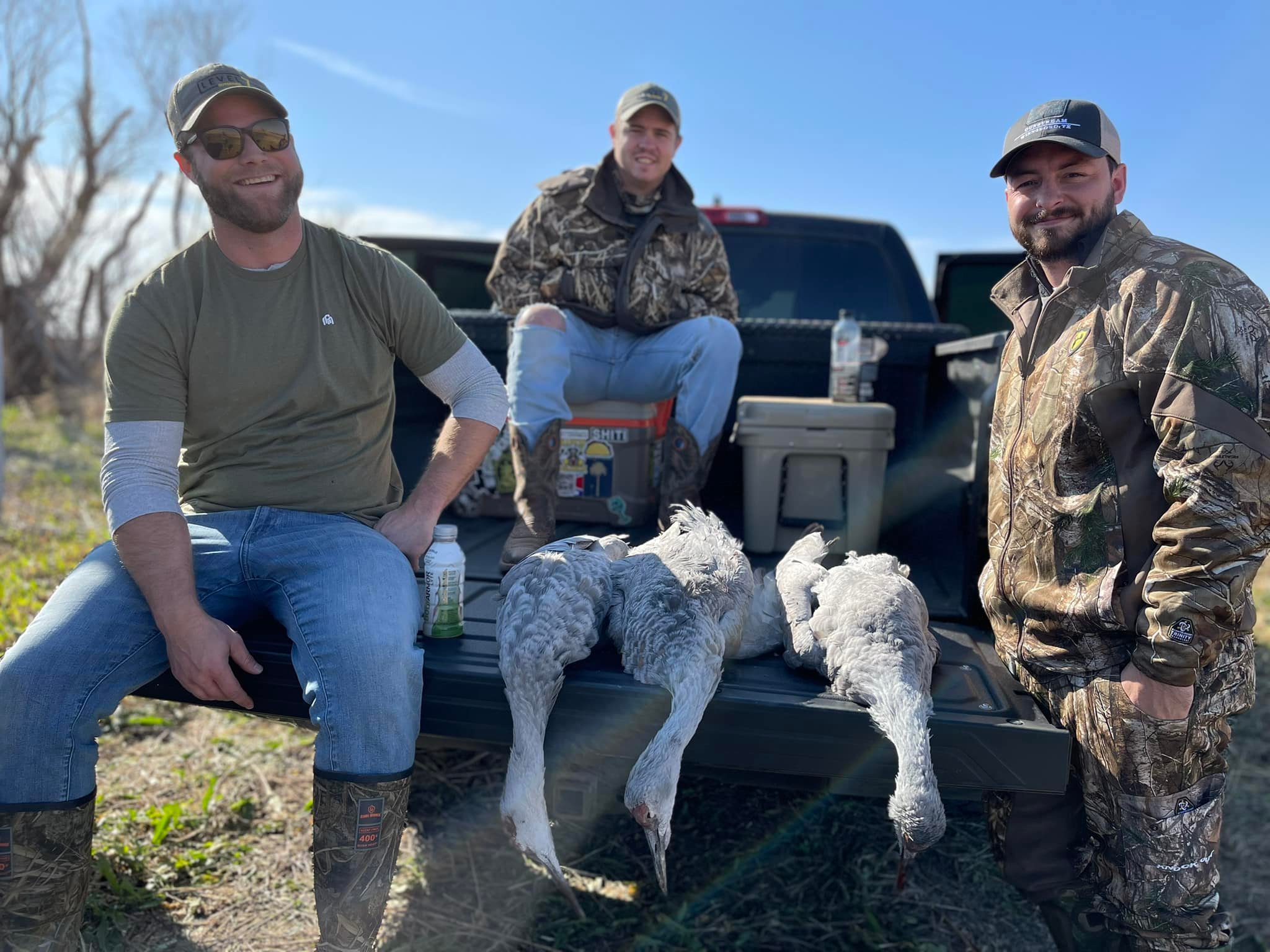
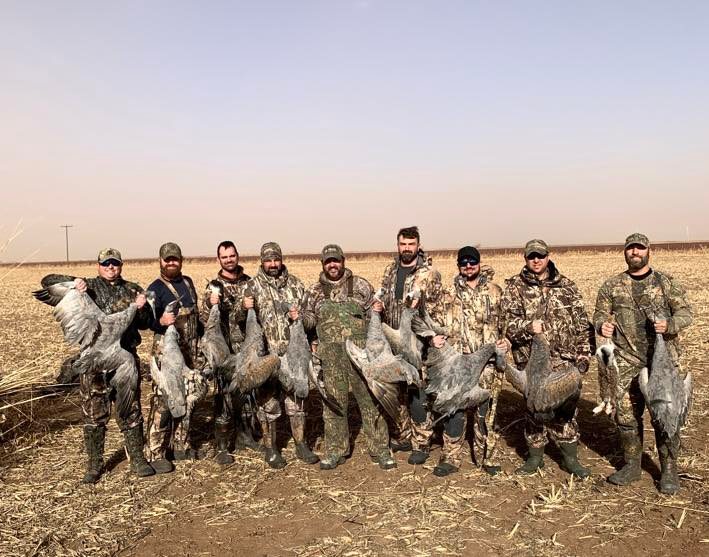
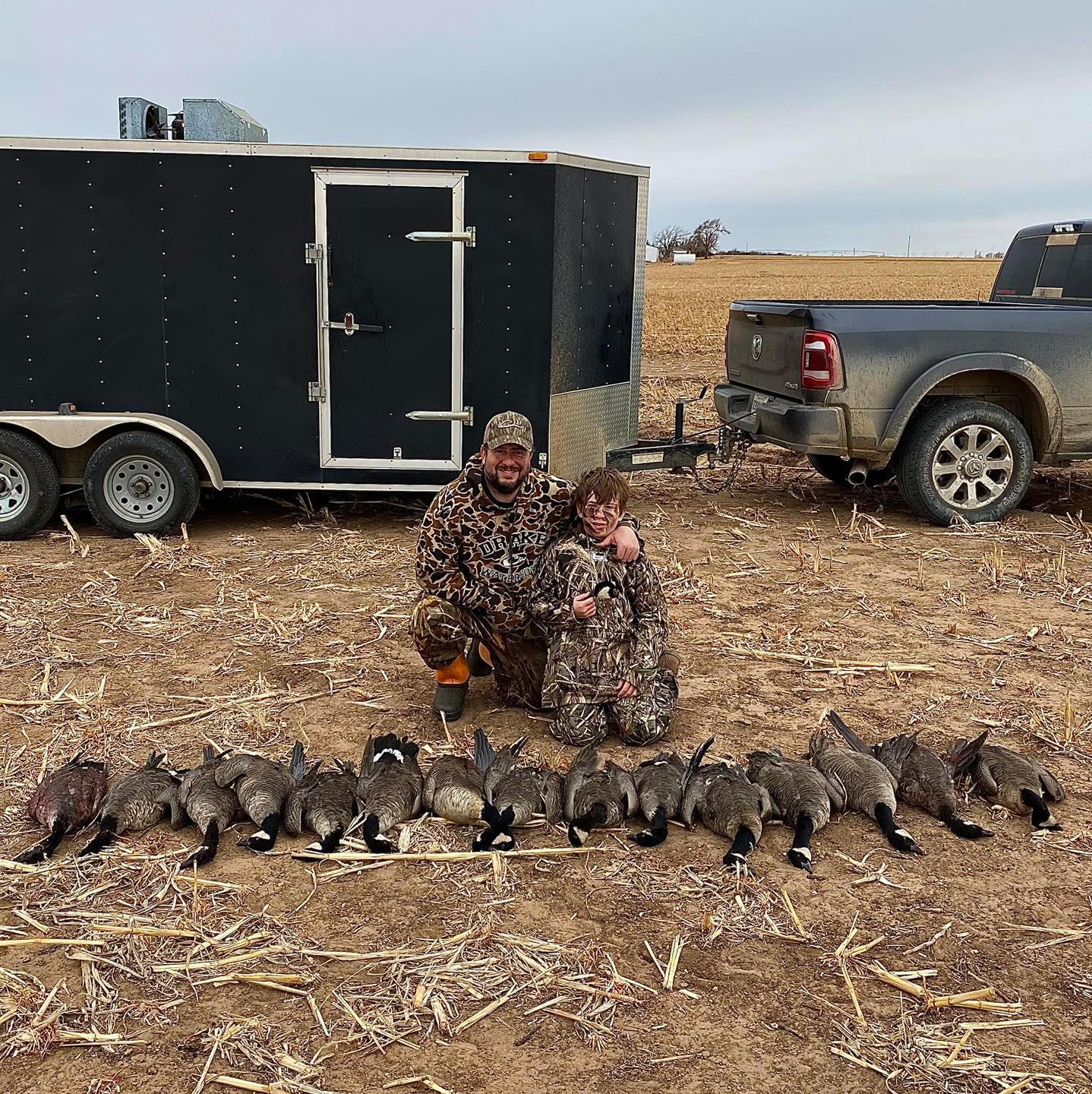
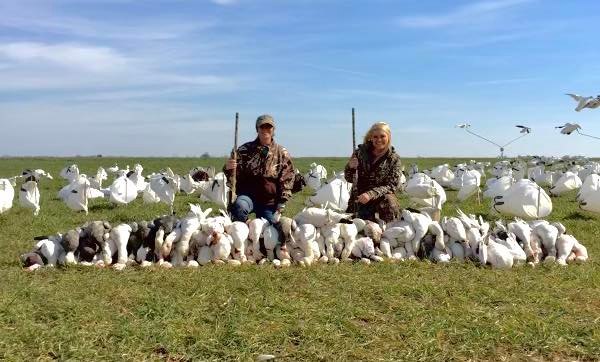
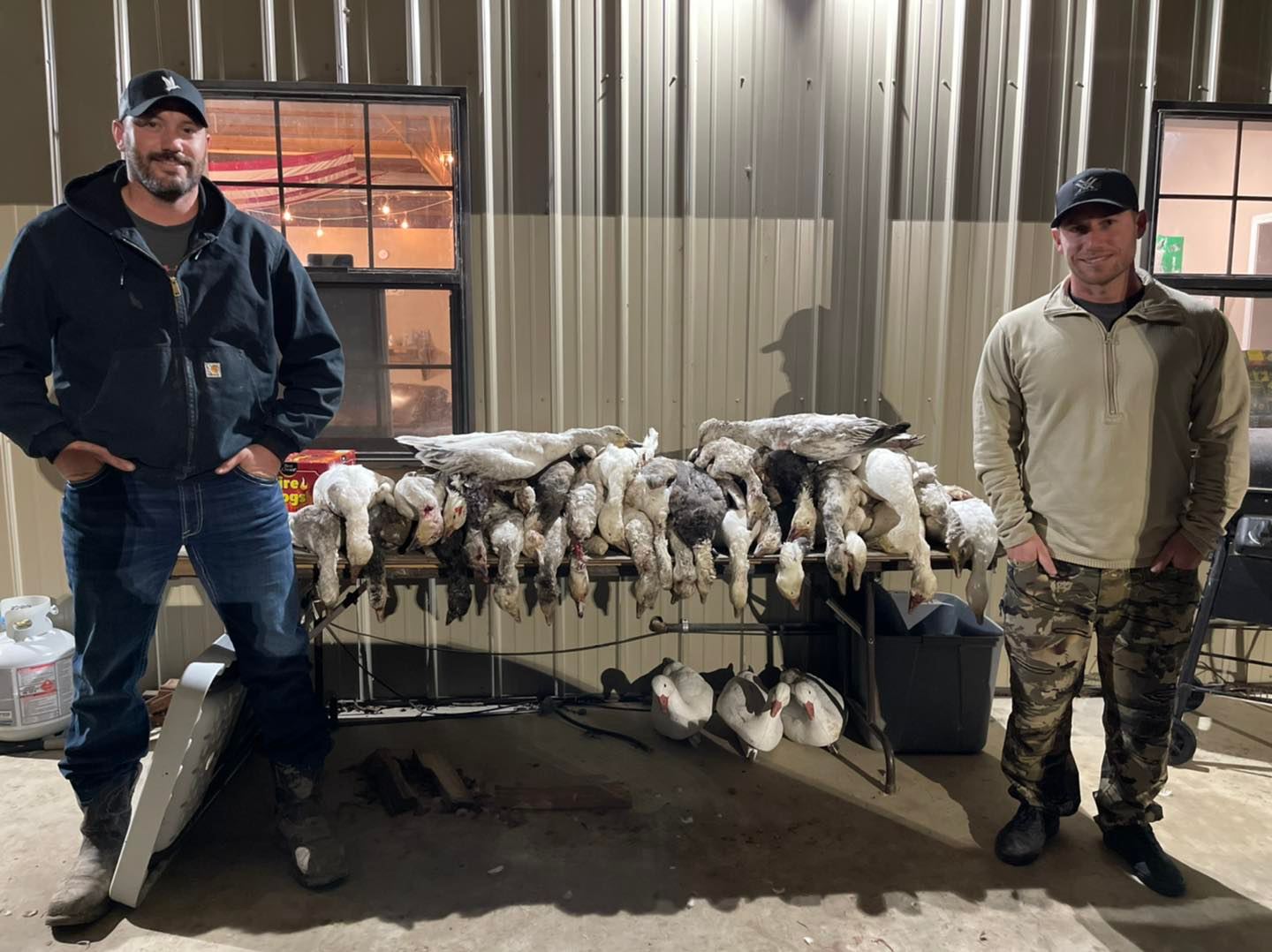
Louisiana's wetlands offer some of the finest waterfowl hunting in the South, and our guided day hunts put you right in the heart of the action. Whether you're a seasoned hunter or looking to experience your first Louisiana duck hunt, this limited-date package delivers authentic marsh hunting without the overnight commitment. We're talking about real Louisiana hunting - muddy boots, early mornings, and the kind of duck calling that echoes across the cypress swamps. Our guides know these waters like the back of their hand, and they'll put you on birds when conditions are right.
Inside the Hunt
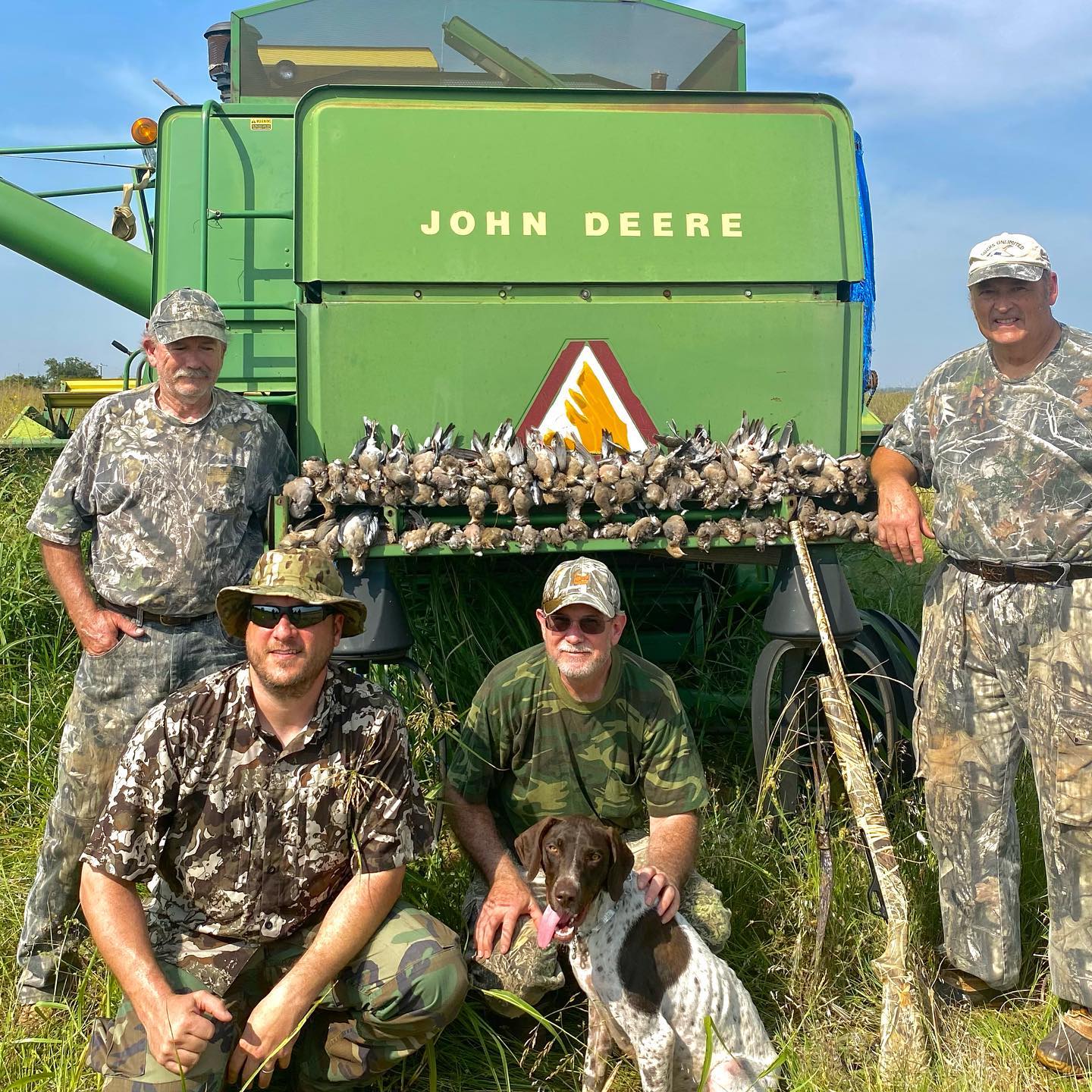
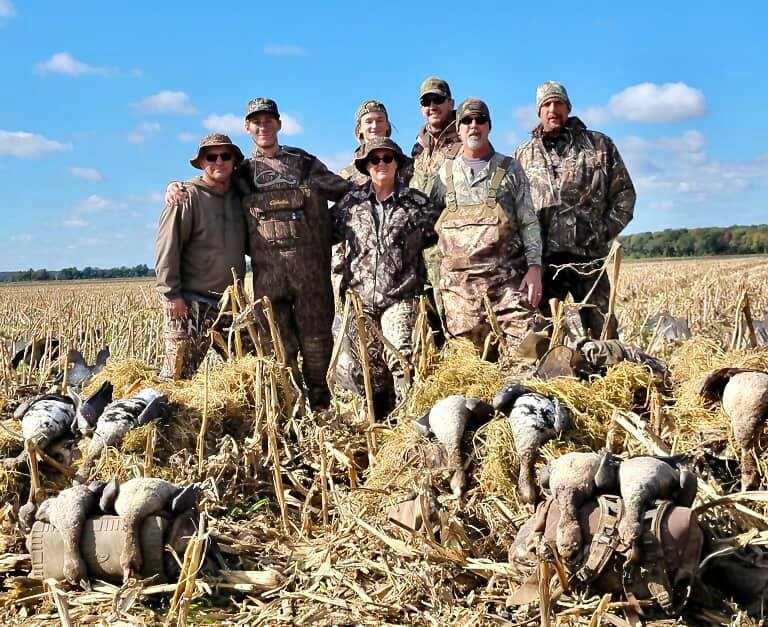
This isn't some cookie-cutter hunting operation. Our day hunts are drive-in affairs, meaning we can get you to productive water without the hassle of boat launches or long walks through thick marsh. You'll need a minimum of three hunters to book, and honestly, that's when these hunts really shine - nothing beats the camaraderie of calling ducks with your hunting buddies in a Louisiana blind. The pricing reflects this setup: $300 total for groups of 3-5 hunters, or $750 if you've got fewer than three and want the blind to yourselves. We're not talking about fancy lodges here - this is pure hunting, and you'll arrange your own accommodations in nearby Pineville, Alexandria, or Jena. These towns offer solid options for hunters who want a clean bed and a hot meal after a day in the marsh.
Tracking Tips & Terrain
Louisiana duck hunting is all about reading weather patterns and water levels. Our guides monitor these conditions daily, and they'll position you in blinds based on wind direction, barometric pressure, and recent bird movement. The terrain varies from flooded timber to open marsh, and each spot requires different calling techniques. You'll be hunting from constructed blinds that blend seamlessly with the natural cover - think palmetto fronds, marsh grass, and weathered wood that's been seasoned by countless hunts. Decoy spreads are set before you arrive, typically featuring a mix of mallard, teal, and specialty decoys that match the species moving through the area. Bring your own gun and shells, but don't worry about waders if you don't have them - most of our blind setups keep you dry. Steel shot only, of course, and make sure you've got your Louisiana hunting license and federal duck stamp squared away before you arrive.
Target Game Breakdown
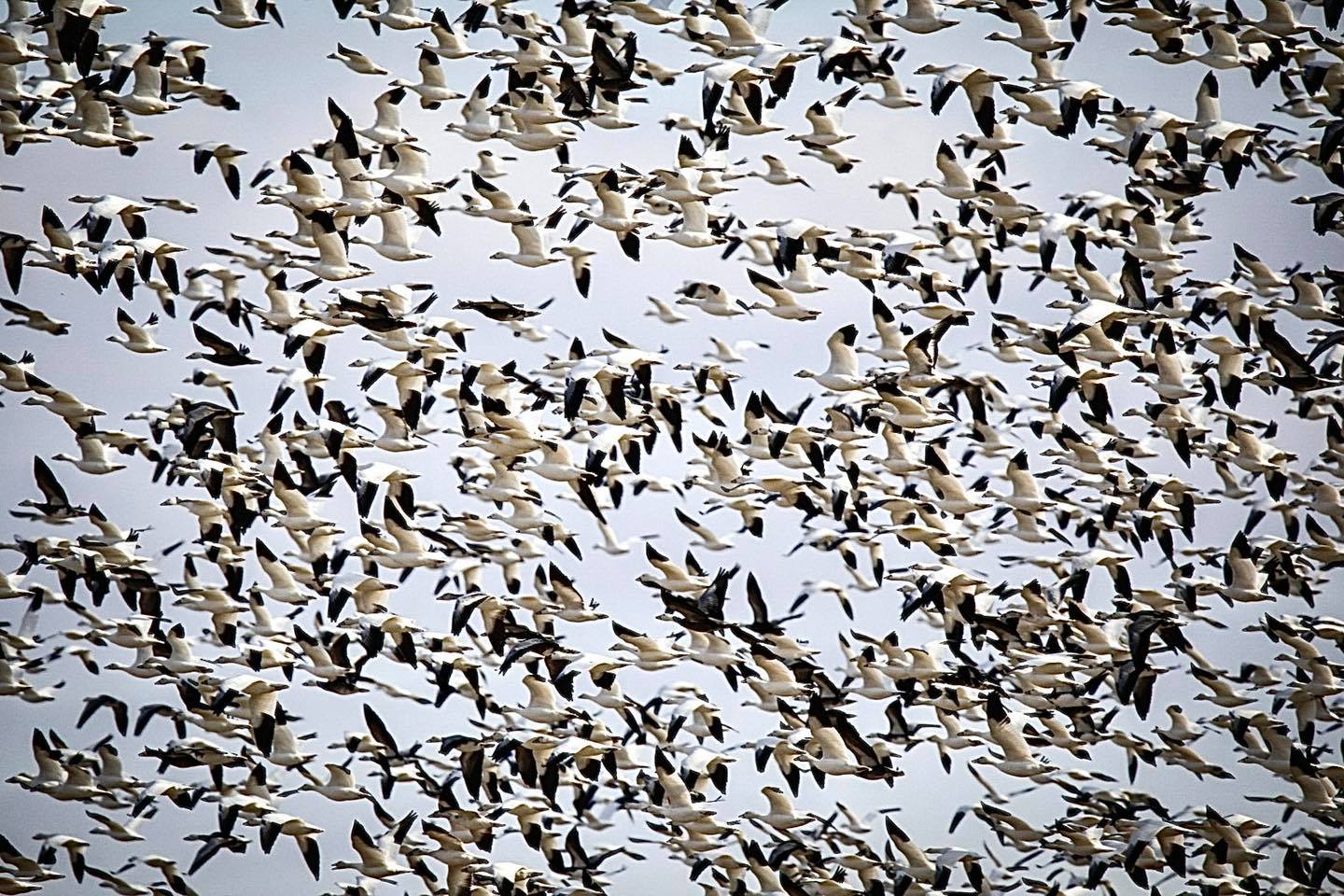
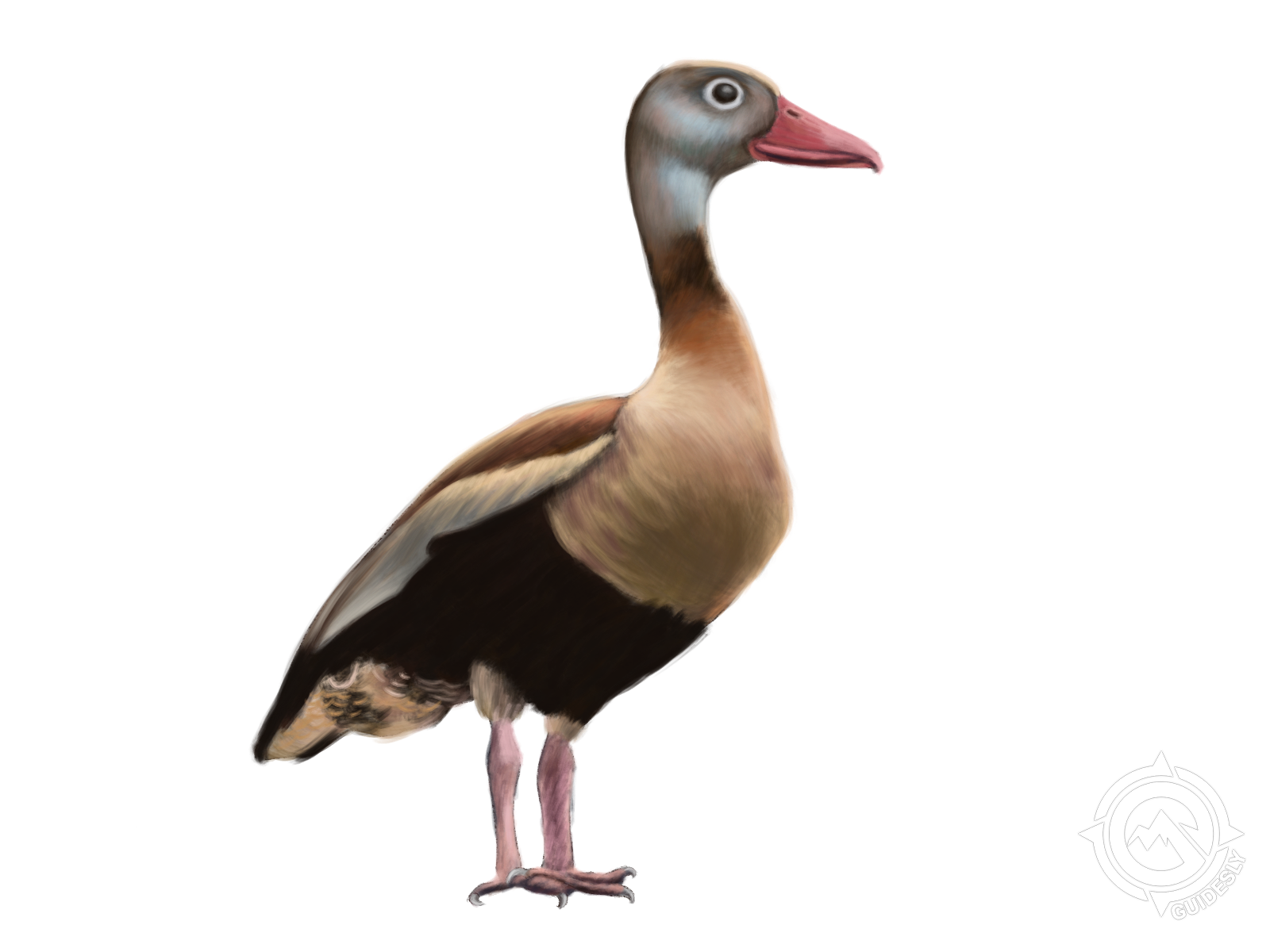
Black-bellied Whistling Ducks are the celebrities of Louisiana waterfowl hunting, and once you hear that distinctive call, you'll never forget it. These birds are active year-round in Louisiana, unlike most ducks that follow strict migration patterns. They're social birds that travel in large flocks, and when they commit to the decoys, they provide some of the most exciting shooting you'll find. Their long legs and unique whistling call make them easy to identify, and they're surprisingly good eating despite what some old-timers might tell you.
American Wigeon are the grass-loving ducks that every Louisiana hunter respects. They arrive with the first cold fronts of October and stick around through February, feeding on aquatic vegetation in shallow marshes. Wigeon are notorious for their wariness - they'll circle your spread multiple times before committing, testing your patience and calling skills. When they finally drop those landing gear and cup their wings, you know you've earned the shot. Their distinctive white crown on the males makes them easy to identify, and they're considered some of the best table fare among Louisiana ducks.
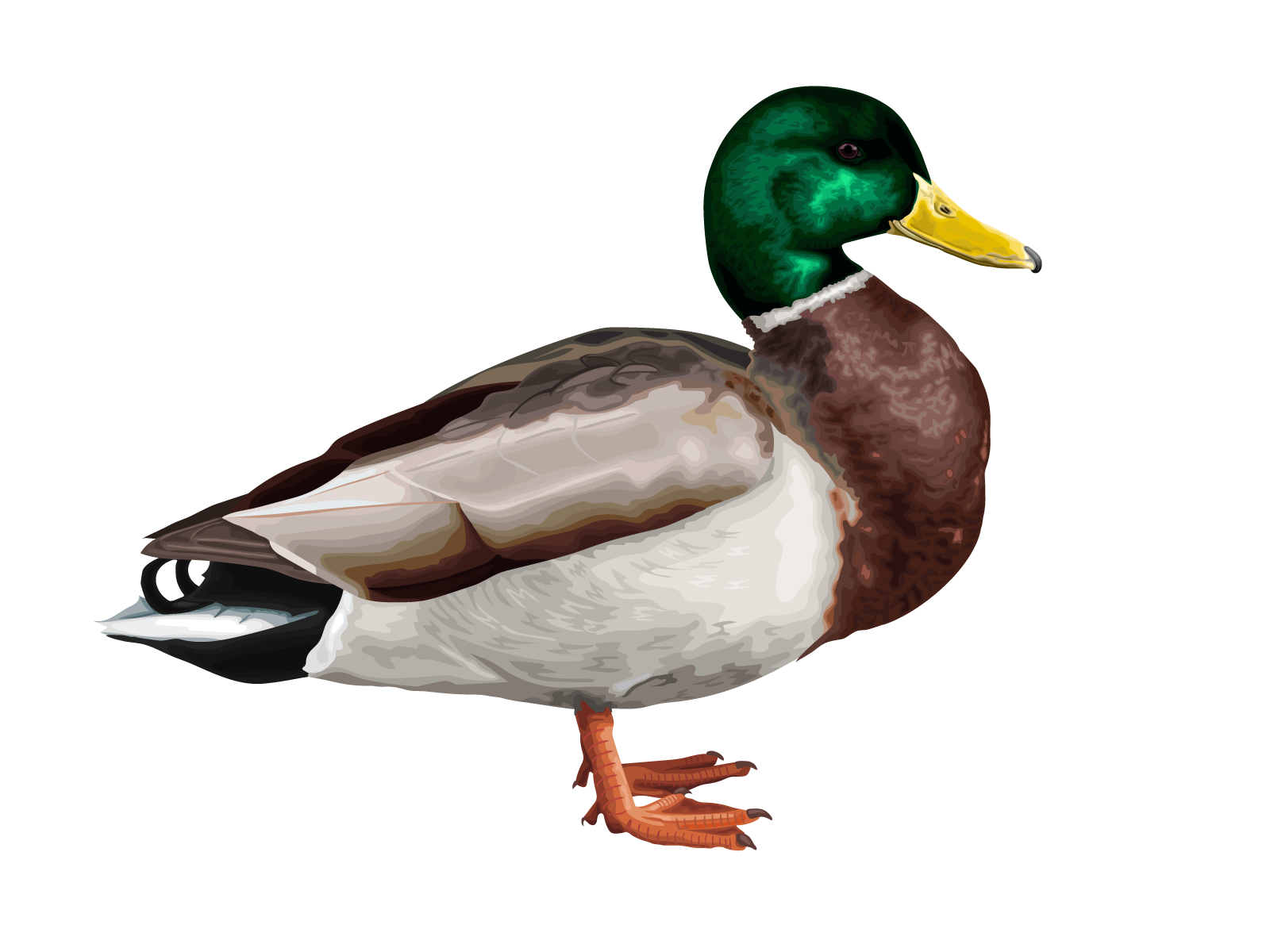
Mallards are the bread and butter of Louisiana duck hunting, and for good reason. These adaptable birds use every type of wetland habitat the state offers, from cypress swamps to coastal marshes. Peak mallard hunting runs from December through January when northern birds join our year-round residents. The sound of mallards working a call is pure music to any duck hunter, and watching a flock commit to your spread never gets old. Louisiana mallards are often larger and more colorful than their northern cousins, thanks to our abundant food sources and mild climate.
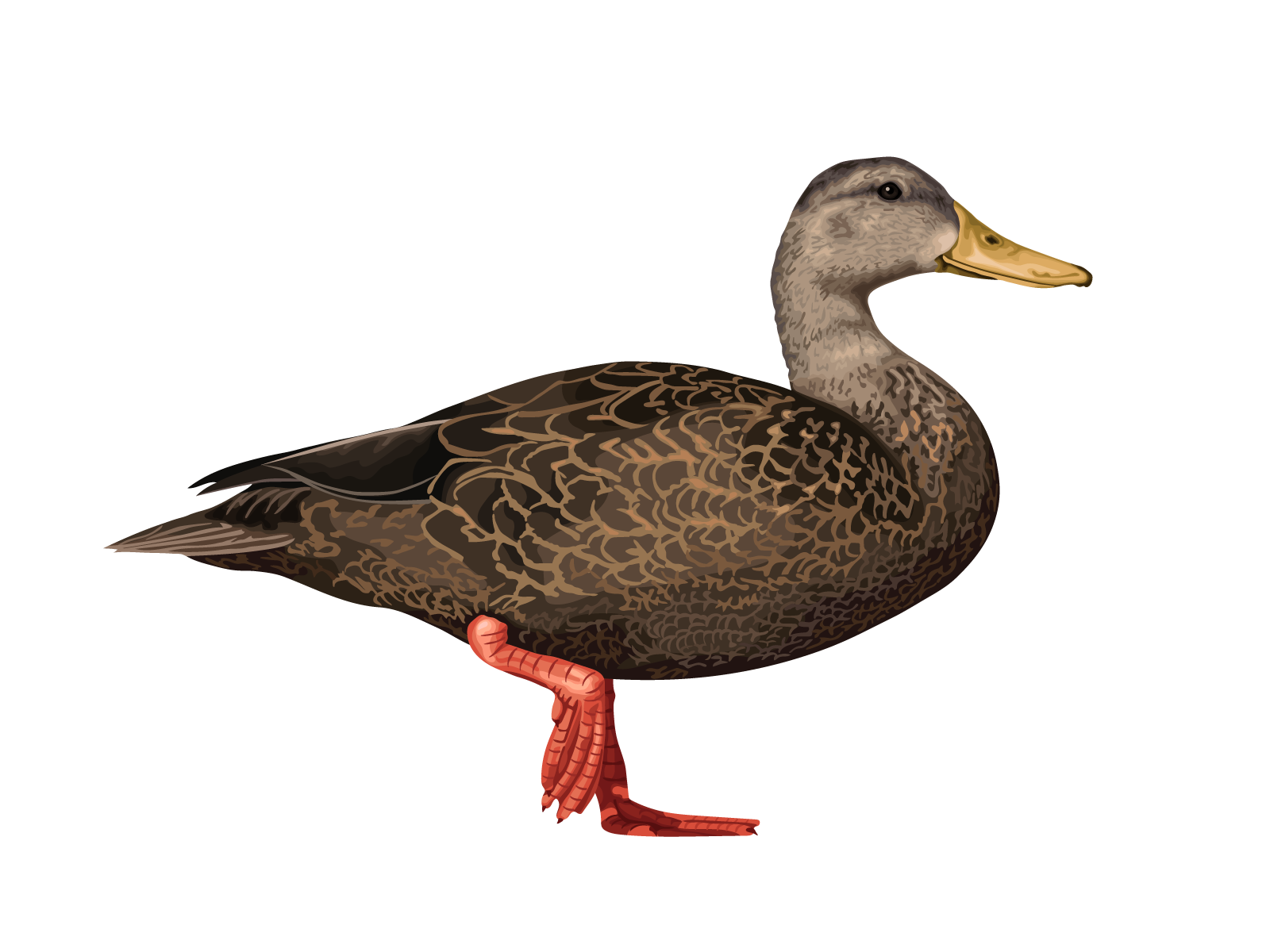
Mottled Ducks are Louisiana's year-round residents, and they're tougher to hunt than most people realize. Often called "marsh mallards," these birds know every trick in the book because they live here 365 days a year. They're most active during our early teal season in September and again during the regular season. Mottled ducks are notorious for landing just outside gun range and swimming around your decoys rather than flying in, which makes successful hunts feel especially rewarding. They're perfectly adapted to Louisiana's coastal environment and represent the true spirit of Sportsman's Paradise.
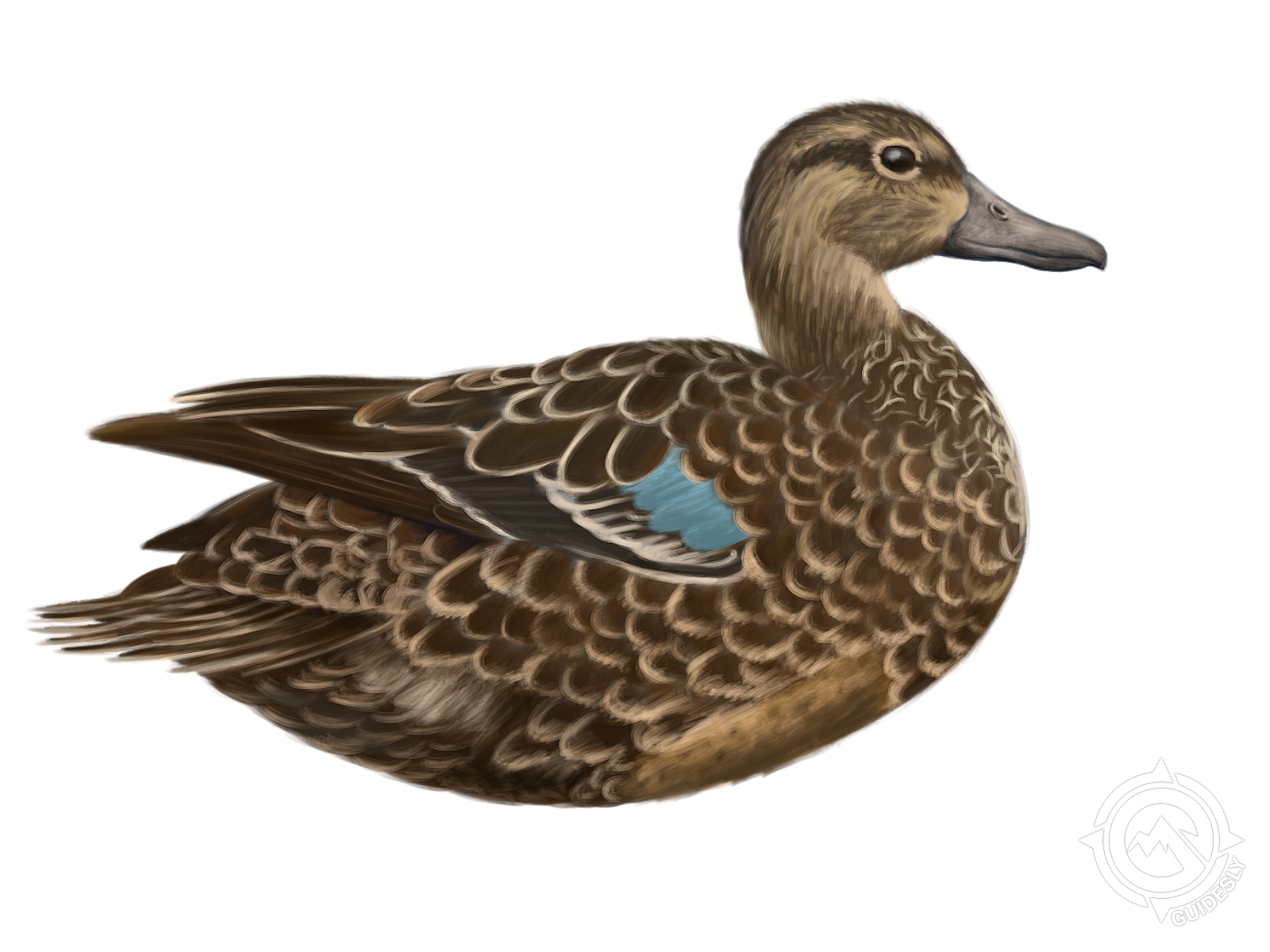
Blue-winged Teal are speed demons that turn Louisiana marshes into aerial racetracks during September and early October. These small, fast-flying ducks migrate through Louisiana in massive numbers, creating some of the most action-packed hunting of the year. Teal hunting requires quick reflexes and good lead calculation - they'll be on top of your blind and gone before you can think twice. The electric blue wing patches flash in the sunlight as they bank and turn, and successful teal hunting often means multiple birds working the decoys simultaneously. They might be small, but they're incredibly flavorful and perfect for introducing new hunters to Louisiana waterfowl.
Book Your Next Tag
Louisiana duck hunting with Level 7 Outdoors puts you in authentic hunting situations where success depends on weather, skill, and a little bit of luck - just like it should be. Our guides bring the local knowledge and proven blind locations, but the real magic happens when everything comes together: the right weather, birds on the move, and hunters ready to make the most of their opportunity. This is working-man's hunting at its finest, without the fancy frills but with all the genuine Louisiana hunting tradition you're looking for. Limited dates mean limited opportunities, so don't wait around hoping for perfect conditions - book your spot and get ready to experience what makes Louisiana waterfowl hunting legendary among hunters across the country.
 Private Trip
 Bird hunting
 Plainview, TX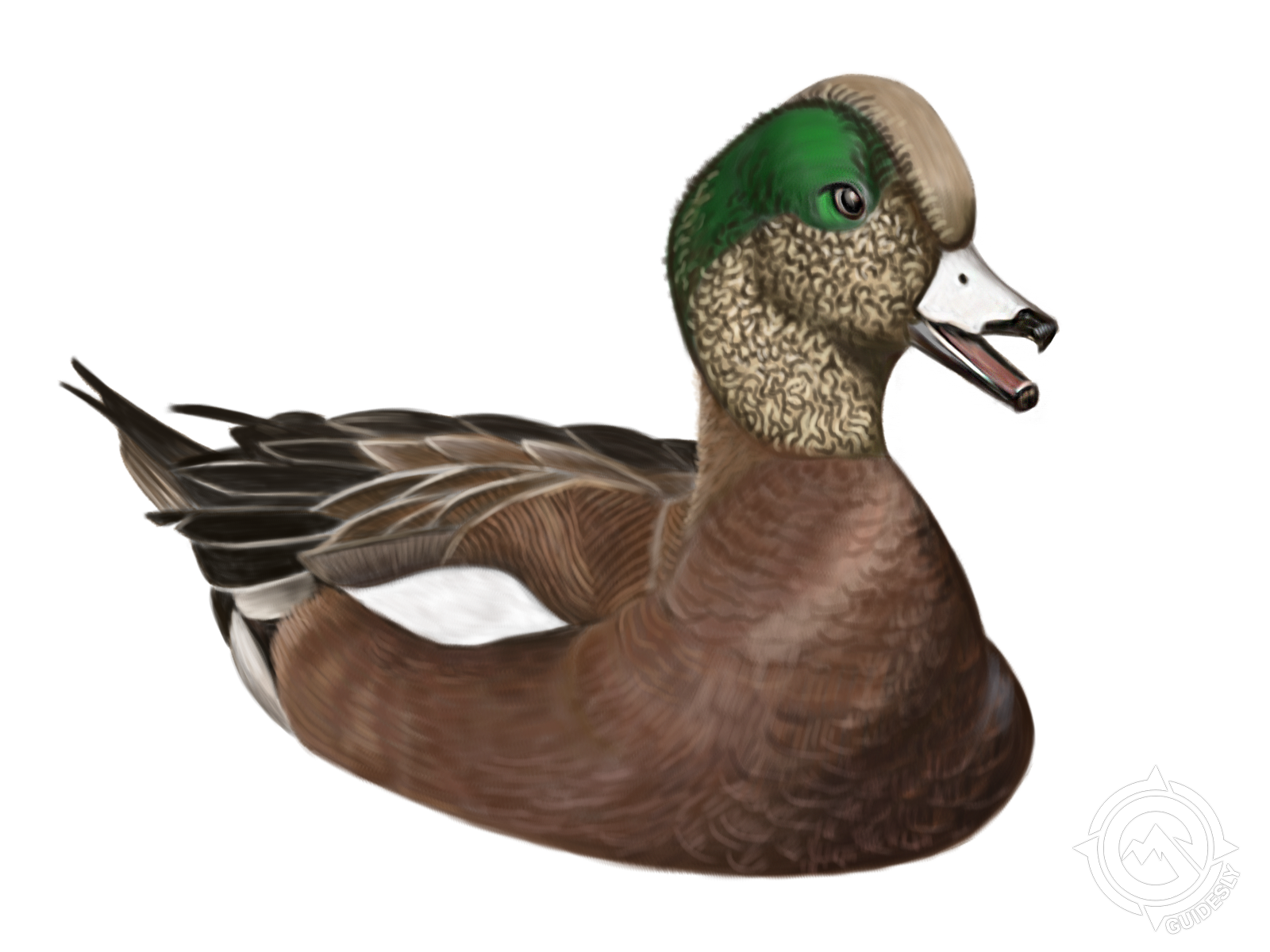
 Guided day hunts in Louisiana with Level 7 Outdoors