Arizona Desert Birding Tours | Small Groups
Picture this: you're gliding through shallow desert waters at sunrise, watching a Great Blue Heron stalk its breakfast while Western Grebes perform their courtship dance just yards from your boat. That's what we're all about here at Lo Water Guide Service. Born from countless hours exploring Arizona's hidden waterways and desert oases, these birding tours showcase the surprising abundance of life that thrives where water meets the Sonoran Desert. We keep groups intimate—maximum 8 guests—so everyone gets prime viewing spots and plenty of one-on-one guidance. Whether you're a weekend birder or a serious lister chasing Arizona specialties, this boat-based adventure puts you right in the action where desert birds come to drink, feed, and rest.
What Makes This Trip Special
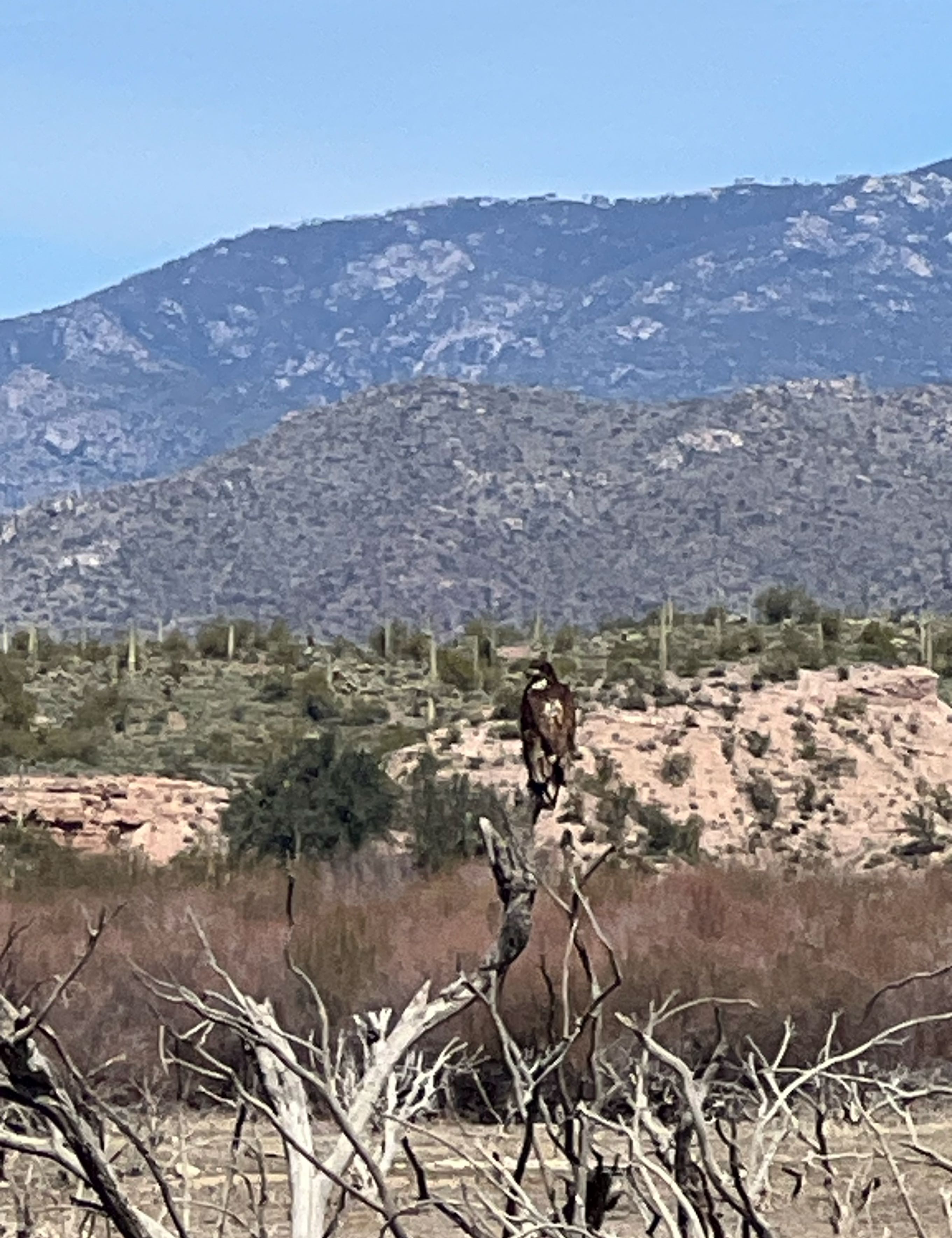
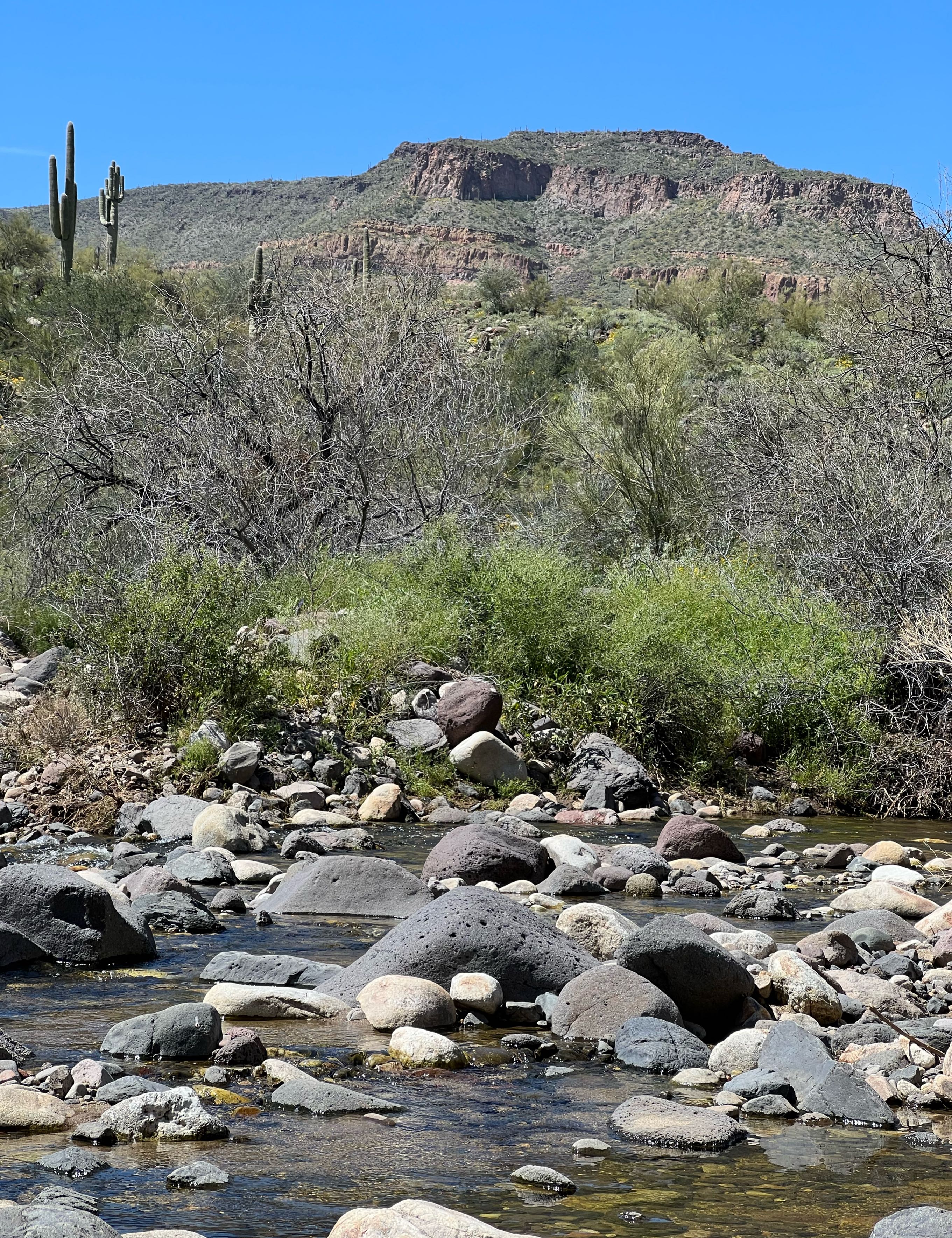
Most folks think Arizona birding means hiking dusty trails with binoculars, but we've found something better. Our custom boat lets us access shallow bays and quiet coves where birds feel comfortable getting close. We're talking 20-foot encounters with species that would flush at 100 yards on land. The boat's designed specifically for birding—stable platforms for tripods, comfortable seating that rotates for quick target acquisition, and a quiet electric motor that won't spook nervous waterfowl. Early morning departures catch birds at their most active, when the desert light paints everything golden and the water's glass-calm. You'll spend 4-5 hours covering different habitats as we follow the shoreline, from marshy inlets where rails hide among cattails to rocky points where raptors perch. The scenery's pretty spectacular too—towering saguaros reflected in still water with mountain backdrops that'll make you forget you're in the middle of the desert.
Boat Setup & Viewing Strategy
Our 22-foot pontoon boat might not look like much, but it's a birding machine. The shallow draft lets us cruise in 18 inches of water, getting closer to shore-hugging species than any other platform. We've mounted adjustable tripod bases throughout the boat, so your spotting scope or camera stays steady even when someone shifts position. Swivel seats mean you can track birds without the awkward shuffle, and strategically placed rod holders double as optics stands. The electric trolling motor keeps noise to a minimum—crucial when approaching skittish species like Least Bitterns or Virginia Rails. We navigate using GPS waypoints I've marked over years of scouting, hitting reliable spots where target species show up predictably. Morning thermals bring raptors up from their roosts, so we position ourselves with the sun at our backs for optimal viewing conditions. Bring your own optics, but we've got backup binoculars and a high-quality spotting scope that everyone shares. The key is patience and positioning—we'll drift into range slowly, cut the motor, and let birds get comfortable with our presence before breaking out cameras.
Desert Water Birds You'll Target
Western Grebes are hands-down the stars of this show, especially during migration season from March through May. These elegant divers put on courtship displays that look like synchronized swimming—pairs running across the water surface in perfect tandem. They're about two feet long with striking black and white plumage and piercing red eyes that photograph beautifully in morning light. Peak viewing happens April through early June when they're most active, though we see them consistently through fall migration too. What makes them special here is how close they'll let the boat approach during feeding—I've watched guests capture frame-filling shots of their elaborate fishing techniques.
American White Pelicans show up in impressive numbers during winter months, December through February, when they escape colder regions up north. These massive birds—9-foot wingspans—gather in flocks of 50 or more, creating spectacular photo opportunities as they coordinate feeding runs. Unlike their coastal cousins, these pelicans don't dive-bomb their prey. Instead, they work together, herding fish into shallow water where they can scoop them up. The behavior's fascinating to watch and surprisingly predictable once you understand their patterns. They're most active early morning and late afternoon, which aligns perfectly with our tour timing.
Great Blue Herons hunt these waters year-round, but spring brings peak activity when they're establishing territories and courtship begins. Standing four feet tall, they're impossible to miss, but their hunting behavior is what keeps guests mesmerized. These birds can stand motionless for 20 minutes, then strike with lightning speed when prey ventures too close. We often encounter the same individuals in their preferred hunting spots—I've been watching one particular bird work the same shallow bay for three seasons now. Guests love photographing their intense focus and dramatic fishing strikes.
Time to Book Your Desert Birding Tour
Arizona's desert waterways offer world-class birding opportunities that most visitors never discover. Our boat-based approach puts you in prime position to observe and photograph species in their natural habitat without the crowds or hiking demands of traditional desert birding. With small group sizes and years of local knowledge guiding each tour, you're guaranteed close encounters with desert-adapted birds that call these unique ecosystems home. Spring migration season fills up fast—March through May books solid with repeat customers and serious birders chasing Arizona specialties. Winter months offer consistent pelican viewing and comfortable temperatures perfect for extended time on the water. Ready to see Arizona birding from a completely different perspective? Let's get you out there where the real action happens.
 Private Trip
 Wildlife
 Phoenix, AZ
 Small group birding tours with maximum 8 guests in Arizona deserts