Arizona Wild Trout Challenge Guided Trip
If you're serious about trout fishing and want to test your skills against some of the most unique and challenging waters in the Southwest, this Arizona Wild Trout Challenge is calling your name. We're talking about a fishing adventure that goes way beyond your typical trout outing – this is a quest to complete a rare five-species slam that includes two threatened native species you can't find anywhere else. Our guides know these remote waters like the back of their hand, and they're here to help you check off every box on this bucket-list challenge. Fair warning though: this isn't a casual day on the lake. You'll be covering serious ground across two national forests, hiking into backcountry spots that most anglers never see, and working hard for every fish you bring to net.
What to Expect on the Water
This challenge takes you into Arizona's most pristine and remote trout habitat, where crystal-clear mountain streams and hidden alpine lakes hold some of the state's most prized fish. You're looking at a true backcountry experience – we're talking about waters that require real commitment to reach, with hiking boots as essential as your fishing gear. The goal is simple but not easy: land all five target species including the rare Apache trout and Gila trout, both protected under the Endangered Species Act, plus Brown, Brook, and Rainbow trout from carefully selected waters. Our guides have spent years dialing in these specific fisheries and know exactly where to find each species during different conditions. We strongly recommend booking this as a two-day adventure because rushing through this challenge just doesn't do it justice. You'll need time to properly fish each location, handle the driving between spots, and account for the hiking required to reach the best pools and runs.
Gear Setup & Techniques
Success on this challenge comes down to adapting your approach for each unique fishery and target species. You'll be switching between techniques throughout the trip – from delicate dry fly presentations on gin-clear native streams to nymph fishing deeper pools where the big browns like to hide. Our guides carry a full arsenal of proven patterns specific to these waters, including flies you won't find in most tackle shops. We're talking about local ties that have been tested on these exact streams over countless seasons. Light tackle is the name of the game here – these native fish are spooky and the water is often crystal clear, so finesse beats power every time. Expect to use everything from 3-weight rods for the smaller native streams to 5-weight setups when targeting larger browns and rainbows. The terrain varies dramatically between locations, so you'll need sturdy hiking boots and be ready for some serious bushwhacking to reach the prime spots. Some of these fisheries require careful catch-and-release handling due to their threatened status, and our guides will walk you through the proper techniques to ensure these incredible fish stay healthy for future generations.
Target Species Breakdown
Apache trout are the crown jewel of Arizona's native fish and one of the rarest trout species in North America. These stunning fish sport distinctive yellow-gold coloration with dark spots and can live over 20 years in the right habitat. They're found only in the headwaters of the Salt River system in the White Mountains, making every encounter special. Apache trout are incredibly wary and require perfect presentations – one bad cast and you're likely done for that pool. They feed heavily on terrestrial insects during summer months, making hopper patterns deadly effective. What makes catching them so rewarding isn't just their rarity, but their fighting spirit – these fish have adapted to survive in harsh mountain conditions and they fight like they mean it.
Gila trout are equally rare and represent another Arizona native success story. These olive-colored beauties with their distinctive spotting patterns were once thought extinct but have made a comeback thanks to conservation efforts. They're found in select high-elevation streams and have a reputation for being extremely selective feeders. Gila trout prefer cooler water temperatures and are most active during morning and evening periods. They're ambush predators that love to hold in undercut banks and behind structure, making accurate casting essential. The thrill of landing a Gila trout comes from knowing you're connecting with a fish that nearly disappeared forever – it's fishing with a real conservation impact.
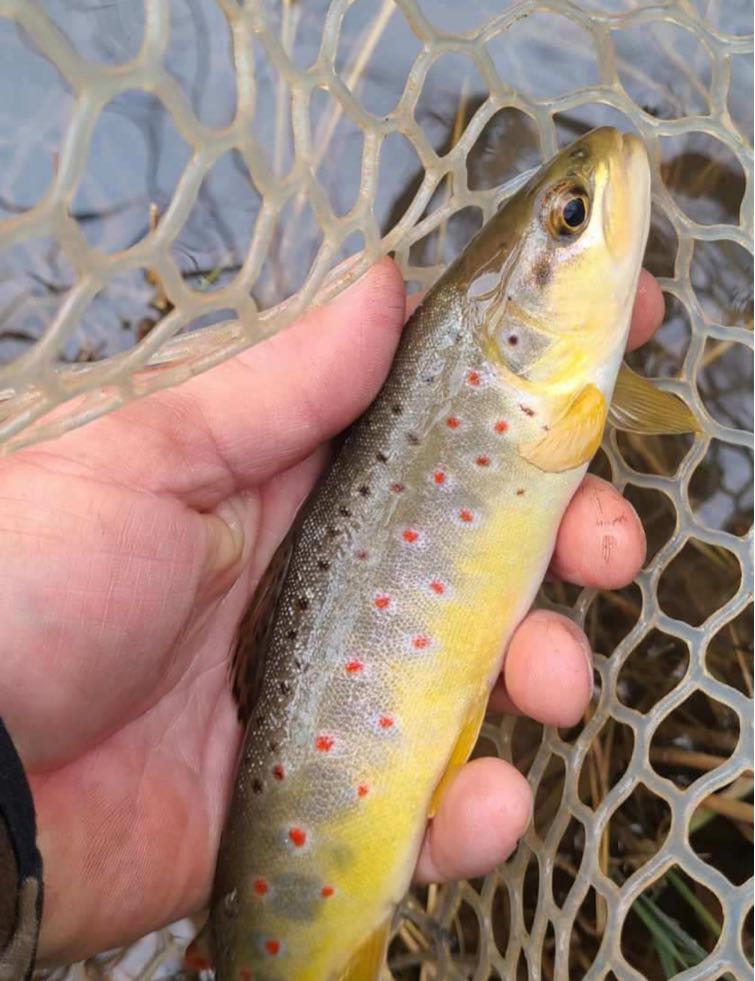
Brown trout in Arizona's mountain streams are typically European strain fish that have adapted beautifully to high desert conditions. These predators can reach impressive sizes in the right habitat and are known for their cunning nature and explosive strikes. They're most active during low-light periods and have a preference for larger prey items as they mature. Arizona browns often hold in the deepest pools and most complex cover, requiring precise presentations and strong tippet to handle their initial runs. What gets anglers fired up about these fish is their unpredictability – you might catch a handful of smaller fish all day, then have a true trophy materialize from nowhere on your final cast.
Brook trout in Arizona represent some of the most beautiful fish you'll encounter, with their distinctive vermiculated backs and brilliant orange fins. These char prefer the coldest, most oxygenated water available and are often found in the highest elevation streams. They're generally more aggressive than the native species but can still be selective during tough conditions. Brooks are excellent indicators of water quality – finding healthy brook trout populations means you're fishing truly pristine habitat. They're also the most willing to rise to dry flies, making them a favorite among purists who love visual takes and technical presentations.
Rainbow trout round out the slam and bring their own unique challenges to the mix. Arizona's rainbows are typically stocked fish that have adapted to local conditions, though some naturalized populations exist in select waters. They're known for their acrobatic fights and willingness to chase streamers and attractor patterns. Rainbows can be found in a variety of habitats within the challenge waters, from fast riffles to deep pools, making them somewhat more predictable to locate than the native species. Their aggressive nature and spectacular jumps make them crowd-pleasers, but don't underestimate the challenge – Arizona's clear water and educated fish mean even rainbows require skill and patience to consistently

 Private Trip
 Backcountry Fishing
 Phoenix, AZ
 Pursue five trout species including endangered Apache and Gila trout