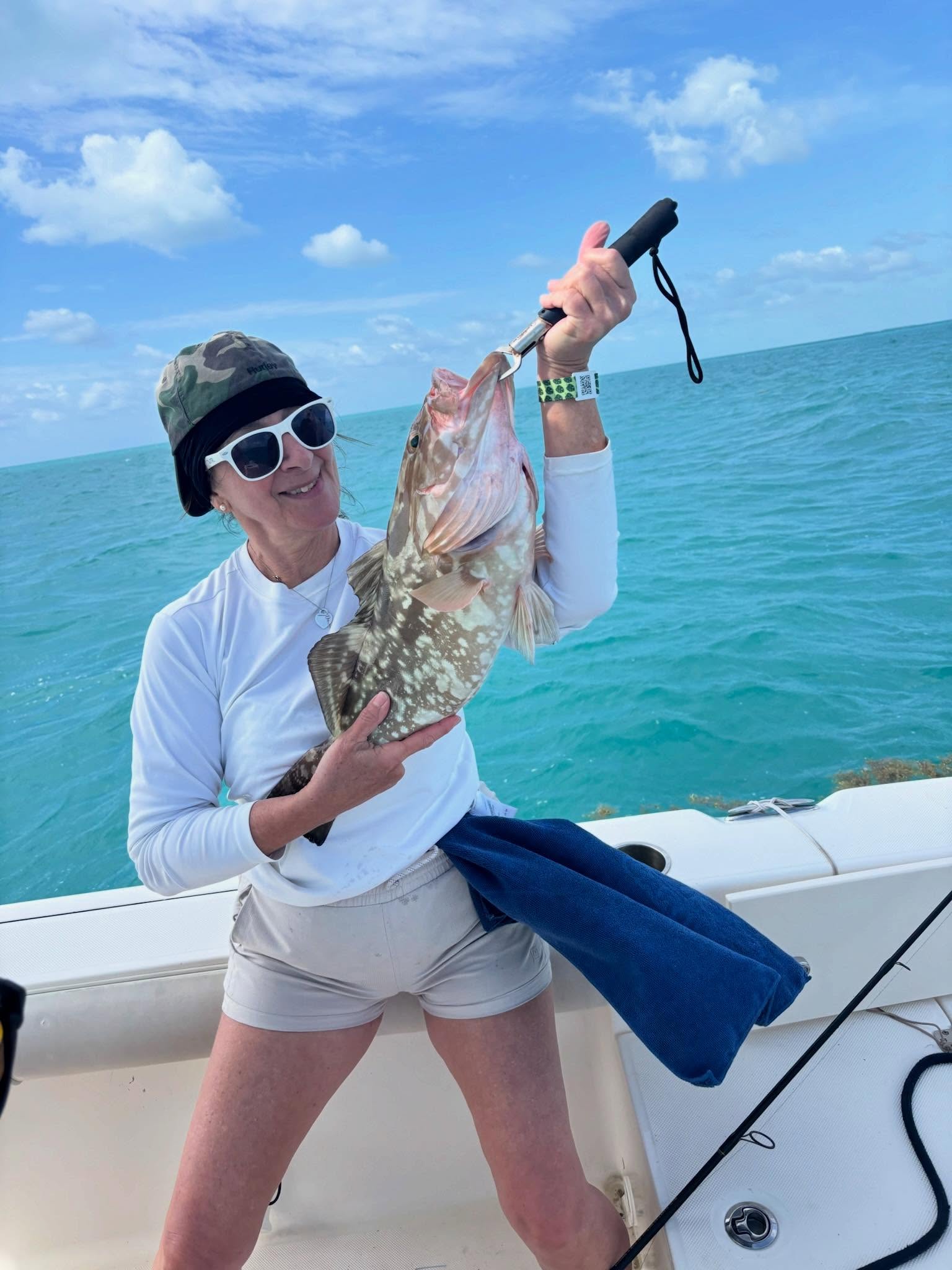
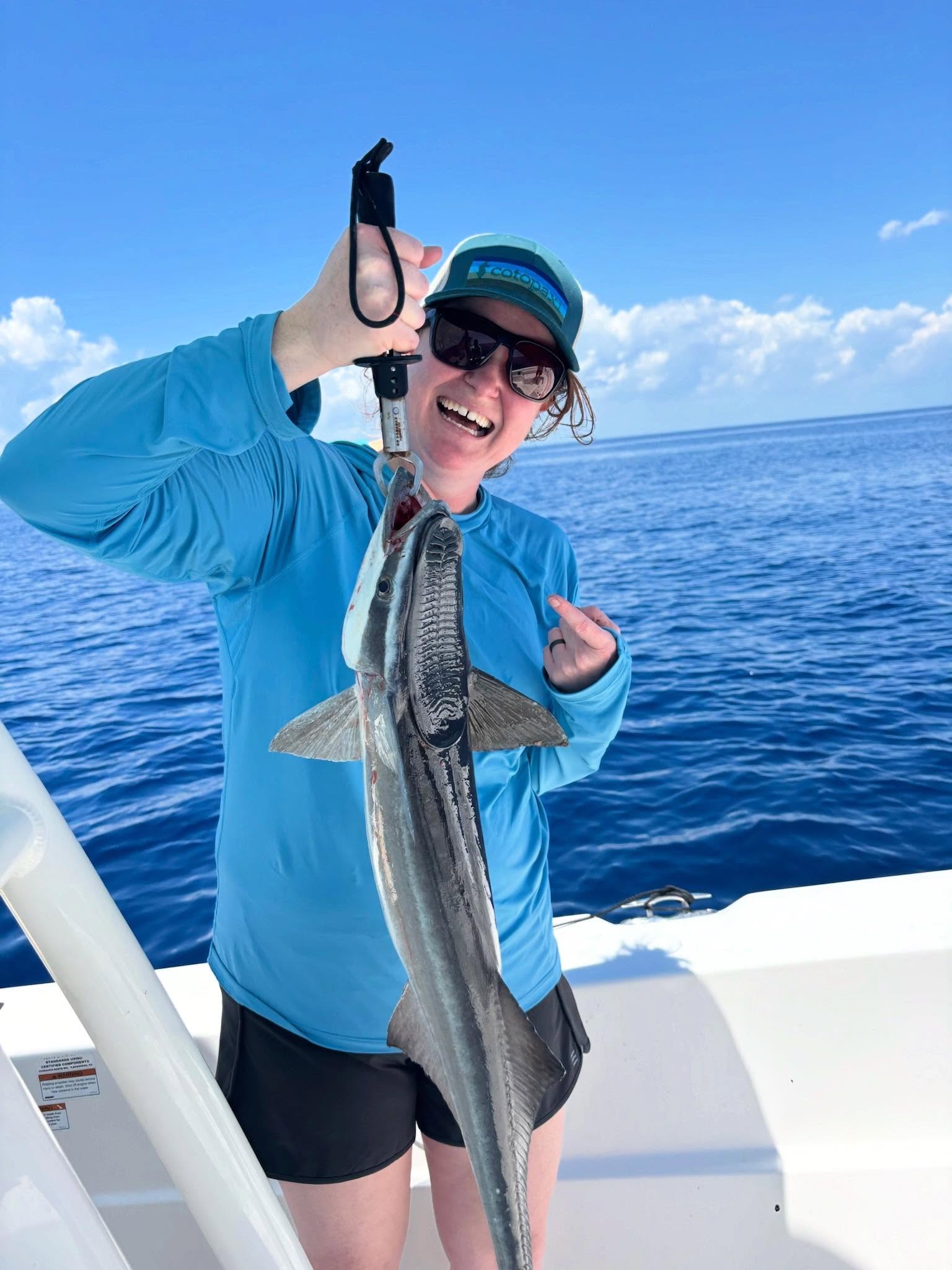
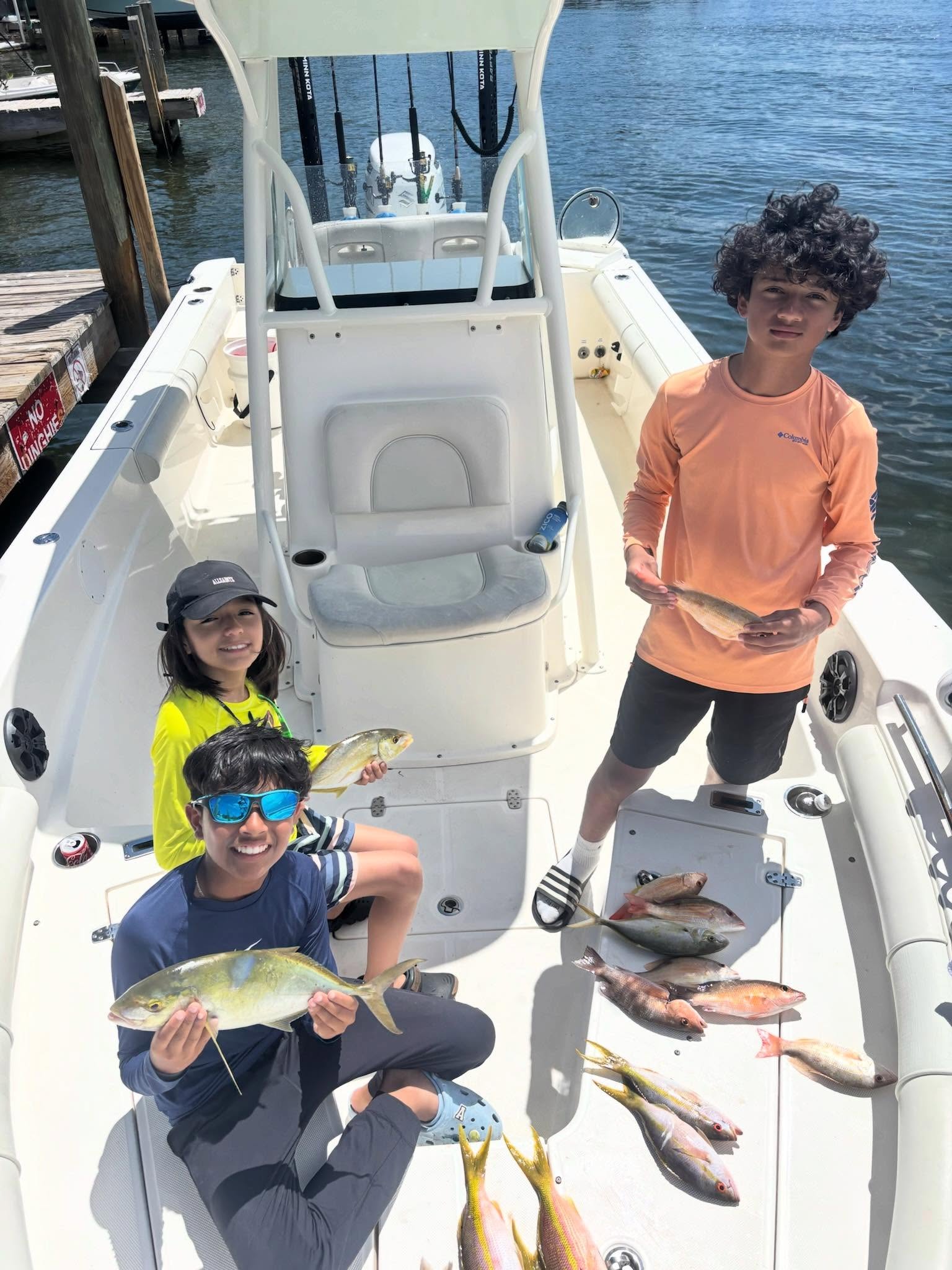
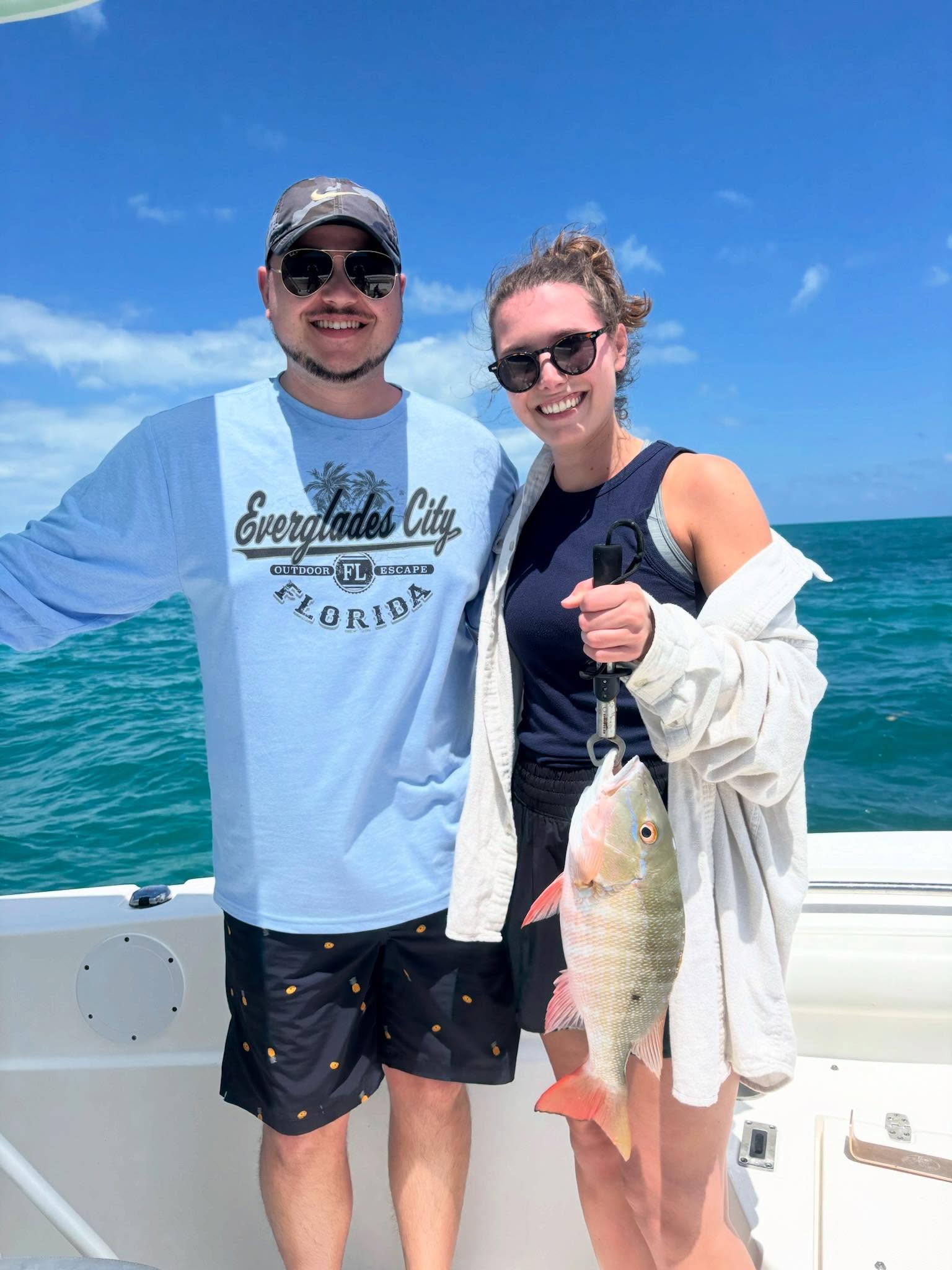
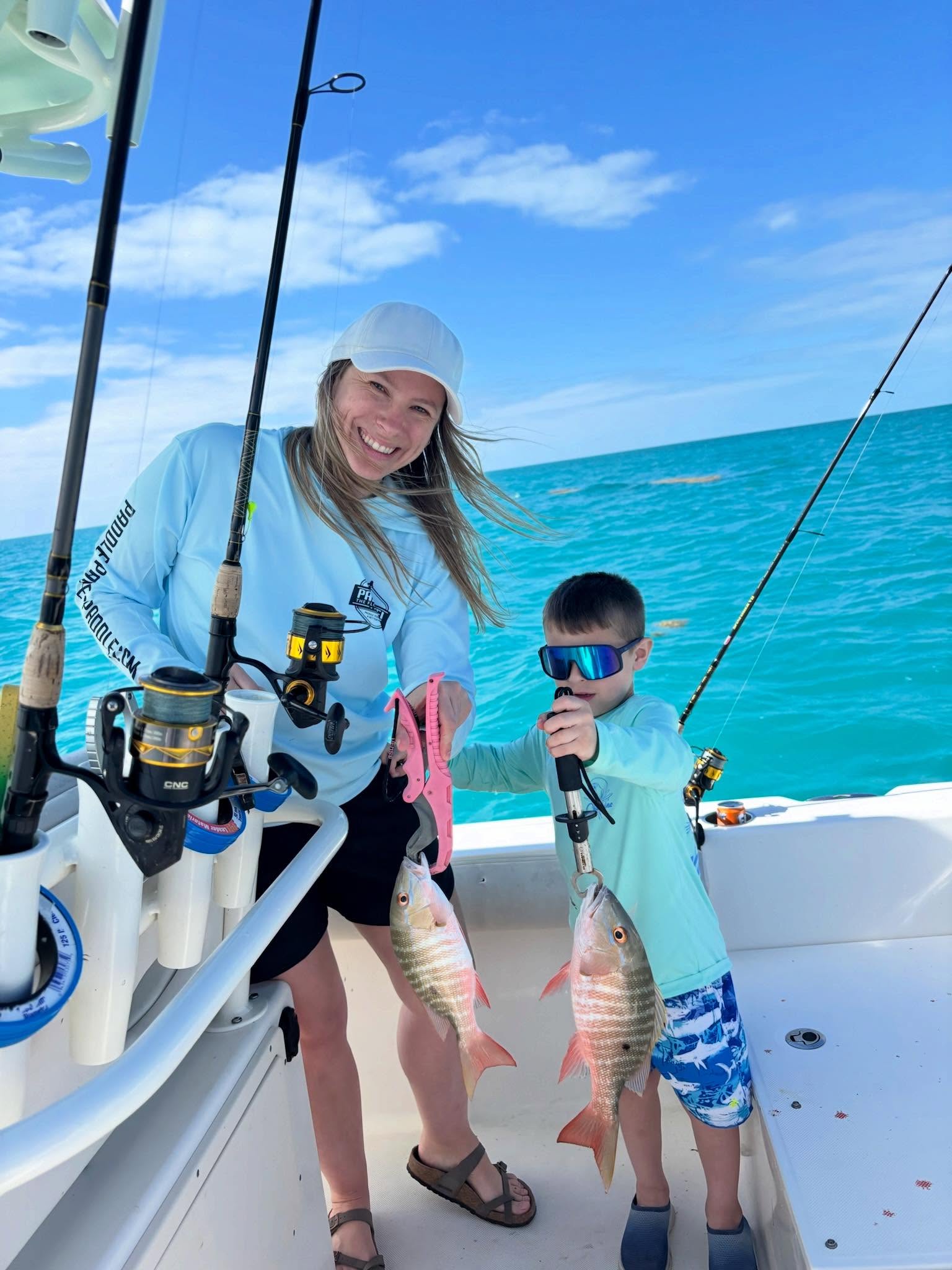
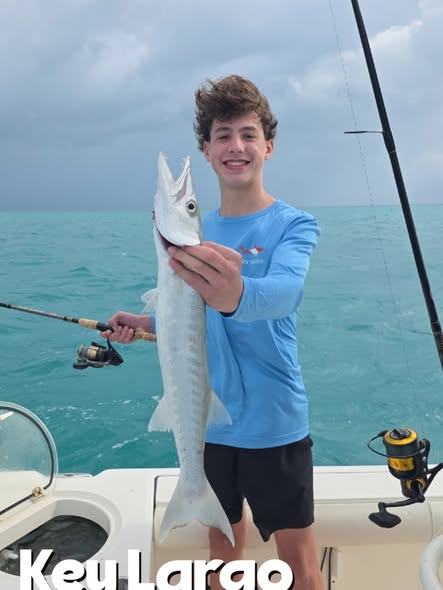
Mutton Snapper & Grouper Wreck Fishing Trip
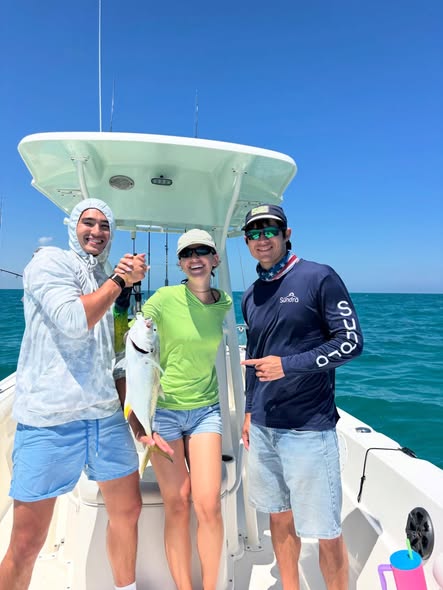
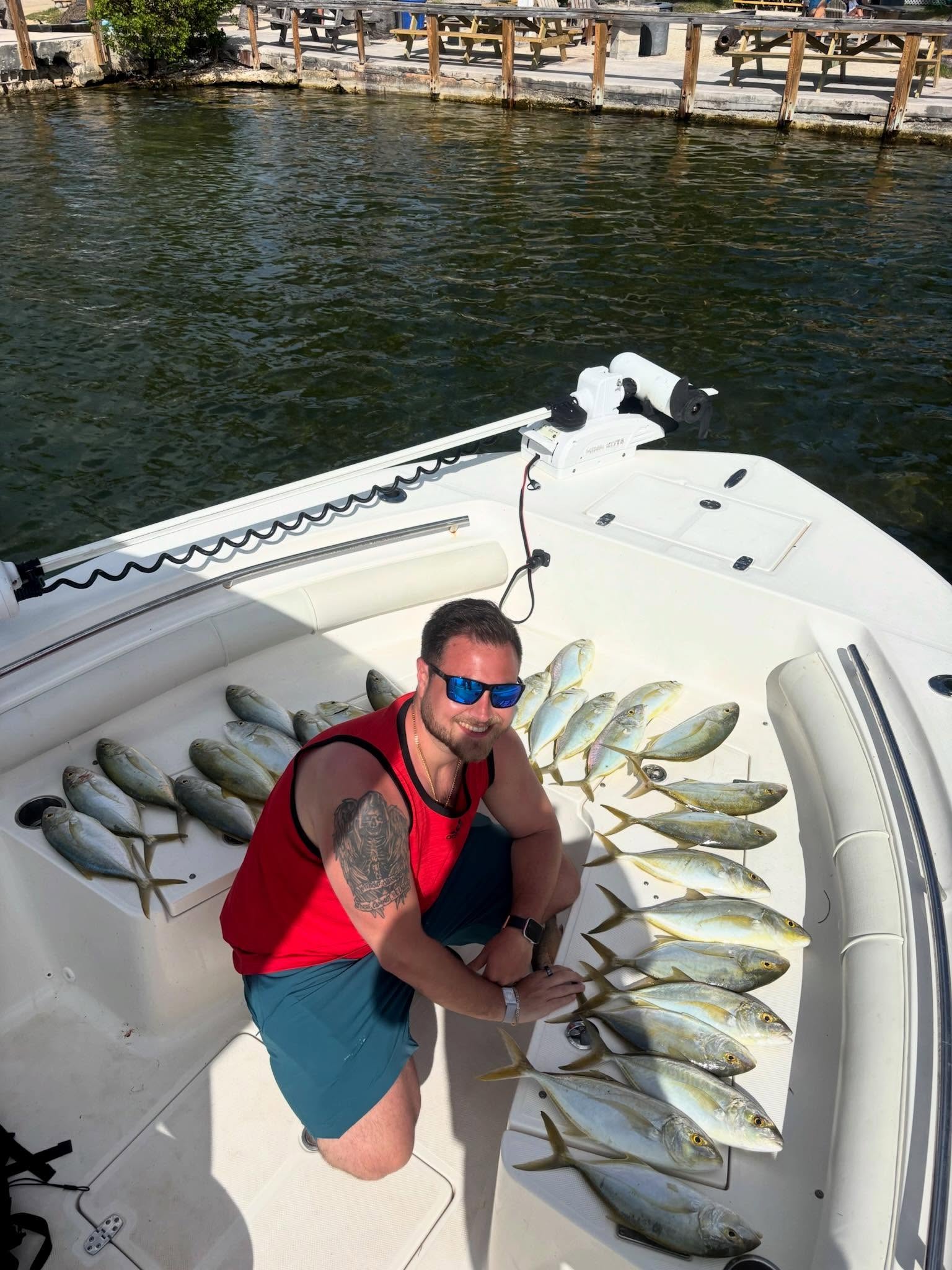
When you want to fish the wrecks off Key Largo like a local, this 4-hour afternoon charter with Lock It Up Charters delivers exactly what you're looking for. We're talking about real wreck fishing here – dropping lines on structure that holds black grouper, mutton snapper, and permit in some of the most productive waters in the Keys. This isn't a crowded party boat situation either. With just 4 anglers max, you get personalized attention and plenty of room to work your lines without bumping elbows. Whether you're a weekend warrior looking to fill the cooler or a seasoned angler chasing that trophy mutton, this trip gives you the best shot at both.
What to Expect on the Water
Your afternoon starts with a quick run to the wreck sites that have been producing consistently. We're not talking about mystery spots here – these are proven fish-holding structures that local captains have been working for years. The beauty of a 4-hour trip is you get serious fishing time without the whole day commitment. Perfect for families with kids who might get antsy on longer charters, but also ideal when you just want to get out there and catch fish without the marathon session. You'll spend most of your time bottom fishing these wrecks, which means steady action once we find the bite. The captain handles all the navigation and positioning, so you focus on what matters – keeping your line tight and your drag set right. All your bait, tackle, and licenses are covered, which means you can literally show up empty-handed and still fish effectively.
Bottom Fishing the Structures
Wreck fishing in Key Largo is all about fishing structure in 60 to 120 feet of water, depending on conditions and where the fish are staging. We're typically using medium to heavy spinning gear with 20-30 pound test, dropping live bait or fresh cut bait right down to the wreck. The technique is straightforward but requires some finesse – you want your bait close enough to the structure to interest the fish, but not so close you're constantly getting hung up on the wreck itself. Circle hooks are the standard here, especially for the grouper that like to head straight back to their holes once hooked. The captain will position the boat to drift over productive sections of the wreck, and you'll be working different depths as the structure changes. When a mutton snapper grabs your bait, you'll know it immediately – they hit hard and fight harder. Grouper are a different story, using their broad bodies and the wreck structure to their advantage in the fight.
What Anglers Are Saying
"We had an amazing 👏 time. He is such a gentleman. He made sure my boys were good and got on to fish no matter what. He extended time for us. He was just outstanding." - Shanique
Species You'll Want to Hook
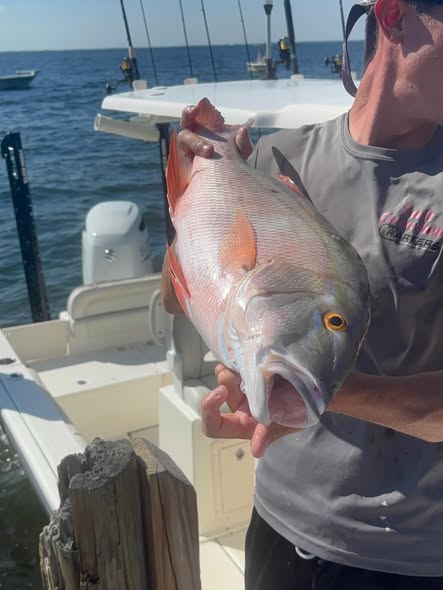
Mutton snapper are the crown jewel of Keys wreck fishing, and for good reason. These fish average 5-15 pounds but can push over 20 when you get into the big ones. They're incredibly strong fighters that make multiple runs, and they're absolute table fare champions. Mutttons are most active during warmer months from April through October, but you can find them year-round on the deeper wrecks. What makes them so special is their combination of fight and flavor – they'll test your drag and reward your cooler. The bigger fish tend to be more cautious, so fresh bait and patience often make the difference between a good day and a great day.
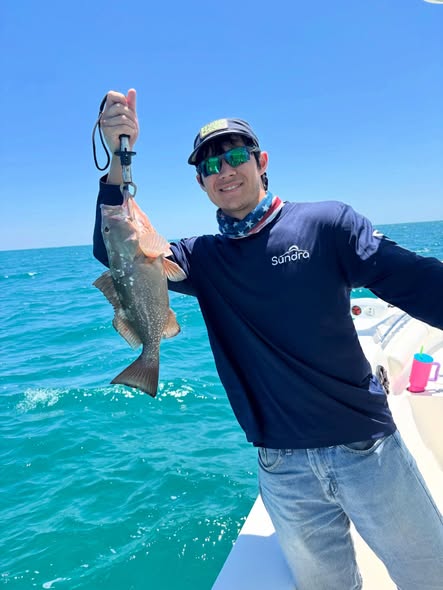
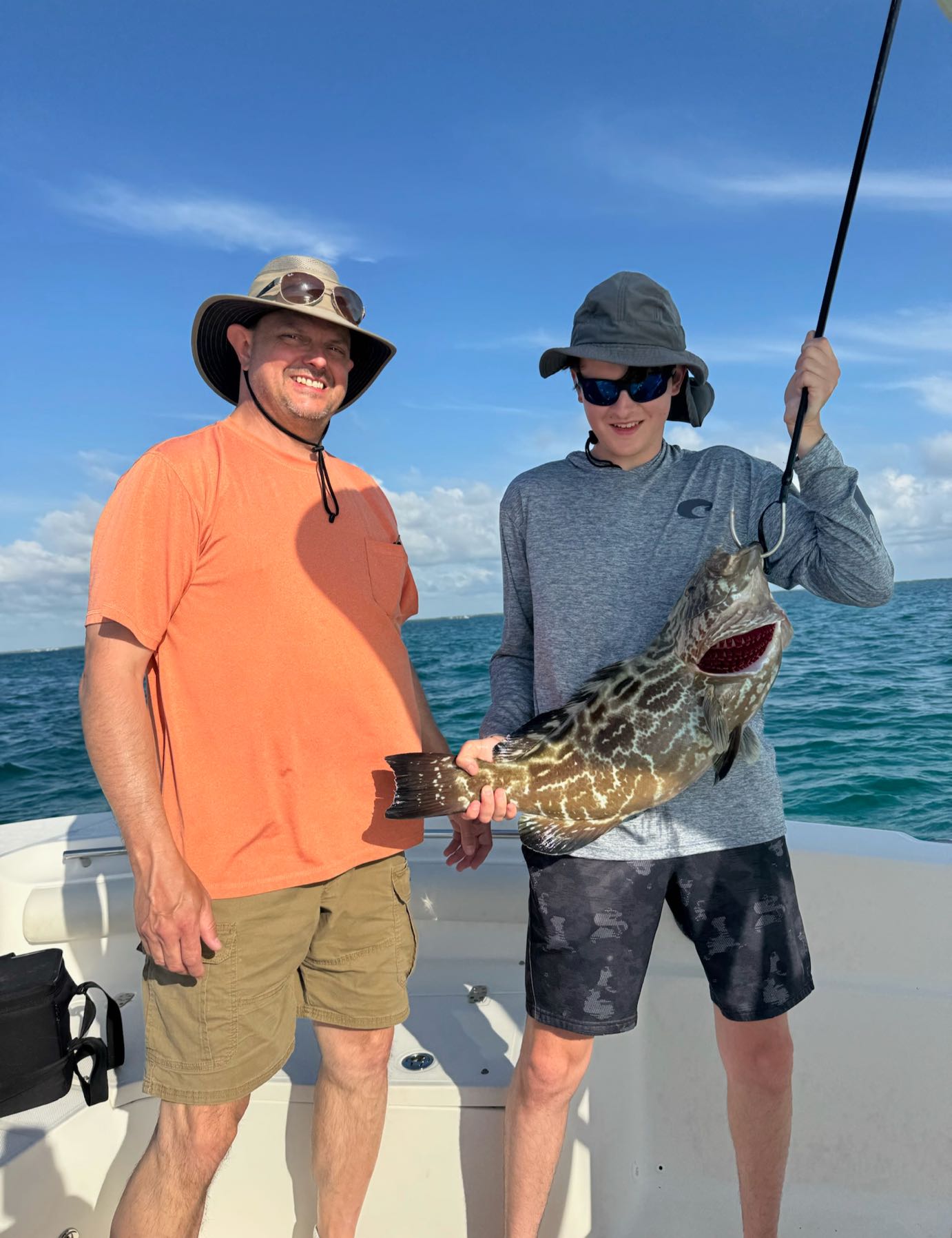
Black grouper are the bullies of the wreck, using every ounce of their stocky build to try and get back to their rocky hideouts. These fish typically run 10-30 pounds in our area, with the occasional beast pushing 40-plus pounds. They're ambush predators that sit tight to structure, which makes them perfect targets for wreck fishing. Peak season runs from late spring through early fall, but the winter months can produce some surprisingly good grouper fishing when conditions are right. The fight is different from snapper – more of a bulldogging, head-shaking battle that tests your tackle and your technique. Plus, grouper fillets are firm, white, and perfect for the grill.
Permit are the wildcard species that can turn a good trip into something special. These fish are notorious for being finicky, but when they're feeding around the wrecks, they provide some of the most exciting action you'll find in South Florida waters. Permit average 10-25 pounds and fight with a unique combination of speed and endurance that keeps you guessing throughout the battle. They're more common during the cooler months from November through March, often showing up in schools around the deeper wrecks. Landing a permit is always a highlight because they're relatively uncommon compared to snapper and grouper, making them a real trophy for most anglers.
Time to Book Your Spot
This wreck fishing trip represents exactly what makes Key Largo such a renowned fishing destination – consistent action, quality fish, and the kind of personal service that keeps anglers coming back season after season. With everything included and only 4 spots available, you're getting a top-rated charter experience without the crowds or complications. Whether you're planning a family fishing trip, introducing someone new to saltwater angling, or just want to spend an afternoon doing what you love, this charter delivers the goods. The wrecks aren't going anywhere, but the bite changes with conditions, seasons, and pressure. Book your spot and get ready to experience why local anglers consider wreck fishing the most reliable action in the Keys.
 5.0(1 Reviews)
 Private Trip
 Wrecks/Reefs Fishing
 Key Largo, FL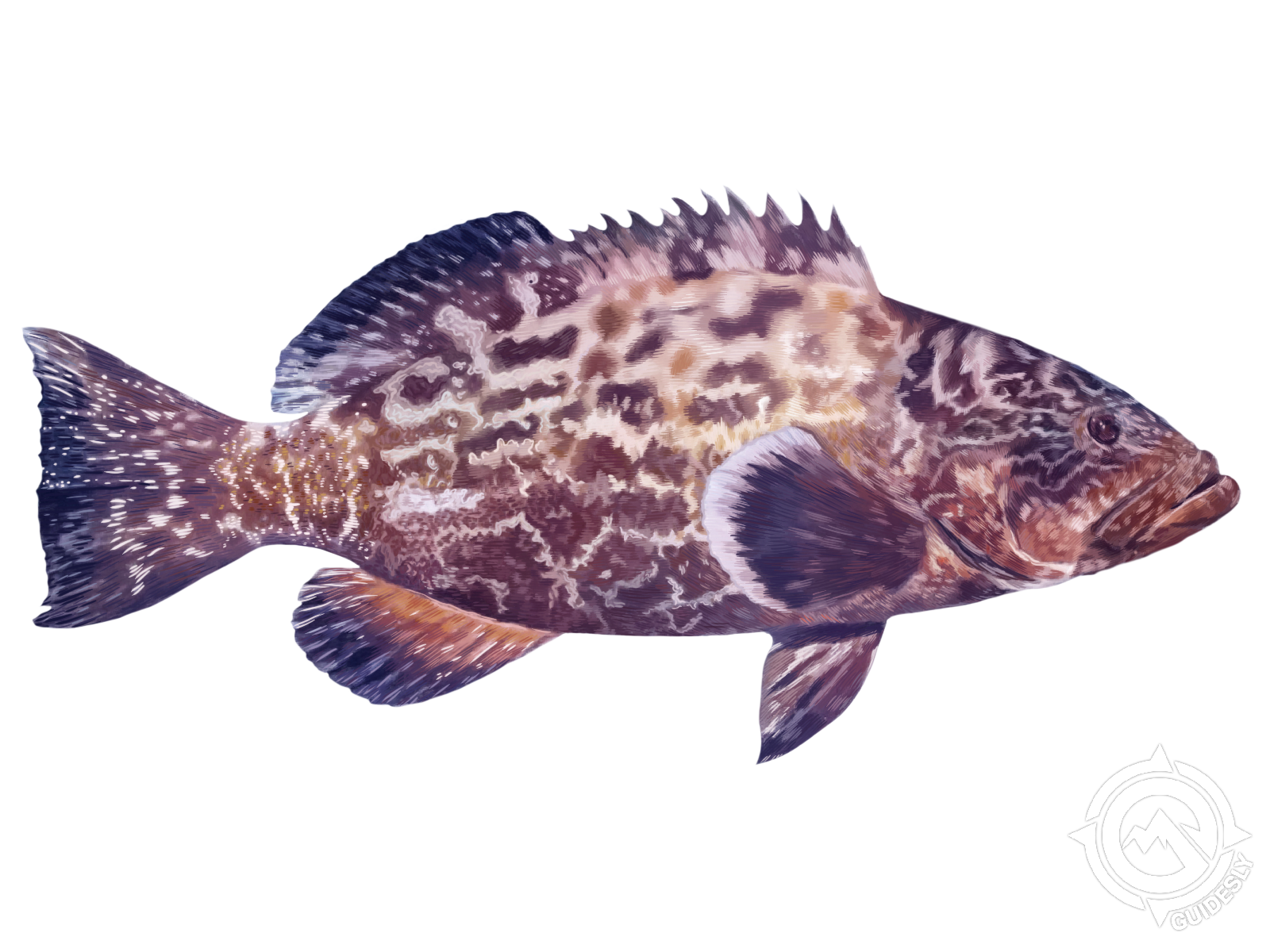


 Target mutton snapper and black grouper on productive wrecks