Spoonbilling on Lake of the Ozarks
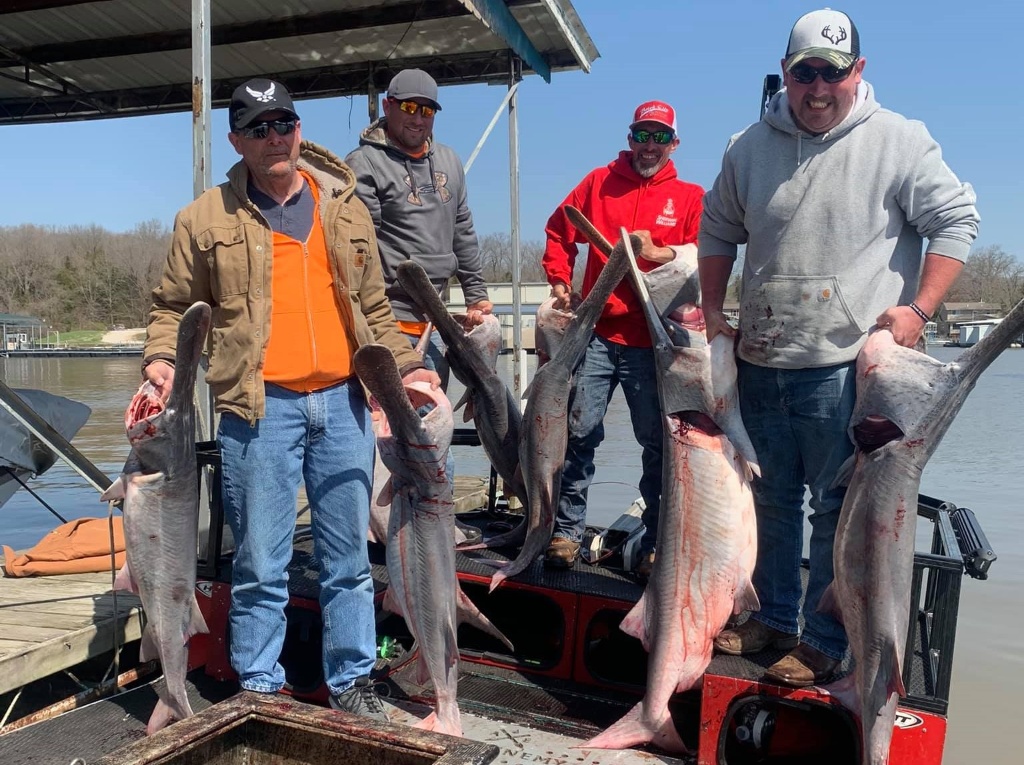
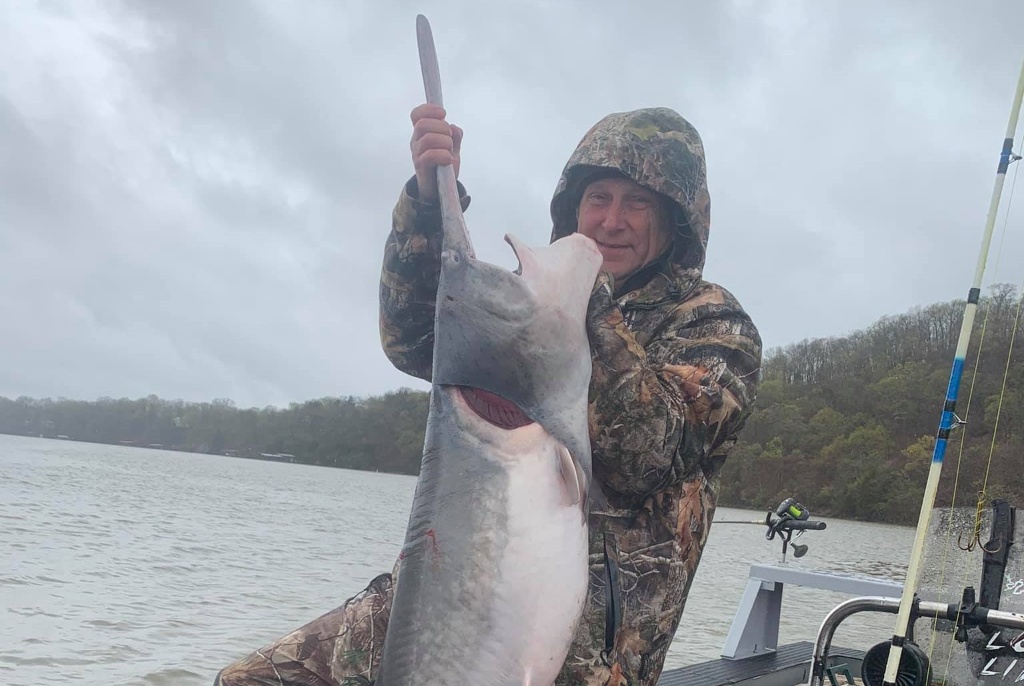
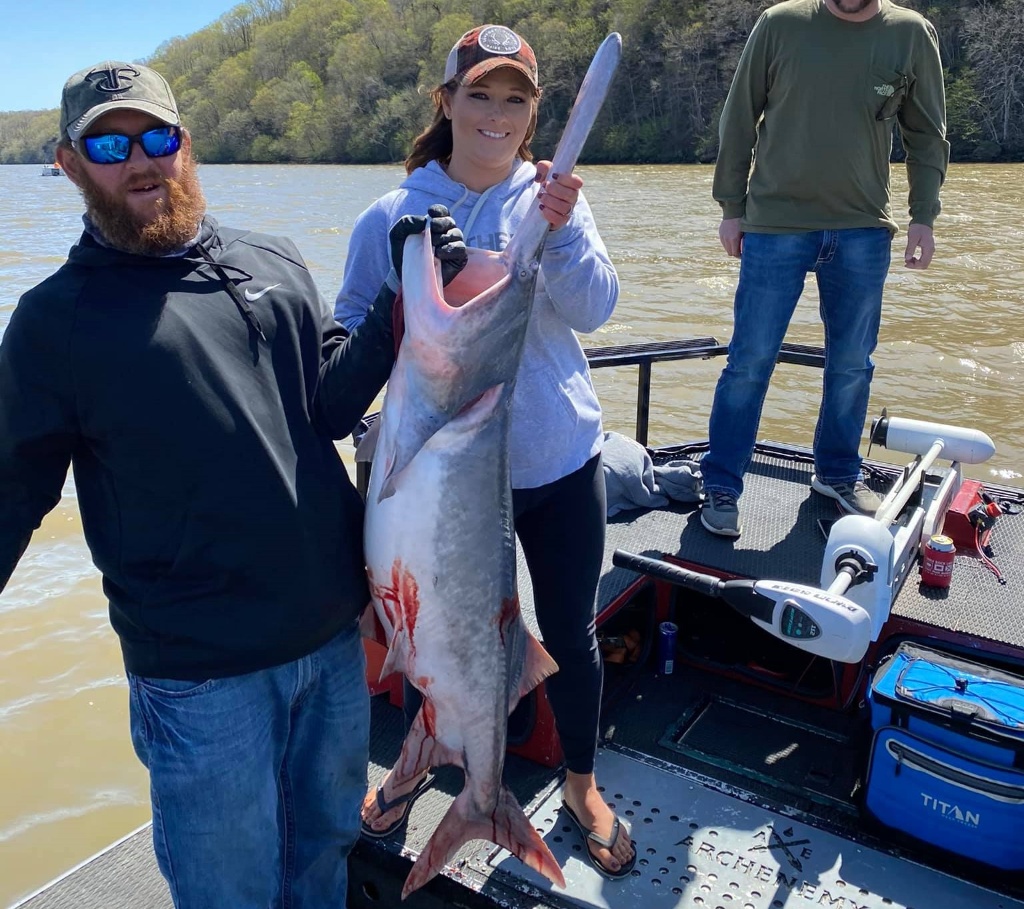
If you've never snagged an American paddlefish, you're missing out on one of Missouri's most unique fishing opportunities. Spoonbilling at Lake of the Ozarks puts you face-to-face with these prehistoric giants that can tip the scales at 100+ pounds. Captain Loz knows exactly where these ancient filter-feeders hang out, and with space for just two anglers, you'll get personalized instruction on this specialized technique. Don't forget your fishing license – Missouri's paddlefish season is carefully regulated, and you'll want everything squared away before we hit the water.
What to Expect on the Water
Spoonbilling isn't your typical cast-and-wait fishing experience. We'll motor out to the deeper channels where paddlefish cruise in schools, feeding on zooplankton. The vibe is relaxed but focused – these fish don't bite hooks since they're filter feeders, so we use weighted treble hooks that snag them as they swim by. It takes patience and timing, but when you connect with a 50-pound paddlefish, the fight is absolutely worth it. Lake of the Ozarks provides perfect paddlefish habitat with its deep, nutrient-rich waters and consistent current flow. You'll spend most of the trip in the main channel areas where the fish concentrate, away from the busy recreational zones. Captain Loz has been working these waters for years and knows exactly how to read the conditions – water temperature, current breaks, and seasonal patterns all play into where we'll set up for the day.
Snagging Techniques & Gear
Spoonbilling requires specific gear and technique that's totally different from conventional angling. We use heavy spinning rods paired with reels that can handle serious drag pressure – these fish make powerful runs once hooked. The business end consists of a heavy sinker (usually 4-8 ounces depending on current) with large treble hooks trailing behind. You'll drop your rig to the bottom, then work it up through the water column with sharp jerks of the rod tip. The key is feeling for that telltale thump when your hooks make contact with a fish. It's a rhythm you develop over time – lift, drop, lift, drop – covering different depths until you find where the paddlefish are holding. Captain Loz provides all the specialized tackle, but if you've got heavy freshwater gear at home, feel free to bring it along. The learning curve isn't steep, but having an experienced guide calling the shots makes all the difference in putting fish in the boat.
Target Species Breakdown
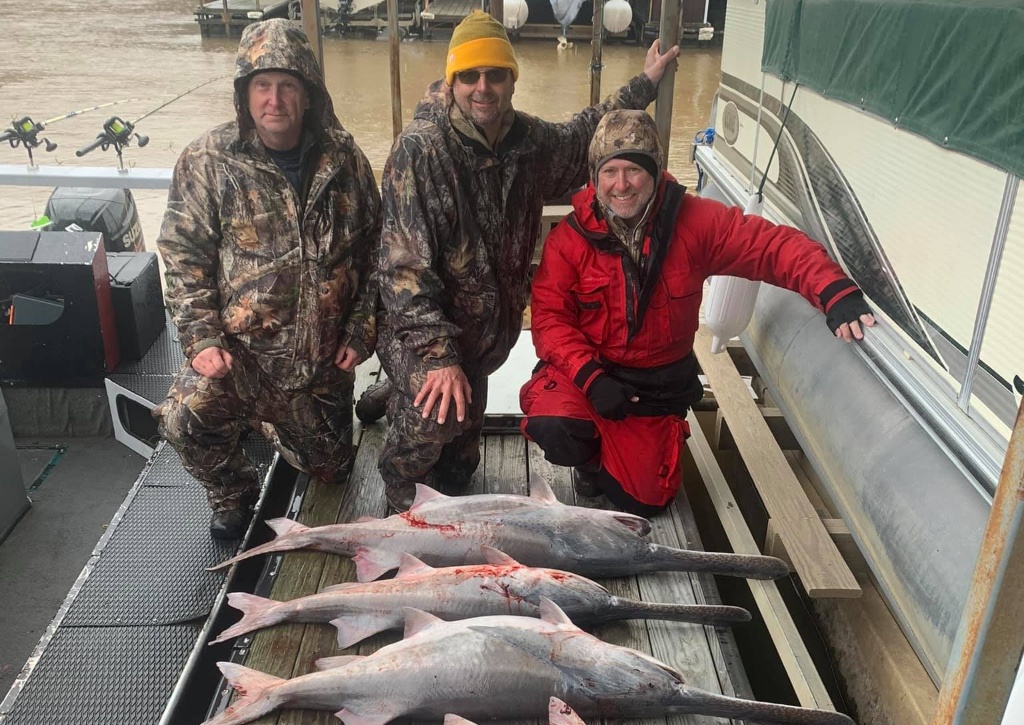
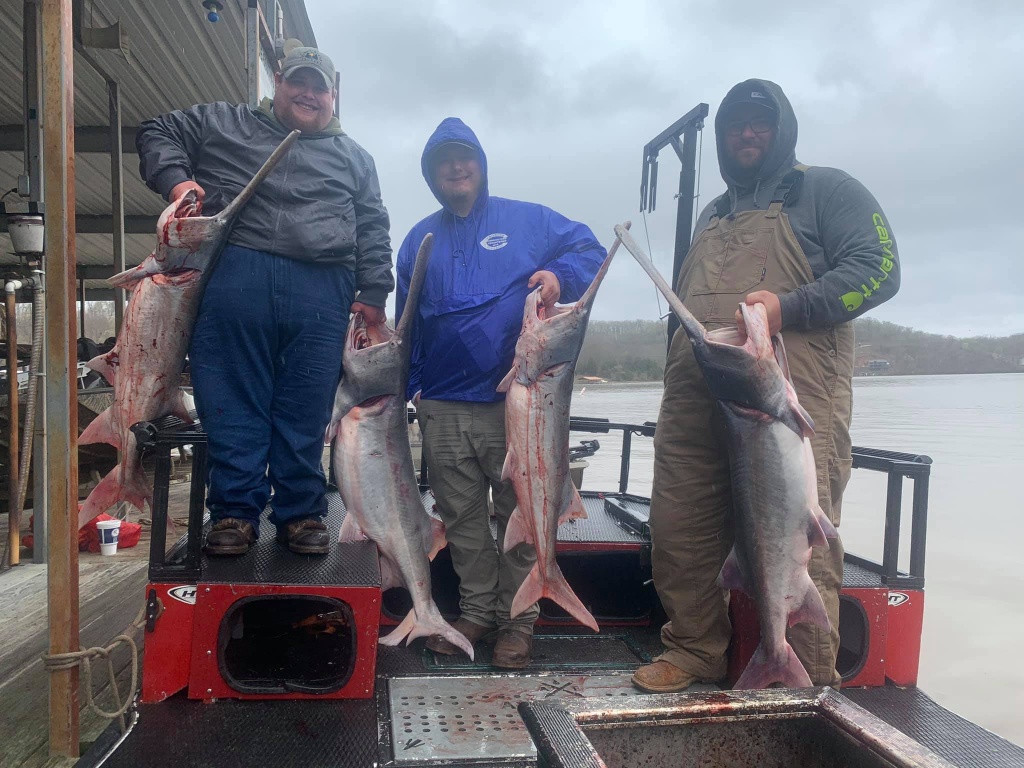
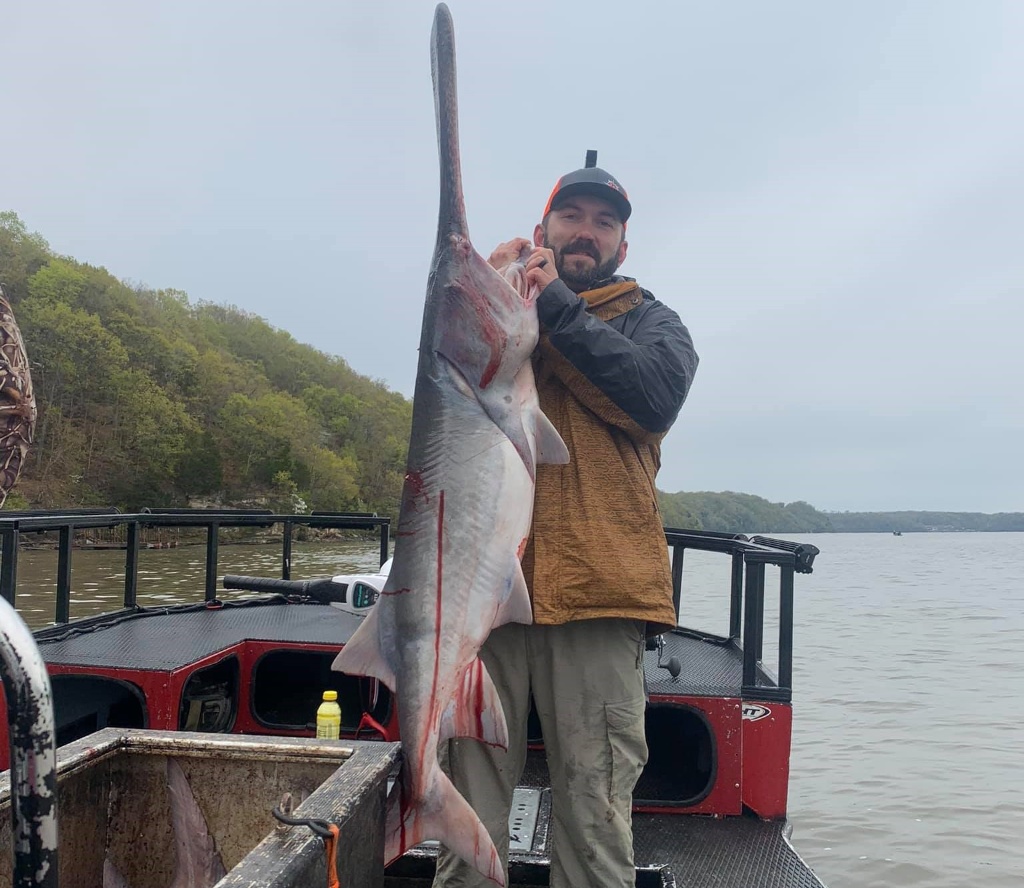
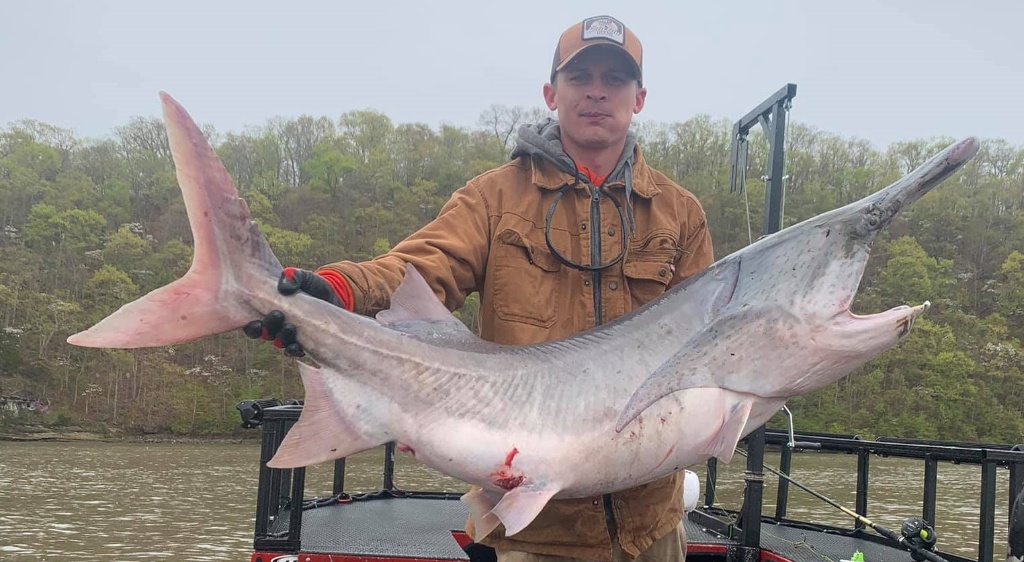
American paddlefish are living dinosaurs that have cruised these waters for over 300 million years. These filter-feeding giants can live 60+ years and reach weights exceeding 150 pounds, though most fish you'll encounter run 20-60 pounds. Their distinctive paddle-shaped rostrum isn't just for show – it's packed with sensory receptors that help them navigate and locate food in murky water. Peak spoonbilling season runs from March through May when paddlefish move into predictable patterns for spawning. They're surprisingly athletic fighters for their size, using that broad tail and torpedo-shaped body to make blistering runs that'll test your drag system. What makes paddlefish so special is their rarity – they're only found in a handful of river systems, and Lake of the Ozarks represents some of the best paddlefish habitat in the country. Missouri's management program has brought populations back from historic lows, making this fishery a real conservation success story that every angler should experience.
Time to Book Your Spot
Spoonbilling opportunities like this don't come around often, and Lake of the Ozarks paddlefish action is some of the most consistent you'll find anywhere. With Loz Bowfishing & Adventure Charters, you're getting access to years of local knowledge and the personalized attention that only comes with small group sizes. Whether you're a seasoned angler looking to add paddlefish to your species list or someone who wants to try something completely different, this trip delivers an authentic Missouri fishing experience you won't find anywhere else. The season is regulated and limited, so spots fill up fast once word gets out about good fishing. These prehistoric giants are waiting – grab your buddy, get that license sorted, and let's go make some memories on one of the Midwest's top-rated paddlefish destinations.
 Private Trip
 Lakes/Reservoirs/Ponds Fishing
 Lake of the Ozarks, Missouri, USA
 Target American paddlefish in Lake of the Ozarks waters