Half Day Fishing Classes - Long Island, NY
If you've ever wanted to feel confident behind the wheel of your own fishing boat, this is exactly what you need. MarCeeJay Sport Fishing offers hands-on boating and fishing classes right here in Long Island waters, plus convenient NYC pickup options. Whether you're a complete rookie who's never touched a helm or someone looking to sharpen your skills, Captain MarCeeJay tailors each session to your experience level. These aren't your typical classroom-style lessons – you'll be out on the water learning real-world techniques that actually matter when you're running your own boat.
What to Expect on the Water
Your day starts with a thorough walkthrough of boat systems and safety protocols before we even leave the dock. Captain MarCeeJay breaks down everything from engine basics to electronics operation in plain English – no confusing technical jargon that leaves you scratching your head. Once we're underway, you'll get hands-on experience with navigation, reading charts, understanding tides and currents, and learning the local waters around Long Island Sound and Jamaica Bay. The beauty of these sessions is the flexibility – if you want to focus more on boat handling, we'll spend time on docking techniques and maneuvering in tight spaces. If fishing knowledge is your priority, we'll cover everything from reading fish finders to understanding structure and baitfish patterns. Groups are kept small with a maximum of six people, so you get plenty of individual attention and time at the controls.
Hands-On Learning Approach
Forget about boring lectures and PowerPoint presentations. These classes happen entirely on the water where you'll actually use the skills you're learning. You'll practice reading GPS units, understanding depth finders, and interpreting weather conditions that affect both safety and fishing success. The captain covers essential topics like anchoring techniques, proper radio etiquette, and how to handle emergency situations. For the fishing side, you'll learn to tie essential knots, rig different baits, and understand how fish relate to structure in our local waters. The gear and techniques focus specifically on inshore fishing around Long Island, so everything you learn directly applies to future trips in these same waters. Whether you choose a half-day or full-day session, the hands-on approach ensures you're not just memorizing information – you're building muscle memory and real confidence.
Local Waters You'll Master
Long Island offers some of the East Coast's most diverse inshore fishing opportunities, and understanding these waters is crucial for success. During your class, you'll learn to navigate the productive flats of Great South Bay, understand the structure around Fire Island Inlet, and discover the productive drop-offs near Jones Beach. Captain MarCeeJay shares decades of local knowledge about seasonal fish movements, tide timing, and weather patterns that make the difference between good days and great days on the water. You'll learn to read the water like a local – spotting bird activity that indicates baitfish schools, understanding how wind direction affects different fishing spots, and recognizing the subtle signs that separate productive water from dead zones. The Long Island Sound side offers completely different challenges and opportunities, from rocky structure near the Connecticut border to the grass flats closer to the city.
Species You'll Learn to Target
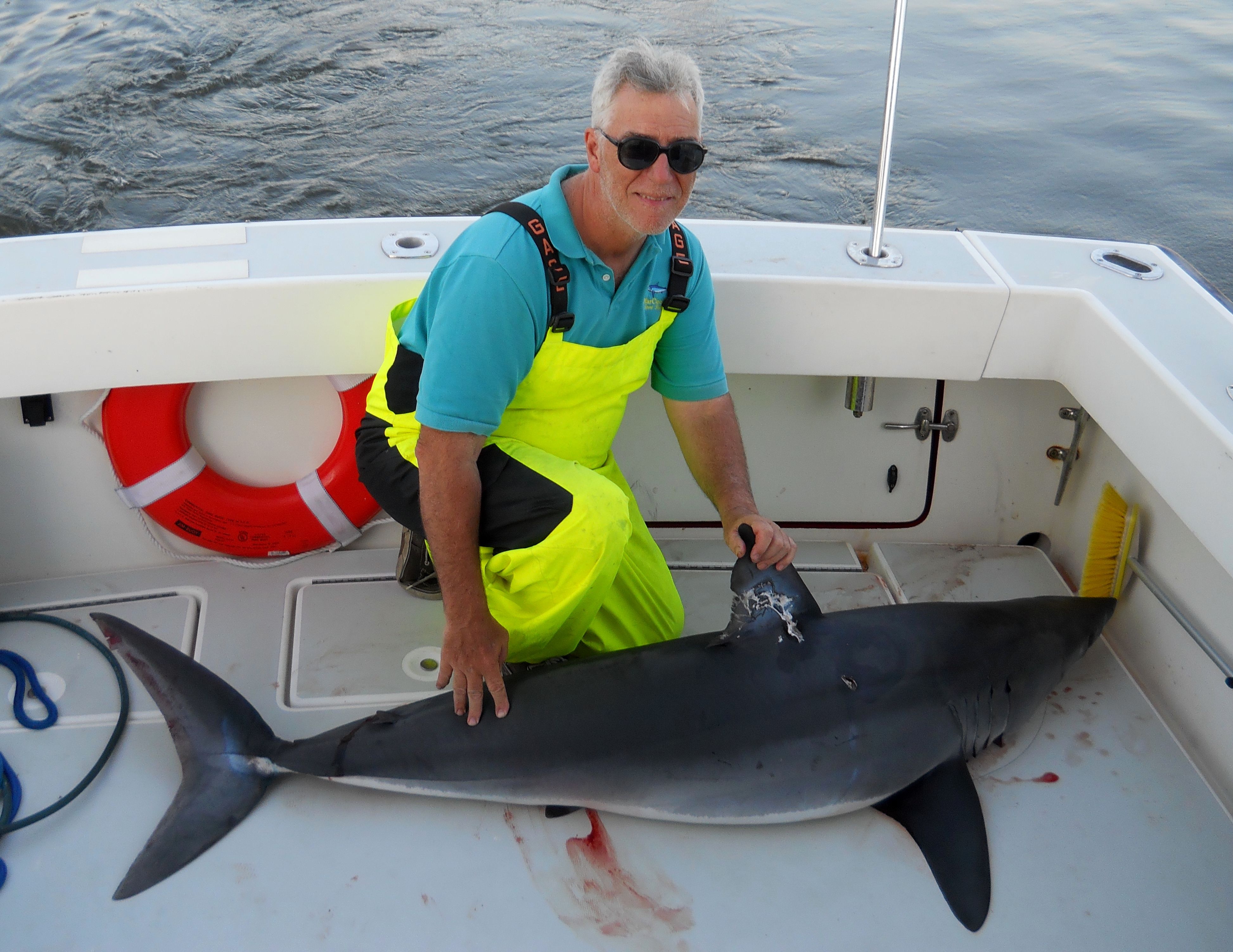
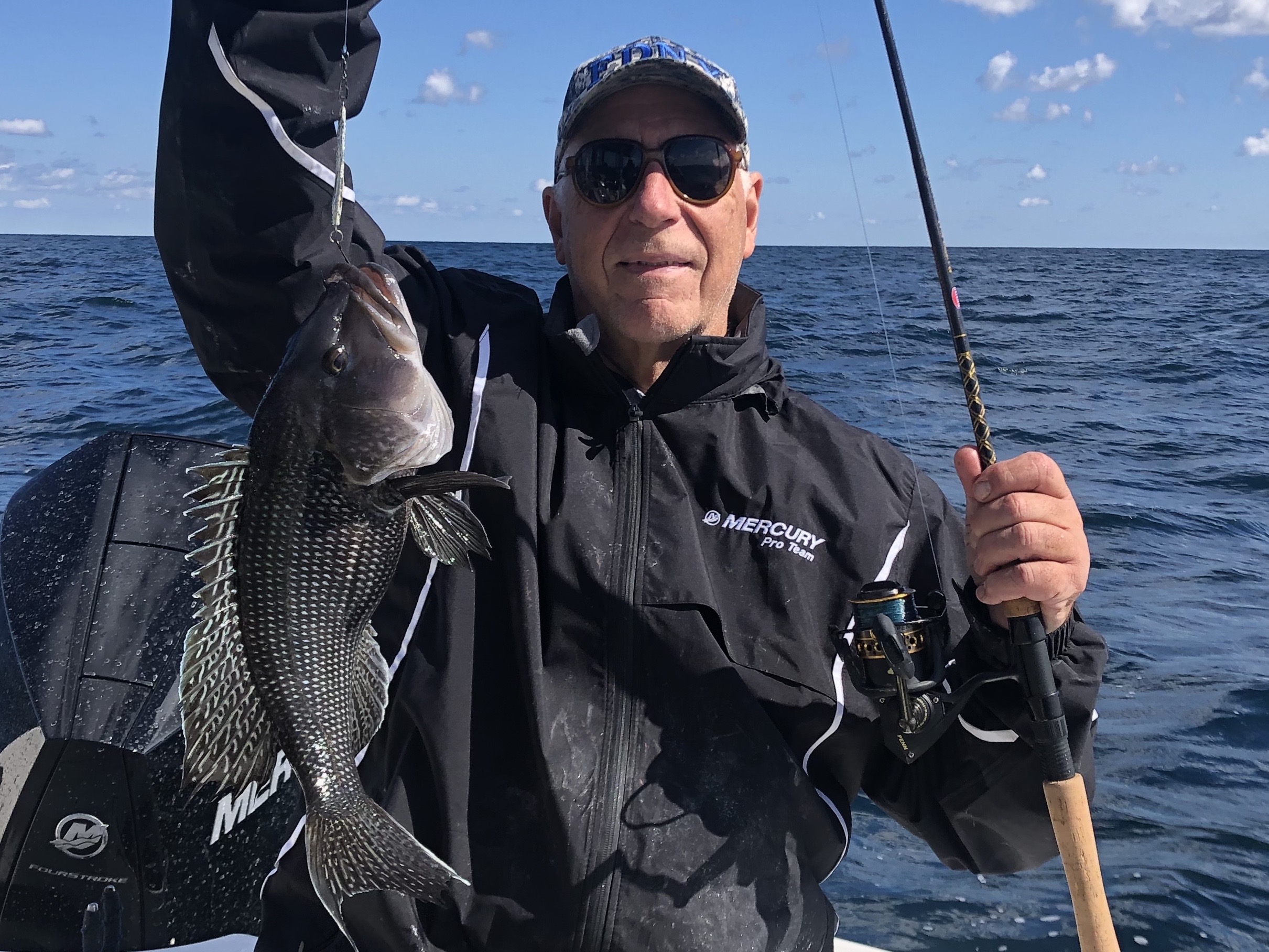
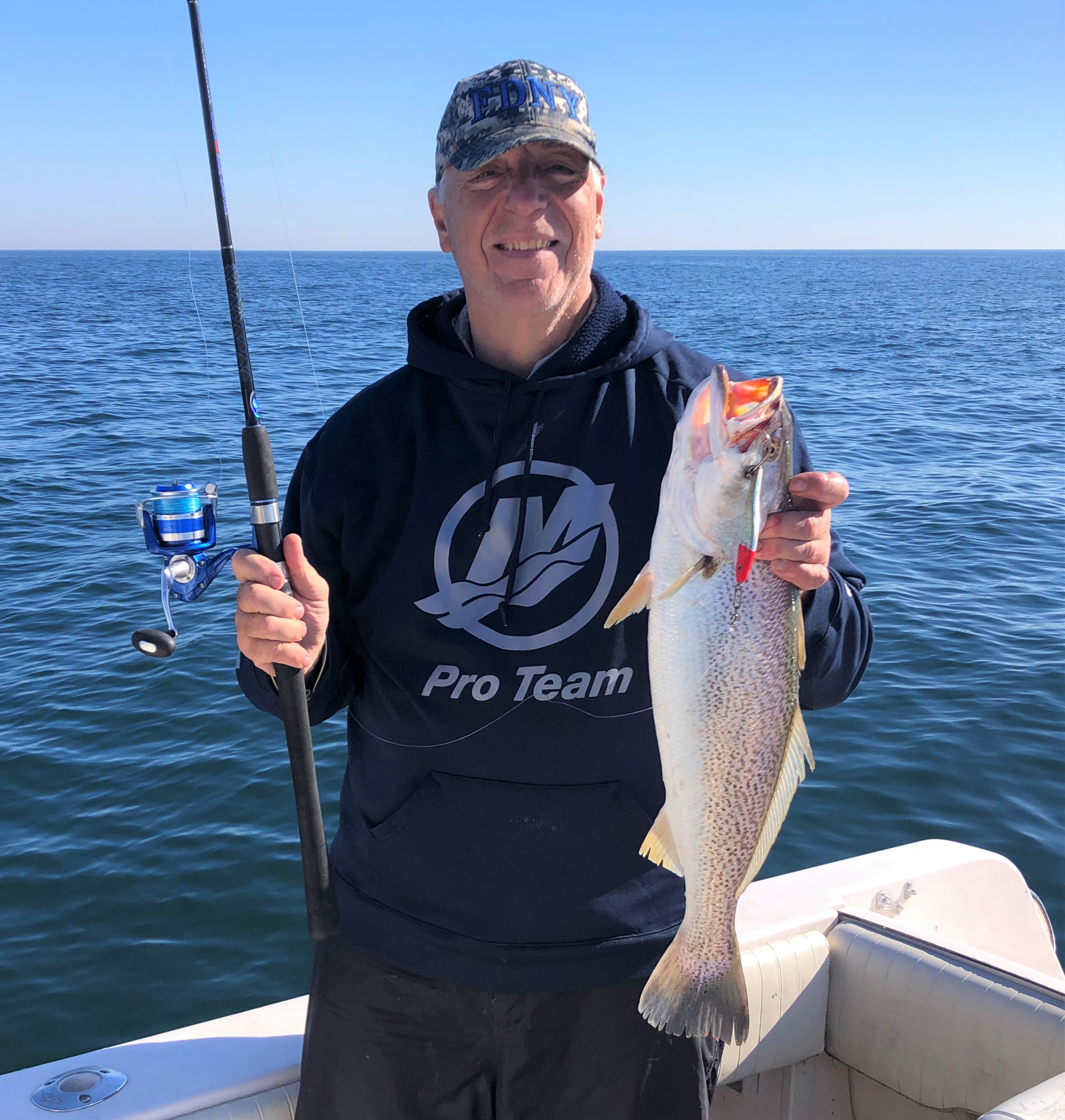
While these classes focus primarily on boat operation and seamanship, Captain MarCeeJay naturally weaves in plenty of fishing knowledge specific to Long Island's top species. You'll learn the seasonal patterns of striped bass, our region's premier gamefish that provides consistent action from spring through fall. These fish move with the tides and follow baitfish schools, and understanding their behavior is key to consistent success. Summer brings excellent fluke fishing on the sandy bottoms of the South Shore, where boat positioning and drift control make all the difference in your catch rate. Blackfish (tautog) around rocky structure require different boat handling skills entirely – you need precision anchoring and the ability to hold position in current. Weakfish, bluefish, and sea bass all have their own seasonal timing and preferred habitats, and learning to read the signs that indicate their presence is part of mastering these waters. The captain shares the kind of local intel that only comes from decades of fishing these same spots – like which tide stages work best at specific locations and how to adjust your approach based on season and conditions.
Time to Book Your Spot
These top-rated fishing classes fill up quickly, especially during prime season when everyone wants to get their boat skills dialed in. Whether you're planning to buy your own boat or just want to feel more confident when friends invite you out, this hands-on instruction gives you skills that last a lifetime. The combination of seamanship training and local fishing knowledge makes this a customer favorite among both new and experienced anglers. MarCeeJay Sport Fishing has built a reputation for patient, thorough instruction that actually sticks – you'll leave feeling genuinely prepared to handle your own boat safely and effectively. Book your half-day or full-day session now and take the first step toward becoming the angler you've always wanted to be.
 Private Trip
 Inshore Fishing
 Elwood, NY
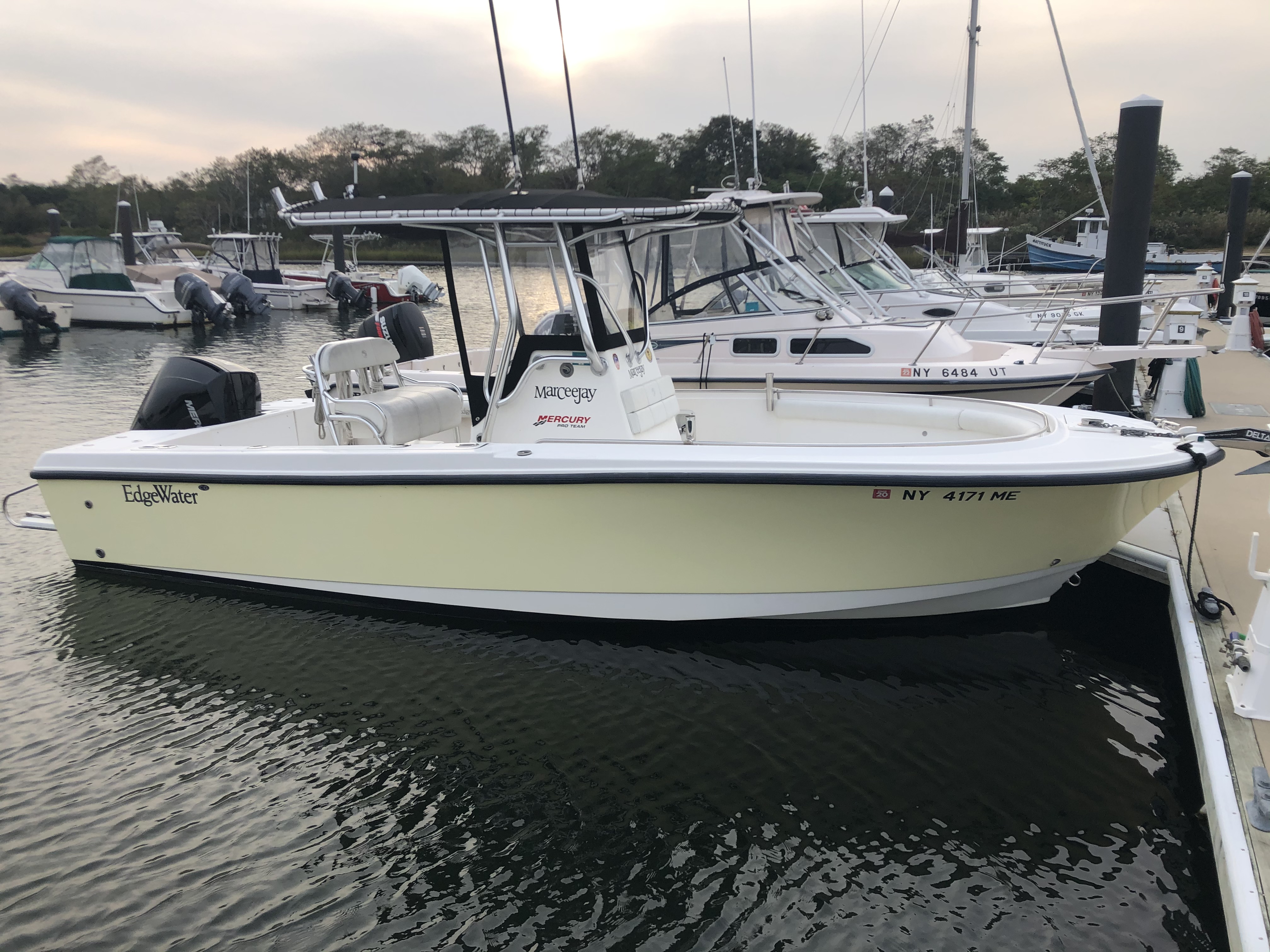
 Private fishing classes cover boat mechanics and navigation skills