South Dakota Guided Merriam Turkey Hunt
Picture this: you're tucked into the rolling hills above the Missouri River as dawn breaks across South Dakota's prairie landscape. The air is crisp, your guide knows exactly where those big Merriam toms like to roost, and you've got three square meals a day waiting for you back at camp. This isn't your typical DIY turkey hunt where you're guessing at public land patterns. Missouri Valley Guide Service has spent years mapping out the best spots in these hills, and they're ready to put you on birds whether you're chasing longbeards in spring or filling your fall tag.
Inside the Hunt
Your day starts before sunrise with a hot breakfast and a game plan. These guides know every ridge, creek bottom, and oak grove in their territory, so you're not wandering around hoping to strike gold. The Missouri River hills create perfect turkey habitat with a mix of timber, grassland, and agricultural edges that keep birds happy year-round. You'll hunt with a maximum of six hunters, which means personalized attention and less pressure on the birds. Spring hunts focus on calling in fired-up gobblers during breeding season, while fall hunts take advantage of feeding patterns as birds work field edges and creek bottoms. The terrain here isn't back-breaking steep, but it's got enough elevation change to make glassing productive and give you options when birds don't cooperate with your first setup.
Tracking Tips & Terrain
The Missouri River hills offer a unique hunting environment that's different from your typical Midwest farmland or mountain forests. You'll be working with a combination of native grassland, scattered oak mottes, and creek drainages that funnel turkey movement. Your guides use a mix of calling techniques depending on the season and bird behavior - aggressive cutting and yelping during spring breeding, softer clucks and purrs when birds are henned up, and strategic positioning near food sources during fall hunts. The well-managed private lands mean consistent bird numbers and less hunting pressure than public areas. You'll likely use pop-up blinds in open areas and natural cover when hunting timber edges. The elevation changes let you spot birds at distance, then plan your approach based on wind direction and natural terrain features. Decoy setups work well in the open country, and your guide will adjust tactics based on daily bird behavior and weather conditions.
Target Game Breakdown
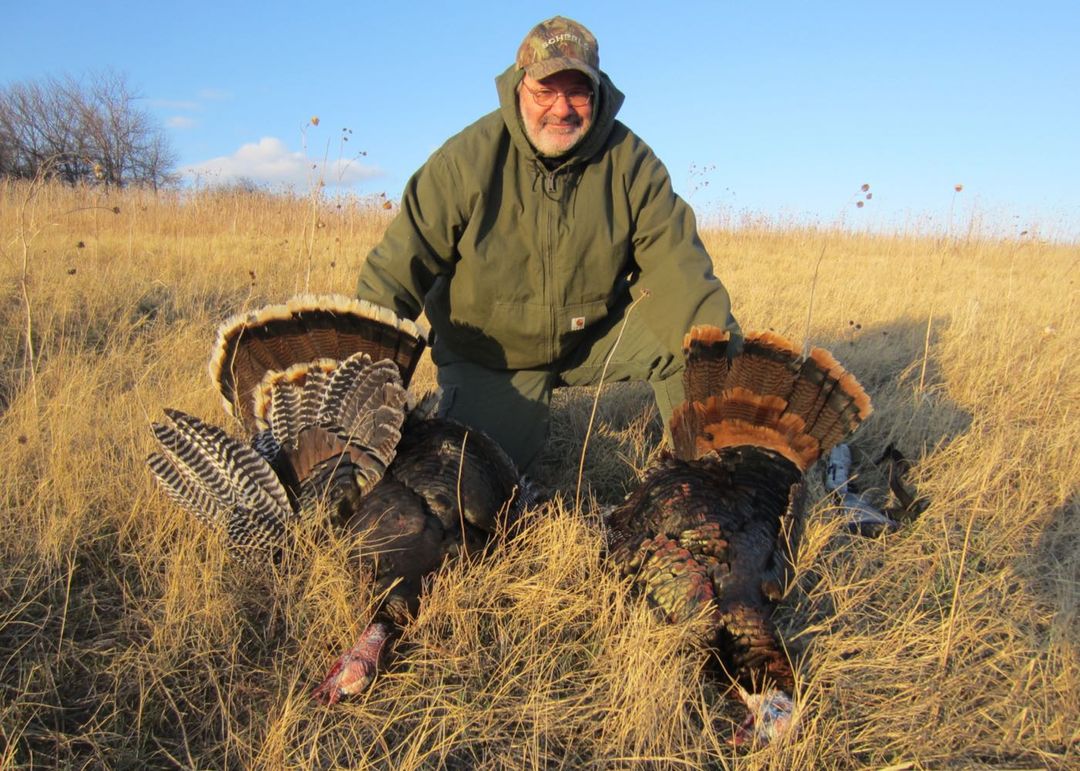
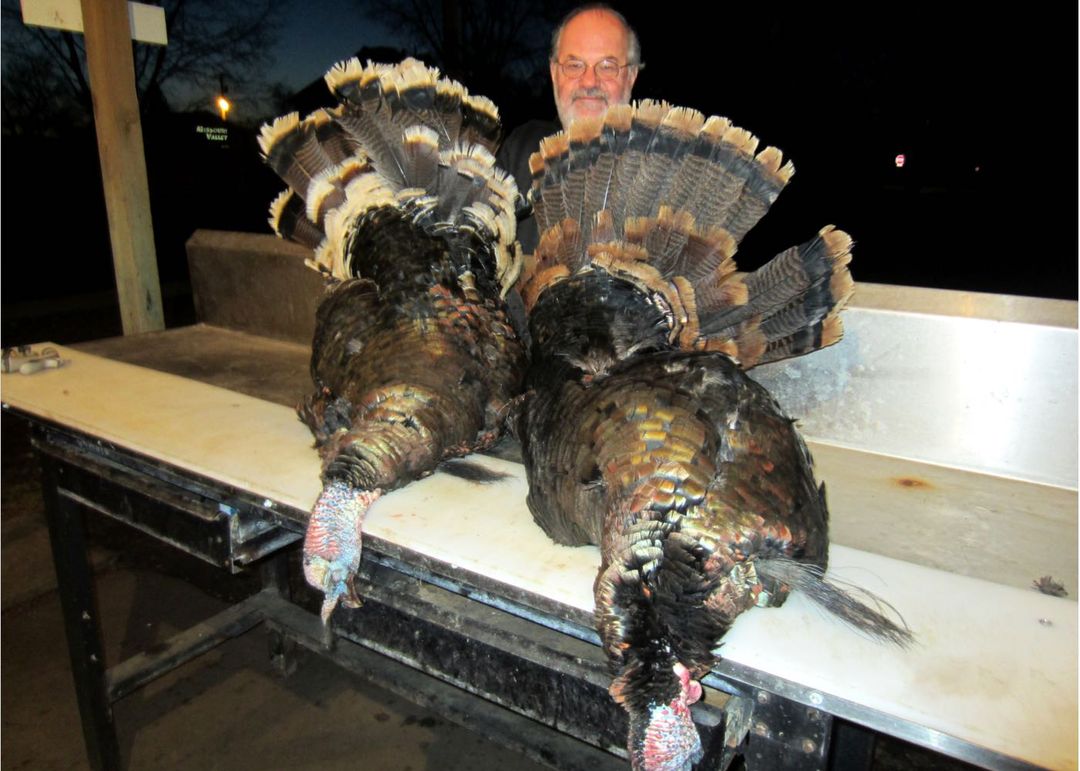
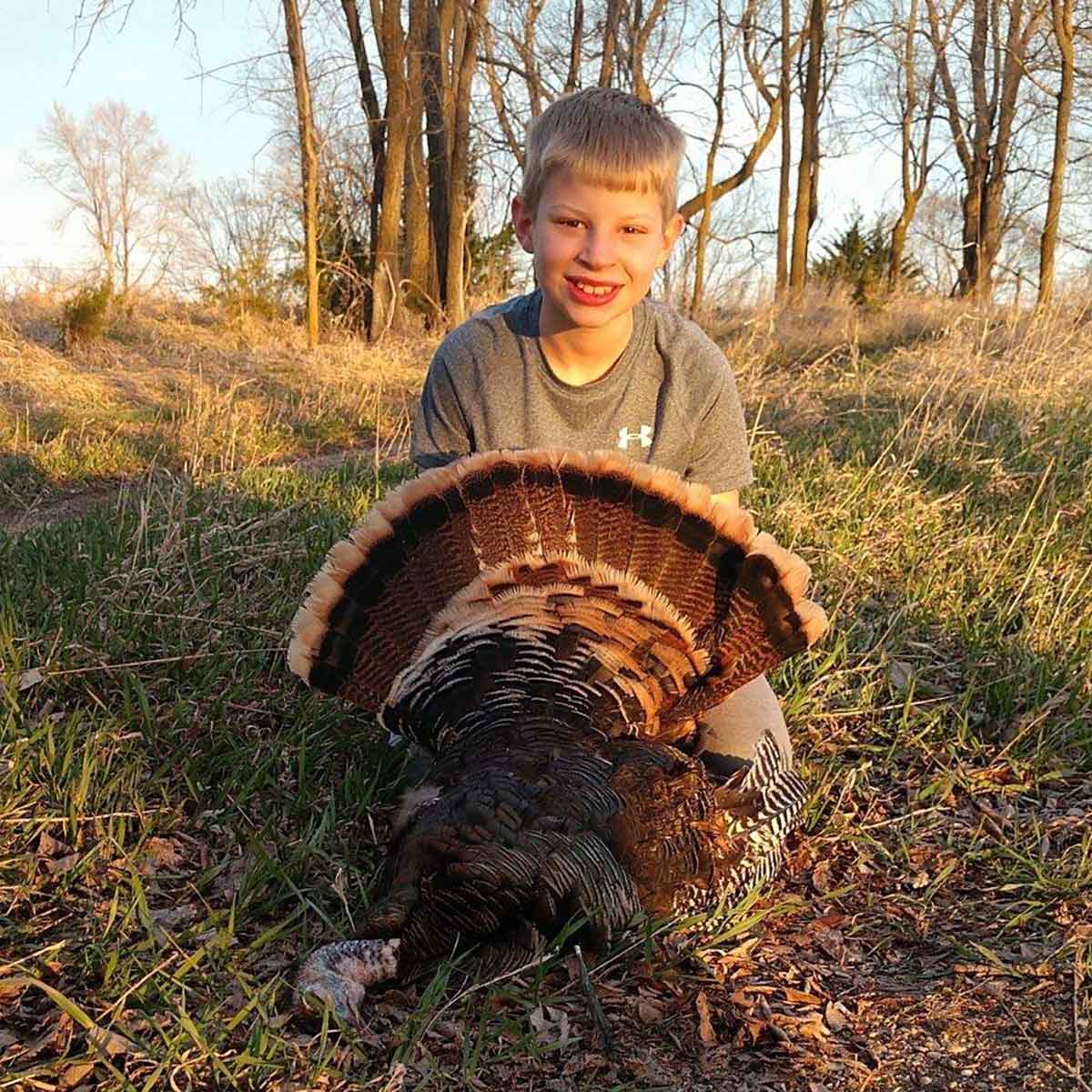
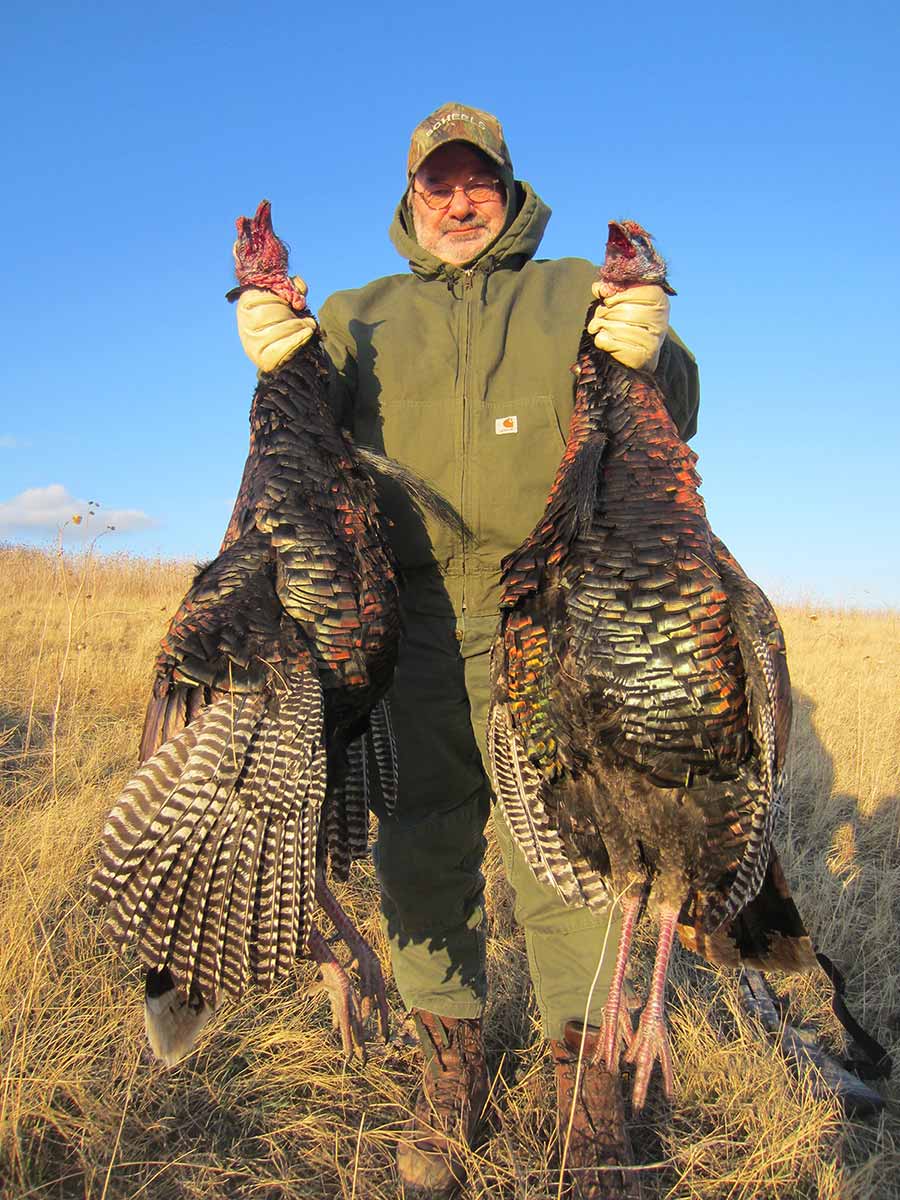
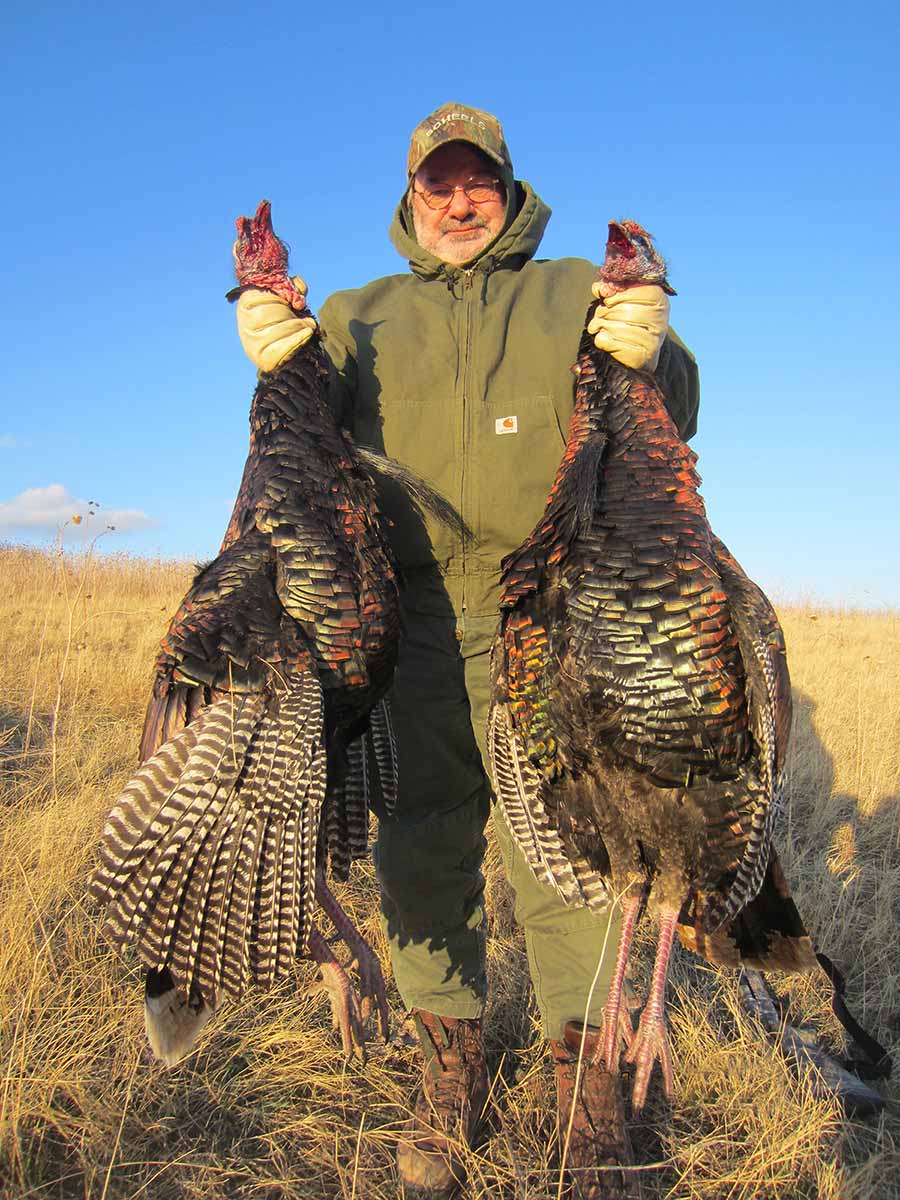
Merriam's turkeys are the prize here, and these birds have earned their reputation as one of the most beautiful subspecies you can hunt. The gobblers sport distinctive white-tipped tail feathers and rump patches that really stand out against their bronze bodies, making for some gorgeous trophy photos. These birds are well-adapted to the semi-arid conditions of the Great Plains and tend to be slightly smaller than their Eastern cousins, but what they lack in size they make up for in wariness and vocal ability. Spring season runs from mid-April through May when toms are actively gobbling and strutting for hens. The breeding activity peaks in late April, making this prime time for hunters who love aggressive calling and visual displays. Fall hunting from October through December targets birds in winter flocks as they focus on feeding, requiring different tactics but offering excellent opportunities for both toms and hens. Merriam's are known for their strong flying ability and tendency to roost in tall trees near water sources, which is perfect for the Missouri River hill country. Success rates stay high because these managed lands maintain healthy populations without the pressure that pushes birds into completely nocturnal patterns.
Book Your Next Tag
Missouri Valley Guide Service has put together a top-rated turkey hunting package that takes care of the details so you can focus on the hunt. With all meals included and expert local knowledge, you're getting genuine value for a hunting experience that consistently produces opportunities at quality Merriam's turkeys. The small group size means you're not competing with a crowd, and the guides' intimate knowledge of the terrain gives you a real advantage over DIY efforts on unfamiliar ground. Whether you're a seasoned turkey hunter looking for a new subspecies or someone wanting to learn proper calling techniques from experienced guides, this South Dakota hunt delivers the goods. Spring and fall seasons both offer excellent hunting, so you can pick the timing that works best for your schedule. Don't wait too long to book your spot - word gets around fast when guides consistently put their hunters on birds, and prime dates fill up quick.
 Private Trip
 Active hunting
 undefined, undefined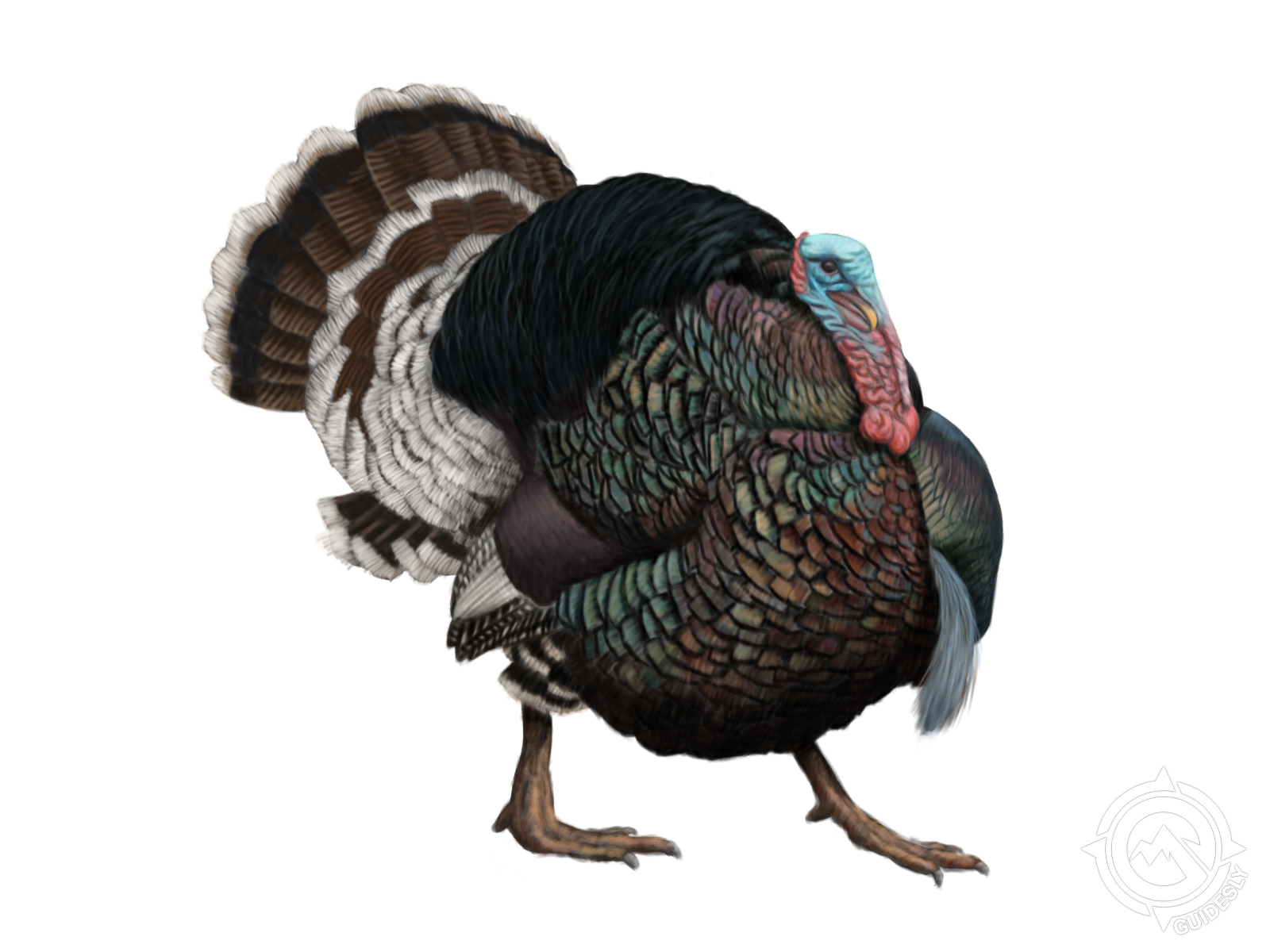
 Guided Merriam turkey hunting in Missouri River hills terrain