South Dakota Prairie Chicken Hunt on Private Land
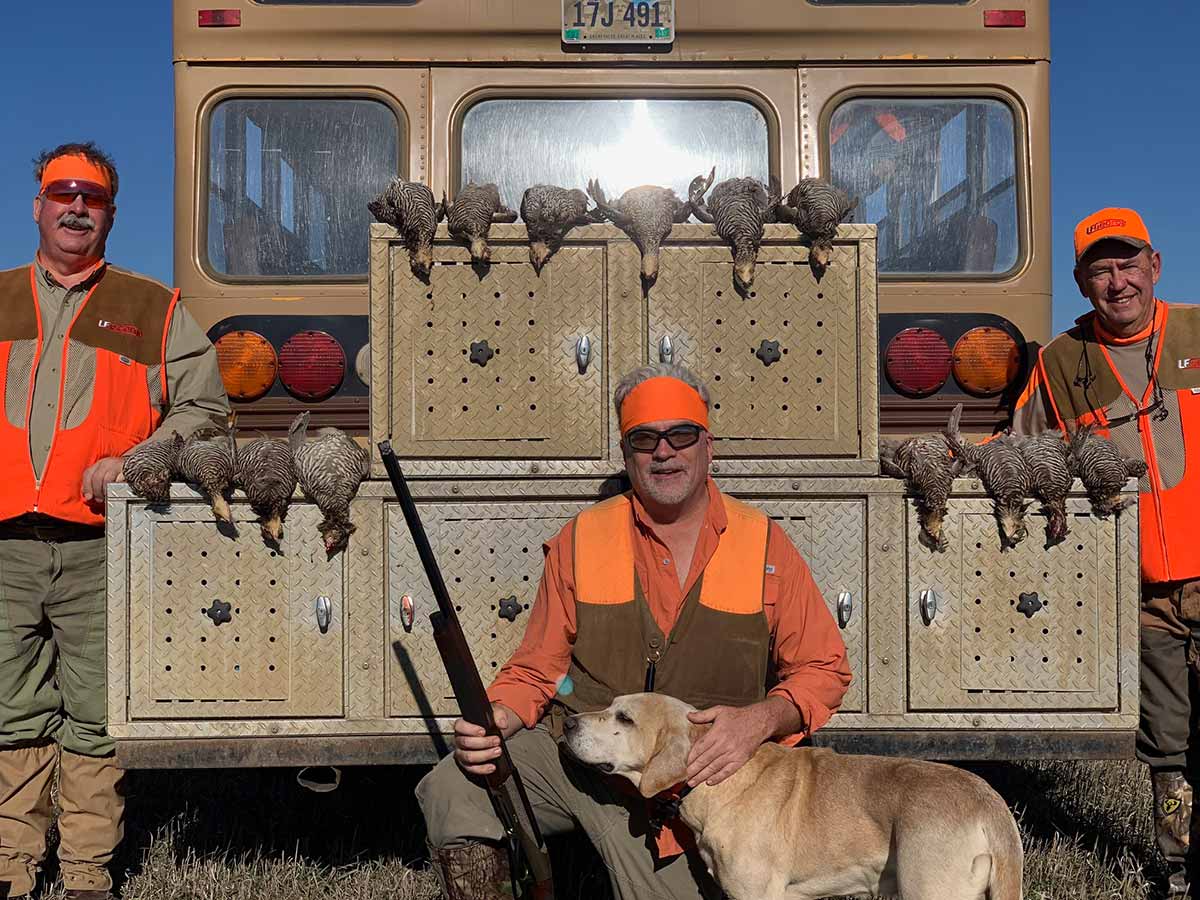
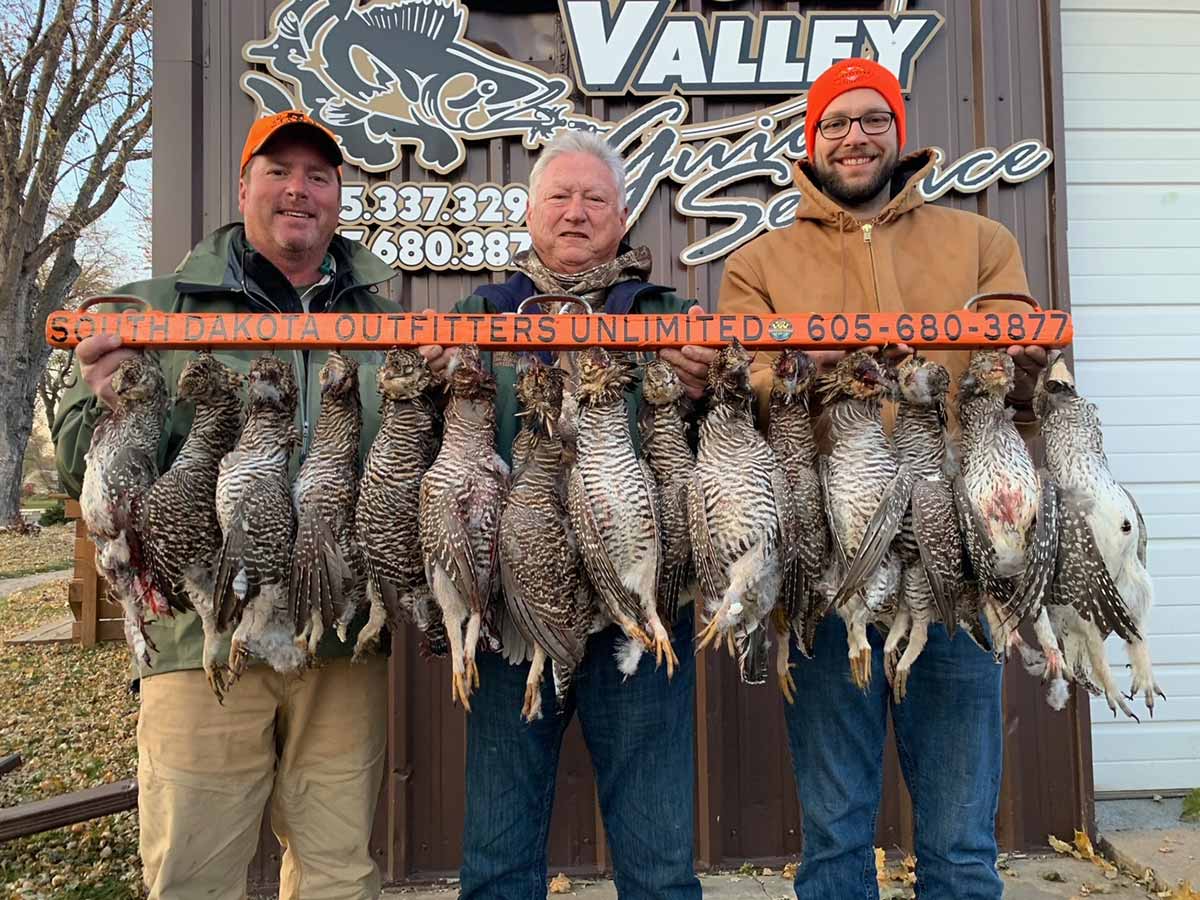
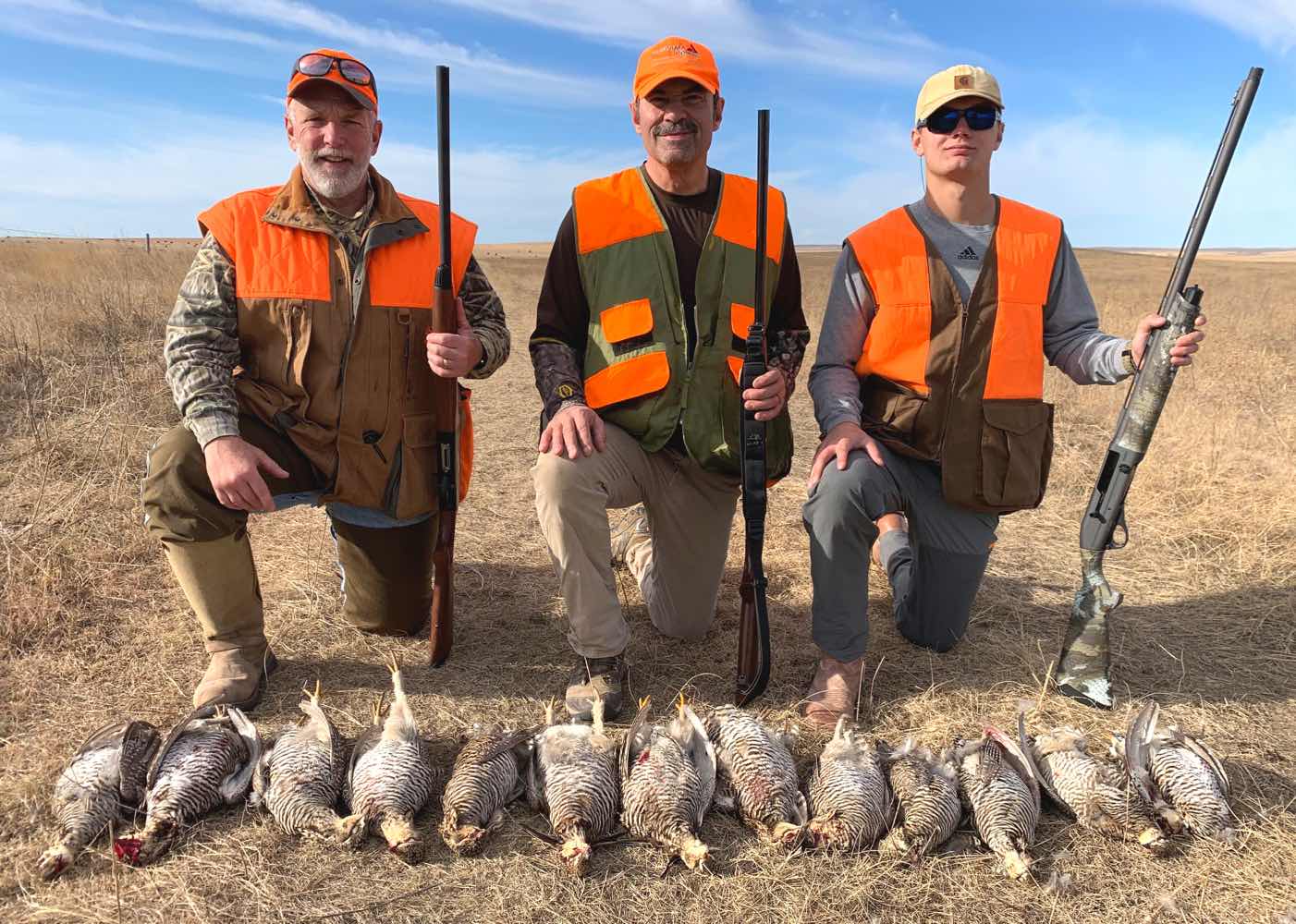
You've probably heard other hunters talking about prairie chicken hunting like it's some kind of holy grail experience. Well, they're not wrong. This 2-day guided hunt with Missouri Valley Guide Service gets you exclusive access to 15,000 acres of pristine South Dakota prairie land, where these birds have room to roam and you've got the space to work. With seasoned guides and well-trained dogs backing your play, this isn't just another upland hunt – it's the kind of adventure that separates casual hunters from the ones with stories worth telling.
Inside the Hunt
Picture rolling prairie that stretches to the horizon, broken up by native grass, cattail sloughs, and the kind of cover that makes prairie chickens feel at home. Your guide knows this land like the back of their hand – every draw, every rise, every spot where birds like to hold. The dogs work methodarily through the cover, noses down and tails going, while you and up to five other hunters spread out in a loose line. When those pointers lock up solid, your heart starts pounding because you know what's coming next. The guides have been working this country for years, reading wind patterns and bird behavior to put you in the right spots at the right times. You're not just wandering around hoping to bump into something – every step has purpose, and every setup is calculated to give you the best shot at success.
Tracking Tips & Terrain
Prairie chicken hunting is all about reading the country and understanding how these birds use it. Early morning finds them moving from roost to feed, and that's when your guide's local knowledge really pays off. The dogs will range out ahead, working the likely spots where birds stage before heading to their feeding areas. You'll be walking through native grassland that can vary from shin-high to waist-deep, so sturdy boots and brush pants are non-negotiable. The terrain isn't particularly steep, but prairie walking has its own challenges – hidden holes, uneven ground, and the occasional slough crossing keep you on your toes. Your guide will position the group to take advantage of wind direction and natural barriers that funnel birds into gun range. When the dogs go on point, everything slows down. You'll approach deliberately, gun ready, because prairie chickens are notorious for flushing wild if they sense pressure. The guides coach you through each setup, helping you read the dog's body language and anticipate which direction birds might break.
Target Game Breakdown
Greater Prairie Chickens are the stars of this show, and for good reason. These birds are roughly the size of a small chicken, weighing 2-3 pounds with a wingspan that can surprise you when they get up. Fall hunting targets birds that have grouped up after the breeding season, making them more predictable in their patterns. They prefer native prairie with good escape cover nearby – exactly what you'll find on this private ground. What makes prairie chicken hunting so addictive is how these birds behave when pressured. Unlike pheasants that might run for cover, prairie chickens will often hold tight for a pointing dog, then explode into flight with that distinctive whirring wingbeat that gets your adrenaline going every single time. They're strong fliers once airborne, capable of covering serious ground at surprising speed.
Sharptail Grouse often share the same habitat, giving you bonus opportunities throughout the hunt. These birds are slightly smaller than prairie chickens but equally challenging, with a tendency to flush at longer range. Sharptails have a different flight pattern – more erratic and unpredictable – which keeps you honest when it comes to wing shooting. They're most active during the cooler parts of the day, often feeding in the same areas where prairie chickens stage. The beauty of hunting this diverse prairie ecosystem is never knowing exactly what's going to come up when the dogs lock onto scent. Both species provide excellent table fare, with meat that's lean and flavorful – a perfect reward after a day of working the grasslands.
Book Your Next Tag
This kind of prairie chicken hunting opportunity doesn't come around every day. Having exclusive access to 15,000 acres of prime habitat, combined with guides who live and breathe upland hunting, puts you in the best possible position for success. The small group size means you're not fighting for position or competing with a crowd – just you, your hunting partners, and some of the best prairie bird habitat South Dakota has to offer. Whether you're looking to check prairie chicken off your bucket list or you're a seasoned upland hunter wanting to experience these birds on truly wild country, this hunt delivers the goods. The 2-day format gives you enough time to really get dialed in, learn the country, and make the most of your investment. Contact Missouri Valley Guide Service to lock in your dates and get ready for the kind of prairie hunting that reminds you why you fell in love with upland birds in the first place.
 Private Trip
 Active hunting
 undefined, undefined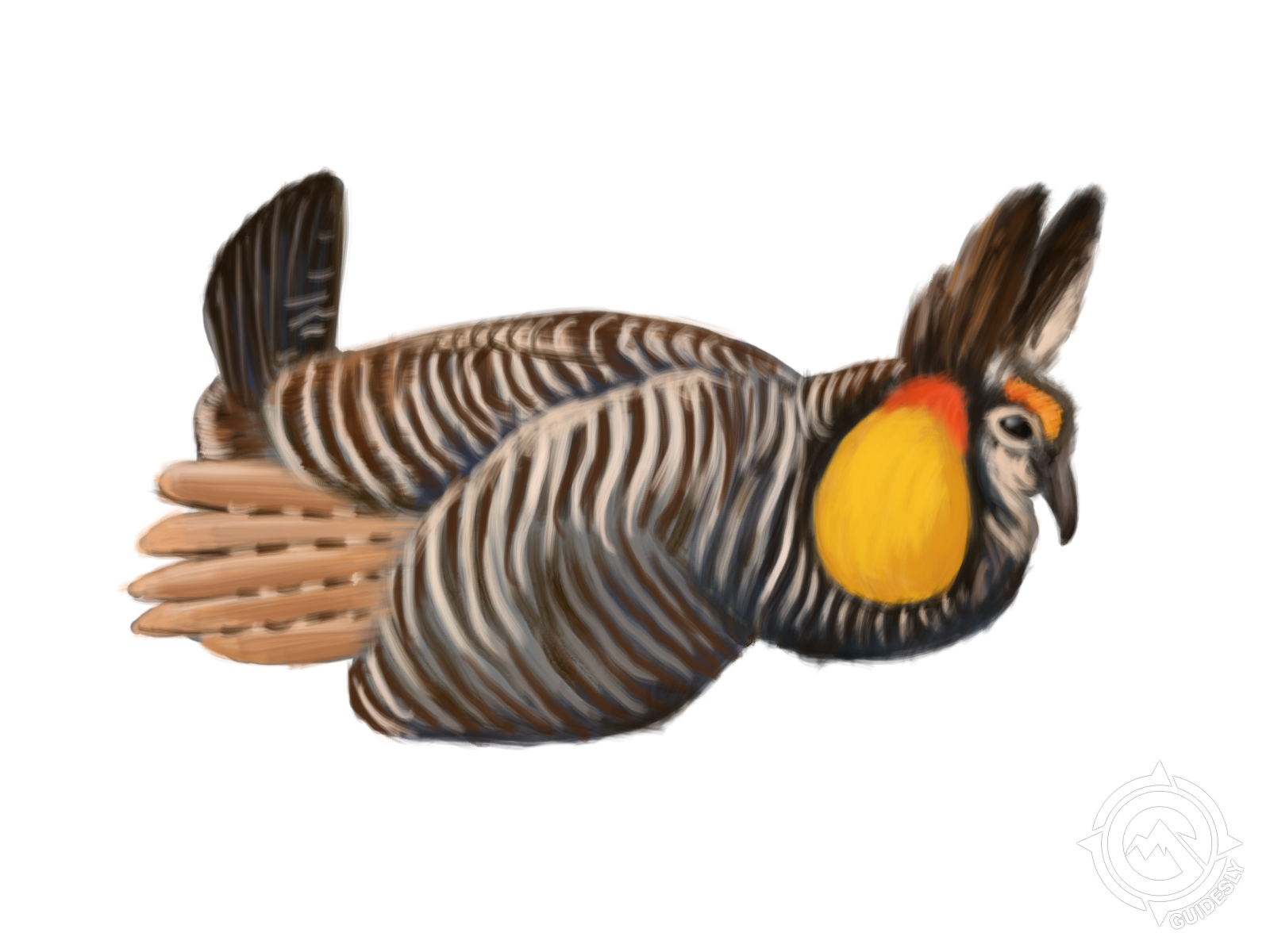
 Two-day guided prairie chicken hunt on 15,000 private acres