Ultimate 5-Day Waterfowl Hunt in Missouri Valley
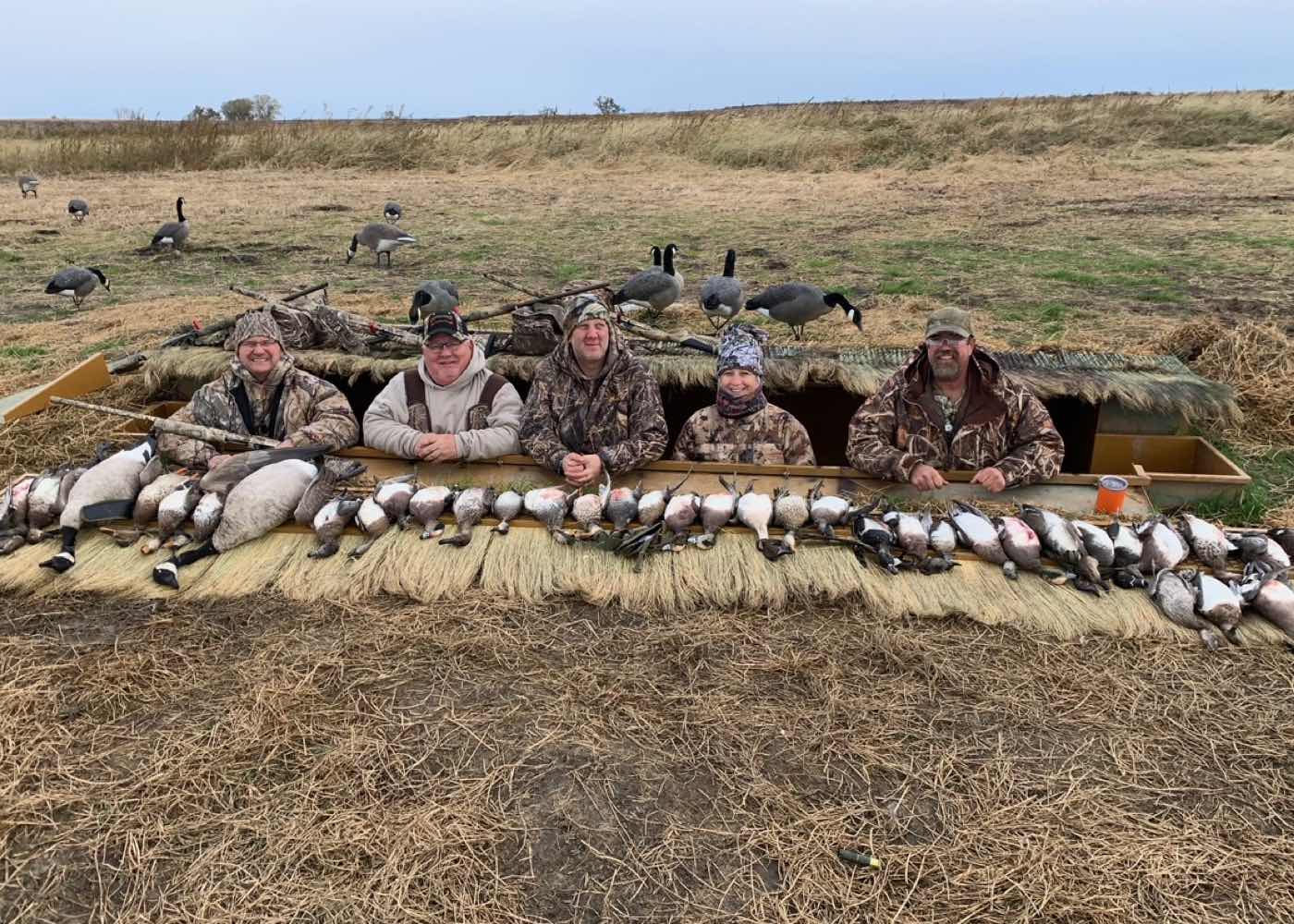
Picture this: you're crouched in a blind as the first light breaks over South Dakota's Missouri River Valley, watching strings of mallards work their way down the flyway. For five straight days, you'll wake up to some of the best waterfowl hunting in the Midwest. Missouri Valley Guide Service has locked down 10,000 acres of prime Prairie Pothole habitat where ducks and geese funnel through like clockwork during migration. This isn't your typical weekend hunt – it's a full-blown waterfowl adventure that'll have you coming back year after year.
Inside the Hunt
Your guides know every pothole, slough, and feeding area across this massive spread of hunting ground. Each morning starts before dawn with a hearty breakfast, then you're off to scout the birds and set up where they want to be. The beauty of a multi-day hunt is flexibility – if the ducks are hitting the grain fields hard, you'll be there waiting. If they're trading between roost ponds, you'll intercept them on the flyways. With trained retrievers working every setup and professional decoy spreads that look like the real deal, you're hunting with every advantage. The guides handle the heavy lifting while you focus on reading the birds and making clean shots. All meals are covered, so you can hunt hard from first light to last without worrying about anything except your shooting.
Tracking Tips & Terrain
The Missouri River Valley creates a natural highway for migrating waterfowl, and the Prairie Pothole region is legendary for holding birds. Your guides use a combination of layout blinds in cut grain fields, pit blinds on feeding areas, and natural cover along cattail-lined potholes. Decoy setups vary daily based on weather and bird behavior – sometimes it's a massive spread of 200+ decoys on open water, other times it's a smaller, more realistic setup in shallow feeding areas. The trained dogs are game-changers here, especially when birds drop in the thick cattails or across wide sloughs. Wind direction dictates blind placement, and your guides read weather patterns like a playbook. Early season focuses more on local birds and teal, while peak migration brings the big flights of mallards, pintails, and Canada geese. Shot opportunities come fast when flocks are moving, so your guides will coach you on lead and timing throughout the hunt.
Target Game Breakdown
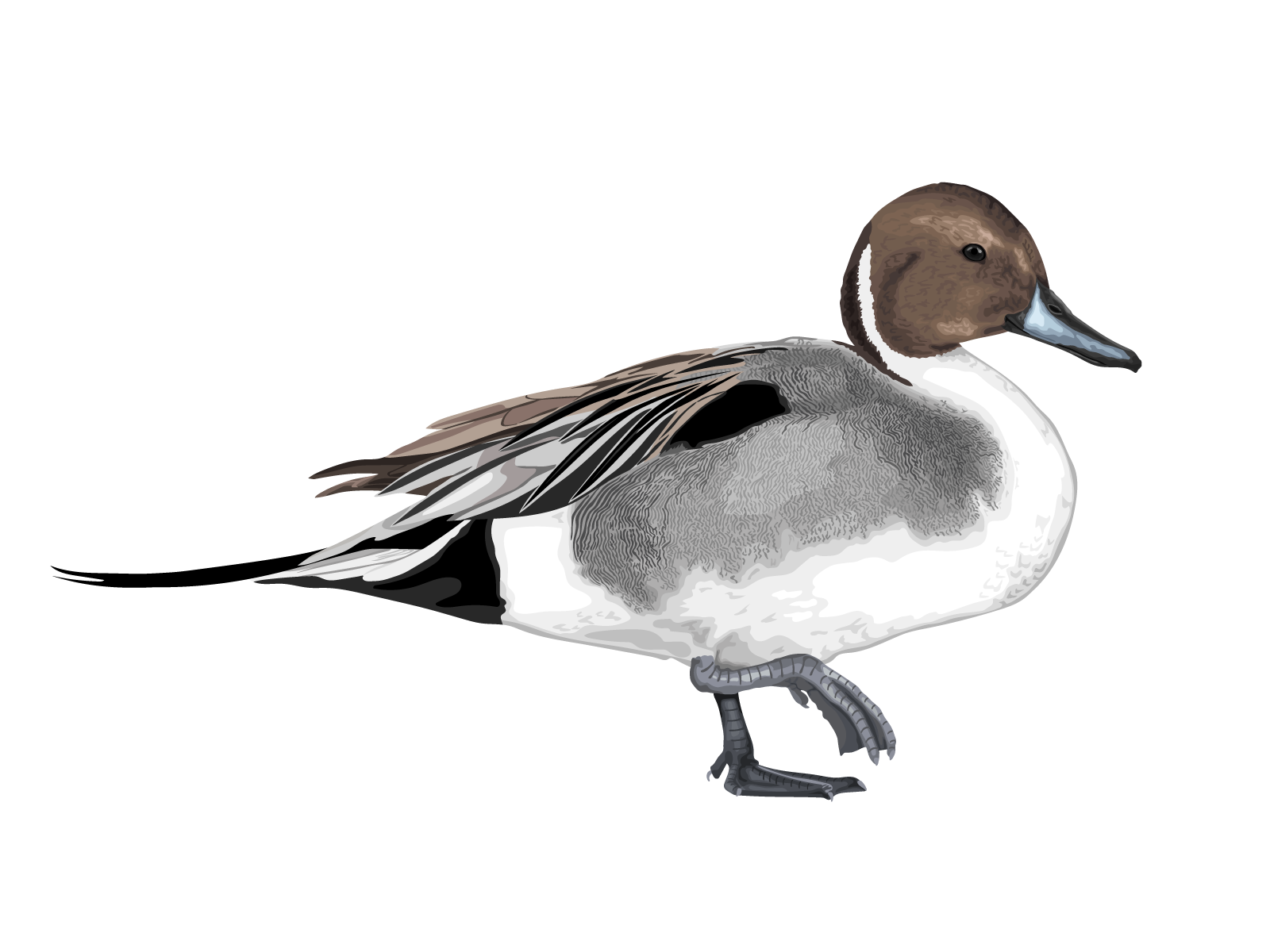
Northern Pintail are the gentleman of the duck world with their sleek profile and distinctive white neck stripe. These birds show up early in the migration, often in September, and they're suckers for shallow feeding areas where they can tip up for seeds and invertebrates. Pintails are fast fliers that like to make long, sweeping passes before committing to decoys. When they do come in, it's usually in small groups that drop in quietly. Hunters love them because they're challenging shots and absolutely beautiful birds – plus they taste fantastic on the table.
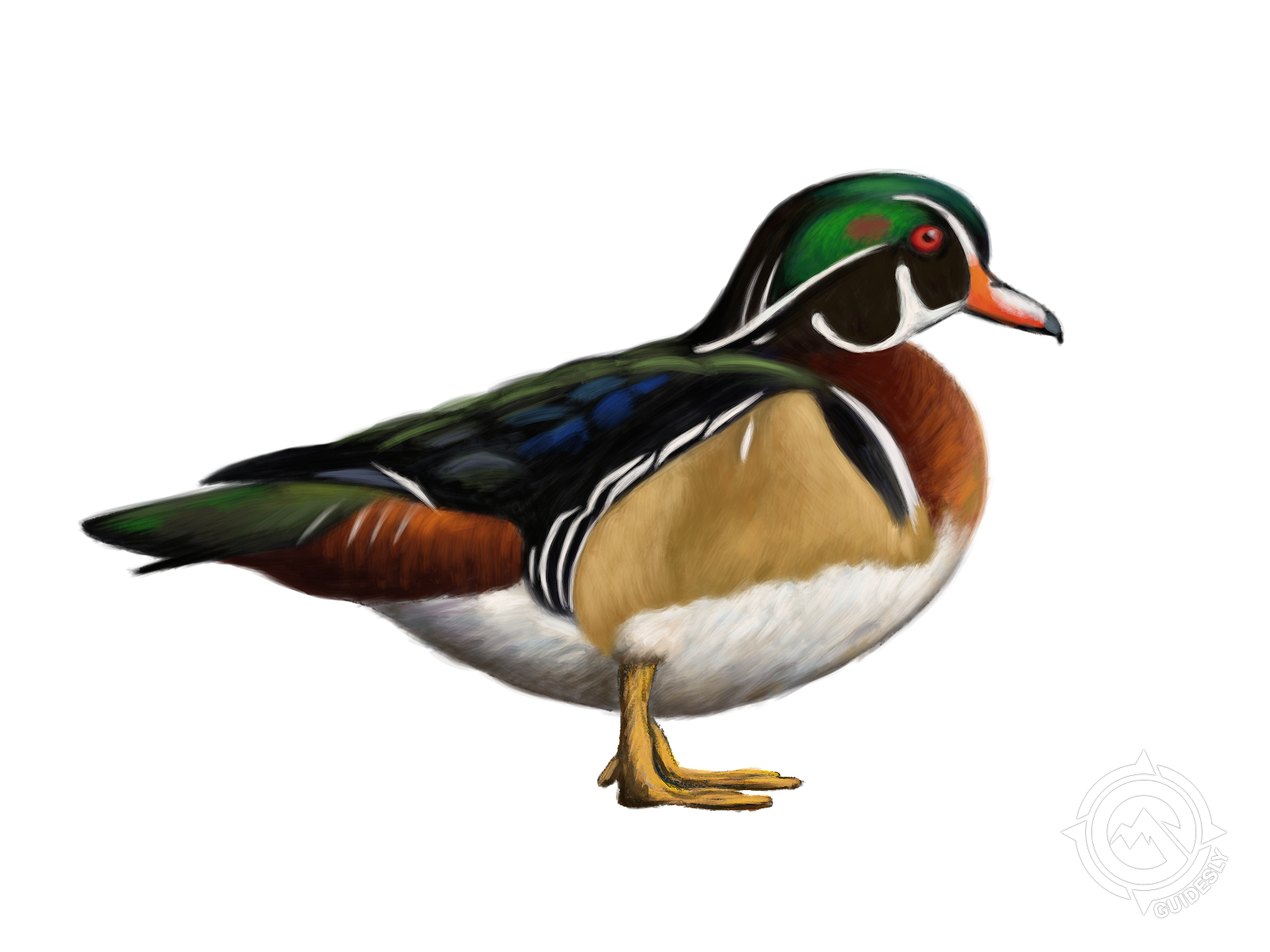
Wood Ducks are the flashiest birds you'll see, especially the drakes with their iridescent green heads and white throat patches. These birds prefer timber areas and smaller potholes with cover, and they're typically moving at first light and again in the evening. Wood ducks are fast, erratic fliers that can appear out of nowhere and vanish just as quickly. They respond well to wood duck calls, but they're spooky – one wrong move and they're gone. The Missouri River Valley has perfect habitat for woodies, with plenty of timber and secluded backwaters where they feel secure.
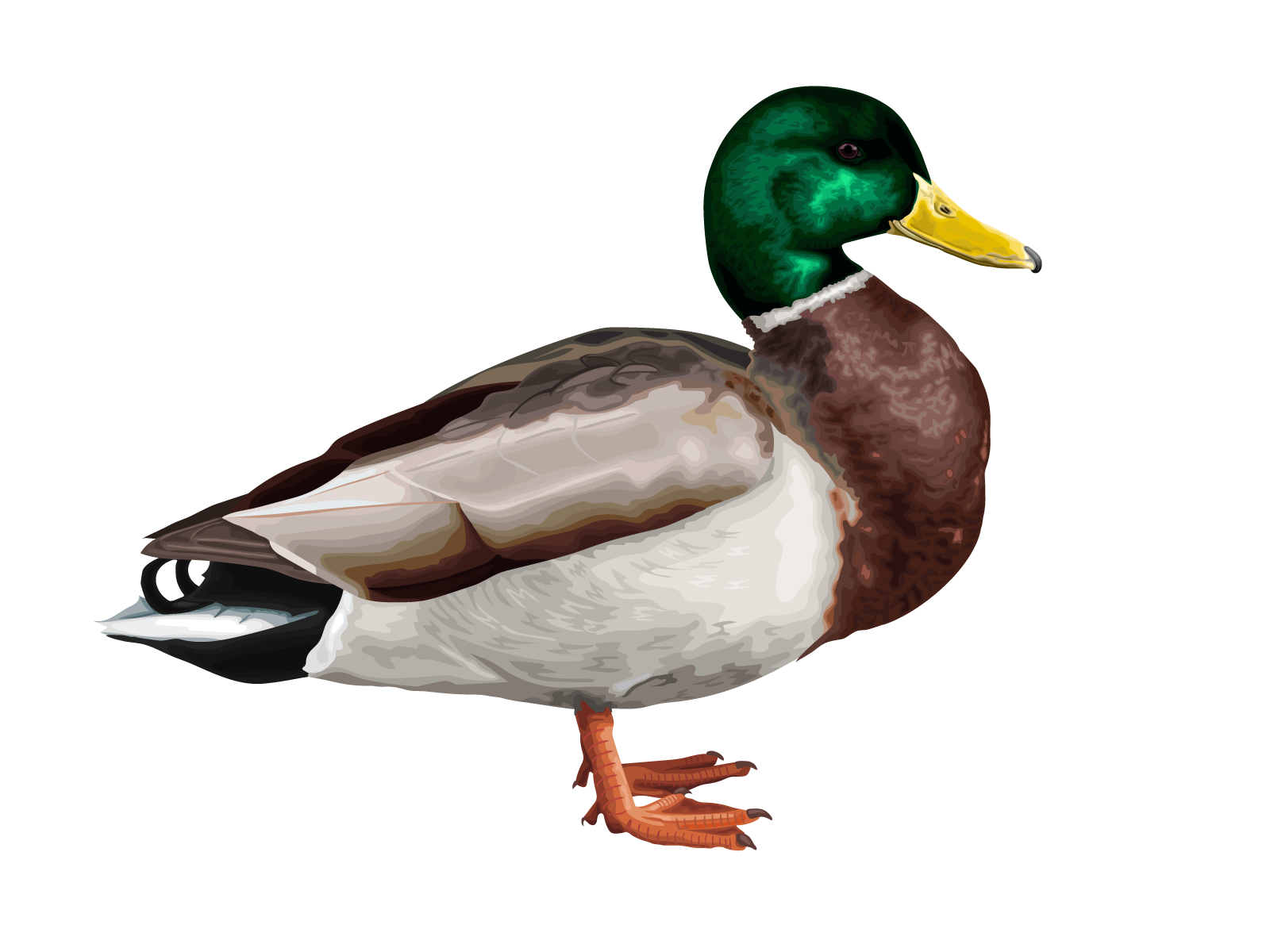
Mallards are the bread and butter of waterfowl hunting, and South Dakota's Missouri Valley sees massive flights during peak migration in October and November. These birds are smart, vocal, and incredibly fun to hunt because they respond so well to calling. A good mallard setup can produce non-stop action when the flights are moving. They'll work grain fields in the mornings, then trade back to roost water in the afternoons. Mallards are large, hardy birds that provide excellent eating and mount up beautifully. Your guides know how to call mallards in close, and watching a flock of greenheads cup their wings and drop into the decoys is waterfowl hunting at its finest.
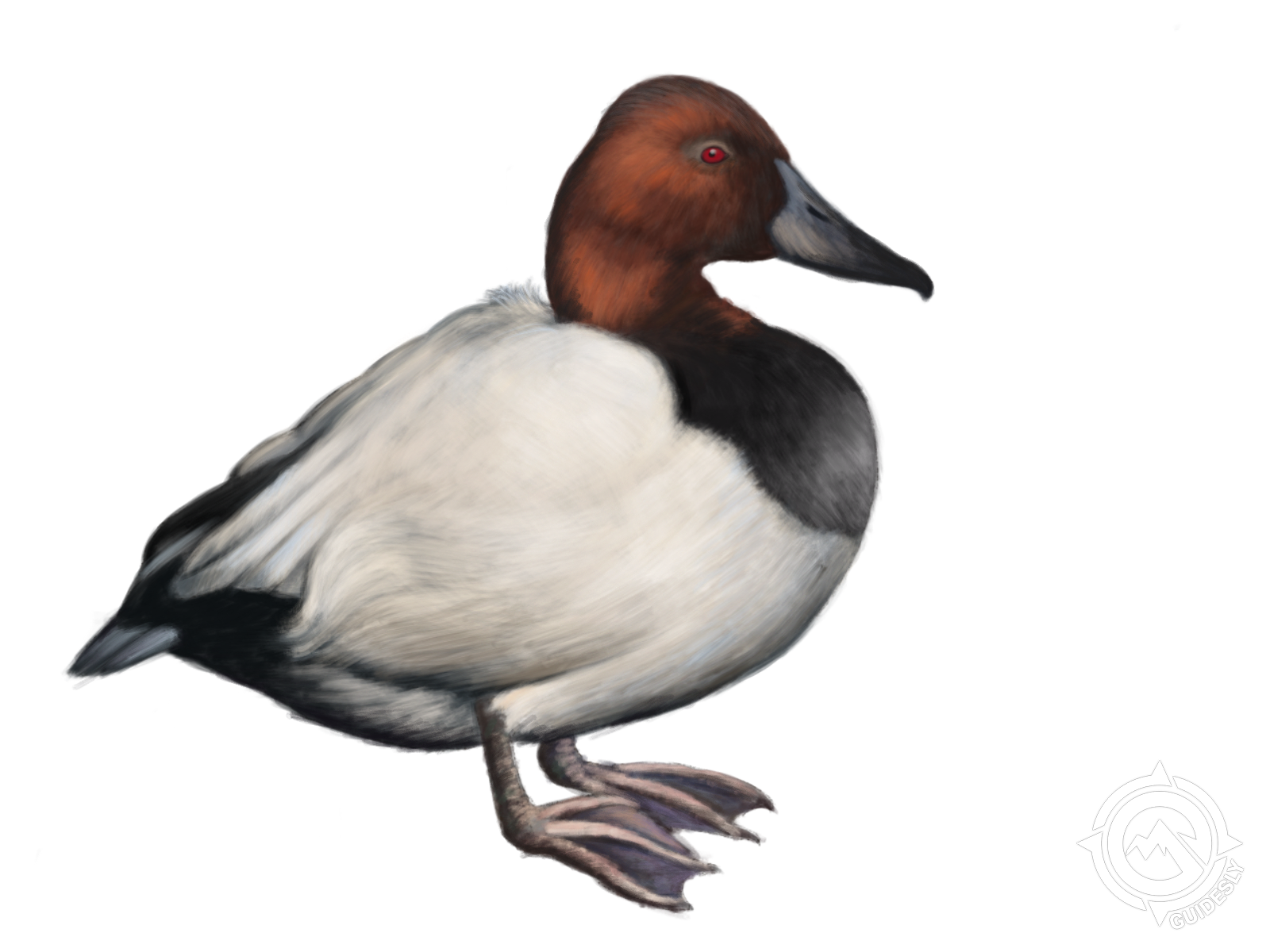
Canvasback are the Cadillac of diving ducks, with the drakes showing striking white backs and sloped profiles that make them unmistakable in flight. These birds prefer deeper water and larger potholes where they can dive for aquatic vegetation. Canvasback are strong, fast fliers that often travel in tight flocks. They're considered premium table fare – many hunters rank them as the best-eating duck. The Missouri Valley's larger potholes and backwaters provide ideal habitat for cans, especially during late-season when ice starts forming on smaller water bodies.
Blue-winged Teal are small, fast, and incredibly challenging targets that'll test your shooting skills. These birds are early migrants, typically moving through in September, and they travel in tight flocks that twist and turn like fighter jets. Teal prefer shallow, muddy areas where they can feed on seeds and small invertebrates. They're responsive to calling but spook easily, so your setup needs to be perfect. Despite their small size, blue-wings are excellent eating and their speed makes them trophy birds for wing shooters. When a flock of teal buzzes the decoys, you'll get multiple shot opportunities in seconds.
Book Your Next Tag
Five days of guided waterfowl hunting in prime South Dakota habitat doesn't come around often. With 10,000 acres of exclusive access, professional guides who know where the birds want to be, and all meals included, this hunt delivers the complete waterfowl experience. Whether you're a seasoned hunter looking for consistent action or someone wanting to step up their waterfowl game, the Missouri River Valley produces birds and memories that'll last a lifetime. The guides at Missouri Valley Guide Service have built their reputation on putting hunters on birds, and their multi-day packages give you the best
 Private Trip
 Active hunting
 undefined, undefined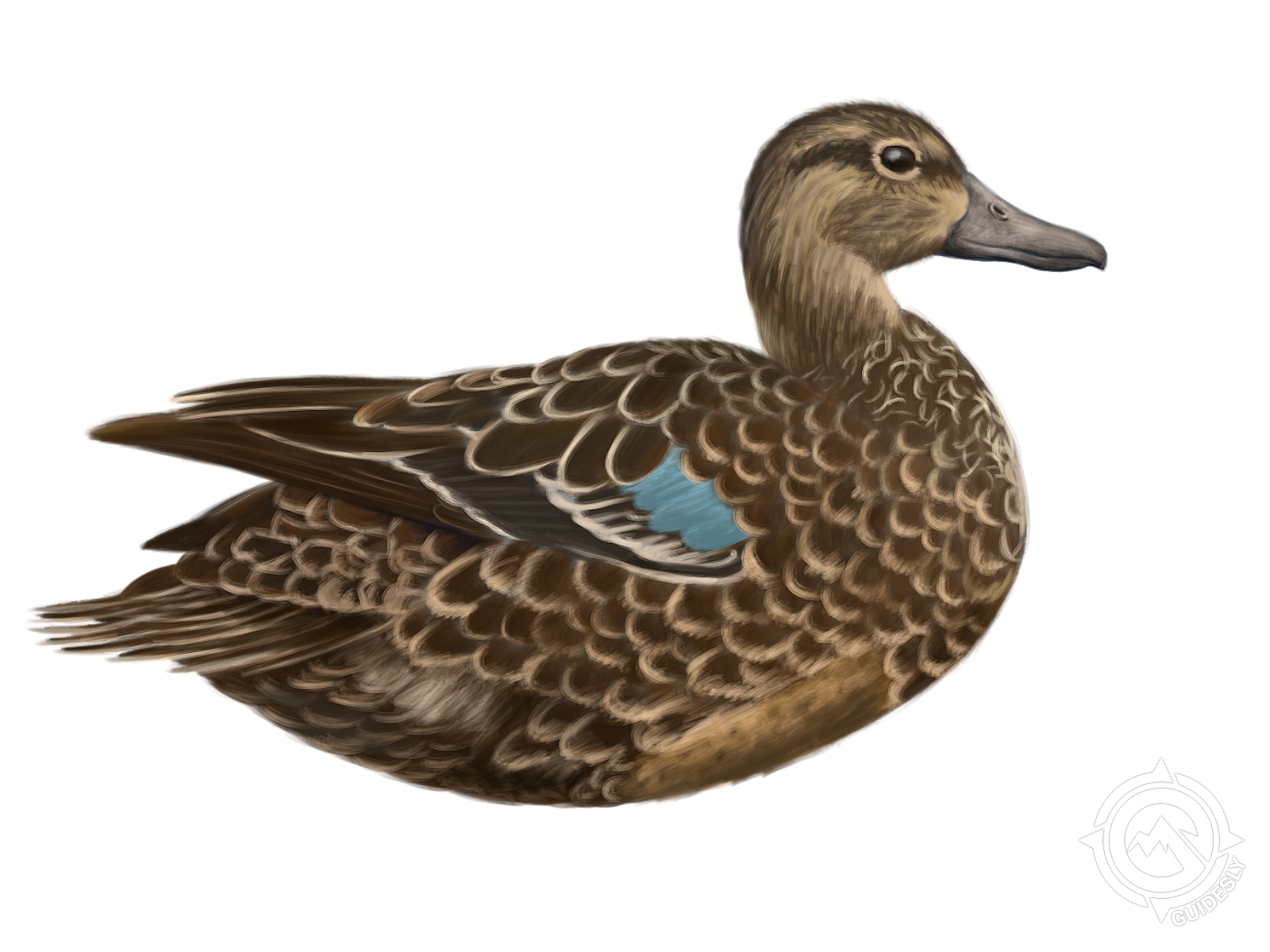
 Five-day guided waterfowl hunting across 10,000 acres of prime habitat