South Dakota Waterfowl Hunt: Missouri River Valley
Picture this: you're hunkered down in a perfectly concealed blind as the first light breaks over South Dakota's Missouri River Valley. The silence is broken by the distant honking of geese, and your pulse quickens as a massive flock appears on the horizon. This is what you get with Missouri Valley Guide Service's premier 2-day waterfowl hunting experience. We're talking about 10,000 acres of prime hunting ground in the heart of the Prairie Pothole region, right along one of North America's busiest flyways. Whether you're a seasoned hunter or just getting your feet wet, our expert guides know exactly how to put you in the right spot at the right time.
Inside the Hunt
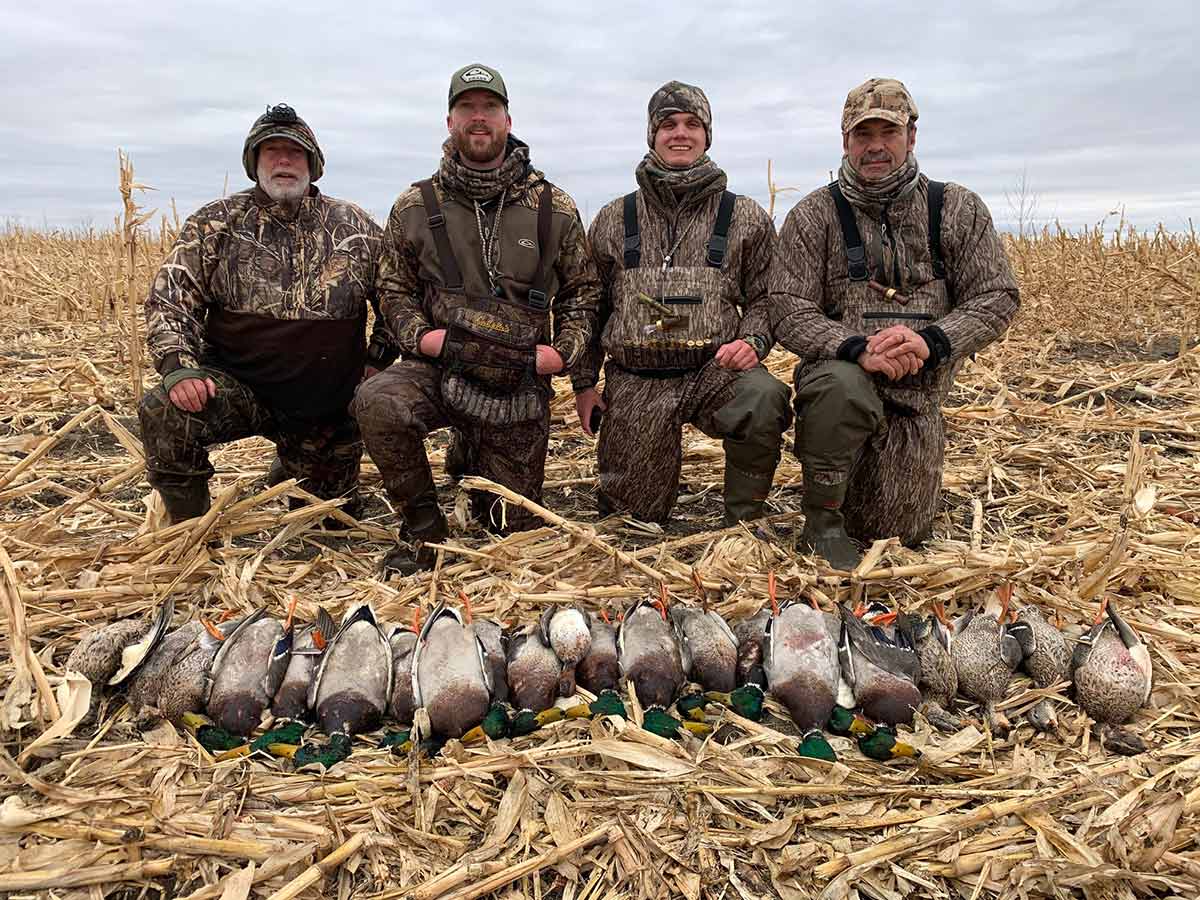
This isn't your typical weekend hunt where you're scrambling to find birds. We've spent years scouting this territory, and our guides know every slough, pothole, and feeding pattern like the back of their hand. You'll wake up to a hearty breakfast before heading out to pre-scouted locations where ducks and geese are actively working. Our professional decoy spreads are set up before dawn, creating realistic scenarios that pull birds right into your shooting zone. The beauty of hunting the Missouri River Valley is the variety – one morning you might be targeting diving ducks on deeper water, while the afternoon finds you in a field spread waiting for geese coming off their roost. Our trained retrievers are absolute game-changers too, ensuring clean retrieves even in tough conditions. With only 6 hunters maximum per trip, you're getting personalized attention and plenty of shooting opportunities without the crowds you'll find elsewhere.
Tracking Tips & Terrain
The Missouri River Valley's landscape is a waterfowler's dream, with its mix of shallow marshes, deeper potholes, and adjacent grain fields creating the perfect storm for bird activity. We hunt primarily from layout blinds and pit blinds, depending on conditions and bird behavior. The key here is reading the weather – when a cold front pushes through, birds get active and start moving, which is when the action really heats up. Our guides are constantly monitoring wind direction, barometric pressure, and local bird reports to position you where the action is hottest. We use top-quality decoy spreads with motion systems that create lifelike movement, even on calm days. The terrain changes throughout the valley, so we might start your morning in cattail-lined potholes for puddle ducks, then move to open water for divers, or hit the grain fields for geese during their afternoon feed. Shot placement is crucial in these wide-open spaces, so our guides work with each hunter on proper lead techniques and range estimation to ensure clean, ethical kills.
Target Game Breakdown
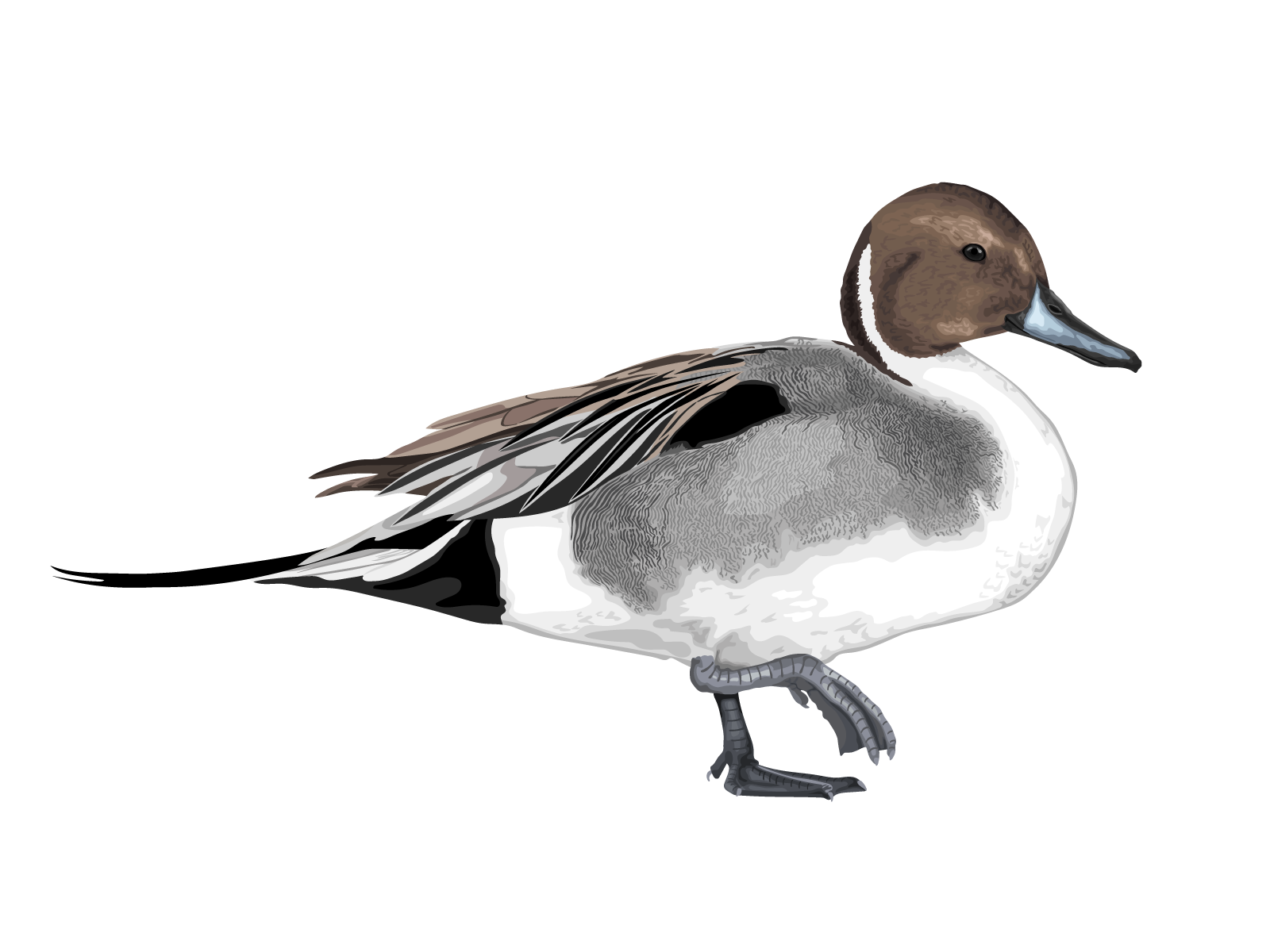
Northern Pintail are the aristocrats of the duck marsh, and the Missouri River Valley sees heavy concentrations during migration. These elegant birds are early migrants, typically showing up in good numbers by mid-September. Pintails are wary and require realistic decoy spreads, but when they commit, they come in with wings cupped and feet down – a sight that never gets old. They love shallow water where they can tip up and feed, making our prairie potholes perfect habitat. Hunters prize pintails not just for their beauty, but because they're excellent table fare and present challenging shots with their erratic flight patterns.
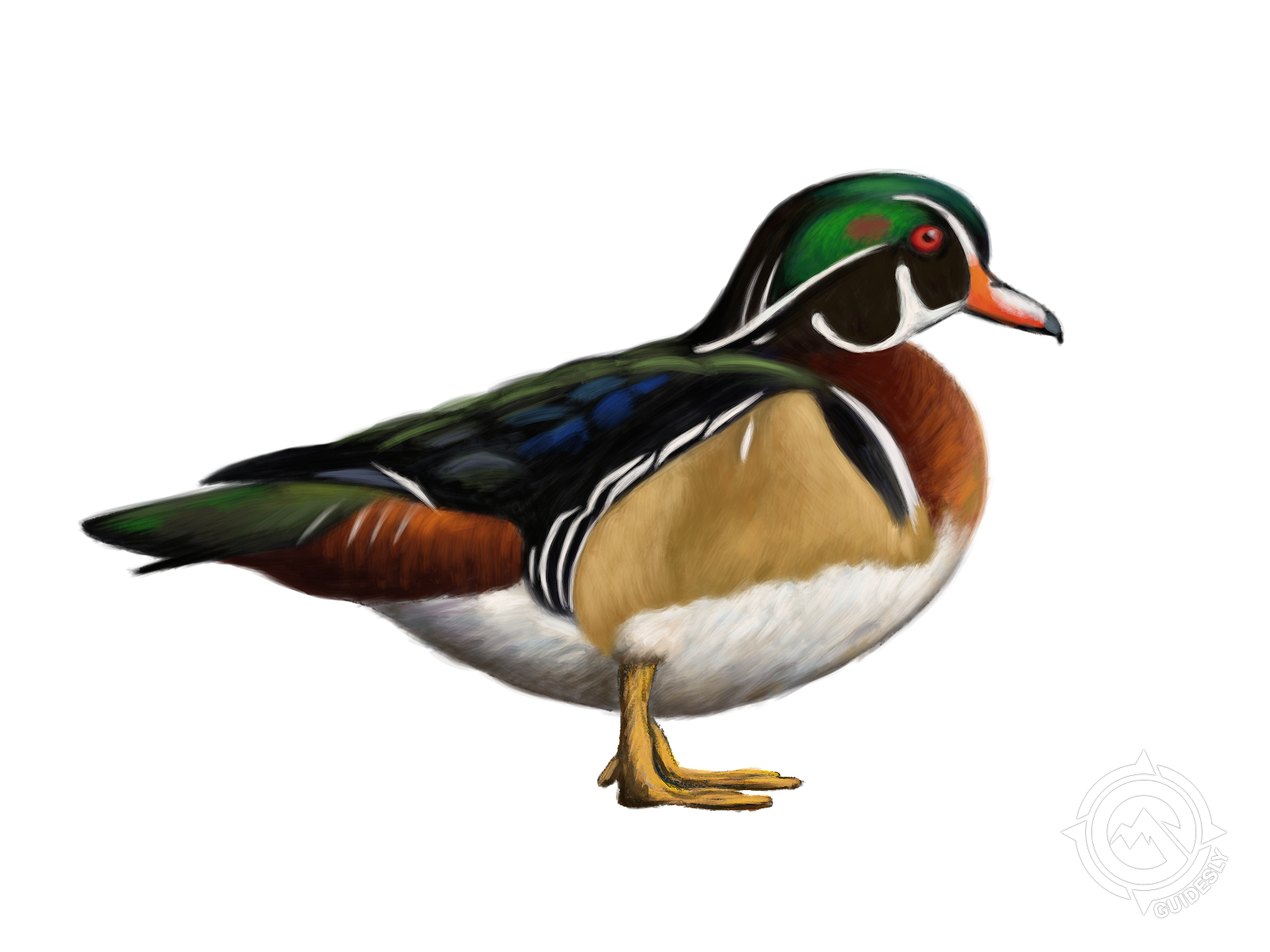
Wood Ducks are hands-down one of the most beautiful birds you'll encounter, and we see them consistently throughout the season in our timber areas and wooded sloughs. These birds are creatures of habit, using the same flyways and roosting spots day after day. Early morning hunts near wooded creeks and beaver ponds are your best bet for woodies. They fly fast and low through the timber, requiring quick reflexes and good shooting skills. What makes wood duck hunting special here is the setting – there's something magical about calling in a colorful drake woody as it threads through the cottonwoods at first light.
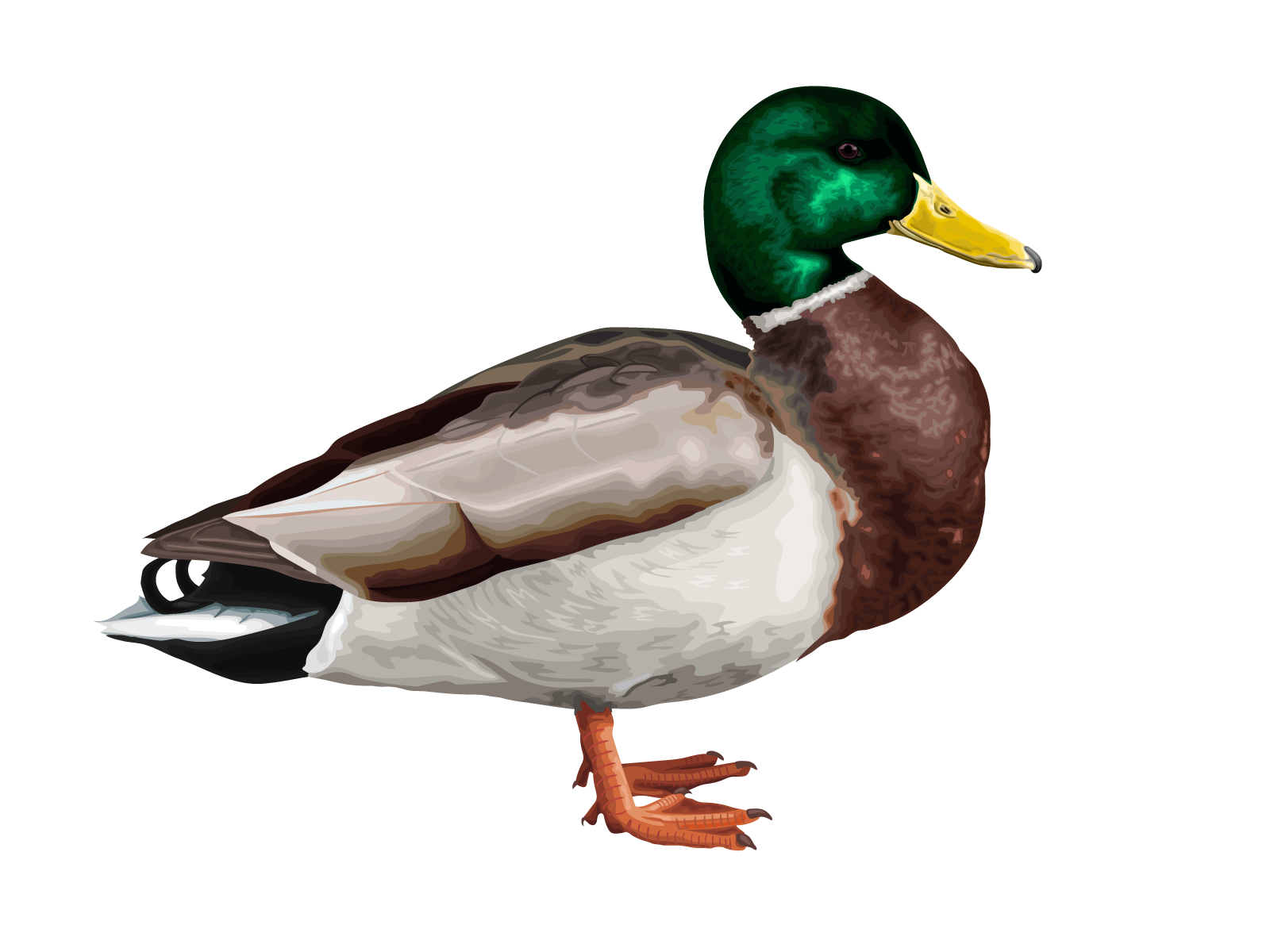
Mallards are the bread and butter of waterfowl hunting, and South Dakota's Missouri River Valley produces some of the finest greenheads you'll find anywhere. These birds are incredibly vocal and respond well to aggressive calling, especially during peak migration in October and November. Local mallards that have been pressured can be tough customers, but migrating birds from up north are often more willing to work decoys. They prefer shallow feeding areas with easy escape routes to deeper water. The key to consistent mallard success is varying your calling – sometimes they want to hear aggressive feeding chatter, other times a simple quack-quack is all it takes to seal the deal.
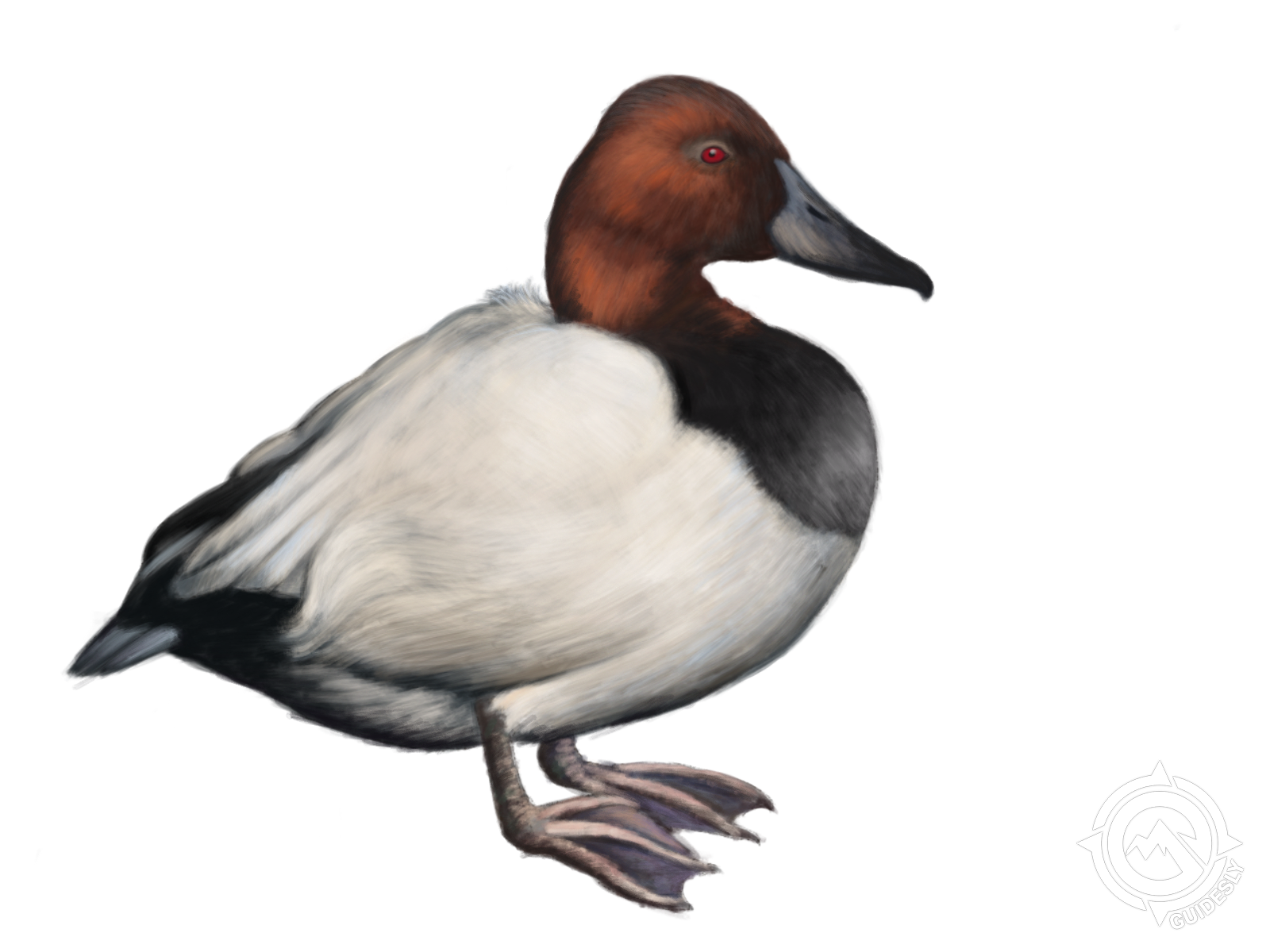
Canvasback are the speed demons of the duck world, and when they're moving through the valley, you better be ready for fast-paced action. These diving ducks prefer deeper water and are often found in large rafts during migration. Can hunting requires different tactics than puddle duck hunting – you need bigger spreads, diving duck decoys, and you have to be ready for birds that come in fast and hard. They're built like bullets and fly like jets, making them one of the most challenging and rewarding ducks to hunt. The meat is outstanding too, considered by many to be the finest eating duck in North America.
Blue-winged Teal are the early season stars, showing up in August and September when the weather is still warm. These small, fast ducks travel in tight flocks and provide some of the most exciting wing shooting you'll experience. Teal hunting is all about quick shots at small, erratically flying targets. They love shallow, muddy areas rich in aquatic vegetation, and our prairie potholes are teal magnets during the early season. The beauty of teal hunting is the fast action – when a flock commits to your spread, you better be ready because they'll be in and out of range in seconds. Despite their small size, they're fantastic on the table and their acrobatic flight makes every shot a memorable challenge.
Book Your Next Tag
Look, there are plenty of outfitters out there promising world-class waterfowl hunting, but
 Private Trip
 Active hunting
 undefined, undefined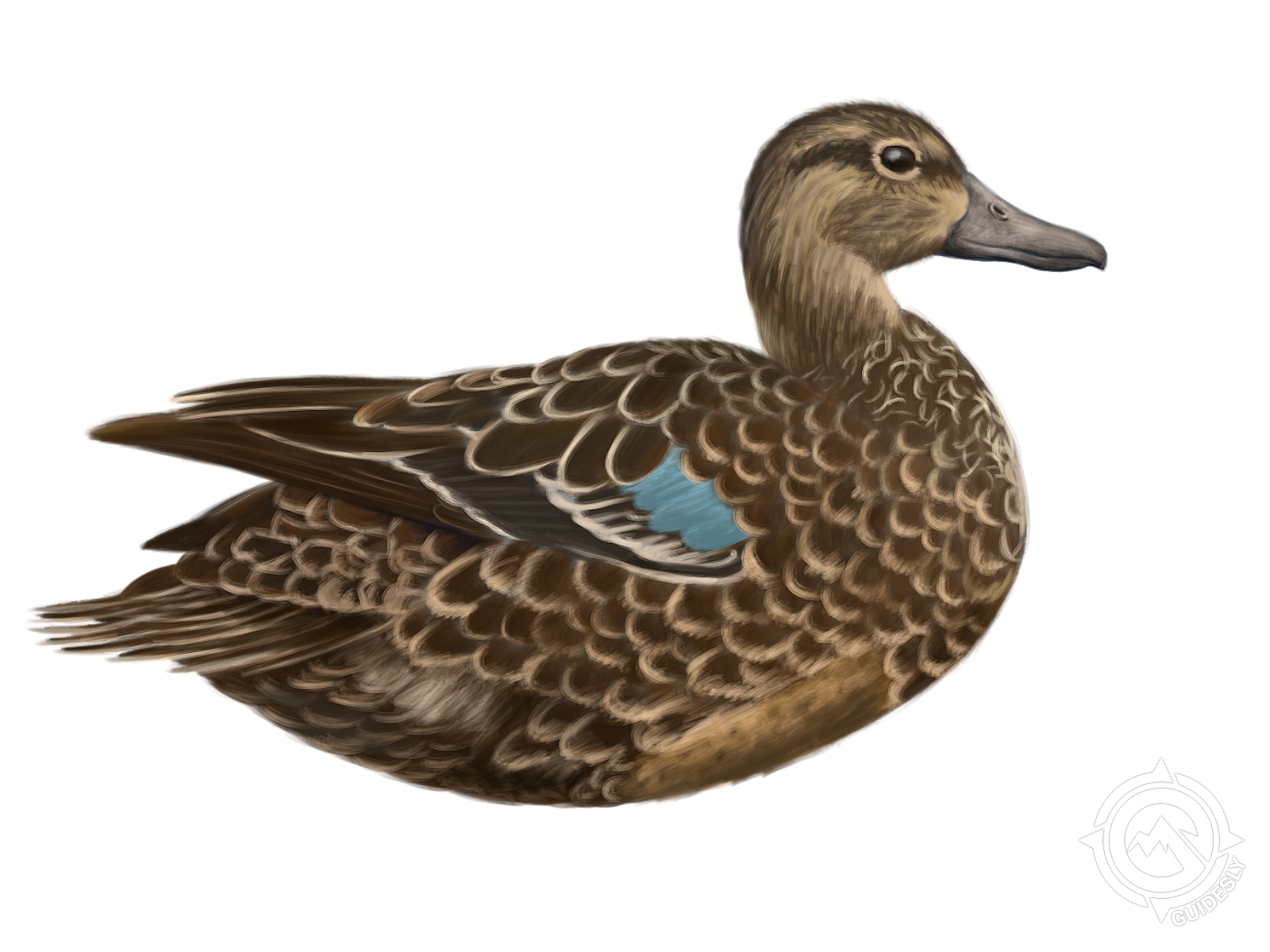
 Two-day guided waterfowl hunt in Missouri River Valley