Guided Turkey Hunting Trip in Maine
Spring turkey season in Maine is something special, and this guided hunt with Moose Horn Guide Service puts you right in the thick of it. Running from May 1st through June 3rd, this is when Maine's wild turkeys are most active and vocal. You'll spend four hours with a licensed guide who knows these woods like the back of their hand, learning the art of calling in one of North America's wariest game birds. Whether you're a seasoned hunter looking to add a Maine tom to your collection or someone new to turkey hunting wanting to learn from the ground up, this one-on-one experience delivers the focused attention you need to succeed.
Inside the Hunt
This isn't your typical walk-and-stalk hunt. Turkey hunting is all about patience, strategy, and reading the birds' behavior. Your guide will meet you before dawn to discuss the game plan based on recent bird activity and weather conditions. Maine's spring woods come alive early, and you'll be positioned well before first light to catch the morning fly-down. The guide handles all the initial scouting work, so you're hunting areas with proven turkey activity rather than wandering around hoping to stumble into birds. Expect to cover ground quietly, setting up in multiple locations throughout the morning as your guide works to call birds within range. The one-on-one format means you get personalized instruction on calling techniques, shot placement, and bird behavior without competing for your guide's attention. Since you're bringing your own firearm, make sure you're comfortable with it and have it sighted in before the trip.
Tracking Tips & Terrain
Maine's turkey hunting takes place in mixed hardwood and softwood forests with plenty of ridge systems and creek bottoms that turkeys love to travel. Your guide will teach you to read turkey sign - scratching areas where birds have been feeding, tracks in soft soil, and roost trees with telltale droppings below. The calling strategy changes throughout the hunt based on how the birds respond. Early morning might require soft tree calls and fly-down cackles, while mid-morning often calls for more aggressive cutting and yelping to pull in a curious tom. Movement control is critical - turkeys have incredibly sharp eyesight and will bust you for the slightest twitch. Your guide will position you with natural cover and teach you when you can move and when you need to freeze completely. Shot opportunities often happen fast, so your guide will prep you on range estimation and proper shooting lanes from each setup. The terrain can be challenging with wet spring conditions, so wear waterproof boots and layers you can shed as the morning warms up.
Target Game Breakdown
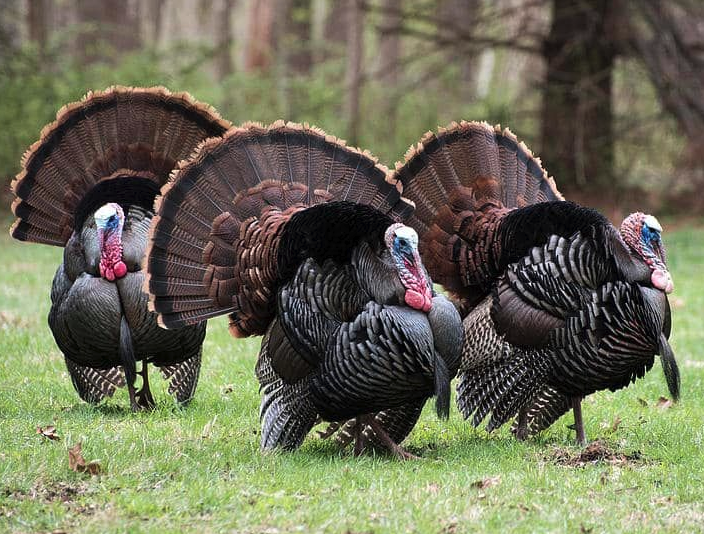
Maine's wild turkeys are descendants of birds reintroduced in the 1970s and have thrived in the state's diverse habitat. Adult toms typically weigh between 18-24 pounds with impressive beard lengths often reaching 9-11 inches on mature birds. Spring is mating season, which makes toms more responsive to calling but also more unpredictable in their movements. These birds roost in tall trees overnight and fly down at first light to begin their daily routine of feeding and breeding activities. Maine turkeys are incredibly vocal during spring, with toms gobbling to attract hens and establish dominance. What makes hunting them so addictive is their intelligence - they'll circle downwind, hang up just out of range, or send hens in first to check for danger. A mature Maine tom that responds to your calling sequence and comes strutting into range with his tail fanned and beard dragging is a sight that'll get your heart pumping. The birds here have adapted well to Maine's climate and terrain, making them strong fliers and excellent at using the landscape to their advantage. Success often comes down to persistence and adapting your strategy as the hunt unfolds.
Book Your Next Tag
This guided turkey hunt offers the perfect blend of expert instruction and hands-on experience in Maine's prime turkey habitat. The personal attention from your licensed guide, combined with their local knowledge of bird patterns and behavior, gives you the best shot at success while learning techniques you can use for years to come. Spring turkey season is short and sweet, running just over a month, so prime dates fill up fast. Remember to secure your Maine hunting license before your trip date, and don't forget to bring your firearm, ammunition, and appropriate camouflage clothing. Whether you bag a bird or not, you'll walk away with a deeper understanding of turkey behavior and calling strategies that'll make you a better hunter. Ready to test your skills against one of the craftiest game birds in the woods? Book your spot with Moose Horn Guide Service and experience why Maine turkey hunting keeps hunters coming back season after season.
 Private Trip
 Camouflage hunting
 Maine
Maine Four-hour guided spring turkey hunt in Maine woods