Lake Park Two-Tank Reef & Wreck Dive
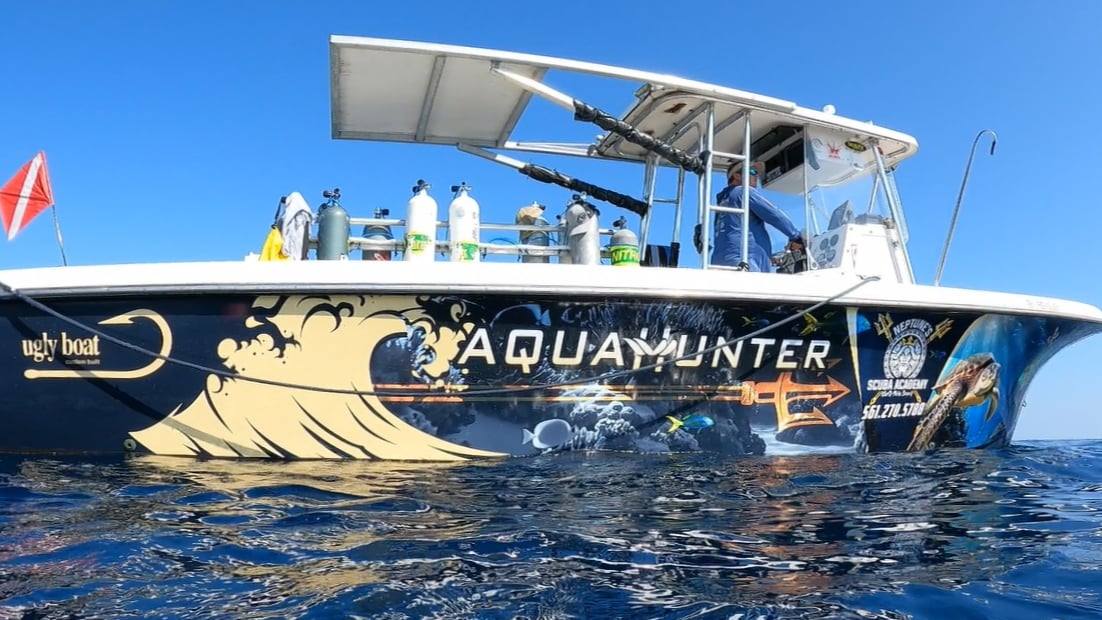
Ready to explore some of Palm Beach County's best underwater real estate? Neptune's Scuba Academy runs a solid two-tank operation out of Lake Park Harbor Marina that keeps things intimate and professional. We're talking max six divers per trip, which means no cattle boat vibes and plenty of room to move around topside. Your dive guide stays in the water with you the whole time, pointing out the good stuff and making sure everyone's comfortable. At $110 per diver, you get a clean boat, snacks, drinks, and that personal attention that makes all the difference when you're 60 feet down checking out a wreck.
Beneath the Surface
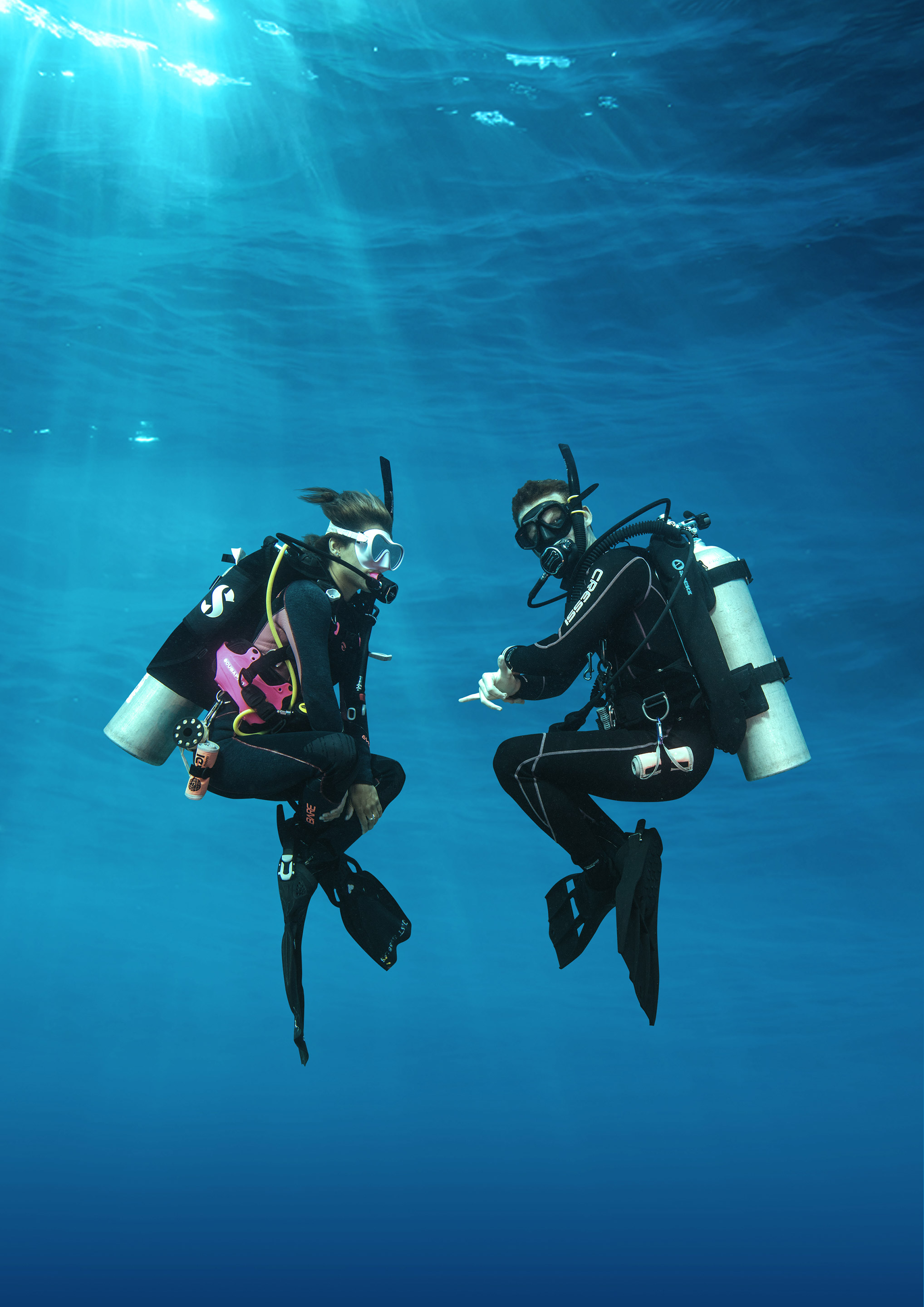
This isn't your typical crowded charter where you're elbow-to-elbow with 20 other divers. We keep our passenger count low on purpose - six certified divers max means you actually get to enjoy the experience without feeling rushed. The boat heads out from Lake Park Harbor Marina for either a four or six-hour run, depending on conditions and what sites are looking good that day. Your first tank usually hits one of the area's thriving reef systems where the hard corals are healthy and the fish life is abundant. After your surface interval with snacks and hydration, tank two often takes you to explore one of Palm Beach County's many historic wrecks. These artificial reefs have become underwater cities over the decades, packed with marine life that uses every nook and cranny for shelter. The education-first approach means your guide isn't just there for safety - they're sharing knowledge about what you're seeing, from fish behavior to wreck history.
Dive Brief & Gear Info
Before you splash, expect a thorough site briefing covering entry and exit procedures, maximum depth, bottom time, and any special features or hazards to watch for. The boat carries rental tanks for $20 if you need them, plus other essential gear upon request - just give them a heads up when booking so they can have everything ready. Most divers bring their own mask, fins, and snorkel since personal fit matters, but if you're traveling light, they can sort you out. The reef dives typically max out around 60-80 feet depending on the specific site, while wreck penetrations stay in the safe zone with plenty of ambient light and multiple exit points. Your guide uses a reef hook and dive flag system to mark the group's position, and they're constantly monitoring air supplies and bottom times to keep everyone safe and legal. The boat's equipped with a marine head, fresh water rinse, and camera rinse station for those underwater photographers in the group.
Marine Life You'll See
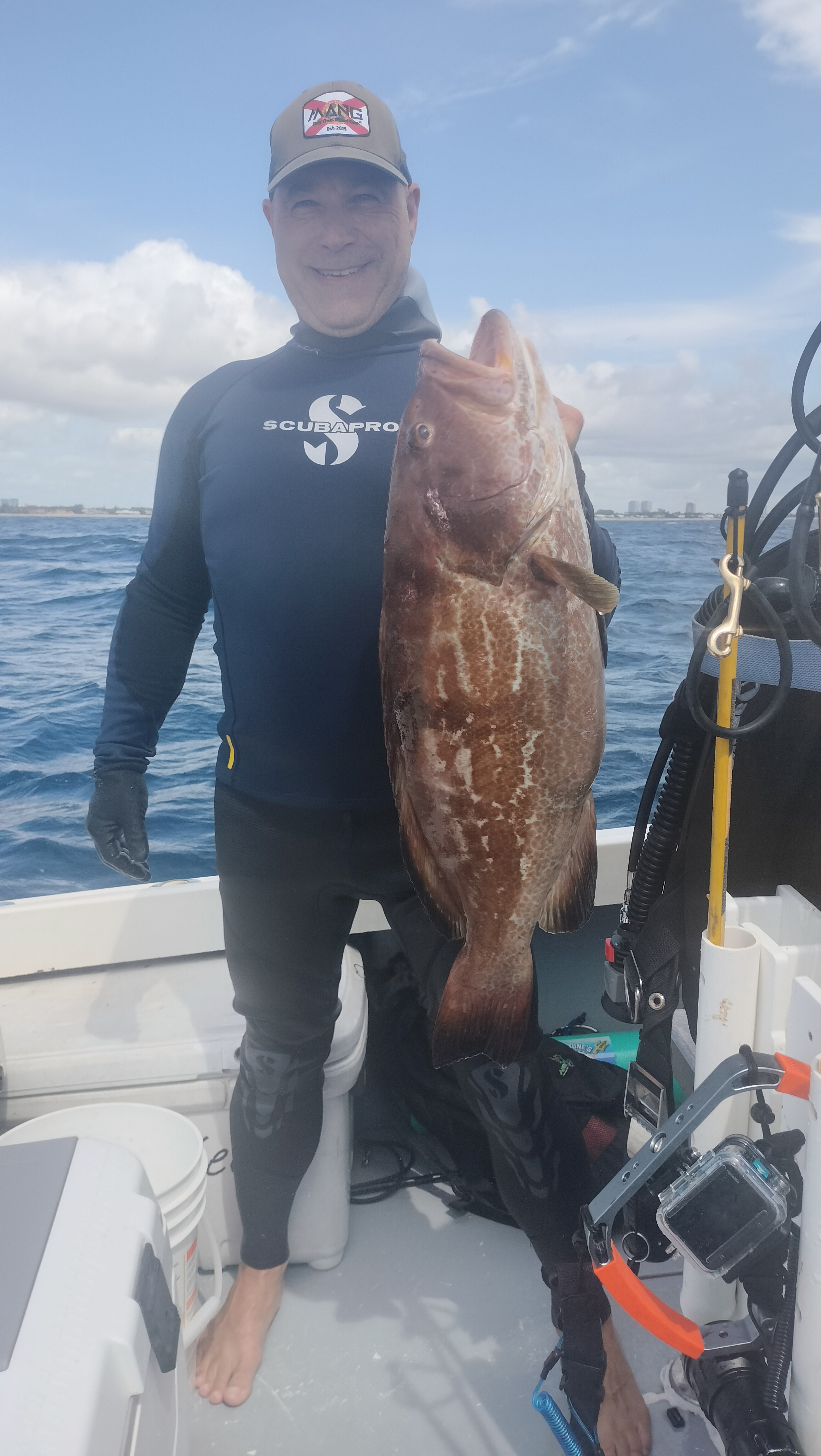
The reef systems off Palm Beach County host an impressive variety of tropical species year-round, with seasonal visitors adding extra excitement throughout the year. Goliath grouper are the real showstoppers here - these gentle giants can reach 400+ pounds and aren't shy around divers. Summer months bring the best encounters when they gather around the wrecks in impressive numbers. They're curious fish that will often approach closely, creating those jaw-dropping photo opportunities that make your dive buddies back home jealous. Their slow, deliberate movements and massive size make them feel almost prehistoric.
Green sea turtles cruise these waters regularly, especially around the reef areas where they graze on algae and seagrass. These ancient mariners can live over 80 years and weigh up to 300 pounds. They're most active during morning dives when they're feeding, and they'll often ignore divers completely as they go about their business. Watching a turtle gracefully navigate through a swim-through or settle onto a cleaning station is pure magic - they move like they're flying in slow motion through liquid space.
Nurse sharks are common residents that spend their days tucked under ledges and in sandy patches between coral heads. These docile sharks can reach 10 feet long but pose zero threat to divers. They're most active at dawn and dusk, but during the day you'll find them resting in groups, sometimes piled on top of each other. Their barbels help them hunt for shellfish and small fish in the sand, and they're so mellow that fish often swim right over their backs without concern.
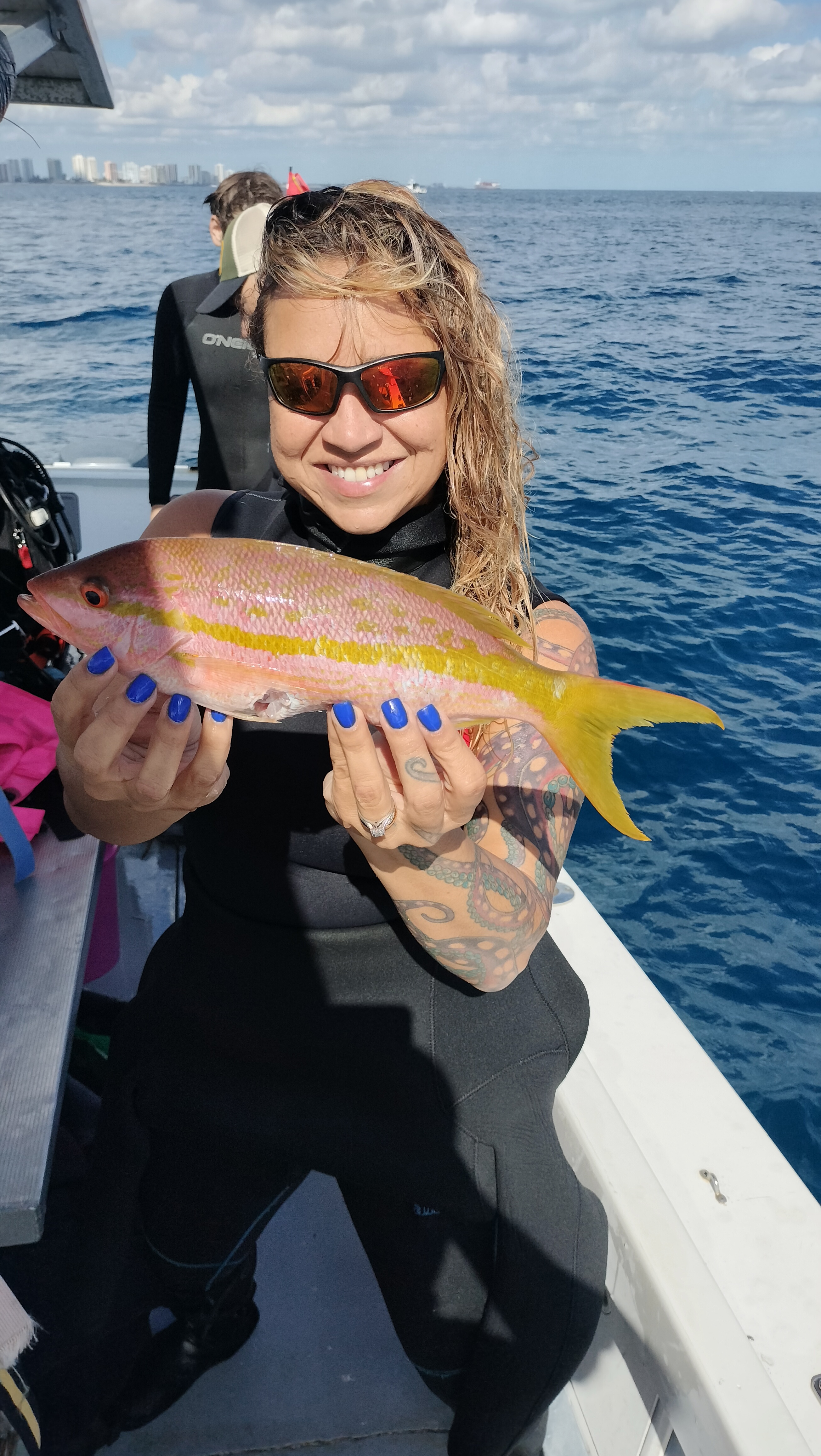
The wreck sites attract massive schools of yellowtail snapper, especially during summer months when baitfish congregate around the structures. These silver and yellow beauties form dense clouds that part like curtains as divers swim through. They're incredibly photogenic against the wreck's superstructure, and their schooling behavior creates dynamic underwater scenes that change by the minute as they respond to currents and predator movements.
Plan Your Next Dive
This Lake Park two-tank trip delivers exactly what experienced divers want - quality sites, small groups, and professional service without the premium price tag. The six-diver limit means you're not fighting for space on the dive platform or waiting in long lines to gear up. Your guide's in-water presence adds both safety and educational value that you won't get on larger operations. The boat stays clean, the snacks keep you fueled between dives, and the four to six-hour duration gives you enough bottom time to really explore without feeling rushed. At $110 per diver plus tank rental if needed, you're getting top-rated service at a competitive rate. Spots fill up fast on the popular weekend runs, so grab your slot early and get ready to see why Palm Beach County's underwater scene keeps divers coming back for more.
 Shared Trip
 Scuba Diving
 West Palm Beach
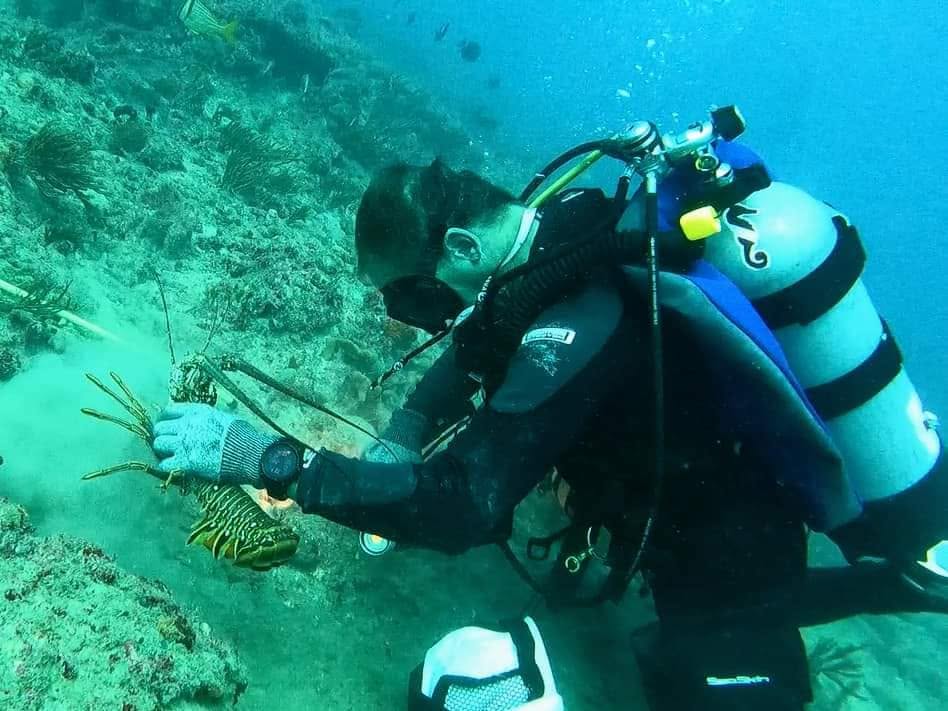
 Small group dive with maximum six certified divers aboard