Night Diver Certification West Palm Beach
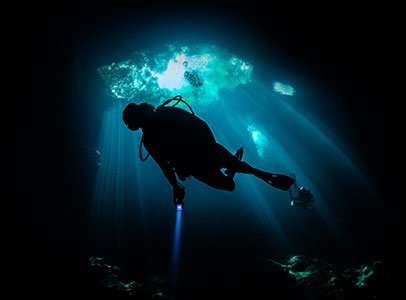
Ready to see the ocean like you've never seen it before? When the sun goes down over West Palm Beach, a completely different underwater world comes alive. Getting your Night Diver certification here means diving into one of Florida's most active nighttime marine environments, where creatures that hide during the day come out to hunt, feed, and put on a show you won't believe. This isn't just another dive—it's like switching from watching TV to being inside the movie.
Beneath the Surface
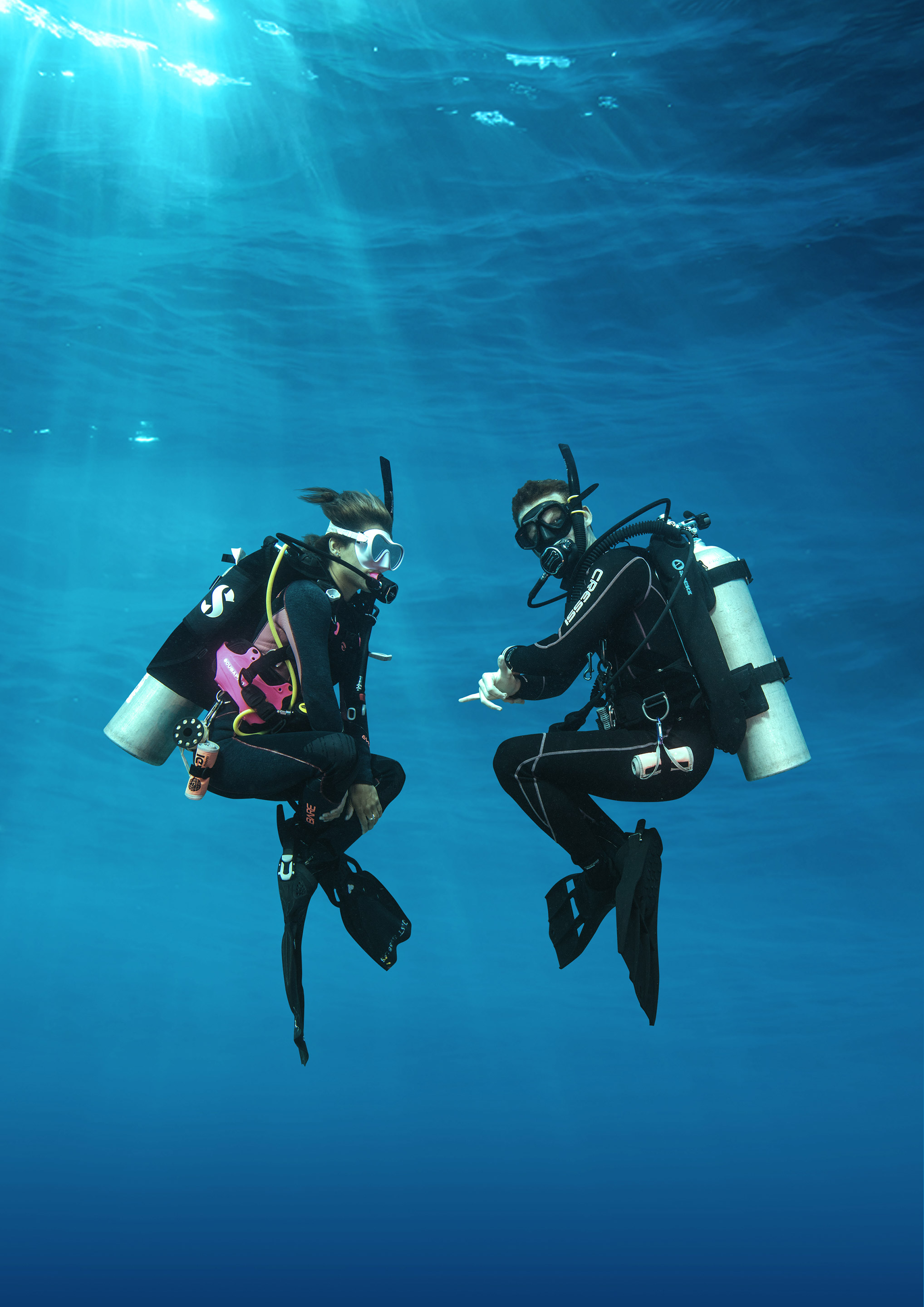
Your Night Diver certification takes place over three dives spread across one or two evenings, giving you plenty of time to get comfortable moving around in the dark underwater. You'll start close to shore where the learning curve is gentle, then work your way out to slightly deeper spots as your confidence builds. West Palm Beach's protected nearshore reefs are perfect for night diving—the currents are manageable, the visibility stays decent even after dark, and the marine life activity is off the charts. You'll need your Open Water certification to join this course, and divers as young as 12 can participate with the right preparation. The whole experience is designed around small groups, with a maximum of one student per instructor, so you get personal attention every step of the way. Neptune's Scuba Academy provides all the specialized night diving gear, including primary and backup lights, plus those fun glow sticks that help you keep track of your buddy and signal to the surface.
Dive Brief & Gear Info
Night diving is all about light management and communication—two skills that feel completely different underwater than they do on land. Your instructor will show you how to handle your primary torch without blinding your dive buddy, how to use hand signals when you can only illuminate small areas at a time, and most importantly, how to stay calm when you can't see the usual landmarks. Navigation becomes a whole different game when you're working with a narrow beam of light instead of the wide-open visibility you get during day dives. You'll practice compass navigation, natural navigation using the reef structure, and learn to trust your instruments when your usual visual references aren't there. The gear setup includes a primary light system, at least one backup light, and special signaling devices. Communication underwater switches from the usual hand signals to light patterns—quick flashes, slow sweeps, and specific beam directions that let you "talk" to your buddy from much farther away. One of the coolest parts is learning how different marine life reacts to your lights, and how to use red filters to observe animals without spooking them as much.
Marine Life You'll See
The nighttime cast of characters around West Palm Beach is completely different from what you see during day dives, and way more active. Tarpon are absolute kings of the night scene here—these massive silver fish, often reaching 6 feet long, cruise the reefs in small groups looking for easy meals. They're curious about dive lights and will often circle divers, creating this amazing silvery wall effect as they reflect your beam. Peak tarpon activity happens during the warmer months from April through October, but you can spot them year-round. What makes them special is how they use the artificial light to hunt—they'll actually follow your beam to catch smaller fish that get disoriented by the brightness. Nurse sharks become way more active after dark, coming out of their daytime hiding spots to hunt along the bottom. These 6-8 foot sharks are completely harmless to divers and often ignore you completely as they methodically search crevices and holes for sleeping fish. During summer months, you might encounter them in small groups, especially around the deeper reef structures. The behavior change from their lazy daytime persona to active nighttime hunter is dramatic—they move with purpose and show off the grace that makes them such efficient predators. Octopus sightings go through the roof on night dives because this is when they're out actively hunting instead of hiding in cracks and holes. Caribbean reef octopus are masters of camouflage and you'll watch them change colors and textures in real-time as they move across the reef. They're incredibly curious about dive lights and will often approach to investigate, giving you front-row seats to some of the ocean's smartest behavior.
Plan Your Next Dive
Getting your Night Diver certification in West Palm Beach opens up a whole new dimension of diving that you can use anywhere in the world. The skills you learn here—light discipline, underwater navigation in limited visibility, and reading marine life behavior in the dark—make you a more confident and capable diver overall. Plus, you're learning in waters that offer some of the best night diving on the East Coast, so you're getting top-shelf experience right from the start. The certification itself never expires and adds serious credibility to your diving resume. Most importantly, you'll have the skills and confidence to safely enjoy night diving anywhere your travels take you. Neptune's Scuba Academy's approach focuses on real-world application, so you're not just checking boxes—you're building genuine expertise that makes every future dive better. The small class sizes mean you get plenty of one-on-one time with experienced instructors who know these waters inside and out. Ready to see what you've been missing after sunset? The reef is waiting, and trust me, the night shift is worth experiencing.
 Class
Class Shared Trip
 West Palm Beach
 Night diving certification requires Open Water Diver prerequisite and three dives