Reef Trips Nearshore Fishing Charter Sarasota
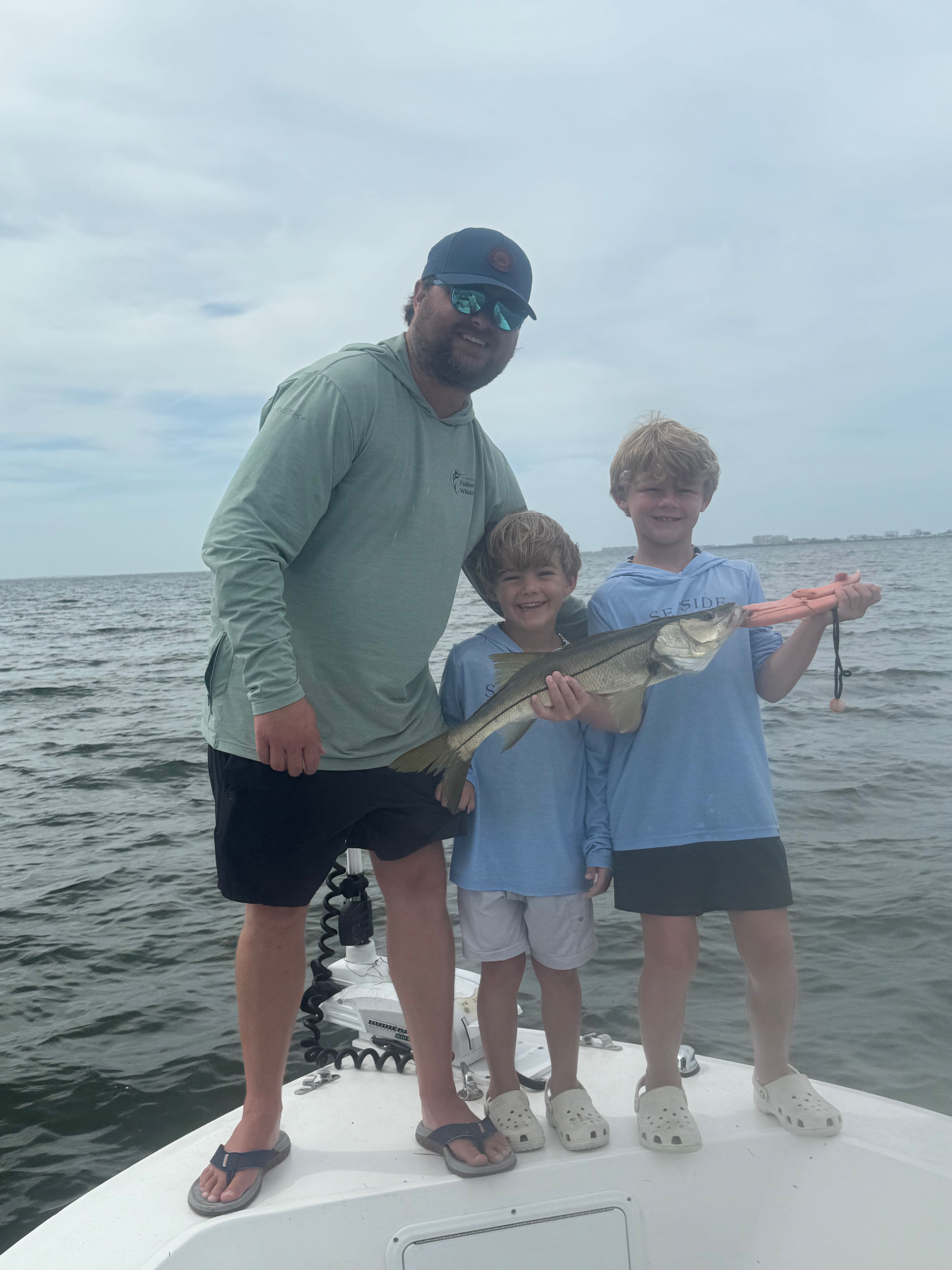
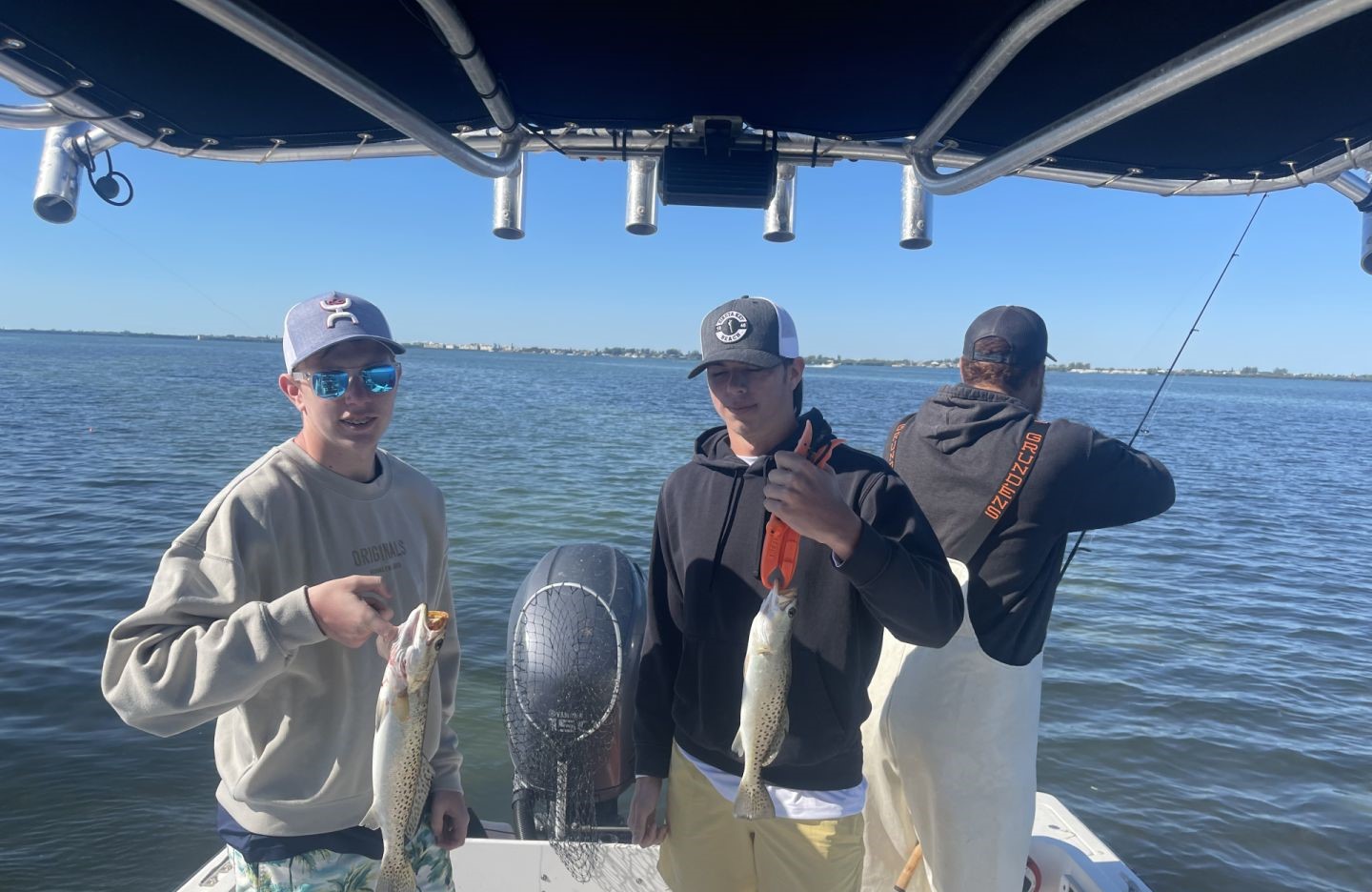
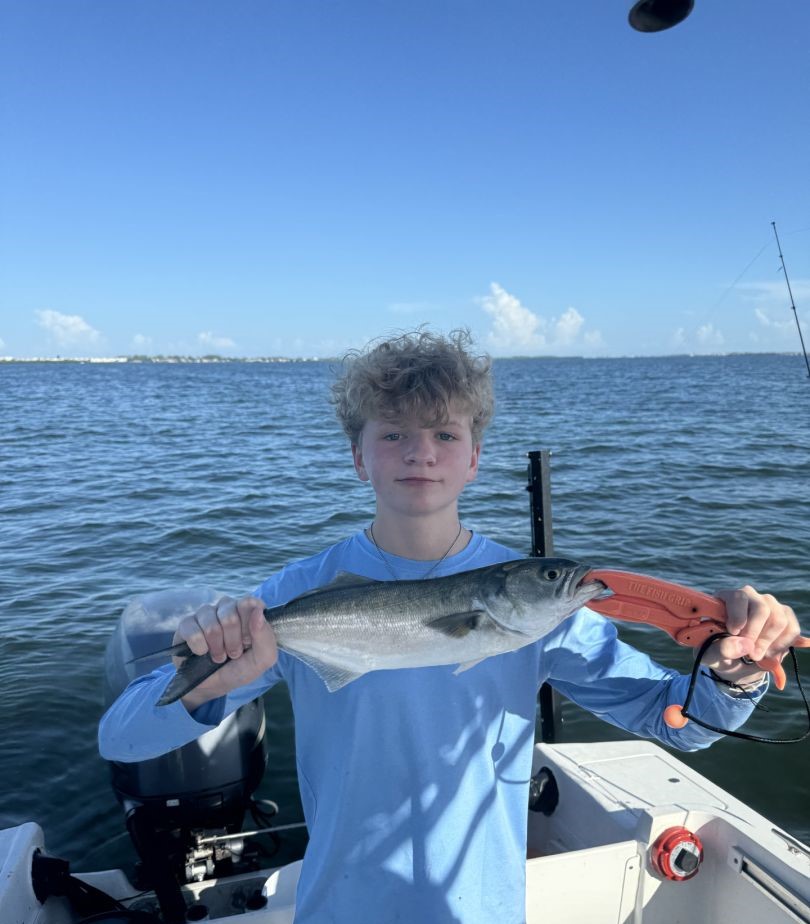
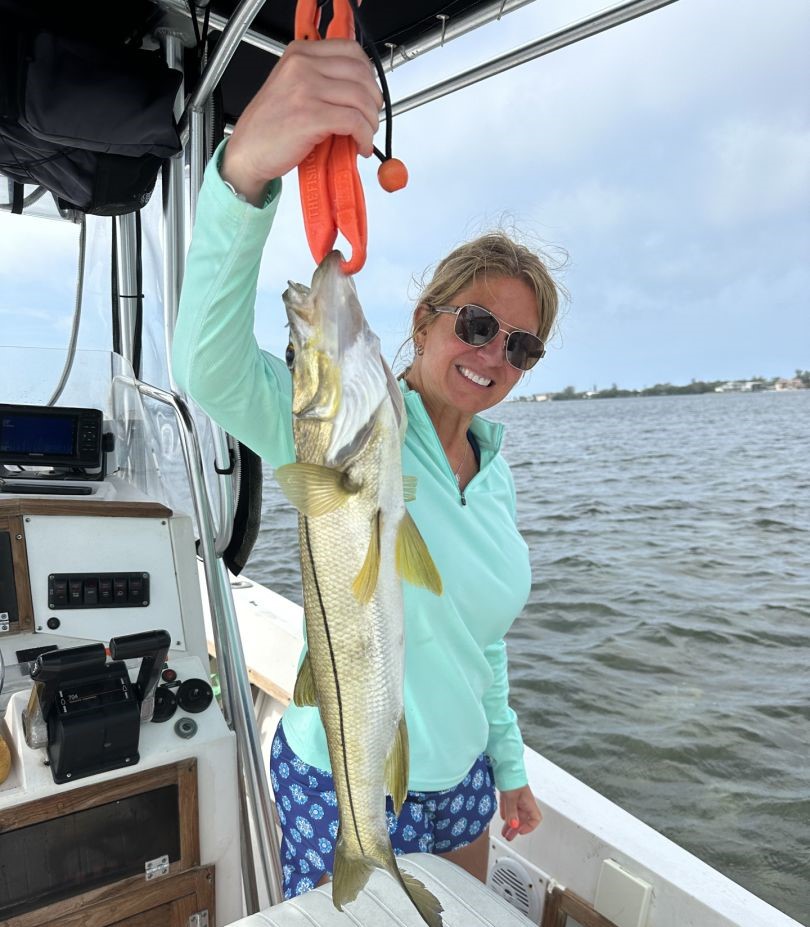
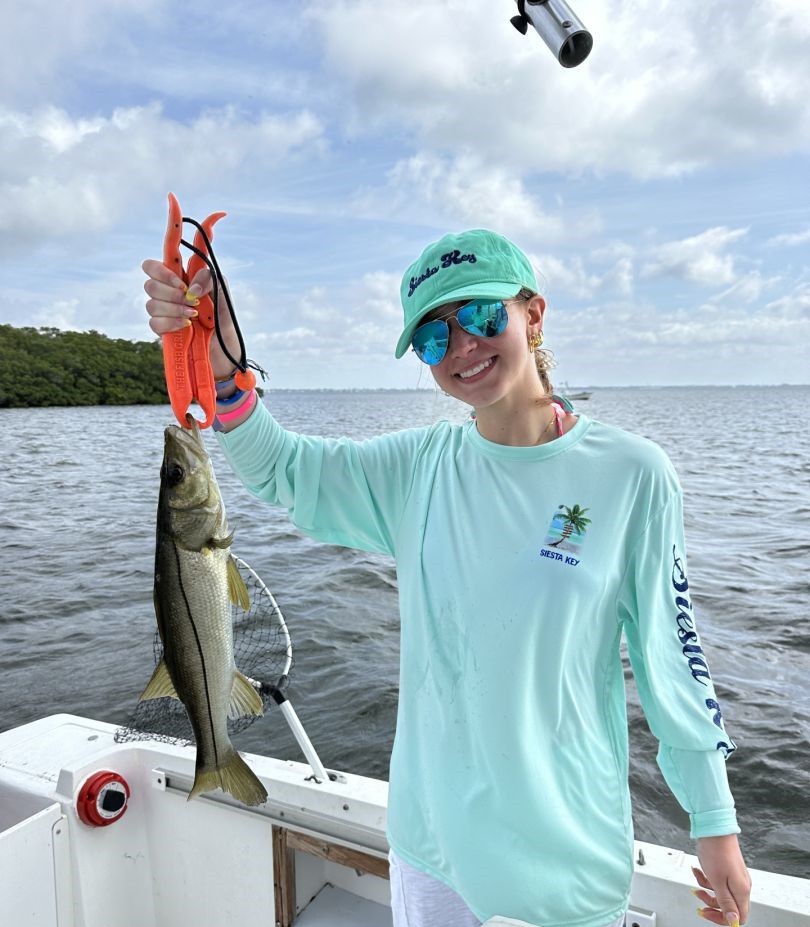
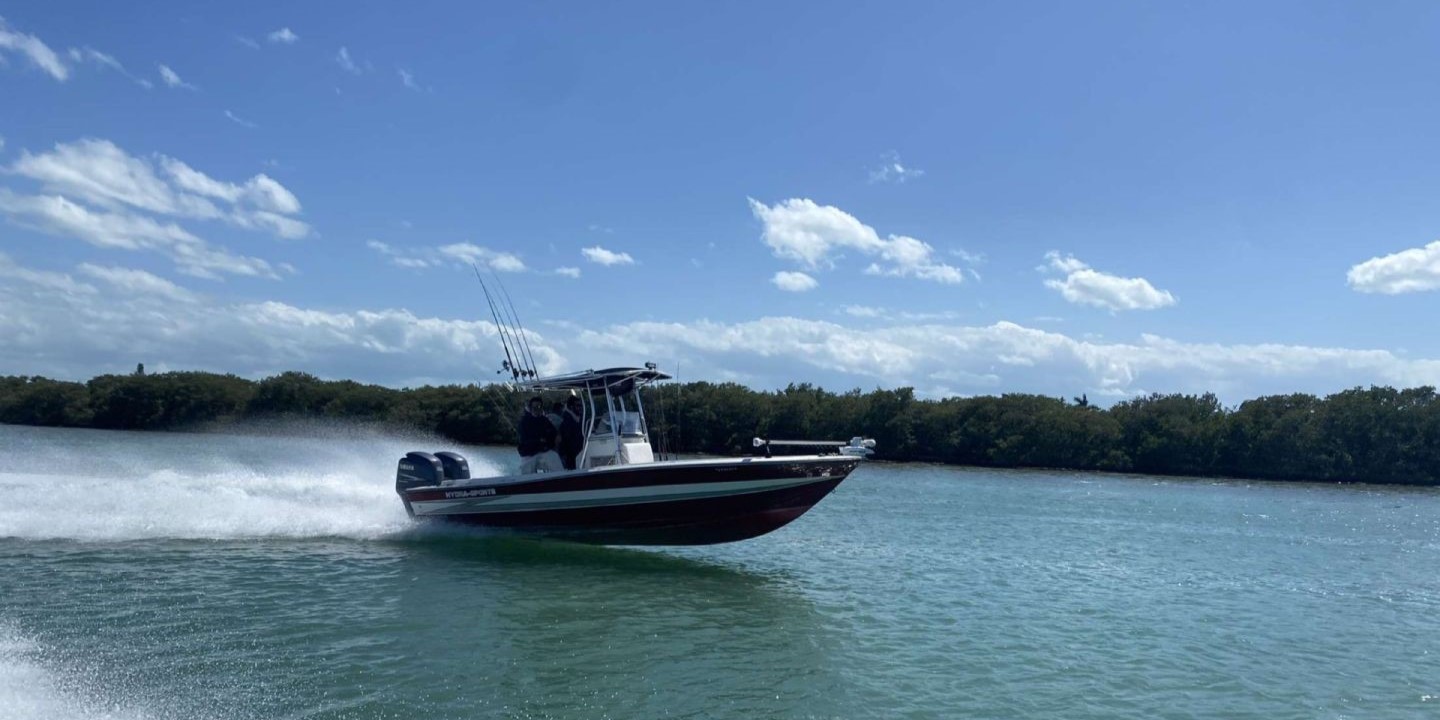
When you're looking for serious fishing action off Florida's Gulf Coast, this reef and wreck charter puts you right where the big fish live. Captain Brad runs a top-rated operation out of Sarasota and Anna Maria Island waters, targeting the kind of structure that holds monster fish year-round. Whether you choose the 4-hour trip to stay close to shore or push offshore for 8 hours, you're fishing prime bottom where grouper, snapper, and kings stack up thick. This isn't your typical tourist fishing trip – it's the real deal for anglers who want to get on fish fast and stay on them all day.
What to Expect on the Water
Your day starts with a quick gear check and safety brief before heading to the honey holes that produce fish consistently. Captain Brad knows these waters like his backyard, hitting productive ledges, artificial reefs, and natural bottom structure that most weekend warriors never find. The boat carries quality tackle suited for everything from delicate snapper fishing to heavy grouper gear that can pull big fish off the bottom. You'll work depths ranging from 40 feet nearshore to over 100 feet offshore, depending on conditions and what's biting. The Gulf of Mexico here offers year-round fishing, but each season brings different opportunities – spring and fall see massive king mackerel runs, while summer offers the best shot at sailfish and cobia cruising the surface. All fishing licenses and gear come included, so you just need to bring your appetite for action, plus food and drinks for the trip.
Techniques and Bottom Structure
Reef fishing here means working structure with precision – you're not just dropping bait and hoping for the best. Captain Brad uses a mix of live bait, cut bait, and artificials depending on what's working that day. For grouper and snapper, expect to fish heavy jigs and live pinfish tight to the bottom, while king mackerel get taken on slow-trolled live baits or fast-moving spoons over the reefs. The bottom composition around Sarasota features natural limestone ledges, artificial reefs made from sunken vessels, and scattered hard bottom that creates perfect ambush points for predator fish. GPS technology pinpoints productive spots, but reading the electronics and understanding fish behavior makes the difference between a good day and a great day. When targeting sailfish and cobia, techniques shift to sight fishing and live bait presentations in the water column. Circle hooks are standard for most bottom fishing to ensure solid hooksets and fish safety, while wire leaders become necessary when kings and sharks show up in numbers.
Customer Stories
"Had a great time with Capt Brad! Would recommend him to anyone! Will fish will him again!" - Chris
Species You'll Want to Hook
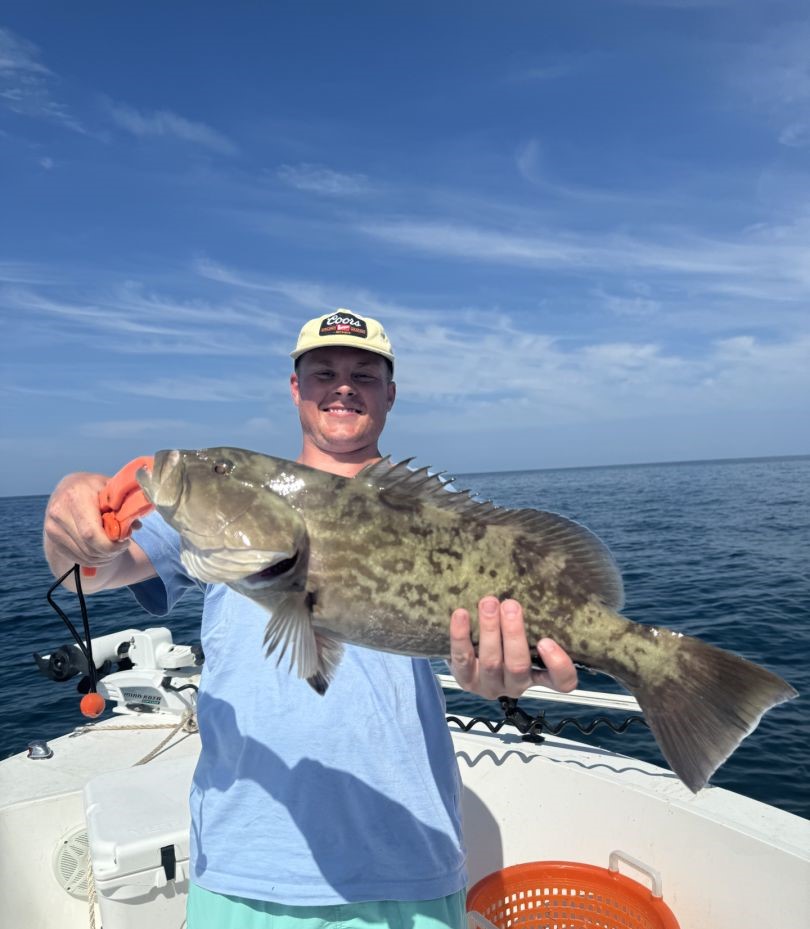
Gag Grouper represent the bread and butter of Gulf Coast reef fishing, with fish ranging from keeper-sized 24-inchers up to true monsters pushing 40 pounds. These bottom dwellers love structure and fight like freight trains once hooked, making powerful runs straight for the rocks. Peak season runs from late fall through early spring when cooler water temperatures bring them into shallower reefs. Gags are notorious for their white, flaky meat and challenging fight – they'll test your drag system and arm strength on every hookup. The key to consistent gag fishing is getting your bait to the bottom fast and keeping steady pressure once the fight starts.
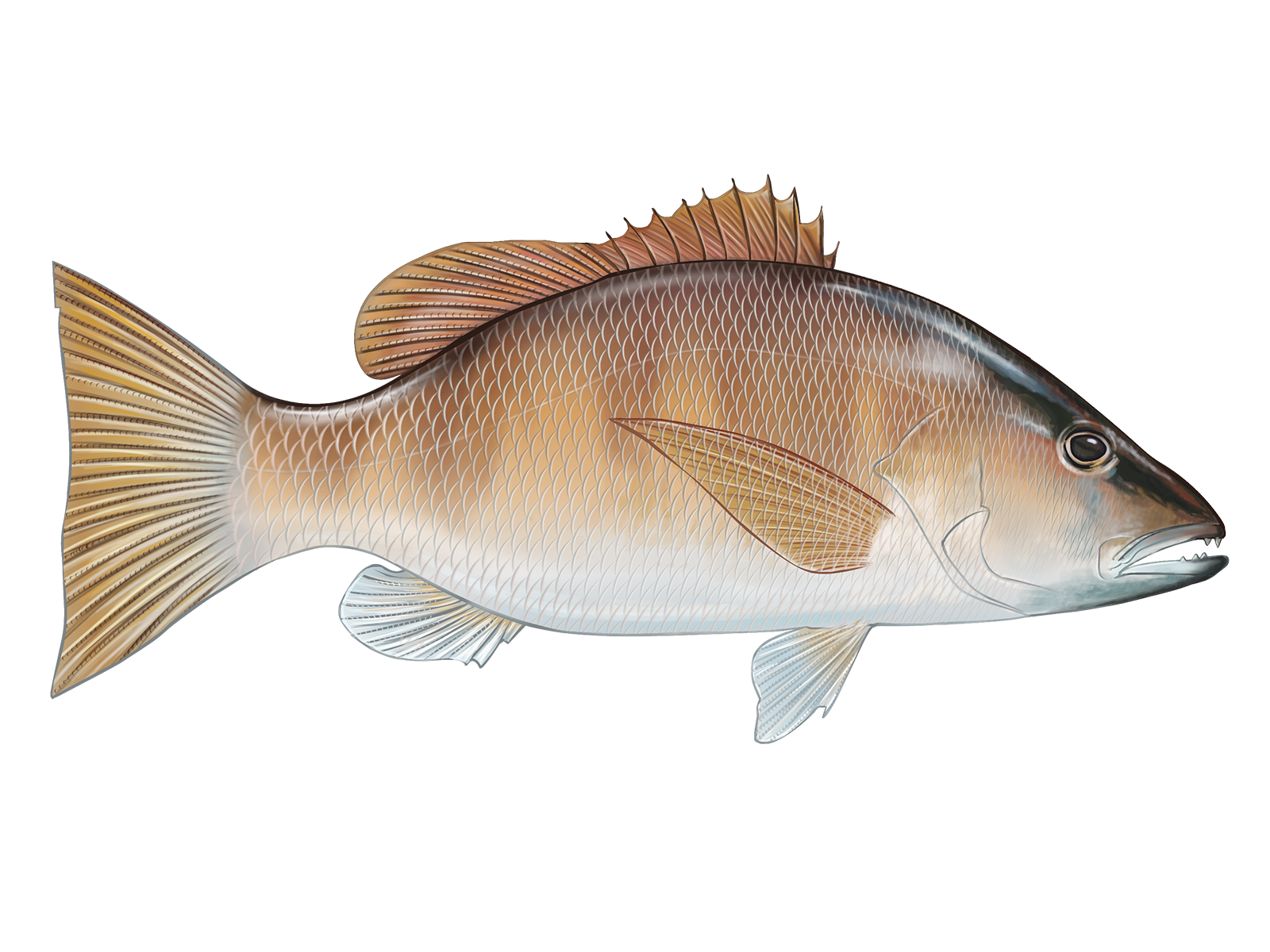
Grey Snapper, commonly called mangrove snapper, provide steady action throughout most of the year and make excellent table fare. These smart fish require finesse fishing with lighter leaders and smaller hooks, but they're aggressive feeders once you dial in the presentation. They school heavily around structure, so finding one usually means finding many more. Peak bite times often occur during low-light periods at dawn and dusk, though they'll feed throughout the day when conditions are right. Their keen eyesight and suspicious nature make them a favorite challenge for experienced anglers who appreciate technical fishing.
Atlantic Sailfish bring the excitement level up several notches when they show up, typically during warmer months from late spring through early fall. These acrobatic billfish put on spectacular aerial shows and test both tackle and angling skills with blistering runs and jumps. While they're catch-and-release only, hooking a sailfish creates memories that last a lifetime. They often travel in small groups and respond well to live bait presentations or properly rigged ballyhoo. The waters off Sarasota sit right in their migration path, making encounters possible on any offshore trip.
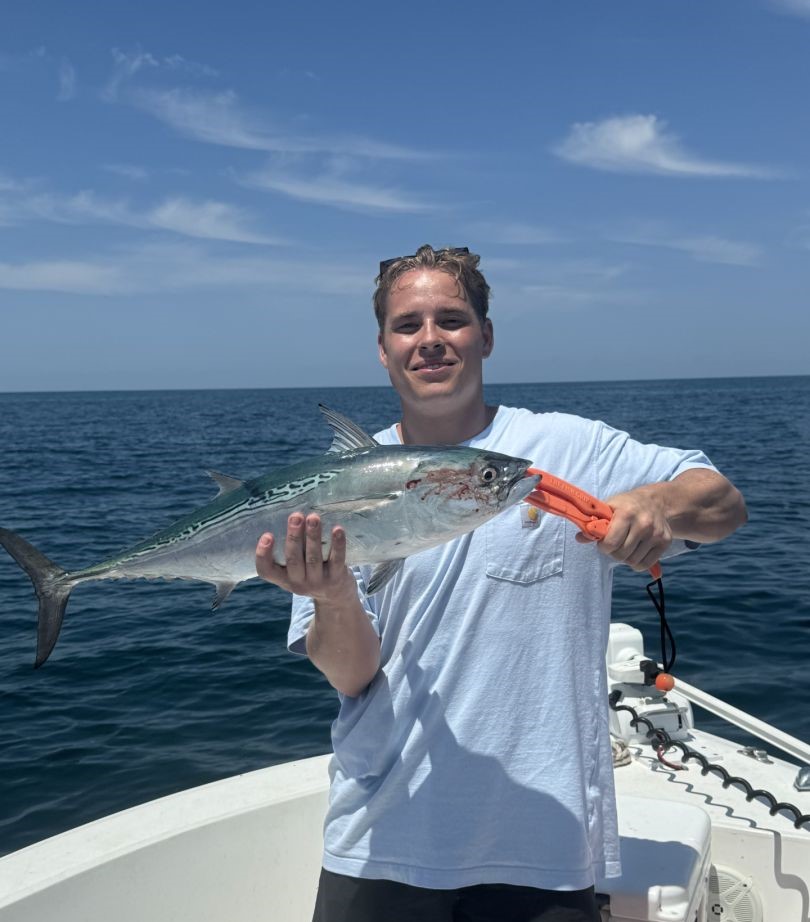
King Mackerel are the speed demons of the Gulf, capable of stripping line faster than almost any other species in these waters. Spring and fall migrations bring massive schools through local waters, creating some of the year's hottest fishing action. Kings average 15-30 pounds but fish over 40 pounds are taken regularly during peak season. They're excellent eating when handled properly and provide heart-pounding fights with multiple runs. Trolling and live bait fishing both produce consistently, though these toothy predators require wire leaders and sharp hooks for best results.
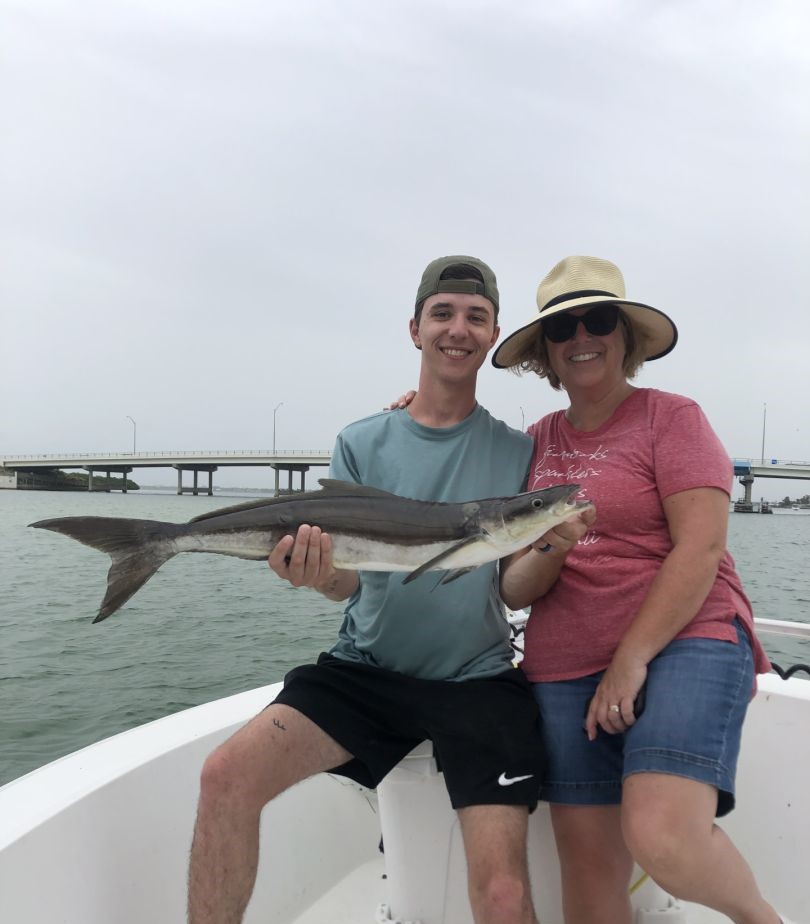
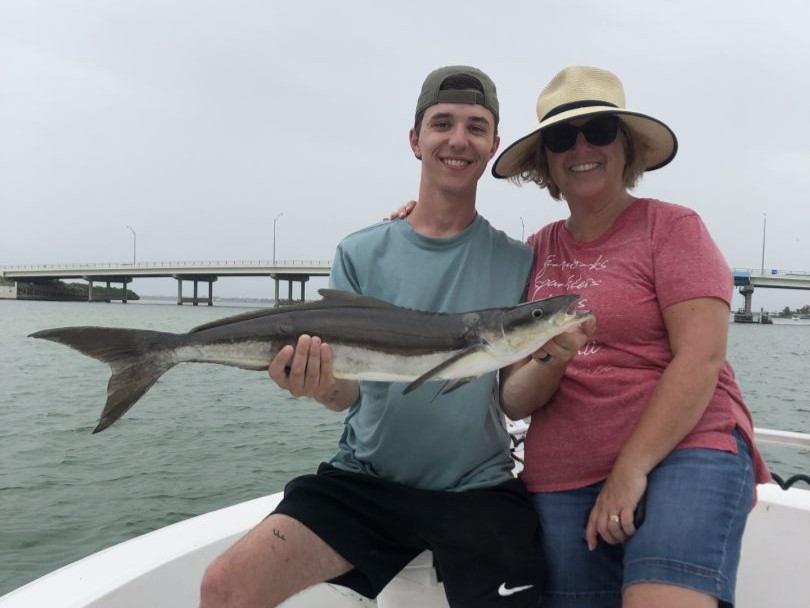
Cobia are the wild cards that can show up any time during warmer months, often cruising near the surface around structure or following rays and sharks. These powerful fish can exceed 50 pounds and are renowned for their incredible table quality – many consider them the best-eating fish in Gulf waters. Cobia are curious and will often approach the boat, making them perfect targets for sight fishing with live baits or large jigs. Their broad shoulders and stamina create long, sustained fights that challenge both angler and equipment. Peak season runs from April through July when water temperatures climb into the upper 70s and 80s.
Time to Book Your Spot
This charter delivers exactly what serious anglers want – access to productive fishing grounds with an experienced captain who puts fish in the boat consistently. The 4 to 8-hour options let you customize your trip based on time and budget, while the 4-person maximum keeps things comfortable and ensures everyone gets
 5.0(1 Reviews)
 Private Trip
 Wrecks/Reefs Fishing
 Anna Maria Island, Florida, USA



 Private charter targets reefs, wrecks, and ledges nearshore