Islamorada Reef Fishing: 4-Hour Bottom Action
Picture yourself casting lines over some of Florida's most productive fishing grounds, where the reef structure drops off into deep blue water teeming with snapper, grouper, and everything in between. Our private 4-hour reef and bottom fishing trip puts you right in the heart of Islamorada's legendary fishing scene, targeting the species that make this stretch of the Keys famous among anglers worldwide. Starting at 8:00 AM when the fish are most active, you'll have exclusive access to our captain's knowledge of the best spots, along with professional-grade tackle that can handle whatever decides to grab your bait. Whether you're a first-timer who's never felt a fish pull drag or a seasoned angler looking to add some Florida Keys species to your logbook, this trip delivers the goods without the crowds.
What to Expect on the Water
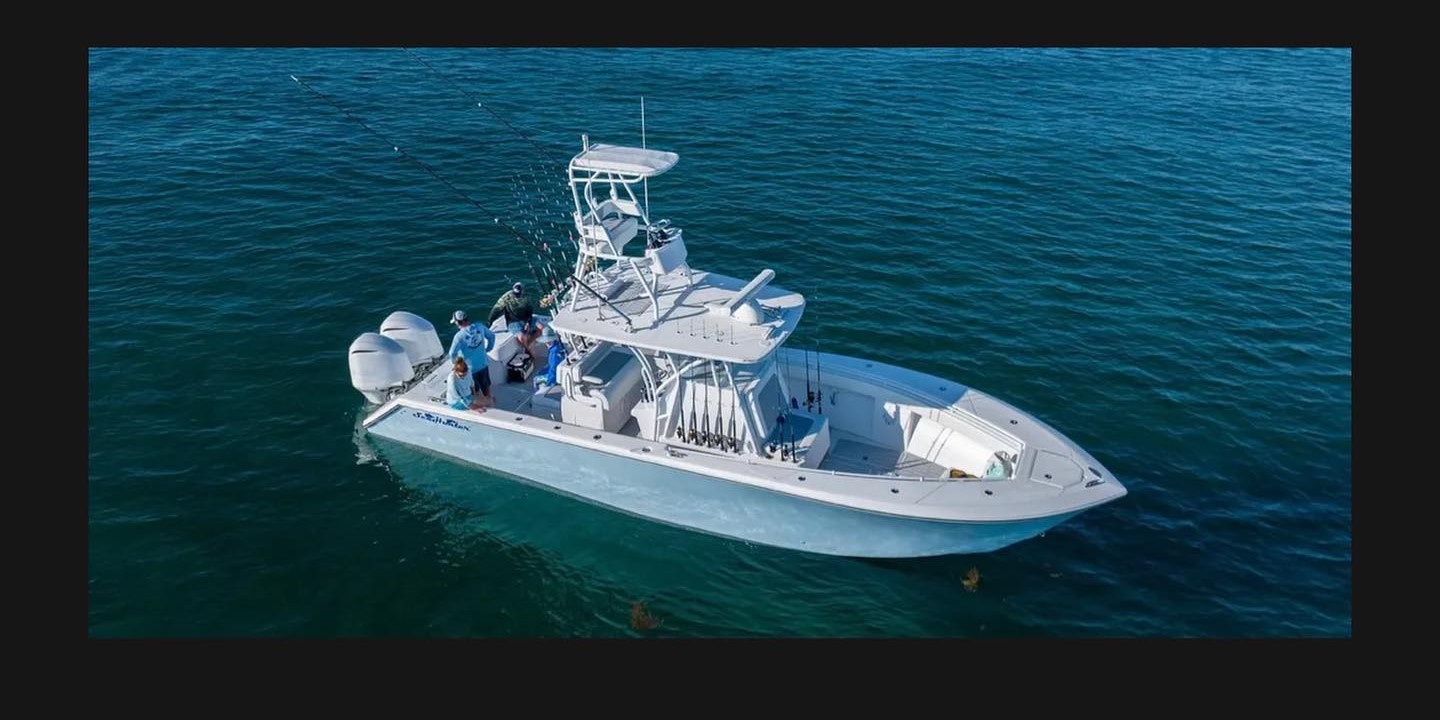
Your morning kicks off from one of Islamorada's premier marinas, where you'll meet your captain and get the lowdown on the day's game plan. The beauty of a private charter is flexibility – if the yellowtail are schooling heavy on one reef, we stay put and load the boat. If they're being finicky, we move to structure where the grouper hang out in deeper water. The boat comes rigged with everything you need: circle hooks for live bait, jigs for working the bottom, and enough tackle variety to match whatever the fish want that day. Most trips start with a bait run to fill the wells with pilchards, ballyhoo, or whatever's running thick, then it's a quick run to the reef where the real fun begins. The vibe stays relaxed but focused – this isn't about yanking fish as fast as possible, it's about reading the water, understanding the bite, and putting everyone on fish that'll make for great stories back at the dock. With space for up to six anglers, there's plenty of room to spread out and fish comfortably without stepping on each other's lines.
Reef Fishing Tactics & Gear
Bottom fishing around Islamorada's reef system is all about precision and patience. Your captain knows these underwater structures like the back of his hand – where the ledges drop off, which coral heads hold the biggest fish, and how the current affects your presentation. Most of the action happens using conventional tackle spooled with 30-50 pound test, paired with enough weight to get your bait down through the current and keep it in the strike zone. Live bait fishing dominates when conditions allow, dropping frisky pilchards or pinfish down to where the grouper and snapper patrol. When the live bait bite slows, switching to cut bait or fresh dead offerings often triggers strikes from fish that might be spooked by active baits. The reef structure ranges from 20 to 80 feet depending on where we set up, with the deeper edges typically holding larger fish but requiring heavier tackle and more weight to fish effectively. Your captain handles the boat positioning and electronics, keeping you over productive bottom while managing drift and current so your baits stay where the fish live. Circle hooks are standard for most bottom fishing here – they reduce gut-hooking and make releasing undersized fish much easier while still providing solid hooksets on keepers.
Species You'll Want to Hook
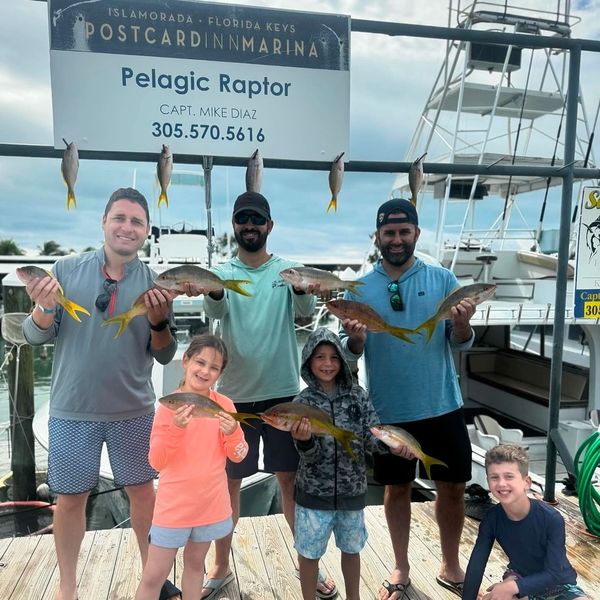
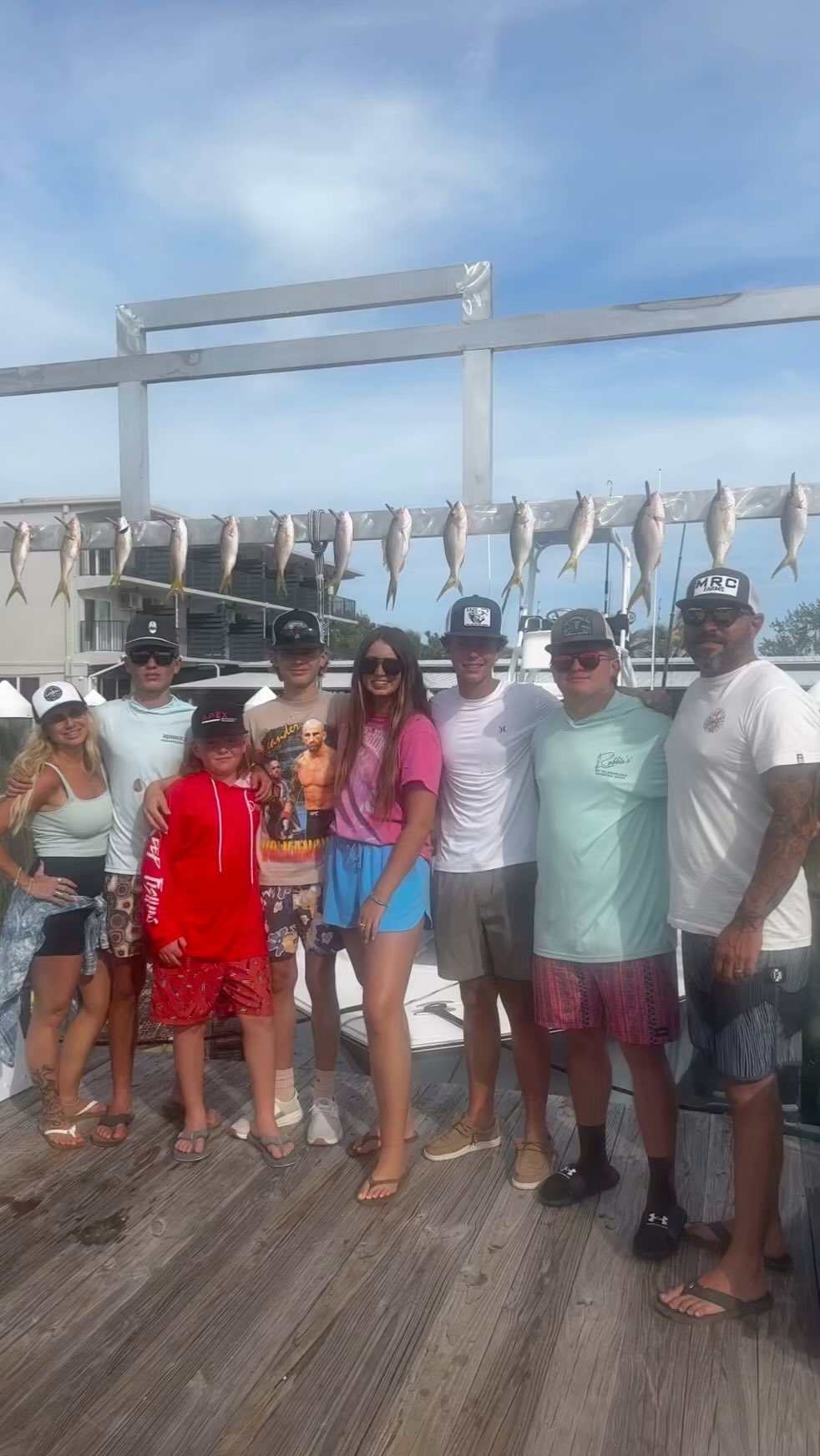
Yellowtail snapper represent the bread and butter of Islamorada reef fishing, and for good reason. These beautiful fish with their distinctive yellow stripe and forked tail are abundant year-round, though they really turn on during warmer months when they school in massive numbers over the reef. Most yellowtail here run 12-16 inches, with bigger fish pushing 18-20 inches when you find the right spots. They're notorious for being finicky eaters, often requiring light leaders and small hooks to get consistent bites, but once you dial in the pattern, you can catch them steadily. What makes yellowtail special is their fight – they pull hard for their size and make screaming runs toward the bottom when hooked. Plus, they're absolutely delicious on the table, with firm white meat that's perfect for grilling or making into fish tacos.
Grouper fishing around these reefs offers a completely different experience, with several species calling the deeper structure home. Gag grouper are the most common, along with red grouper and the occasional black grouper on the deeper drops. These fish are ambush predators that lurk around ledges and holes, waiting to inhale whatever looks like an easy meal. When a grouper hits, there's no mistaking it – they slam the bait and immediately try to get back to their hole in the rocks. The fight is more about power than speed, with these stocky fish using their broad tails and body mass to bulldoze toward cover. Grouper fishing requires heavier tackle and quick reactions, since you need to turn them away from the structure before they wrap you up. Size varies widely, with gags ranging from just-legal 20-inchers up to legitimate 30-pound-plus fish that'll test your tackle and your arms. The bigger fish tend to live on the deeper edges where the current brings more food, making them trophies worth the extra effort to reach.
Time to Book Your Spot
This private 4-hour reef fishing trip gives you the perfect taste of what makes Islamorada fishing so special, without committing to a full-day adventure. The morning start time puts you on the water when fish are most active, and the four-hour window allows plenty of time to hit multiple spots and target different species based on what's biting best. With professional equipment, expert local knowledge, and the flexibility that comes with a private charter, you're set up for success whether you're introducing kids to fishing or trying to check some new species off your bucket list. The low-rate deposit makes it easy to lock in your preferred date, and with space for up to six anglers, it's perfect for families, groups of friends, or couples looking to experience the Keys fishing scene firsthand. Don't wait until you're already here to book – the best captains and prime time slots fill up fast, especially during peak
 Private Trip
 Wrecks/Reefs Fishing
 Islamorada, FL
 Four-hour reef fishing trip targeting Yellowtail Snapper and Grouper