Full Day Salmon & Steelhead Trip Lincoln City
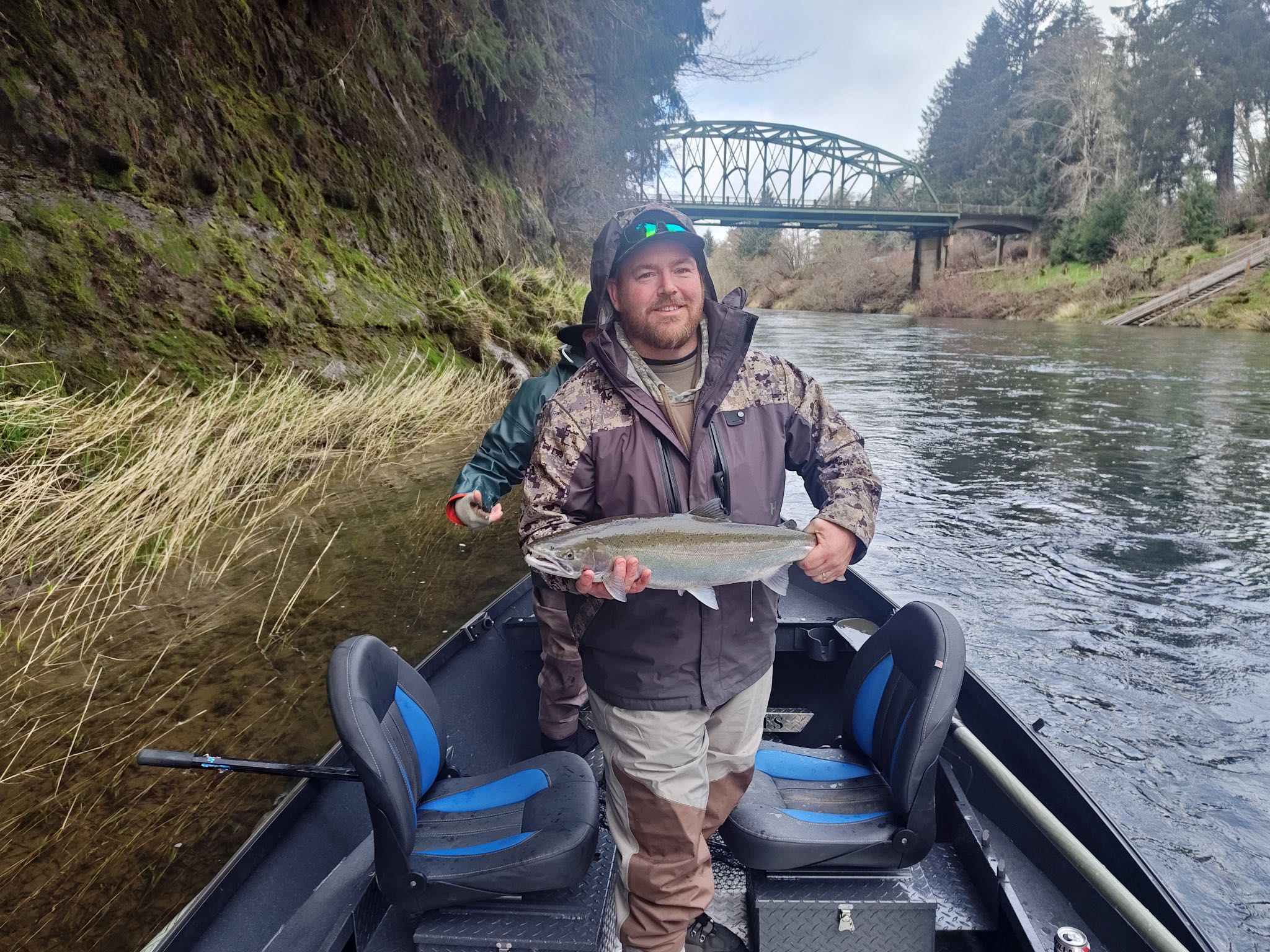
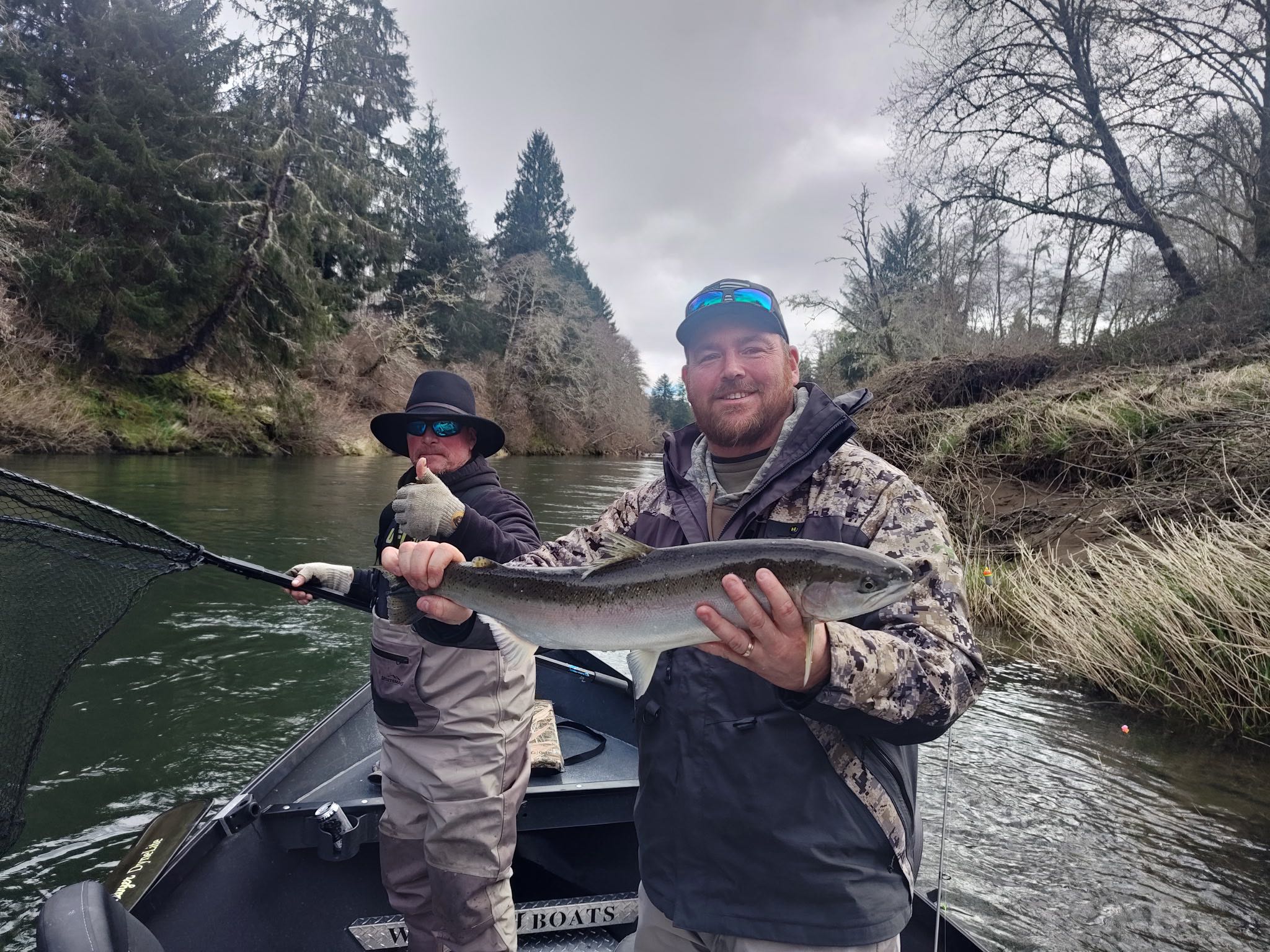
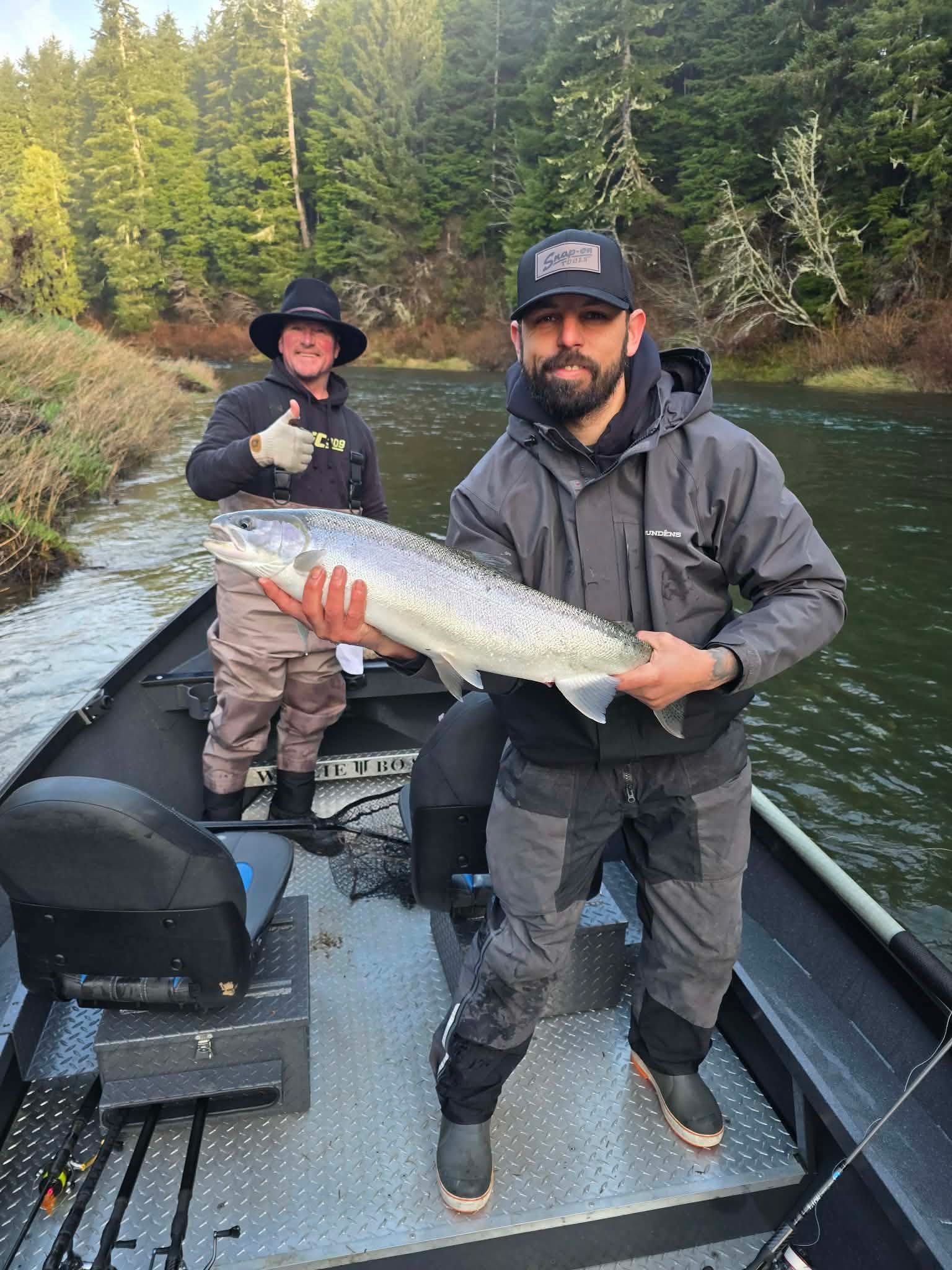
When you're serious about landing winter steelhead and chinook salmon on Oregon's coast, Pete's Fishing & Guiding Adventures delivers the kind of guided trip that separates weekend warriors from dedicated anglers. This isn't some cookie-cutter charter where you're packed in with strangers—you get the whole boat to yourself for eight solid hours on the Siletz and Nestucca rivers. Pete knows these waters like the back of his hand, and he'll put you on fish when other guides are still scratching their heads wondering where the runs went.
What to Expect on the Water
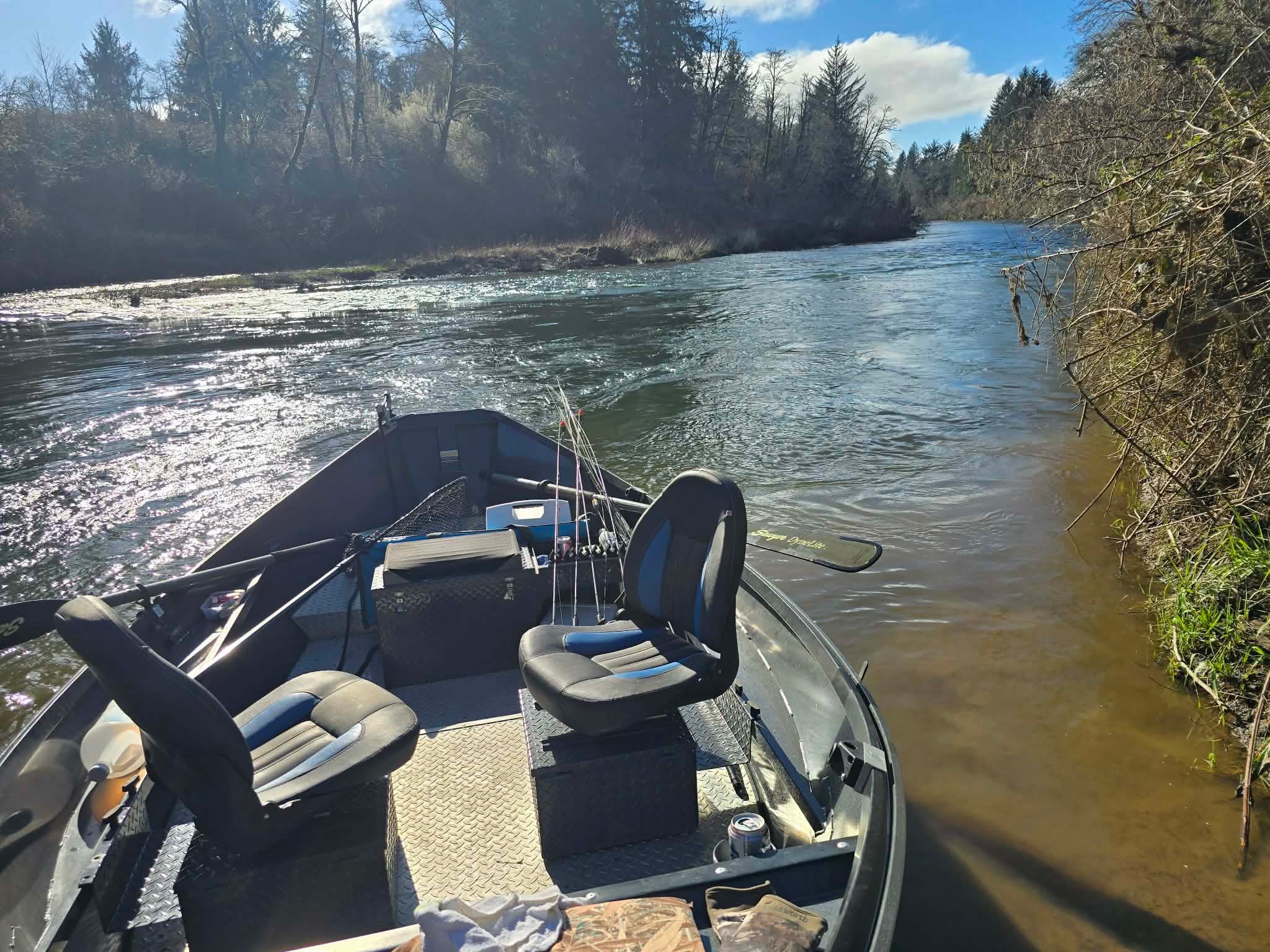
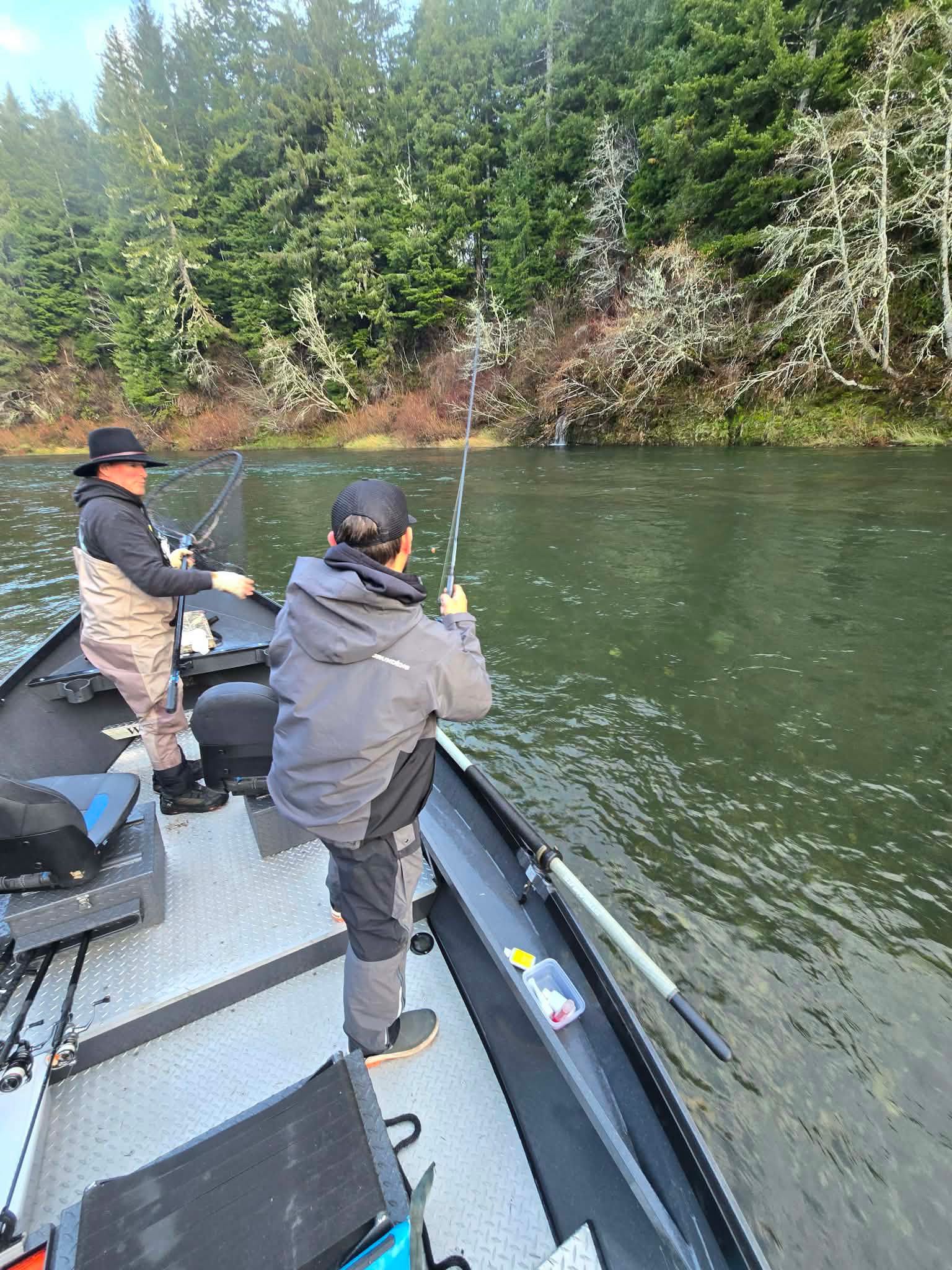
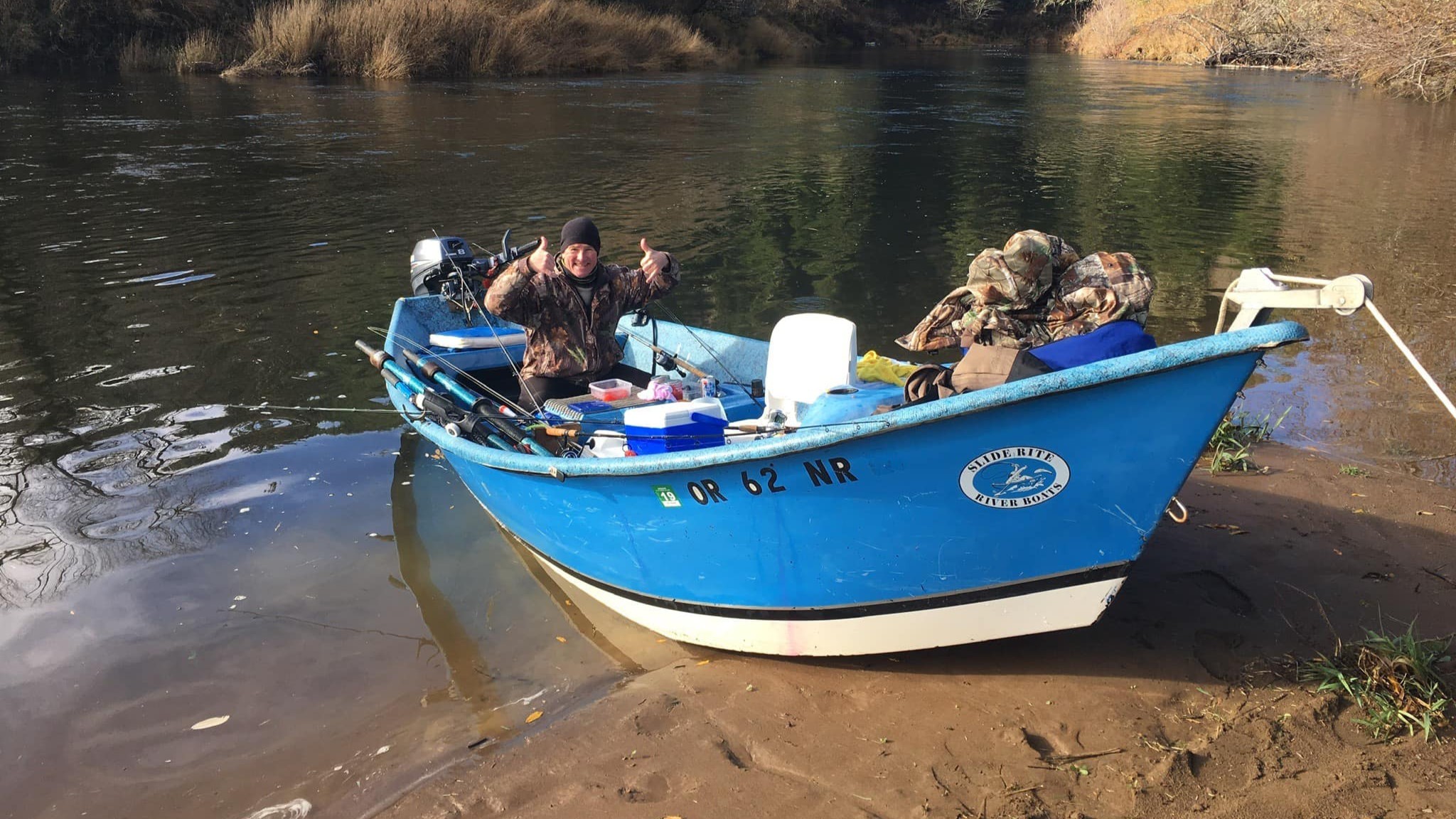
Your day starts early because that's when the fish are most active. Pete picks you up at the launch with his 17-foot fiberglass drift boat—purpose-built for navigating the technical runs and holes where big salmon and steelhead like to hold. This isn't about sitting in one spot hoping something swims by. You'll be moving water all day, working the high-production zones that Pete has dialed in over years of guiding these rivers. The Siletz offers deeper pools perfect for winter steelhead, while the Nestucca's gravel runs are prime real estate for chinook salmon. Weather can change fast on the Oregon coast, so come prepared with layers and rain gear. Pete provides all the fishing tackle, but you'll want to bring your own food and drinks since this is a no-frills fishing operation focused on results, not catering.
Techniques That Get Results
Pete specializes in jigging and baitcasting techniques that consistently produce fish when other methods fall flat. Jigging involves vertical presentations with weighted lures that mimic injured baitfish—deadly effective for steelhead holding in deeper pools during winter months. You'll learn to read the water, feeling for that subtle tick that signals a fish picking up your offering. Baitcasting with cured roe, sand shrimp, or plugs covers more water and triggers aggressive strikes from salmon moving through the system. Pete's drift boat allows for precise positioning, letting you work lures through prime holding water without spooking fish. The 17-foot hull handles Class II rapids with ease while providing a stable casting platform in slower pools. All rods, reels, terminal tackle, and bait come included, though seasoned anglers are welcome to bring their favorite setup. Pete runs quality gear—nothing cheap that'll fail when you hook into a 20-pound chinook.
Target Species You'll Hook
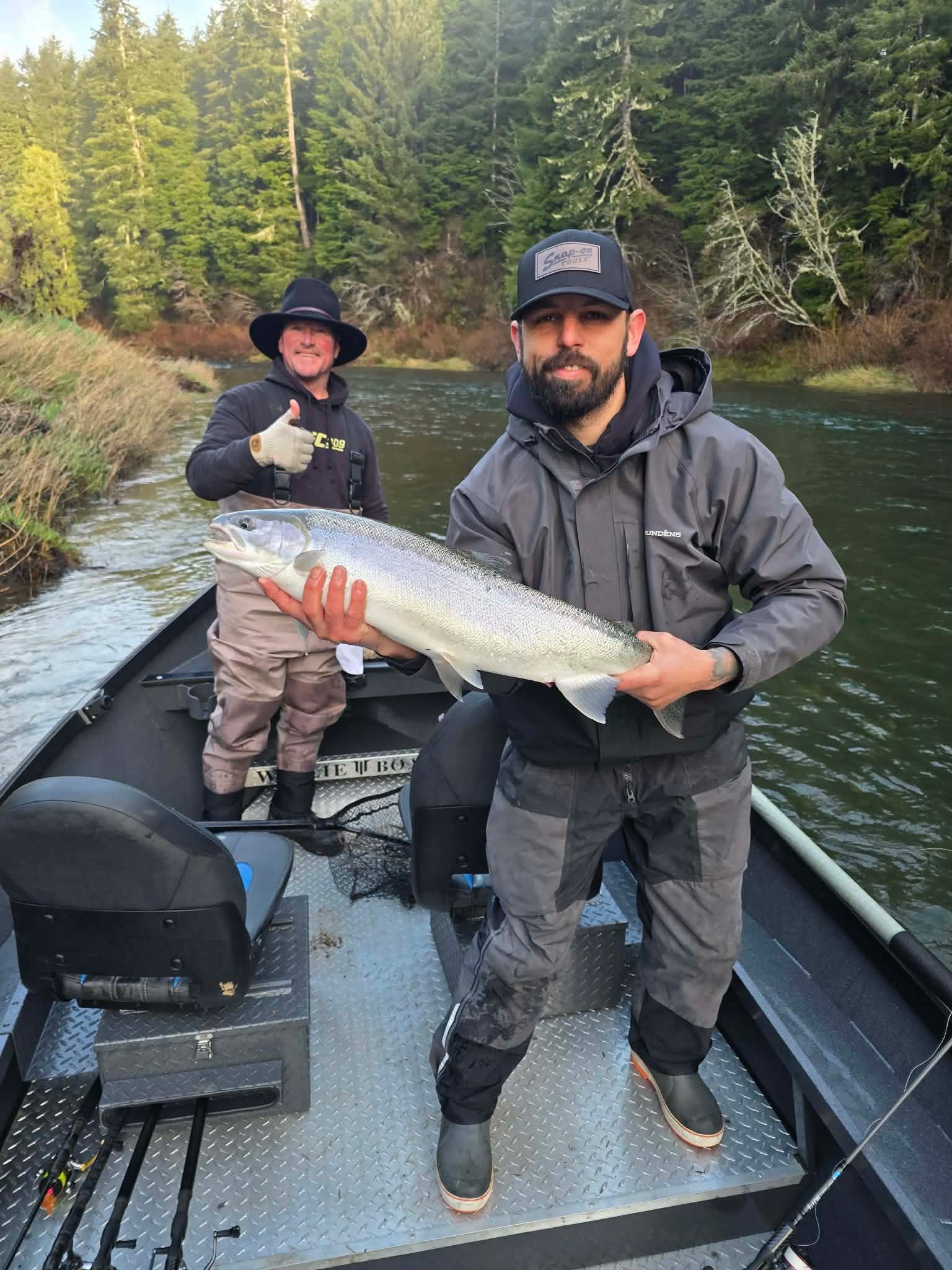
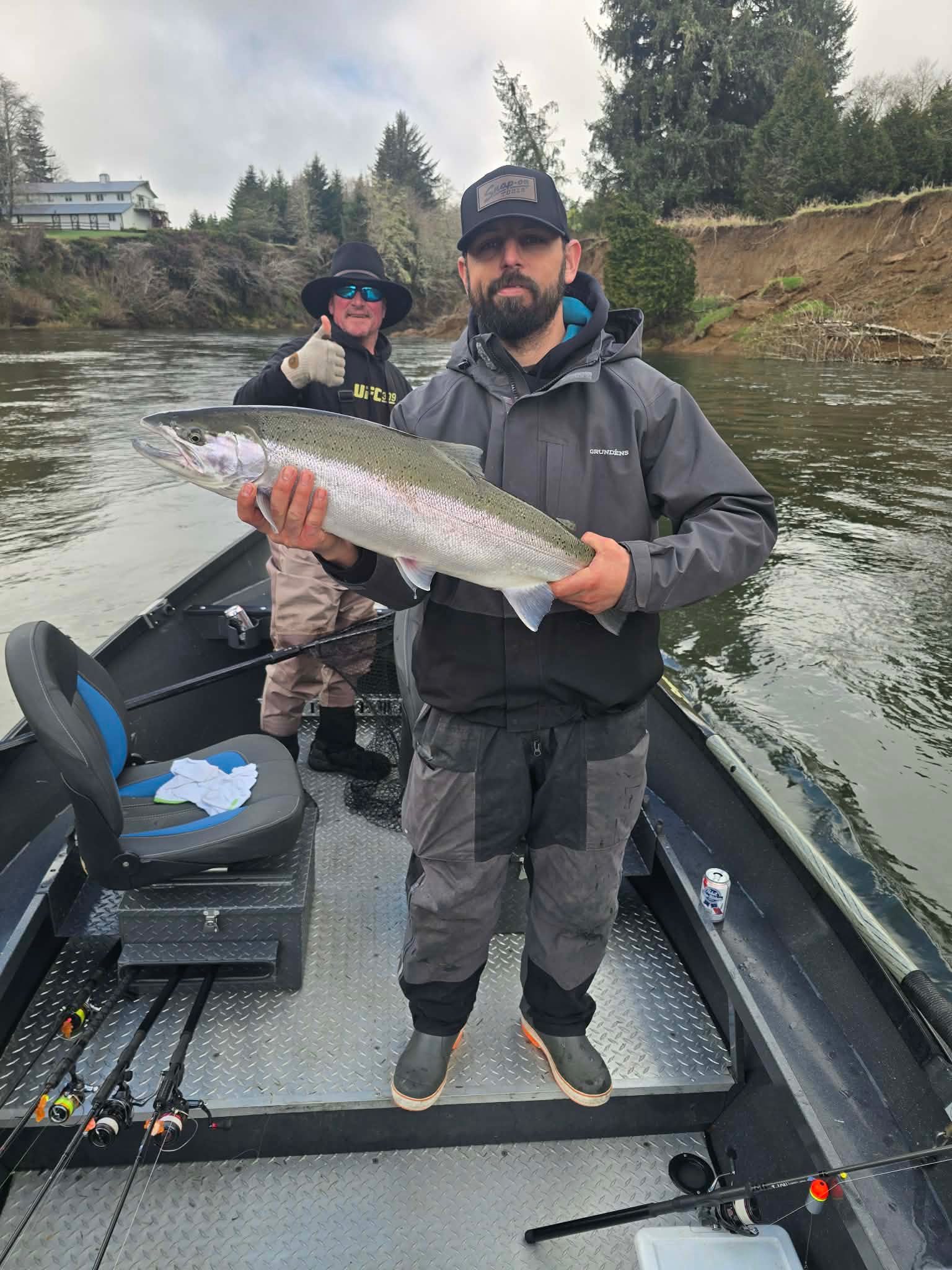
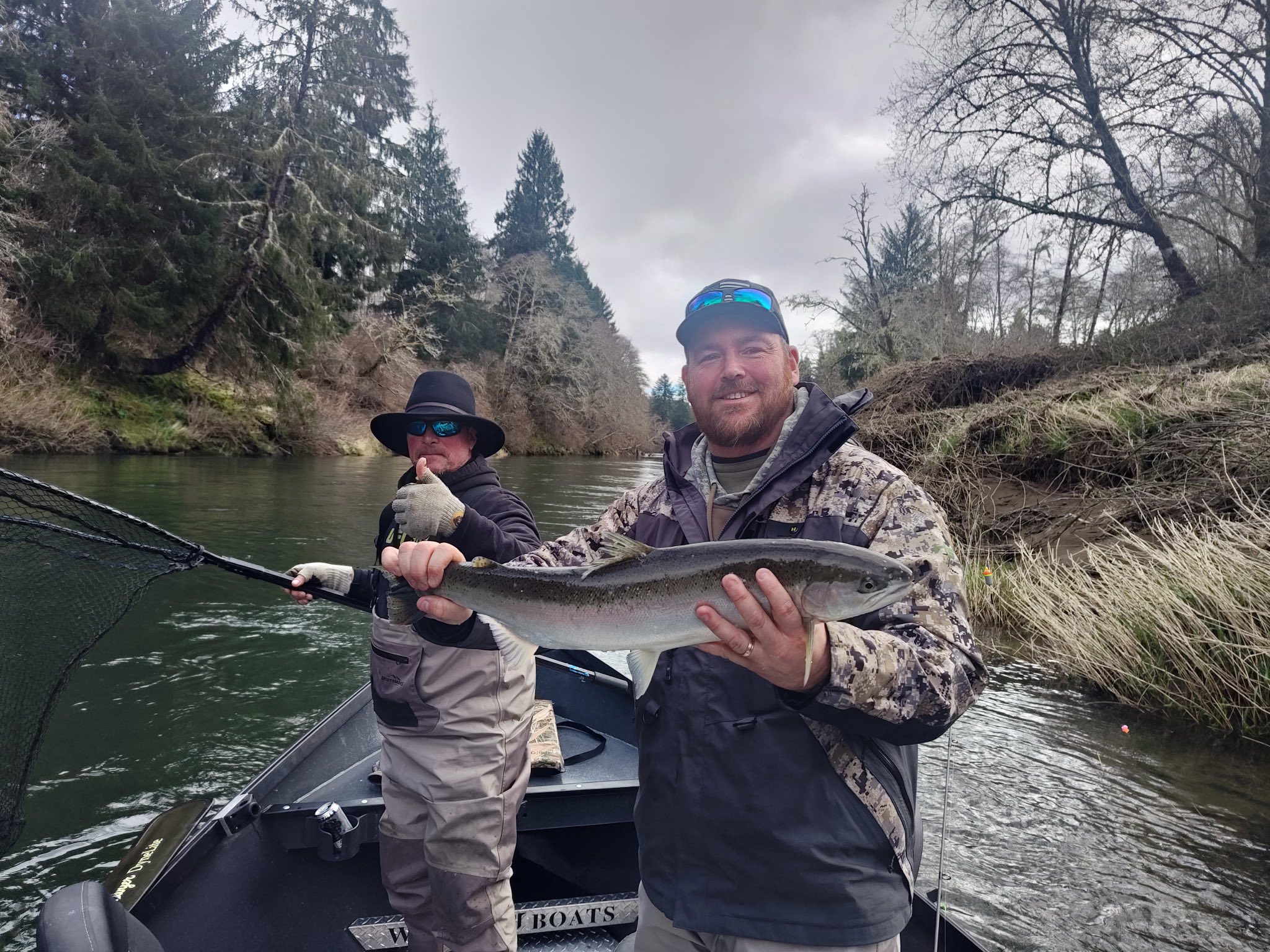
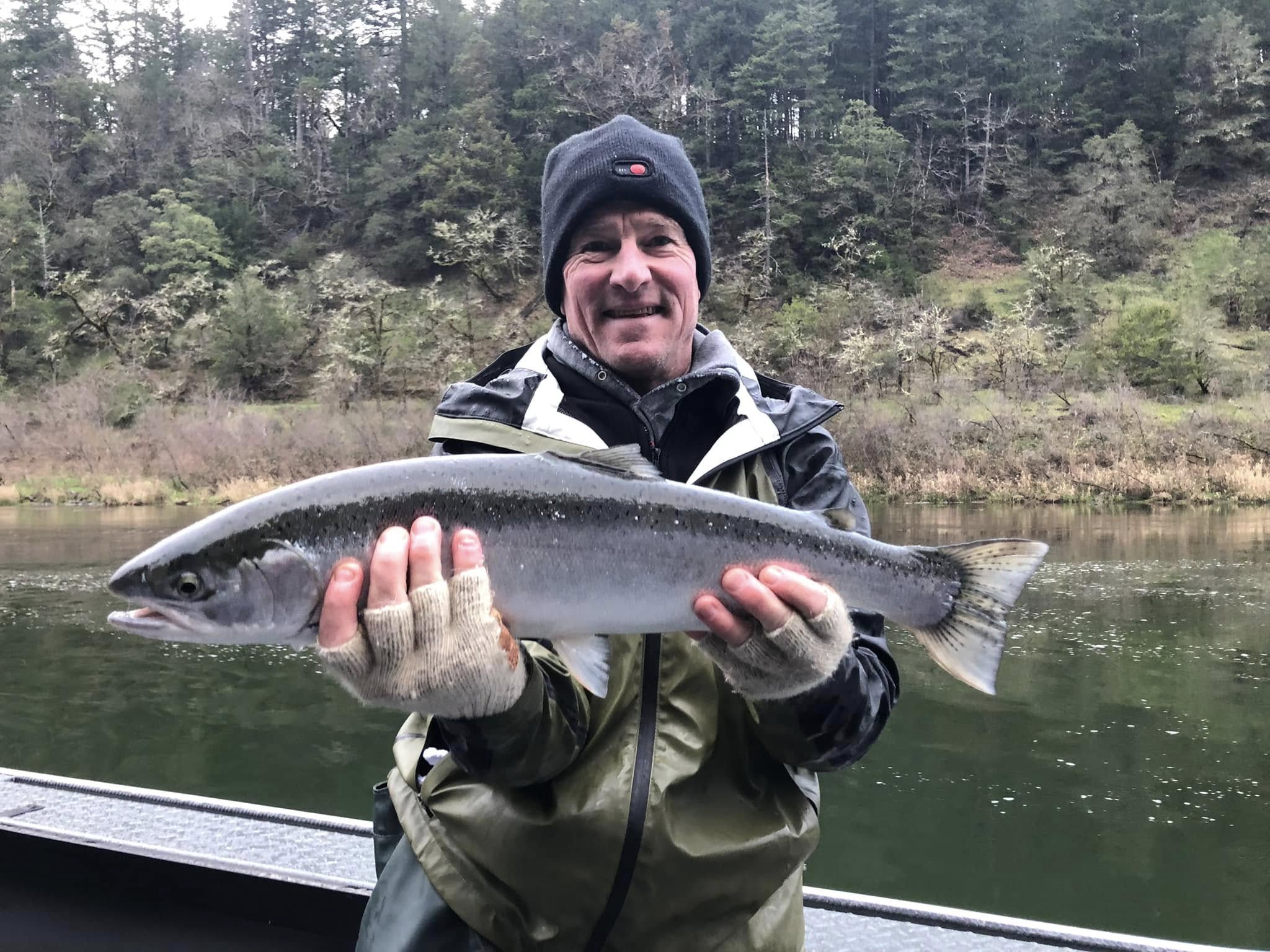
Winter steelhead are the crown jewel of Oregon coastal fishing, and the Siletz River consistently produces some of the coast's best action from December through March. These chrome-bright fish average 6-10 pounds but can push 15 pounds or more, making runs that'll test your drag system and fighting skills. Steelhead are notorious for their aerial displays—expect multiple jumps and bulldogging runs toward structure. What makes winter steelhead special is their aggressive nature during spawning season, making them more likely to hammer lures and fight harder than their summer cousins. The window for hooking steelhead is often narrow, requiring precise presentations and quick hooksets.
Chinook salmon represent the ultimate prize for Lincoln City anglers, with spring runs starting in April and fall salmon pushing through September and October. Spring chinook are fresh from the ocean, bright silver, and absolutely brutal fighters that can exceed 30 pounds on the Nestucca system. These fish have been feeding heavily in saltwater and possess incredible strength and stamina. Fall salmon are spawning-phase fish with darker colors but still pack serious power, especially in the 15-25 pound range that's common on both rivers. Chinook salmon are ambush predators that strike with bone-jarring force—you'll know immediately when you've connected with one. Their size and power make them the species that brings anglers back year after year, chasing that next personal best.
Time to Book Your Spot
At $250 for a private eight-hour charter, Pete's trip delivers exceptional value for serious anglers who want personalized attention and productive fishing. You're not sharing the boat or competing for the guide's time—it's your day on the water. Pete's knowledge of seasonal patterns, river conditions, and fish behavior gives you the best shot at success, whether you're a seasoned angler or someone looking to step up their game. Remember to secure your Oregon salmon and steelhead license with appropriate tags before your trip—Pete can point you toward local tackle shops if you need to grab one. Winter and spring are prime time for this fishery, so don't wait too long to lock in your dates. The best guides book up fast during peak seasons, and Pete's reputation for putting clients on fish makes his calendar fill quickly.
 Shared Trip
 River Fishing
 undefined, undefined

 Eight-hour private charter targeting Chinook salmon and winter steelhead