Port O'Connor Afternoon Duck Hunt
When most hunters are calling it a day, the real action is just getting started. This afternoon duck hunting charter with Port O'Connor Coastal Outfitters puts you right in the sweet spot when ducks are making their evening moves across the Texas coast. Starting at 2:00 p.m. and running until 6:30 p.m., you'll experience a different side of waterfowl hunting that many hunters never get to see. The coastal marshlands around Port O'Connor come alive during these late afternoon hours, and our experienced guides know exactly where to position you for the best shooting opportunities.
Inside the Hunt
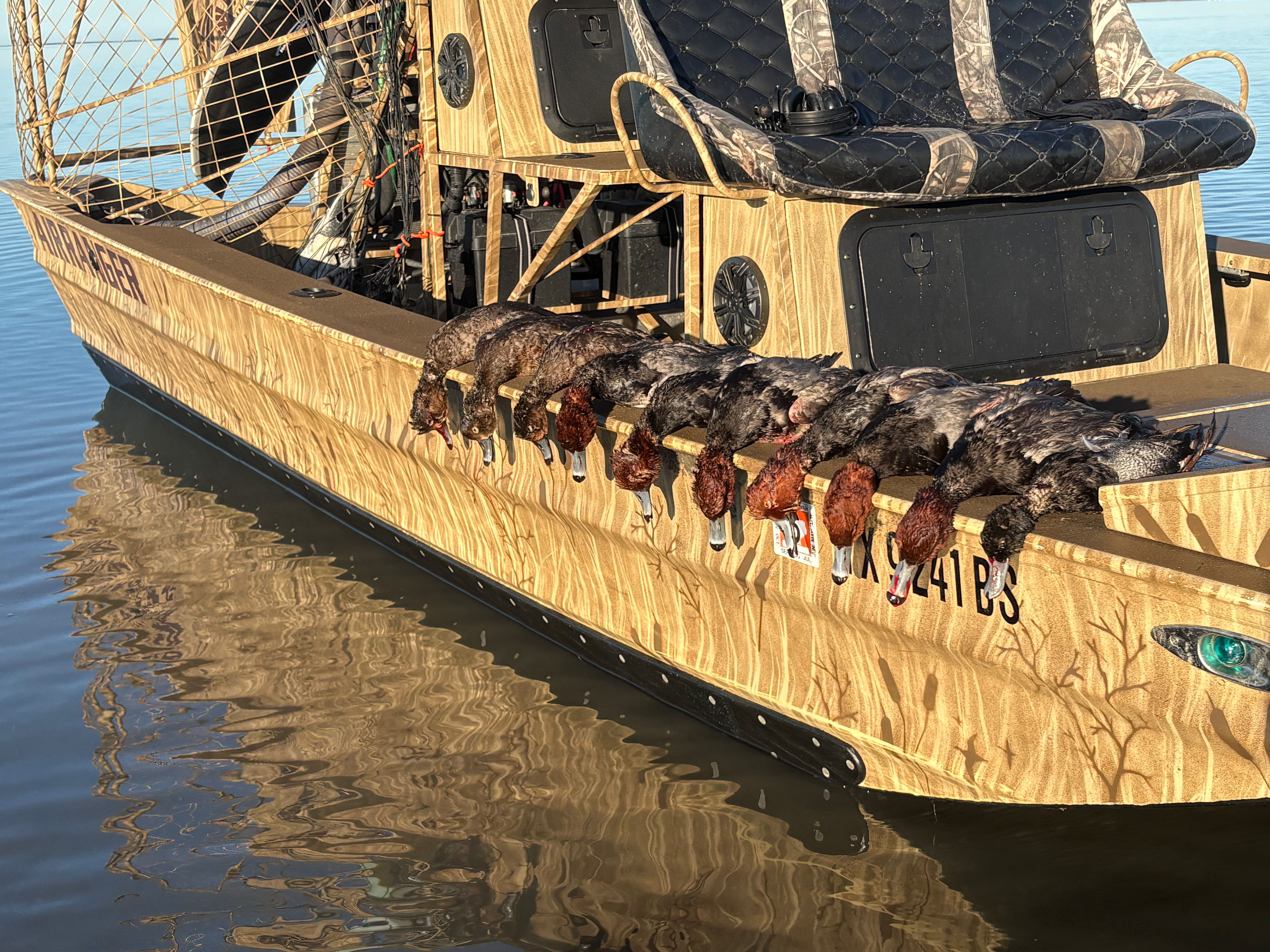
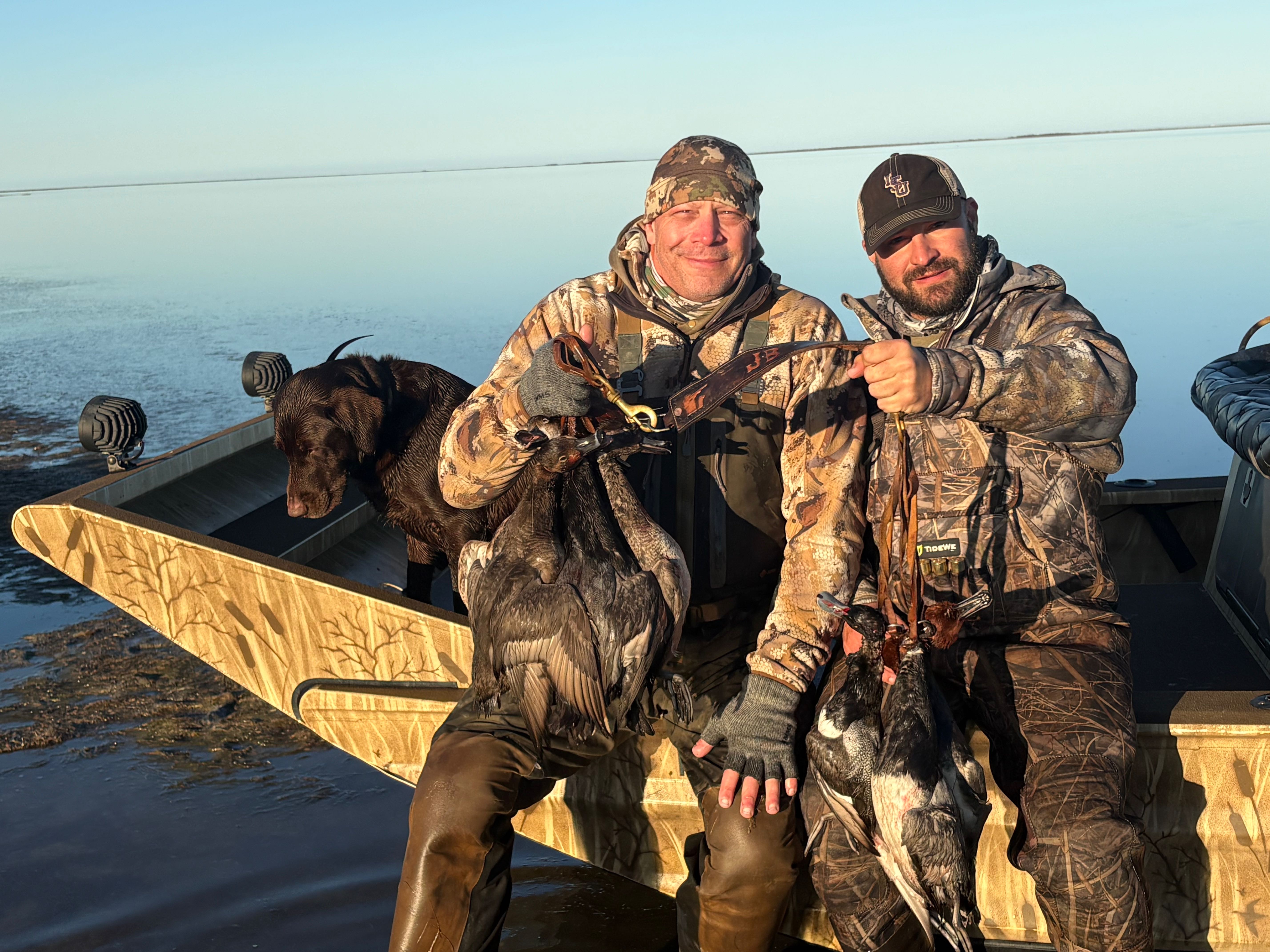
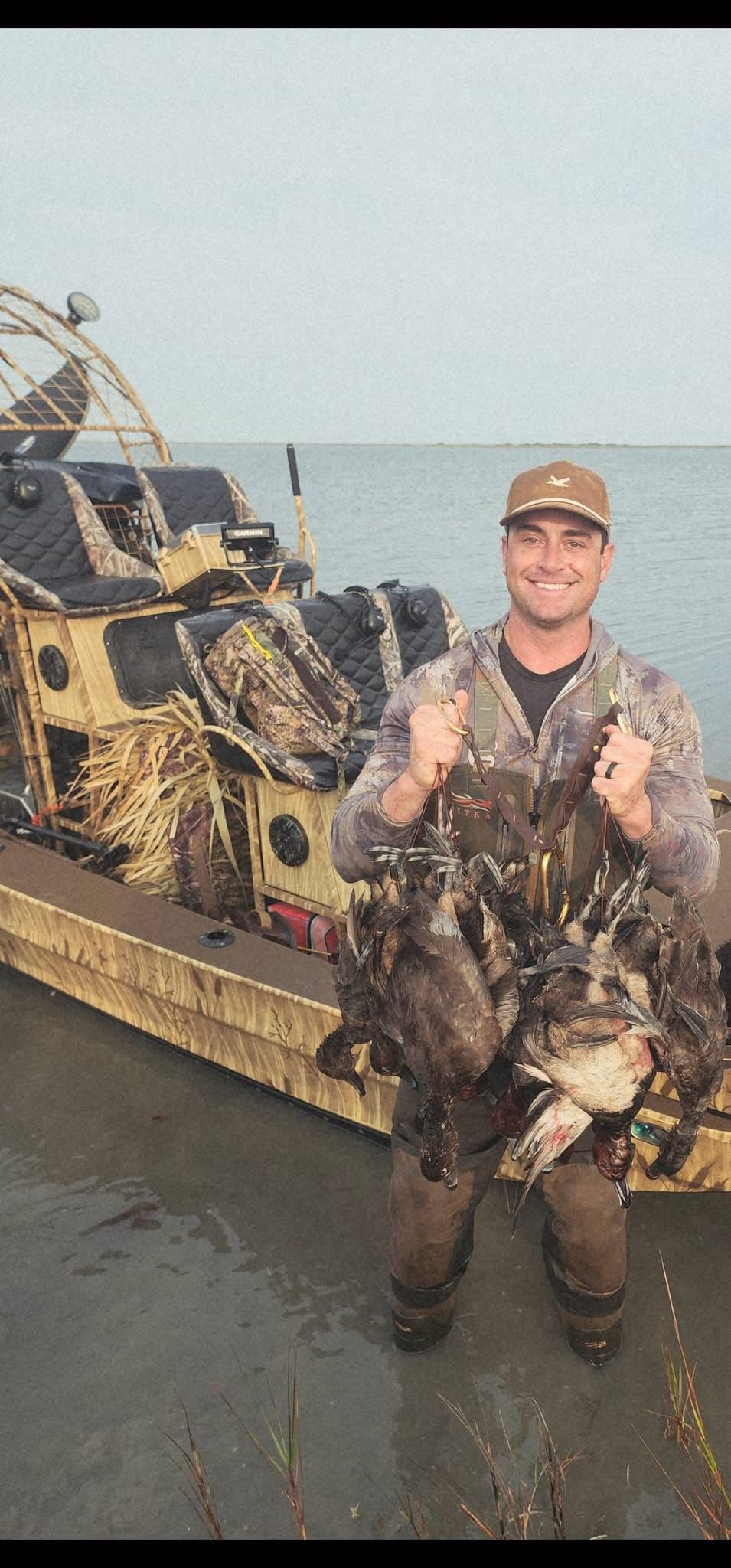
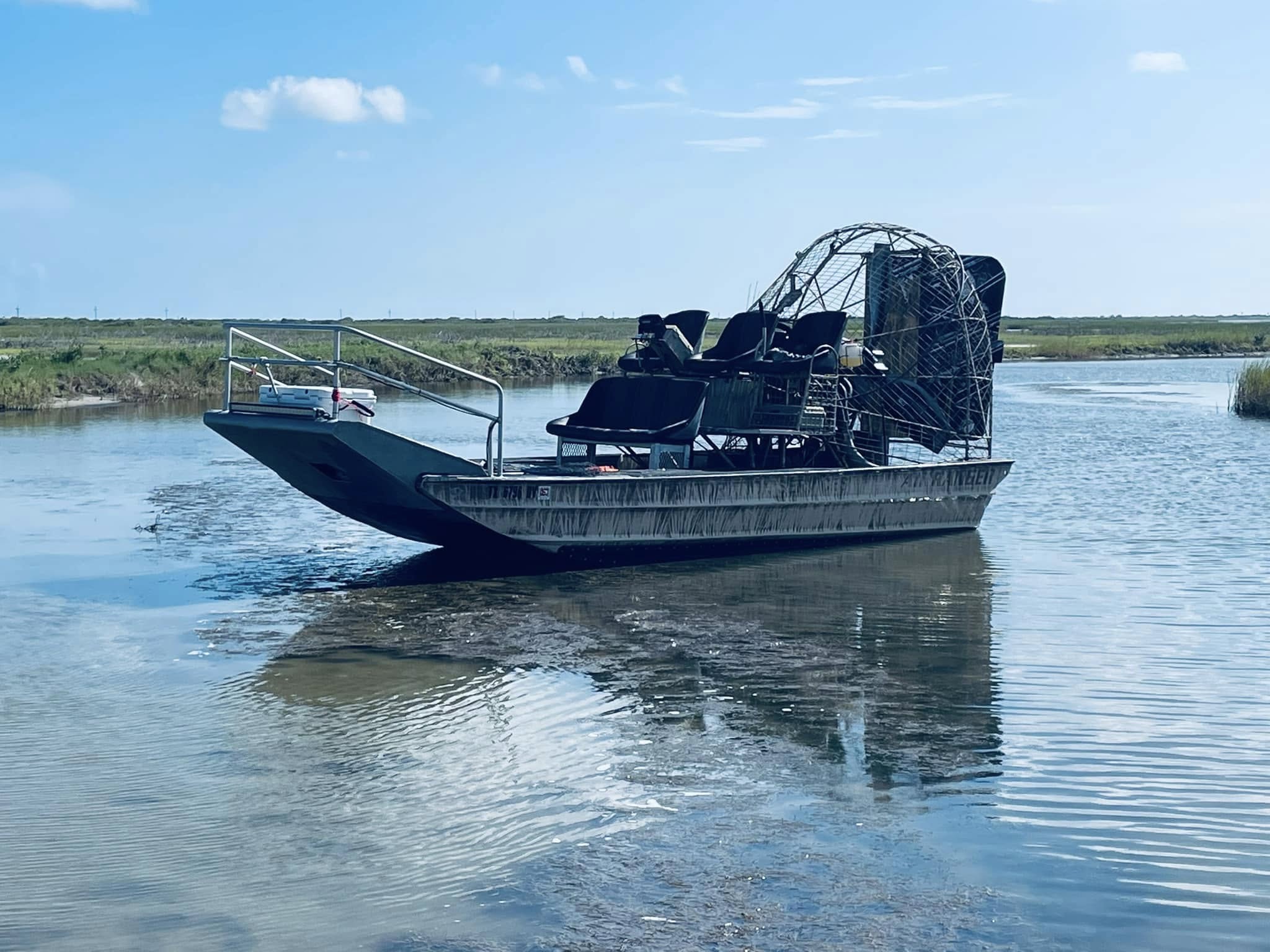
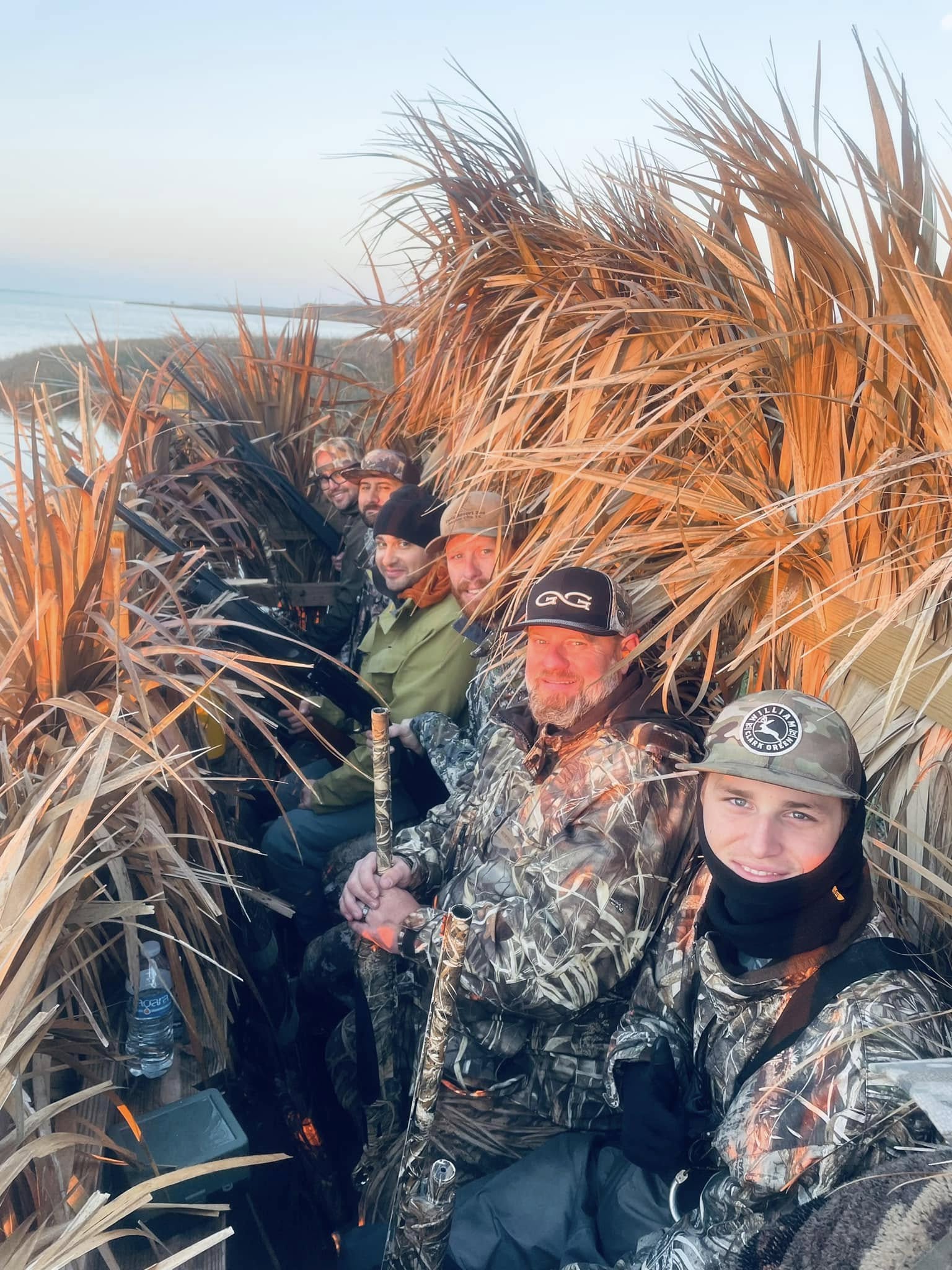
This isn't your typical pond-sitting hunt. We'll load up the airboat and cruise out to the productive flats where wigeon, pintail, and other ducks work the shallow waters. The afternoon timing gives you a huge advantage – ducks are actively feeding and moving between roosting areas, creating steady action throughout the hunt. Our guides have been working these waters for years and know how to read the wind, weather, and bird patterns to put you in the right spot. You'll hunt from natural blinds or layout positions that keep you concealed while giving clear shooting lanes. The coastal environment means you're dealing with tidal influences and changing conditions, but that's exactly what makes the hunting so productive. Each setup is carefully planned based on current conditions and recent bird activity.
Tracking Tips & Terrain
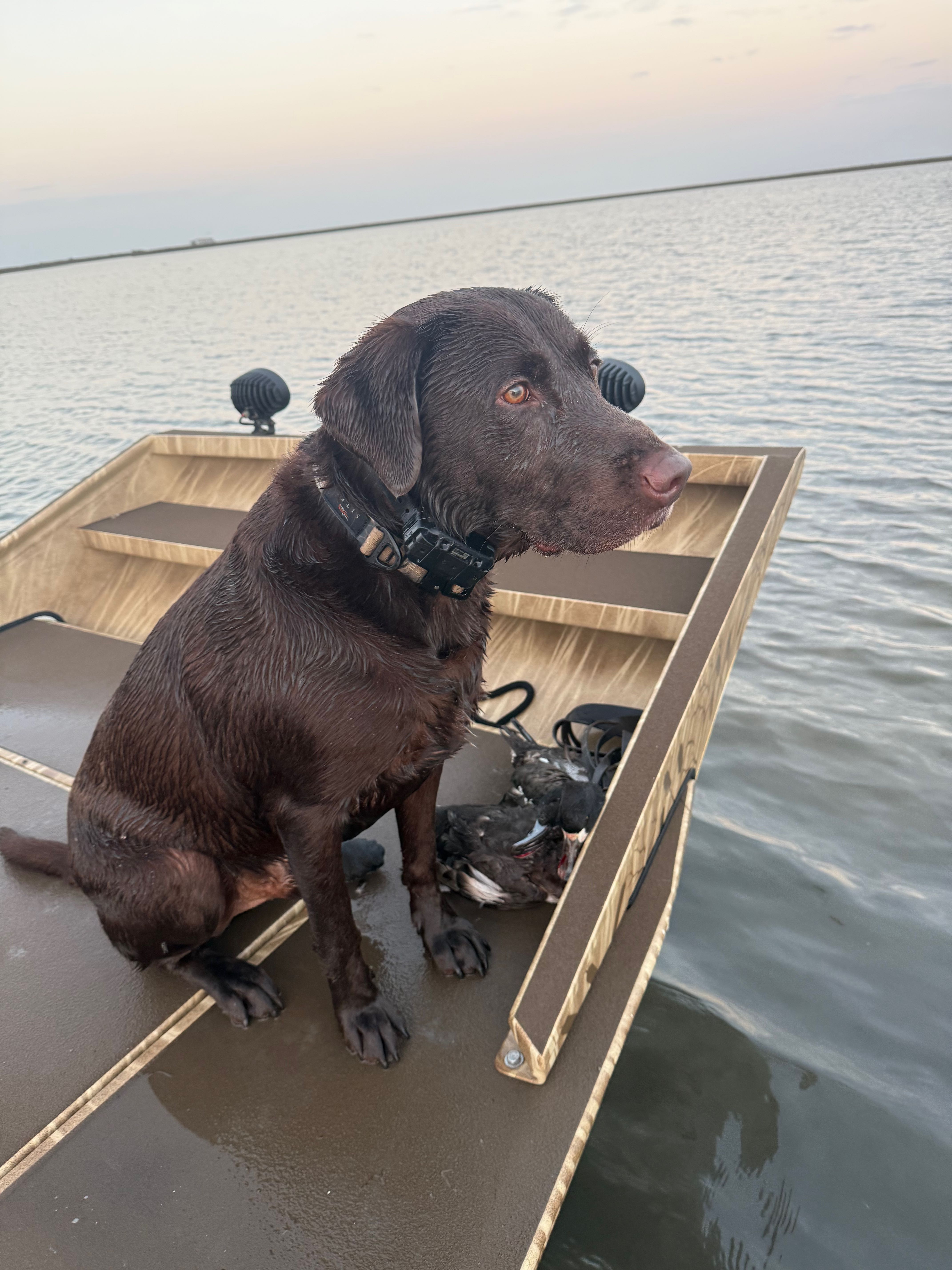
The marshlands around Port O'Connor offer prime duck habitat with a mix of shallow bays, grass flats, and protected coves. We use top-rated decoy spreads that match the local forage and current duck behavior patterns. Our trained retrieval dogs are essential in this terrain – they know how to work the thick marsh grass and can handle both land and water retrieves without hesitation. The airboat transportation gets you access to spots that wade-in hunters simply can't reach, giving you a serious advantage over pressure from other hunting parties. Wind direction plays a huge role in our setup decisions, and our guides constantly adjust based on how ducks are using the area that particular day. The coastal flats can be tricky to navigate, but that's why having an experienced local guide makes all the difference. We bring all necessary decoys and calling equipment, though experienced hunters are welcome to bring their favorite calls if they prefer.
Target Game Breakdown
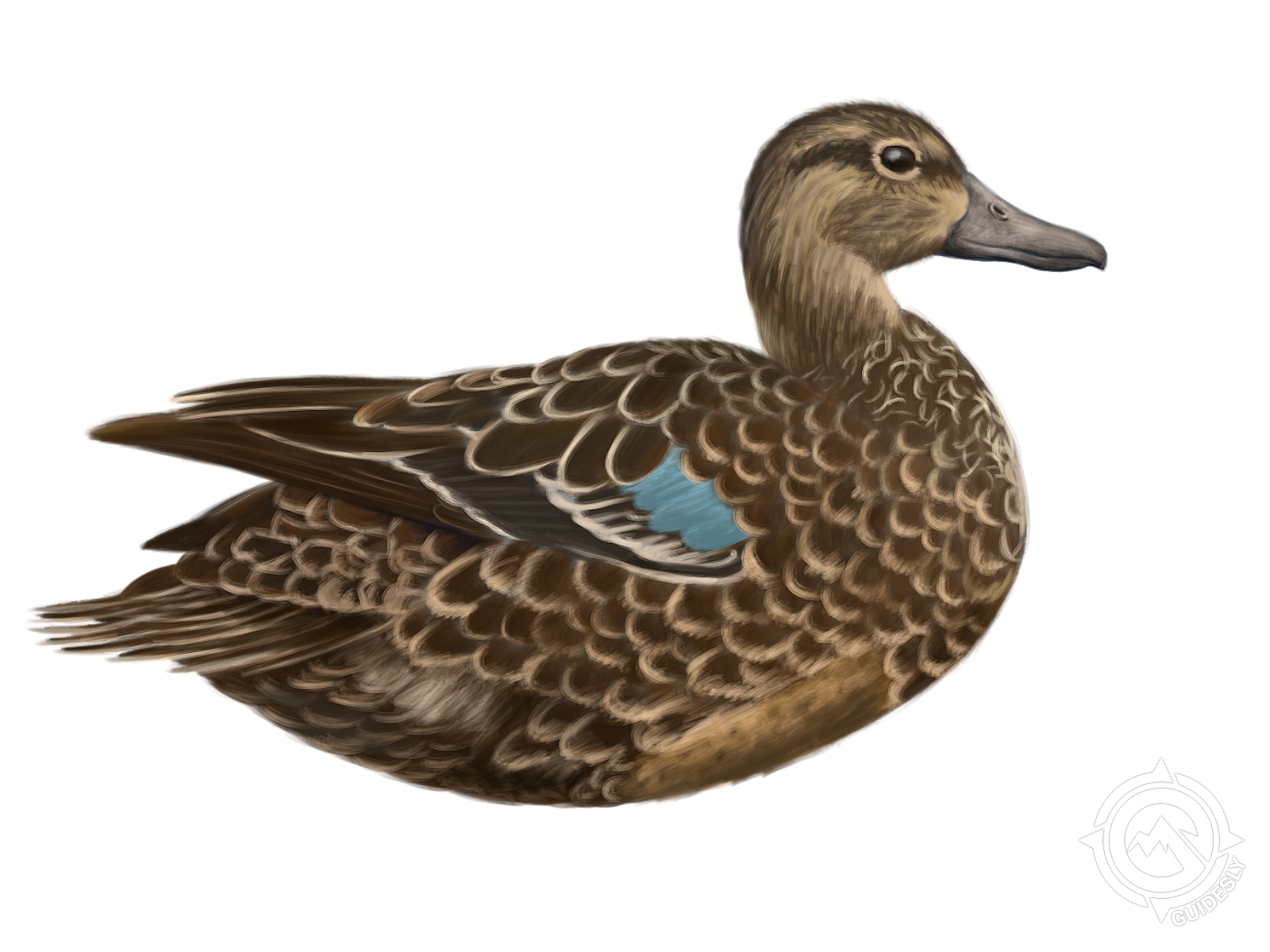
Blue-winged Teal are speed demons that'll test your swing and follow-through. These small, agile ducks typically weigh around 14 ounces and are known for their erratic flight patterns that can leave even experienced hunters scratching their heads. They're early migrants through the Port O'Connor area, usually showing up in good numbers during September and early October. What makes them exciting to hunt is their unpredictability – they'll decoy beautifully one minute, then flare off at the last second. When they commit to the spread, they come in fast and low, giving you just seconds to make your shot count.
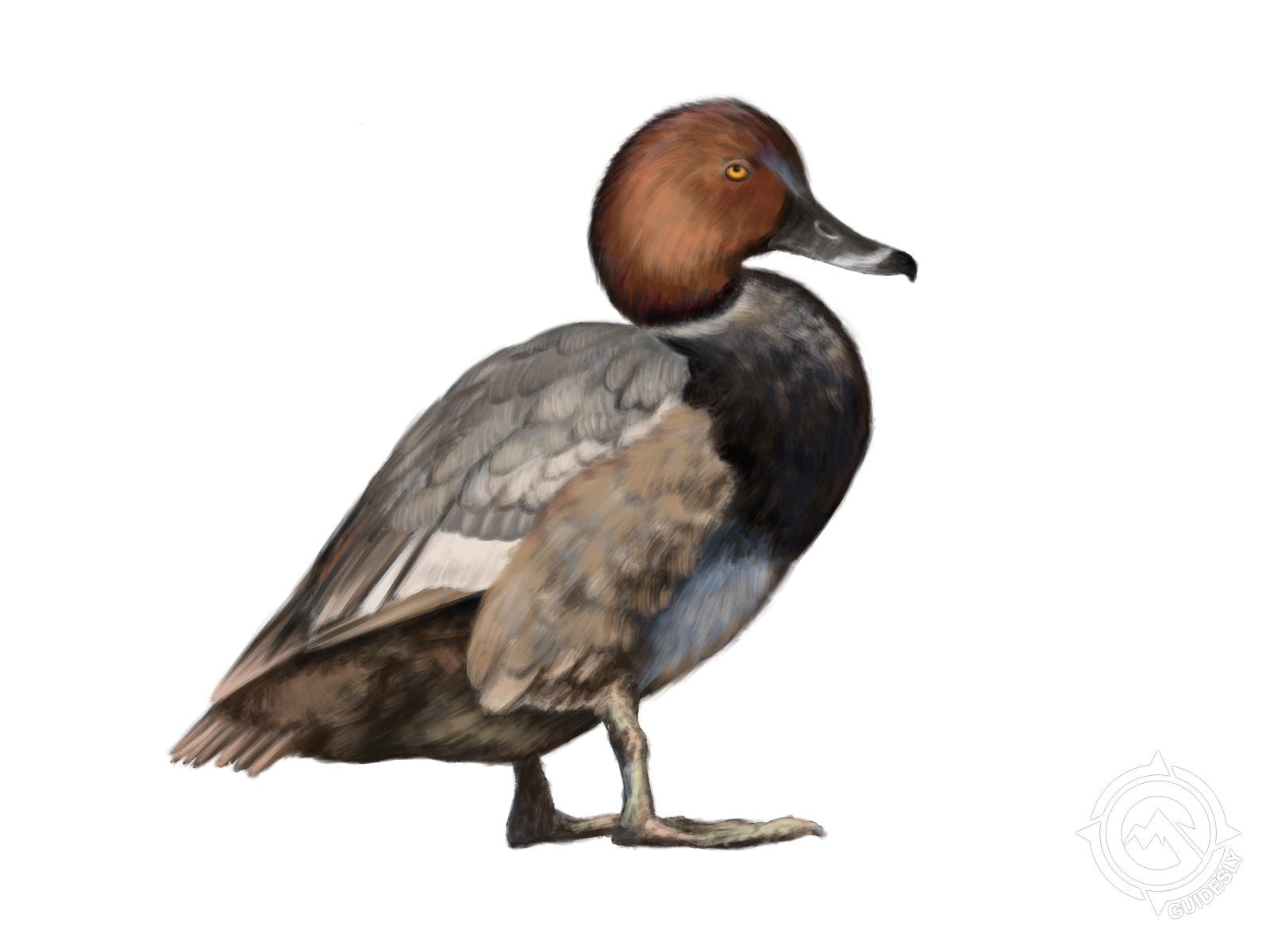
Redheads are the bulldozers of the duck world, built thick and flying with purpose. These diving ducks can weigh up to 3 pounds and prefer the deeper areas of our coastal bays where they dive for aquatic vegetation and small shellfish. Peak season runs from November through January, when large rafts of redheads work the Port O'Connor waters. They're challenging because they're wary birds that often circle multiple times before committing to decoys. But when they do come in, they provide excellent shooting opportunities and are prized by hunters for both their challenging nature and excellent table fare.
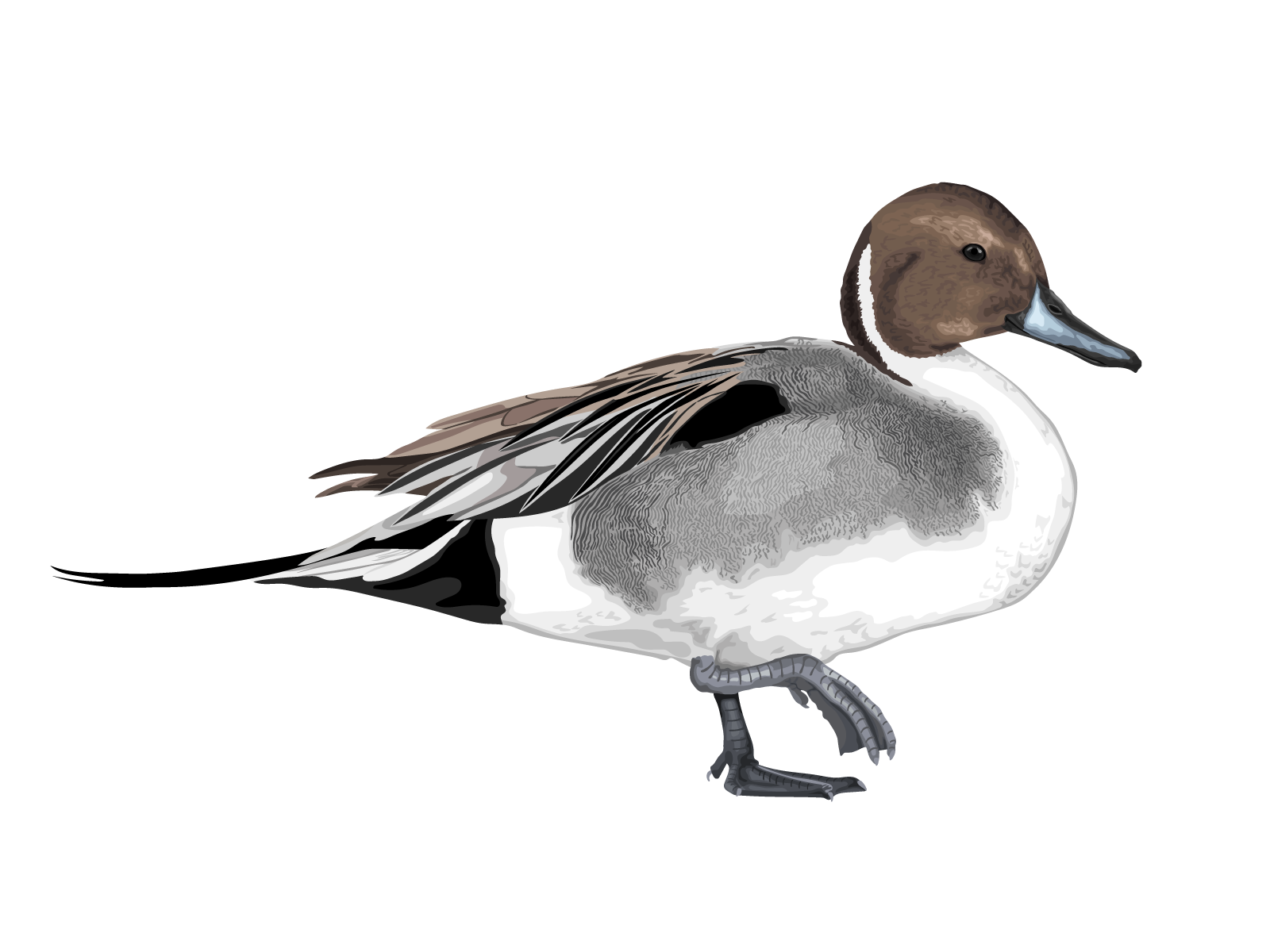
Northern Pintail are the aristocrats of puddle ducks, with their sleek profiles and graceful flight making them a customer favorite among waterfowlers. Mature drakes can reach 30 inches in length and are easily recognized by their distinctive long necks and pointed tails. They're typically most abundant from December through February in our area, and they love the shallow coastal flats where they can tip-feed on submerged vegetation. Pintail are known for their wariness and excellent eyesight, making proper concealment critical. When they work your spread, they often come in high and circle wide before committing, giving you time to prepare for the shot.
American Wigeon are the grazers of the duck world, often found feeding in shallow water or even on dry land near the water's edge. These medium-sized ducks are world-class table fare and provide consistent action throughout the winter months. What makes wigeon hunting exciting is their social nature – where you see one, you'll often find dozens more. They're known for their distinctive whistling call and their habit of following other duck species to productive feeding areas. During our afternoon hunts, wigeon are often the most active species, moving between feeding and roosting areas as the day progresses toward evening.
Book Your Next Tag
Port O'Connor's afternoon duck hunting delivers the kind of action that keeps hunters coming back season after season. With professional guides, trained dogs, and access to some of the most productive waterfowl habitat on the Texas coast, this hunt offers everything you need for a successful day in the field. The 4-passenger limit ensures personalized attention and plenty of shooting opportunities for everyone in your group. Remember to bring your firearms, ammunition, and current Texas hunting license – everything else is provided. The Fish and Center on Water Street is easy to find, and our guides will have you on the water and hunting within minutes of arrival. This renowned afternoon hunt fills up quickly during peak season, so don't wait to secure your spot for what could be your best duck hunting experience on the Texas coast.
 Private Trip
 Bird hunting
 Port O'Connor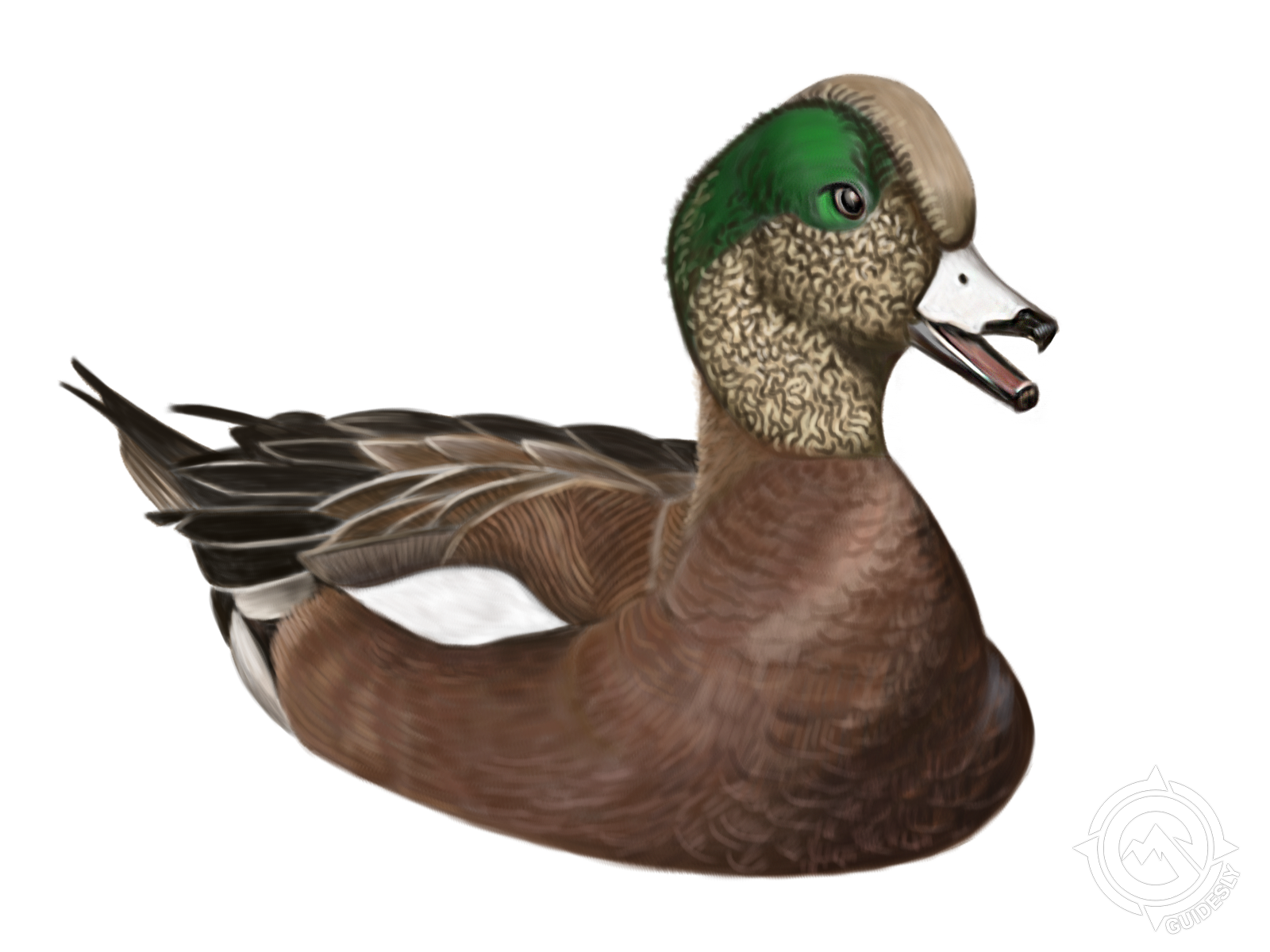
 Afternoon duck hunt targeting wigeon and pintail species