Port O'Connor Red Snapper and Offshore Charter
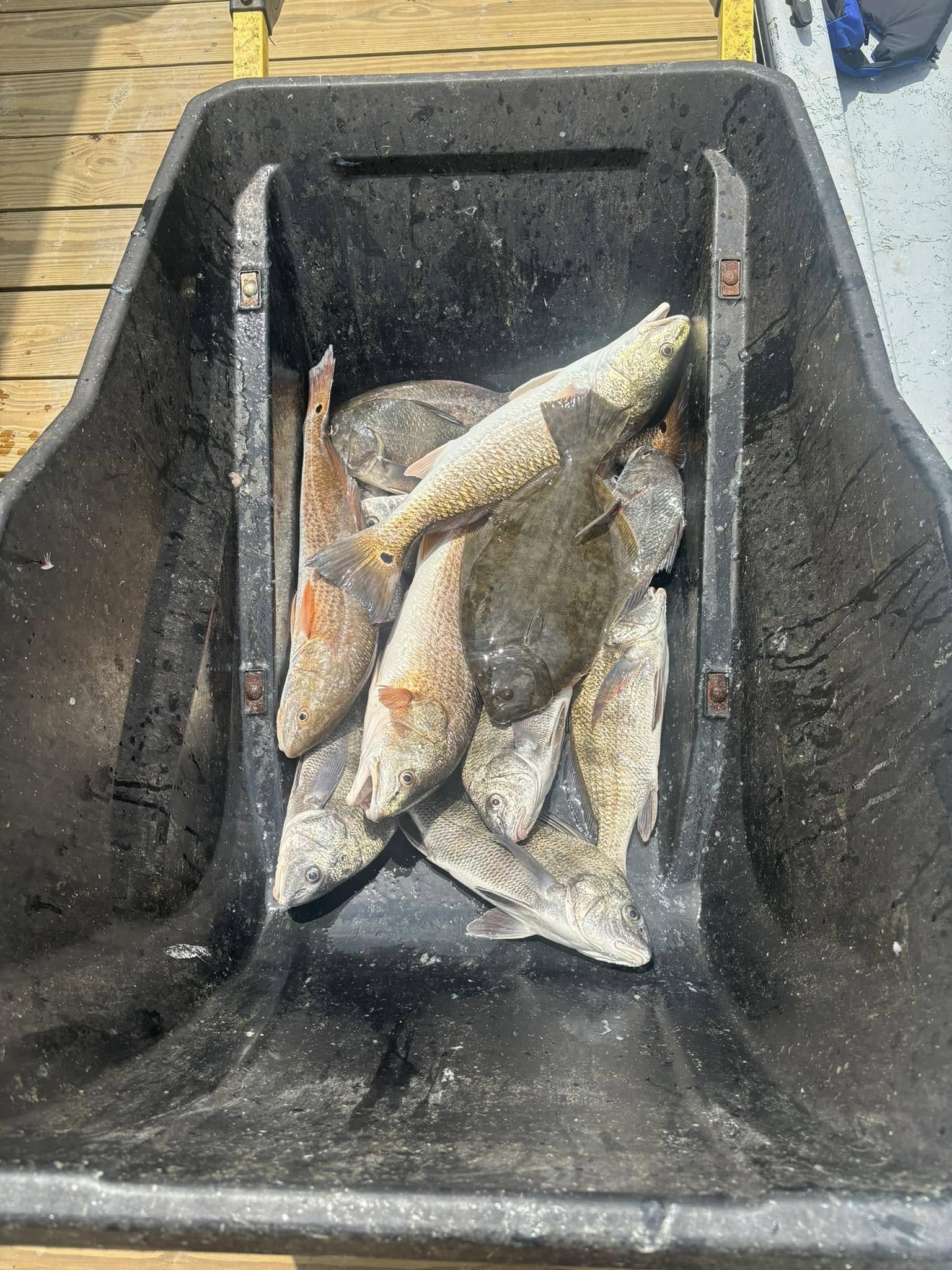
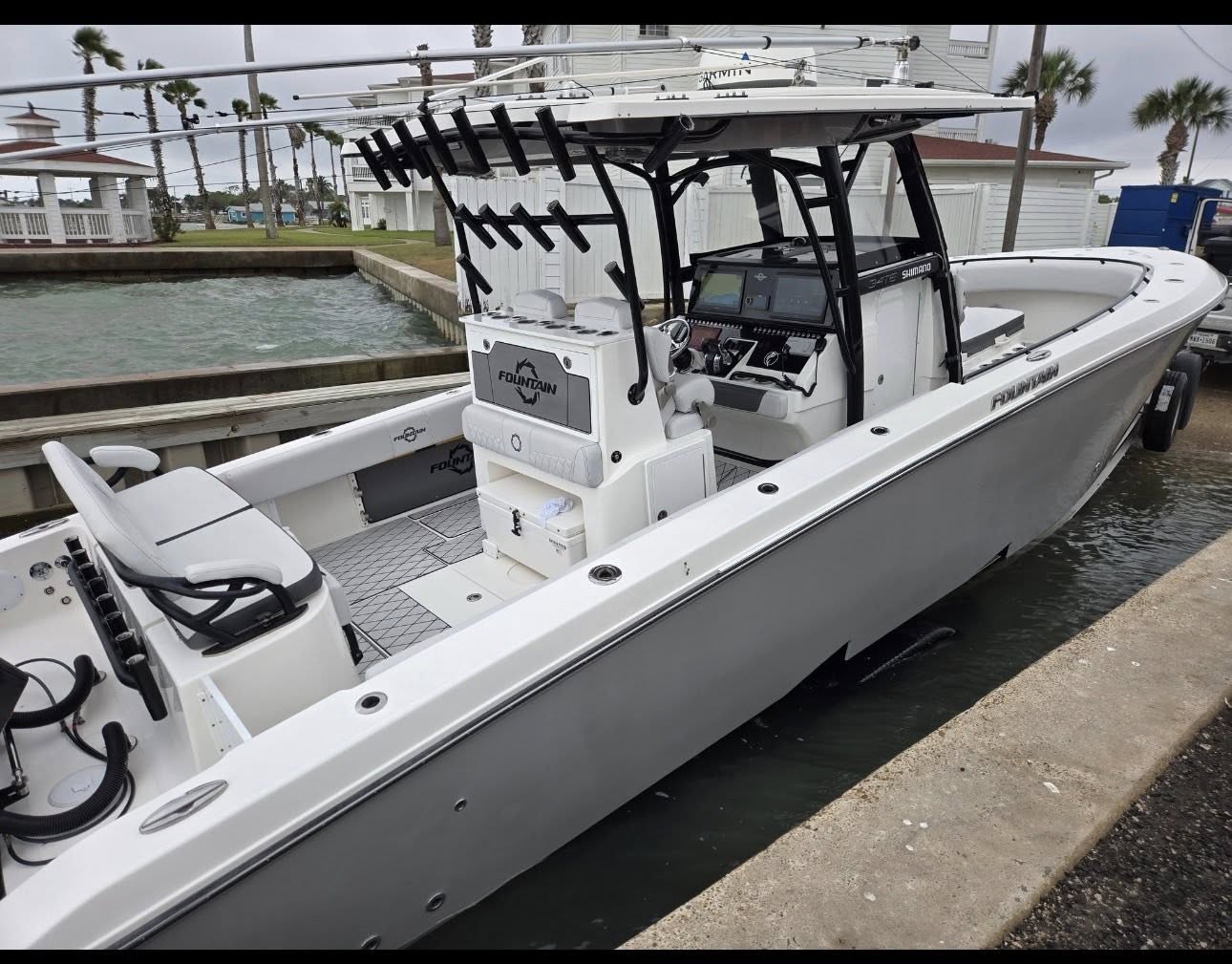
Captain Mark Ueding knows these Gulf waters like the back of his hand, and he's ready to put you on some serious fish. This top-rated 8-hour offshore charter departs right from Port O'Connor's 1301 Water Street, targeting the kind of fish that make anglers drive hours just for a shot at them. We're talking Red Snapper in federal waters, plus King Mackerel, Mahi Mahi, Greater Amberjack, and Cobia that'll test your drag and make your day. The 34-foot Fountain center console gives us the range and stability to reach the productive waters where these fish live, and Captain Mark's got the experience to put you on them consistently. Whether you're a weekend warrior or someone who's never held a rod, this trip is built to deliver.
What to Expect on the Water
Your day starts at 7:00 a.m. sharp, though Captain Mark adjusts timing based on conditions because he knows when the fish are most active. The 34-foot Fountain center console is rigged for serious offshore work – plenty of rod holders, a solid fish box, and the electronics needed to find structure and baitfish in federal waters. You'll cruise out past the nearshore reefs to deeper structure where the big fish hang out. The boat handles 4 guests comfortably in the base rate, with room for up to 6 if your group wants to split costs. All your tackle and bait are provided, so you just need to bring your Texas fishing license, some snacks, and plenty of water. Captain Mark runs a clean operation and knows how to work with beginners without making experienced anglers feel like they're on a kiddie trip. The Gulf can get rough, but this center console design cuts through chop better than most boats this size.
Tackle and Techniques
We're fishing federal waters where the regulations and fish are different from what you'll find closer to shore. Captain Mark rigs heavy conventional tackle for the bottom fishing – you'll be dropping baits down 80 to 120 feet of water to structures where Red Snapper and Amberjack live. The technique is straightforward but requires some muscle when you hook up on a big fish. For the pelagics like King Mackerel and Mahi, we'll troll with diving plugs and rigged baits, covering water until we find feeding fish or floating debris that holds them. The captain brings circle hooks for the snapper fishing – they're required by law and they work better anyway. When we find a good piece of structure, we'll anchor up and fish multiple lines to maximize your shots at keeper fish. The electronics on this boat are world-class, so we're not just fishing blind like the old days. Captain Mark can read the bottom machine and find the drops, humps, and debris that concentrate fish in otherwise empty-looking water.
Target Species
Red Snapper are the bread and butter of this trip, and for good reason. These fish fight hard, taste better than almost anything in the Gulf, and they're plentiful around the structure in federal waters. Most keeper snapper here run 4 to 8 pounds, with occasional fish pushing double digits. They're aggressive feeders but smart – you need fresh bait and the right presentation to consistently catch them. The season typically runs June through July, with some fall dates depending on federal regulations. What makes snapper fishing so addictive is that when you find them, you can usually catch several before they wise up or move off the structure.
King Mackerel are speed demons that'll make your reel sing when they take off on their initial run. The kings around Port O'Connor average 15 to 25 pounds, with bigger fish showing up during their spring and fall migrations. They're structure-oriented but also cruise open water following baitfish. When we hook up on kings, it's usually while trolling, and the strike is unmistakable – they hit hard and immediately head for deep water. These fish are excellent eating when handled properly, and they provide some of the most exciting fights you'll experience on conventional tackle.
Mahi Mahi are the most beautiful fish we target, with their brilliant colors and acrobatic fights. They're not always around, but when conditions are right – usually summer months with blue water and floating debris – they can make your trip legendary. Mahi travel in schools, so when you find one, there are usually more nearby. They average 8 to 15 pounds here, with occasional bulls pushing 25 pounds. The fight is spectacular because they jump repeatedly and change directions constantly. Plus, they're phenomenal on the dinner table.
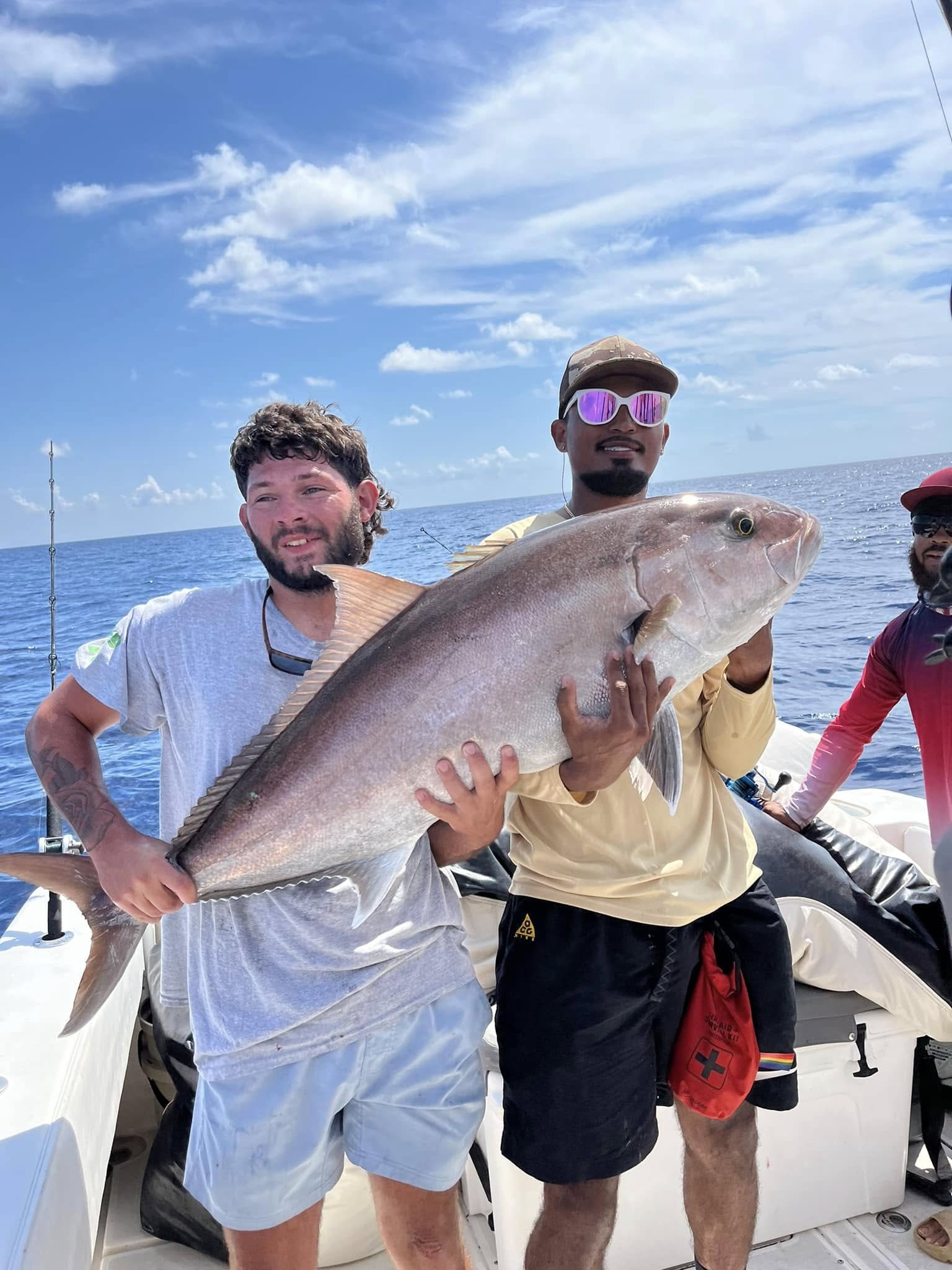
Greater Amberjack are the bruisers of this fishery. These fish live around the same structure as snapper but they're much bigger and stronger. A typical amberjack here runs 20 to 40 pounds, and they fight like they're twice that size. They'll head straight for the structure when hooked, trying to cut your line on anything sharp they can find. The technique is to stop them before they reach cover, which means cranking down your drag and holding on. They're excellent eating despite what some people say – the key is bleeding them immediately and keeping them cold.
Cobia are the wild cards that can show up anywhere. These curious fish often approach the boat, giving you shots at sight-casting with live or cut bait. They average 15 to 30 pounds around here, with some reaching 40-plus. Cobia have incredible stamina and will make long, powerful runs that test your equipment. They're phenomenal eating and their fight is different from any other fish – more like wrestling a strong, stubborn animal than fighting a typical fish. When one shows up, everything else stops because they don't stick around long.
Time to Book Your Spot
Captain Mark's offshore trips book up fast, especially during prime Red Snapper season and when the kings are running thick. This is the kind of fishing that brings people back to Port O'
 Private Trip
 Offshore Fishing
 Port O'Connor
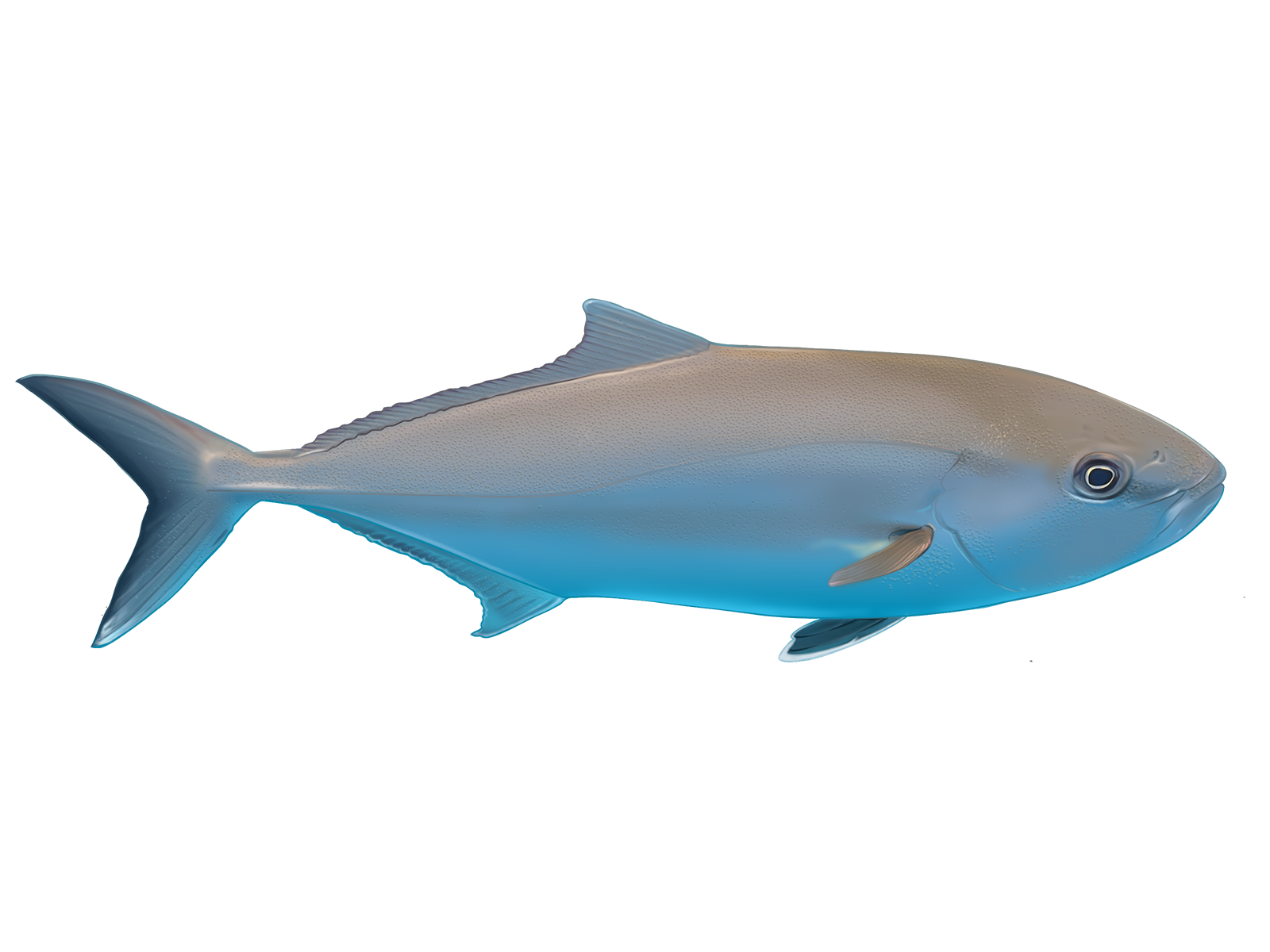


 Full-day offshore charter targeting Red Snapper and King Ling