5 Day Guided Elk Hunt Oregon
When you're serious about putting your tag on a Roosevelt elk, Western Oregon's dense timber and rugged terrain offer some of the most challenging and rewarding hunting in the Pacific Northwest. This isn't your typical guided hunt where you're rushed through a quick morning sit. Five full days means we can really work an area, adjust our approach based on what the elk are doing, and give you the time needed to make a clean, ethical shot. You'll be hunting one-on-one with your guide, which means no competing with other hunters for the guide's attention or the best spots. We're talking about dedicated, focused elk hunting where every decision is made with your success in mind.
Inside the Hunt
This hunt is built around flexibility and patience – two things that separate successful elk hunters from those who go home empty-handed. Roosevelt elk don't play by the same rules as their Rocky Mountain cousins, and Western Oregon's thick forests demand a different approach entirely. Your guide will size up conditions each morning and decide whether we're going with spot and stalk tactics or setting up for calling sequences. Early season might have us working ridgelines at first light, glassing clearcuts and burns where elk feed before retreating to timber. Later in the season, we might be deep in the dark timber, using bugles and cow calls to bring a bull into range. The terrain varies from steep timbered hillsides to logged areas that provide excellent visibility – and each presents its own opportunities and challenges. Meeting details get worked out directly with your guide beforehand, so there's no confusion about access points or timing. Remember to have your Oregon hunting license and elk tags sorted before you arrive – that's on you, and we can't help with tags once you're here.
Tracking Tips & Terrain
Western Oregon elk country will test your legs and your patience, but that's exactly what makes it productive. We'll be covering everything from old growth timber where sound travels differently, to recent clearcuts where visibility opens up but so does your exposure. Elk use these different zones throughout the day, and knowing when and where to intercept them is what separates this hunt from a casual walk in the woods. Your guide reads sign like a book – fresh rubs on alders, mud wallows that are still damp, and tracks that tell you not just where elk have been, but where they're headed. The calling game here requires finesse; Roosevelt elk are wary after generations of pressure, and one wrong note can push them into the next drainage. Spot and stalk work means long periods of glassing followed by quick decisions and careful approaches. The timber can swallow sound, which works both for and against you. Weather plays a huge role – a sudden rain can quiet your approach but also wash out scent trails. Wind direction becomes critical when you're working through tight timber where thermals shift unpredictably. This is technical hunting that rewards hunters who can stay focused and make quick adjustments when opportunities present themselves.
Target Game Breakdown
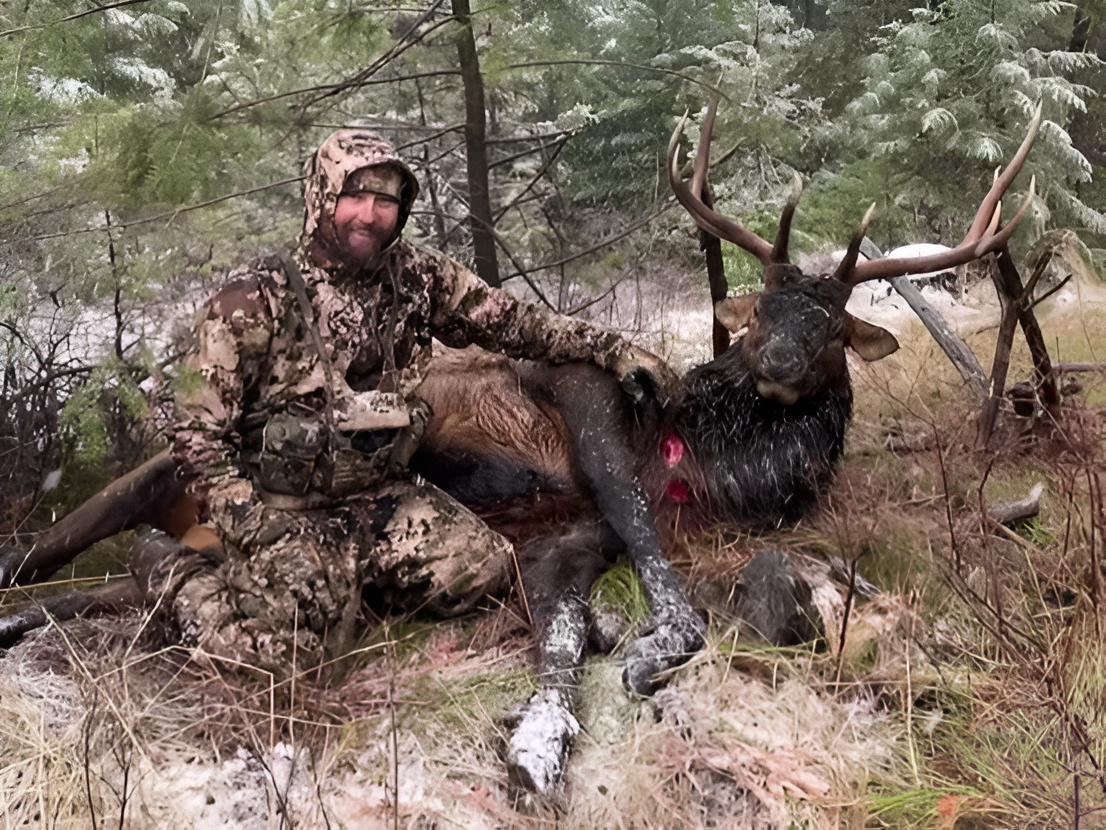
Roosevelt elk are the giants of the elk world, and Western Oregon grows them big and smart. These aren't the elk you see standing around in Yellowstone – Roosevelt bulls can tip the scales at 1,000 pounds or more, with thick, heavy antlers that reflect generations of coastal genetics. They're darker than Rocky Mountain elk, built heavier through the shoulders and chest, and they've learned to use thick timber to their advantage. Early season bulls are still responding to calls, though they're more selective than their inland cousins. September brings the peak rut activity, when mature bulls become more aggressive and vocal. By late season, they've gone largely silent but can be patterned around feeding areas and travel corridors. What makes Roosevelt elk special isn't just their size – it's their wariness and the country they call home. They'll disappear into timber so thick you can't see 30 yards, only to emerge in openings where you least expect them. The cows are equally impressive, often weighing 600-700 pounds and displaying the same cautious intelligence that makes the herd so challenging. Roosevelt elk have adapted to heavy hunting pressure by becoming largely nocturnal in some areas, which makes those dawn and dusk periods absolutely critical. When you do connect with a Roosevelt elk, you're taking one of the most magnificent big game animals in North America.
Book Your Next Tag
Five days of dedicated elk hunting with a guide who knows this country gives you the best shot at success in some challenging terrain. This isn't a hunt where you'll see elk every day, but when opportunities come, you'll be ready for them. The one-on-one guide ratio means every decision is focused on your hunt, your shooting abilities, and your physical capabilities. Roosevelt elk hunting demands patience, but the payoff is a trophy that represents some of the finest hunting the Pacific Northwest has to offer. Remember that deposits are non-refundable, so make sure you're committed before booking. But if you're serious about elk hunting and want to test yourself against these coastal giants in their home territory, this hunt delivers the time and expertise needed to make it happen. Contact Precision Outfitters to secure your dates and start planning for what could be the elk hunt of a lifetime.
 Private Trip
 Big game hunting
 Oregon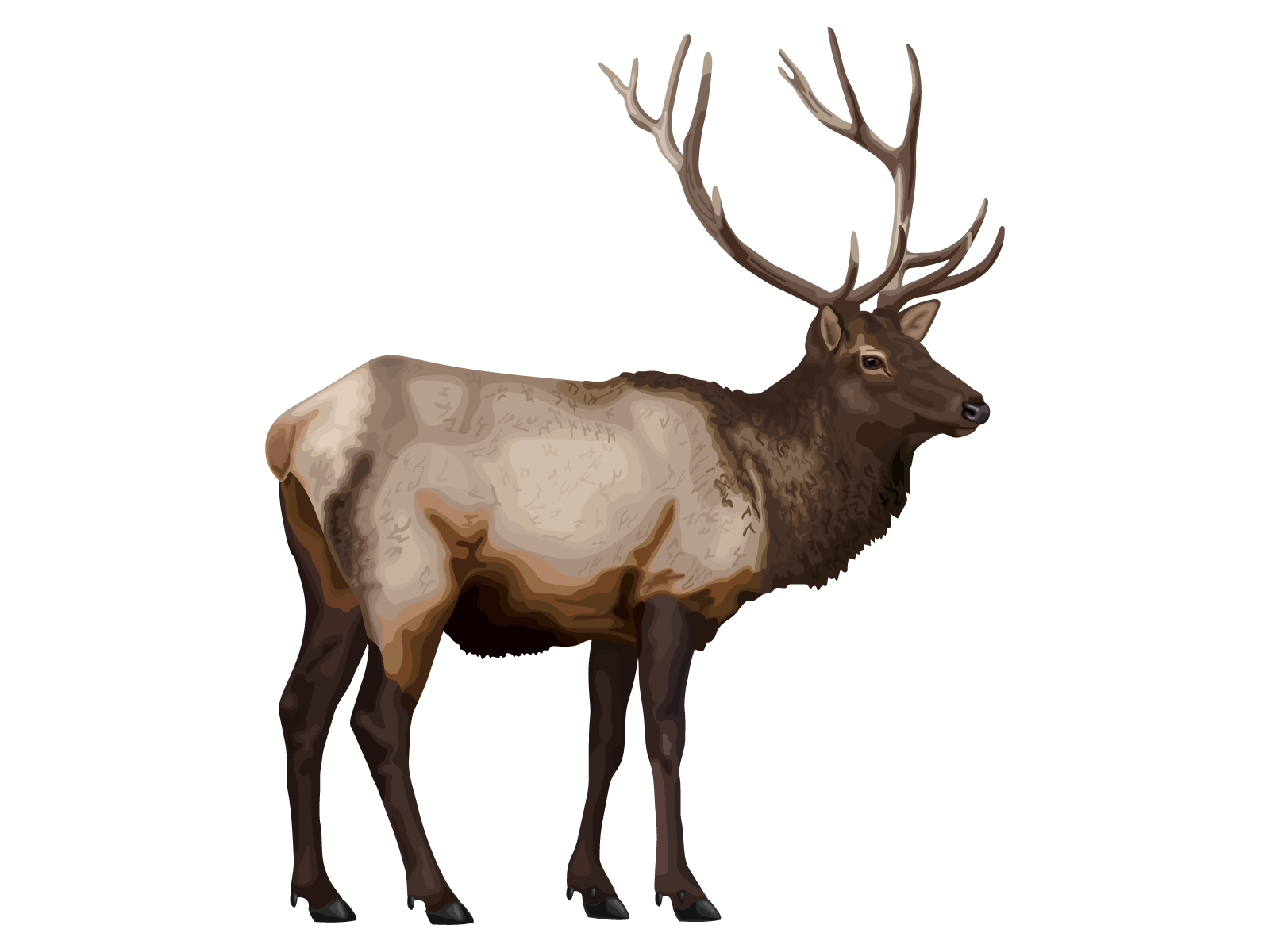
 Five full days targeting Roosevelt elk in Western Oregon