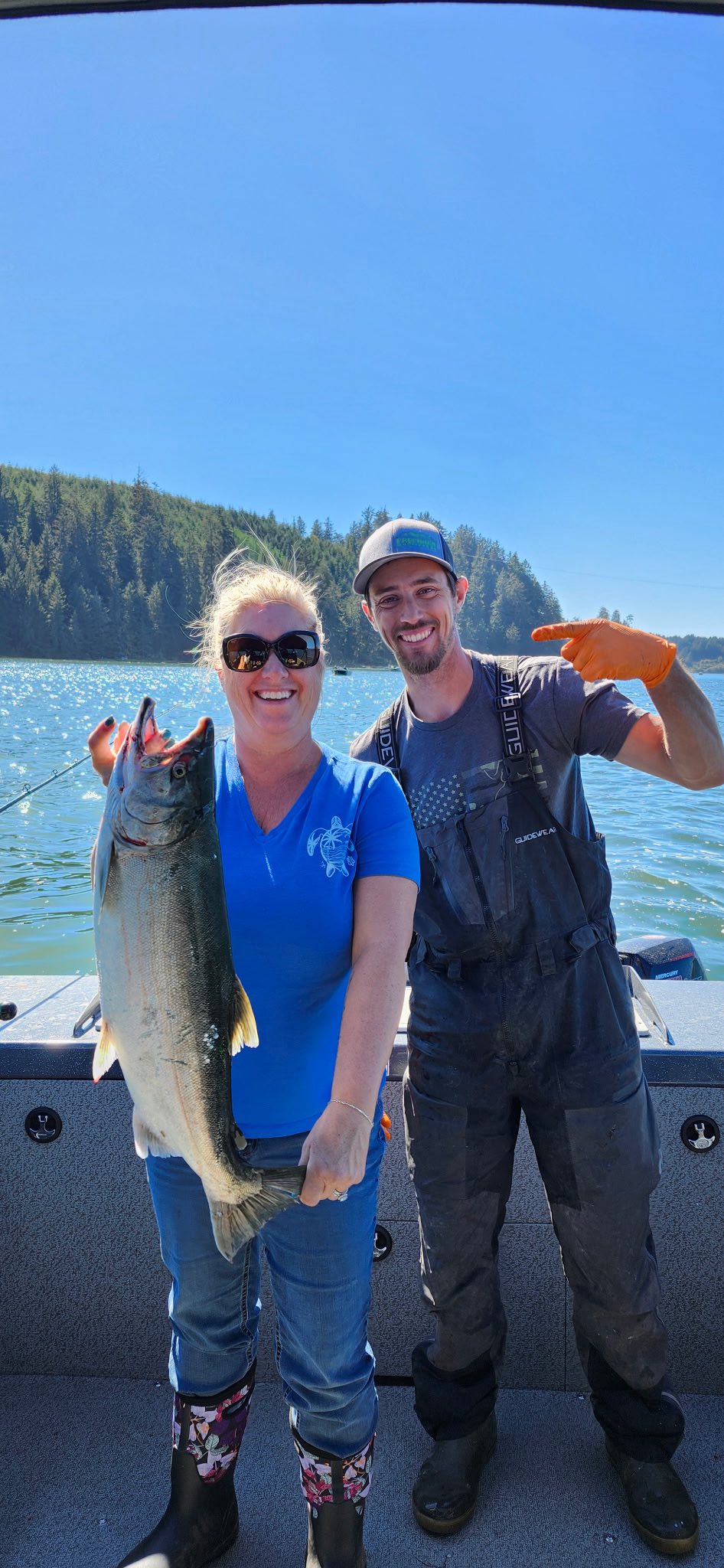
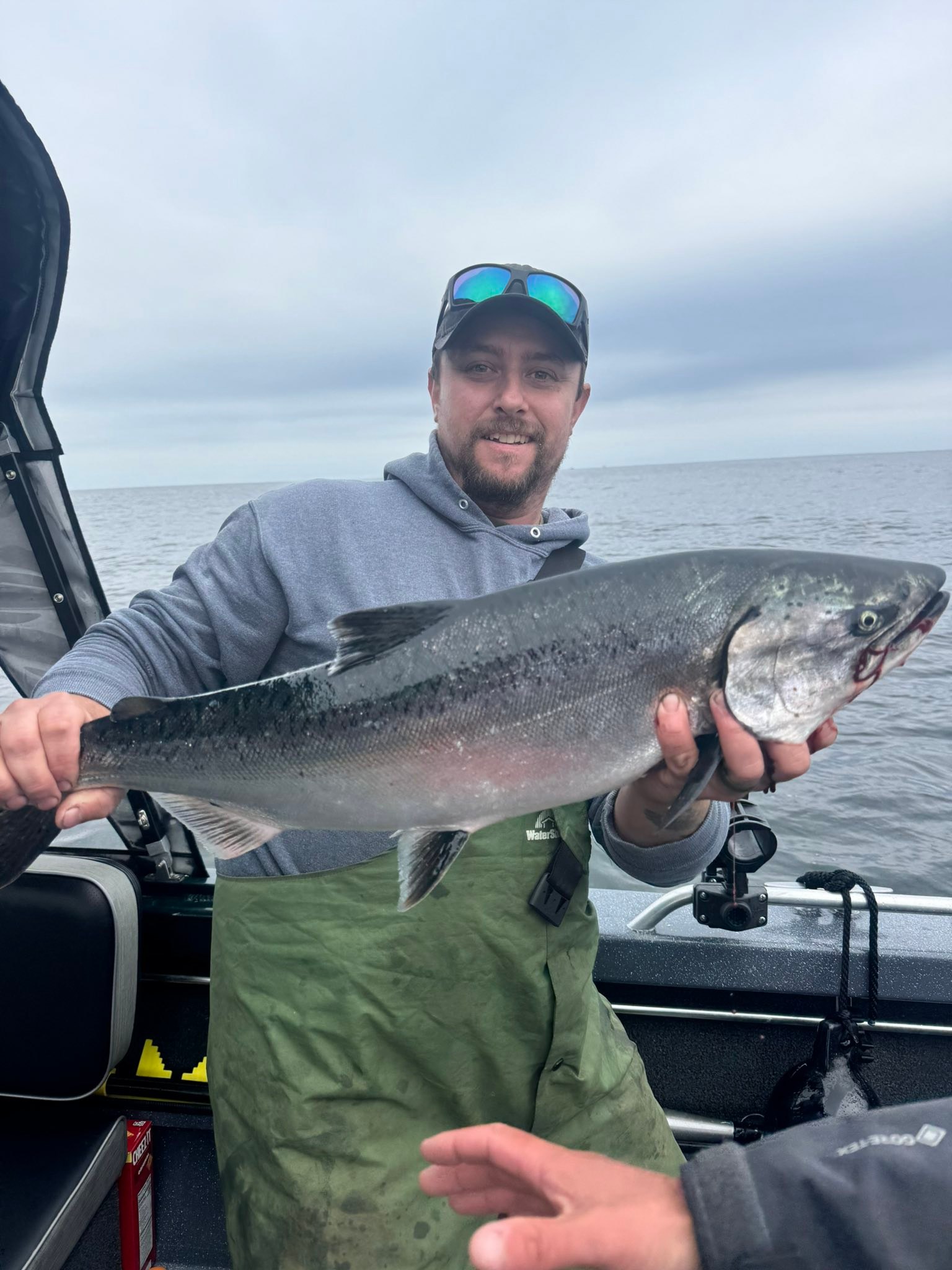
Full Day Oregon Guided Duck Hunt
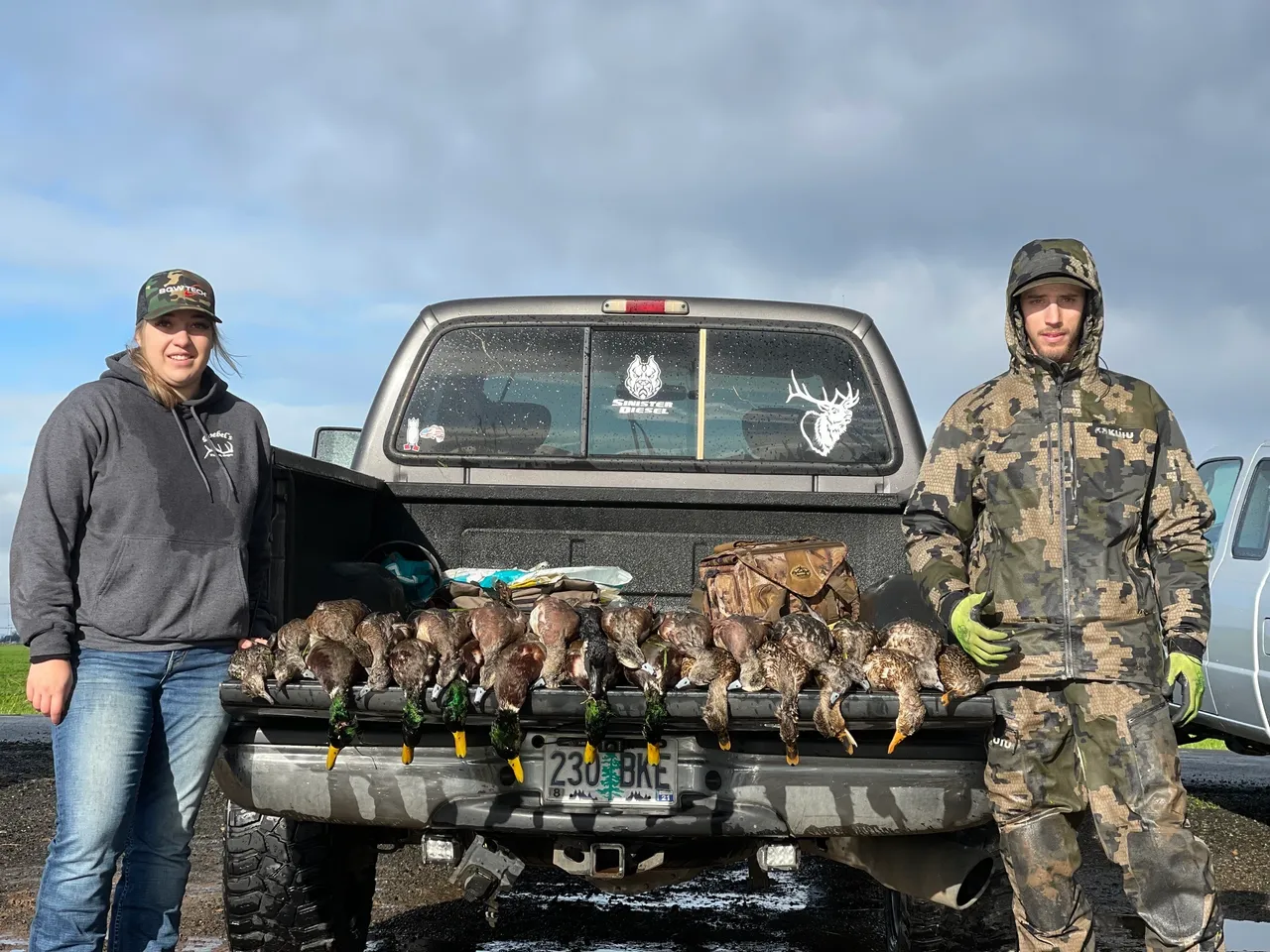
Oregon's waterfowl hunting scene is legendary, and this full-day guided duck hunt puts you right in the thick of it. We're talking prime habitat across flooded timber, river systems, and wetlands where ducks have been staging for generations. This isn't some cookie-cutter setup – your guide reads the birds daily and adjusts everything from blind placement to decoy spreads based on what's actually flying. Whether you're a seasoned hunter or picking up your first shotgun, you'll get personalized attention that makes all the difference between going home empty-handed or with a full strap.
Inside the Hunt
This top-rated Oregon duck hunting experience starts before dawn when the marsh comes alive. Your guide handles all the heavy lifting – scouting locations, setting decoy spreads, and building blinds in spots where ducks actually want to land. We're talking about working diverse habitat types throughout the day, from those magical flooded timber holes where wood ducks drop in like ghosts to open water setups where pintails and wigeon work the decoys. The guide calls the shots on everything from when to call and when to stay quiet, to managing safe shooting lanes since this is a one-on-one hunt. You'll need a valid Oregon hunting license and waterfowl tags, but everything else is handled. The meeting point and start time get coordinated directly with your guide, so you're hitting prime time when birds are moving.
Tracking Tips & Terrain
Oregon's waterfowl habitat is as varied as it gets, and your guide knows how to work each type. In flooded timber, it's all about reading how ducks use the canopy and water depth – mallards and wood ducks love these spots but they require different setups and calling techniques. River systems demand understanding current, wind, and how birds use channels for travel routes. Open wetlands let you work bigger spreads and really get into the calling game when conditions are right. Your guide manages all decoy placement, from the confidence spread to the landing zone setup, while teaching you to read bird behavior on the wing. Wind direction, weather fronts, and time of day all factor into where you'll hunt and how aggressive to get with the calling. The beauty of this world-class guided experience is learning these nuances while actually putting birds in the bag.
Target Game Breakdown
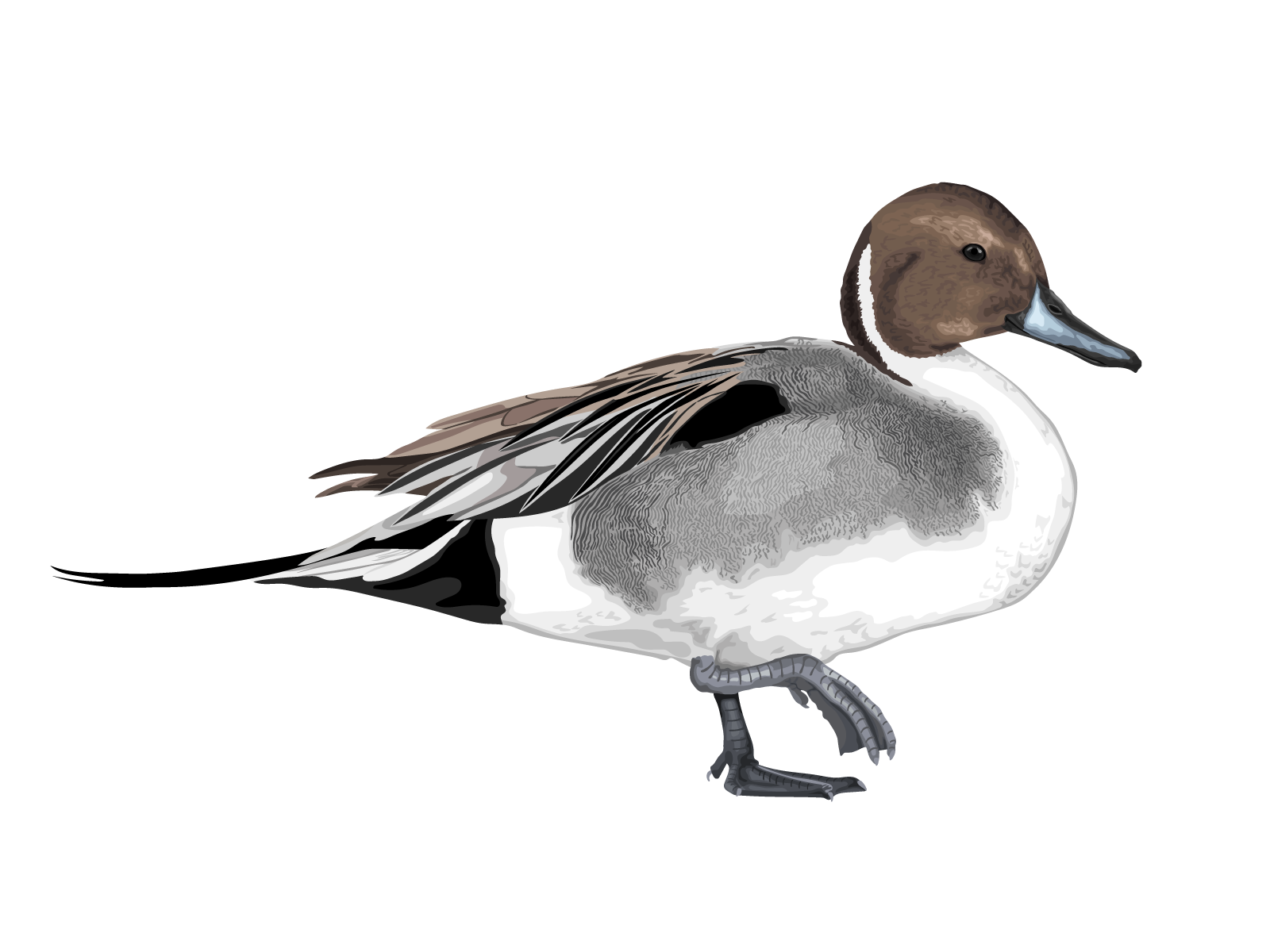
Northern Pintail are the aristocrats of the marsh – elegant birds with those distinctive long necks and razor-sharp wings. They're early migrants in Oregon, often showing up in good numbers during October and November. Pintails are wary birds that like to circle high and study your setup, but when they commit, they come in fast and low. What makes them special is their preference for shallow water and agricultural areas, plus they respond well to subtle calling. These birds can surprise you with their size once you get them in hand.
American Wigeon are the clowns of the duck world, and hunters love them for their goofy antics and willingness to work decoys. These medium-sized birds are notorious for their bald pate coloring on drakes and their habit of stealing food from diving ducks. In Oregon, wigeon peak during late fall migration and they're suckers for good spread placement near natural food sources. They make this distinctive whistle call that's easy to recognize, and they'll often commit to decoys when other species are being finicky. Wigeon provide consistent action throughout the season.
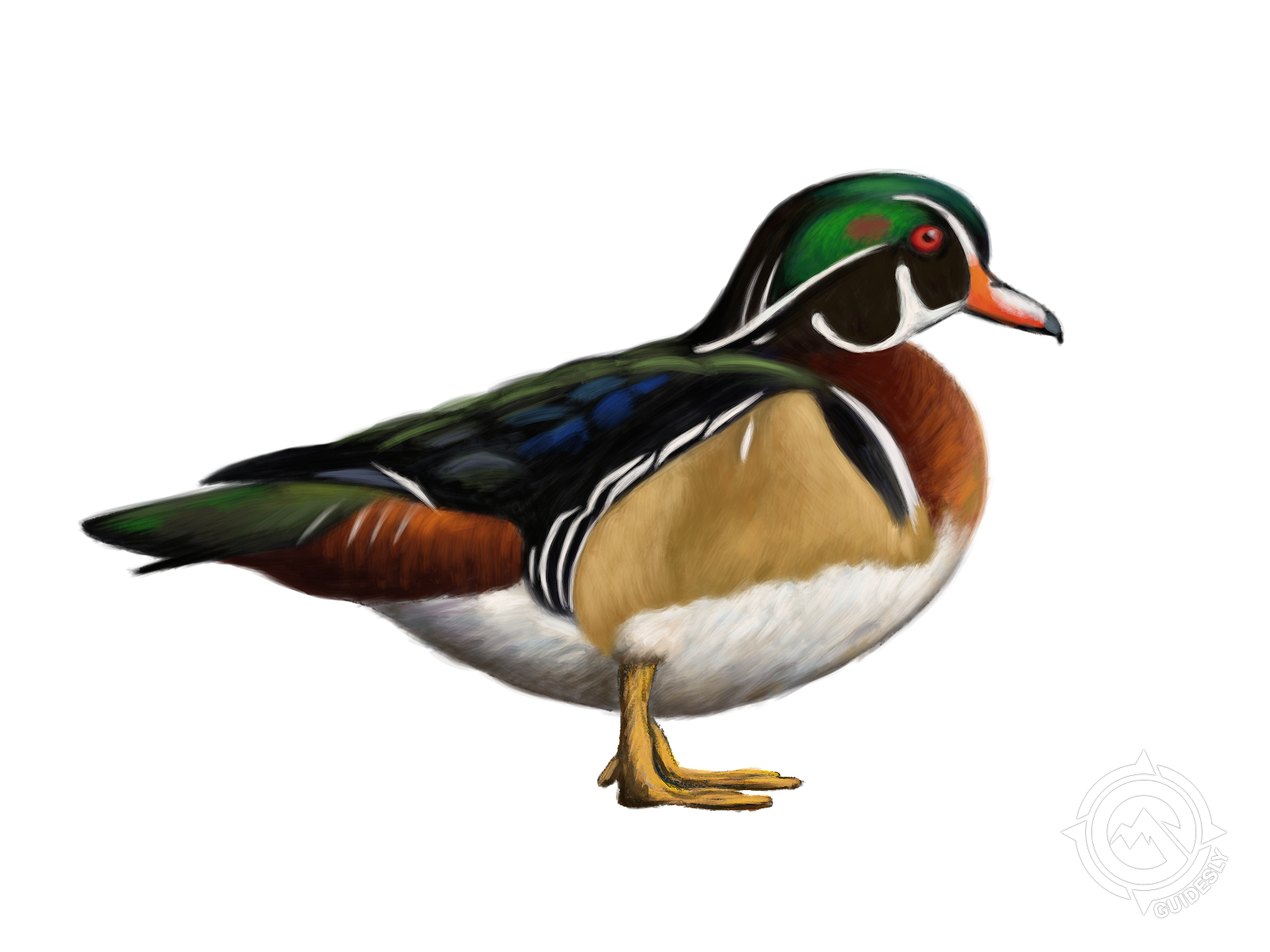
Wood Duck are hands down the most beautiful waterfowl in North America, with drakes showing off colors that look almost tropical. These birds are year-round Oregon residents in many areas, making them a customer favorite for reliable hunting opportunities. Wood ducks prefer wooded swamps, beaver ponds, and quiet backwaters where they can slip in and out like shadows. They're smaller than mallards but incredibly fast flyers that will test your shooting skills. What makes wood duck hunting special is the intimate setting – you're usually hunting small water in tight cover where every shot counts.
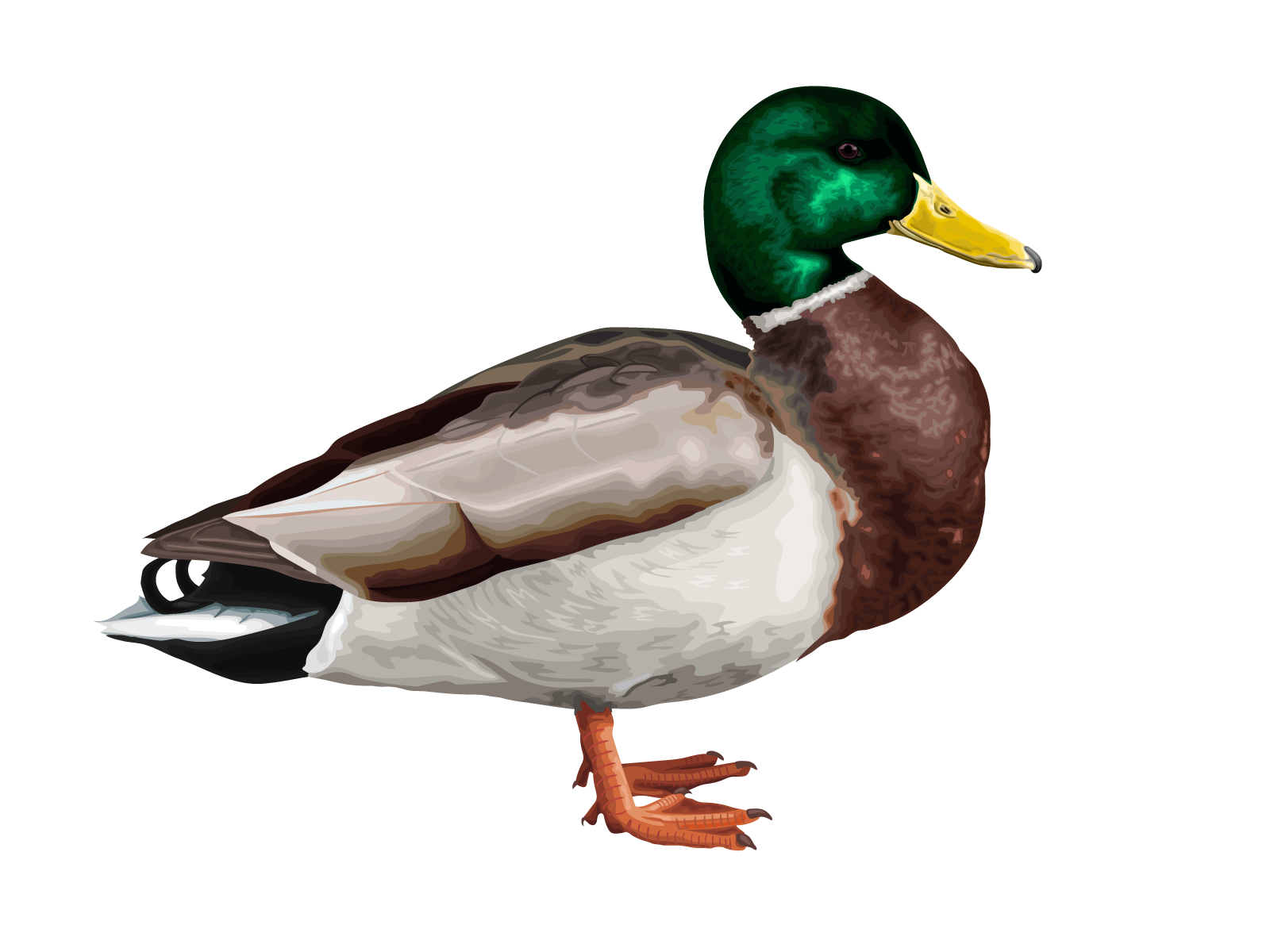
Mallard are the bread and butter of waterfowl hunting, and Oregon's birds include both local residents and northern migrants that beef up fall numbers. These adaptable ducks use every habitat type and respond to aggressive calling when conditions are right. Drake mallards are impressive birds pushing three pounds with those iconic green heads, while hens are the wariest ducks in the marsh. Mallards are renowned for their ability to flare at the last second, keeping hunters honest with their shooting. They're active throughout the season and provide the backbone of most successful Oregon duck hunts.
Book Your Next Tag
This best trip delivers everything serious duck hunters want – access to prime Oregon habitat, expert guiding, and the flexibility to adapt to daily bird movement. You're getting a full day of hunting across multiple habitat types with a guide who lives and breathes waterfowl behavior. The one-on-one attention means personalized instruction, safe shooting, and maximum opportunities at Oregon's top duck species. Remember that deposits are non-refundable, so commit when you're ready to experience Oregon duck hunting at its finest. Whether you're chasing your first limit or adding to decades of hunting memories, this trending guided hunt puts you in position for the kind of day that reminds you why you love waterfowl hunting.
 Private Trip
 Bird hunting
 Oregon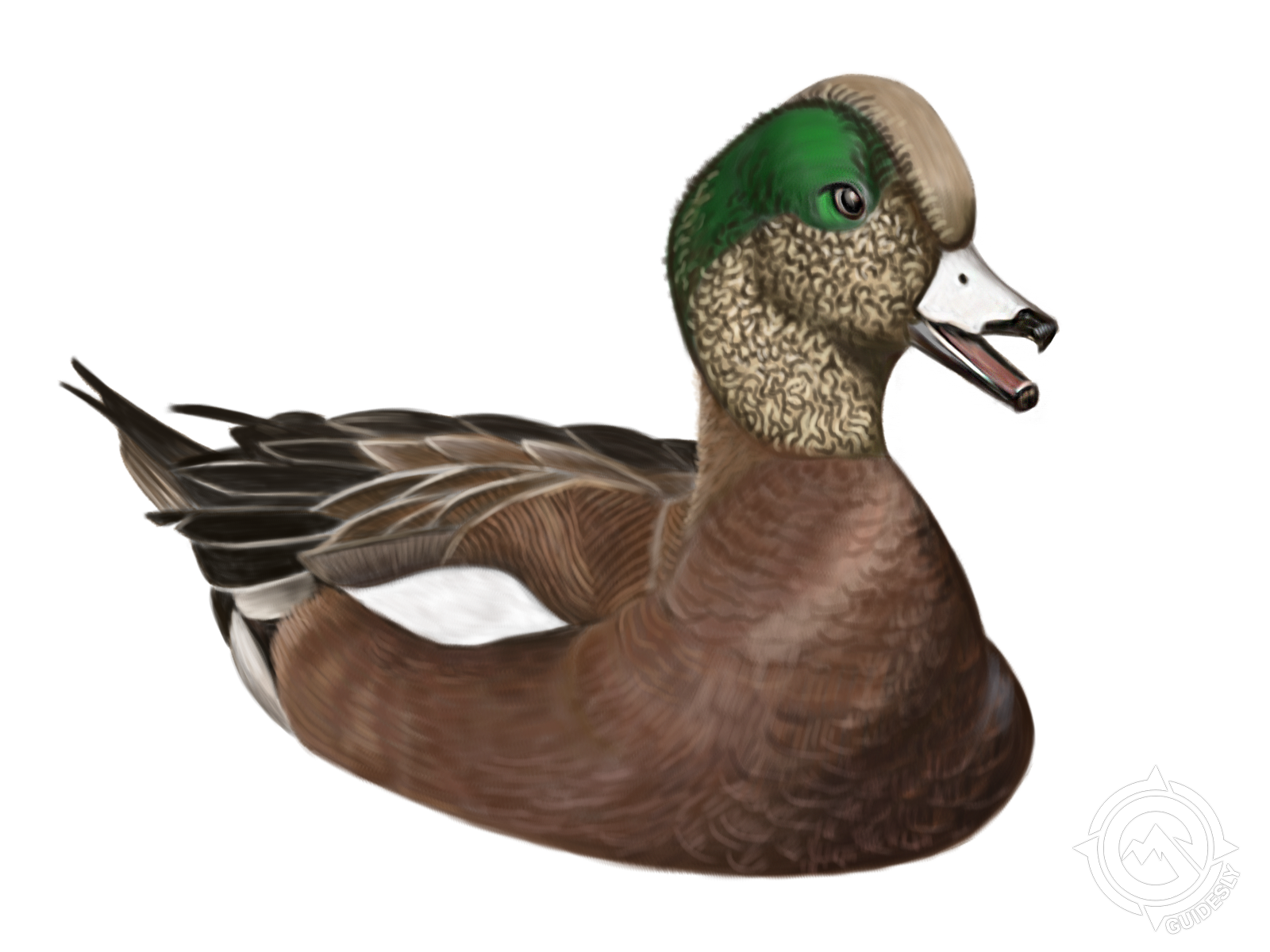
 Full-day guided duck hunting across Oregon wetlands and timber