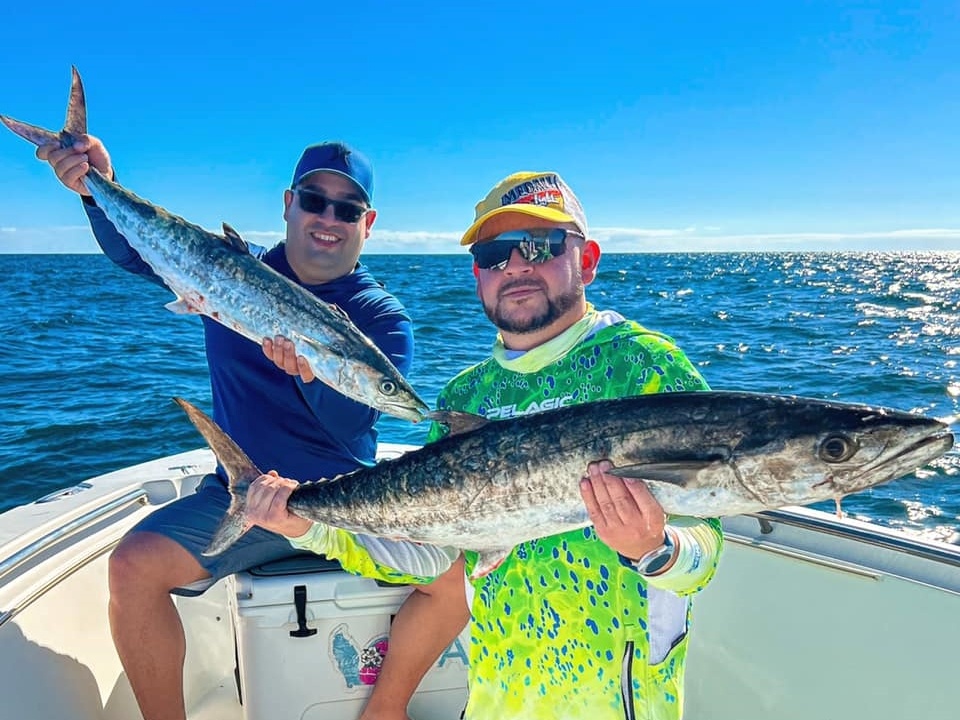
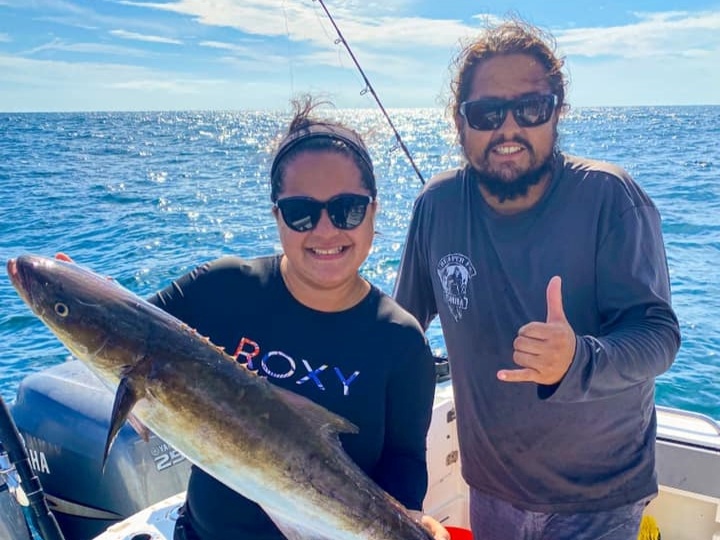
Full Day Deep Drop Trip - Cape Canaveral
Ready to drop lines into some of the deepest, most productive waters off Florida's Space Coast? This full day deep drop adventure with Reaper Fishing Charters takes you way offshore from Cape Canaveral, where the continental shelf drops into serious depths and big bottom fish call home. We're talking 300-800 feet of water where tilefish, snowy grouper, and yellowedge grouper hang out in rocky structure that most anglers never get to fish. Your captain knows these deep water honey holes like the back of his hand, and with all tackle and gear provided, you just need to show up ready to crank on some serious fish. This isn't your typical nearshore trip - we're heading to the blue water where the real monsters live, and these deep dwelling species put up fights that'll test your arms and leave you grinning for weeks.
What to Expect on the Water
This is a legitimate full day commitment, and trust me, you'll want every minute of it once you see what's down there. We'll be running 20-30 miles offshore to reach the prime drop zones where the bottom falls away into the abyss. The ride out gives you time to get pumped up and maybe spot some dolphins or sea turtles, but the real action starts when we reach those GPS numbers your captain has been guarding like state secrets. The vibe out here is pure fishing - no crowds, no other boats fighting for the same spots, just you and your crew working structure that holds some of the most overlooked trophy fish in Florida waters. Between the camaraderie of working as a team to pull fish up from serious depths and the anticipation of never knowing what's going to come up next, this trip creates the kind of fishing memories that stick with you. Plus, with a maximum of 6 anglers, everyone gets plenty of rod time and personal attention from the crew.
Deep Drop Techniques & Gear
Deep dropping is a whole different animal from what most people think of as bottom fishing. We're using heavy conventional reels loaded with braid, paired with rods that can handle the pressure of fighting fish in 400+ feet of water. The rigs are simple but effective - chicken rigs with circle hooks, heavy sinkers (often 2-3 pounds), and fresh bait that'll get these deep dwellers fired up. Your captain provides everything, including the electric reels that make pulling fish up from these depths manageable without destroying your back. The technique involves finding the right structure on the bottom - rocky ledges, humps, and drop-offs where these fish congregate - then getting your baits down in the strike zone and keeping them there. Current plays a huge role in deep dropping, so we're constantly adjusting weight and position to stay on the fish. When something grabs your bait 500 feet down, you'll feel that telltale thump through the rod, and then it's game on for what can be a 10-15 minute fight just to see what you've hooked.
Target Species
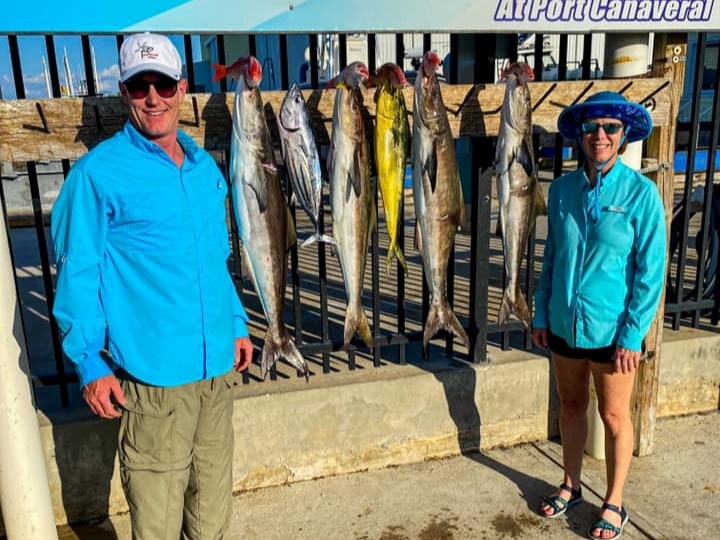
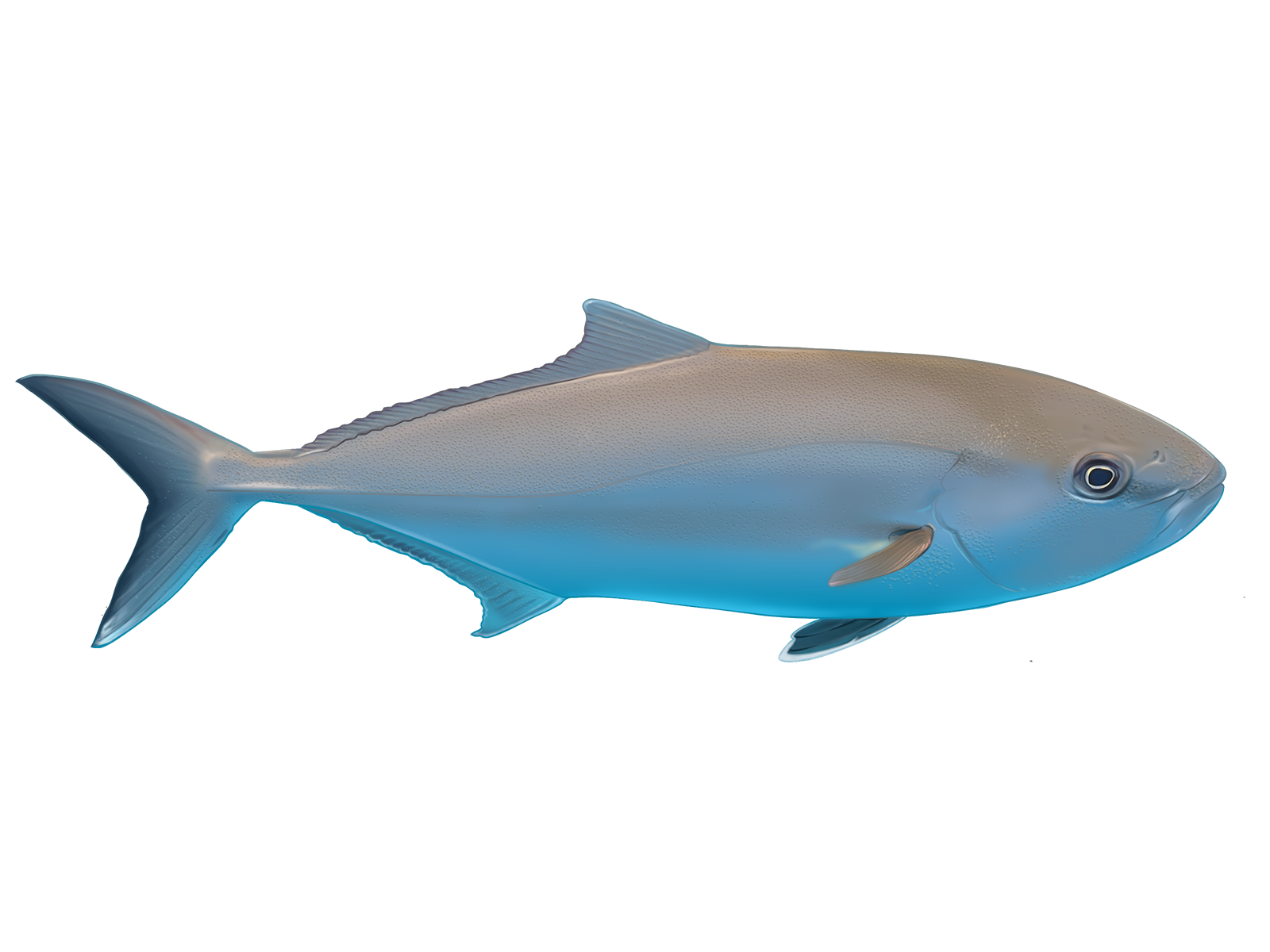
Greater Amberjack are the bruisers of this fishery, and Cape Canaveral's deep water holds some absolute tanks. These fish average 30-50 pounds but can push well over 60, and they fight like freight trains once hooked. Peak season runs from fall through early spring when they stack up on the deeper reefs and wrecks. What makes jacks so exciting is their raw power - they'll take drag and test every knot in your rig. Plus, they're excellent eating when prepared right, despite what some people think.
Atlantic Goldeneye Tilefish might be the most underrated fish in Florida waters. These colorful bottom dwellers live in 300-600 feet of water and have this amazing golden hue with blue accents that makes them gorgeous to look at. They're year-round residents, but winter months tend to produce the biggest specimens. Tilefish are fantastic table fare - firm, white meat that rivals any grouper - and they're aggressive feeders once you find them. The cool thing about tiles is they often travel in schools, so when you find one, you've usually found a bunch.
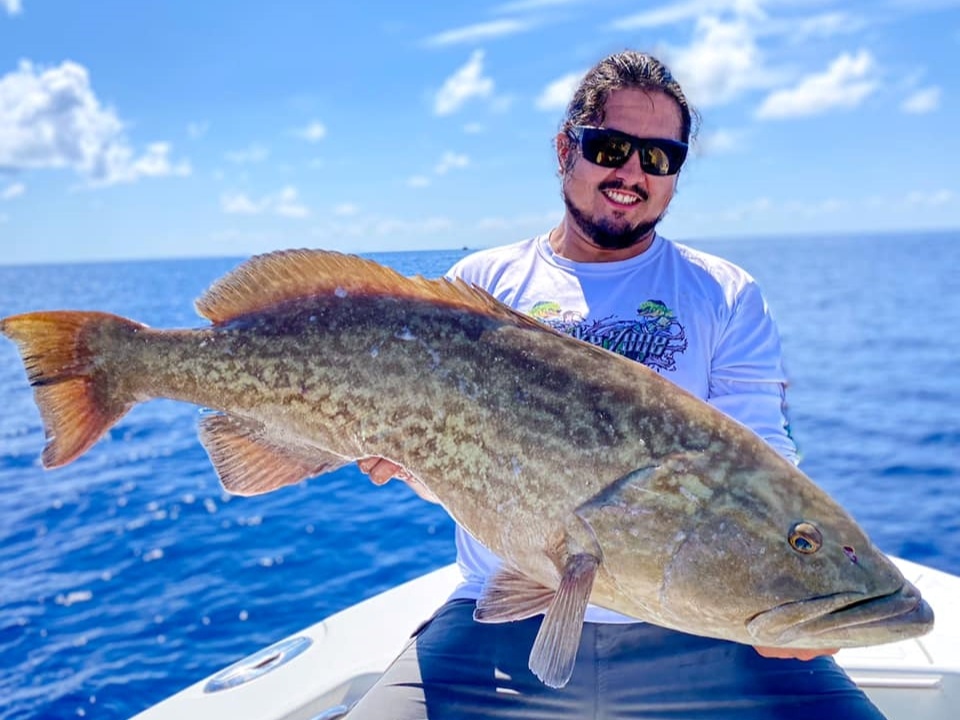
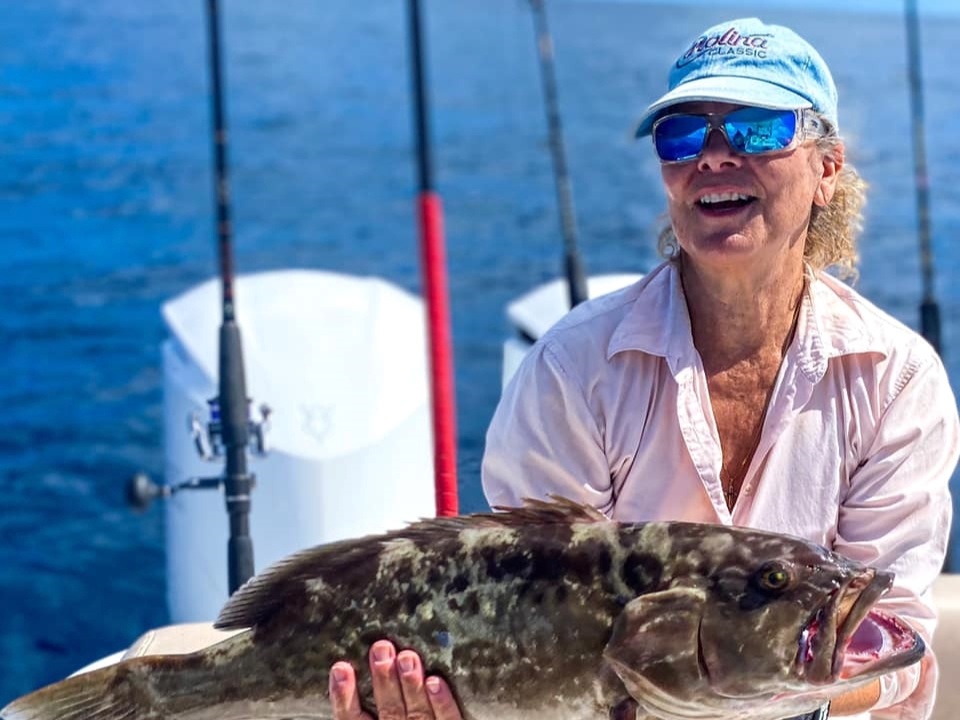
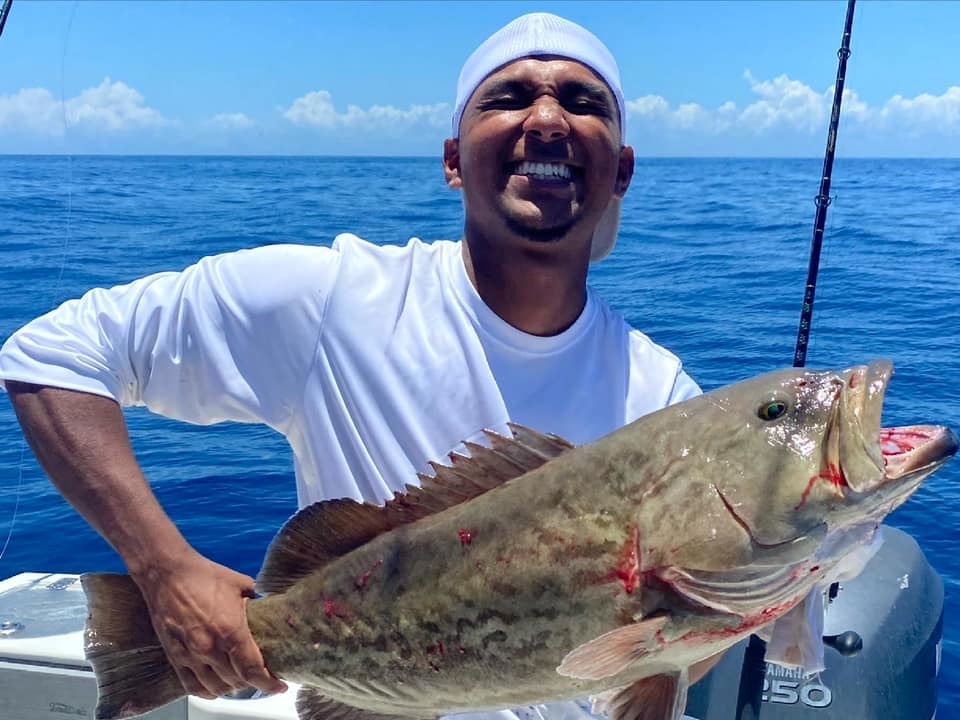
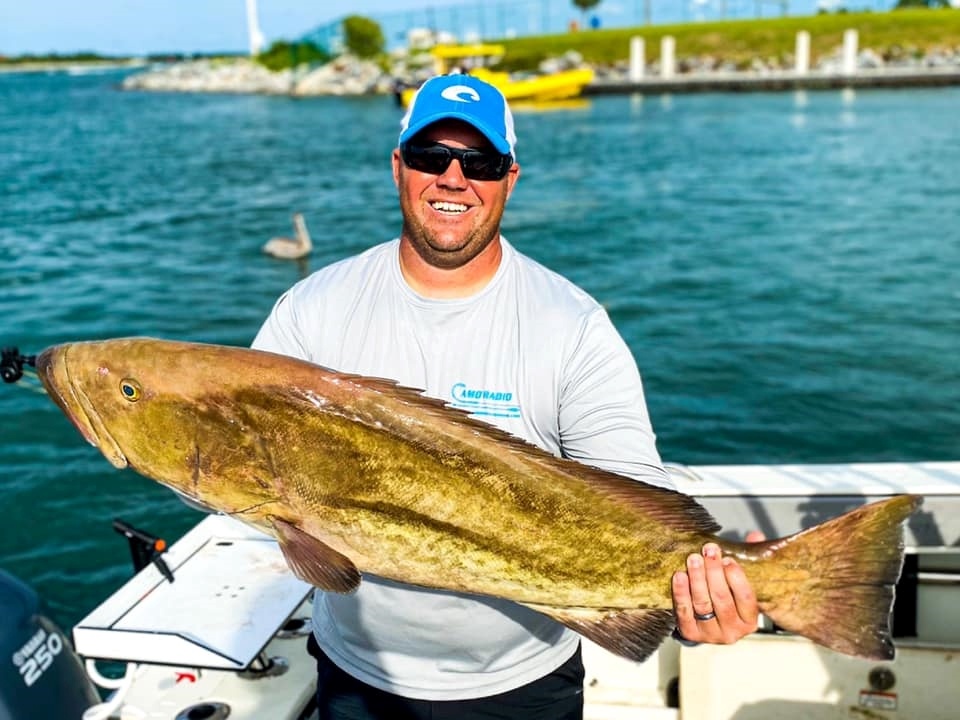
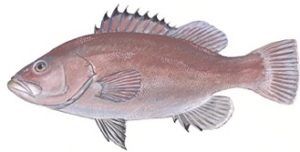
Snowy Grouper are the ghosts of the deep, living in 250-500 feet of water and known for their distinctive white and black mottled pattern. These fish can live over 100 years and grow massive - anything over 20 pounds is a solid fish, and 40+ pounders aren't uncommon in Cape Canaveral's deep water. They're most active during cooler months and are notorious for their powerful runs back toward structure when hooked. Snowies are prized for their mild, flaky meat and are considered one of the best eating groupers.
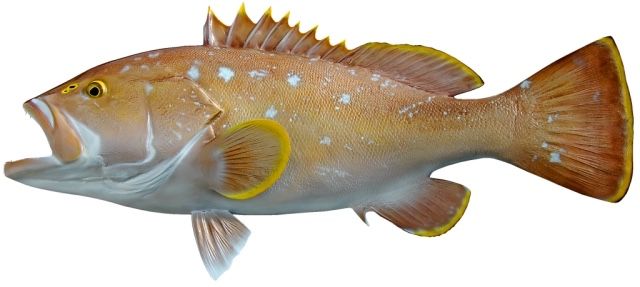
Yellowedge Grouper complete the deep water slam, typically found in 200-400 feet around hard bottom and rocky areas. They're distinguished by their yellowish fin edges and can reach impressive sizes - 10-30 pounds is common, with occasional fish pushing 40+. These fish are available year-round but seem most cooperative during fall and winter months. Yellowedge are known for their curious nature and will often investigate baits before committing, making them both challenging and rewarding to target. Their meat quality is outstanding, with a sweet flavor that's become increasingly popular among chefs.
Time to Book Your Spot
Deep drop fishing represents some of the most consistent action you'll find in Florida waters, especially when nearshore fishing gets tough or weather limits options closer to shore. This isn't a trip you take on a whim - it requires commitment, but the payoff is access to a fishery that most anglers never experience. You'll come back with a cooler full of premium table fare, stories about fish that fought harder than anything you've caught inshore, and a new appreciation for what lives in the depths off our coast. Reaper Fishing Charters has built their reputation on putting clients on fish in these deep waters, and their local knowledge of Cape Canaveral's offshore structure is second to none
 Private Trip
 Offshore Fishing
 Fort Pierce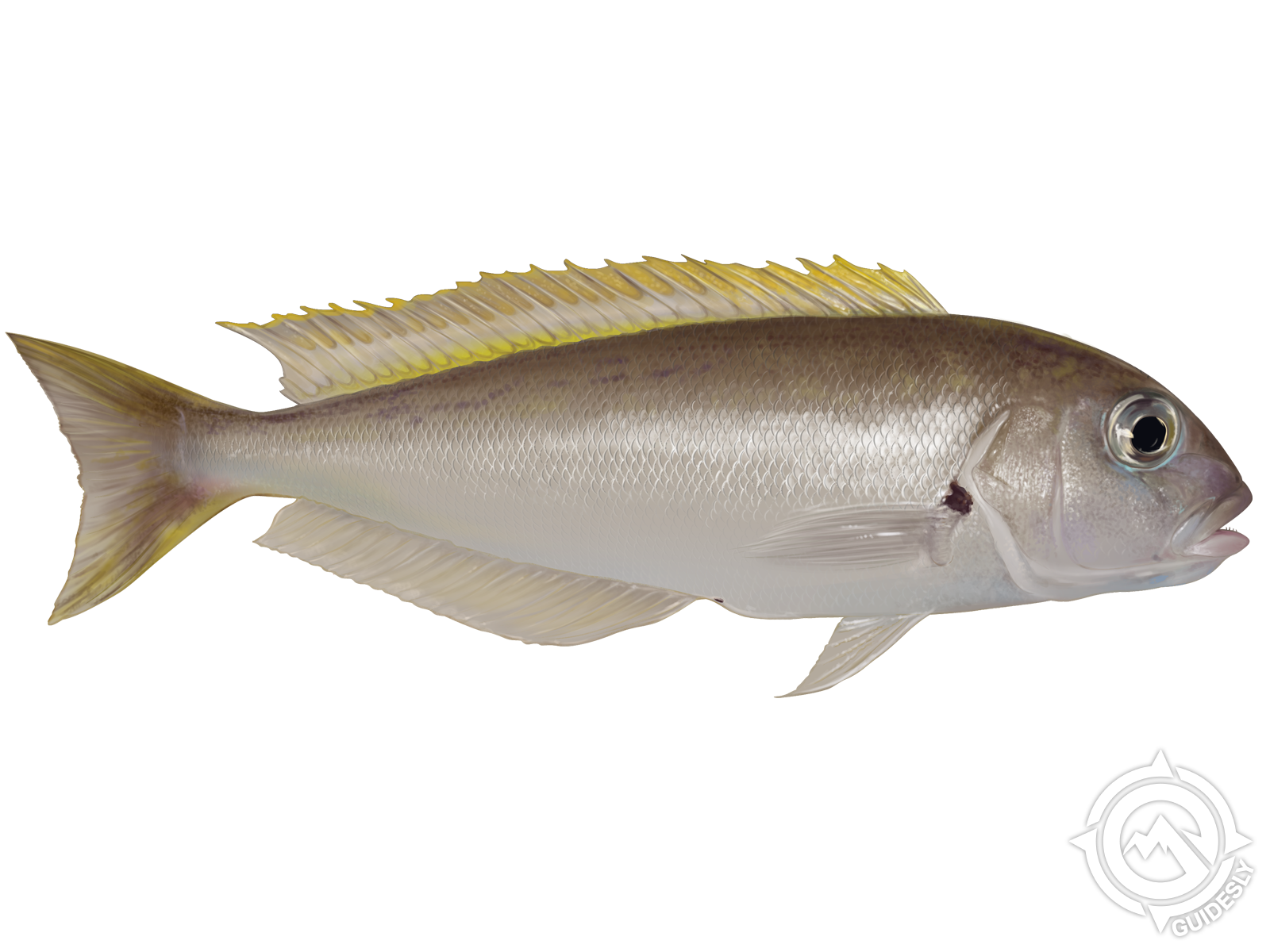
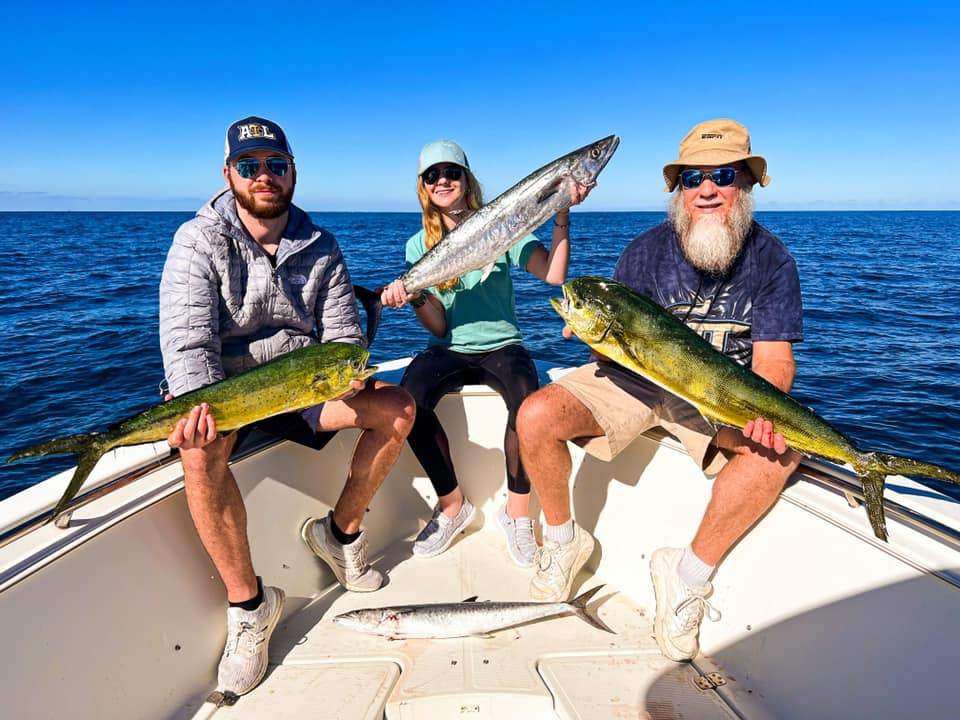
 Target deep water species like Tilefish and Snowy Grouper offshore.