Duck Seasons - Lake Huron Layout Hunting
Picture this: first light breaking over Lake Huron's vast waters, your spread perfectly set, and flocks of diving ducks working their way toward your layout boat. That's what you'll get with Captain Adam and Captain Mark on this top-rated duck hunting adventure. Built for serious waterfowlers who want the real Great Lakes experience, this hunt puts you right in the heart of some of Michigan's best diving duck action. We're talking about the kind of hunting that keeps you coming back season after season - no gimmicks, just solid hunting with guides who know these waters like the back of their hand.
Inside the Hunt
This isn't your typical marsh hunt. We're heading out into the open waters of Lake Huron and Saginaw Bay, where the big water diving ducks spend their days. You'll be hunting from layout boats - low-profile rigs that put you right at water level for the most authentic waterfowl experience you can get. Captain Adam and Captain Mark have been running these hunts for years, and they know exactly where to find birds based on weather, wind, and water conditions. The morning starts early - we're talking pre-dawn departure times - because that's when the ducks are moving. Your group of up to 6 hunters will work together as a team, with the guides calling the shots on when to take birds and how to work incoming flocks. The departure port changes based on conditions, but don't worry - you'll get the heads up at least 24 hours before your hunt so you know exactly where to meet.
Tracking Tips & Terrain
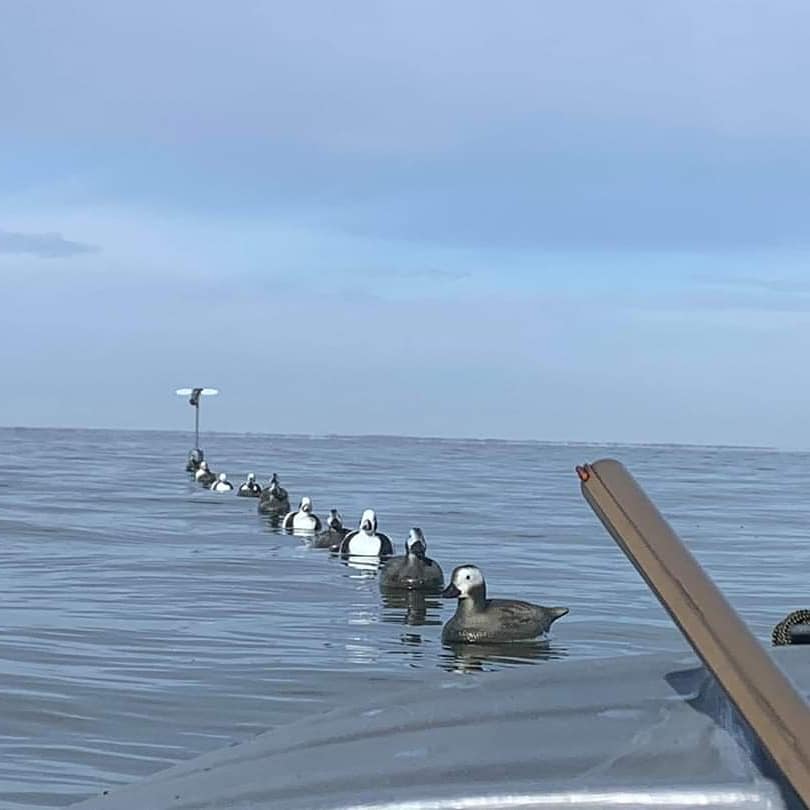
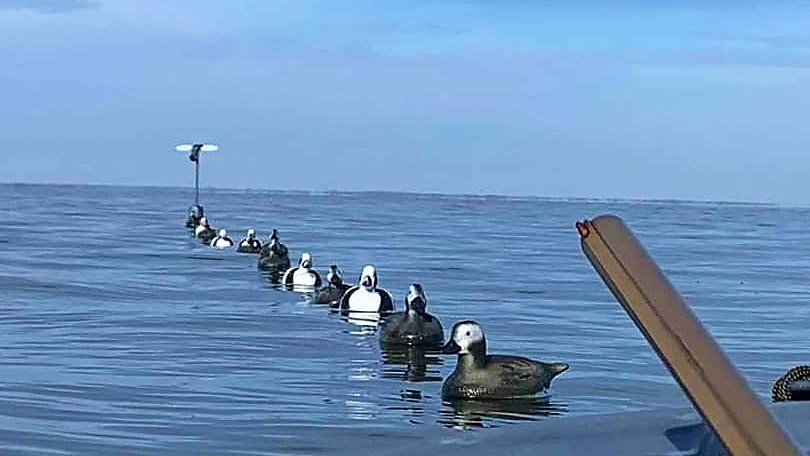
Layout hunting is a whole different game from blind hunting. You're lying flat in a specialized boat, completely concealed, while the guides manage the decoy spread and call birds. The key is staying still and following the captain's lead - these guys have been reading bird behavior on the Great Lakes for years. We use large spreads of diving duck decoys, positioned to take advantage of wind and current patterns that funnel birds into shooting range. The terrain out here is pure open water, which means weather plays a huge role. Wind direction determines where we set up, and the guides are constantly adjusting based on how birds are flying. You'll need to dress for the conditions - layered clothing is essential because temperatures on the water can change fast. The boats are equipped with everything you need for the hunt, but bringing your own shells in appropriate shot sizes for diving ducks is recommended. Steel shot only, of course, and the guides will let you know what loads work best for the species we're targeting.
Target Game Breakdown
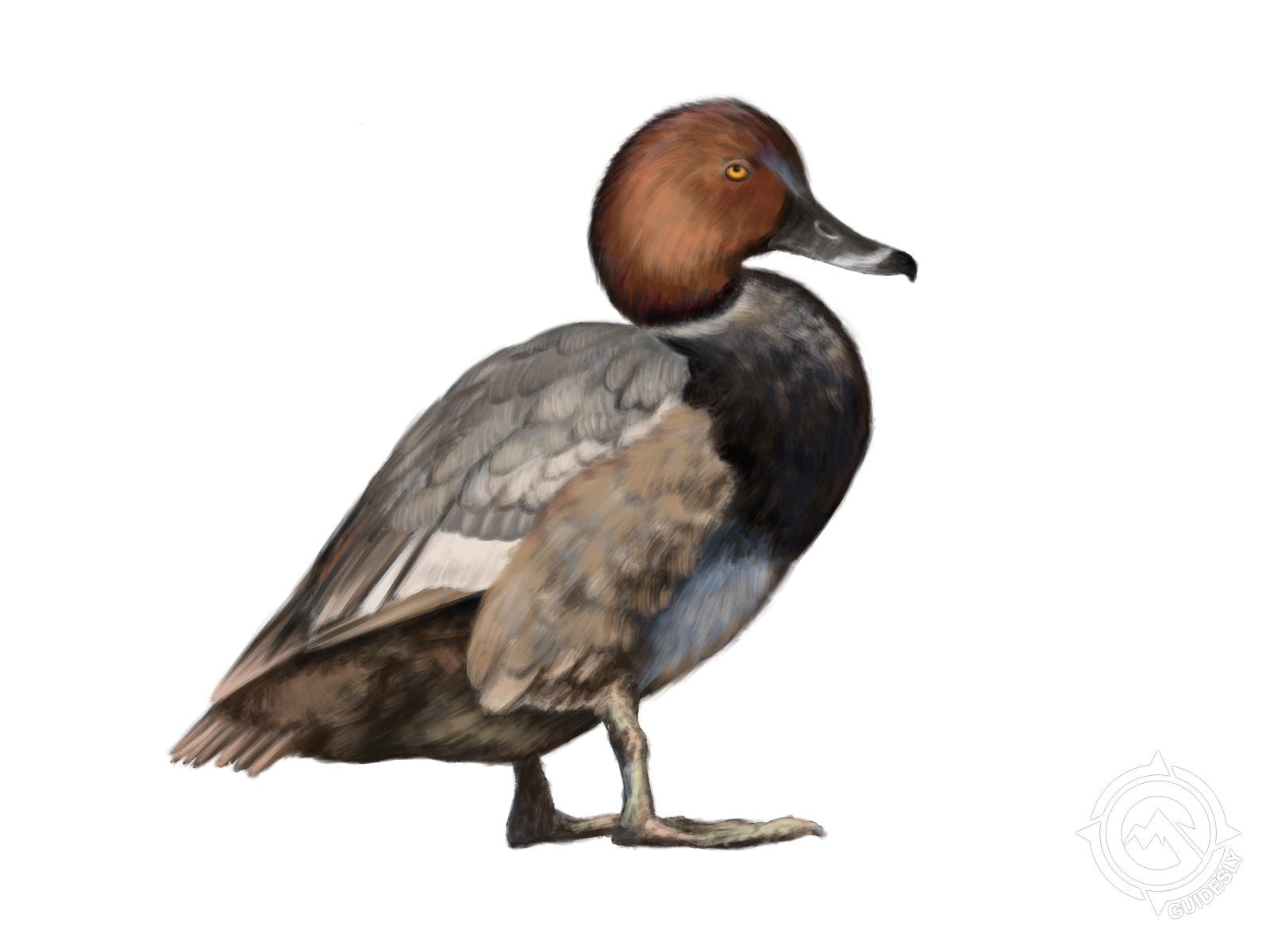
Redheads are the crown jewel of Great Lakes diving duck hunting, and Lake Huron holds some serious populations during peak migration. These medium-sized ducks are built for diving deep, feeding on aquatic vegetation in 10-15 feet of water. What makes redheads so special is their behavior - they raft up in huge groups during migration, sometimes hundreds of birds at a time. When they commit to your decoy spread, it's game on. Peak season runs from late October through November, when cold fronts push birds south from Canadian breeding grounds. Redheads are smart birds that will circle your spread multiple times before committing, which makes calling and decoy placement critical. That's where Captain Adam and Captain Mark really shine - they know how to read these birds and position your layout boats for the best shots.
Canvasbacks are the ultimate prize for any serious waterfowler. Known as the "King of Ducks," these large diving ducks are fast, wary, and absolutely beautiful birds. Canvasbacks prefer deeper water than most other divers, which is why Lake Huron's expansive depths are perfect habitat. They feed primarily on wild celery and other aquatic plants, diving as deep as 25 feet to reach food sources. What gets hunters excited about canvasbacks is their approach - when they decide to work your spread, they come in fast and committed. The drakes are stunning birds with bright red heads and distinctive sloped profiles that make them unmistakable in flight. Timing is everything with canvasbacks - they typically move through our area in waves during November, often triggered by weather systems moving across the Great Lakes. These birds require precise shooting because of their size and speed, but landing a mature drake canvasback is something every waterfowler remembers.
Book Your Next Tag
This is the kind of hunting experience that reminds you why you fell in love with waterfowling in the first place. Captain Adam and Captain Mark have put together something special here - a world-class diving duck hunt that showcases what makes Great Lakes waterfowling legendary. The combination of open water hunting, premium target species, and experienced guides creates the perfect storm for memorable hunts. Whether you're looking to introduce friends to layout hunting or you're a seasoned waterfowler chasing that next great hunt, this trip delivers. The groups are kept small at 6 hunters maximum, which means personalized attention and better hunting for everyone involved. Don't wait until the season is halfway over - the best hunting happens when migration peaks, and those dates fill up fast with repeat customers who know what they're getting.
 Private Trip
 Bird hunting
 Detroit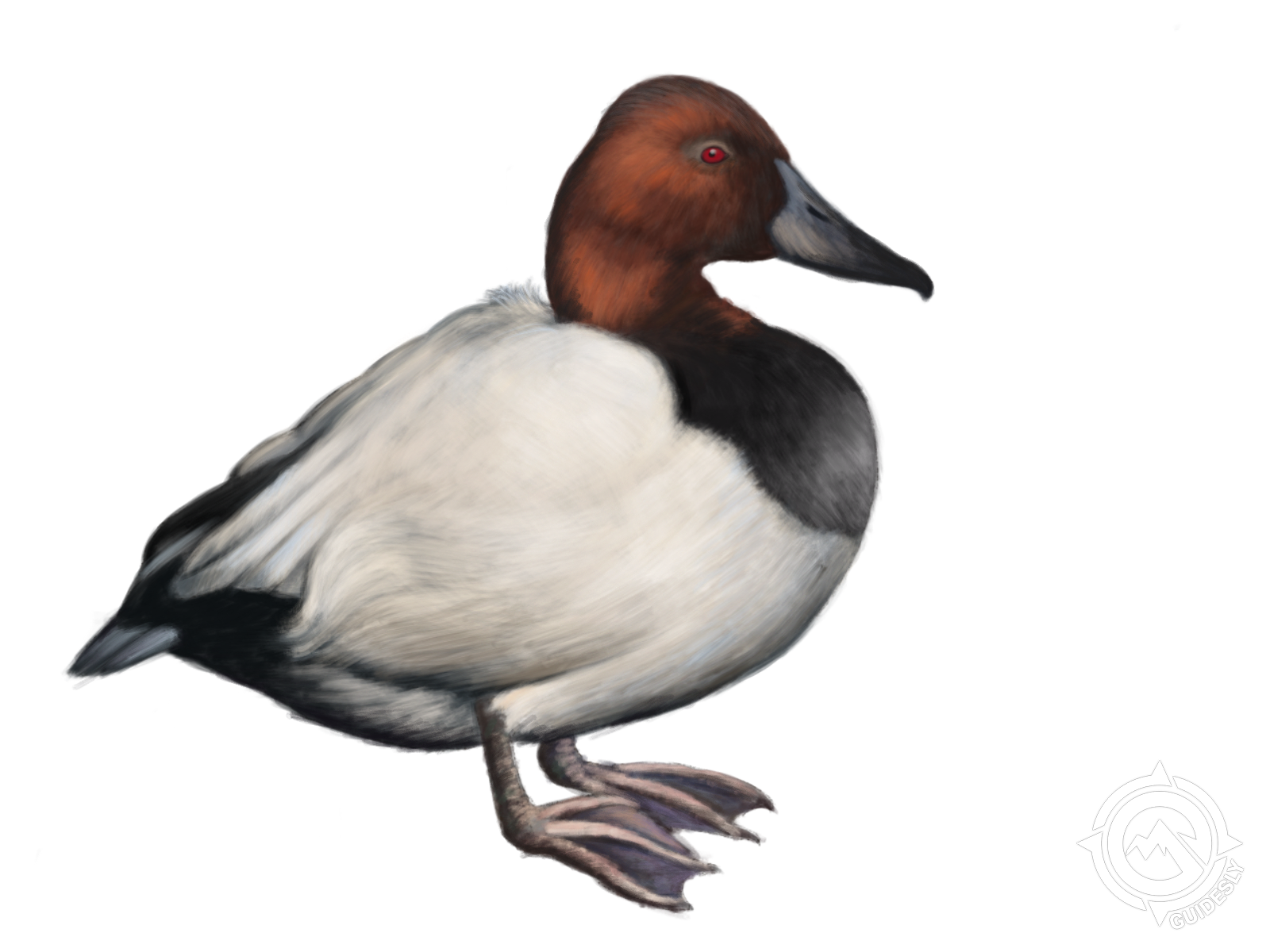
 Expert guides lead layout duck hunting on Lake Huron waters