Offshore Fishing in Mt Pleasant | 10-12 Hour Charter
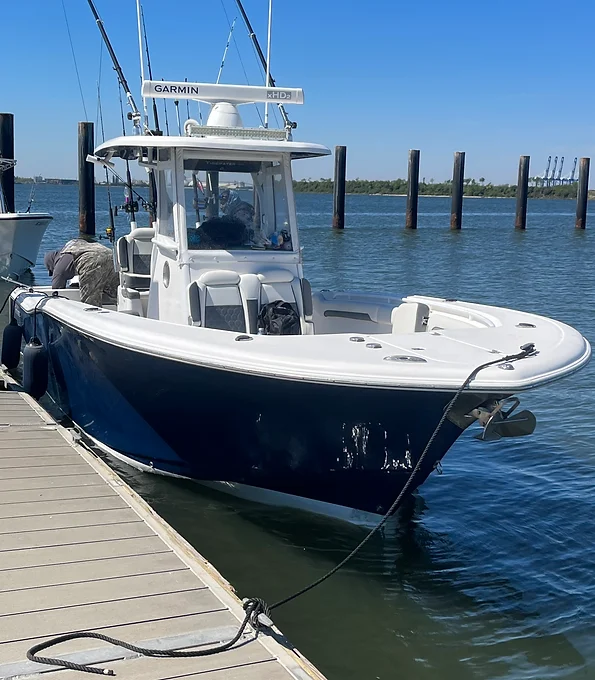
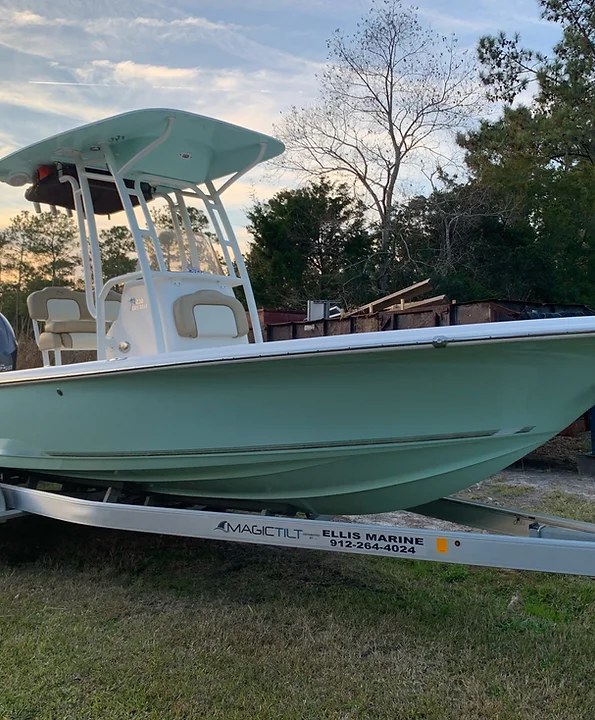
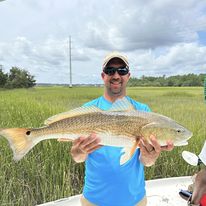
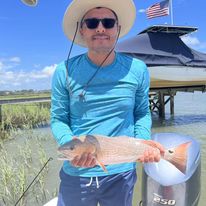
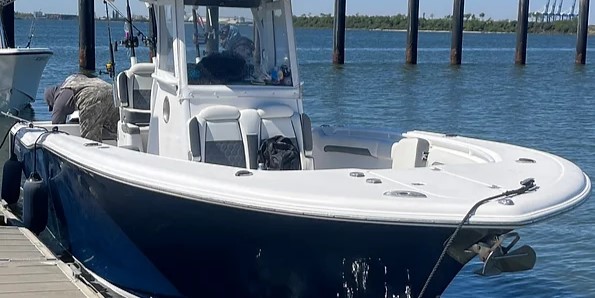
When you're ready to get serious about offshore fishing, Mt Pleasant delivers some of the Southeast's best action. Richard's Fishing Charters runs a top-rated 10 to 12-hour deep water trip that puts you right where the fish are biting. We're talking about real offshore fishing here – not some half-day run to the nearshore reefs. This is the kind of trip where you'll come back with stories worth telling and a cooler full of premium table fare. Our boat holds up to 6 anglers, so you've got plenty of room to spread out and work your lines without bumping elbows.
What to Expect on the Water
Your day starts early – we're talking before sunrise early – because the best fishing happens when most folks are still hitting the snooze button. We'll cruise out to our productive offshore waters where the real action lives. Depending on conditions and what's biting, you'll have the choice between trolling and bottom fishing. Some days we'll pull spreads of ballyhoo and lures through the blue water, watching for that telltale splash of a mahi bite or the screaming drag of a cobia run. Other days, we'll anchor up over structure and drop down live bait or cut bait for snapper and grouper. Our guides know these waters like the back of their hand and they'll put you on fish. The beauty of a 10 to 12-hour trip is we have time to move around, try different techniques, and really dial in on what's working. You're not rushed – this is fishing the way it should be done.
Trolling vs Bottom Fishing
Trolling offshore means we're covering water, pulling a spread of lures and baits behind the boat at different depths and distances. We'll run ballyhoo on the outriggers, maybe some cedar plugs or skirted lures in the spread, and keep our eyes peeled for birds, debris lines, and color changes where fish congregate. It's an active style of fishing – you're always watching, always ready for that next bite. Bottom fishing is a different game entirely. We'll use our electronics to find good structure, drop anchor, and send down heavy tackle with circle hooks and weights to get your bait down where the big snapper and grouper live. Both techniques work, and our experienced captains will read the conditions to put you on the best bite. Some days that means trolling all day, other days we'll anchor up and chunk bait, and the smart days we'll do both depending on what's happening.
Species You'll Want to Hook
Mahi mahi are hands down one of the most exciting fish you'll tangle with out here. These common dolphinfish light up in brilliant greens and yellows when they're hooked, and they'll give you a show with their acrobatic jumps and strong runs. Mahi typically run from late spring through early fall in our waters, though the peak season is summer when schools of smaller fish move through followed by bigger bulls. They're also some of the best eating fish in the ocean – firm, white meat that's perfect on the grill. When we find a school, we'll work them hard because they travel together.
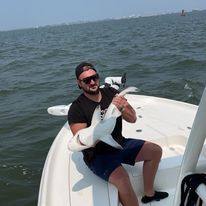
Cobia are the bruisers of the bunch – brown sharks is what some folks call them because of their coloring and shark-like appearance. These fish can push 40 to 60 pounds and they'll test your tackle and your back. Spring through fall is prime cobia time, and they're often found around structure, following rays, or cruising just under the surface. They're curious fish that will come up to investigate the boat, giving you a shot at sight fishing when conditions are right. The meat is excellent – white, flaky, and mild.
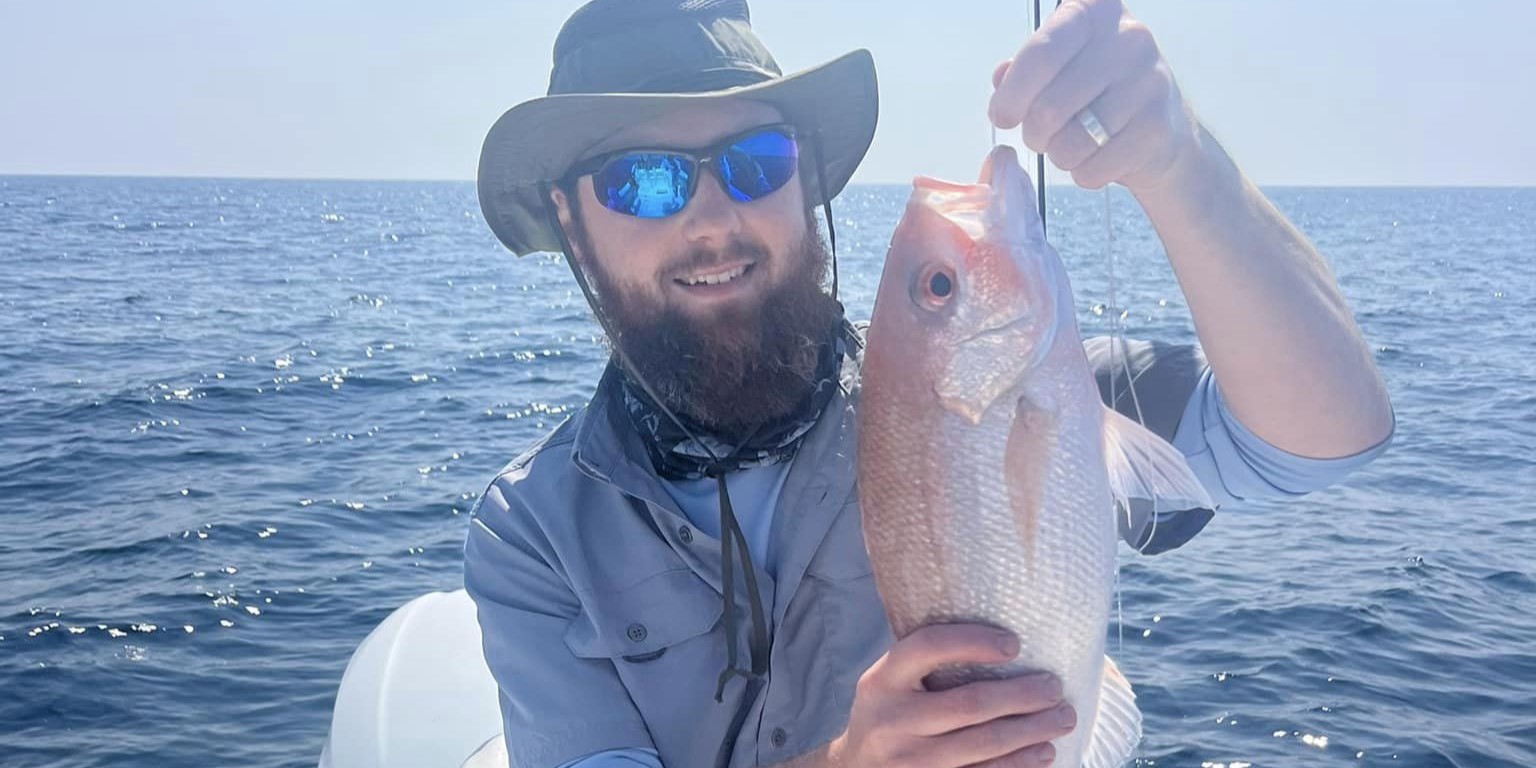
Red snapper are the gold standard of bottom fishing down here. These crimson-colored fighters live on hard bottom and structure in deeper water, and they're smart fish that require some finesse. Snapper season is regulated, but when it's open, there's nothing better than dropping down a live bait or cut bait and feeling that distinctive snapper bite. They'll make short, powerful runs and try to get back to structure to break you off. A cooler full of red snapper means you're eating well for weeks.
Gag grouper are another bottom-dwelling prize that'll put a serious bend in your rod. These fish can exceed 20 pounds and they're known for their powerful runs straight back to the bottom. Gags are typically found around ledges and hard bottom in 60 to 120 feet of water. They're ambush predators that will absolutely crush a properly presented bait. The key is keeping them out of structure once you hook up – they'll wrap you around anything they can find.
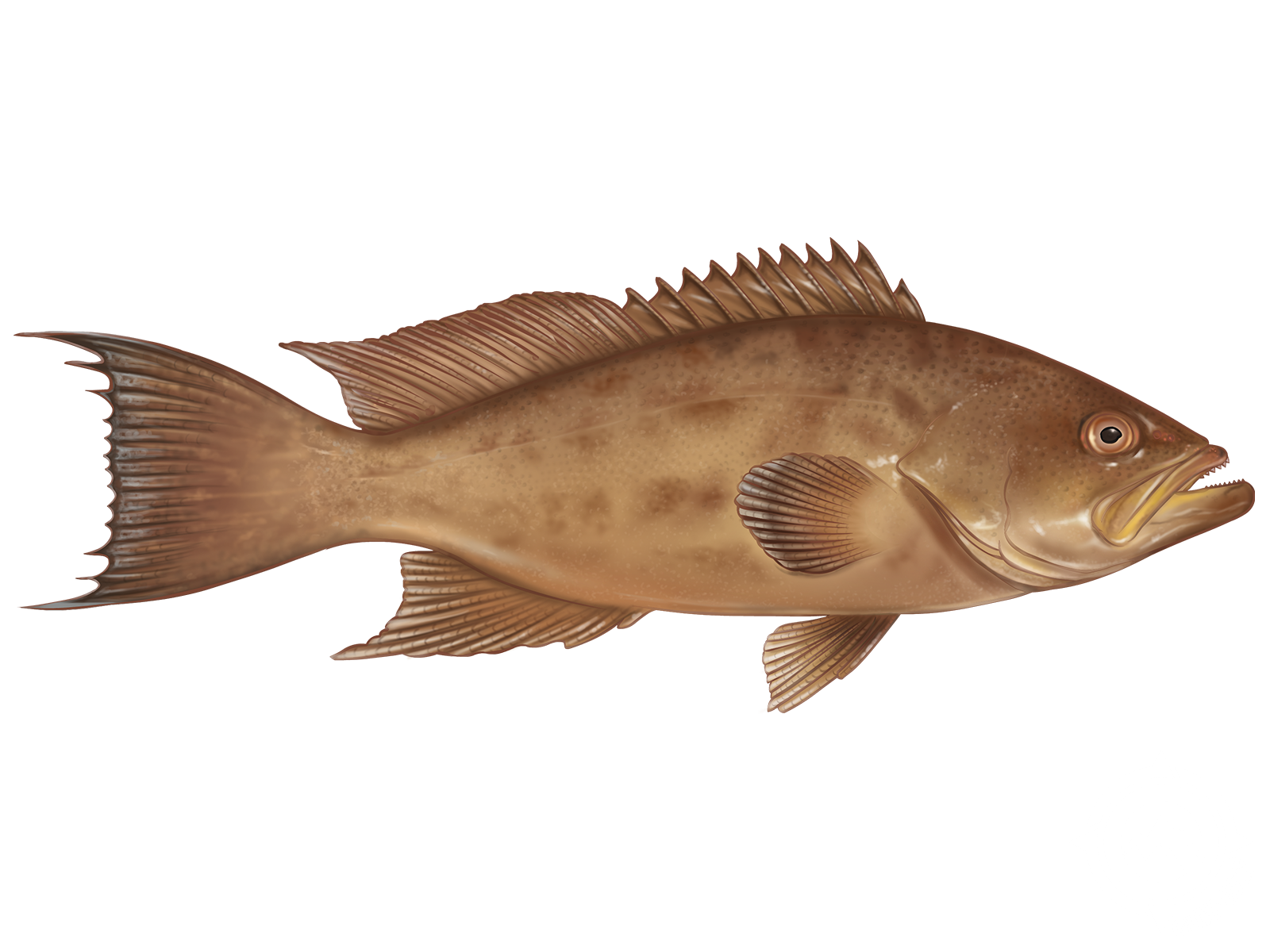
Scamp grouper might be smaller than gags, but they're just as tasty and they fight hard for their size. These fish have beautiful coloring with brown and yellow mottling, and they're typically found in slightly deeper water than gags. Scamp are excellent table fare with firm, sweet meat. They're often caught while targeting other bottom species, making them a welcome bonus fish that adds variety to your cooler.
Time to Book Your Spot
A full-day offshore charter with Richard's Fishing Charters isn't just a fishing trip – it's a chance to experience some of the best angling Mt Pleasant has to offer. You'll spend quality time on the water with experienced guides who know how to put you on fish, whether you're trolling the blue water or dropping baits to the bottom. The 10 to 12-hour format gives you real opportunity to get into different species and techniques, and with space for up to 6 anglers, it's perfect for groups looking to make memories together. Keep in mind you'll need to bring your own food and drinks for the day, but we'll take care of everything else. Don't wait around – the best fishing days book up fast, especially during peak season. Get your crew together
 Private Trip
 Offshore Fishing
 Charleston


 10-12 hour offshore charter accommodates up to 6 guests