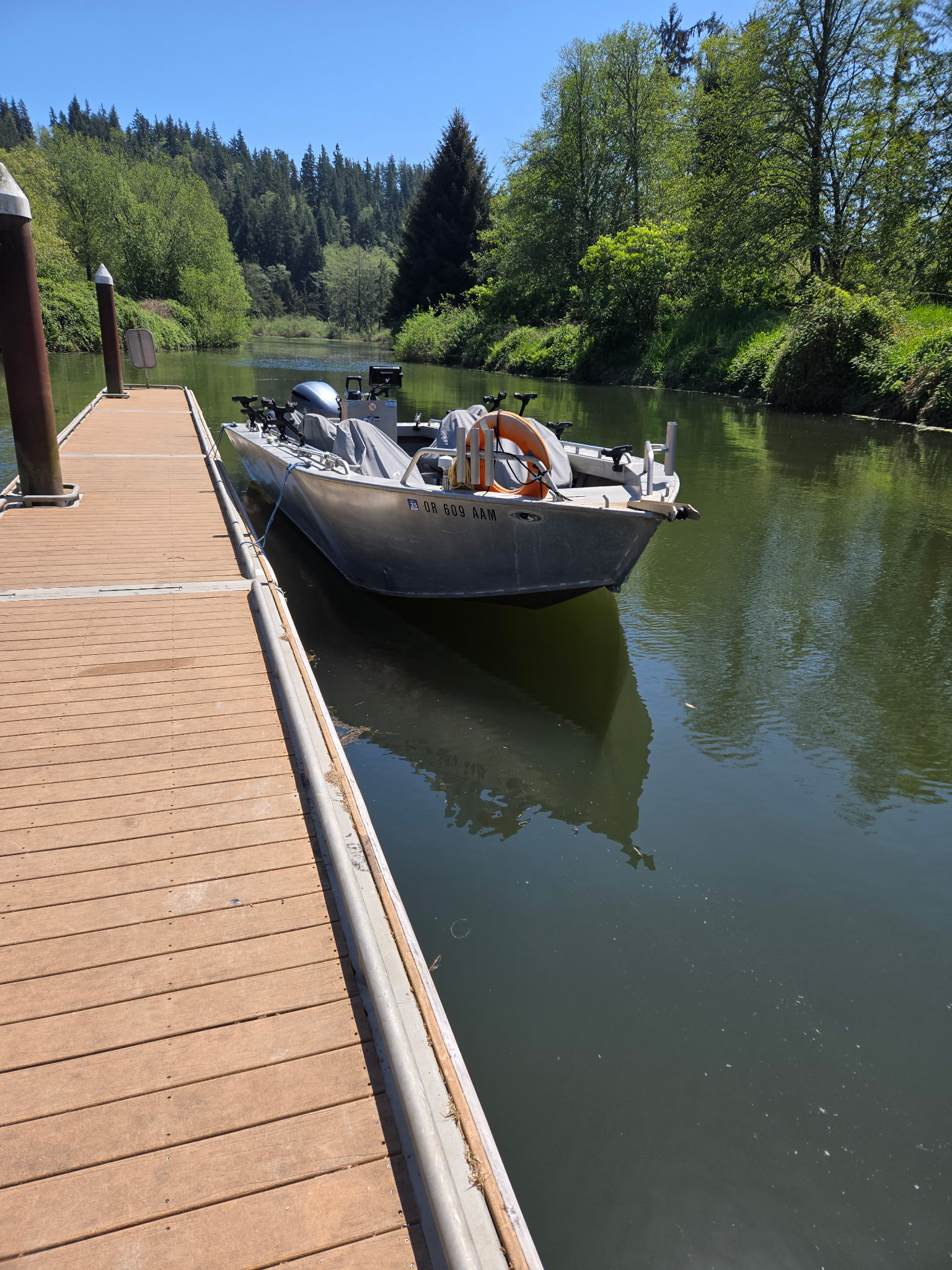
Fall Coho Fishing at Buoy 10
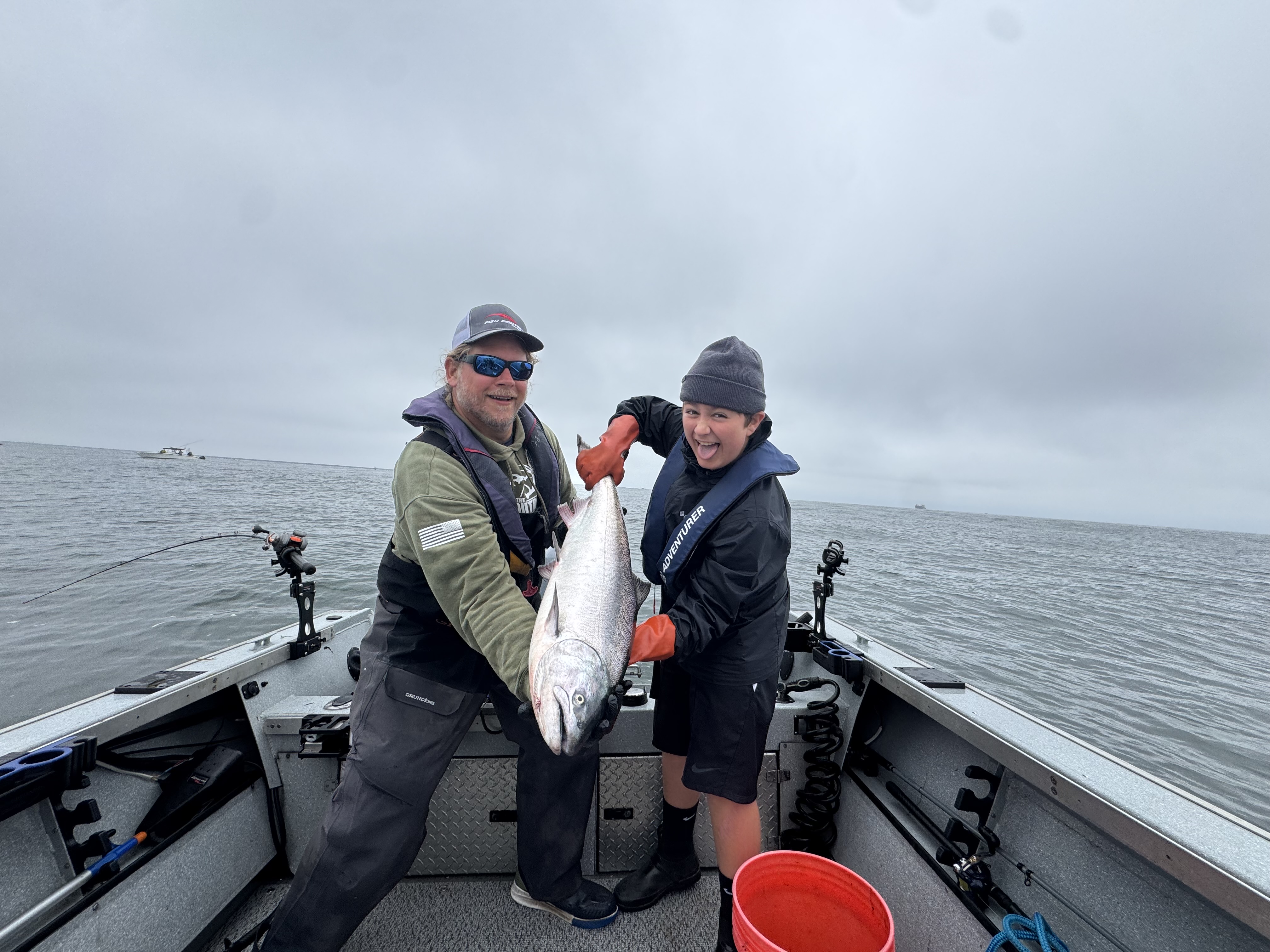
While everyone else chases chinook upriver after Labor Day, smart anglers know the real action is just heating up at Buoy 10. This is when the coho salmon fishing hits its peak, and you'll have the water mostly to yourself. These aren't your average coho either – we're talking about aggressive B-run fish that pile into the estuary like they own the place. When the tides are right and the fish are biting, you'll understand why this has become a customer favorite among Pacific Northwest anglers.
What to Expect on the Water
Once the chinook season wraps up, the Columbia River estuary transforms into coho central. Those strong tides that made chinook fishing tough in August? They become your best friend for coho. These fish use the current seams like highways, stacking up in predictable spots where the water breaks. You'll be fishing solo on this trip, which means personalized attention and the flexibility to move when the bite heats up. We're talking 3 and 4 fish limits on most days, with fish that fight like they've got something to prove. The light boat pressure means you won't be jockeying for position with a dozen other rigs – just you, me, and some seriously fired-up salmon.
Trolling the Tides Right
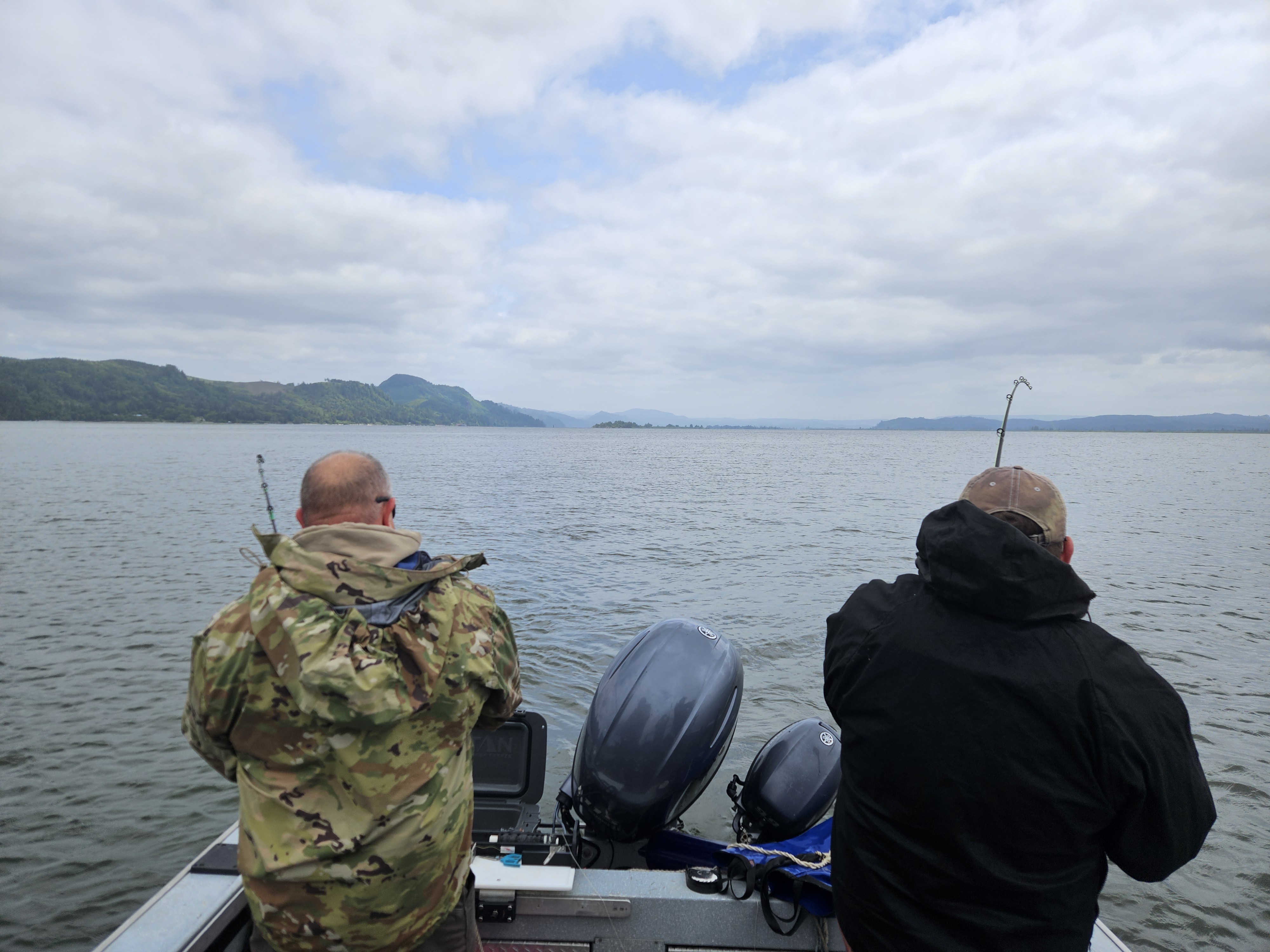
Coho fishing at Buoy 10 is all about reading the water and working those current edges. We'll be trolling spinners and spoons through the prime zones, adjusting our depth and speed as the tide changes. The key is staying mobile and following the fish as they move with the water. I'll have you rigged up with quality gear that can handle these strong fish – medium-heavy rods with smooth drags that won't give up when a hot coho decides to go airborne. We'll focus on the current seams where the fish concentrate, especially during the tide changes when they're most active. The technique is straightforward but effective: present your lure at the right depth in the right spot, and these aggressive fish will let you know they're there.
Species You'll Want to Hook
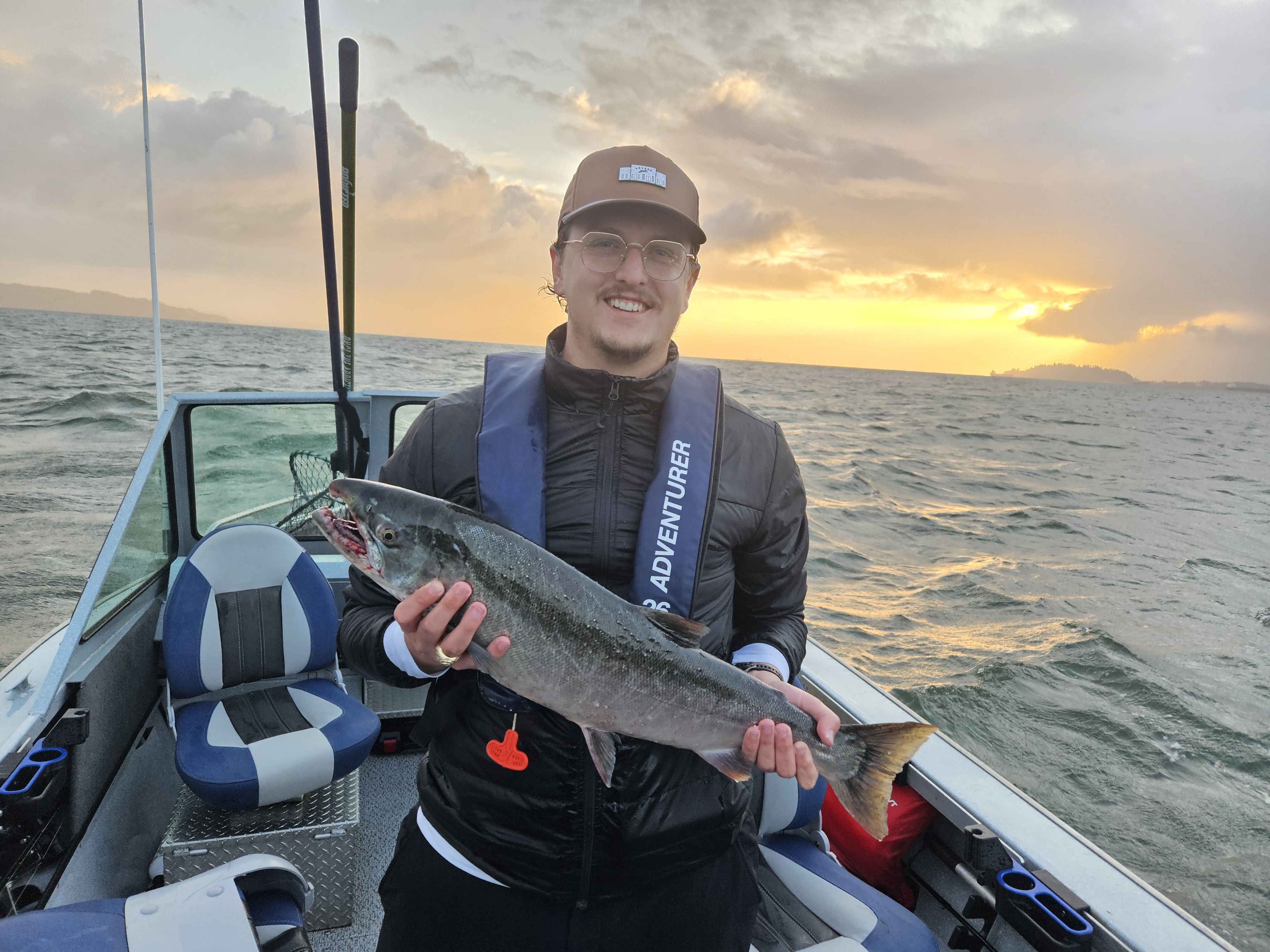
Coho salmon at Buoy 10 are special fish, and the fall B-run specimens are the cream of the crop. These fish average 8-12 pounds but fight like they're twice that size, with acrobatic jumps and powerful runs that'll test your drag system. What makes fall coho so exciting is their aggressive nature – they're feeding heavily and competing for territory, which means they'll hammer your presentation with authority. The best action typically runs from early September through October, with peak fishing often occurring during the tide changes. These fish are chrome-bright fresh from the ocean, and their fighting spirit is legendary among Columbia River anglers. When you hook into one of these B-run coho, you'll instantly understand why experienced anglers skip the upriver crowds to stay down here where the real action is.
Time to Book Your Spot
This world-class coho fishing window is relatively short, and the best days fill up fast once word gets out about the bite. While other anglers are fighting crowds upriver, you could be loading the cooler with chrome-bright coho in some of the most productive water on the West Coast. The combination of aggressive fish, light pressure, and consistent action makes this a top-rated fall fishing experience. Don't wait until everyone figures out what they're missing – book your Fall Coho trip now and experience why Buoy 10 is renowned for producing some of the Pacific Northwest's best salmon fishing when the conditions align.
 Shared Trip
 River Fishing
 Astoria, OR
 Target aggressive B run coho after Labor Day closure